
What Is Automotive Ergonomics? Key Design Principles for Better Driver Comfort
Why does automotive ergonomics matter more than many people assume?
Automotive ergonomics is the discipline of shaping a vehicle around the human body, not the other way around.
It affects how a driver sits, reaches, sees, interprets signals, and reacts during both routine travel and sudden risk.
That is why the topic sits between comfort engineering, passive safety, and intelligent cabin design.
In practical terms, better automotive ergonomics can reduce fatigue, improve control accuracy, and support faster responses.
The impact becomes clearer on long drives, in dense traffic, and during repeated stop-and-go operation.
A vehicle may have advanced electronics, but poor reach zones or awkward seating still weaken the driving experience.
This is also why cabin researchers increasingly study seating geometry, control logic, and visibility as one connected system.
Within the broader mobility field, GNCS often frames this as a meeting point of spatial perception and physical protection.
That perspective is useful because a comfortable posture alone is not enough if restraint systems and impact paths are ignored.
So, when people ask what automotive ergonomics really means, the short answer is simple.
It is the science of designing the driving environment to fit human movement, perception, and safety needs together.
What design principles define good automotive ergonomics?
The core principles are usually easier to understand when linked to real driving behavior rather than abstract theory.
Good automotive ergonomics starts with posture.
Seat height, cushion angle, lumbar support, pedal distance, and steering wheel adjustment must work as a coordinated package.
If one element is off, the body compensates elsewhere, often creating shoulder strain or lower-back pressure.
The second principle is reach efficiency.
Frequently used controls should stay inside a natural hand path without forcing the torso to twist.
The third principle is sightline clarity.
Drivers need clear forward vision, readable displays, and mirror placement that minimizes blind-spot stress.
The fourth principle is cognitive simplicity.
A cabin can look modern yet still overload attention if alerts, menus, and touch inputs compete at the wrong moment.
The fifth principle is support under dynamic conditions.
This means the body remains stable during braking, cornering, vibration, and impact preparation.
That last point is especially relevant to smart seating, seatbelt integration, and passive safety architecture.
- Neutral joint angles help reduce muscle fatigue over time.
- Consistent control grouping lowers visual search time.
- Balanced seat firmness supports both comfort and crash positioning.
- Readable interfaces improve reaction quality, not just convenience.
In other words, automotive ergonomics is not one seat adjustment or one screen layout.
It is the alignment of body mechanics, perception, and cabin interaction.
Where does driver comfort end and safety begin?
In reality, they overlap much more than people think.
A relaxed posture can improve steering precision, pedal modulation, and attention span.
At the same time, correct posture helps the seatbelt, airbag, and head restraint work as intended.
This is why automotive ergonomics is closely tied to occupant packaging and passive restraint performance.
If the driver sits too far back, belt geometry may become less effective.
If the cushion is too short, thigh support declines and fatigue grows faster.
If displays pull the eyes away from the road too often, reaction time suffers.
That is the practical bridge between comfort research and cabin safety engineering.
GNCS follows this intersection closely because seating systems, body structures, airbags, and belts do not operate independently.
They form one protective environment around the occupant.
A useful way to judge the relationship is through the table below.
This is also why better automotive ergonomics should never be judged by softness alone.
How do modern cabins change the way automotive ergonomics is evaluated?
The rise of digital cabins has expanded the meaning of automotive ergonomics.
Older evaluations focused heavily on pedals, wheel reach, mirrors, and seat comfort.
Today, the human-machine interface plays an equally large role.
Touchscreens, haptic feedback, voice control, and driver monitoring systems reshape how the driver interacts with the vehicle.
That creates both opportunities and new ergonomic risks.
For example, a clean dashboard may look advanced, yet hidden menus can increase glance time.
A voice assistant can reduce manual effort, but only if recognition is reliable under road noise.
Heating, ventilation, and seat micro-climate controls also deserve attention.
Thermal discomfort quietly affects alertness and posture changes over long journeys.
In actual cabin engineering, the stronger approach is systems thinking.
That means evaluating screen logic, seat structure, restraint packaging, and body support together.
This aligns with the GNCS view that perception, containment, and structural efficiency increasingly share the same design conversation.
As lightweight structures, smart seats, and compliance demands evolve, ergonomic decisions become more data-driven and more strategic.
What are the most common mistakes when judging automotive ergonomics?
One common mistake is treating comfort as a purely subjective feeling.
Initial softness may impress in a showroom, yet long-term support may still be poor.
Another mistake is ignoring body diversity.
A layout that suits one body size may create reach or visibility problems for another.
A third mistake is separating cabin usability from safety components.
Automotive ergonomics must be checked alongside seatbelt routing, head restraint position, and airbag deployment assumptions.
People also underestimate repetitive actions.
If climate controls, gear selection, or display navigation require repeated visual confirmation, fatigue accumulates quickly.
- Do not evaluate seats only while parked.
- Do not rely on one posture or one driver size.
- Do not assume larger screens automatically improve usability.
- Do not separate ergonomic comfort from restraint effectiveness.
More careful evaluation usually combines physical fit, repeated use, and safety alignment.
That approach produces a more realistic view of automotive ergonomics than visual impressions alone.
How should you assess automotive ergonomics in real projects or research?
A useful assessment starts with the driving scenario.
Urban commuting, freight movement, long-distance travel, and shared mobility all stress the body differently.
Then look at the seat as the primary interface, not as an isolated component.
Check adjustability range, pressure distribution, lumbar support, head restraint geometry, and side support behavior.
After that, review control placement and information hierarchy.
The best layouts reduce unnecessary reach, visual search, and mental switching between tasks.
It also helps to compare ergonomic choices against compliance and safety trends.
For example, evolving crash standards and smart restraint systems influence optimal seating position and cabin packaging.
That is where intelligence platforms such as GNCS add context.
They connect seating, body structures, passive safety, and global regulation into a single mobility picture.
If the goal is better judgment, the most practical checklist looks like this:
- Define the main driving duration and use case.
- Test posture, reach, and visibility together.
- Review interaction load from screens and alerts.
- Check how the seat works with belts and airbags.
- Track evolving standards, materials, and smart seat technologies.
Seen this way, automotive ergonomics is not a decorative cabin topic.
It is a measurable design framework for comfort, control, and occupant protection.
So, what is the right next step if you want a clearer view?
Start by narrowing the question you need answered.
Are you comparing seating concepts, evaluating cabin usability, or tracking how passive safety affects driving posture?
From there, build a simple review framework around posture, reach, visibility, cognitive load, and restraint compatibility.
That method keeps automotive ergonomics grounded in real design trade-offs rather than personal preference alone.
It also helps explain why smart seats, lightweight body engineering, and cabin safety systems increasingly need to be read together.
For ongoing research, it is worth following sources that connect ergonomic design with crash regulation, seat evolution, and interface trends.
That broader lens usually leads to better judgments about where comfort ends, where safety begins, and why the two should not be separated.
Related News

How to Specify Integrated Marine Electronics for Reliable Bridge Operations
Integrated marine electronics: learn how to specify reliable bridge systems with clear data flows, redundancy, alarm control, lifecycle interfaces, and operational testing.

How to Evaluate Navigation Radar Manufacturers for Commercial Vessel Projects
Navigation radar manufacturers: learn how to compare performance, compliance, integration, support, and lifecycle cost for commercial vessel projects.
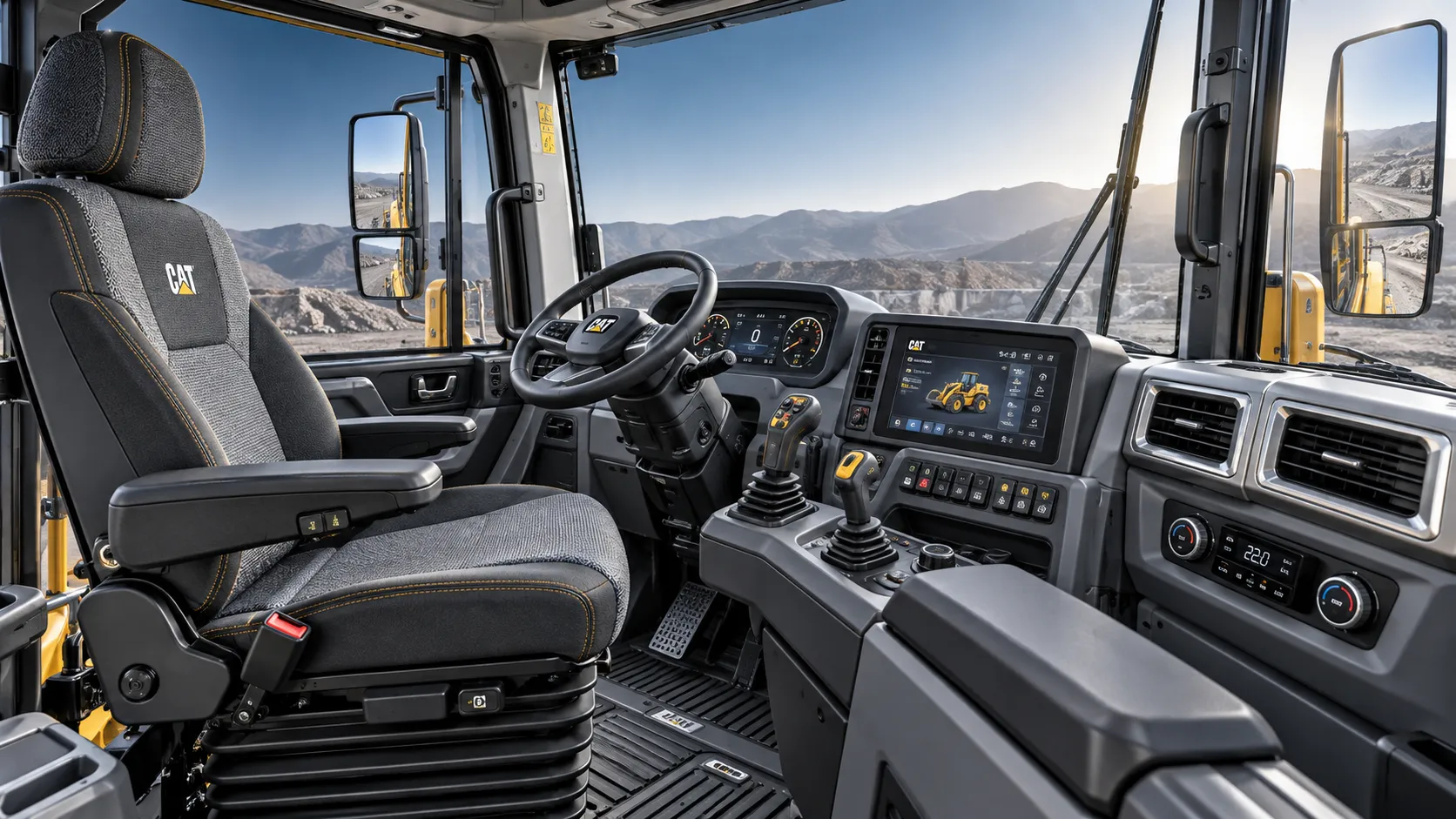
How Adjustable Cabin Ergonomics Reduce Operator Fatigue in Long-Shift Vehicles
Adjustable cabin ergonomics reduces operator fatigue through better seating, reach, visibility, vibration control, and climate comfort for safer long-shift vehicles.
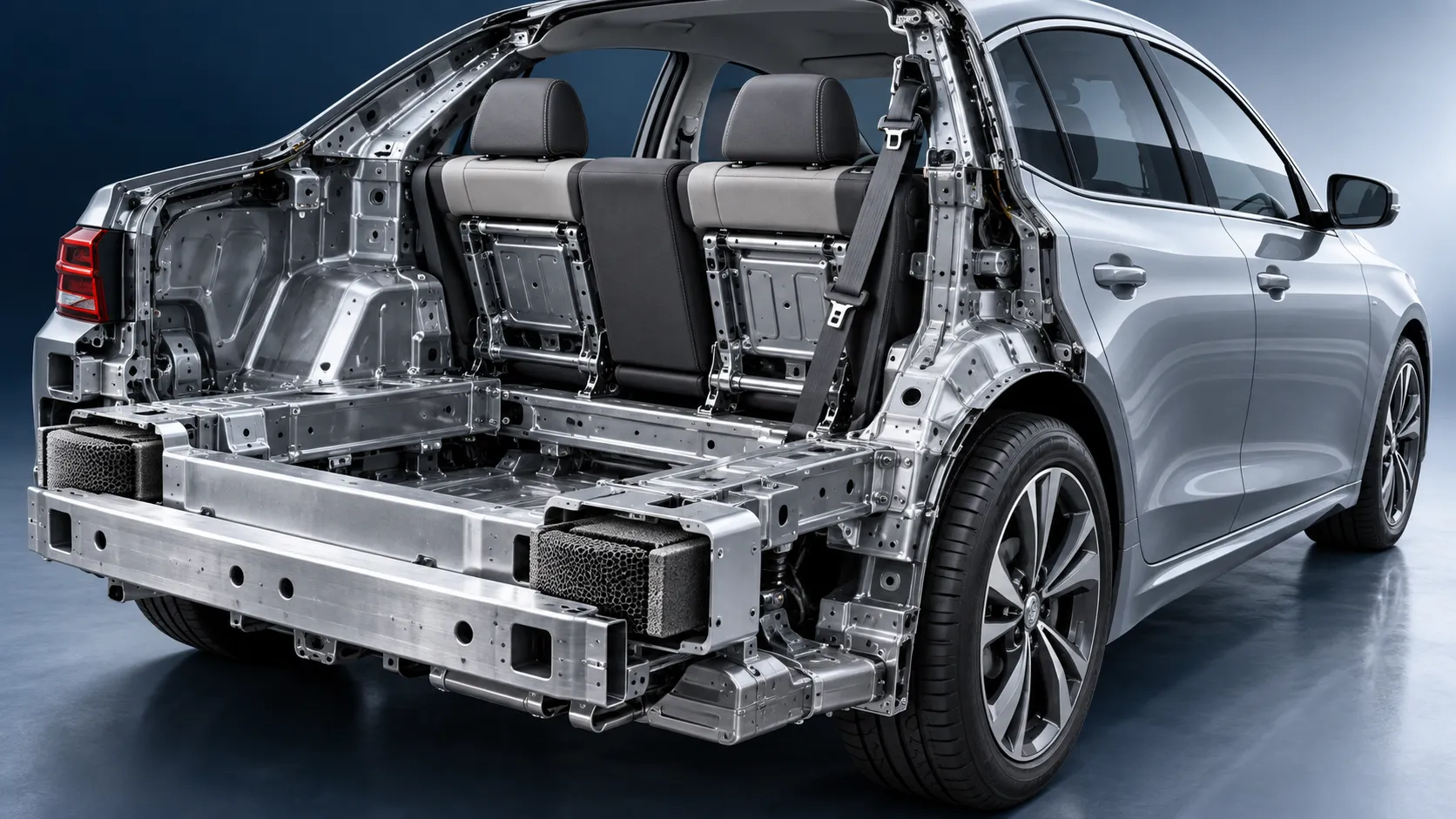
How Rear-Impact Safety Components Work Together to Protect Vehicle Occupants
Explore how automotive safety components for rear impact work together—from crash structures and seats to head restraints and belts—to enhance occupant protection.

How to Evaluate a Marine Safety Systems Manufacturer for Vessel Compliance and Reliability
Marine safety systems manufacturer evaluation guide: verify compliance, engineering quality, lifecycle costs, and global service support for safer, reliable vessel operations.
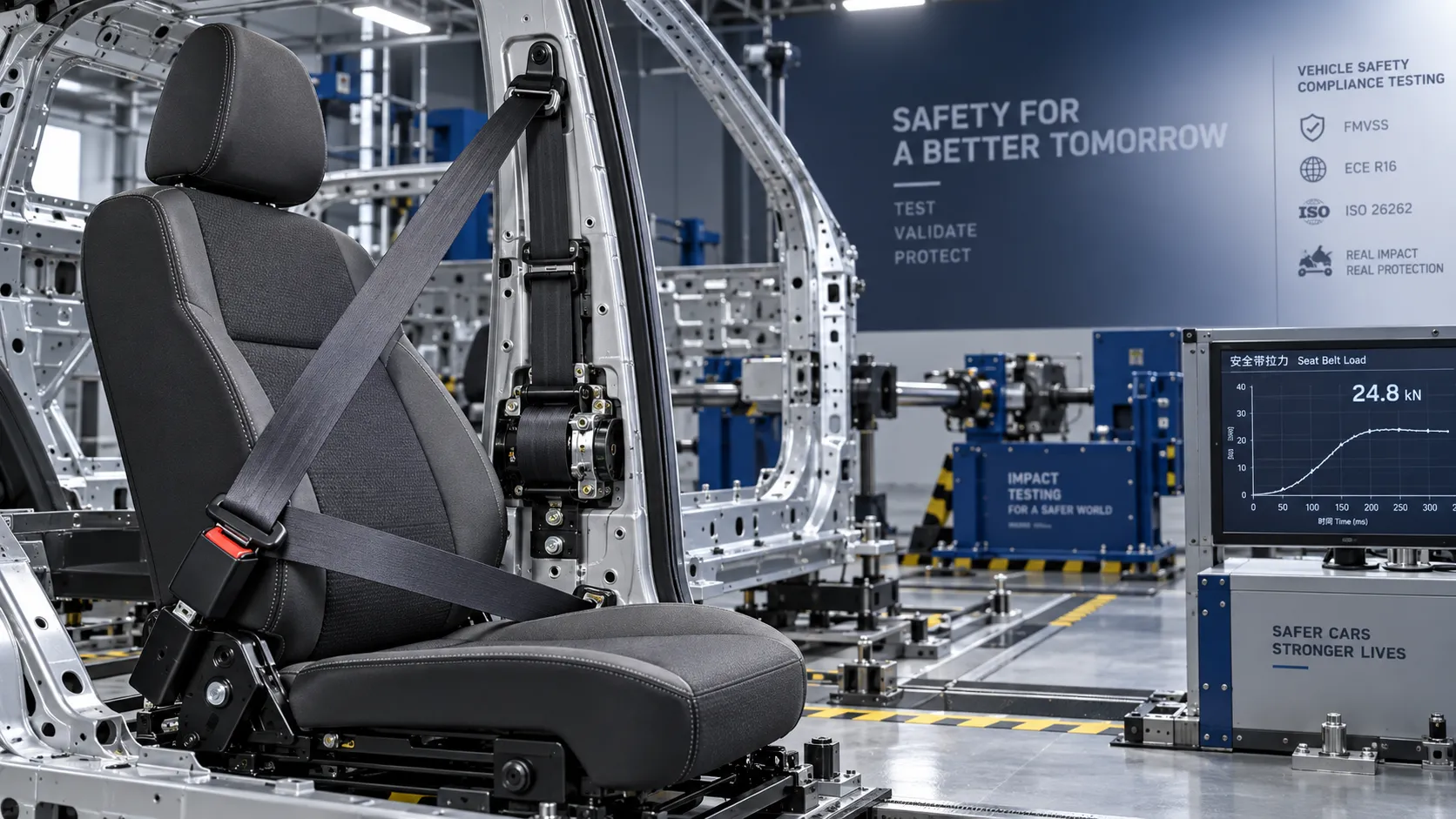
Crash Test Regulations for Seatbelts: Key Compliance Requirements Explained
Crash test regulations seatbelts explained: explore FMVSS, UN rules, anchorage strength, and dynamic restraint testing for safer, compliant vehicle systems.
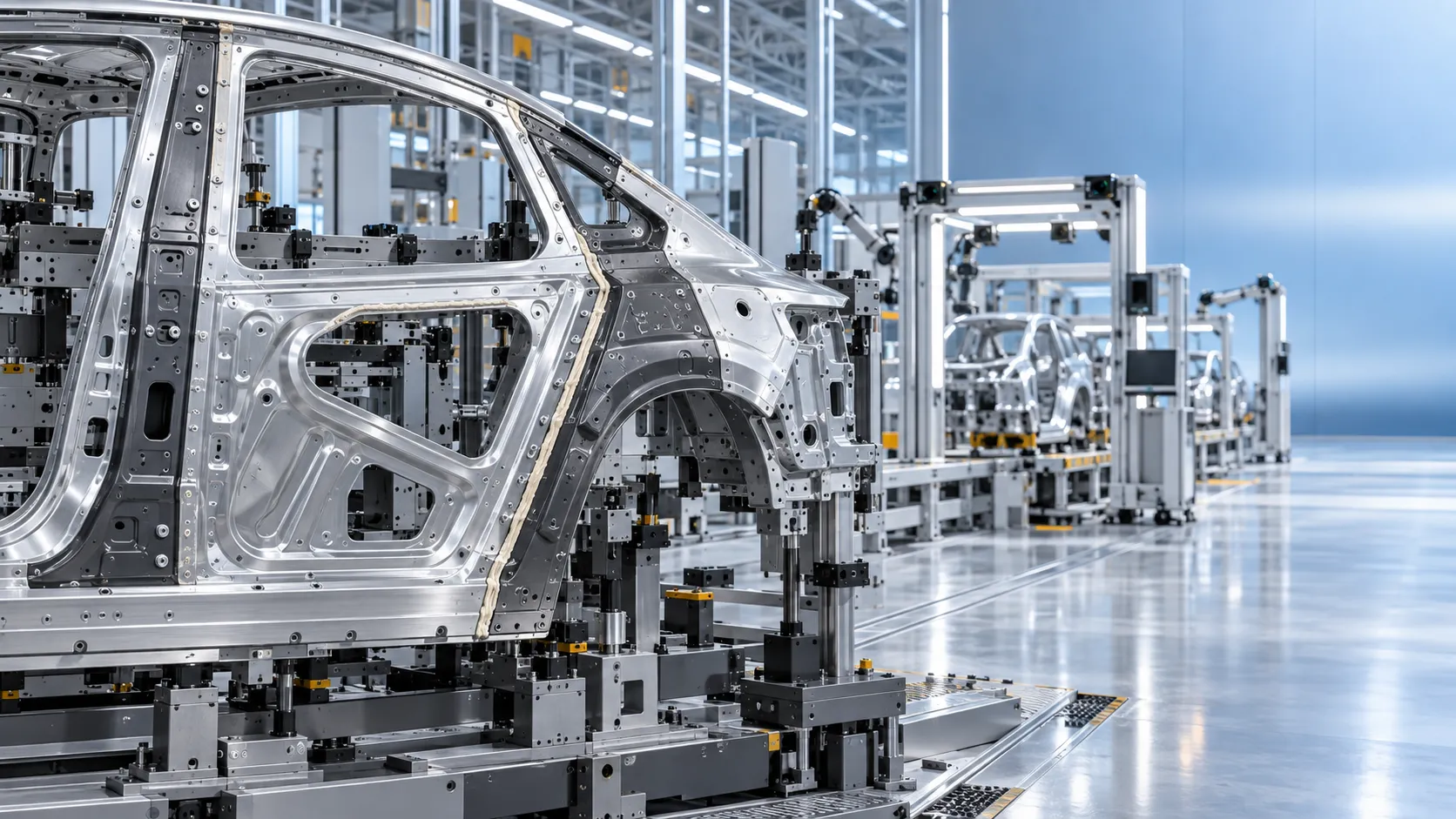
How to Calculate the Total Cost of Automotive Lightweighting for a Vehicle Program
Automotive lightweight solutions cost: learn how to calculate program-level costs, including materials, tooling, joining, validation, risk, and vehicle-level value.

How Automotive Seat Occupancy Sensing Improves Airbag Deployment Decisions
Automotive seat occupancy sensing helps optimize airbag deployment decisions, improving passenger classification, safety diagnostics, and compliance across real-world conditions.
What Drives Lightweight Body Component Costs in High-Volume Vehicle Programs?
Lightweight body components cost depends on material yield, forming, joining, tooling, validation, and logistics. Explore proven ways to optimize total vehicle program cost.
Related News
- 00
0000-00
How to Specify Integrated Marine Electronics for Reliable Bridge Operations - 00
0000-00
How Adjustable Cabin Ergonomics Reduce Operator Fatigue in Long-Shift Vehicles - 00
0000-00
How to Evaluate a Marine Safety Systems Manufacturer for Vessel Compliance and Reliability - 00
0000-00
How to Calculate the Total Cost of Automotive Lightweighting for a Vehicle Program - 00
0000-00
What Drives Lightweight Body Component Costs in High-Volume Vehicle Programs?
Weekly Insights
Stay ahead with our curated technology reports delivered every Monday.