
Product Knowledge Platform for Automotive Teams: Features, Use Cases, and Setup Tips
A product knowledge platform gives automotive teams one place to evaluate technical facts, supplier claims, and compliance details before a sourcing decision moves forward. In mobility sectors shaped by lightweight engineering, crash performance, and fast regulation updates, that shared visibility matters because a small data gap can affect cost, timing, or safety. For organizations tracking body stampings, airbags, seatbelt systems, smart seating, or even adjacent navigation technologies, the real value is not just storing information, but turning scattered product data into a reliable decision framework.
Why the topic is gaining weight across mobility supply chains
Automotive sourcing used to depend heavily on spreadsheets, email trails, PDF catalogs, and separate engineering reviews. That model struggles when products become more software-linked, compliance-heavy, and globally sourced.
A seat frame is no longer judged only by cost and dimensions. It may also be reviewed for alloy choice, weight impact, test evidence, traceability, comfort integration, and regional standards.
The same is true for airbags and seatbelt systems, where chemical formulations, deployment logic, pretensioning behavior, and certification timelines all influence supplier fit.
That is why a product knowledge platform has become more relevant. It helps connect engineering language, sourcing criteria, and regulatory signals without forcing every decision back to disconnected files.
This matters even more in environments like GNCS, where intelligence spans marine navigation systems, passive safety components, and smart cabin assemblies. The common thread is precision, risk control, and dependable interpretation of technical evidence.
What a product knowledge platform really does
At its core, a product knowledge platform is a structured system for product specifications, supporting documents, comparison logic, and decision history.
It does not replace engineering systems or supplier management tools. Instead, it sits between technical complexity and business action.
In practical terms, it can organize:
- Core specifications, drawings, and material data
- Test reports, validation records, and approval status
- Regional compliance references such as IIHS or E-NCAP implications
- Supplier capability notes, lead times, and change history
- Commercial context tied to demand shifts and sourcing risk
The strongest platforms do one more thing well. They preserve context, so users understand why a specification changed, why one supplier was shortlisted, and what technical trade-off was accepted.
The features that matter most
Not every feature deserves equal attention. In automotive programs, the most useful functions are the ones that reduce uncertainty during evaluation.
Structured product records
A product knowledge platform should capture attributes in a consistent way. Free-form documents alone make comparison slow and error-prone.
For hot-stamped parts, fields may include steel grade, thickness tolerance, forming method, coating, and crash energy absorption behavior.
Version control and audit trail
Specifications change often. A platform should show what changed, when it changed, and whether the update affects sourcing, validation, or compliance.
Compliance mapping
Requirements rarely sit in one document. A useful product knowledge platform links component data to regulations, internal rules, and market-specific expectations.
For GNCS-style intelligence models, this is especially valuable because navigation and cabin safety products face different but equally strict regulatory pathways.
Cross-functional comparison tools
Sourcing decisions improve when cost, technical fit, reliability, and certification progress can be reviewed together instead of in separate workflows.
Insight layers beyond raw data
The platform becomes more strategic when it includes trend analysis, demand signals, and expert interpretation. That is where intelligence portals stand out from simple databases.
Where the platform creates practical value
The value of a product knowledge platform becomes clear when several product families must be reviewed under time pressure.
This cross-category view matters because many supply decisions now involve shared risk questions, even when components serve different transport environments.
Common use cases inside sourcing and evaluation work
One common use case is early supplier comparison. Before formal nomination, teams need a quick but credible way to screen fit.
A product knowledge platform makes that faster by standardizing what evidence must be present before a supplier moves ahead.
Another use case is managing product changes. If a seat frame shifts from steel to magnesium alloy, the impact may touch cost, tooling, validation, and logistics.
Without a shared platform, those effects can be missed until late program stages.
A third use case is compliance preparation. When crash standards evolve or software update requirements tighten, product data must be reviewed against market expectations.
Platforms informed by strategic intelligence, such as GNCS-style reporting, are useful here because they connect product records with regulatory movement and commercial timing.
How to set one up without creating another data silo
Setup often fails when teams try to capture everything at once. A better approach starts with decisions, not data volume.
Start from repeat decisions
List the product comparisons that happen most often. Focus on categories with high technical risk, frequent updates, or long approval cycles.
Define mandatory fields carefully
Only capture data that supports judgment. Too many fields lower adoption. Too few fields make the product knowledge platform unreliable.
Separate facts from interpretation
Raw specifications, test results, and certifications should stay distinct from analyst notes, supplier comments, and trend assessments.
Connect external intelligence
A product knowledge platform becomes far more useful when it absorbs market and regulation insights. GNCS offers a good model through its blend of sector news, trend analysis, and technical credibility.
Assign clear ownership
Someone must own data quality, review timing, and update rules. Shared access works best when accountability is not shared vaguely.
What to watch before trusting the output
Even a strong product knowledge platform can mislead if its records are incomplete or its comparison logic is too simplistic.
- Check whether old versions remain visible for audit purposes
- Confirm that compliance references are market-specific and current
- Review whether supplier claims are backed by test evidence
- Look for missing context around substitutions or design changes
- Make sure commercial ratings do not hide technical risk
Usually, the best signal is not how much information the platform contains, but how confidently it supports a real comparison under deadline.
A practical next step
If the current workflow still depends on scattered files, start by mapping one component family end to end. Body stampings or seatbelt systems are often good test cases.
Then build a product knowledge platform structure around the decisions that repeat, the standards that change, and the risks that carry the highest consequence.
From there, it becomes easier to compare suppliers with more discipline, follow regulation shifts with less friction, and use technical intelligence as a sourcing advantage rather than a late-stage correction.
For teams working across safety, seating, lightweight structures, or navigation-related systems, that shift is less about software adoption and more about building a clearer basis for every future decision.
Related News
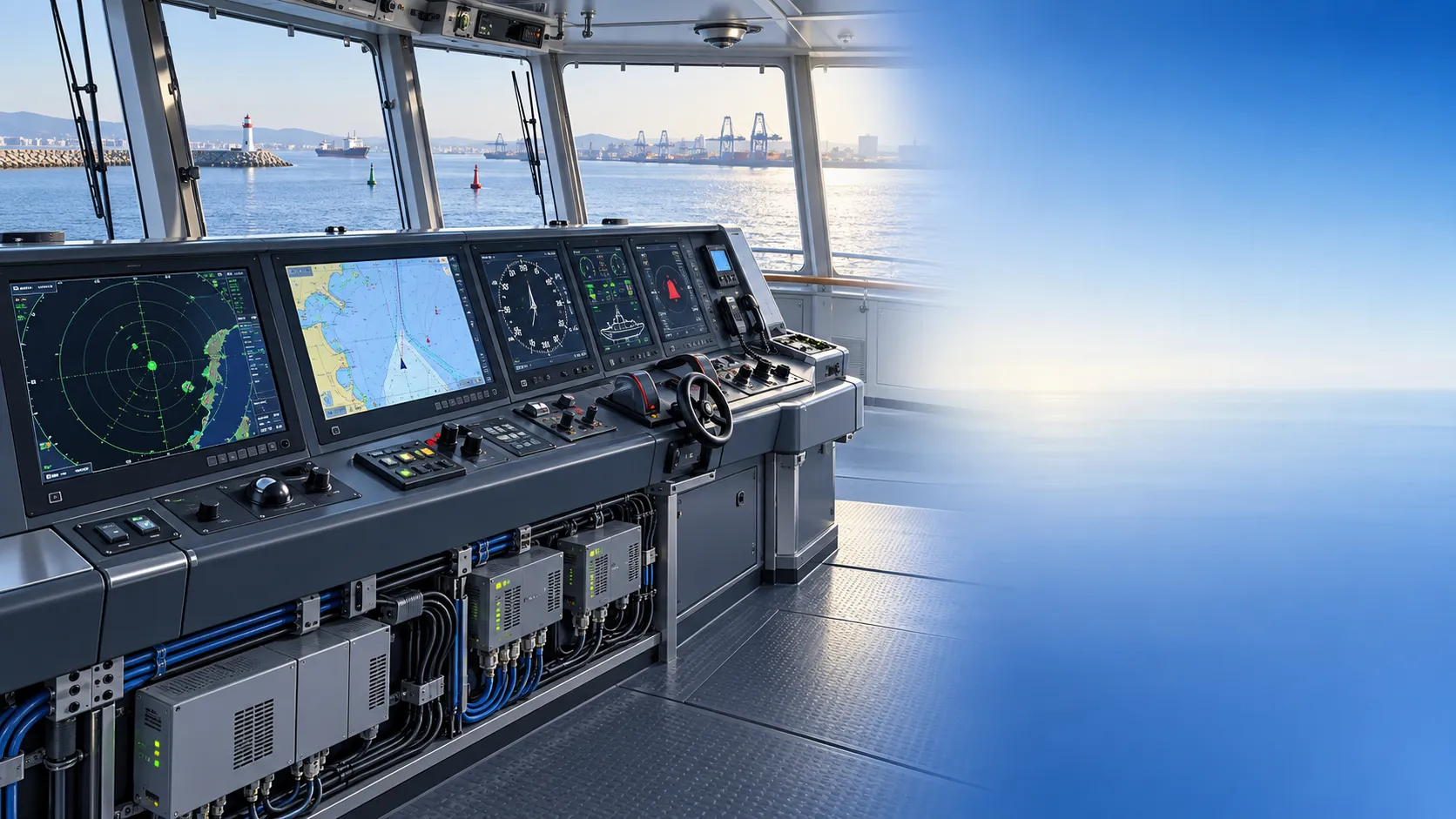
How to Specify Integrated Marine Electronics for Reliable Bridge Operations
Integrated marine electronics: learn how to specify reliable bridge systems with clear data flows, redundancy, alarm control, lifecycle interfaces, and operational testing.

How to Evaluate Navigation Radar Manufacturers for Commercial Vessel Projects
Navigation radar manufacturers: learn how to compare performance, compliance, integration, support, and lifecycle cost for commercial vessel projects.
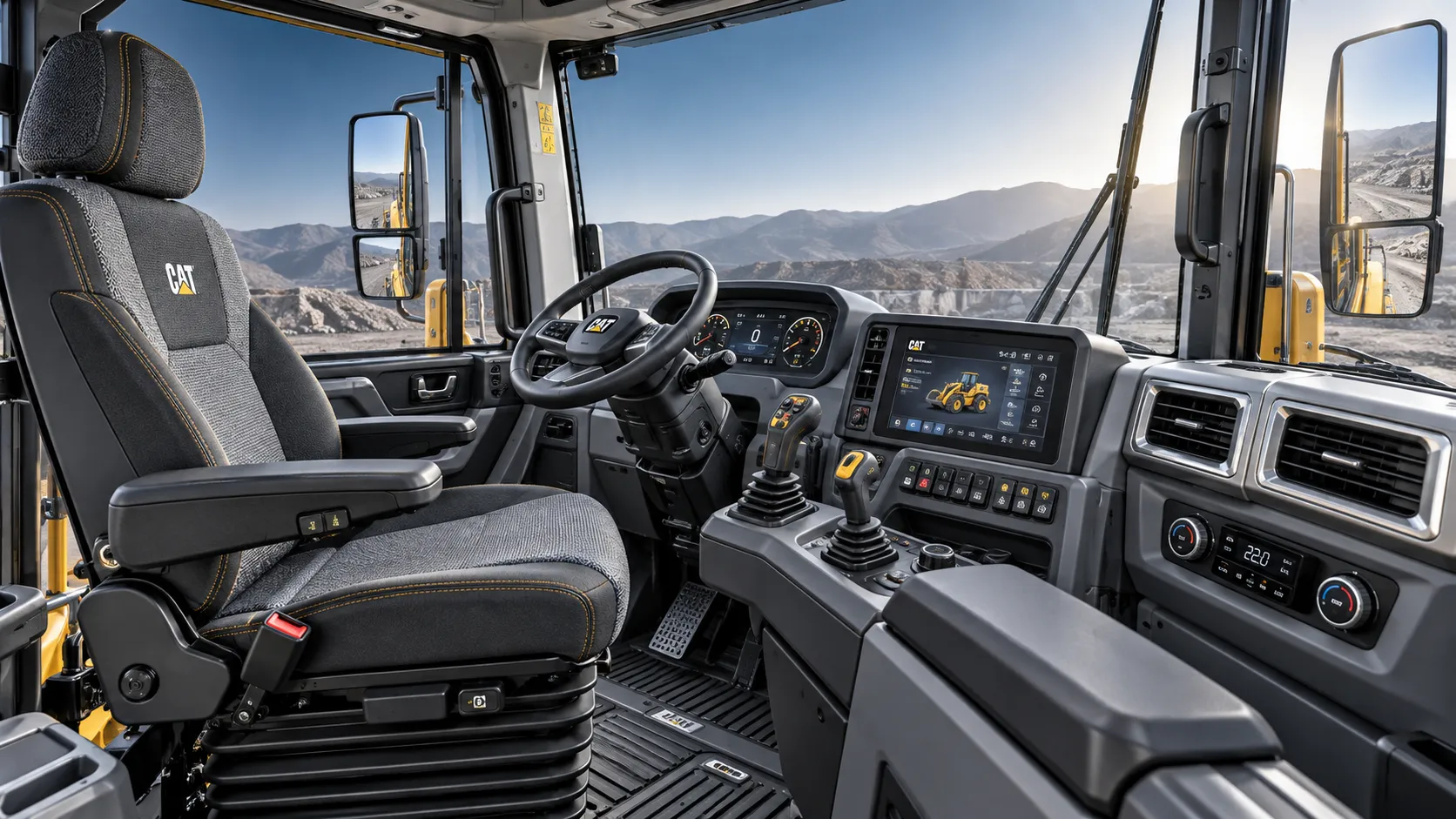
How Adjustable Cabin Ergonomics Reduce Operator Fatigue in Long-Shift Vehicles
Adjustable cabin ergonomics reduces operator fatigue through better seating, reach, visibility, vibration control, and climate comfort for safer long-shift vehicles.

How Rear-Impact Safety Components Work Together to Protect Vehicle Occupants
Explore how automotive safety components for rear impact work together—from crash structures and seats to head restraints and belts—to enhance occupant protection.
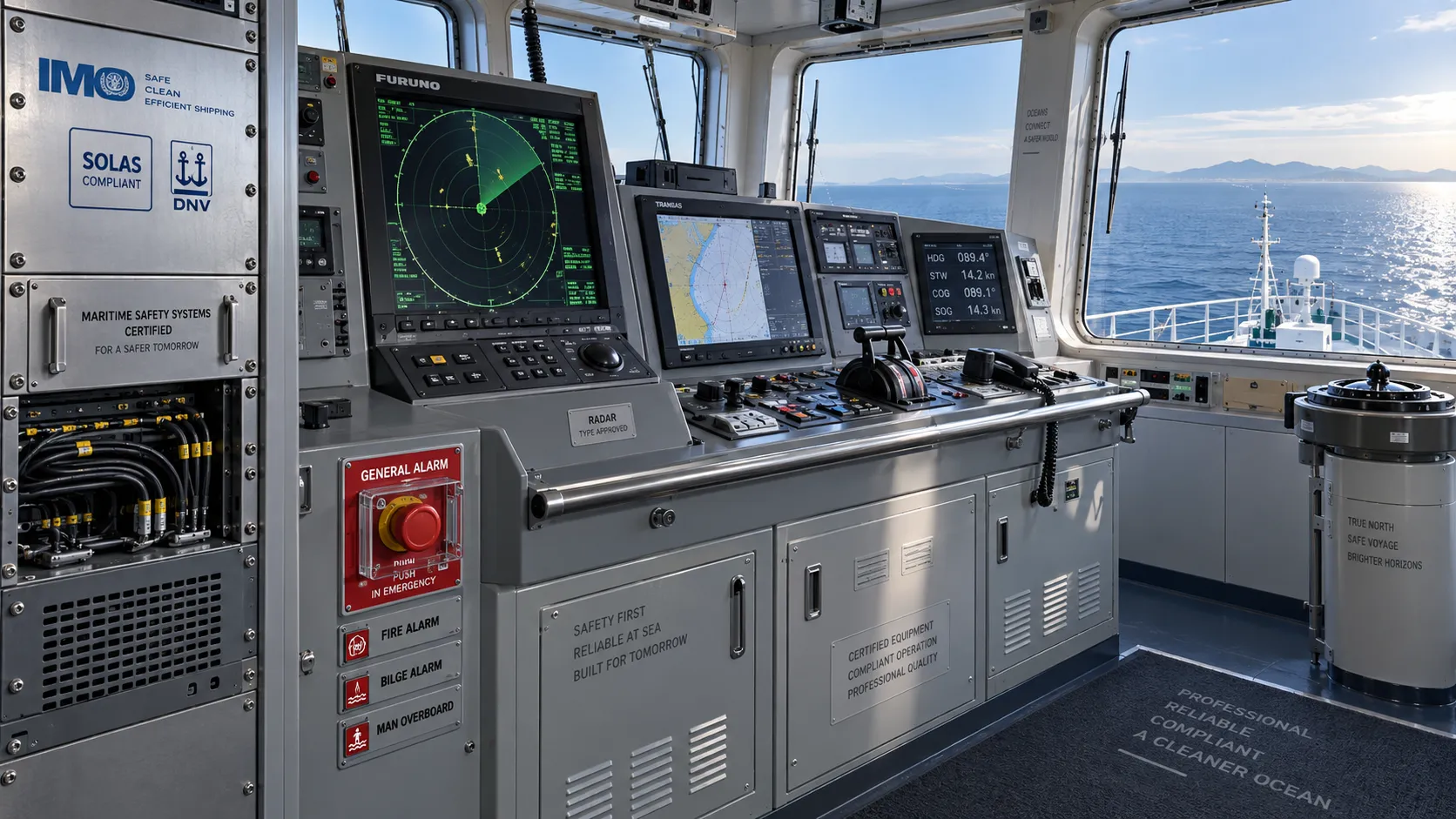
How to Evaluate a Marine Safety Systems Manufacturer for Vessel Compliance and Reliability
Marine safety systems manufacturer evaluation guide: verify compliance, engineering quality, lifecycle costs, and global service support for safer, reliable vessel operations.
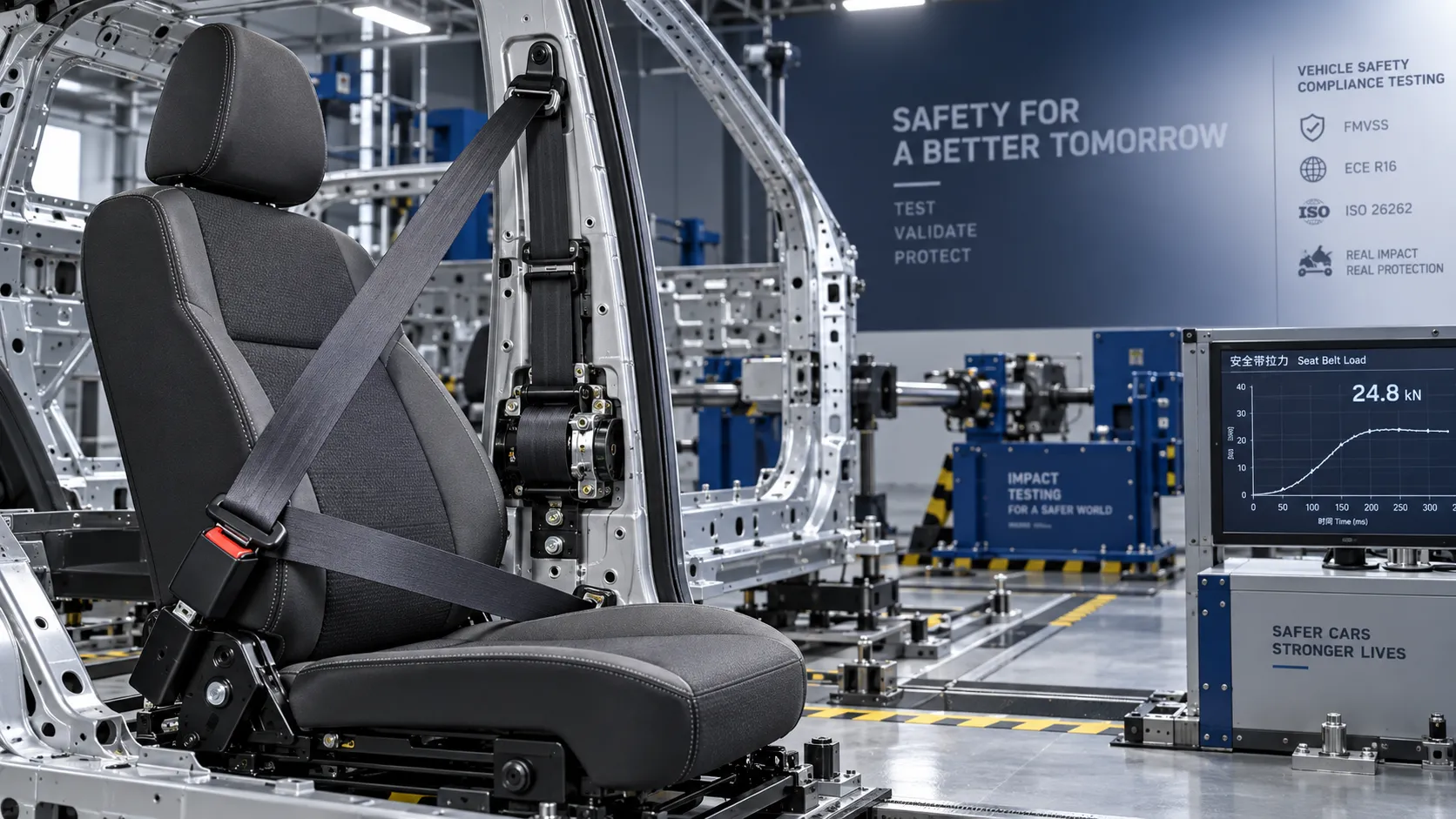
Crash Test Regulations for Seatbelts: Key Compliance Requirements Explained
Crash test regulations seatbelts explained: explore FMVSS, UN rules, anchorage strength, and dynamic restraint testing for safer, compliant vehicle systems.

How to Calculate the Total Cost of Automotive Lightweighting for a Vehicle Program
Automotive lightweight solutions cost: learn how to calculate program-level costs, including materials, tooling, joining, validation, risk, and vehicle-level value.

How Automotive Seat Occupancy Sensing Improves Airbag Deployment Decisions
Automotive seat occupancy sensing helps optimize airbag deployment decisions, improving passenger classification, safety diagnostics, and compliance across real-world conditions.

What Drives Lightweight Body Component Costs in High-Volume Vehicle Programs?
Lightweight body components cost depends on material yield, forming, joining, tooling, validation, and logistics. Explore proven ways to optimize total vehicle program cost.
Related News
- 00
0000-00
How to Specify Integrated Marine Electronics for Reliable Bridge Operations - 00
0000-00
How Adjustable Cabin Ergonomics Reduce Operator Fatigue in Long-Shift Vehicles - 00
0000-00
How to Evaluate a Marine Safety Systems Manufacturer for Vessel Compliance and Reliability - 00
0000-00
How to Calculate the Total Cost of Automotive Lightweighting for a Vehicle Program - 00
0000-00
What Drives Lightweight Body Component Costs in High-Volume Vehicle Programs?
Weekly Insights
Stay ahead with our curated technology reports delivered every Monday.