
How to Evaluate Smart Sensing Solutions for Automotive Projects: Key Criteria to Compare
Choosing the right smart sensing solution can shape the outcome of an automotive project far beyond the sensor itself. It affects safety logic, cabin interaction, platform integration, and the ability to scale into future vehicle programs. For teams comparing options, the real task is not just checking whether a sensor works, but whether the full smart sensing stack can survive real driving conditions, meet regulatory expectations, and fit the architecture of the vehicle.
Why smart sensing now sits at the center of vehicle development
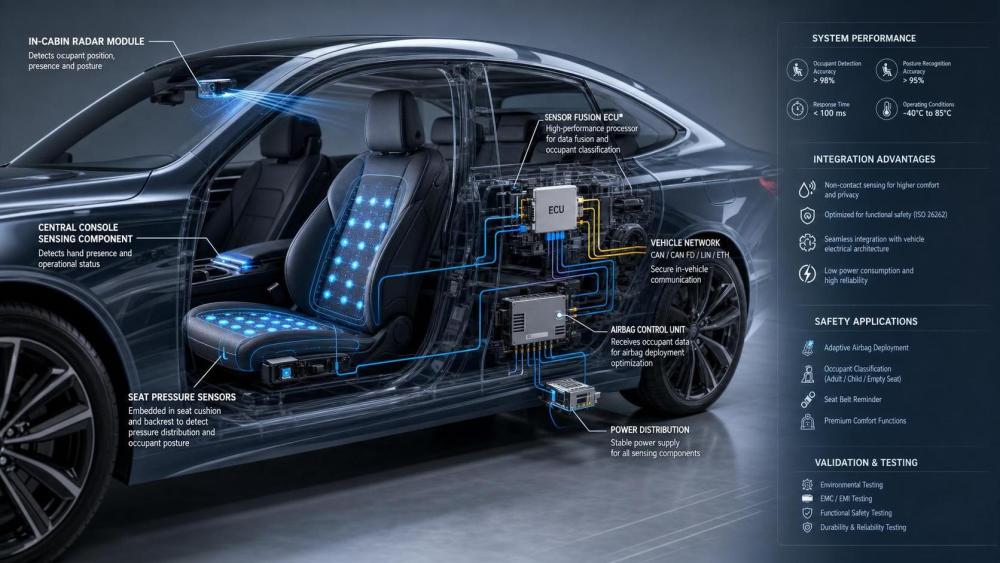
In GNCS’s broader view of mobility equipment, perception is no longer limited to external navigation or crash protection. It also reaches into body structures, passive safety modules, and smart seats, where sensing supports both comfort and containment. That makes smart sensing a cross-functional decision, not a single-component purchase.
Automotive programs increasingly depend on sensors for occupancy detection, seat posture recognition, belt reminder logic, airbag suppression decisions, and interior environment monitoring. In parallel, lightweight vehicle bodies and stricter crash standards raise the bar for system reliability. A weak sensing choice can create false signals, delayed responses, or difficult software calibration. A strong one can improve confidence across the entire platform.
What a smart sensing solution really includes
A smart sensing solution is not only the sensor element. It usually includes signal capture, preprocessing, fusion logic, diagnostics, communication interfaces, and the software rules that turn raw data into a usable decision. That is why two products with similar accuracy on paper can behave very differently in a vehicle.
For automotive projects, the most useful comparison starts with the sensing principle itself. Vision, radar, ultrasound, pressure, capacitive, and thermal approaches each solve different problems. Some are better for cabin presence detection, while others are more suitable for external perception or harsh operating zones. The right match depends on the use case, not on feature count.
Core criteria that deserve close comparison
- Measurement performance: accuracy, repeatability, latency, and detection range under real operating loads.
- Environmental robustness: resistance to vibration, temperature shifts, humidity, dust, EMI, and long-term drift.
- Integration effort: interface compatibility, software load, calibration steps, and ECU architecture fit.
- Functional safety support: diagnostics, fault coverage, and behavior during degraded operation.
- Lifecycle value: maintenance burden, update path, supply continuity, and total program risk.
Performance means more than headline accuracy
Many teams begin by comparing precision, but that figure alone rarely predicts vehicle performance. A smart sensing device can look excellent in a controlled lab and still struggle when installed near heat sources, moving trim parts, or metal structures that affect signal behavior. Response speed also matters, especially where the sensing output feeds safety logic or time-sensitive cabin decisions.
The practical question is whether the sensor remains consistent across different postures, load states, lighting conditions, or motion profiles. In smart seat applications, for example, seat occupancy recognition and posture inference need stable output across a wide range of body types and seating habits. In passive safety systems, even small timing errors can affect system behavior.
Environmental resilience is often the real differentiator
Automotive sensing lives in a difficult environment. Temperature swings, road vibration, electrical noise, and aging all change performance over time. For that reason, smart sensing evaluation should include stress behavior, not only nominal specifications. It is worth checking how the solution responds to condensation, interference from adjacent modules, and repeated mechanical shock.
This is especially important in cabin systems where sensors sit inside trim, seat frames, belt components, or instrument panels. GNCS’s focus on physical containment protection and cockpit intelligence reflects this reality: a sensing layer must fit into a structure built for safety, weight reduction, and long service life. If the package is fragile or calibration-heavy, it may create hidden cost later.
Integration quality decides whether the program stays efficient
A smart sensing solution should reduce system complexity, not increase it. That means the electrical interface, communication protocol, software architecture, and calibration workflow should all be evaluated early. If one sensor requires extensive manual tuning or a custom data pipeline, the project may lose time during validation and production launch.
Integration also affects scalability. A solution that works on one trim level but cannot be reused across platforms creates friction for future programs. Technical teams usually benefit from asking whether the design can support multiple variants, regional standards, and later feature expansion without a full redesign.
Compliance readiness should be checked early, not late
In automotive projects, compliance is not a final checkpoint. It shapes architecture from the beginning. Smart sensing used in safety-related systems must support traceability, diagnostic visibility, and verification evidence that can stand up to program review. That includes the quality of test data, the clarity of failure modes, and the consistency of behavior across variants.
GNCS pays close attention to evolving standards in crash protection, cockpit sensing, and lightweight vehicle systems because those areas are tightly connected. When sensing contributes to safety decisions, the evaluation should ask whether the supplier can provide documentation, validation logic, and update discipline that match the program’s compliance path.
Lifecycle cost is usually where the best choice becomes clear
The lowest initial price rarely means the lowest total cost. A smart sensing solution that requires frequent recalibration, heavy software support, or fragile mounting can become expensive over the vehicle lifecycle. Replacement risk, production scrap, and field troubleshooting all matter.
It is also worth comparing supplier continuity and update capability. For platform programs that run across several years, a sensing solution should remain available, support revisions, and stay aligned with future hardware and software changes. In practice, this is where many technical evaluations become commercial decisions as well.
Turning comparison into a usable decision
A clear evaluation process usually works better than a long feature checklist. Start by defining the target function, the installation space, and the failure tolerance. Then compare candidate smart sensing options under the same conditions, using the same test routes, load states, and validation rules.
From there, narrow the field by asking three practical questions: Can the solution perform reliably in the real vehicle environment? Can it integrate without creating hidden complexity? Can it support compliance and lifecycle needs without locking the program into avoidable risk?
For teams shaping next-step decisions, the best move is often to build a simple comparison matrix around these points and validate it against actual use cases. That approach keeps smart sensing selection grounded in program reality, not just datasheet performance. It also creates a stronger basis for choosing a solution that can scale with the vehicle platform, the safety strategy, and the long-term business case.
Related News
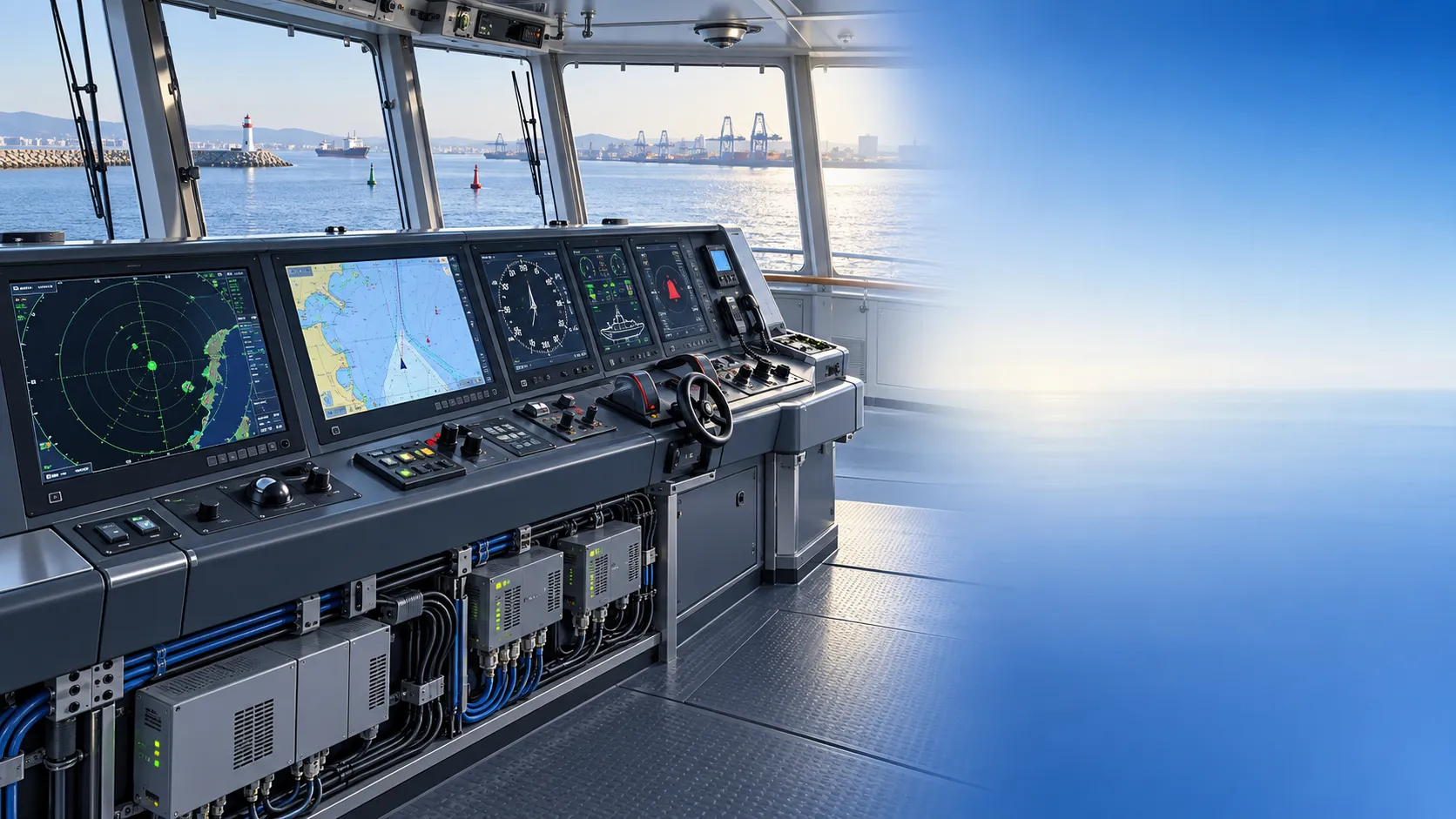
How to Specify Integrated Marine Electronics for Reliable Bridge Operations
Integrated marine electronics: learn how to specify reliable bridge systems with clear data flows, redundancy, alarm control, lifecycle interfaces, and operational testing.

How to Evaluate Navigation Radar Manufacturers for Commercial Vessel Projects
Navigation radar manufacturers: learn how to compare performance, compliance, integration, support, and lifecycle cost for commercial vessel projects.
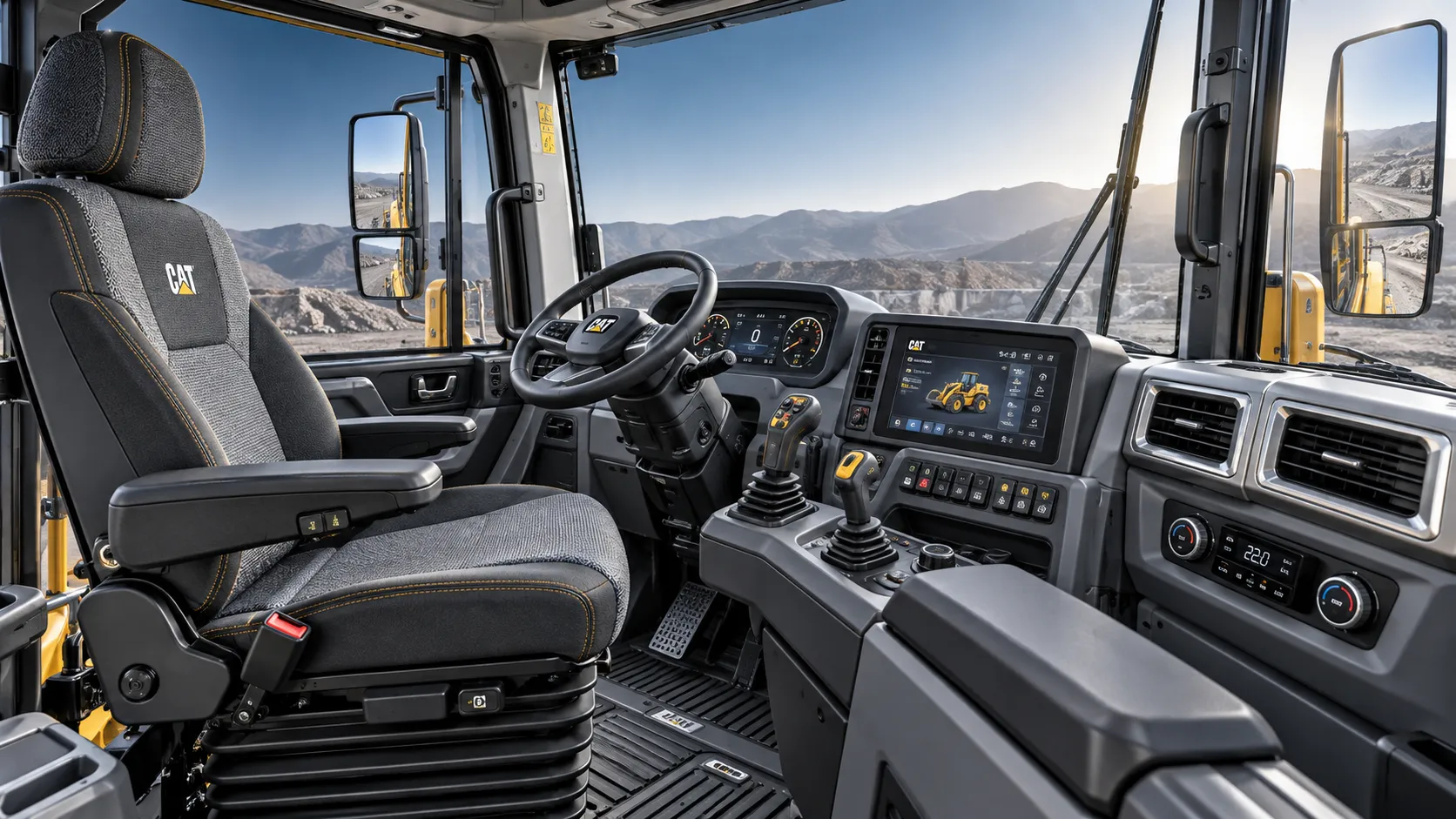
How Adjustable Cabin Ergonomics Reduce Operator Fatigue in Long-Shift Vehicles
Adjustable cabin ergonomics reduces operator fatigue through better seating, reach, visibility, vibration control, and climate comfort for safer long-shift vehicles.
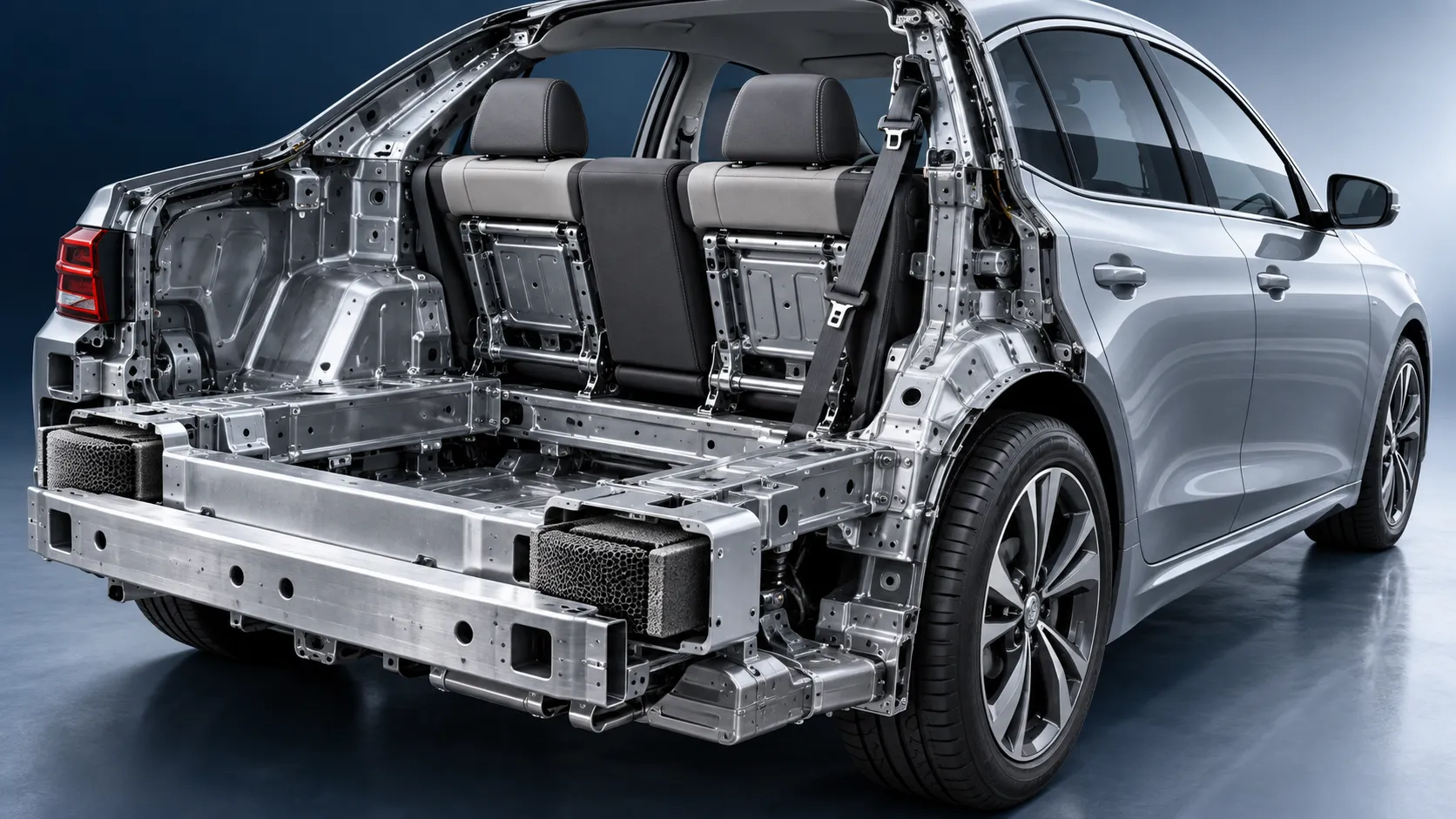
How Rear-Impact Safety Components Work Together to Protect Vehicle Occupants
Explore how automotive safety components for rear impact work together—from crash structures and seats to head restraints and belts—to enhance occupant protection.
How to Evaluate a Marine Safety Systems Manufacturer for Vessel Compliance and Reliability
Marine safety systems manufacturer evaluation guide: verify compliance, engineering quality, lifecycle costs, and global service support for safer, reliable vessel operations.
Crash Test Regulations for Seatbelts: Key Compliance Requirements Explained
Crash test regulations seatbelts explained: explore FMVSS, UN rules, anchorage strength, and dynamic restraint testing for safer, compliant vehicle systems.

How to Calculate the Total Cost of Automotive Lightweighting for a Vehicle Program
Automotive lightweight solutions cost: learn how to calculate program-level costs, including materials, tooling, joining, validation, risk, and vehicle-level value.

How Automotive Seat Occupancy Sensing Improves Airbag Deployment Decisions
Automotive seat occupancy sensing helps optimize airbag deployment decisions, improving passenger classification, safety diagnostics, and compliance across real-world conditions.

What Drives Lightweight Body Component Costs in High-Volume Vehicle Programs?
Lightweight body components cost depends on material yield, forming, joining, tooling, validation, and logistics. Explore proven ways to optimize total vehicle program cost.
Related News
- 00
0000-00
How to Specify Integrated Marine Electronics for Reliable Bridge Operations - 00
0000-00
How Adjustable Cabin Ergonomics Reduce Operator Fatigue in Long-Shift Vehicles - 00
0000-00
How to Evaluate a Marine Safety Systems Manufacturer for Vessel Compliance and Reliability - 00
0000-00
How to Calculate the Total Cost of Automotive Lightweighting for a Vehicle Program - 00
0000-00
What Drives Lightweight Body Component Costs in High-Volume Vehicle Programs?
Weekly Insights
Stay ahead with our curated technology reports delivered every Monday.