
What Are Non-Toxic Propellants? Types, Performance Trade-Offs, and Key Uses
Why are non-toxic propellants getting so much attention?
Non-toxic propellants matter because safety systems now face tighter rules, broader operating conditions, and higher expectations for clean deployment.
In simple terms, they are gas-generating compositions designed to reduce harmful byproducts without losing response speed or pressure stability.
That balance is especially important in automotive inflators, marine emergency devices, and other precision systems where milliseconds and residue control both matter.
Within the wider mobility equipment landscape, this topic connects chemistry with compliance, thermal behavior, packaging limits, and long-term reliability.
That is why GNCS follows non-toxic propellants as part of a larger safety chain linking cabin protection, harsh-environment engineering, and global regulatory change.
What exactly counts as a non-toxic propellant?
The term usually refers to propellant chemistries that avoid highly hazardous compounds and produce cleaner combustion gases and lower toxic residue.
Historically, many inflator systems relied on materials that worked well but raised disposal, exposure, and environmental concerns.
Newer non-toxic propellants aim to reduce those concerns while still delivering fast gas output, predictable burn rate, and acceptable thermal management.
A practical definition is more useful than a marketing one.
A formulation is usually judged by four questions:
- Does it reduce toxic combustion products?
- Can it meet deployment timing requirements?
- Is residue low enough for the target device?
- Can it pass storage, transport, and abuse testing?
So, non-toxic propellants are not just “safer chemicals.” They are system-level materials chosen for cleaner performance inside real hardware.
Which types of non-toxic propellants are most common today?
There is no single winning family. Different applications favor different chemistries based on gas yield, burn temperature, residue, and cost.
The most discussed types of non-toxic propellants include nitrogen-rich formulations, guanidine-based systems, and phase-stabilized oxidizer blends.
Some newer combinations also use tetrazole or triazole derivatives, especially when designers want higher gas output with controlled solids formation.
A quick comparison helps separate chemistry names from engineering meaning.
In practice, engineers do not select non-toxic propellants by name alone. They compare formulation behavior inside the final gas generator architecture.
If they are cleaner, why is selection still difficult?
Because cleaner chemistry does not erase the usual engineering trade-offs. It simply changes where those trade-offs appear.
For example, one non-toxic propellant may lower hazardous emissions but generate more particulates, forcing better filters and tougher packaging decisions.
Another may burn cooler, which helps nearby components, but may need larger mass loading to hit the same pressure curve.
The most common performance trade-offs usually fall into these areas:
- Gas output versus residue control
- Burn speed versus thermal stress
- Compact packaging versus material stability
- Lower toxicity versus higher formulation cost
- Regulatory preference versus qualification time
This is especially relevant for cabin safety devices.
Airbag inflators, pretensioners, and related pyrotechnic systems must activate within strict windows, often after years of thermal cycling and vibration exposure.
A non-toxic propellant that looks attractive in lab data may still fail system targets once igniter compatibility, filter loading, and cold-start behavior are tested together.
That is why serious evaluation always moves from chemistry performance to full-device validation.
Where are non-toxic propellants actually used, and where do they fit best?
The clearest use case is automotive restraint technology.
Airbag assemblies need rapid gas generation, low harmful output, and consistent deployment over the product life of the vehicle.
That makes non-toxic propellants highly relevant to frontal airbags, side airbags, curtain systems, and some pretensioning devices.
Marine safety equipment is another growing area.
Inflation devices used in emergency flotation, signaling, or compact deployment mechanisms benefit from cleaner combustion, especially in enclosed or salt-exposed environments.
The same logic extends to selected aerospace, defense-adjacent, and industrial gas generator applications, although qualification pathways differ.
At GNCS, this matters because non-toxic propellants sit at the intersection of passive safety and precision systems.
They affect how a protective device deploys, how nearby structures handle heat, and how compliance evidence is built across regions.
How do you compare options without getting lost in chemistry terms?
A useful approach is to compare non-toxic propellants by decision criteria rather than by formula labels alone.
The table below summarizes the questions that usually matter most during early screening.
More often than not, the best option is the one with the fewest system penalties, not the most impressive chemistry headline.
What misunderstandings cause the biggest evaluation mistakes?
One common mistake is assuming non-toxic propellants are automatically low-risk in every sense.
Lower toxicity does not guarantee easier storage, easier ignition control, or easier integration into existing inflator hardware.
Another mistake is focusing only on emissions and ignoring residue management. Fine particles and filter loading can reshape the entire device design.
There is also a timing misconception.
Changing to non-toxic propellants often requires fresh validation of igniters, seals, vent geometry, thermal shields, and end-of-line checks.
That means cost and schedule should be viewed as engineering program variables, not just material price variables.
A practical review should include:
- Shelf-life and humidity resistance data
- Cold and hot deployment consistency
- Interaction with filters and housing materials
- Regional compliance documentation needs
- Manufacturing repeatability at production scale
So what is the right next step when studying non-toxic propellants?
Start by defining the actual device requirement, not by choosing a chemistry family too early.
For some programs, the priority is clean gas output. For others, packaging volume, deployment speed, or durability under vibration will dominate.
The better path is to build a short comparison framework covering gas yield, residue, thermal load, aging stability, and qualification effort.
That approach makes non-toxic propellants easier to judge across airbag assemblies, marine safety devices, and other critical gas generators.
In the broader GNCS view, this is exactly where material science meets operational safety.
The most useful next move is to compare candidate systems against real deployment conditions, compliance targets, and lifecycle risks before drawing conclusions.
That will usually reveal whether a non-toxic propellant is merely promising on paper or genuinely suitable for the intended application.
Related News
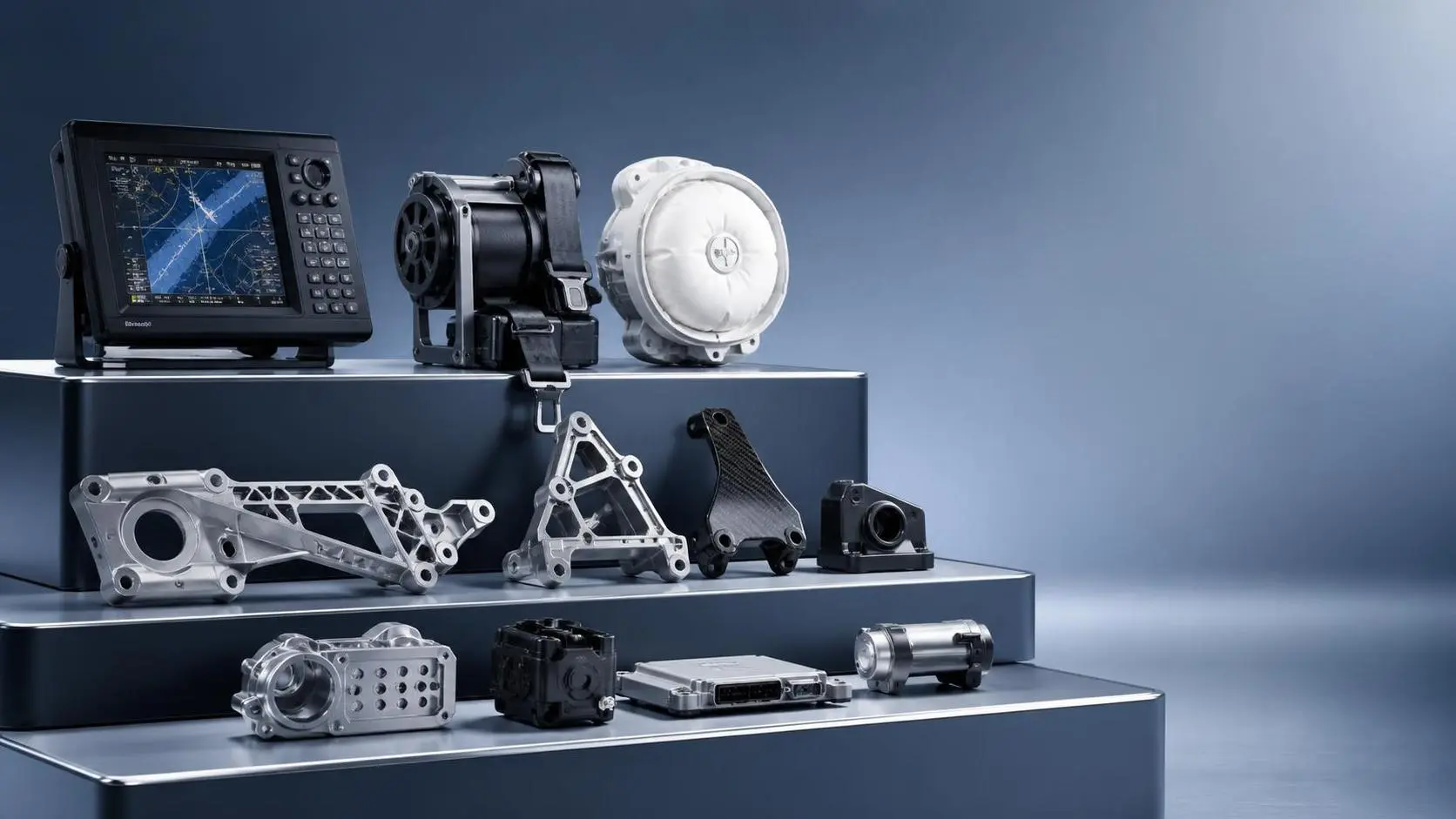
How to Evaluate a B2B Product Knowledge Platform for Faster Procurement Decisions
B2B product knowledge platform procurement starts with reducing decision risk. Learn how to compare specs, compliance, and supplier data to speed sourcing with confidence.
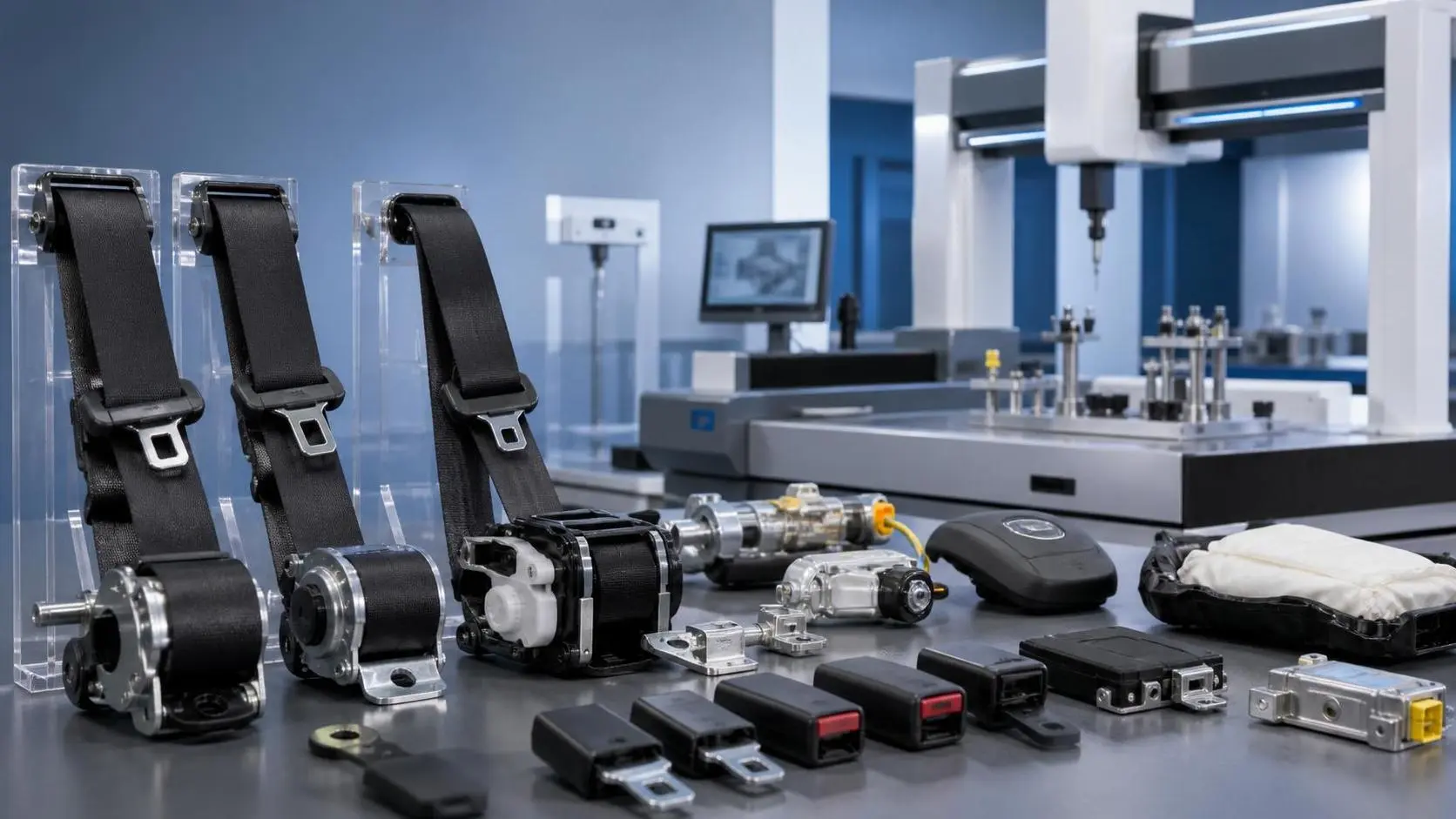
How to Evaluate an Occupant Restraint Systems Exporter for Quality, Compliance, and Supply Risk
Occupant restraint systems exporter evaluation guide: learn how to verify quality controls, compliance evidence, and supply risk before sourcing to avoid recalls, delays, and hidden costs.
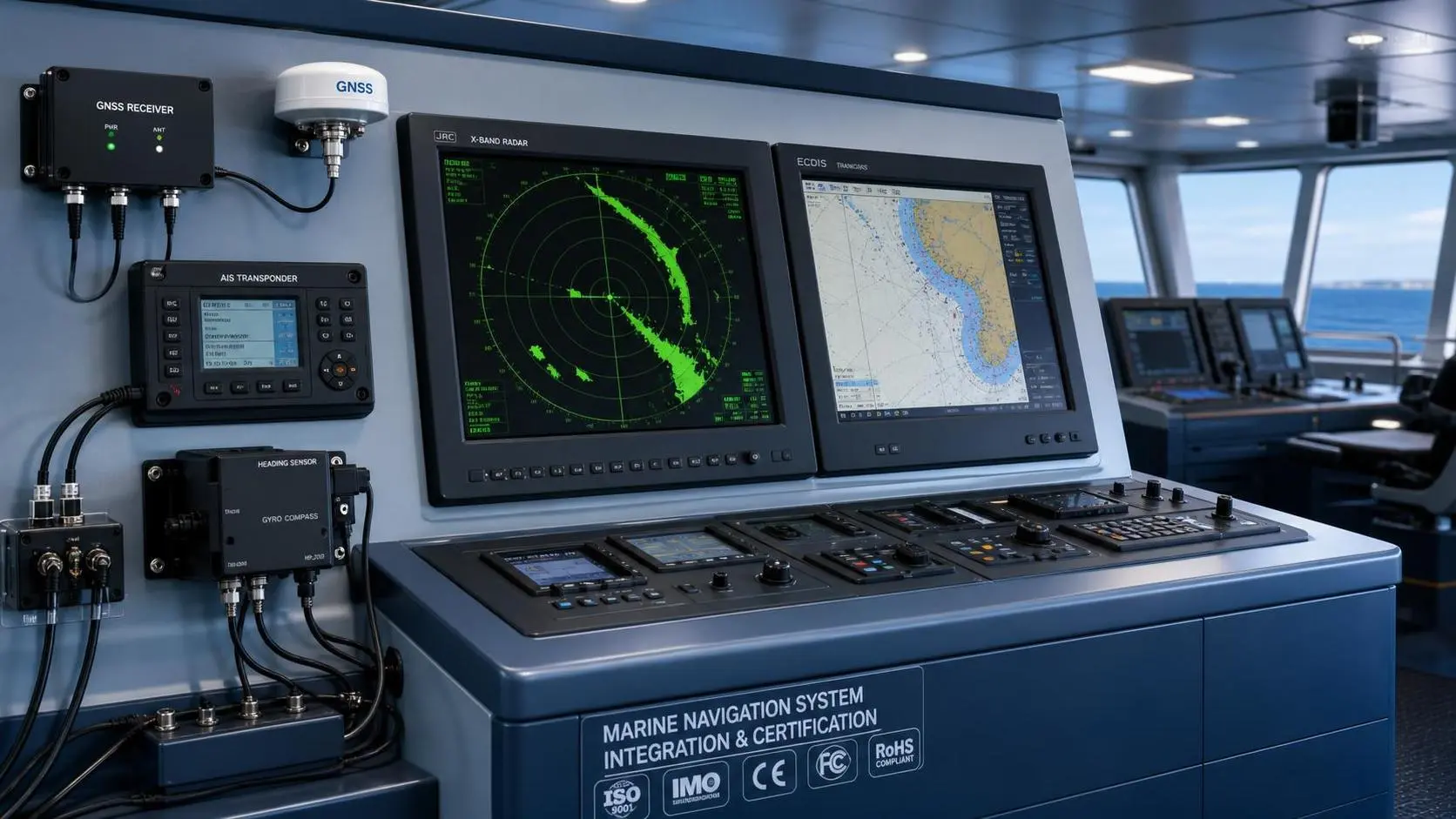
Navigation Compliance Certification: Which Marine Systems Need It and How to Prepare?
Navigation compliance certification explained: discover which marine systems need approval, what documents matter, and how to prepare early to avoid delays, rework, and costly project risks.
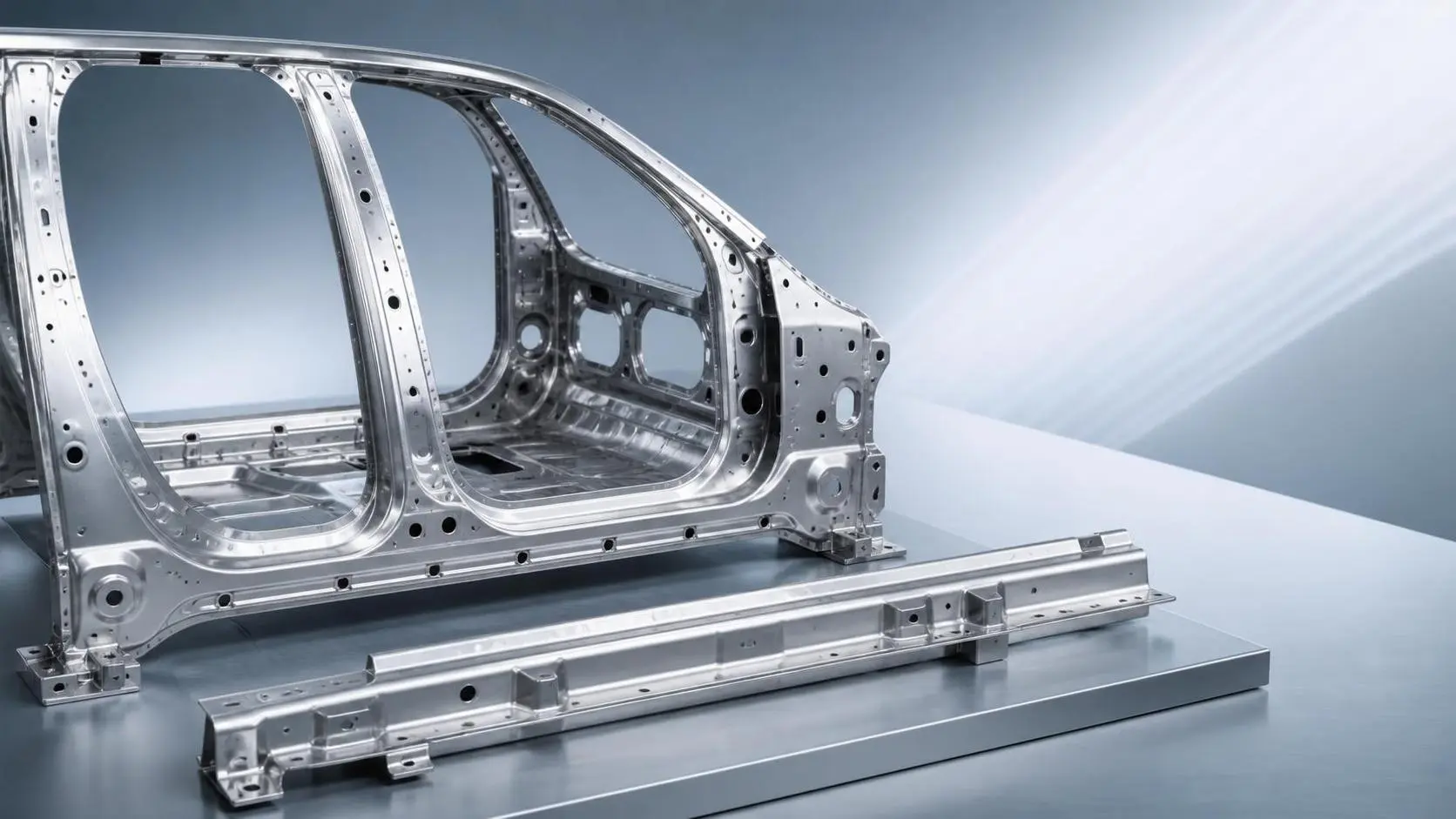
How to Evaluate Steel Auto Body Stampings for Strength, Fit, and Cost
Steel auto body stampings should be judged by strength, fit, and total cost together. Learn how to compare materials, forming limits, springback, joining, and tooling before choosing.

How to Evaluate Lightweight Automotive Components for EV Range and Crash Performance
Lightweight automotive components for EVs: learn how to evaluate real range gains, crash performance, joining risk, and manufacturability to choose safer, smarter EV parts.
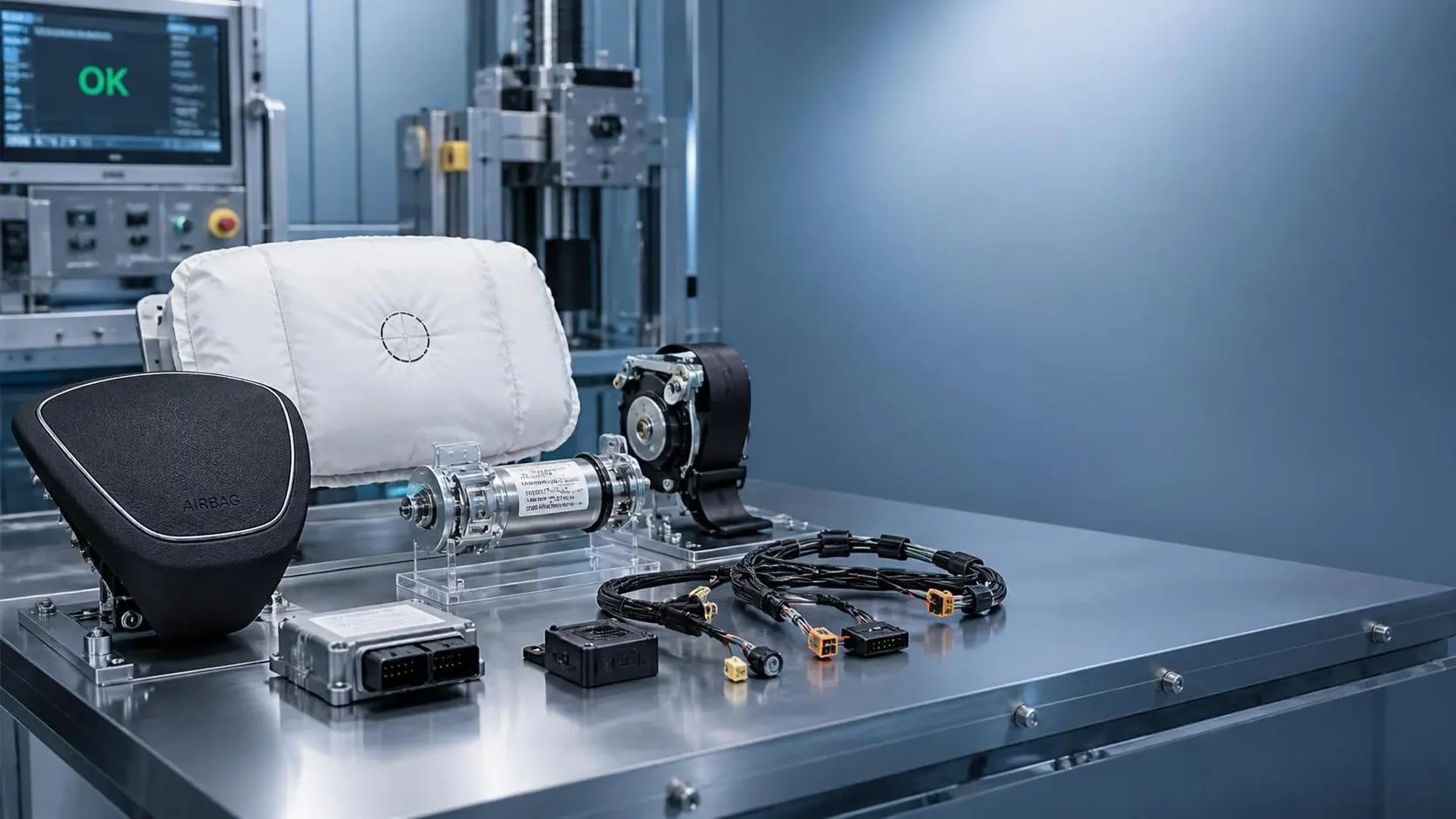
How to Evaluate Airbag Components for OEM Safety Performance and Compliance?
Airbag components evaluation guide for OEM teams: compare deployment performance, inflator consistency, compliance evidence, and supplier traceability to reduce safety risk and choose with confidence.
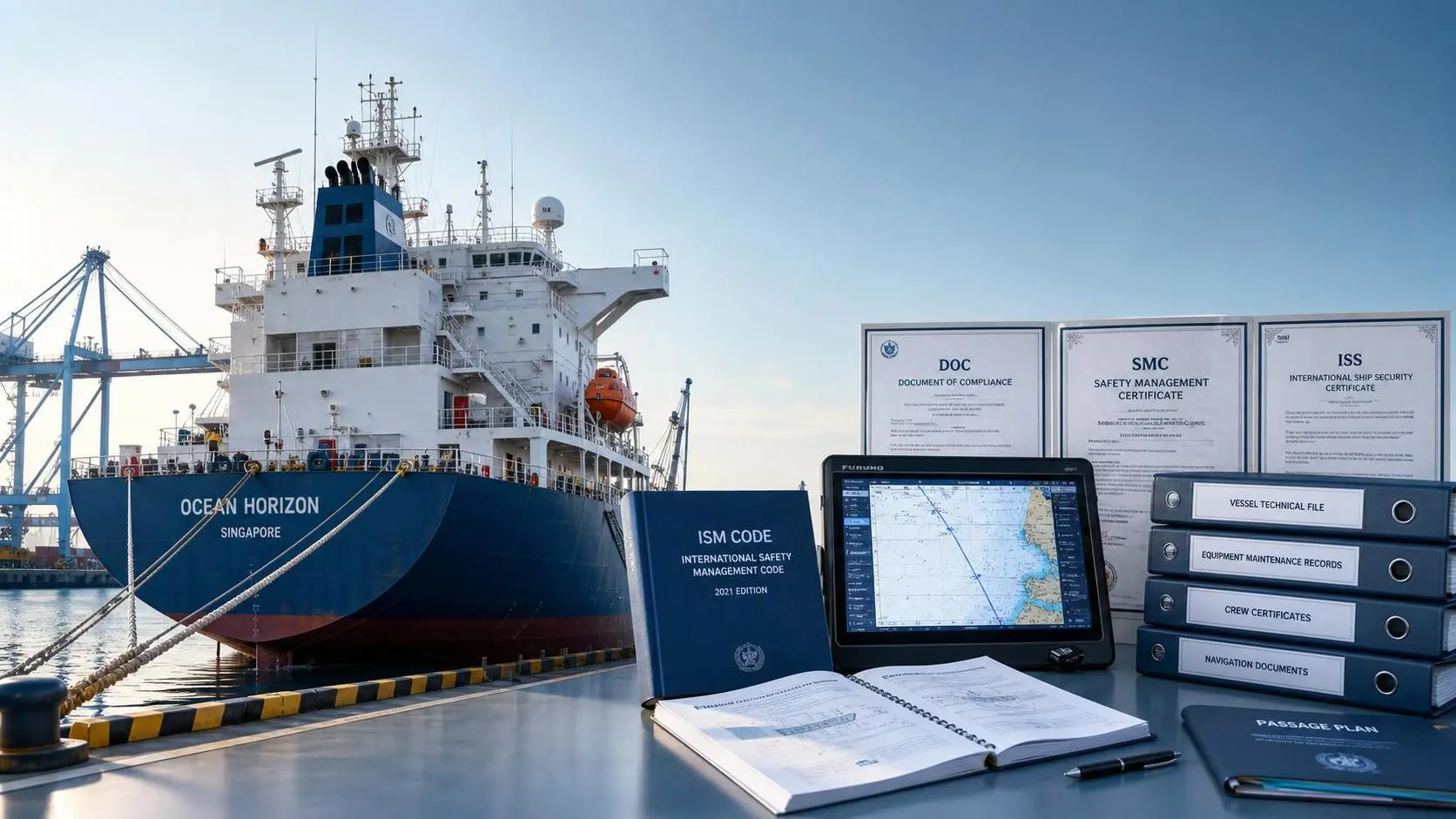
Maritime Compliance Information Standards: What Ship Operators Must Check
Maritime compliance information standards explained for ship operators: learn the key checks for navigation, documentation, updates, and crew readiness to reduce risk and avoid costly delays.

How to Evaluate Cargo Marine Sonar Systems for Detection Range and Vessel Fit
Cargo marine sonar systems: learn how to assess usable detection range, hull fit, noise risk, and bridge integration to choose a reliable solution for real cargo vessel operations.
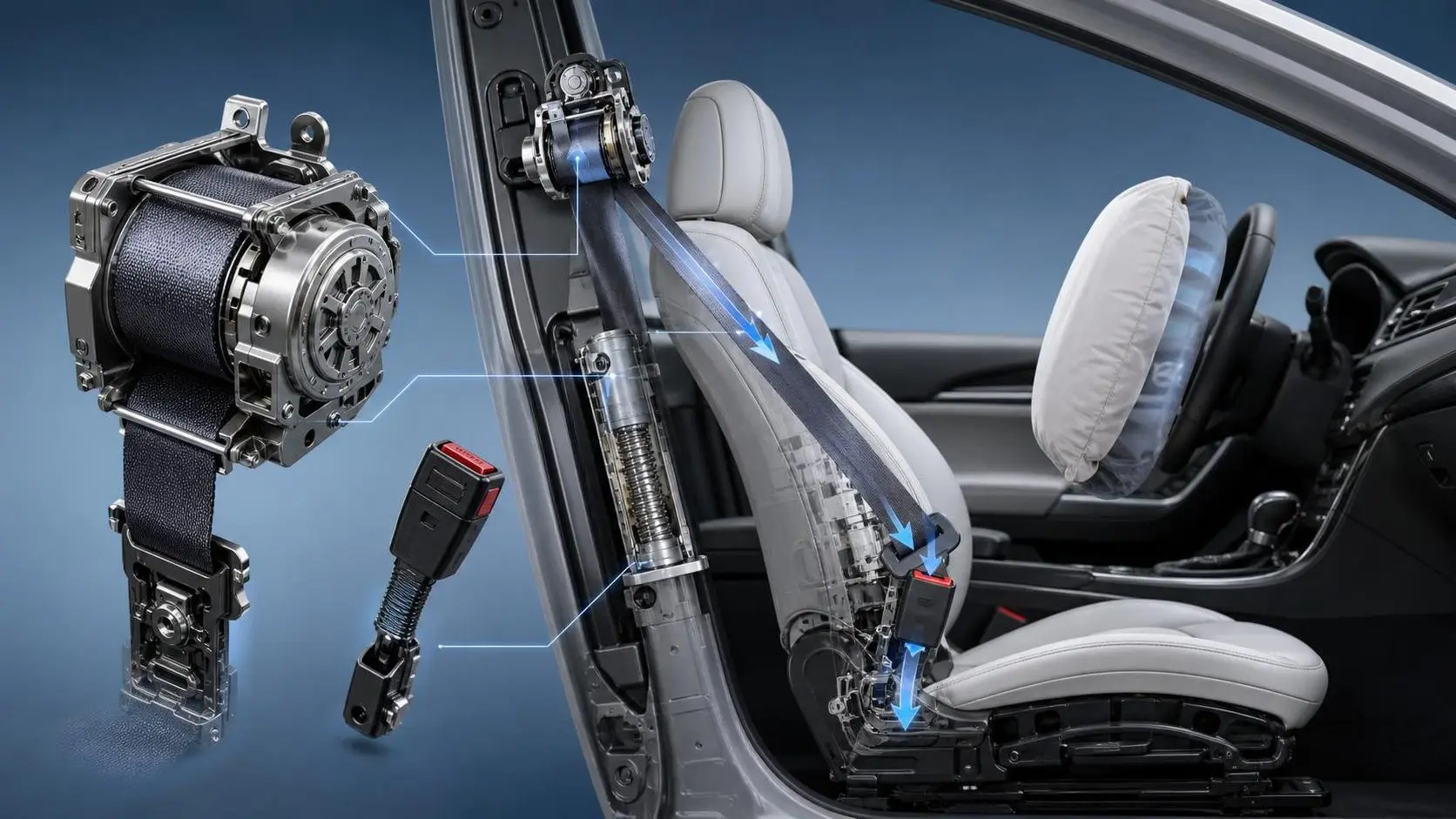
How Do Seatbelt Systems with Pretensioner Improve Crash Protection?
Seatbelt systems with pretensioner improve crash protection by tightening early, reducing forward motion, and helping airbags work as designed. Learn why timing is critical to occupant safety.
Related News
- 00
0000-00
How to Evaluate a B2B Product Knowledge Platform for Faster Procurement Decisions - 00
0000-00
How to Evaluate an Occupant Restraint Systems Exporter for Quality, Compliance, and Supply Risk - 00
0000-00
Navigation Compliance Certification: Which Marine Systems Need It and How to Prepare? - 00
0000-00
How to Evaluate Lightweight Automotive Components for EV Range and Crash Performance - 00
0000-00
Maritime Compliance Information Standards: What Ship Operators Must Check
Weekly Insights
Stay ahead with our curated technology reports delivered every Monday.