
Supplier Capability Evaluation: 12 Criteria for Comparing Quality, Capacity, and Delivery Risk
Why does supplier capability evaluation matter so much before sourcing starts?
Supplier capability evaluation is not a paperwork exercise. It is an early warning system for quality drift, capacity gaps, and delivery instability.
That matters even more in precision-driven supply chains. Marine navigation modules, hot-stamped structures, airbag components, and smart seating parts all carry strict performance consequences.
A late shipment can delay an assembly line. A weak process control plan can trigger field failures. A missing compliance record can block market access.
In practical terms, supplier capability evaluation helps compare vendors beyond quoted price. It clarifies who can repeatedly meet specifications under real operating pressure.
This is also where GNCS sector intelligence becomes useful. In safety and mobility industries, technical credibility often depends on regulatory traceability, material behavior, and process discipline.
A supplier that looks competitive on cost may still carry hidden risk in PPAP readiness, ECDIS update support, inflator chemistry control, or seat frame fatigue validation.
So the real goal is simple: reduce decision blind spots before contracts lock in cost, schedule, and warranty exposure.
When comparing suppliers, which 12 criteria actually separate strong options from risky ones?
The best supplier capability evaluation models balance technical depth with operational reality. A vendor should not pass because one area looks excellent while others remain fragile.
The 12 criteria below give a practical comparison frame.
- Product quality history: defect rates, warranty returns, customer complaints, and containment response speed.
- Process capability: Cp, Cpk, statistical control maturity, and repeatability on critical characteristics.
- Engineering competence: design support, DFM input, validation ability, and change management discipline.
- Production capacity: installed capacity, bottleneck equipment, overtime dependence, and room for ramp-up.
- Delivery performance: on-time shipment rate, expedite frequency, and recovery speed after disruption.
- Supply chain resilience: sub-tier visibility, dual sourcing, inventory strategy, and logistics flexibility.
- Compliance and certification: ISO systems, marine rules, crash requirements, and regional regulatory alignment.
- Traceability controls: lot tracking, serial records, test data retention, and recall readiness.
- Tooling and maintenance discipline: mold upkeep, calibration control, preventive maintenance, and spare planning.
- Cost structure transparency: material exposure, conversion cost logic, and surcharge mechanisms.
- Communication quality: response time, escalation ownership, and clarity during engineering or delivery issues.
- Financial and strategic stability: cash health, expansion plans, customer concentration, and long-term fit.
Not every program weights them equally. A sonar electronics source and a seatbelt retractor source face different failure modes, but the evaluation logic remains consistent.
A quick comparison table for screening decisions
Before site audits, a scoring table helps separate surface strength from operational readiness.
How do quality, capacity, and delivery risk influence each other in real projects?
These three factors should never be judged in isolation. In actual programs, they interact constantly.
A supplier may show excellent sample quality, yet fail after launch because the process only works at pilot volume. That is a capacity risk disguised as a quality pass.
Another common case appears in delivery metrics. On-time shipments may look acceptable because premium freight keeps performance numbers artificially clean.
In that case, the delivery score hides unstable planning or poor sub-tier coordination. The cost impact shows up later through logistics inflation and schedule firefighting.
For high-reliability sectors, this interaction becomes sharper. A hot-stamped body part needs metallurgical consistency at scale. An airbag assembly needs chemistry control and strict traceability.
A marine navigation unit must also maintain software, signal integrity, and compliance updates over time. Supplier capability evaluation should therefore test stability under load, not just initial conformity.
A useful rule is to ask one question during review: if demand rises 20% or a disruption lasts two weeks, what breaks first?
The answer often reveals more than a polished capability presentation.
What evidence should be requested instead of relying on supplier claims?
Supplier capability evaluation improves when evidence replaces promises. Brochures and audit talk tracks are useful, but they should never be the main basis for approval.
Ask for documents that show behavior over time, not snapshots prepared for a visit.
- Monthly quality dashboards with trend lines, not only a recent defect summary.
- Capacity models by machine family, shift pattern, and utilization assumptions.
- OTD history linked to root causes, including weather, labor, tooling, and supplier delays.
- Control plans, PFMEA, MSA reports, and calibration records for critical features.
- Validation reports tied to standards such as IIHS, E-NCAP, marine classification, or customer protocols.
- Engineering change records that show version control discipline.
- Sub-tier risk maps for key materials, propellants, chips, alloys, or fabric systems.
In practical sourcing work, the strongest evidence often comes from contradictions. For example, a supplier may report spare capacity while maintenance downtime keeps increasing.
That mismatch deserves deeper review. Supplier capability evaluation works best when numbers are checked across quality, planning, and finance records.
Where do evaluations usually go wrong, and what gets underestimated?
One frequent mistake is overvaluing unit price. A low quote can hide expensive instability in launch support, scrap, sorting, line stoppage, or redesign effort.
Another mistake is treating certification as proof of capability. Certificates matter, but they do not confirm that critical processes stay controlled every shift.
Some teams also underestimate single-point dependency. One specialist supplier may own unique tooling or process know-how, yet have weak disaster recovery planning.
In sectors tracked by GNCS, overlooked details often include software update discipline, crash validation repeatability, alloy source consistency, and sensor calibration traceability.
Those details rarely look urgent during nomination. They become urgent during incidents, audits, or product launch changes.
There is also a timing issue. Supplier capability evaluation done too late becomes a confirmation step, not a decision tool. By then, switching cost is already high.
A better approach is to run an early screen, then refresh scores after sampling, pilot build, and ramp-up planning.
How can the evaluation be turned into a workable sourcing decision?
The final decision should combine weighted scoring with risk treatment actions. A supplier does not need to be perfect, but the remaining gaps must be visible and manageable.
A practical method is to group findings into three decision buckets.
This keeps supplier capability evaluation tied to action. It also prevents a familiar problem: everyone sees the risk, but no one defines the response.
To move forward cleanly, document scoring logic, confirm critical assumptions, and test whether the selected source can support change without losing control.
For complex mobility and safety programs, that means reviewing not only price and output, but also validation maturity, compliance continuity, and the resilience of the wider supply network.
A solid supplier capability evaluation should end with a short next-step list: confirm must-have specifications, assign evidence owners, revisit weak scores after pilot builds, and quantify the cost of fallback options.
That discipline turns supplier comparison into a stronger sourcing decision, with fewer surprises after award.
Related News
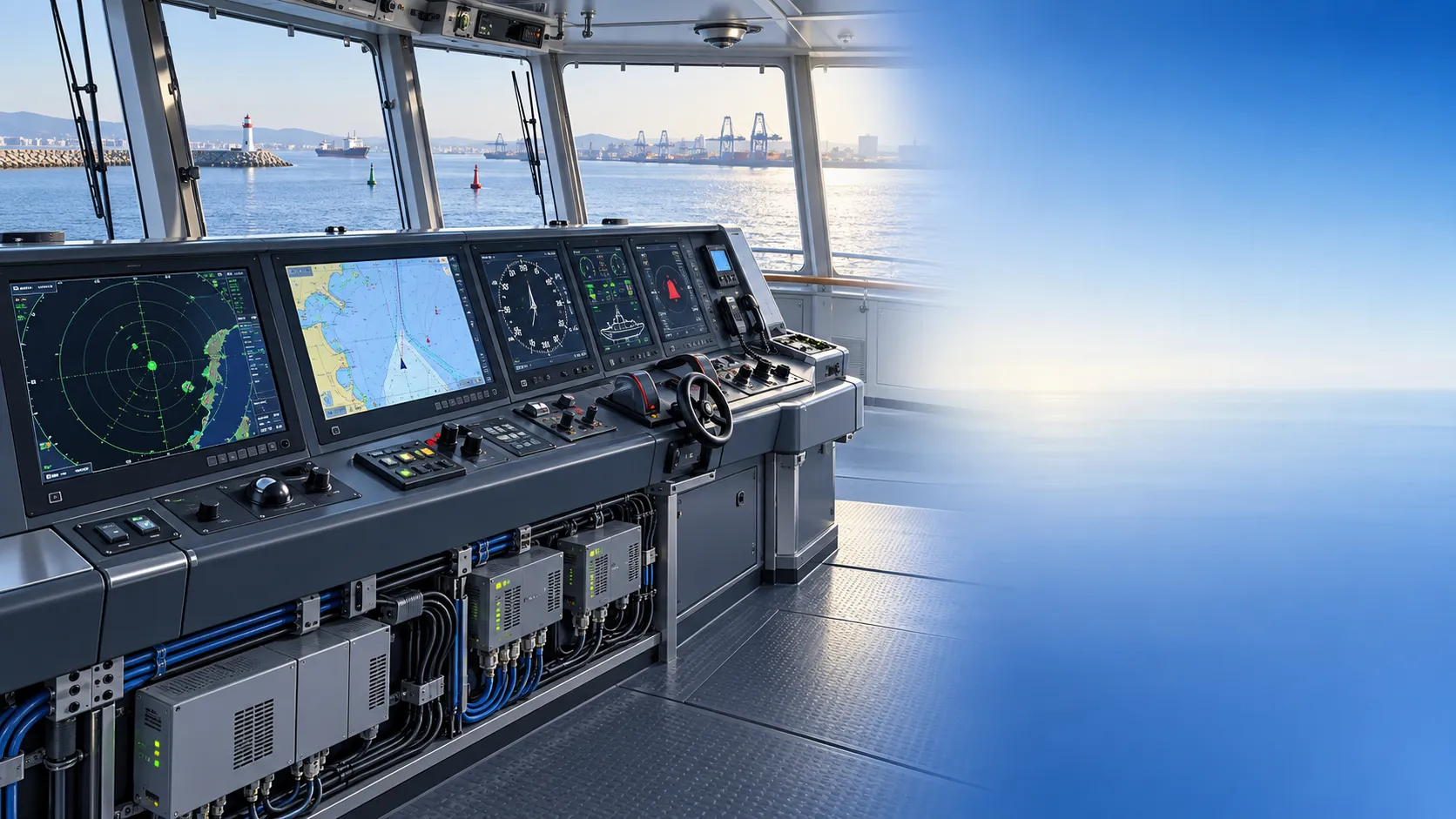
How to Specify Integrated Marine Electronics for Reliable Bridge Operations
Integrated marine electronics: learn how to specify reliable bridge systems with clear data flows, redundancy, alarm control, lifecycle interfaces, and operational testing.

How to Evaluate Navigation Radar Manufacturers for Commercial Vessel Projects
Navigation radar manufacturers: learn how to compare performance, compliance, integration, support, and lifecycle cost for commercial vessel projects.
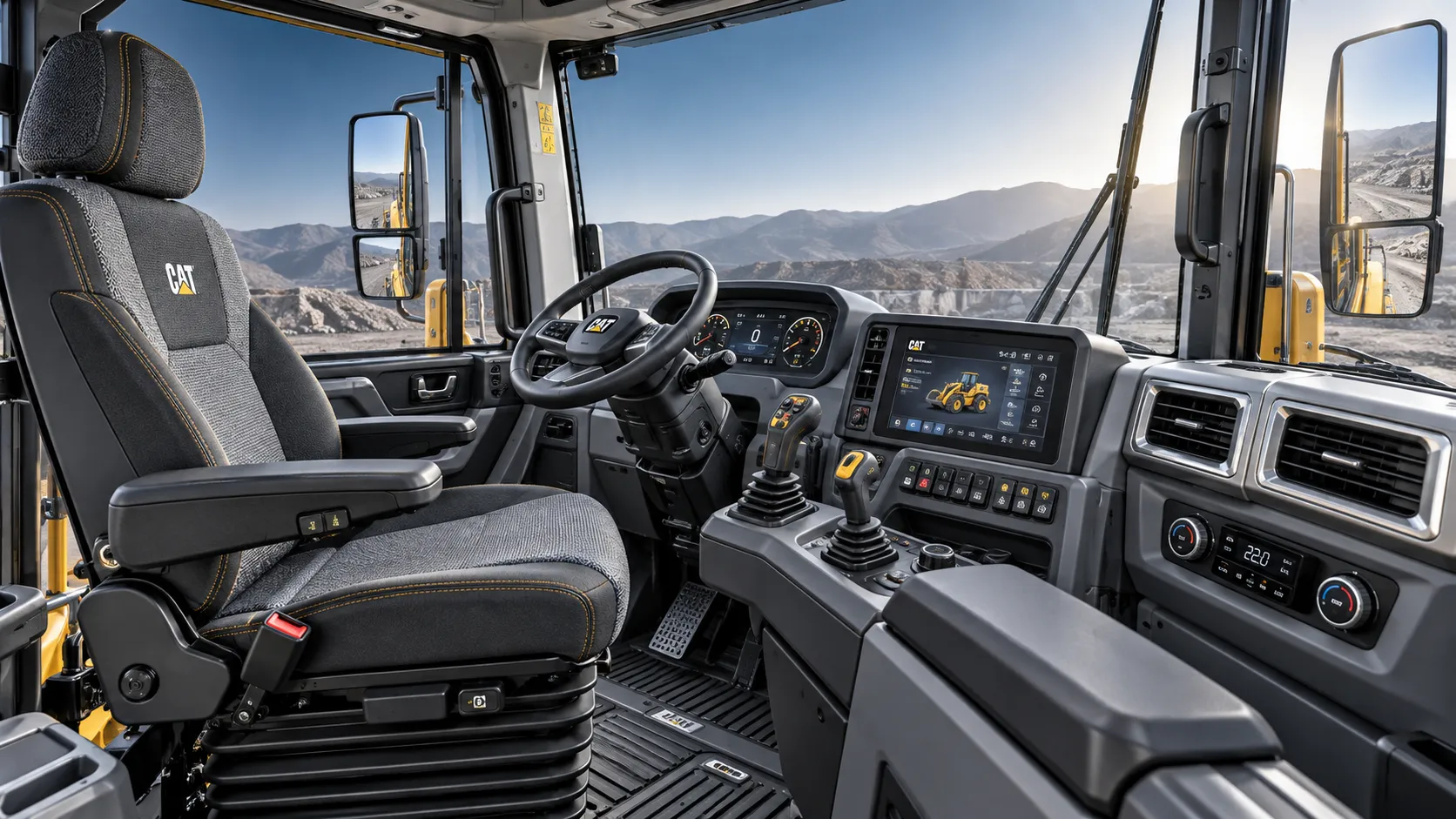
How Adjustable Cabin Ergonomics Reduce Operator Fatigue in Long-Shift Vehicles
Adjustable cabin ergonomics reduces operator fatigue through better seating, reach, visibility, vibration control, and climate comfort for safer long-shift vehicles.

How Rear-Impact Safety Components Work Together to Protect Vehicle Occupants
Explore how automotive safety components for rear impact work together—from crash structures and seats to head restraints and belts—to enhance occupant protection.
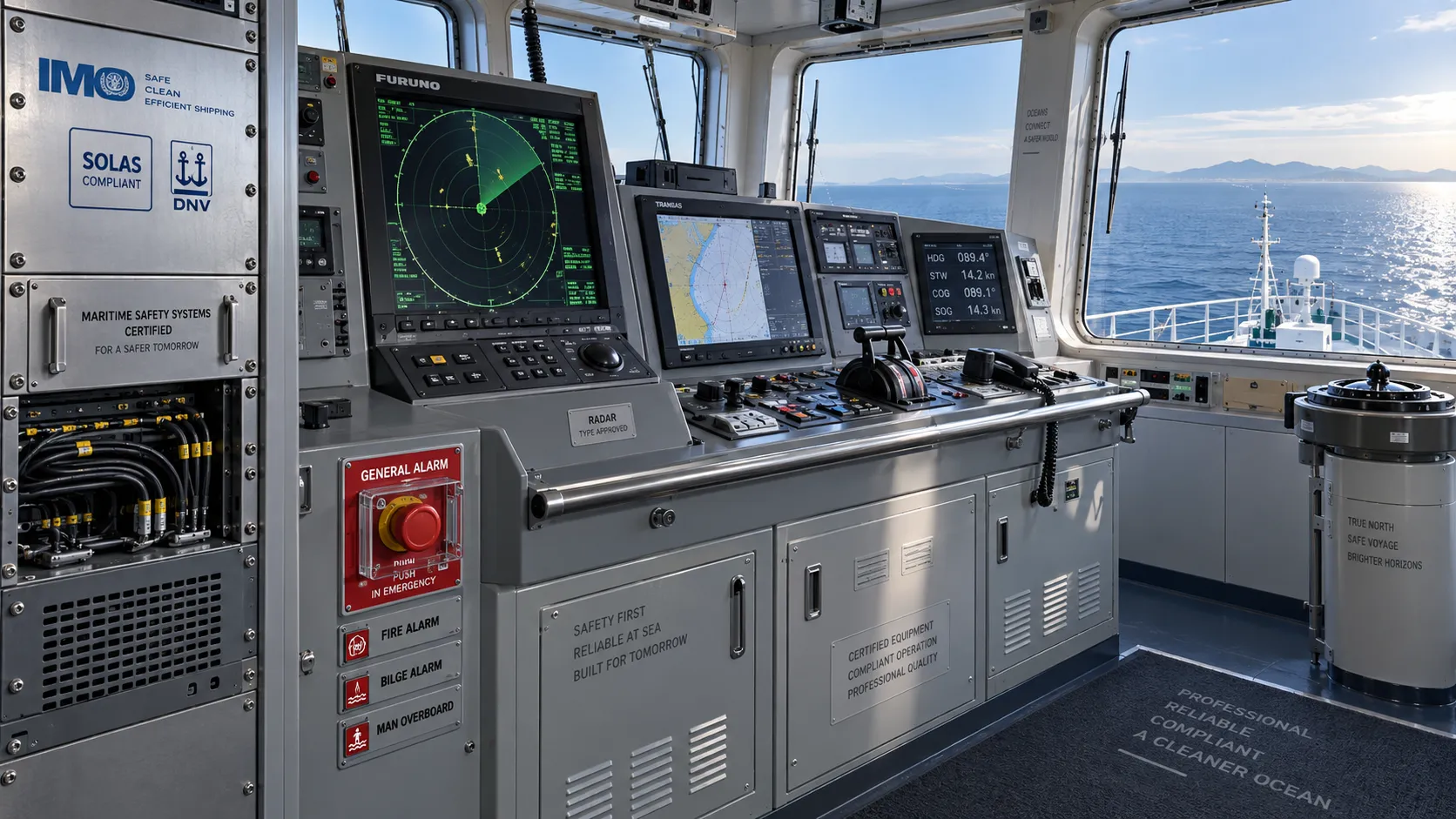
How to Evaluate a Marine Safety Systems Manufacturer for Vessel Compliance and Reliability
Marine safety systems manufacturer evaluation guide: verify compliance, engineering quality, lifecycle costs, and global service support for safer, reliable vessel operations.
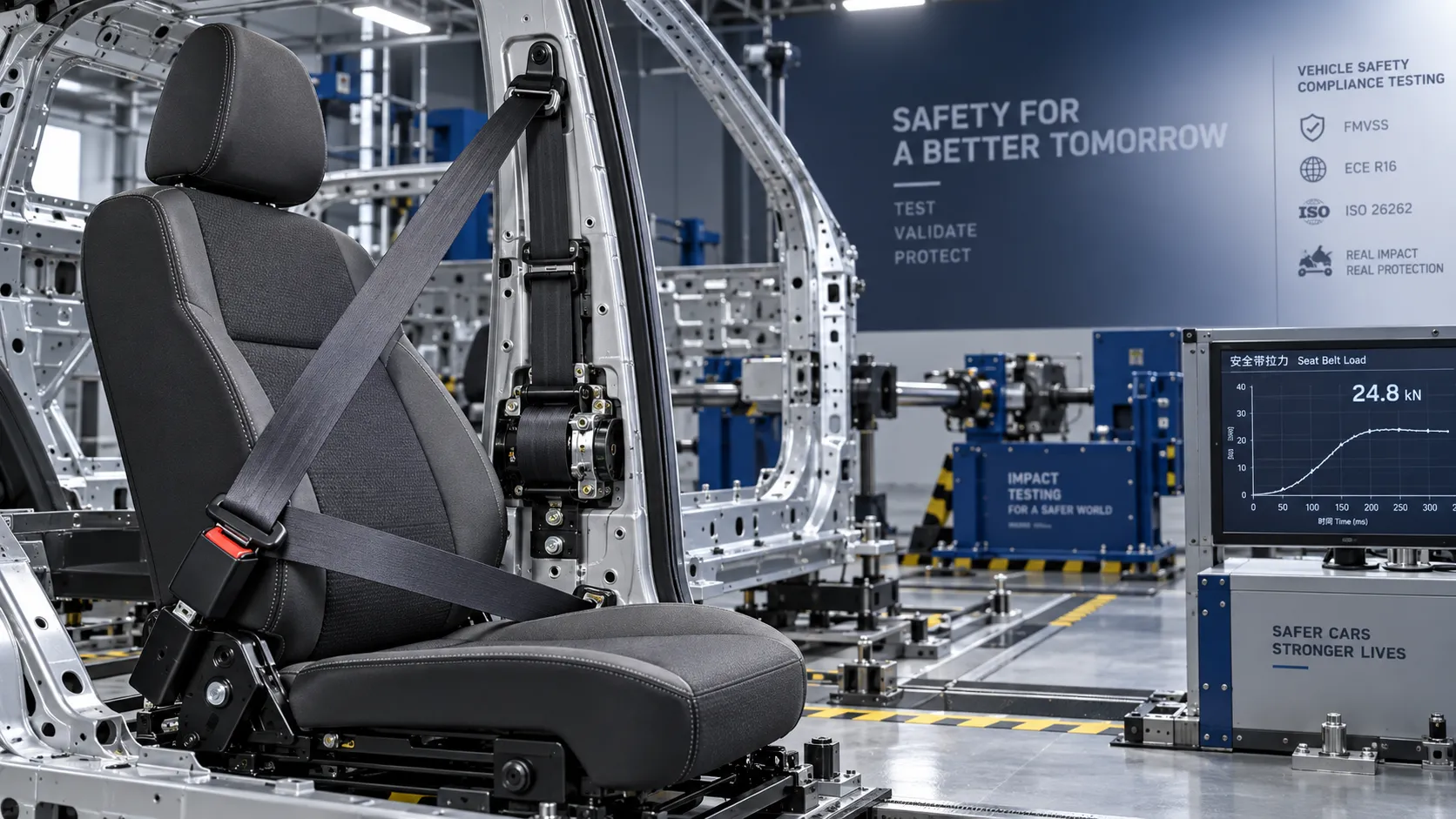
Crash Test Regulations for Seatbelts: Key Compliance Requirements Explained
Crash test regulations seatbelts explained: explore FMVSS, UN rules, anchorage strength, and dynamic restraint testing for safer, compliant vehicle systems.

How to Calculate the Total Cost of Automotive Lightweighting for a Vehicle Program
Automotive lightweight solutions cost: learn how to calculate program-level costs, including materials, tooling, joining, validation, risk, and vehicle-level value.

How Automotive Seat Occupancy Sensing Improves Airbag Deployment Decisions
Automotive seat occupancy sensing helps optimize airbag deployment decisions, improving passenger classification, safety diagnostics, and compliance across real-world conditions.

What Drives Lightweight Body Component Costs in High-Volume Vehicle Programs?
Lightweight body components cost depends on material yield, forming, joining, tooling, validation, and logistics. Explore proven ways to optimize total vehicle program cost.
Related News
- 00
0000-00
How to Specify Integrated Marine Electronics for Reliable Bridge Operations - 00
0000-00
How Adjustable Cabin Ergonomics Reduce Operator Fatigue in Long-Shift Vehicles - 00
0000-00
How to Evaluate a Marine Safety Systems Manufacturer for Vessel Compliance and Reliability - 00
0000-00
How to Calculate the Total Cost of Automotive Lightweighting for a Vehicle Program - 00
0000-00
What Drives Lightweight Body Component Costs in High-Volume Vehicle Programs?
Weekly Insights
Stay ahead with our curated technology reports delivered every Monday.