
UNECE Automotive Compliance Information: What Documents and Test Data Matter Most?
For anyone sorting through automotive compliance information UNECE, the difficult part is rarely access to documents. The real issue is deciding which records actually shape approval, sourcing confidence, and cross-border program risk. In a market where safety systems, lightweight structures, and smart cabins are tightly audited, the right compliance file is not paperwork decoration. It is technical evidence.
That matters even more across the wider mobility chain. GNCS tracks marine navigation, body structures, airbags, seatbelts, and seating systems under one intelligence lens because these sectors share a common demand: reliable proof. Whether the subject is electromagnetic performance at sea or energy absorption inside a vehicle cabin, market trust follows documented validation.
Why UNECE compliance evidence draws so much attention
UNECE regulations sit at the center of vehicle and component approval across many regions. They influence how products enter markets, how platforms are benchmarked, and how supply chains defend technical claims.
In practice, automotive compliance information UNECE is used for more than legal clearance. It supports engineering reviews, customer nominations, audit preparation, platform changes, and dispute prevention after launch.
The attention is especially high in passive safety and body engineering. A seat frame, belt system, airbag module, or stamped structural part may look mature, yet its approval status can shift when geometry, materials, software logic, or production sources change.
What counts as core automotive compliance information UNECE
Not every file carries the same weight. Some documents prove formal approval. Others explain how that approval was earned, maintained, or limited.
The documents that usually matter first
- Type-approval certificates showing the regulation number, approval authority, and scope of validity.
- Approval communication forms describing the exact product variant, test basis, and technical references.
- Test reports linked to the approval, including methods, conditions, instrumentation, and measured results.
- Technical drawings and bill-of-material references that connect the approved part to production reality.
- Change records showing whether later revisions remain covered or trigger extension, revision, or reapproval.
- Conformity of production evidence proving the approved sample can be reproduced at scale.
Simple certificates are useful, but isolated certificates rarely answer the key question: what exactly was tested, and does the approved configuration still match the current product?
The test data behind the certificate
A certificate opens the door. Test data explains why the door opened. This is where automotive compliance information UNECE becomes commercially meaningful.
For body structures, reports may show tensile strength, deformation behavior, weld performance, and crash-relevant load paths. For restraint systems, the focus shifts toward deployment timing, force limiting, anchorage strength, sled results, and occupant injury criteria.
For seat assemblies, the most useful data often combines structural integrity, head restraint performance, locking behavior, flammability, and smart sensing interactions. A seat is no longer just a comfort part. It sits inside the compliance logic of the whole cabin.
More importantly, raw pass or fail outcomes are not enough. Borderline values, test tolerances, and declared conditions can expose hidden risk during vehicle integration or program transfer.
What a strong test package should reveal
Different components require different reading priorities
Automotive compliance information UNECE should never be treated as one generic folder. The useful evidence changes with the component and the failure mode being controlled.
Body stampings and lightweight structures
Attention usually goes to material specifications, forming stability, dimensional repeatability, and crash contribution. For hot-stamped steel or aluminum parts, substitution risk is high.
A compliant drawing alone says little without linked material data and test-backed performance retention after manufacturing.
Airbag and seatbelt systems
Here, timing and calibration evidence become central. Propellant changes, inflator sourcing, sensor logic, and pretensioner settings can all alter compliance relevance.
This is one reason GNCS follows the chemical evolution of inflators and broader passive safety regulation shifts. Compliance status depends on technical detail, not product category labels.
Seat assemblies and smart cabins
Seats increasingly combine mechanics, electronics, sensing, and comfort systems. That creates mixed compliance questions around structure, restraint interaction, flammability, and occupant detection logic.
In these cases, automotive compliance information UNECE often needs to be read alongside software revisions, supplier interfaces, and system-level validation records.
Where misreading the file set creates risk
One common mistake is treating an approval number as universal proof. In reality, scope matters. A certificate may cover one variant, one installation condition, or one production source.
Another problem appears during platform transfer. A part approved in one vehicle architecture may need additional validation in another because load paths, interfaces, or triggering logic changed.
There is also a business credibility issue. In premium supply programs, weak traceability can slow nomination decisions even when the product is technically capable. Buyers and technical reviewers want evidence that is current, linked, and defensible.
Useful questions before relying on a compliance file
- Does the certificate reference the exact regulation and latest applicable series of amendments?
- Can the approved variant be matched to the current drawing, software, and material release?
- Are the supporting test reports complete enough to explain margin, not only compliance outcome?
- Have production or supplier changes occurred since the approval was issued?
- Is there conformity of production evidence that remains valid and reviewable?
How to use automotive compliance information UNECE in real decisions
The strongest use of compliance information is comparative, not ceremonial. It helps determine whether a product is mature enough for market entry, robust enough for integration, and credible enough for long-cycle business.
For research and intelligence work, it helps to map documents into three layers: approval proof, engineering proof, and production proof. Gaps become visible quickly when the layers are separated.
That approach fits the GNCS perspective on mobility systems. Across navigation equipment, cabin protection, and lightweight structures, the useful pattern is consistent: formal compliance matters, but technical context determines whether compliance remains meaningful.
A practical next step is to build a review matrix around the exact component family being assessed. Track the UNECE regulation involved, approval status, linked reports, revision history, and open validation questions. That creates a better basis for judging risk, comparability, and commercial readiness than a certificate archive alone.
Related News

How to Specify Micro-Climate Control Cabins for Harsh Outdoor Worksites?
Micro-climate control cabins for harsh outdoor worksites: learn how to specify thermal control, filtration, pressurization, and durability for safer uptime and smarter buying.

How to Evaluate a B2B Product Knowledge Platform for Faster Procurement Decisions
B2B product knowledge platform procurement starts with reducing decision risk. Learn how to compare specs, compliance, and supplier data to speed sourcing with confidence.
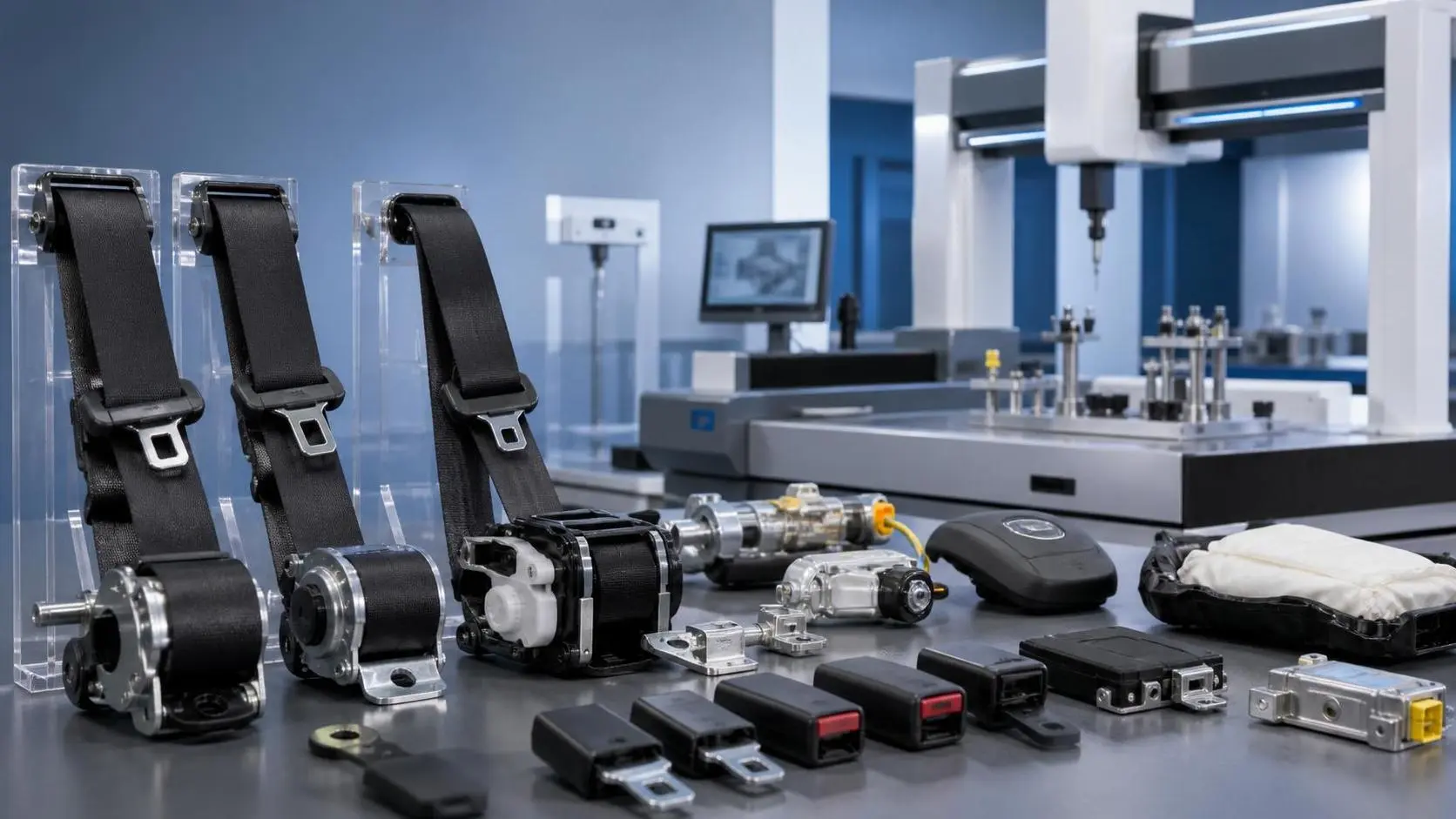
How to Evaluate an Occupant Restraint Systems Exporter for Quality, Compliance, and Supply Risk
Occupant restraint systems exporter evaluation guide: learn how to verify quality controls, compliance evidence, and supply risk before sourcing to avoid recalls, delays, and hidden costs.

Navigation Compliance Certification: Which Marine Systems Need It and How to Prepare?
Navigation compliance certification explained: discover which marine systems need approval, what documents matter, and how to prepare early to avoid delays, rework, and costly project risks.
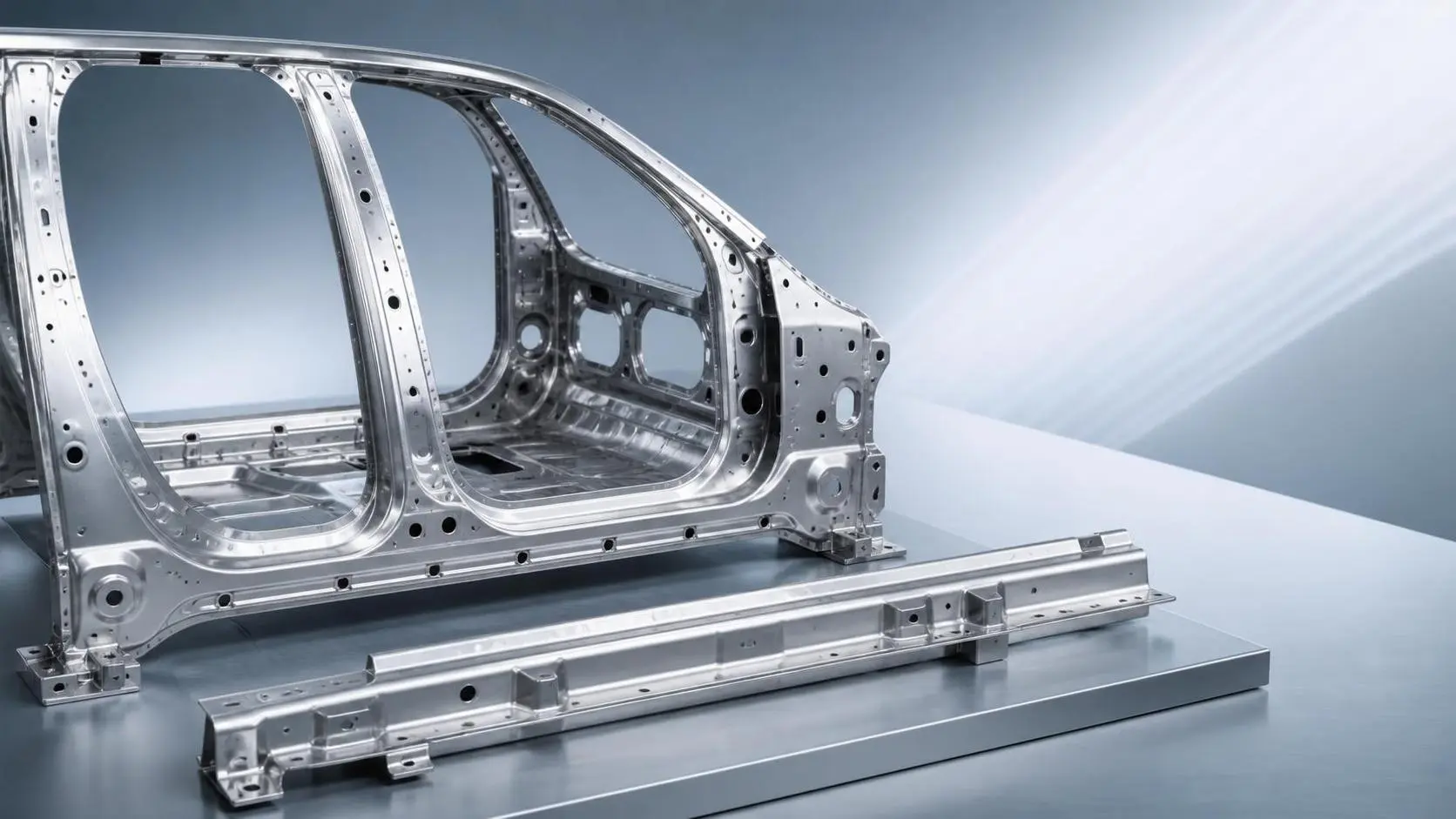
How to Evaluate Steel Auto Body Stampings for Strength, Fit, and Cost
Steel auto body stampings should be judged by strength, fit, and total cost together. Learn how to compare materials, forming limits, springback, joining, and tooling before choosing.

How to Evaluate Lightweight Automotive Components for EV Range and Crash Performance
Lightweight automotive components for EVs: learn how to evaluate real range gains, crash performance, joining risk, and manufacturability to choose safer, smarter EV parts.
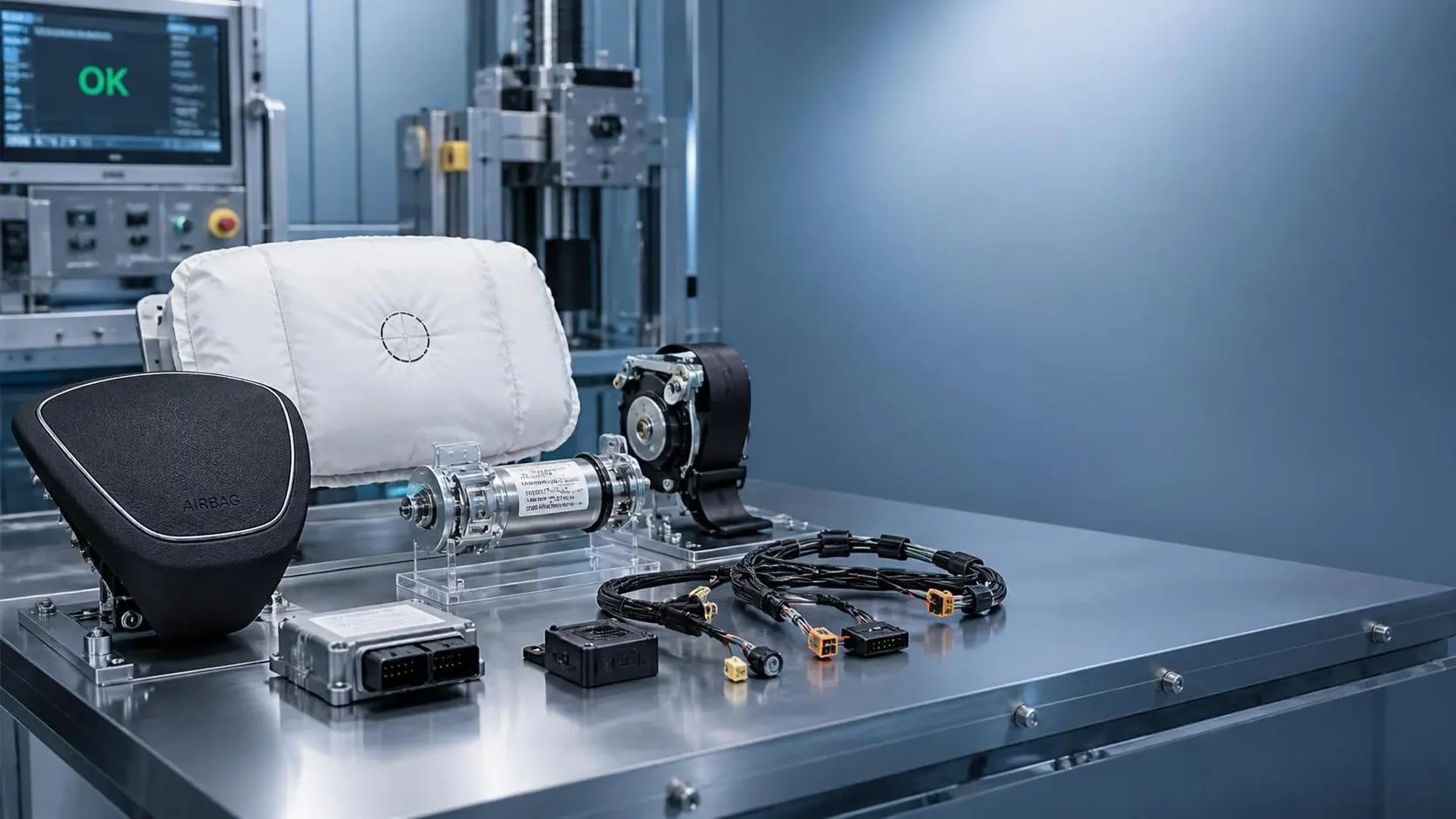
How to Evaluate Airbag Components for OEM Safety Performance and Compliance?
Airbag components evaluation guide for OEM teams: compare deployment performance, inflator consistency, compliance evidence, and supplier traceability to reduce safety risk and choose with confidence.

Maritime Compliance Information Standards: What Ship Operators Must Check
Maritime compliance information standards explained for ship operators: learn the key checks for navigation, documentation, updates, and crew readiness to reduce risk and avoid costly delays.

How to Evaluate Cargo Marine Sonar Systems for Detection Range and Vessel Fit
Cargo marine sonar systems: learn how to assess usable detection range, hull fit, noise risk, and bridge integration to choose a reliable solution for real cargo vessel operations.
Related News
- 00
0000-00
How to Specify Micro-Climate Control Cabins for Harsh Outdoor Worksites? - 00
0000-00
How to Evaluate a B2B Product Knowledge Platform for Faster Procurement Decisions - 00
0000-00
How to Evaluate an Occupant Restraint Systems Exporter for Quality, Compliance, and Supply Risk - 00
0000-00
Navigation Compliance Certification: Which Marine Systems Need It and How to Prepare? - 00
0000-00
How to Evaluate Lightweight Automotive Components for EV Range and Crash Performance
Weekly Insights
Stay ahead with our curated technology reports delivered every Monday.