
What Affects the Cost of Energy Absorbing Structures in Automotive Sourcing?
Why does the cost of energy absorbing structures vary so much?
The short answer is that energy absorbing structures are priced by performance, not by metal weight alone.
In automotive sourcing, a bracket, beam, crash box, seat frame reinforcement, or side-impact component may look similar on a drawing.
Yet the cost can shift sharply once crash targets, geometry, joining methods, and compliance demands are defined.
That is why energy absorbing structures often become a negotiation topic late in the program, when hidden engineering requirements start surfacing.
From the GNCS perspective, this is rarely an isolated component issue.
It sits inside a broader safety chain that includes lightweight body stampings, seatbelt systems, airbags, and smart seating structures.
If one part changes energy management behavior, neighboring systems may need retuning.
So when evaluating cost, it helps to think in terms of total safety value, manufacturing difficulty, and launch risk.
Is material still the biggest cost driver, or is that too simplistic?
Material matters, but it is only one layer.
For many energy absorbing structures, steel grade selection can change blank cost, forming behavior, scrap rate, and die wear at the same time.
Advanced high-strength steel usually improves crash performance and mass efficiency.
However, it may also raise forming complexity, springback control effort, and inspection requirements.
Aluminum can reduce weight further, but it often introduces higher raw material cost and different joining challenges.
In practical sourcing reviews, the more useful question is not “Which material is cheapest?”
A better question is “Which material reaches the crash target with the lowest total industrial burden?”
That burden includes blank utilization, tool maintenance, coating needs, corrosion protection, and process stability.
Hot-stamped parts are a good example.
They can deliver excellent strength-to-weight performance for energy absorbing structures, but furnace capacity, quenching consistency, and die investment all influence final piece price.
A quick cost-reading table
When supplier quotations look close, this kind of comparison usually reveals where the real differences sit.
How do crash targets and lightweighting change the quote?
This is where many cost discussions become more technical.
Energy absorbing structures are not simply designed to resist load.
They must deform in a controlled way, at a predictable rate, under highly specific crash conditions.
If a program targets stricter front, side, or rear impact performance, the component may need a more refined collapse mode.
That often means more simulation work, more prototype builds, and tighter dimensional tolerances.
Lightweighting adds another layer.
Reducing mass while keeping energy absorption stable usually requires stronger materials, optimized wall thickness, or more advanced joining strategies.
In some cases, the cheapest stamped part becomes expensive after redesign because it forces changes elsewhere in the body structure.
A lower-mass crash box may look attractive.
But if it shifts load paths into adjacent rails or affects airbag timing assumptions, the total cost rises beyond the part itself.
This system view is common in the GNCS safety intelligence approach.
Physical containment protection works best when body structures, restraint systems, and seat architecture are considered together.
Where do tooling, process, and volume have the biggest impact?
Tooling can be the hidden reason two similar offers are far apart.
For low-volume programs, a supplier may quote conservatively because the die investment cannot be spread over enough units.
For higher-volume programs, automated welding, in-line inspection, and dedicated gauges may reduce unit cost after launch.
The process route matters just as much.
Cold stamping, roll forming, extrusion, hydroforming, and hot stamping each carry different capital profiles and quality control needs.
A part that requires laser welding, adhesive bonding, or multi-stage forming usually has more process checkpoints.
That affects labor, cycle time, and scrap containment.
Volume assumptions also need careful review.
A competitive piece price tied to aggressive annual volume can become unrealistic if ramp-up is delayed or model mix changes.
Before accepting a quote, it helps to confirm these points:
- Whether tooling cost includes tryout loops and dimensional tuning.
- Whether quoted scrap assumptions match material behavior.
- Whether automation is already installed or still planned.
- Whether maintenance cost for high-strength processing is built in.
- Whether volume breaks are realistic for the actual launch curve.
How should compliance and supplier capability be judged before comparing prices?
A low price only helps if the part survives validation and launches on schedule.
That is why compliance readiness and engineering maturity deserve early attention.
Energy absorbing structures often support programs exposed to IIHS, Euro NCAP, FMVSS, or internal OEM crash protocols.
If the supplier has limited experience with these frameworks, the true cost may appear later through rework, delayed PPAP, or repeated validation.
A capable supplier usually shows more than a test certificate.
Look for process traceability, metallurgical consistency, joining know-how, CAE correlation discipline, and change management control.
This matters especially in programs linking lightweight body structures with seat-integrated safety systems or restraint load paths.
GNCS often highlights this cross-domain view because body stampings, seat structures, and passive safety components influence each other under extreme collision conditions.
Useful supplier screening questions
What are the most common sourcing mistakes with energy absorbing structures?
One common mistake is treating energy absorbing structures as standard metal parts.
That usually leads to overemphasis on piece price and underestimation of development cost.
Another mistake is comparing quotes without normalizing the assumptions behind them.
If one supplier includes validation support, dedicated gauges, and launch containment, the quote may look higher for good reason.
There is also a tendency to overlook timing risk.
A supplier with lower initial pricing but weak process maturity can become the expensive option once rework and delay penalties appear.
More subtle problems come from unclear interfaces.
If attachment points, joining methods, coating requirements, or restraint interactions remain open, cost drift is very likely.
A practical way to reduce these risks is to build a short comparison framework before commercial negotiation begins.
- Define crash performance targets and tolerance expectations.
- Align on material grade, thickness strategy, and corrosion path.
- Separate piece price from tooling, validation, and engineering support.
- Check whether capacity and ramp-up assumptions are evidence-based.
- Review how the component interacts with adjacent safety systems.
So how can cost be controlled without weakening safety or launch confidence?
The most effective approach is early clarity.
When performance targets, interface conditions, and manufacturing expectations are defined early, suppliers can quote more accurately.
That reduces the pattern of low initial pricing followed by engineering claims.
It also helps to compare energy absorbing structures at total-value level.
Look at crash reliability, mass efficiency, process repeatability, validation burden, and launch readiness together.
In many cases, the best commercial result comes from a component that is slightly higher in unit cost but more stable across the program lifecycle.
For teams tracking global mobility trends, GNCS offers a useful lens because it connects body structure evolution, passive safety regulation, and manufacturing intelligence in one view.
That broader context supports better judgment when a quote seems attractive on paper but weak in real execution.
A sensible next step is to map each energy absorbing structure against four checkpoints: required crash behavior, feasible process route, supplier validation depth, and total launch cost.
Once those are visible, price comparison becomes much more reliable, and hidden cost starts losing its power.
Related News

How to Specify Integrated Marine Electronics for Reliable Bridge Operations
Integrated marine electronics: learn how to specify reliable bridge systems with clear data flows, redundancy, alarm control, lifecycle interfaces, and operational testing.

How to Evaluate Navigation Radar Manufacturers for Commercial Vessel Projects
Navigation radar manufacturers: learn how to compare performance, compliance, integration, support, and lifecycle cost for commercial vessel projects.
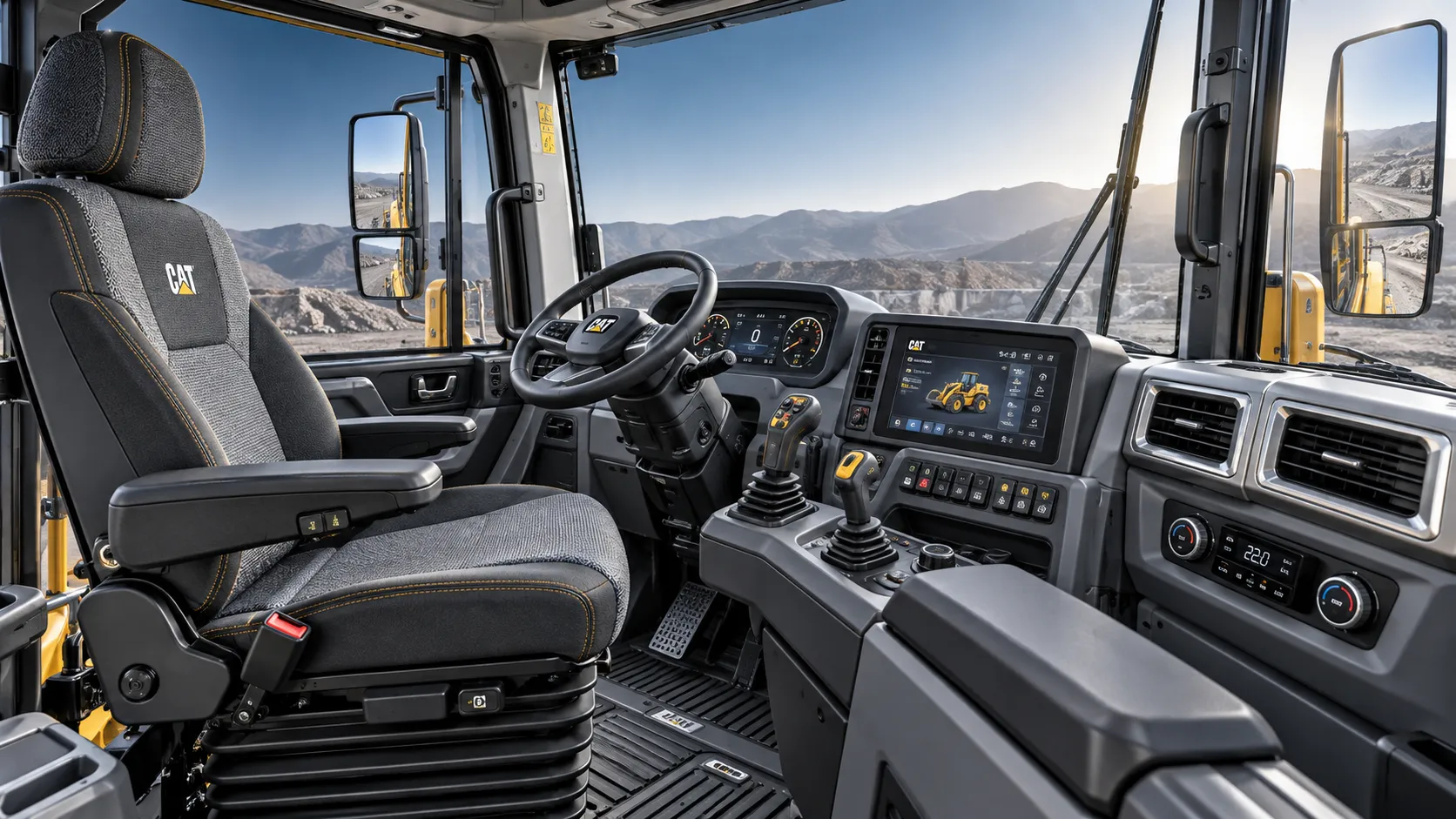
How Adjustable Cabin Ergonomics Reduce Operator Fatigue in Long-Shift Vehicles
Adjustable cabin ergonomics reduces operator fatigue through better seating, reach, visibility, vibration control, and climate comfort for safer long-shift vehicles.
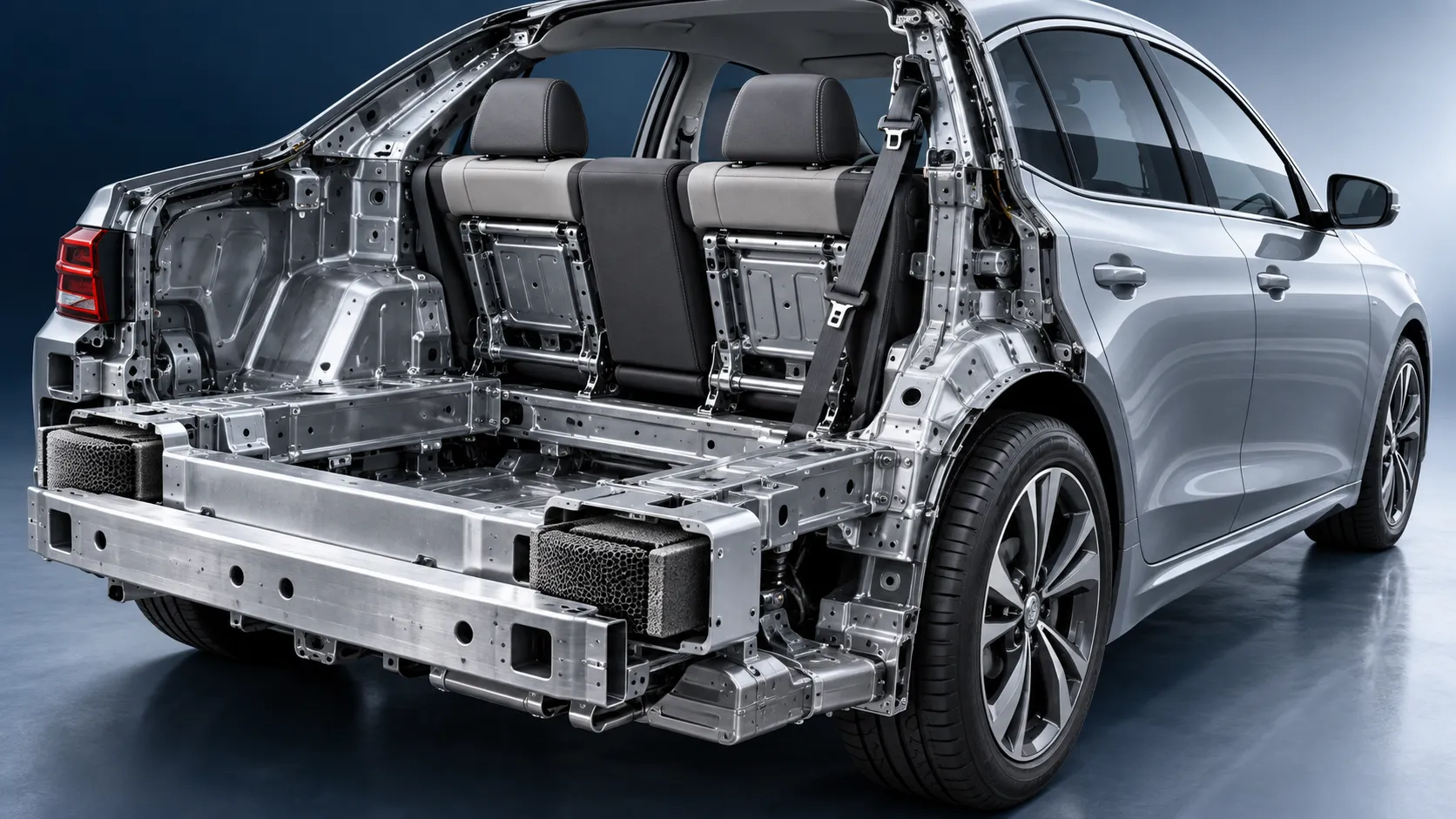
How Rear-Impact Safety Components Work Together to Protect Vehicle Occupants
Explore how automotive safety components for rear impact work together—from crash structures and seats to head restraints and belts—to enhance occupant protection.
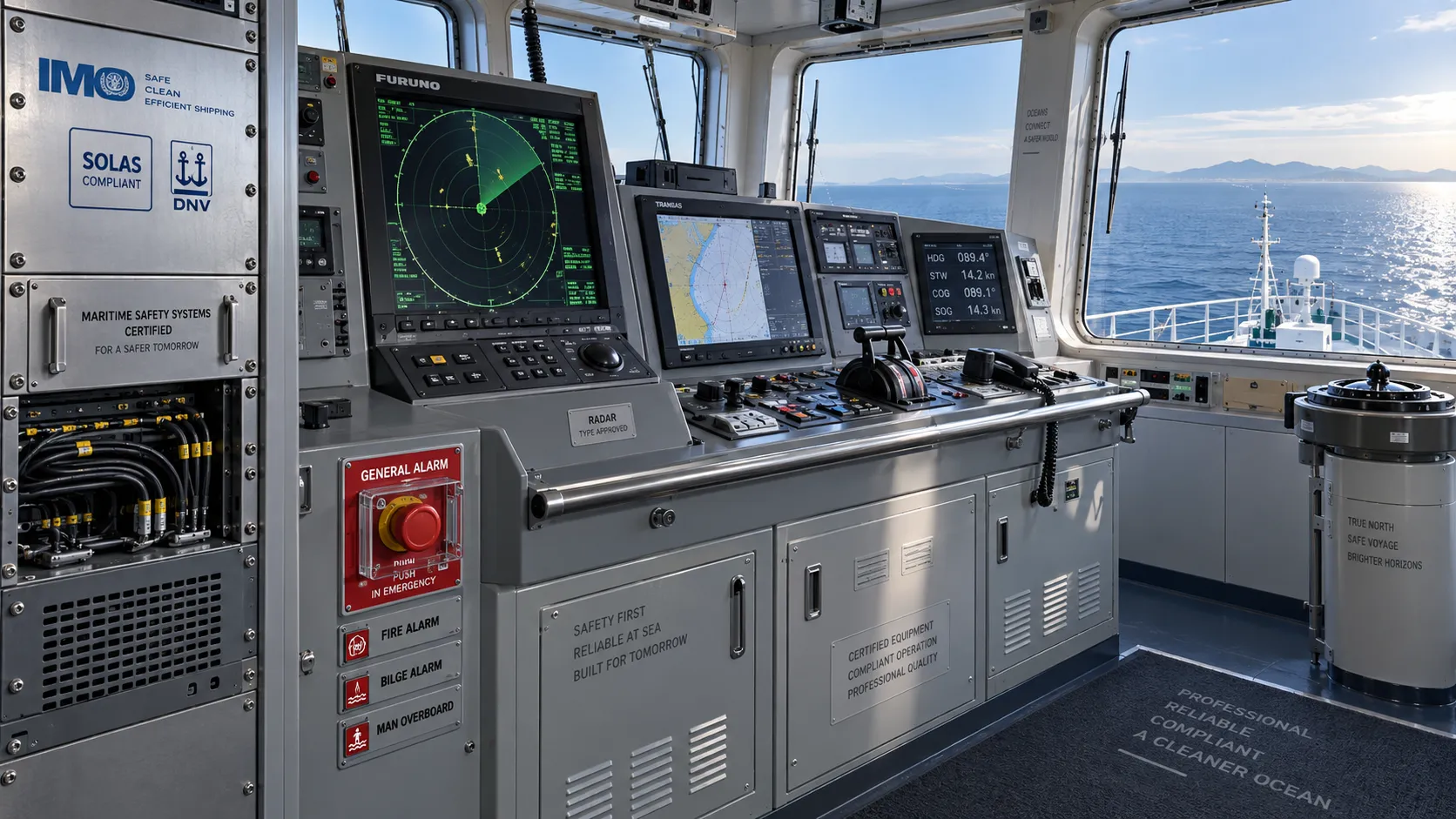
How to Evaluate a Marine Safety Systems Manufacturer for Vessel Compliance and Reliability
Marine safety systems manufacturer evaluation guide: verify compliance, engineering quality, lifecycle costs, and global service support for safer, reliable vessel operations.
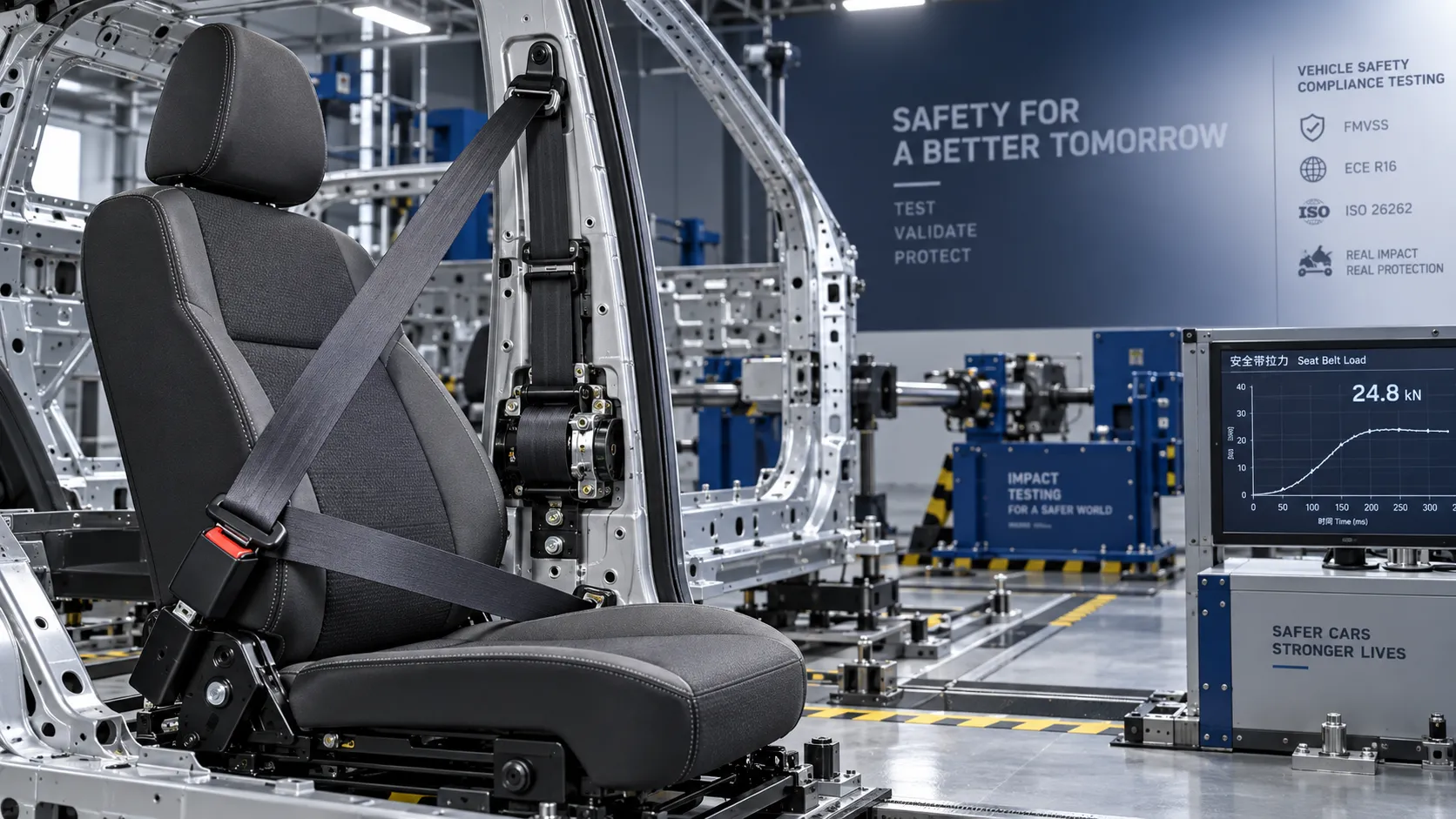
Crash Test Regulations for Seatbelts: Key Compliance Requirements Explained
Crash test regulations seatbelts explained: explore FMVSS, UN rules, anchorage strength, and dynamic restraint testing for safer, compliant vehicle systems.

How to Calculate the Total Cost of Automotive Lightweighting for a Vehicle Program
Automotive lightweight solutions cost: learn how to calculate program-level costs, including materials, tooling, joining, validation, risk, and vehicle-level value.

How Automotive Seat Occupancy Sensing Improves Airbag Deployment Decisions
Automotive seat occupancy sensing helps optimize airbag deployment decisions, improving passenger classification, safety diagnostics, and compliance across real-world conditions.

What Drives Lightweight Body Component Costs in High-Volume Vehicle Programs?
Lightweight body components cost depends on material yield, forming, joining, tooling, validation, and logistics. Explore proven ways to optimize total vehicle program cost.
Related News
- 00
0000-00
How to Specify Integrated Marine Electronics for Reliable Bridge Operations - 00
0000-00
How Adjustable Cabin Ergonomics Reduce Operator Fatigue in Long-Shift Vehicles - 00
0000-00
How to Evaluate a Marine Safety Systems Manufacturer for Vessel Compliance and Reliability - 00
0000-00
How to Calculate the Total Cost of Automotive Lightweighting for a Vehicle Program - 00
0000-00
What Drives Lightweight Body Component Costs in High-Volume Vehicle Programs?
Weekly Insights
Stay ahead with our curated technology reports delivered every Monday.