
Smart Sensing in Automotive Design: Core Functions, Benefits, and Application Scenarios
Why is smart sensing becoming central to automotive design?
Smart sensing now sits at the center of modern vehicle development for one simple reason: cars must interpret more variables, faster, and with greater accuracy.
That includes occupant posture, driver attention, cabin temperature, seat position, road conditions, and nearby obstacles.
In practice, smart sensing turns a vehicle from a passive machine into a responsive system.
It does not only collect data.
It supports decisions that affect safety timing, comfort settings, energy use, and structural coordination.
This matters even more in a mobility landscape shaped by lightweight bodies, stricter crash standards, and connected cabin functions.
From the GNCS perspective, smart sensing is not an isolated cabin feature.
It links precision perception with physical containment protection, which is also why it connects naturally with seats, seatbelts, airbags, and body structures.
A useful way to understand it is this: smart sensing helps a vehicle know what is happening, who is affected, and how fast it should respond.
What does smart sensing actually do inside a vehicle?
Many people first associate smart sensing with parking sensors or cameras.
That is only part of the picture.
In automotive design, smart sensing usually spans three layers: environment perception, occupant monitoring, and system coordination.
Environment perception
These sensors track what happens outside the vehicle.
Radar, ultrasonic modules, cameras, and lidar can estimate distance, movement, lane position, and hazard probability.
This supports driver assistance, low-speed maneuvering, collision warning, and automated functions.
Occupant monitoring
This is where smart sensing becomes especially valuable in cabin safety.
Seat sensors, pressure maps, buckle sensors, in-cabin cameras, and biometric inputs can detect seating position, occupant size, belt usage, fatigue signs, and child presence.
These signals improve airbag deployment logic and seatbelt pre-tensioning strategies.
System coordination
The deeper advantage is coordination.
Smart sensing allows seats, restraint systems, and body control units to work with shared context instead of isolated triggers.
For example, a seat position sensor can influence airbag timing and belt force limits.
That is a meaningful step beyond traditional hardware-only safety design.
Where are the strongest application scenarios today?
The most active application scenarios are not all the same.
Some are driven by regulation, some by user experience, and some by engineering efficiency.
The table below helps clarify where smart sensing creates the clearest value.
A pattern is easy to see here.
The best smart sensing applications are usually cross-functional.
They do not just add convenience.
They improve how multiple systems act together under real conditions.
That is especially relevant to sectors GNCS follows closely, including smart seats, passive safety modules, and body engineering.
How is smart sensing different from traditional automotive sensing?
The difference is less about having sensors and more about what the system can infer.
Traditional sensing often relies on isolated signals and fixed trigger thresholds.
A door opens, a pressure switch changes, or a distance threshold is crossed.
Smart sensing combines several inputs, interprets context, and supports adaptive response.
- Traditional sensing asks, “Did one event happen?”
- Smart sensing asks, “What is happening, to whom, and what should adjust?”
This shift is important in crash-related functions.
If a vehicle knows the occupant is out of position, small-framed, or leaning forward, the safety response can be more precise.
It is also important in comfort systems.
A seat that detects posture variation over time can adjust support differently than a seat that only stores one preset.
For anyone comparing technologies, that is the real dividing line: static detection versus dynamic interpretation.
What should be checked before evaluating a smart sensing solution?
This is where many early evaluations become too vague.
A smart sensing concept can sound impressive, but practical assessment depends on measurable fit.
A stronger review usually includes the following checkpoints.
- Signal reliability: Can the sensor maintain accuracy across vibration, humidity, dust, and temperature change?
- Response timing: Does the output arrive fast enough for safety-critical action?
- Integration burden: How much redesign is needed in seats, trim, wiring, software, or body structures?
- Compliance path: Can the approach support validation under IIHS, E-NCAP, or other target frameworks?
- Lifecycle cost: What happens to calibration, replacement, diagnostics, and software updates over time?
In real programs, the best option is not always the one with the most sensing channels.
More common is a balance between enough data, manageable integration, and stable validation.
This is also why GNCS often frames intelligence through system stitching rather than feature stacking.
The question is not only whether smart sensing works.
The question is whether it works consistently inside a regulated, high-reliability mobility system.
Are there common risks or misconceptions around smart sensing?
Yes, and several of them appear repeatedly.
One misconception is that smart sensing automatically means safer outcomes.
It can improve safety, but only when sensor quality, algorithms, mechanical design, and validation are aligned.
Another misconception is that cabin sensing is mainly a comfort feature.
In reality, it increasingly supports passive safety logic, occupant classification, and emergency response readiness.
There is also a design risk that deserves attention.
If smart sensing is added late, it may conflict with packaging space, lightweight goals, or seat frame architecture.
That can create cost pressure and delay validation.
A short decision table helps separate healthy expectations from common mistakes.
What is the next sensible step if smart sensing is under review?
A sensible next step is to define the target question before comparing technologies.
Is the priority occupant protection, driver monitoring, seat intelligence, lightweight coordination, or a mix of these?
That sounds basic, yet it prevents many poor comparisons.
After that, map the sensing logic to real scenarios.
Check what must be detected, how quickly the system must react, what standards apply, and where integration pressure will appear.
For ongoing research, GNCS offers a useful lens because it connects smart sensing with cabin ergonomics, passive safety architecture, lightweight structures, and compliance evolution rather than treating them separately.
That broader view matters.
Smart sensing is most valuable when it improves the full chain of perception, protection, and response.
If the goal is clearer evaluation, start by listing the key signals, expected decisions, validation conditions, and lifecycle constraints.
That creates a practical basis for judging whether a smart sensing approach is truly ready for automotive design.
Related News
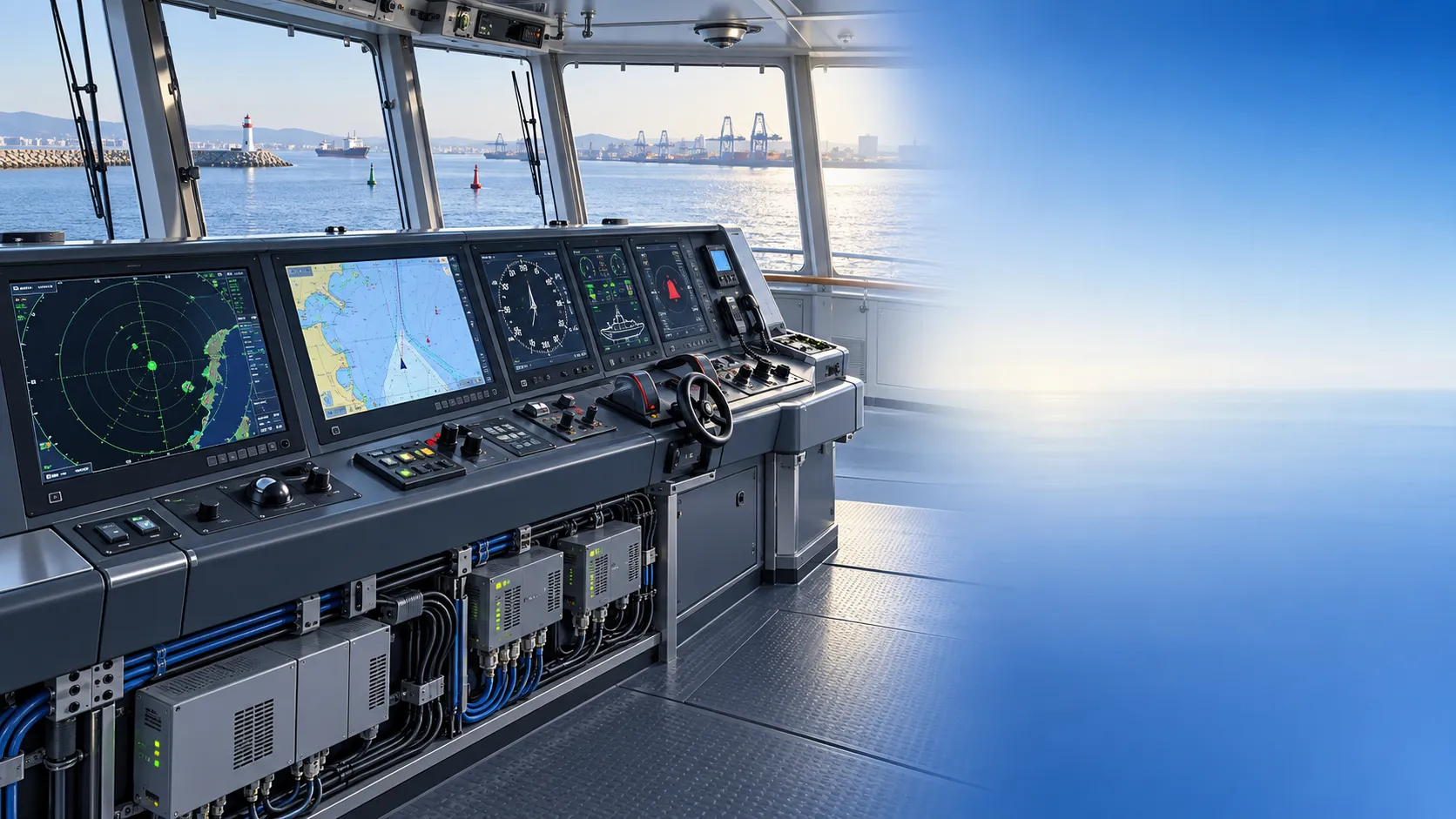
How to Specify Integrated Marine Electronics for Reliable Bridge Operations
Integrated marine electronics: learn how to specify reliable bridge systems with clear data flows, redundancy, alarm control, lifecycle interfaces, and operational testing.

How to Evaluate Navigation Radar Manufacturers for Commercial Vessel Projects
Navigation radar manufacturers: learn how to compare performance, compliance, integration, support, and lifecycle cost for commercial vessel projects.
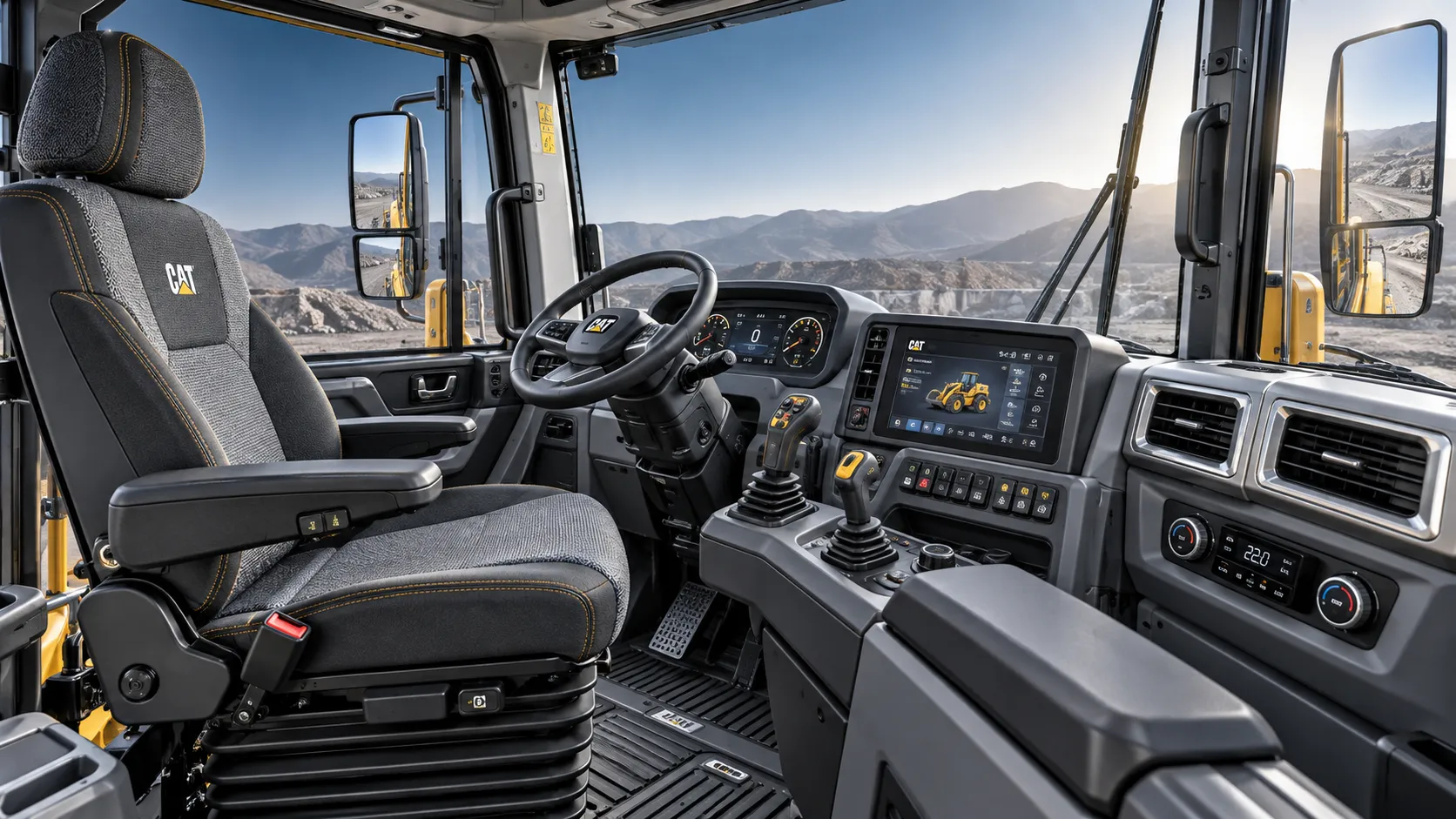
How Adjustable Cabin Ergonomics Reduce Operator Fatigue in Long-Shift Vehicles
Adjustable cabin ergonomics reduces operator fatigue through better seating, reach, visibility, vibration control, and climate comfort for safer long-shift vehicles.
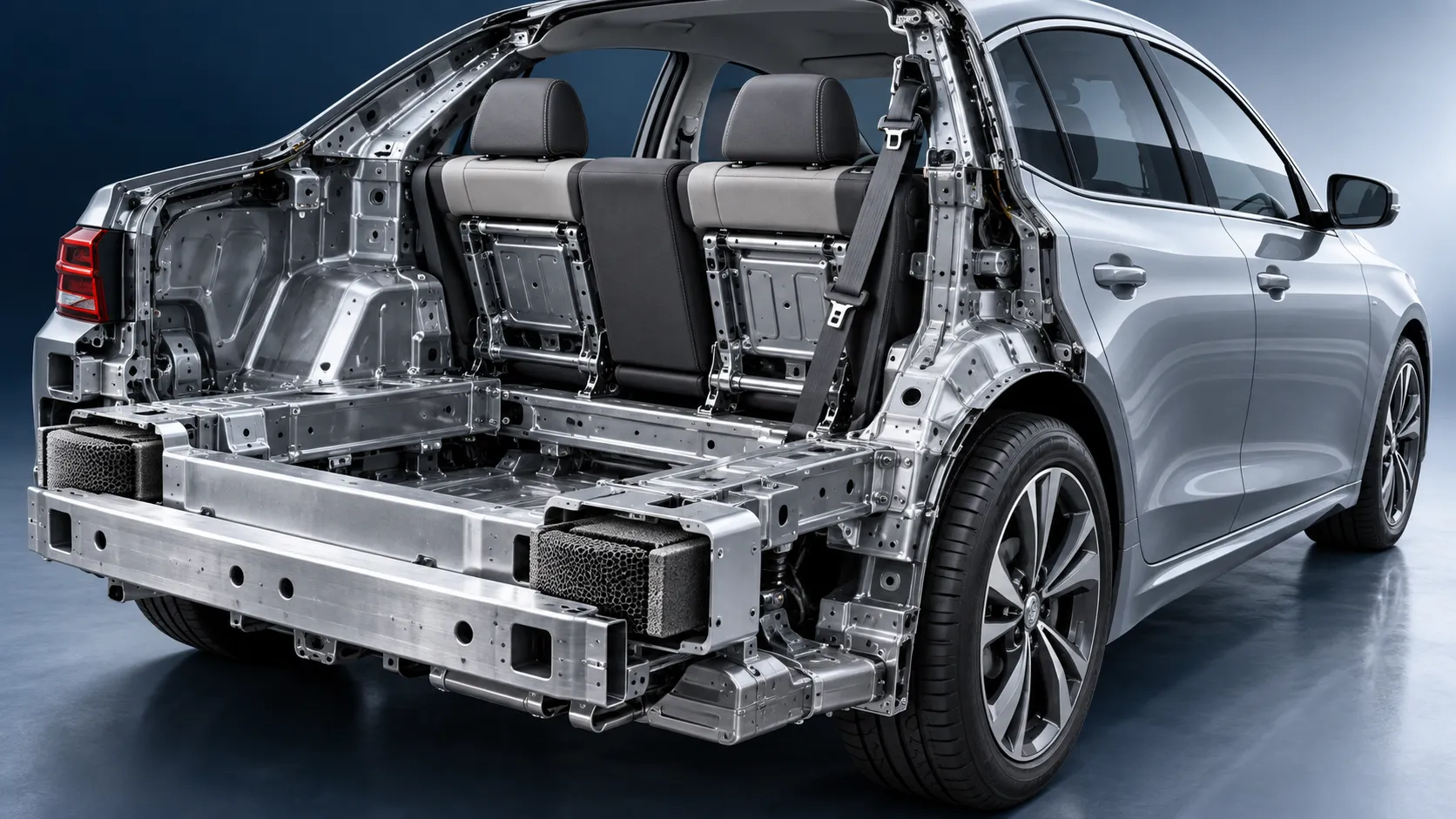
How Rear-Impact Safety Components Work Together to Protect Vehicle Occupants
Explore how automotive safety components for rear impact work together—from crash structures and seats to head restraints and belts—to enhance occupant protection.
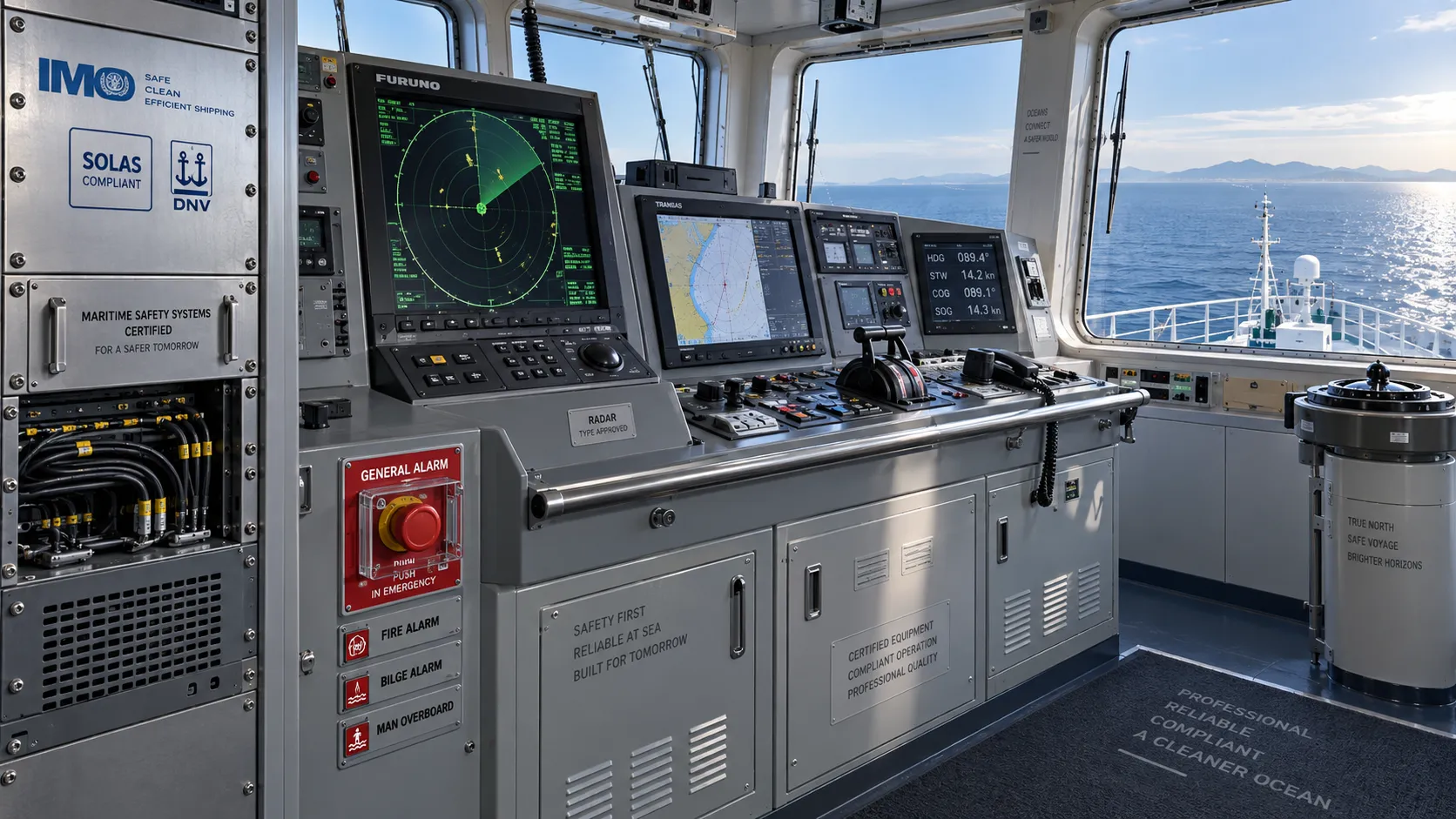
How to Evaluate a Marine Safety Systems Manufacturer for Vessel Compliance and Reliability
Marine safety systems manufacturer evaluation guide: verify compliance, engineering quality, lifecycle costs, and global service support for safer, reliable vessel operations.
Crash Test Regulations for Seatbelts: Key Compliance Requirements Explained
Crash test regulations seatbelts explained: explore FMVSS, UN rules, anchorage strength, and dynamic restraint testing for safer, compliant vehicle systems.

How to Calculate the Total Cost of Automotive Lightweighting for a Vehicle Program
Automotive lightweight solutions cost: learn how to calculate program-level costs, including materials, tooling, joining, validation, risk, and vehicle-level value.

How Automotive Seat Occupancy Sensing Improves Airbag Deployment Decisions
Automotive seat occupancy sensing helps optimize airbag deployment decisions, improving passenger classification, safety diagnostics, and compliance across real-world conditions.

What Drives Lightweight Body Component Costs in High-Volume Vehicle Programs?
Lightweight body components cost depends on material yield, forming, joining, tooling, validation, and logistics. Explore proven ways to optimize total vehicle program cost.
Related News
- 00
0000-00
How to Specify Integrated Marine Electronics for Reliable Bridge Operations - 00
0000-00
How Adjustable Cabin Ergonomics Reduce Operator Fatigue in Long-Shift Vehicles - 00
0000-00
How to Evaluate a Marine Safety Systems Manufacturer for Vessel Compliance and Reliability - 00
0000-00
How to Calculate the Total Cost of Automotive Lightweighting for a Vehicle Program - 00
0000-00
What Drives Lightweight Body Component Costs in High-Volume Vehicle Programs?
Weekly Insights
Stay ahead with our curated technology reports delivered every Monday.