How to Source Occupant Restraint Components: Key Specs, Compliance, and Supplier Checks
How should occupant restraint components be sourced when safety and cost both matter?
Sourcing occupant restraint components is rarely a simple price exercise.
A lower quote can hide validation gaps, unstable materials, or documentation problems that become expensive later.
In practical terms, the buying decision affects crash performance, launch timing, warranty exposure, and supply continuity.
That is why experienced teams compare technical fit, compliance readiness, and supplier discipline together, not separately.
For GNCS, this logic is familiar.
Its coverage of seatbelt systems, airbag assemblies, smart seating, and crash regulation trends reflects one basic reality.
Physical containment protection depends on precise data, repeatable engineering, and traceable execution across the full supply chain.
So the real question is not only where to buy occupant restraint components, but how to judge whether a source is truly dependable.
Which parts are usually included under occupant restraint components?
The term usually covers the hardware and triggering elements that keep occupants controlled during a collision.
Most sourcing discussions focus on seatbelt assemblies, pretensioners, force limiters, buckles, anchors, retractors, inflators, airbags, sensors, and related connectors.
Some programs also include seat-integrated restraint parts and interface components with the seat structure.
This matters because supplier capability can vary sharply by subcategory.
A plant that handles webbing and retractors well may not be equally strong in inflator chemistry or sensor calibration.
More common mistakes happen when all occupant restraint components are grouped into one RFQ without separating safety-critical process needs.
A useful starting point is to define the component family by function, interface, and validation burden.
- Containment function: belt load control, airbag deployment, occupant positioning, or seat interaction.
- System interface: ECU, seat frame, body structure, buckle switch, or trim integration.
- Validation path: static strength, sled testing, crash simulation, environmental aging, or deployment timing.
- Service risk: replacement frequency, field diagnostics, traceability, and recall sensitivity.
Once these boundaries are clear, comparing occupant restraint components becomes more disciplined and much less vulnerable to hidden mismatch.
What specifications deserve the closest attention before comparing quotations?
The most expensive sourcing errors usually begin with incomplete specification control.
When the drawing looks complete but performance assumptions remain vague, suppliers fill the gaps differently.
That creates quote gaps first, then quality disputes later.
For occupant restraint components, core specifications should go beyond dimensions and materials.
The short list that usually changes the buying decision
In real sourcing cycles, the safest approach is to request both nominal values and tolerance windows.
That makes competing quotes easier to normalize.
It also reveals whether the supplier truly understands the restraint system instead of quoting from a generic catalog.
How do compliance and certification checks change supplier selection?
Compliance is often where seemingly qualified suppliers begin to separate.
Occupant restraint components sit inside one of the most heavily regulated parts of mobility equipment.
So documentation quality is not a side issue.
It is part of product performance.
Depending on market and vehicle platform, review often includes FMVSS, UNECE regulations, ECE R16, ECE R14, ECE R94, ECE R95, and program-specific protocols.
For broader benchmarking, many teams also track crash expectations shaped by IIHS or Euro NCAP.
GNCS regularly interprets these evolving standards across passive safety and cabin systems, which is useful because regulations rarely move in isolation.
A new seat architecture, lighter body structure, or revised sensing logic can change restraint requirements at the same time.
What should be checked besides the certificate itself?
- Test scope: confirm the certificate covers the exact part family, revision, and configuration.
- Lab credibility: verify whether testing was internal, customer witnessed, or done by an accredited third party.
- Change control: ask how resin, textile, metal, or propellant changes trigger revalidation.
- Traceability: review batch coding, serial logic, and retention of production records.
- Restricted substance control: check REACH, RoHS, and regional chemical reporting obligations where relevant.
A supplier with complete certificates but weak engineering change discipline still creates program risk.
That is why compliance review should always connect test evidence with process governance.
When does a low quote for occupant restraint components become a warning sign?
Not every low price is a problem, but unusual gaps deserve explanation.
A cheaper source may be benefiting from scale, regional labor cost, or a mature tool base.
Just as often, the gap comes from missing validation, weaker incoming control, or unrealistic lead time assumptions.
A practical way to judge price is to break the quote into cost drivers rather than compare one total number.
- Tooling and amortization: confirm whether launch tools, gauges, and PPAP costs are included.
- Testing burden: ask if crash, sled, corrosion, and endurance validation are priced in.
- Localization assumptions: review imported subcomponents, customs exposure, and dual-source resilience.
- Warranty allocation: clarify responsibility for field failures and campaign containment.
- Capacity protection: verify whether reserved output is contractually supported during demand spikes.
In other words, total landed risk matters more than unit price alone.
For occupant restraint components, one delayed approval or one traceability issue can erase a full year of purchasing savings.
What supplier checks reveal real capability before nomination?
Supplier assessment works best when it goes beyond presentation slides.
A capable restraint supplier should be able to explain process control in detail, not only show finished samples.
This is especially important for occupant restraint components because process drift may stay invisible until testing or field use.
The checks that usually separate robust suppliers from risky ones
- Audit critical stations such as webbing inspection, sewing, retractor assembly, propellant handling, and end-of-line verification.
- Review PFMEA, control plans, SPC records, and reaction plans for special characteristics.
- Check whether failure analysis is data-based and linked to corrective action closure.
- Confirm backup plans for raw materials, power interruption, tooling damage, and logistics disruption.
- Validate launch history, recall history, customer mix, and program longevity in comparable safety products.
If the supplier supports advanced seating, airbags, or lightweight body interfaces, that broader system knowledge can be valuable.
GNCS often highlights this cross-domain view because occupant protection rarely depends on one part alone.
Seat structure stiffness, buckle position, body load paths, and sensor timing all interact.
Suppliers who understand those interactions usually manage changes with fewer surprises.
How can sourcing decisions balance lead time, program risk, and long-term cost?
A strong sourcing decision is usually the one that remains stable after SOP, not just before award.
That means looking at timing, engineering support, and service life economics together.
For occupant restraint components, long-term cost is influenced by more than part price.
Validation reruns, line stoppage, packaging damage, warranty claims, and redesign loops all add cost.
A sensible closing checklist helps keep the decision grounded.
The better route is usually to narrow choices through a weighted scorecard, then pressure-test the top candidate with real evidence.
That creates a more reliable outcome than chasing the fastest quote revision.
What is the smartest next step before locking a supplier?
Start by tightening the requirement package for the specific occupant restraint components under review.
Then align technical specs, compliance targets, validation scope, and commercial assumptions into one sourcing sheet.
That single step removes many of the misunderstandings that distort price and timeline comparisons.
From there, compare suppliers on evidence, not confidence alone.
Look closely at process capability, traceability, launch discipline, and system understanding across seats, airbags, and belt interfaces.
This is also where intelligence-led platforms such as GNCS are useful.
Regulation tracking, passive safety trend analysis, and cross-category insight help turn scattered supplier information into a clearer decision framework.
When occupant restraint components are sourced with that level of discipline, cost control improves naturally because avoidable risk is removed early.
In the end, the strongest sourcing decision is the one that stays compliant, manufacturable, and dependable long after nomination.
Related News
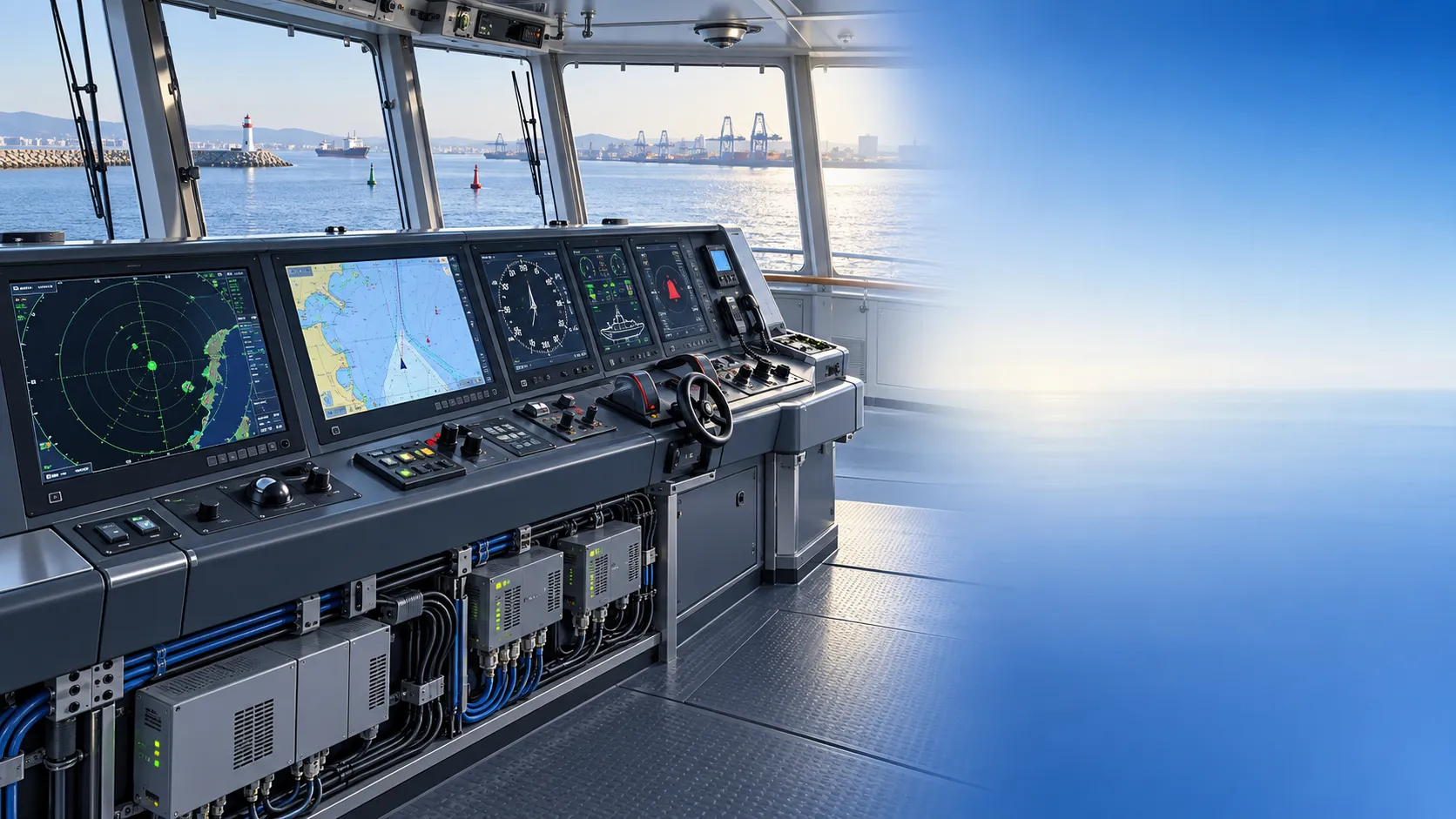
How to Specify Integrated Marine Electronics for Reliable Bridge Operations
Integrated marine electronics: learn how to specify reliable bridge systems with clear data flows, redundancy, alarm control, lifecycle interfaces, and operational testing.
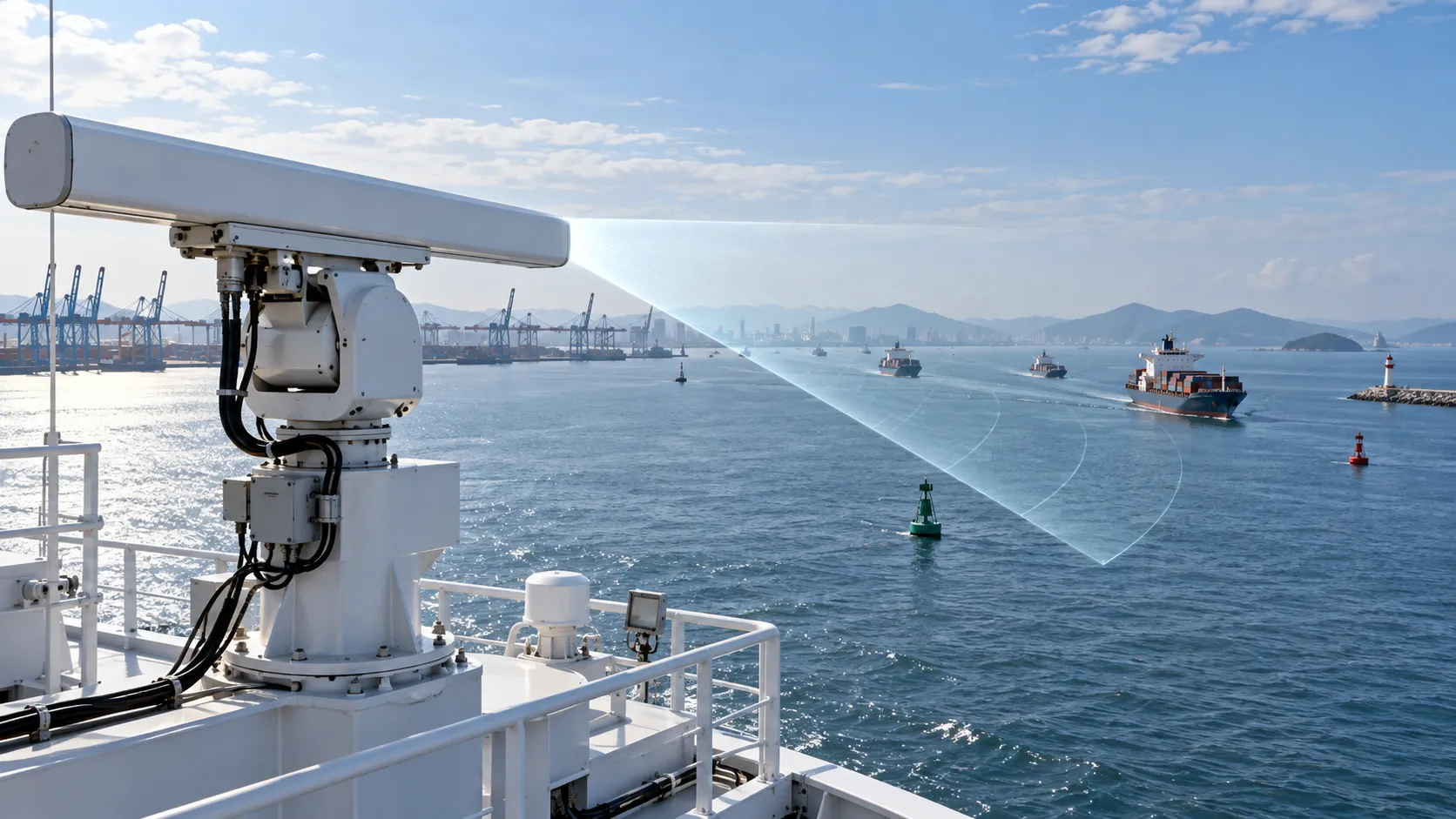
How to Evaluate Navigation Radar Manufacturers for Commercial Vessel Projects
Navigation radar manufacturers: learn how to compare performance, compliance, integration, support, and lifecycle cost for commercial vessel projects.
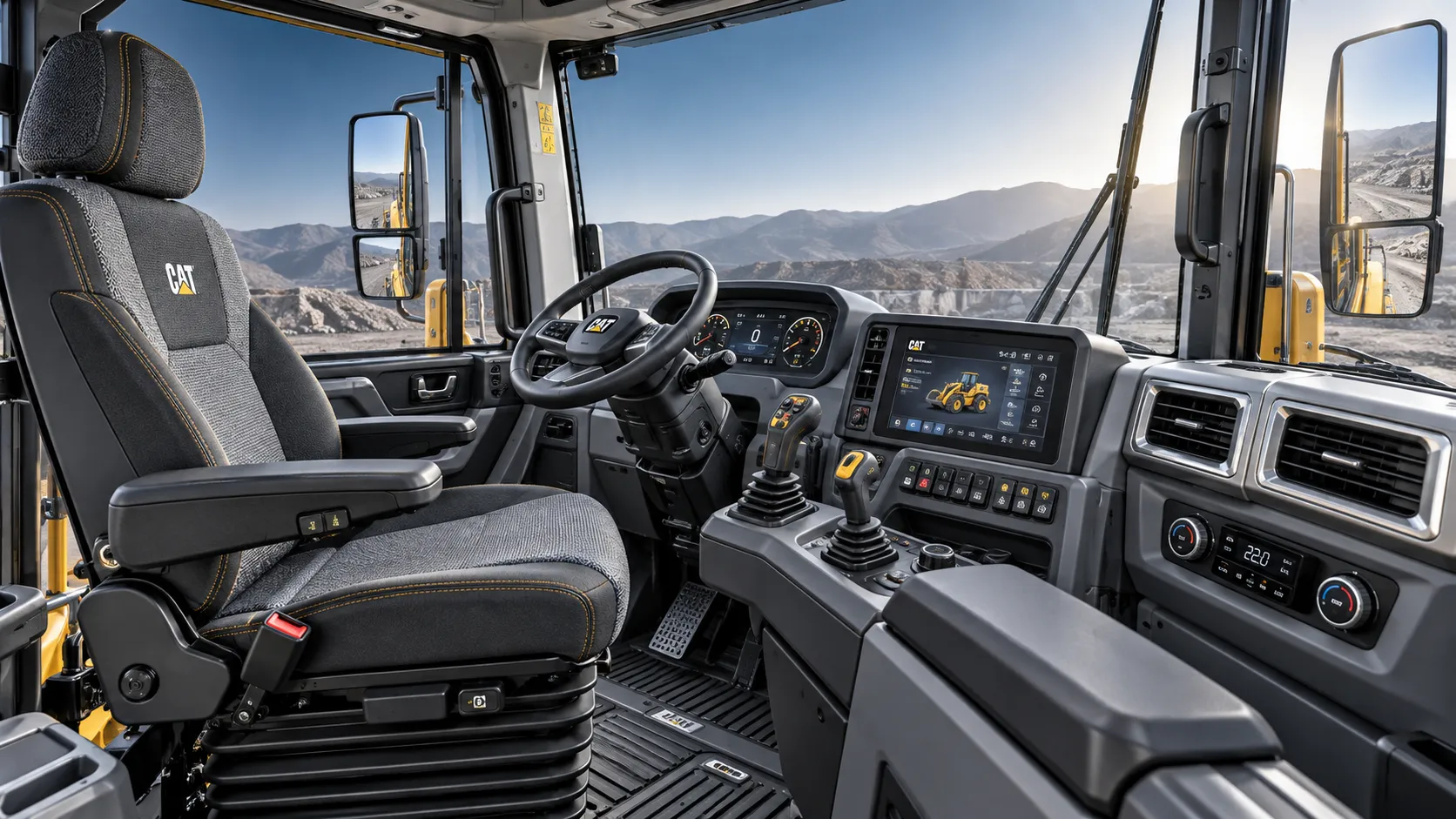
How Adjustable Cabin Ergonomics Reduce Operator Fatigue in Long-Shift Vehicles
Adjustable cabin ergonomics reduces operator fatigue through better seating, reach, visibility, vibration control, and climate comfort for safer long-shift vehicles.
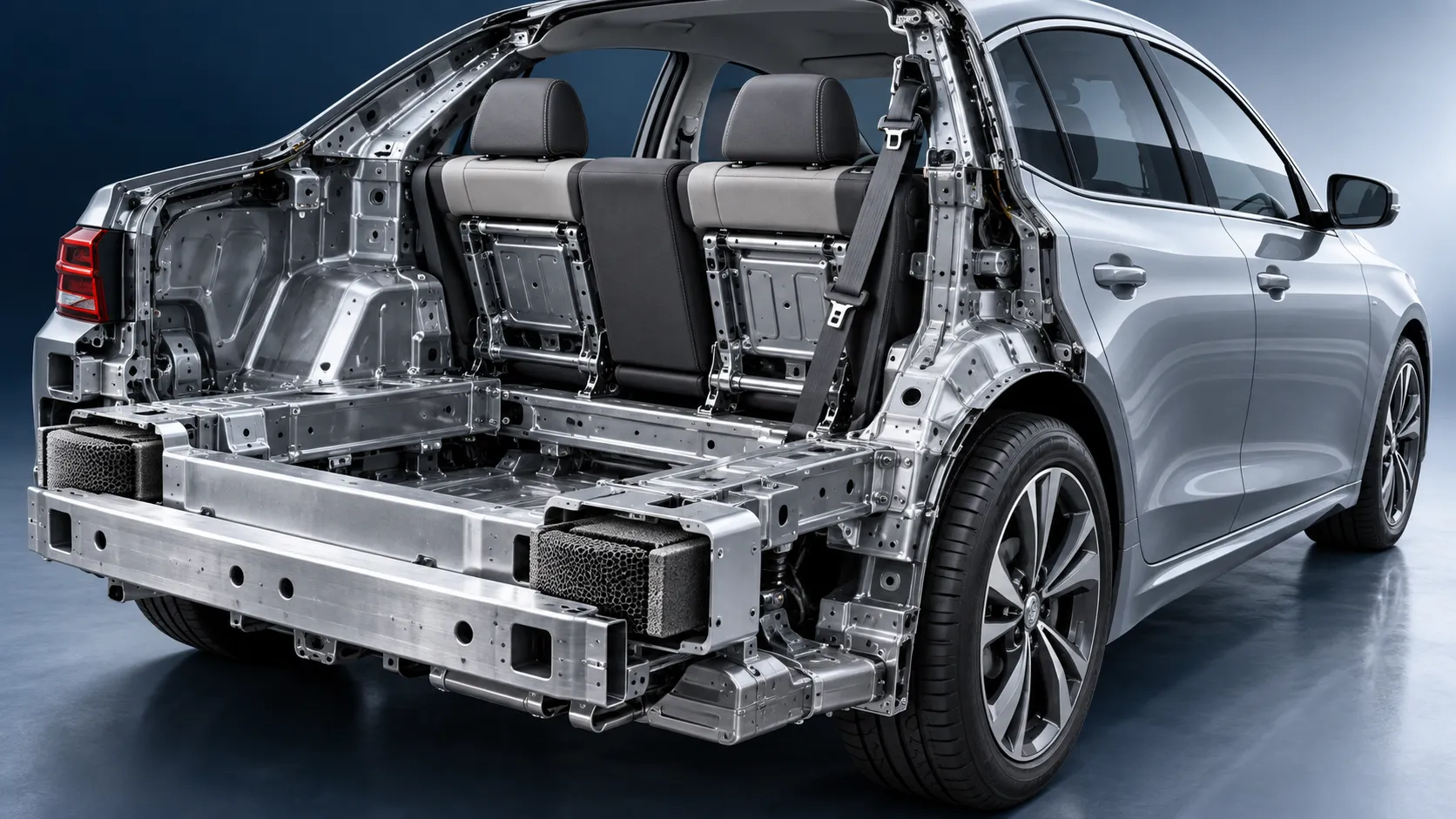
How Rear-Impact Safety Components Work Together to Protect Vehicle Occupants
Explore how automotive safety components for rear impact work together—from crash structures and seats to head restraints and belts—to enhance occupant protection.
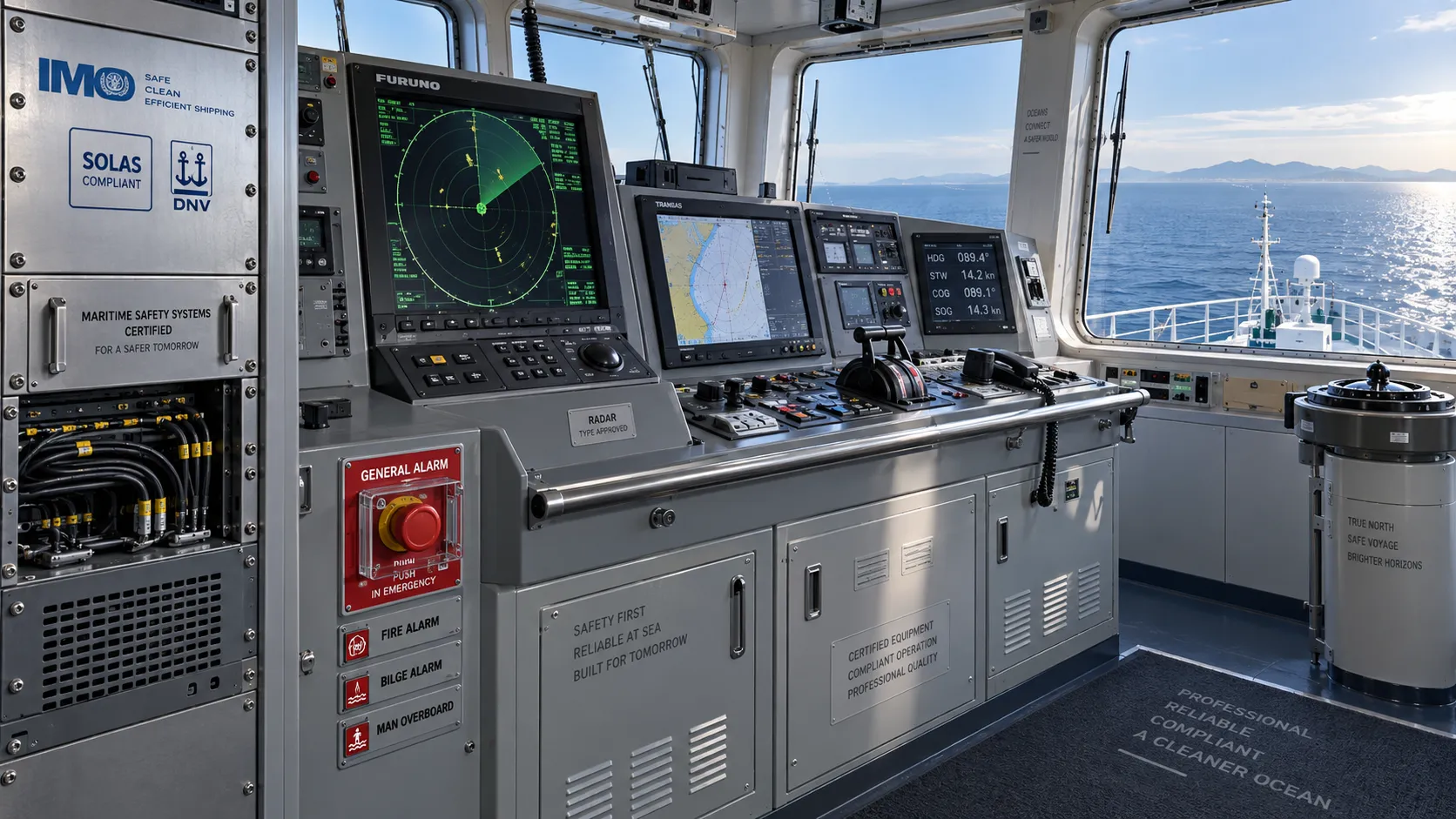
How to Evaluate a Marine Safety Systems Manufacturer for Vessel Compliance and Reliability
Marine safety systems manufacturer evaluation guide: verify compliance, engineering quality, lifecycle costs, and global service support for safer, reliable vessel operations.
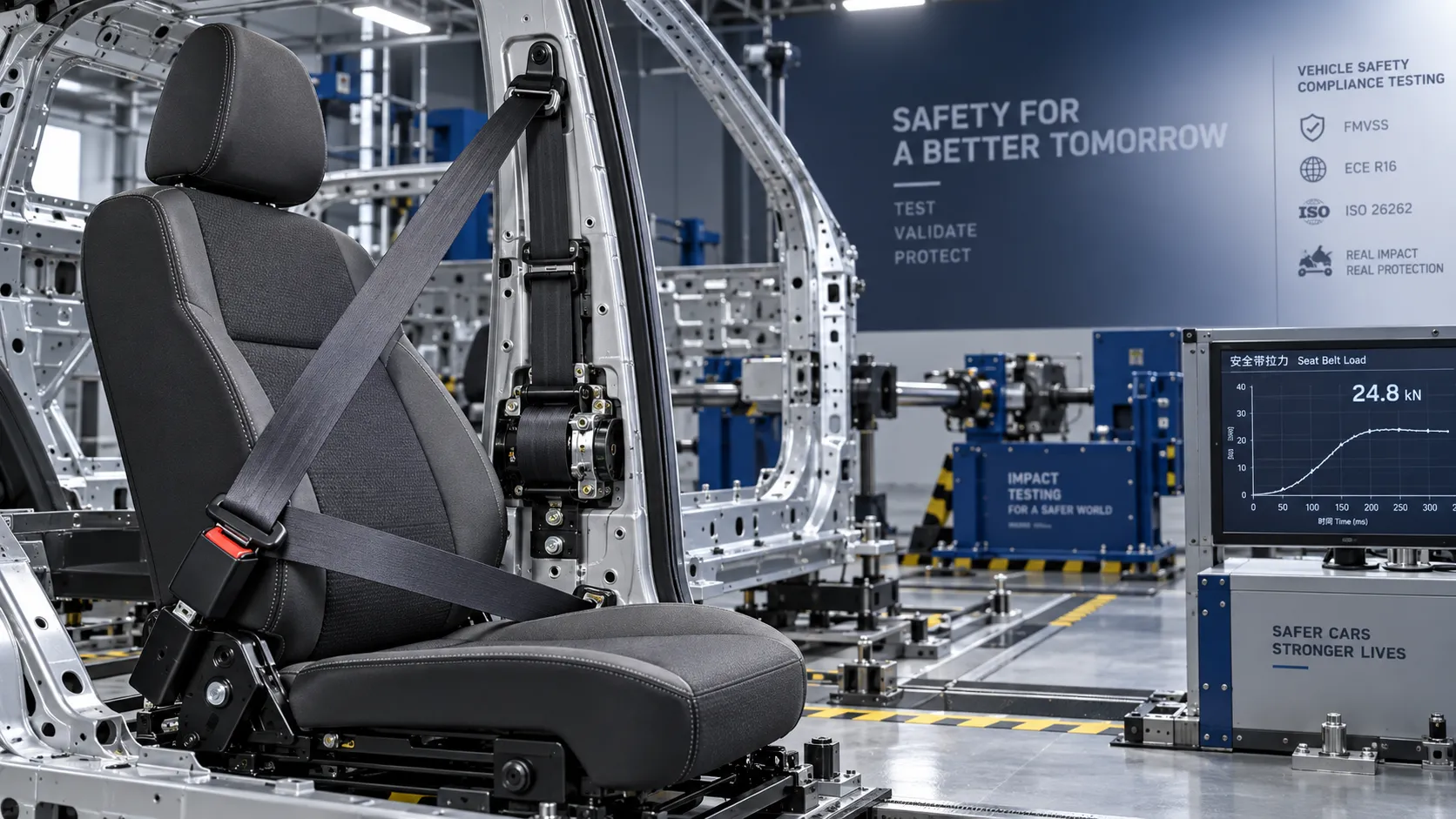
Crash Test Regulations for Seatbelts: Key Compliance Requirements Explained
Crash test regulations seatbelts explained: explore FMVSS, UN rules, anchorage strength, and dynamic restraint testing for safer, compliant vehicle systems.

How to Calculate the Total Cost of Automotive Lightweighting for a Vehicle Program
Automotive lightweight solutions cost: learn how to calculate program-level costs, including materials, tooling, joining, validation, risk, and vehicle-level value.

How Automotive Seat Occupancy Sensing Improves Airbag Deployment Decisions
Automotive seat occupancy sensing helps optimize airbag deployment decisions, improving passenger classification, safety diagnostics, and compliance across real-world conditions.

What Drives Lightweight Body Component Costs in High-Volume Vehicle Programs?
Lightweight body components cost depends on material yield, forming, joining, tooling, validation, and logistics. Explore proven ways to optimize total vehicle program cost.
Related News
- 00
0000-00
How to Specify Integrated Marine Electronics for Reliable Bridge Operations - 00
0000-00
How Adjustable Cabin Ergonomics Reduce Operator Fatigue in Long-Shift Vehicles - 00
0000-00
How to Evaluate a Marine Safety Systems Manufacturer for Vessel Compliance and Reliability - 00
0000-00
How to Calculate the Total Cost of Automotive Lightweighting for a Vehicle Program - 00
0000-00
What Drives Lightweight Body Component Costs in High-Volume Vehicle Programs?
Weekly Insights
Stay ahead with our curated technology reports delivered every Monday.