
Product Selection Guidance Pricing: How to Compare Specs, MOQ, and Total Cost
Why does product selection guidance pricing matter more than a simple quote?
In technical sourcing, the lowest unit price rarely tells the full story.
That is especially true for marine navigation hardware, hot-stamped body parts, airbag assemblies, seatbelt systems, and smart seating modules.
These categories sit close to safety, compliance, uptime, and long service cycles.
So product selection guidance pricing works as a decision method, not a pricing shortcut.
A supplier may offer a lower quote, yet require expensive tooling, stricter MOQ, longer validation, or special packaging.
Another may look expensive upfront, but reduce warranty risk, simplify certification, and shorten delivery variance.
In practice, the better comparison is total commercial and technical fit.
That is why product selection guidance pricing often starts with three linked questions.
- Does the specification match the actual application, not just the RFQ wording?
- Can the MOQ and tooling model support launch volume and future change orders?
- What hidden costs appear after freight, validation, compliance, and field support?
GNCS tracks these issues across mobility equipment because safety-critical sourcing depends on technical detail as much as price discipline.
When comparing specs, what should be checked beyond the data sheet?
A data sheet is a starting point, not a decision on its own.
For product selection guidance pricing, specification review should connect performance numbers to the operating environment.
Take marine navigation systems.
Two radar or sonar packages may appear similar, yet differ in signal stability, update architecture, corrosion resistance, and integration effort.
The same pattern appears in passive safety components.
An inflator, pretensioner, or stamped structural part may meet nominal dimensions, while behaving differently under crash energy, thermal exposure, or assembly tolerance drift.
A more reliable review usually includes these checks.
- Performance under real load conditions, not ideal lab values only.
- Interface compatibility with existing electronics, brackets, housings, or software.
- Certification status for target markets and vehicle or vessel programs.
- Change control discipline, including revision history and PPAP-style traceability.
- Expected service life, maintenance burden, and replacement availability.
If one offer lacks detail in these areas, the quote is not truly complete.
This is where product selection guidance pricing becomes useful, because it forces technical and commercial lines to stay connected.
How do MOQ and tooling change the real purchase decision?
MOQ is often treated as a negotiation detail, but it directly shapes total cost and inventory risk.
For standard catalog items, MOQ may be manageable.
For custom seat frames, stamped reinforcements, sensor housings, or safety subassemblies, MOQ can change the economics completely.
A low unit price paired with a high MOQ can tie up cash, warehouse space, and engineering flexibility.
Tooling has a similar effect.
In metal forming or precision safety components, initial dies, fixtures, validation jigs, and test samples may exceed the first order value.
That does not make the offer wrong.
It means product selection guidance pricing should compare cost structure, not unit price alone.
A useful rule is simple.
If forecast stability is weak, flexible MOQ often creates more value than a lower quoted piece price.
What hidden costs usually get missed in product selection guidance pricing?
The most common mistake is stopping at EXW or FOB price.
In reality, hidden cost often comes from friction between technical risk and supply execution.
For example, a navigation module may require software updates, protocol adaptation, or additional EMC testing.
A seatbelt assembly may need extra audit evidence for a regional certification path.
A stamped body component may need more scrap allowance during launch because forming consistency is still being stabilized.
These are not unusual exceptions.
They are normal parts of product selection guidance pricing in high-reliability sectors.
- Certification testing, audit preparation, and documentation translation.
- Packaging design for fragile or safety-sensitive parts.
- Duty, inland freight, and route-specific surcharge volatility.
- Supplier quality visits, containment actions, and rework sorting.
- Field failure response, spare parts planning, and warranty exposure.
When these factors are listed early, comparisons become more honest.
GNCS often highlights this point in its intelligence work, because compliance shifts and engineering updates can change cost long after sourcing is closed.
If two suppliers look similar, how do you separate the stronger option?
This is where many sourcing reviews become too narrow.
If both offers meet baseline specs, the next step is not another price round only.
The better test is execution quality.
Ask how each supplier manages revision control, test evidence, lead-time recovery, and issue escalation.
For safety-critical products, response discipline matters as much as engineering competence.
A stronger option usually shows consistency in four areas.
- Technical files are complete, current, and easy to verify.
- Commercial terms explain assumptions clearly, including exclusions.
- Lead times are realistic under both normal and peak demand.
- Corrective action history shows learning, not repeated containment.
This kind of comparison makes product selection guidance pricing more predictive.
It helps avoid the false economy of choosing a low quote that creates months of operational drag.
Where do sourcing teams make the wrong call most often?
The first trap is treating all specifications as equal in importance.
Some requirements are performance critical.
Others are negotiable without meaningful risk.
Without that separation, product selection guidance pricing becomes noisy and hard to use.
The second trap is underestimating compliance timing.
Marine and automotive programs often move on regulatory calendars that do not wait for supplier learning curves.
The third is ignoring lifecycle support.
A lower-cost part can become expensive if service parts, software support, or replacement traceability are weak.
A practical screening checklist helps keep the discussion grounded.
What is the smartest next step before making the final award?
Build one comparison sheet that combines technical fit, MOQ, tooling, compliance, logistics, and lifecycle cost.
Then score what actually drives program success.
In many cases, the winning offer is not the cheapest line item.
It is the one with the clearest control over variation, documentation, and downstream cost.
Product selection guidance pricing works best when it reflects operating reality.
That means checking how the part or system will be approved, delivered, installed, updated, serviced, and replaced.
For complex mobility equipment, this broader view is essential.
It aligns with the GNCS approach of linking specification intelligence, safety performance, and global compliance movement into one sourcing picture.
Before the final decision, confirm three things clearly.
- Which specifications are mandatory, and which can be optimized commercially.
- How MOQ and tooling affect cash flow across the full program timeline.
- Whether total landed and lifecycle cost still works after risk adjustments.
That is the point of product selection guidance pricing.
It turns quote comparison into a structured judgment, with fewer surprises after award.
Related News

How to Specify Micro-Climate Control Cabins for Harsh Outdoor Worksites?
Micro-climate control cabins for harsh outdoor worksites: learn how to specify thermal control, filtration, pressurization, and durability for safer uptime and smarter buying.
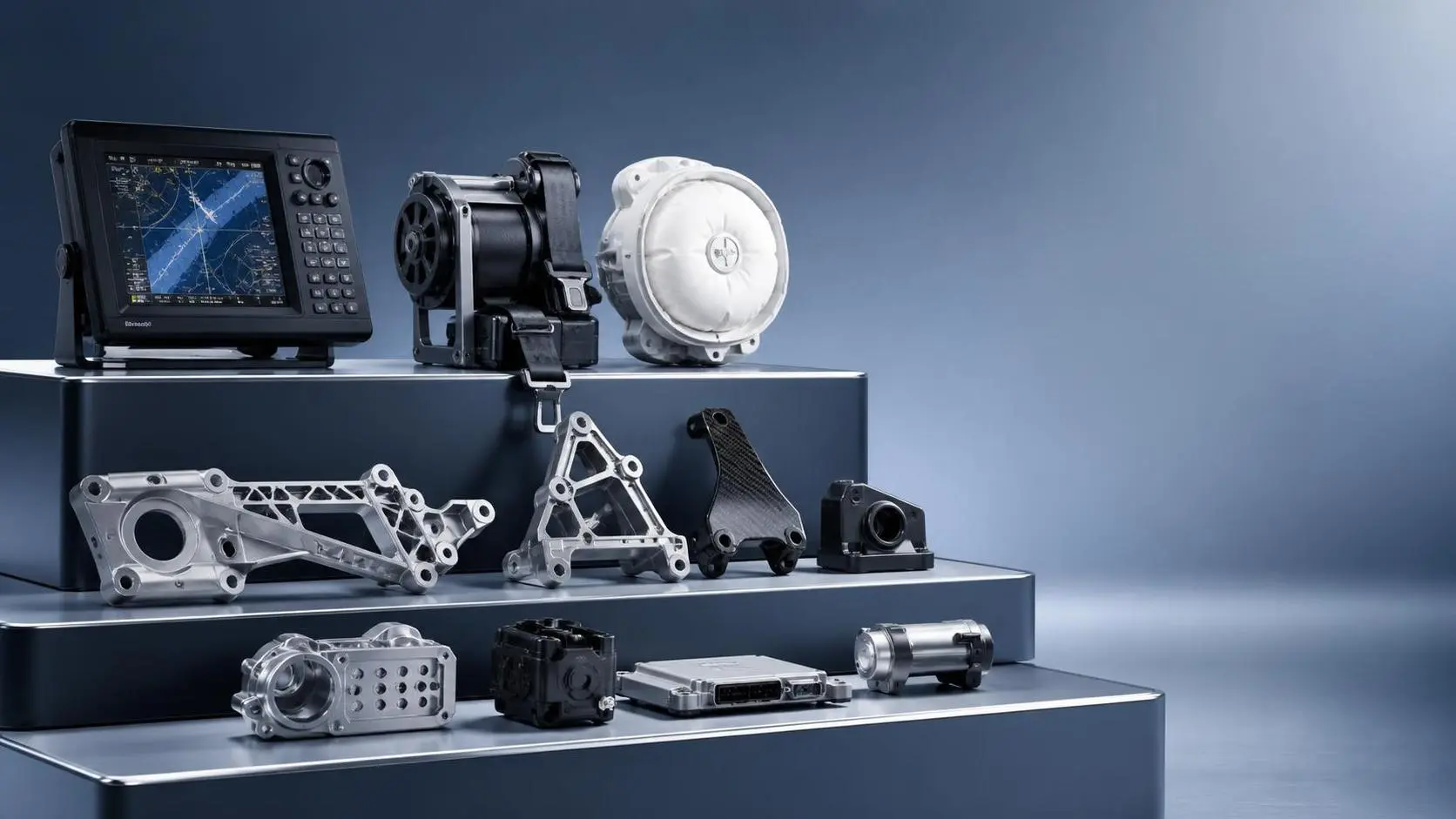
How to Evaluate a B2B Product Knowledge Platform for Faster Procurement Decisions
B2B product knowledge platform procurement starts with reducing decision risk. Learn how to compare specs, compliance, and supplier data to speed sourcing with confidence.

How to Evaluate an Occupant Restraint Systems Exporter for Quality, Compliance, and Supply Risk
Occupant restraint systems exporter evaluation guide: learn how to verify quality controls, compliance evidence, and supply risk before sourcing to avoid recalls, delays, and hidden costs.
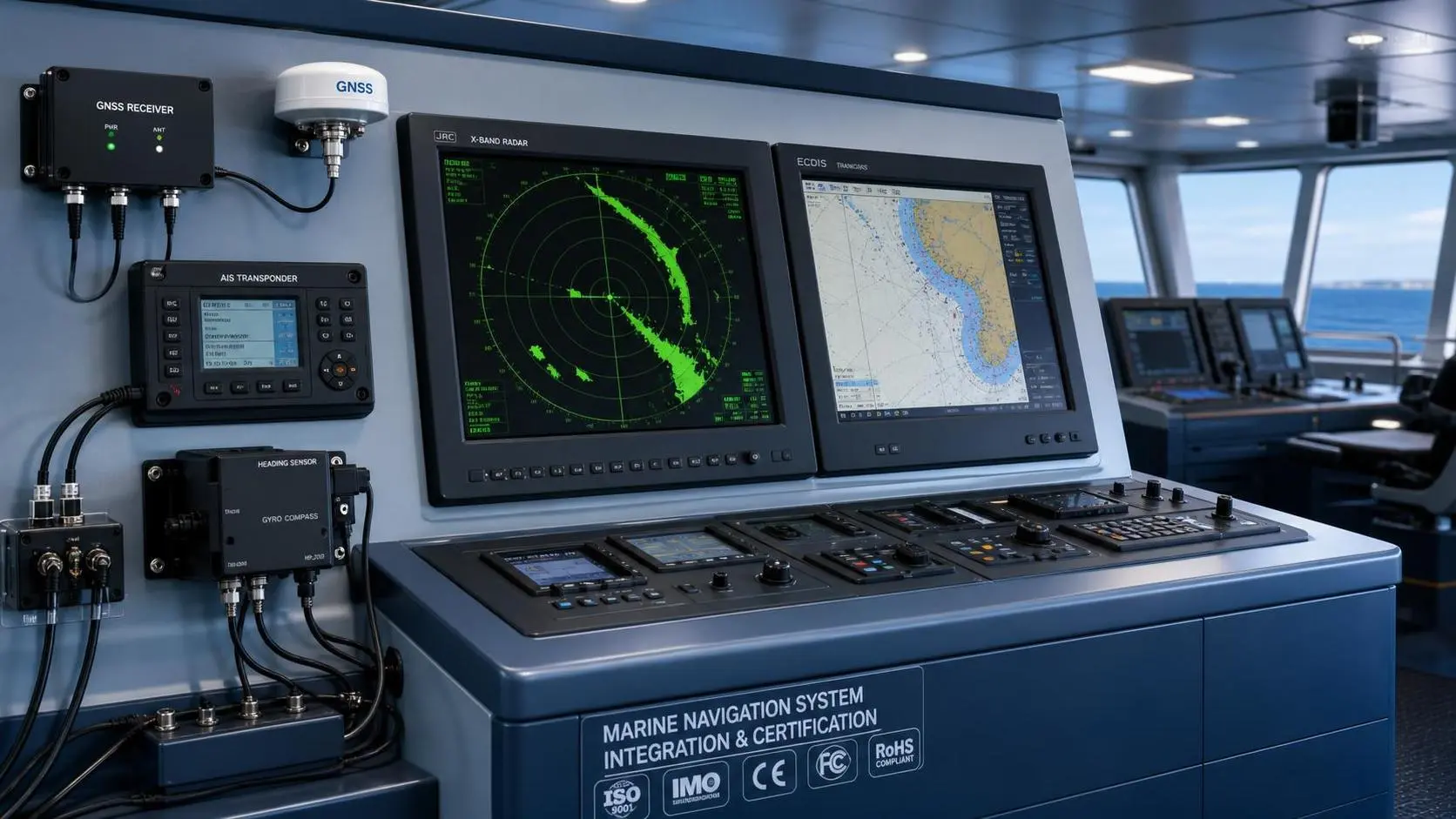
Navigation Compliance Certification: Which Marine Systems Need It and How to Prepare?
Navigation compliance certification explained: discover which marine systems need approval, what documents matter, and how to prepare early to avoid delays, rework, and costly project risks.
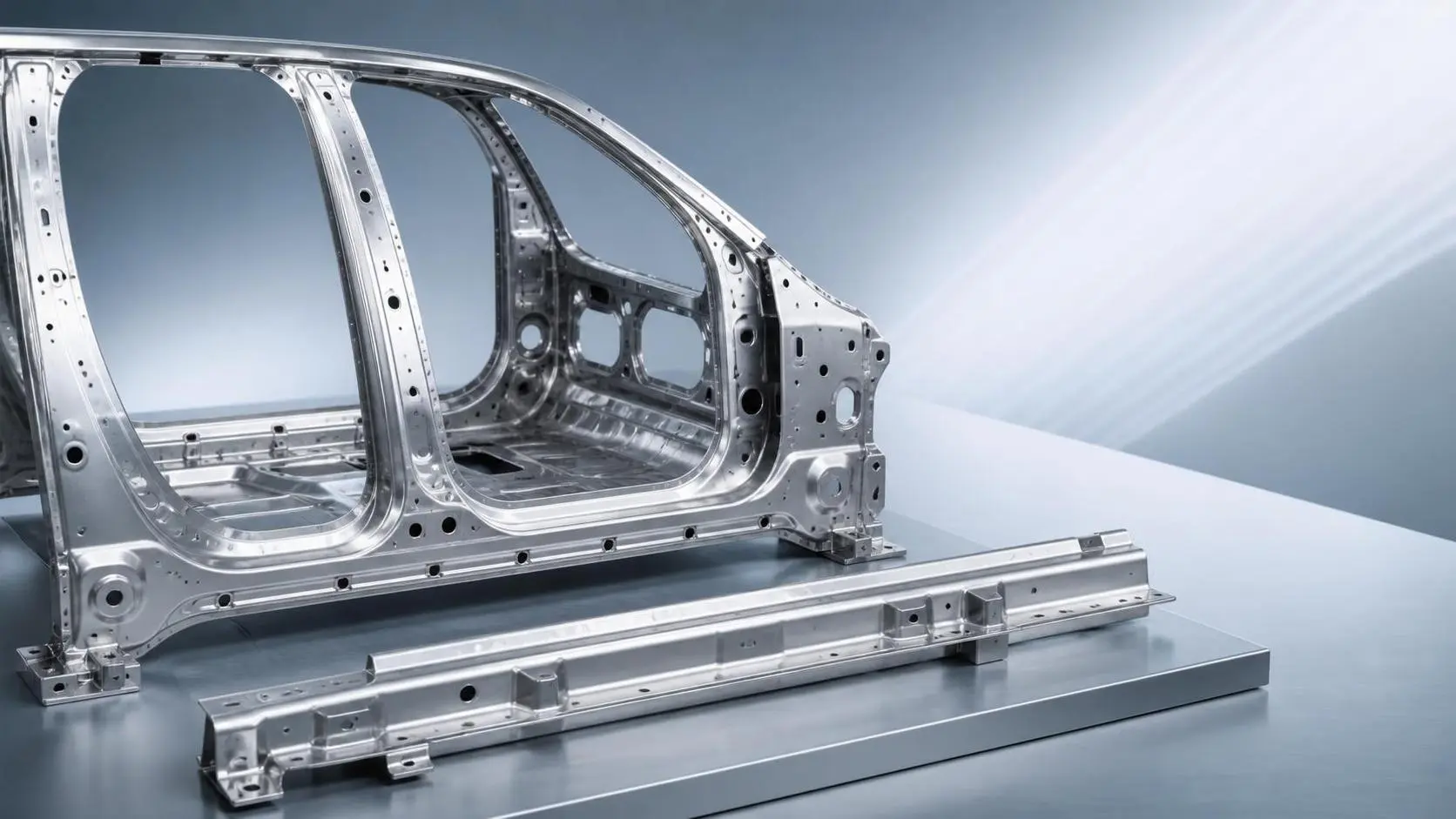
How to Evaluate Steel Auto Body Stampings for Strength, Fit, and Cost
Steel auto body stampings should be judged by strength, fit, and total cost together. Learn how to compare materials, forming limits, springback, joining, and tooling before choosing.
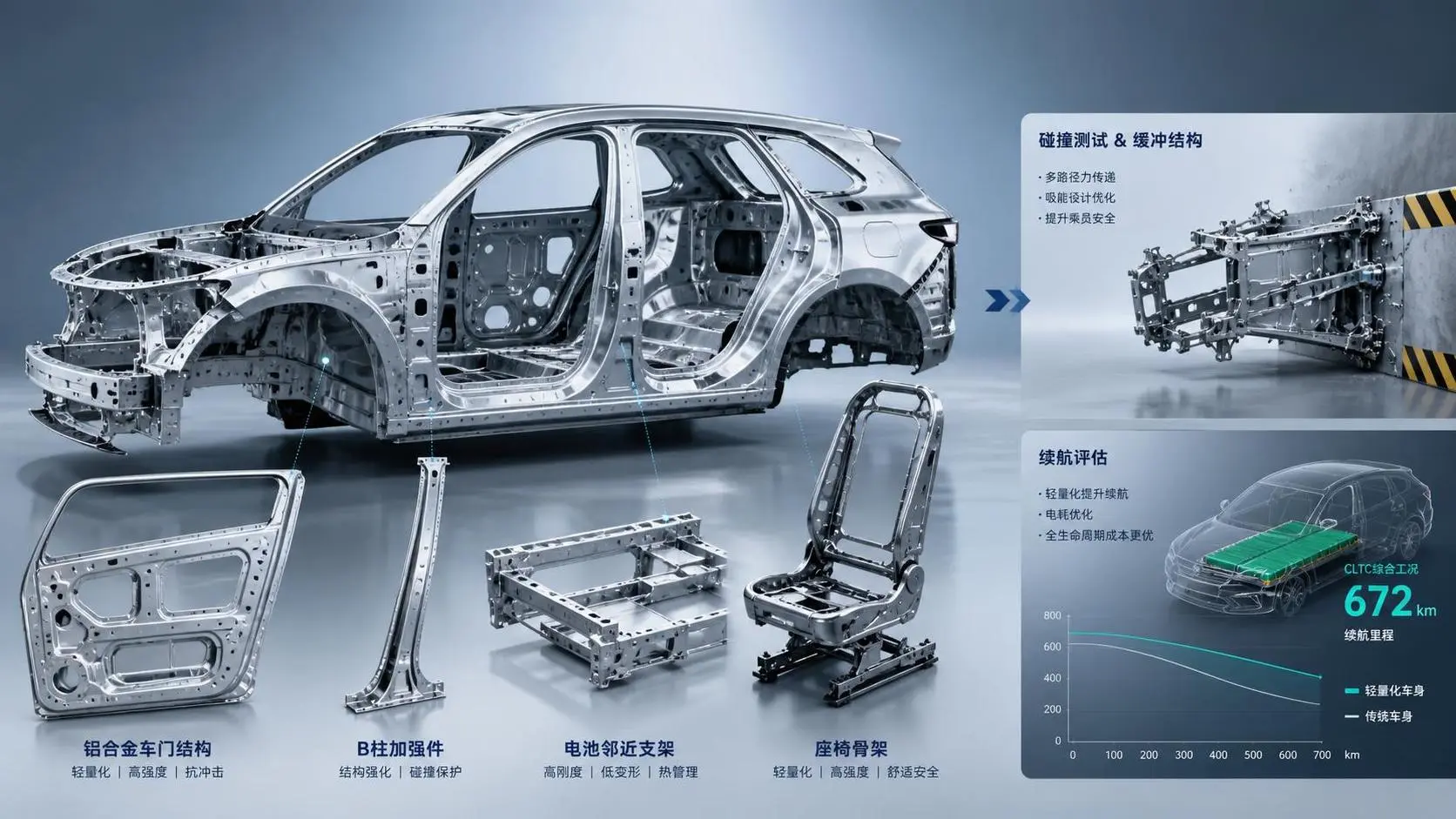
How to Evaluate Lightweight Automotive Components for EV Range and Crash Performance
Lightweight automotive components for EVs: learn how to evaluate real range gains, crash performance, joining risk, and manufacturability to choose safer, smarter EV parts.

How to Evaluate Airbag Components for OEM Safety Performance and Compliance?
Airbag components evaluation guide for OEM teams: compare deployment performance, inflator consistency, compliance evidence, and supplier traceability to reduce safety risk and choose with confidence.
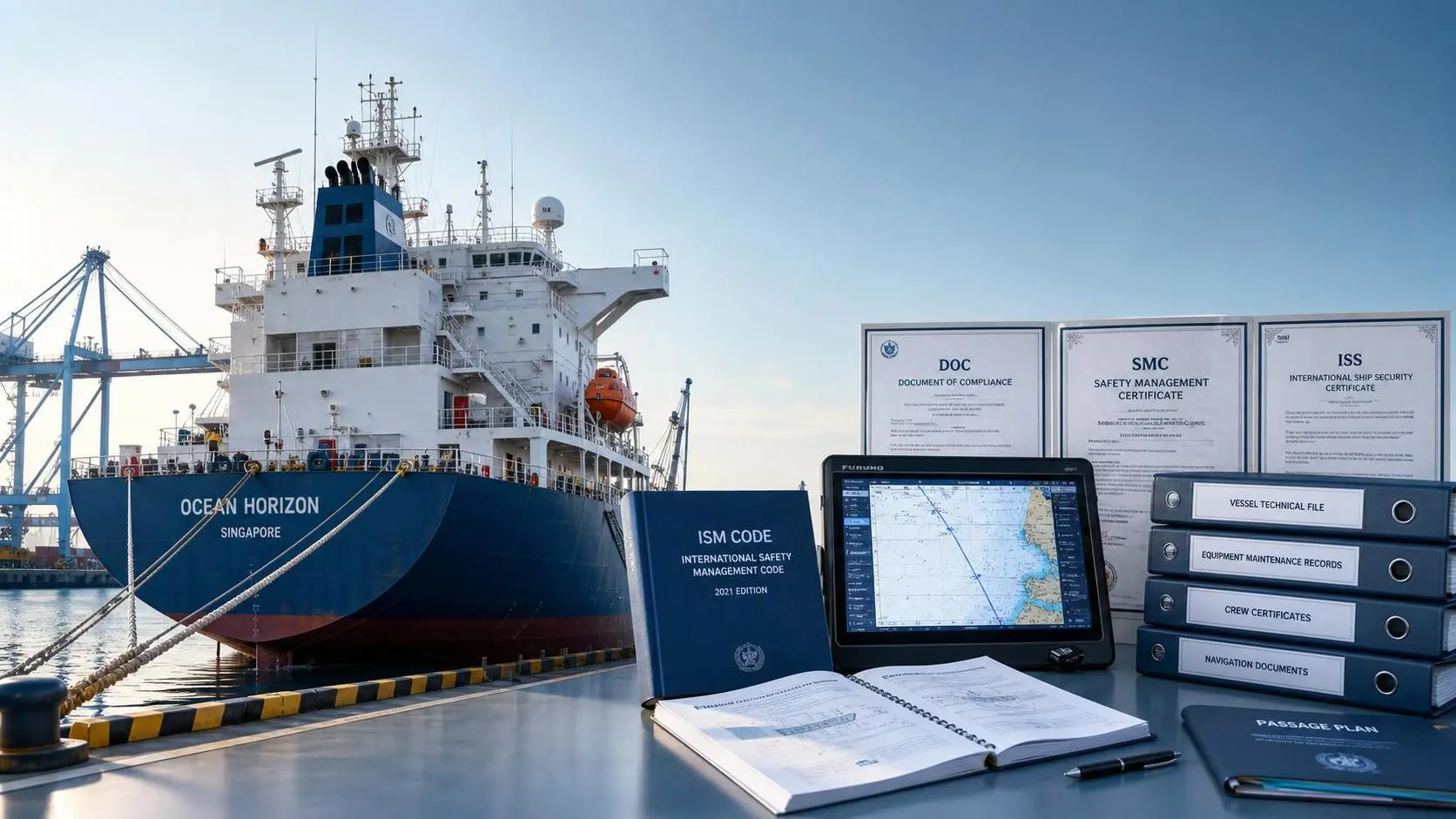
Maritime Compliance Information Standards: What Ship Operators Must Check
Maritime compliance information standards explained for ship operators: learn the key checks for navigation, documentation, updates, and crew readiness to reduce risk and avoid costly delays.

How to Evaluate Cargo Marine Sonar Systems for Detection Range and Vessel Fit
Cargo marine sonar systems: learn how to assess usable detection range, hull fit, noise risk, and bridge integration to choose a reliable solution for real cargo vessel operations.
Related News
- 00
0000-00
How to Specify Micro-Climate Control Cabins for Harsh Outdoor Worksites? - 00
0000-00
How to Evaluate a B2B Product Knowledge Platform for Faster Procurement Decisions - 00
0000-00
How to Evaluate an Occupant Restraint Systems Exporter for Quality, Compliance, and Supply Risk - 00
0000-00
Navigation Compliance Certification: Which Marine Systems Need It and How to Prepare? - 00
0000-00
How to Evaluate Lightweight Automotive Components for EV Range and Crash Performance
Weekly Insights
Stay ahead with our curated technology reports delivered every Monday.