
Industrial Sourcing Information in Europe: How to Compare Suppliers, Lead Times, and Risk
Why does industrial sourcing information Europe matter beyond price?
Industrial sourcing information Europe is often treated as a price comparison exercise. That is usually the weakest starting point.
In real supply chains, the better question is whether a supplier can stay reliable when demand shifts, regulations tighten, or logistics become unstable.
That matters even more in sectors linked to navigation, structural safety, and cabin protection, where performance failures carry technical and compliance consequences.
A radar module, hot-stamped body part, inflator component, seatbelt mechanism, or smart seat frame cannot be judged by unit cost alone.
European sourcing data becomes valuable when it helps explain capability, process maturity, lead-time realism, and the supplier’s ability to handle regulated production.
This is where industrial sourcing information Europe supports better early-stage research. It turns scattered supplier names into a structured comparison.
GNCS follows this logic closely. Its industry lens connects marine navigation, lightweight structures, passive safety, and intelligent seating through technical and compliance signals.
So the goal is not simply to find a supplier in Europe. It is to understand which supplier remains dependable under real operating pressure.
When comparing European suppliers, what should be checked first?
The first screen should focus on fit, not volume claims. A supplier may be large, yet still mismatched to the technical need.
A useful review starts with five areas: product relevance, certifications, process depth, engineering support, and traceability discipline.
- Product relevance: Does the supplier already serve adjacent applications with similar tolerances or safety expectations?
- Certifications: Are ISO, IATF, maritime approvals, or material standards current and verifiable?
- Process depth: Is critical work done in-house, or heavily outsourced to unknown subcontractors?
- Engineering support: Can the team discuss design limits, validation logic, and change control clearly?
- Traceability: Can batches, materials, and test records be tracked without gaps?
In practice, industrial sourcing information Europe becomes stronger when these points are checked before requesting detailed quotations.
This avoids a common mistake: comparing polished presentations instead of production facts.
For example, a passive safety parts supplier may appear competitive. Yet weak change-management discipline can create far greater downstream risk than a higher quoted price.
The same applies to marine navigation electronics, where firmware support, calibration consistency, and documentation accuracy often matter as much as hardware performance.
How do you compare lead times without being misled by optimistic promises?
Lead time is rarely a single number. It is a chain of dependencies, and each link deserves inspection.
A quoted eight-week timeline may sound attractive. The better question is what assumptions make that timeline possible.
More reliable industrial sourcing information Europe usually separates lead time into tooling, raw material readiness, production scheduling, testing, and outbound logistics.
That breakdown exposes whether the schedule is built on available capacity or on best-case hope.
A short comparison table helps organize this review.
For research use, this kind of structure makes industrial sourcing information Europe much more actionable.
It also aligns with how GNCS interprets supply intelligence: not as isolated data points, but as linked technical and operational signals.
What risks are easiest to miss in European industrial sourcing?
The most overlooked risks are often the quiet ones. They do not appear in the quote sheet, yet they shape delivery performance later.
One example is compliance drift. A supplier may have valid approvals today, but weak internal control over standard revisions or document updates.
Another is sub-tier opacity. If critical coatings, electronics, textiles, or propellant materials come from fragile lower-tier sources, resilience drops quickly.
For industrial sourcing information Europe, the following warning signs deserve attention:
- Large differences between sample quality and quoted mass-production capability.
- Unclear ownership of tooling, software versions, or test data.
- Heavy dependence on one plant, one country route, or one specialist machine.
- Limited response clarity when asked about recalls, deviations, or corrective actions.
- Incomplete understanding of cross-border export controls or safety documentation.
In mobility-related fields, hidden risk often sits between engineering and compliance.
A seat structure may meet strength targets, yet fail to support documentation expected by a specific test regime. A navigation module may function well, yet create software maintenance exposure later.
That is why industrial sourcing information Europe should include both plant-level facts and regulatory context.
Is country reputation enough, or should supplier capability be judged differently?
Country reputation helps, but it is only a rough filter. It does not replace supplier-specific evidence.
A well-known manufacturing region may still contain suppliers with weak process discipline. A less visible region may host highly specialized, well-run operations.
A more grounded method is to compare suppliers across three layers: technical competence, operating resilience, and governance quality.
Technical competence covers materials, tolerances, software, tooling, and validation. Operating resilience covers backup capacity, maintenance, labor continuity, and logistics options.
Governance quality covers document control, audit readiness, traceability, and escalation discipline.
This layered view is especially useful when reviewing industrial sourcing information Europe for complex categories such as sonar-linked hardware, airbag assemblies, or lightweight structural stampings.
GNCS-style intelligence is relevant here because it reads supplier capability through application context. A supplier is not just “good” in general; it is suitable for a narrow performance environment.
That distinction prevents category errors during early comparison.
How can industrial sourcing information Europe be turned into a practical decision framework?
A workable framework keeps the research simple enough to use, but detailed enough to reveal weak assumptions.
One practical approach is to score suppliers against a short list of evidence-based questions.
Using this method, industrial sourcing information Europe becomes a research tool for ranking evidence, not just collecting names.
That is usually the point where sourcing intelligence starts to support real decisions.
What is the smartest next step after the first supplier comparison?
After the first pass, narrow the field using application-specific criteria. Broad supplier lists are useful early, but weak later.
For industrial sourcing information Europe, the next move is usually to define a decision sheet around actual operating conditions.
That sheet should include compliance scope, production scale, target lead time, change-control expectations, and acceptable risk thresholds.
In actual research work, this is where sector intelligence becomes valuable. GNCS is useful as a reference model because it connects sourcing signals with technical evolution and regulatory pressure.
This matters whether the subject is marine navigation systems, energy-absorbing structures, airbag chemistry, restraint systems, or smart seating assemblies.
The core lesson is straightforward. Industrial sourcing information Europe is most useful when it helps compare capability, lead-time credibility, and hidden risk in one view.
Start with fit, verify the timeline logic, test the compliance depth, and look carefully at sub-tier exposure. That sequence produces clearer judgments than price-first screening.
From there, refine the shortlist, document assumptions, and keep watching the signals that affect resilience over time.
Related News

What Factors Drive Marine Navigation Components Cost in Commercial Vessel Projects?
Marine navigation components cost is shaped by integration, compliance, installation, and lifecycle support. Discover what drives pricing and how buyers can reduce risk while improving value.

How Much Does Seat Occupancy Sensing Cost? Key Pricing Factors for Buyers
Seat occupancy sensing price varies widely by technology, integration, and compliance needs. Learn the key cost drivers, avoid hidden fees, and make smarter buying decisions.

How to Specify Micro-Climate Control Cabins for Harsh Outdoor Worksites?
Micro-climate control cabins for harsh outdoor worksites: learn how to specify thermal control, filtration, pressurization, and durability for safer uptime and smarter buying.
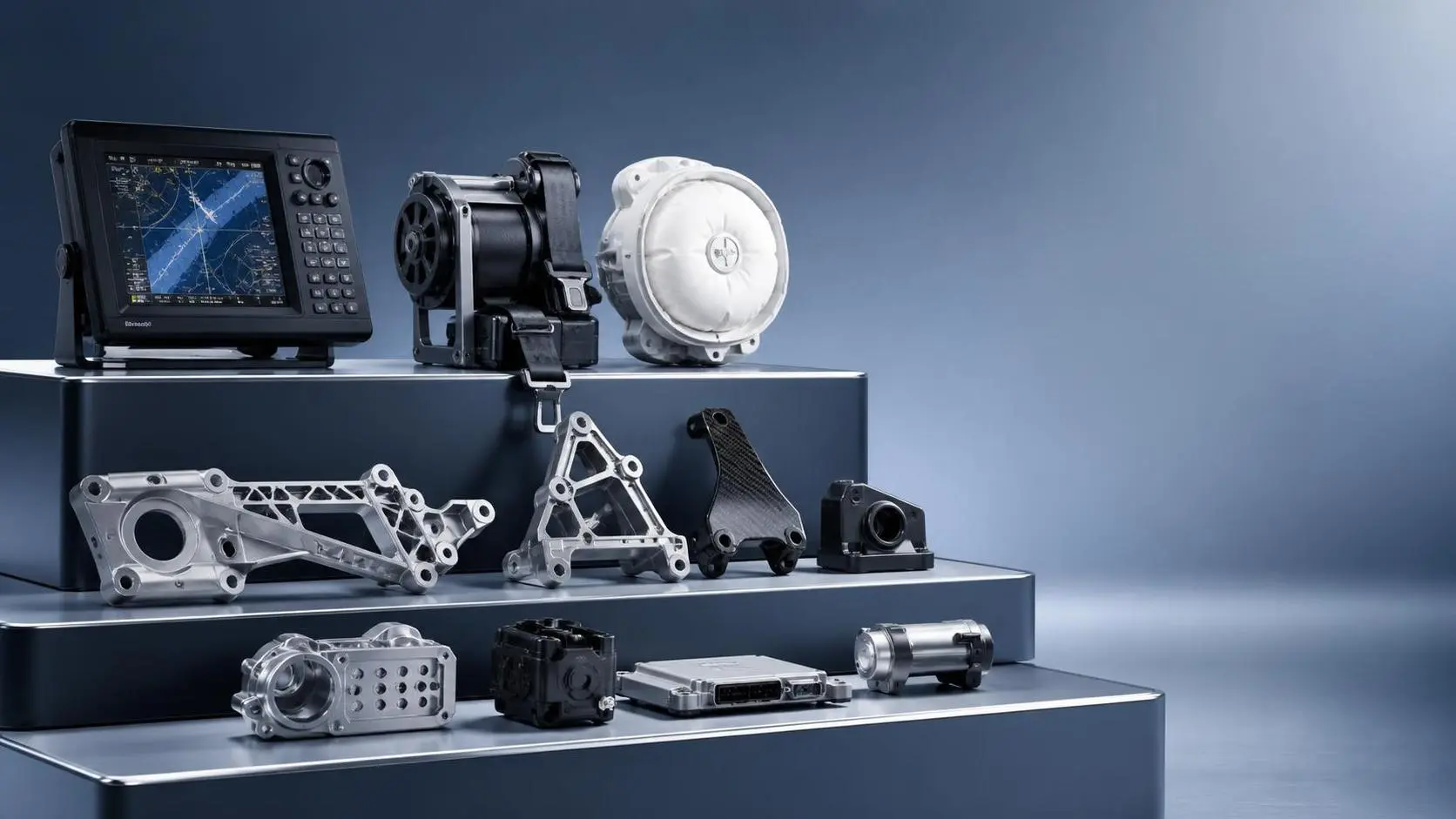
How to Evaluate a B2B Product Knowledge Platform for Faster Procurement Decisions
B2B product knowledge platform procurement starts with reducing decision risk. Learn how to compare specs, compliance, and supplier data to speed sourcing with confidence.
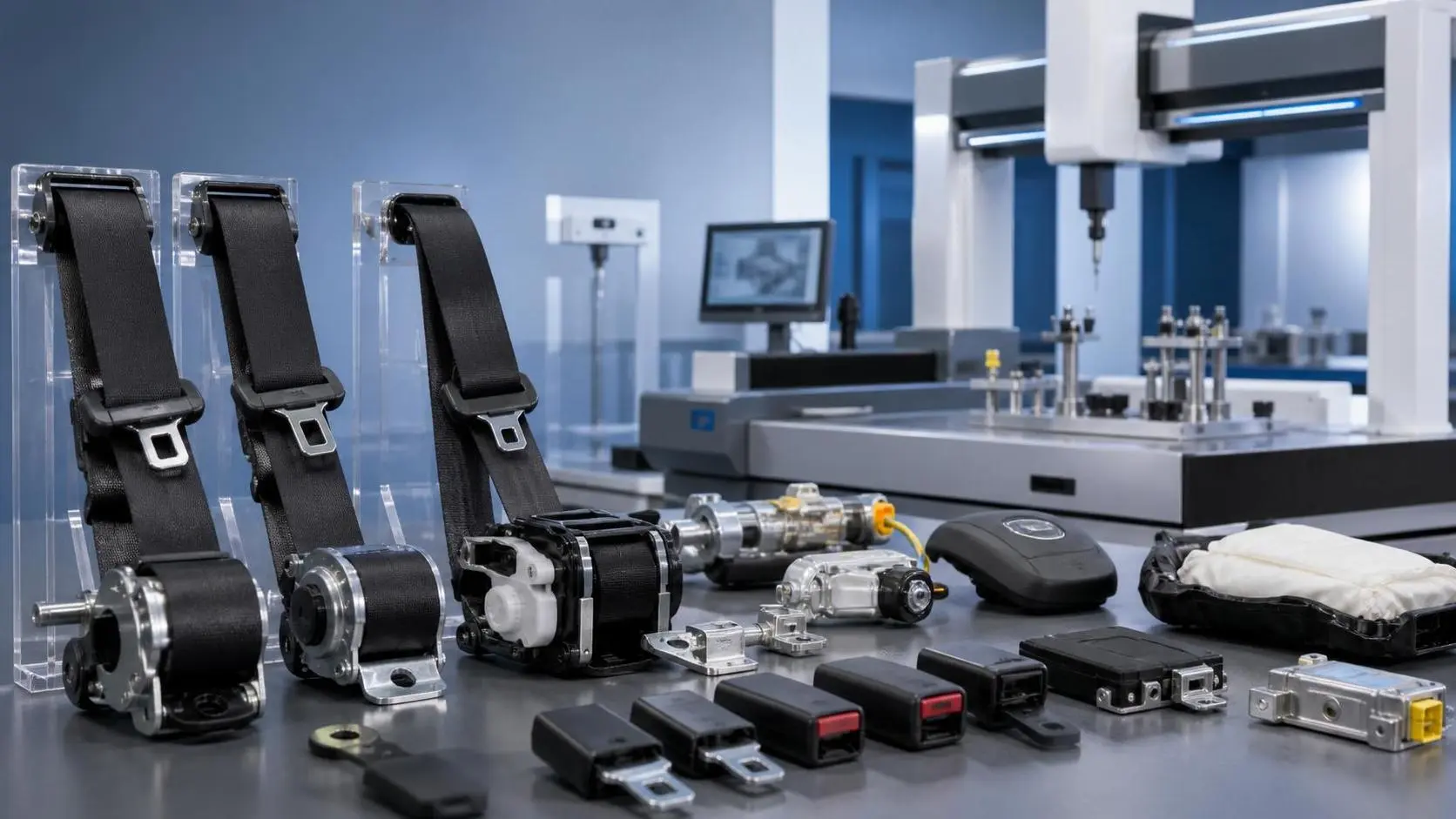
How to Evaluate an Occupant Restraint Systems Exporter for Quality, Compliance, and Supply Risk
Occupant restraint systems exporter evaluation guide: learn how to verify quality controls, compliance evidence, and supply risk before sourcing to avoid recalls, delays, and hidden costs.

Navigation Compliance Certification: Which Marine Systems Need It and How to Prepare?
Navigation compliance certification explained: discover which marine systems need approval, what documents matter, and how to prepare early to avoid delays, rework, and costly project risks.
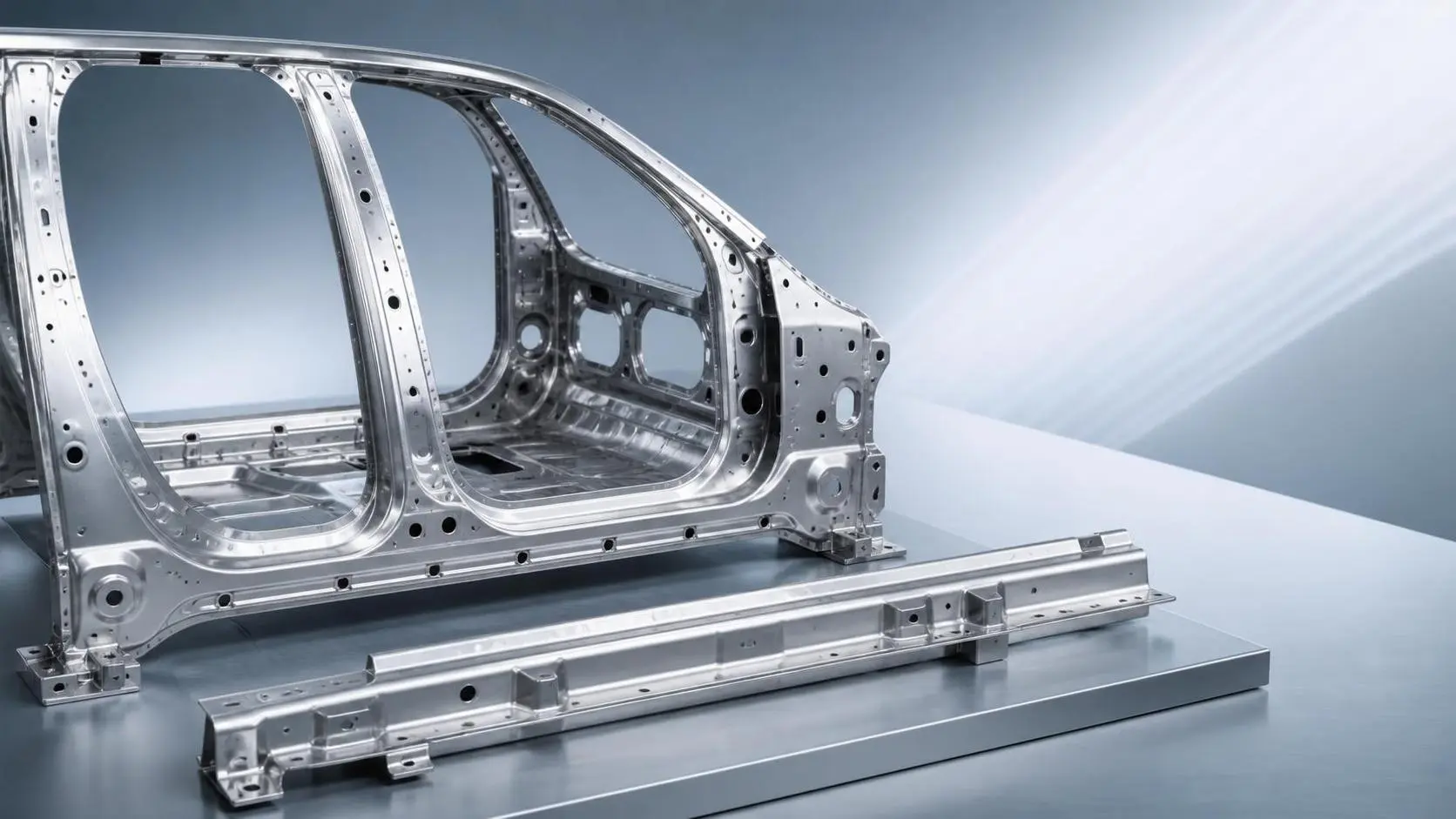
How to Evaluate Steel Auto Body Stampings for Strength, Fit, and Cost
Steel auto body stampings should be judged by strength, fit, and total cost together. Learn how to compare materials, forming limits, springback, joining, and tooling before choosing.
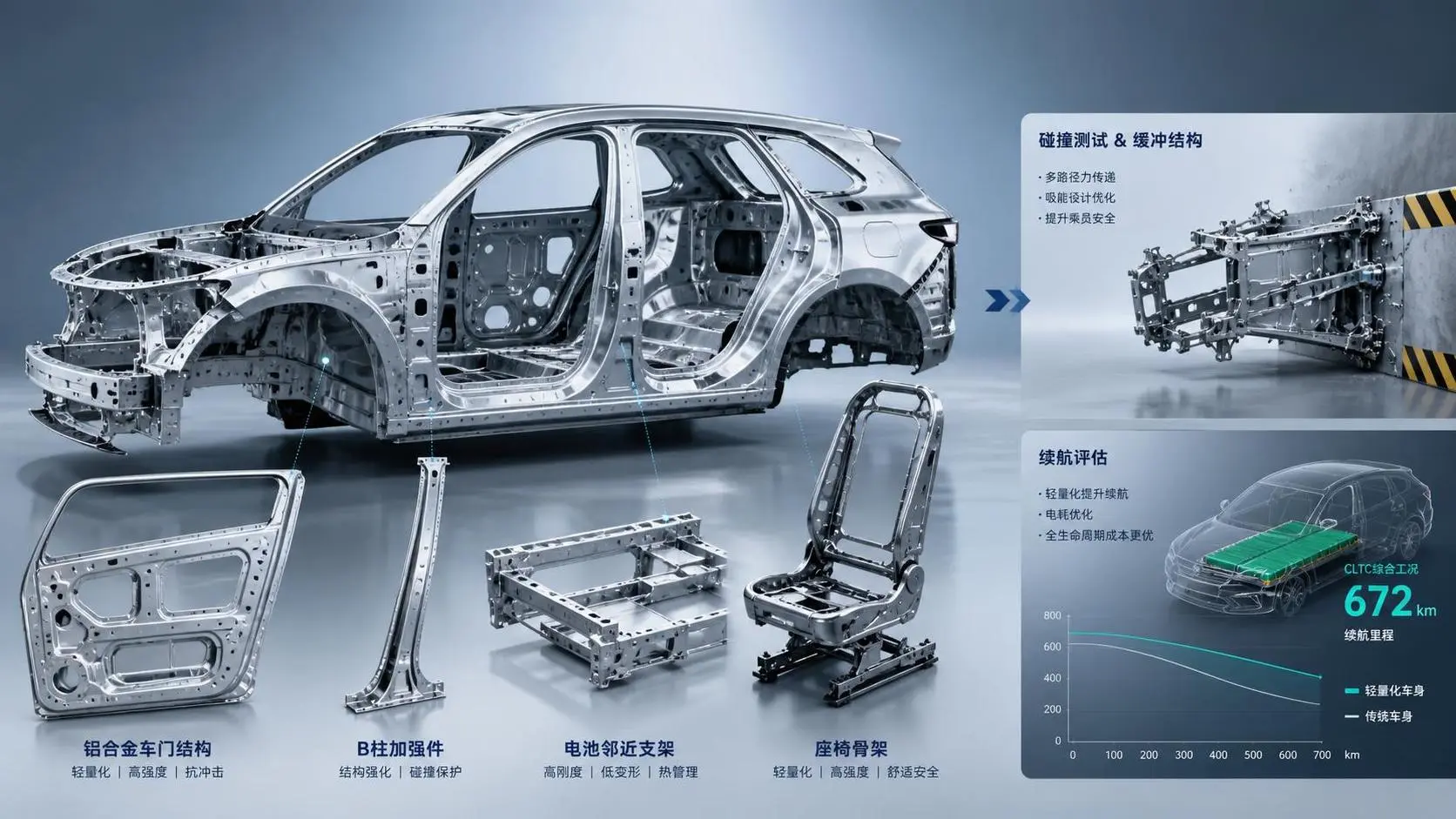
How to Evaluate Lightweight Automotive Components for EV Range and Crash Performance
Lightweight automotive components for EVs: learn how to evaluate real range gains, crash performance, joining risk, and manufacturability to choose safer, smarter EV parts.

How to Evaluate Airbag Components for OEM Safety Performance and Compliance?
Airbag components evaluation guide for OEM teams: compare deployment performance, inflator consistency, compliance evidence, and supplier traceability to reduce safety risk and choose with confidence.
Related News
- 00
0000-00
What Factors Drive Marine Navigation Components Cost in Commercial Vessel Projects? - 00
0000-00
How Much Does Seat Occupancy Sensing Cost? Key Pricing Factors for Buyers - 00
0000-00
How to Specify Micro-Climate Control Cabins for Harsh Outdoor Worksites? - 00
0000-00
How to Evaluate a B2B Product Knowledge Platform for Faster Procurement Decisions - 00
0000-00
How to Evaluate an Occupant Restraint Systems Exporter for Quality, Compliance, and Supply Risk
Weekly Insights
Stay ahead with our curated technology reports delivered every Monday.