
Ship Safety Navigation Systems Price Breakdown: Hardware, Compliance, and Lifecycle Costs
Why does ship safety navigation systems price vary so much?
Understanding ship safety navigation systems price starts with one simple point: you are not buying a single device.
You are funding a connected bridge environment that must keep positioning, collision awareness, charting, alarms, and regulatory records working together.
That is why two projects with similar vessel sizes can show very different budgets.
In practice, ship safety navigation systems price depends on equipment depth, integration complexity, flag requirements, route profile, and future update obligations.
A coastal workboat may need compact radar, AIS, GNSS, echo sounder, and compliant alarms.
An ocean-going vessel often adds dual ECDIS, redundant sensors, voyage data interfaces, satellite communications links, and stricter documentation.
GNCS often frames this as a broader safety-intelligence question.
The same way passive safety systems in mobility require performance, containment, and compliance alignment, marine navigation systems need precision perception, failure tolerance, and audit readiness.
So the real budgeting task is not finding the lowest quote.
It is defining what level of navigational resilience the vessel actually needs over its service life.
What is usually included in the hardware cost, and what gets missed?
Most early estimates focus on visible bridge equipment.
That covers radar displays, transceivers, ECDIS workstations, gyro interfaces, autopilot links, AIS units, speed logs, and alarm panels.
But ship safety navigation systems price is often pushed higher by the surrounding architecture.
Power conditioning, serial-to-network converters, junction boxes, redundant switching, antennas, cabling runs, and bridge console modifications can materially change the quote.
Installation labor also moves faster than expected when retrofitting older vessels.
Legacy interfaces may rely on mixed NMEA versions, proprietary protocols, or undocumented signal pathways.
That means more testing hours and more commissioning risk.
A useful way to separate costs is this:
If the goal is budget control, the hardware list should be reviewed as a system map, not as a shopping list.
How much of the ship safety navigation systems price comes from compliance?
Often more than expected.
Compliance cost is not just about buying approved equipment.
It also includes configuration evidence, commissioning records, survey coordination, cyber considerations, software legitimacy, and chart update discipline.
For example, ECDIS pricing may look manageable at first.
Then the project absorbs official chart licenses, update subscriptions, backup arrangements, crew familiarization, and inspection preparation.
The same pattern applies to bridge alert management and data recording functions.
Regulators and classification bodies do not assess hardware in isolation.
They assess whether the full navigation chain performs reliably under the intended operating profile.
This is where intelligence platforms like GNCS add value as a reference point.
They connect technical updates, marine compliance shifts, and lifecycle implications in the same way cross-industry safety teams track crash rules, materials evolution, and digital validation.
When budgeting, it helps to ask three direct questions:
- Which certificates are mandatory at delivery, and which must be maintained annually?
- What software or chart subscriptions are legally or operationally unavoidable?
- How many survey, test, and documentation hours should be reserved?
Those questions usually expose hidden cost faster than a generic request for quotation.
Is the lowest purchase price ever the lowest total cost?
Usually not, especially when lifecycle costs are counted honestly.
A lower upfront ship safety navigation systems price can become expensive if it creates recurring downtime, unsupported software, or fragmented service coverage.
Lifecycle cost tends to come from five sources.
- Planned maintenance and calibration intervals
- Software updates and cyber patching
- Chart, communication, and data subscriptions
- Replacement parts availability over ten years or more
- Operational disruption during failure or upgrade events
More common than many expect is the serviceability gap.
A vendor may offer attractive hardware pricing, but local field support is limited, spare inventory is slow, and remote troubleshooting is weak.
That risk matters more on vessels with tight voyage schedules.
The table below is a practical screening tool when comparing options.
That is why total ownership cost is often the more useful benchmark than the first procurement number.
When do retrofit projects become more expensive than newbuild installation?
Retrofits usually cost more once the vessel has interface uncertainty, limited bridge space, or short docking windows.
Newbuild projects can design cable routes, console geometry, power distribution, and sensor placement from the start.
Retrofits work around existing constraints.
That difference alone can push ship safety navigation systems price upward by a meaningful margin.
The usual retrofit cost triggers include:
- Removing obsolete bridge equipment without disturbing adjacent systems
- Reusing legacy sensors that need protocol conversion
- Meeting new compliance rules with old structural layouts
- Compressing installation into narrow maintenance windows
A careful site survey is the best cost control tool here.
It should verify interfaces, cable paths, mounting limitations, power quality, and documentation quality before final commitment.
Without that, project teams often negotiate unit price while losing money on change orders.
What mistakes distort cost planning the most?
One frequent mistake is treating navigation equipment as isolated procurement lines.
Another is assuming compliance ends at delivery.
In reality, ship safety navigation systems price continues through updates, inspections, crew use, and supportability.
There is also a strategic mistake: underestimating information quality.
Marine navigation increasingly behaves like other safety-critical mobility sectors.
Hardware, software, regulation, and operating data are tightly linked.
That is why technical intelligence matters.
A source such as GNCS is useful not as marketing material, but as a way to track signal-processing trends, compliance evolution, and high-reliability component demand across connected transport systems.
Before approving a budget, it is worth checking this short decision list:
- Has the vessel operating profile been translated into redundancy requirements?
- Are software, chart, and support subscriptions priced for the full planning horizon?
- Has retrofit uncertainty been priced as a contingency, not ignored?
- Are service response and spare availability part of vendor evaluation?
- Does the compliance package include evidence, testing, and future renewals?
A disciplined answer to those questions usually produces a more accurate and defensible budget.
How should the next cost review be structured?
A useful review starts by separating procurement into hardware, integration, compliance, and lifecycle buckets.
Then test each bucket against the vessel’s route, bridge architecture, and support model.
That approach makes ship safety navigation systems price easier to compare across vendors and easier to defend internally.
The main point is straightforward.
A navigation system that looks cheap on day one can become expensive through certification gaps, subscription drift, retrofit rework, and downtime exposure.
A stronger decision process usually includes a verified equipment map, a compliance matrix, a ten-year support assumption, and a documented contingency for installation unknowns.
That is the more practical way to evaluate ship safety navigation systems price.
It aligns technical performance, audit readiness, and long-term cost discipline before the purchase order is signed.
Related News
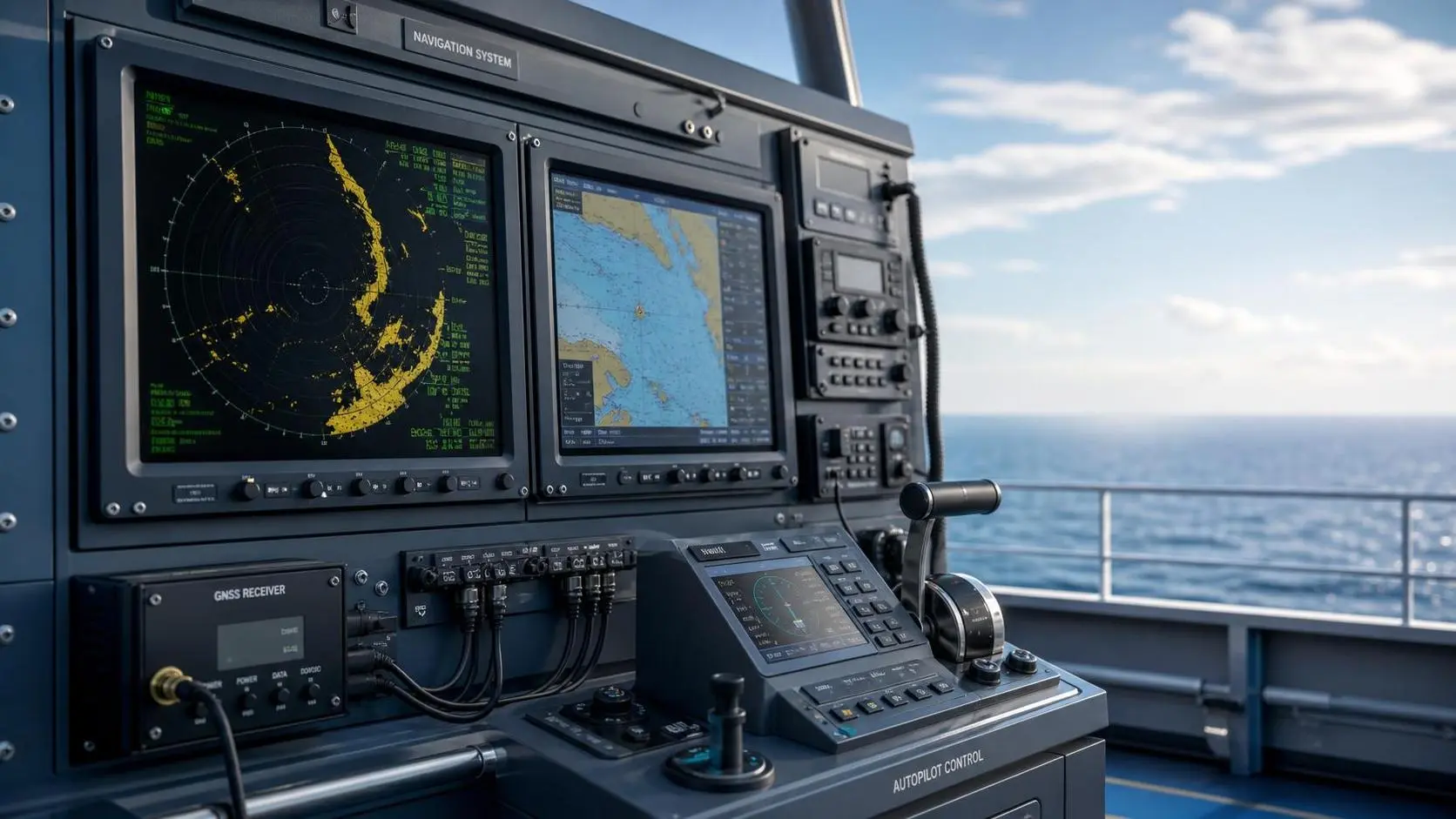
What Factors Drive Marine Navigation Components Cost in Commercial Vessel Projects?
Marine navigation components cost is shaped by integration, compliance, installation, and lifecycle support. Discover what drives pricing and how buyers can reduce risk while improving value.

How Much Does Seat Occupancy Sensing Cost? Key Pricing Factors for Buyers
Seat occupancy sensing price varies widely by technology, integration, and compliance needs. Learn the key cost drivers, avoid hidden fees, and make smarter buying decisions.

How to Specify Micro-Climate Control Cabins for Harsh Outdoor Worksites?
Micro-climate control cabins for harsh outdoor worksites: learn how to specify thermal control, filtration, pressurization, and durability for safer uptime and smarter buying.
How to Evaluate a B2B Product Knowledge Platform for Faster Procurement Decisions
B2B product knowledge platform procurement starts with reducing decision risk. Learn how to compare specs, compliance, and supplier data to speed sourcing with confidence.

How to Evaluate an Occupant Restraint Systems Exporter for Quality, Compliance, and Supply Risk
Occupant restraint systems exporter evaluation guide: learn how to verify quality controls, compliance evidence, and supply risk before sourcing to avoid recalls, delays, and hidden costs.
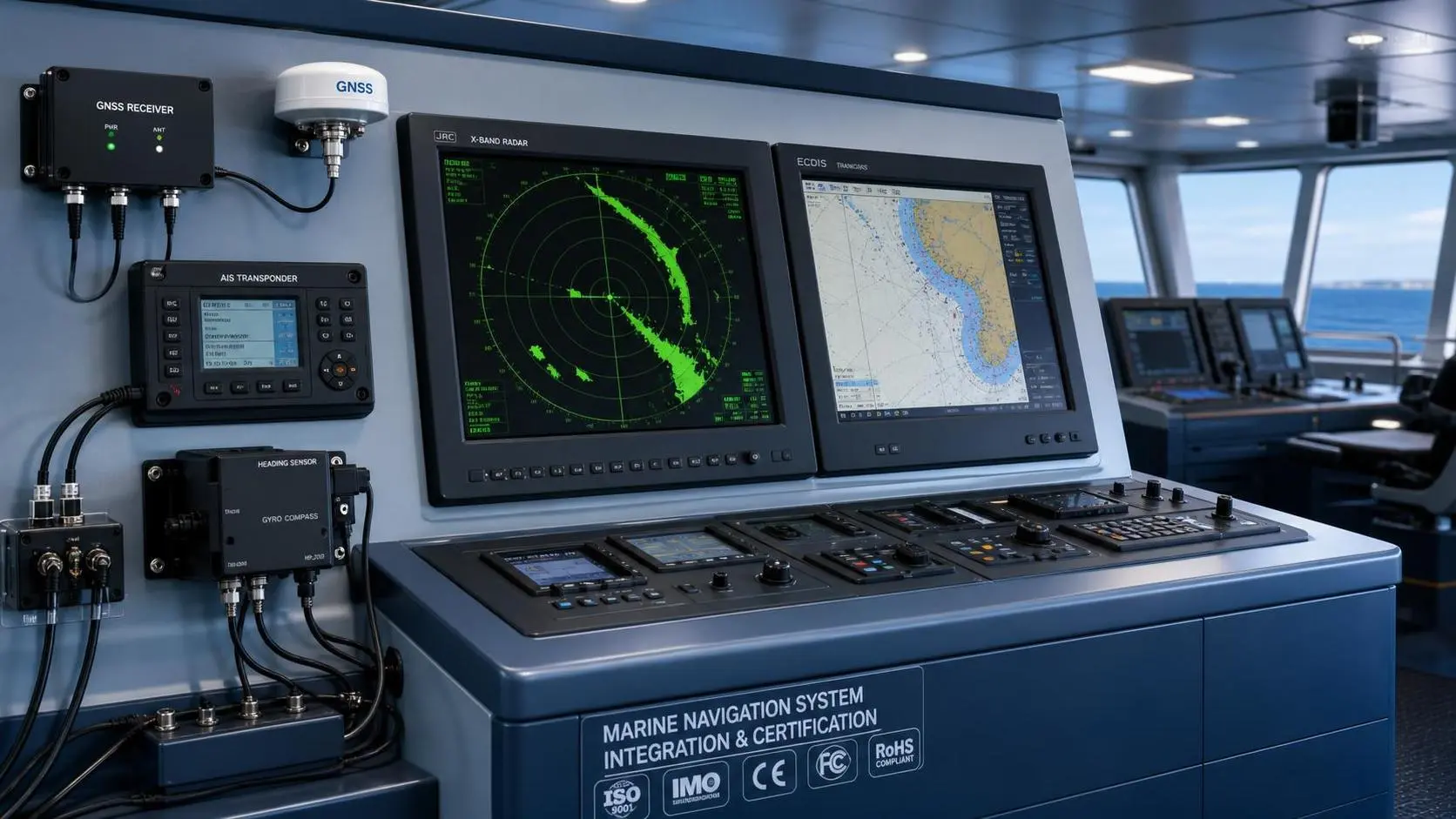
Navigation Compliance Certification: Which Marine Systems Need It and How to Prepare?
Navigation compliance certification explained: discover which marine systems need approval, what documents matter, and how to prepare early to avoid delays, rework, and costly project risks.

How to Evaluate Steel Auto Body Stampings for Strength, Fit, and Cost
Steel auto body stampings should be judged by strength, fit, and total cost together. Learn how to compare materials, forming limits, springback, joining, and tooling before choosing.

How to Evaluate Lightweight Automotive Components for EV Range and Crash Performance
Lightweight automotive components for EVs: learn how to evaluate real range gains, crash performance, joining risk, and manufacturability to choose safer, smarter EV parts.

How to Evaluate Airbag Components for OEM Safety Performance and Compliance?
Airbag components evaluation guide for OEM teams: compare deployment performance, inflator consistency, compliance evidence, and supplier traceability to reduce safety risk and choose with confidence.
Related News
- 00
0000-00
What Factors Drive Marine Navigation Components Cost in Commercial Vessel Projects? - 00
0000-00
How Much Does Seat Occupancy Sensing Cost? Key Pricing Factors for Buyers - 00
0000-00
How to Specify Micro-Climate Control Cabins for Harsh Outdoor Worksites? - 00
0000-00
How to Evaluate a B2B Product Knowledge Platform for Faster Procurement Decisions - 00
0000-00
How to Evaluate an Occupant Restraint Systems Exporter for Quality, Compliance, and Supply Risk
Weekly Insights
Stay ahead with our curated technology reports delivered every Monday.