
Marine Safety Equipment in Europe: What Buyers Should Check Before Comparing Suppliers
In the European market, comparing marine safety equipment cannot start with price alone. Certification status, installation compatibility, service coverage, and traceability often matter more, because a cheaper unit can create larger operational risk later.
That is why marine safety equipment Europe sourcing has become a more technical decision. The issue is no longer just buying approved devices. It is about confirming whether each component fits the vessel, the route, the flag, and the compliance burden around it.
From GNCS’s perspective, this sits inside a wider safety intelligence problem. Marine navigation, signal reliability, containment protection, and lifecycle performance are closely linked, especially when safety hardware must perform under pressure, salt exposure, vibration, and inspection scrutiny.
What Counts as Marine Safety Equipment in Europe
The category covers more than lifejackets and liferafts. In practice, marine safety equipment Europe includes lifesaving appliances, fire protection systems, distress signaling devices, bridge alert systems, and supporting navigation safety hardware.
Some items are highly visible during inspections. Others sit deeper in the vessel’s operating system. Emergency position-indicating beacons, radar transponders, fixed fire suppression units, emergency lighting, and alarm interfaces all influence safety readiness.
This wider view matters because European buyers are often comparing suppliers across mixed equipment packages. A supplier may look strong in one category, yet weak in documentation, software maintenance, or spare parts discipline.
Why the European Market Deserves Closer Attention
Europe is one of the most compliance-sensitive regions for maritime equipment. Regulatory expectations are shaped by SOLAS, IMO rules, classification societies, flag administrations, and the Marine Equipment Directive, commonly known as MED.
For that reason, marine safety equipment Europe procurement often involves both technical screening and documentation screening. Approval marks alone are not enough if the declaration, testing scope, or certificate validity is incomplete.
There is also a practical market factor. European ports, shipyards, and operators increasingly expect equipment to integrate with digital maintenance records, fleet reporting, and service planning. Hardware now carries a data burden as well as a safety function.
This is where GNCS’s intelligence approach becomes relevant. High-precision navigation systems and protective safety architectures share a common requirement: performance must be verifiable, not assumed.
The First Screen Before Comparing Suppliers
A useful comparison starts by filtering out options that should not be compared in the first place. If the baseline is weak, later price analysis becomes misleading.
- Confirm MED conformity where required, including the correct wheel mark and supporting documentation.
- Check SOLAS applicability for the vessel type, operating area, and onboard safety arrangement.
- Review class approval status and whether any limitation notes affect use.
- Verify manufacturing origin, serial traceability, and batch identification.
- Inspect maintenance intervals, calibration requirements, and replacement cycles.
- Check whether onboard crew or service partners can support the equipment locally.
These checks narrow the field quickly. They also expose where a supplier’s apparent low price depends on omitted testing, weak support, or hidden lifecycle costs.
Compliance Is Not a Checkbox
In marine safety equipment Europe decisions, compliance should be read as an operational condition, not a label. Equipment may be certified, yet still create problems if approvals do not match the actual installation context.
For example, a distress communication unit might meet core standards, but software revision control, antenna pairing, or bridge integration rules can still affect acceptance. The same applies to fire detection loops or emergency shutdown interfaces.
Documentation quality often reveals the real maturity of a supplier. Clear manuals, revision history, test records, and service instructions reduce ambiguity during audits, commissioning, and periodic inspections.
Where Buyers Often Misread Value
The most common mistake is treating all approved products as commercially equivalent. In reality, two compliant units can behave very differently over five years of use.
One may have stronger enclosure protection, better electromagnetic resilience, and easier software support. Another may require more frequent service calls, longer lead times, or proprietary parts that raise dependency on one channel.
This is especially relevant where navigation and safety systems overlap. GNCS follows these intersections closely because marine electronics do not operate in isolation. Signal integrity, alert logic, and human-machine response all affect practical safety performance.
A sensible evaluation therefore asks how the equipment performs in the full onboard environment, not just on a quotation sheet.
Questions that sharpen comparison
- Does the supplier provide complete technical files before order confirmation?
- Are maintenance kits and critical spares available inside Europe?
- Can firmware updates or inspections be handled without extended vessel downtime?
- Has the equipment been installed on similar vessel classes and routes?
- Is there a clear escalation path for failure analysis or compliance disputes?
Different Vessel Contexts Need Different Checks
Marine safety equipment Europe is not bought into one uniform operating reality. Coastal passenger craft, offshore support vessels, cargo ships, research vessels, and inland fleets carry different risk profiles.
On short-route vessels, fast service access may reduce risk. On ocean-going ships, reliability and spare planning become more important because intervention windows are limited.
Retrofit projects bring another layer. Legacy bridge architecture, cable routing constraints, panel space, and alarm integration can all turn a nominally suitable product into a difficult installation.
That is why supplier comparison should be linked to the actual operating scenario. A strong match depends on route, vessel age, inspection pattern, and onboard technical complexity.
Data, Support, and the Hidden Part of Procurement Risk
European safety procurement is moving beyond hardware-only thinking. Digital service records, software maintenance, remote diagnostics, and configuration control are becoming part of the purchasing decision.
This shift is familiar in the wider mobility sector. GNCS tracks similar patterns in passive safety and intelligent cabin systems, where compliance and performance increasingly depend on update discipline and system transparency.
Marine equipment is following the same direction. If a supplier cannot show version control, service documentation, and technical continuity, the long-term risk usually appears after installation, not before.
For information-led comparison, support quality should be scored alongside price, approvals, and lead time. Otherwise, a neat procurement file may hide a weak operating outcome.
A Practical Way to Narrow the Field
A workable shortlist usually comes from structured elimination rather than broad browsing. The process can stay simple, but it should be evidence-based.
- Map the vessel profile, route, and required equipment category.
- Separate mandatory approvals from desirable commercial features.
- Request document packs early, not after commercial negotiations start.
- Compare service footprint inside the target European operating region.
- Review total ownership cost, including inspections, spares, and updates.
- Check whether the supplier’s technical response is precise or generic.
That last point is more useful than it seems. Suppliers with strong internal control usually answer with exact revision data, installation references, and compliance boundaries. Weak ones tend to answer with brochures.
What to Carry Into the Next Comparison Round
The marine safety equipment Europe market rewards disciplined comparison. The right question is not which supplier looks cheapest today, but which option remains defensible through installation, inspection, service, and renewal.
A sharper review starts with certification scope, then moves into traceability, integration, and lifecycle support. From there, it becomes easier to distinguish a compliant listing from a dependable solution.
For the next step, build a comparison sheet around vessel context, mandatory approvals, onboard interfaces, and post-sale support evidence. That approach produces better supplier judgments than price-led screening, especially in a tightly regulated European environment.
Related News
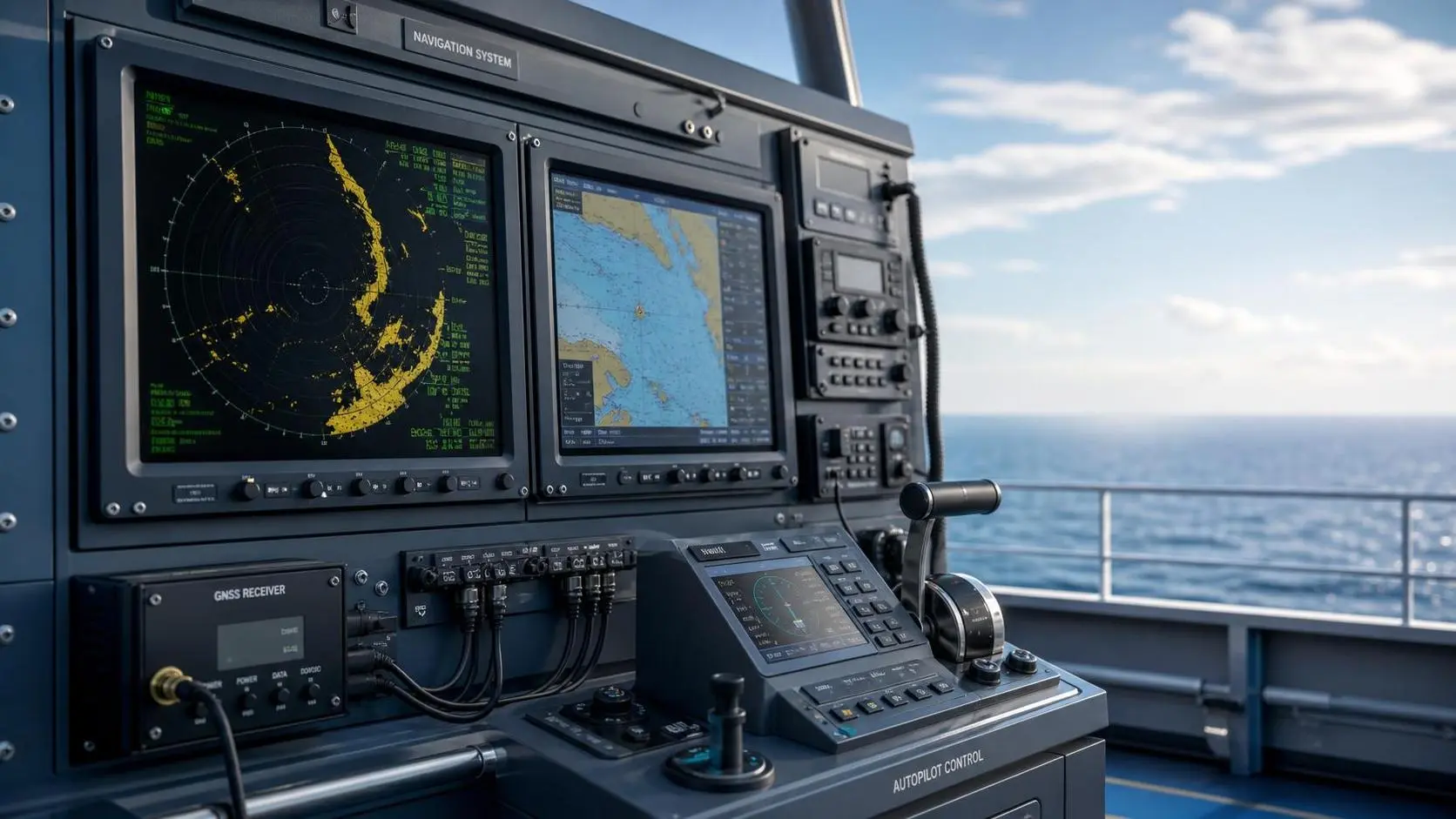
What Factors Drive Marine Navigation Components Cost in Commercial Vessel Projects?
Marine navigation components cost is shaped by integration, compliance, installation, and lifecycle support. Discover what drives pricing and how buyers can reduce risk while improving value.

How Much Does Seat Occupancy Sensing Cost? Key Pricing Factors for Buyers
Seat occupancy sensing price varies widely by technology, integration, and compliance needs. Learn the key cost drivers, avoid hidden fees, and make smarter buying decisions.

How to Specify Micro-Climate Control Cabins for Harsh Outdoor Worksites?
Micro-climate control cabins for harsh outdoor worksites: learn how to specify thermal control, filtration, pressurization, and durability for safer uptime and smarter buying.
How to Evaluate a B2B Product Knowledge Platform for Faster Procurement Decisions
B2B product knowledge platform procurement starts with reducing decision risk. Learn how to compare specs, compliance, and supplier data to speed sourcing with confidence.

How to Evaluate an Occupant Restraint Systems Exporter for Quality, Compliance, and Supply Risk
Occupant restraint systems exporter evaluation guide: learn how to verify quality controls, compliance evidence, and supply risk before sourcing to avoid recalls, delays, and hidden costs.
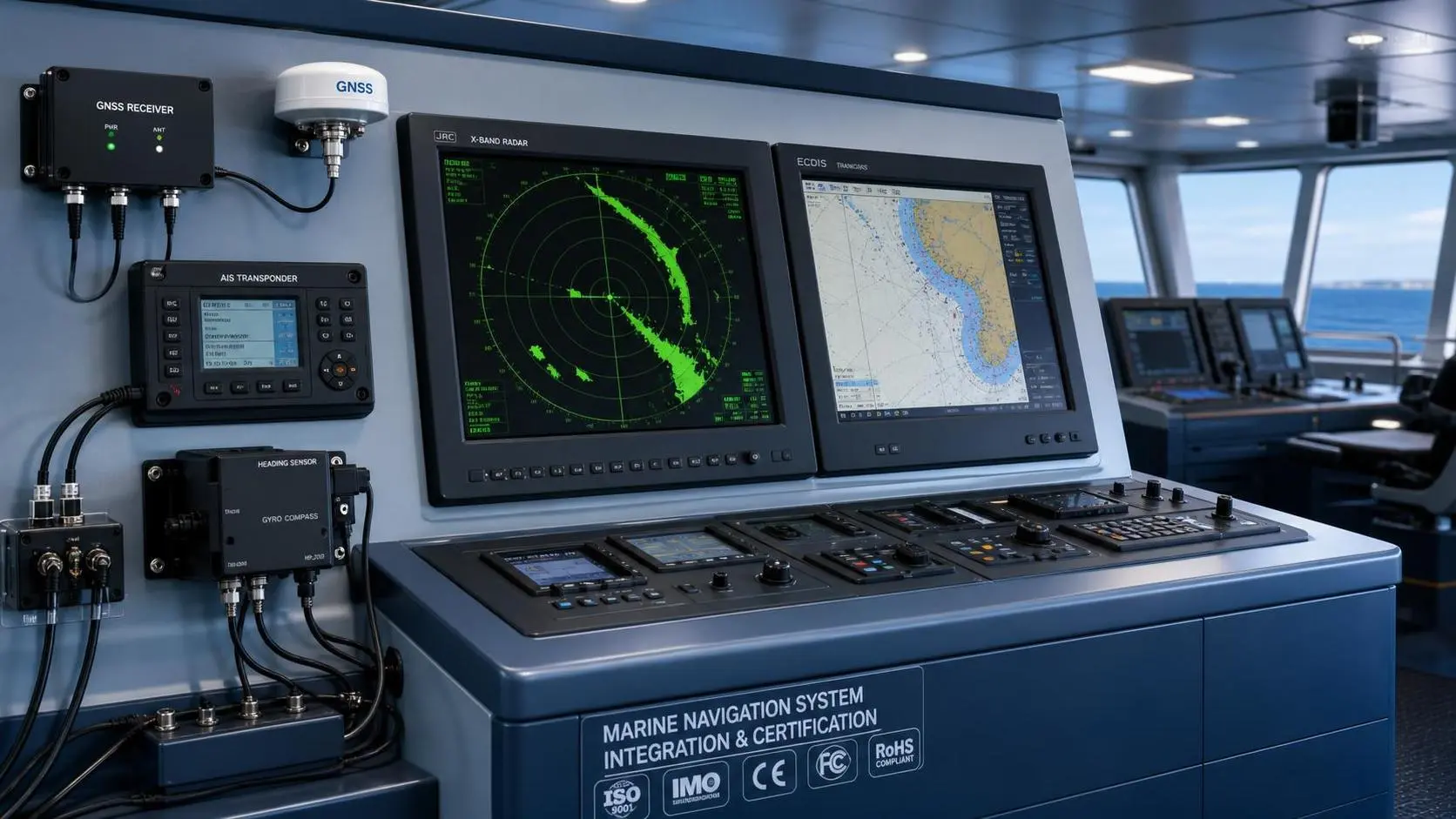
Navigation Compliance Certification: Which Marine Systems Need It and How to Prepare?
Navigation compliance certification explained: discover which marine systems need approval, what documents matter, and how to prepare early to avoid delays, rework, and costly project risks.

How to Evaluate Steel Auto Body Stampings for Strength, Fit, and Cost
Steel auto body stampings should be judged by strength, fit, and total cost together. Learn how to compare materials, forming limits, springback, joining, and tooling before choosing.

How to Evaluate Lightweight Automotive Components for EV Range and Crash Performance
Lightweight automotive components for EVs: learn how to evaluate real range gains, crash performance, joining risk, and manufacturability to choose safer, smarter EV parts.

How to Evaluate Airbag Components for OEM Safety Performance and Compliance?
Airbag components evaluation guide for OEM teams: compare deployment performance, inflator consistency, compliance evidence, and supplier traceability to reduce safety risk and choose with confidence.
Related News
- 00
0000-00
What Factors Drive Marine Navigation Components Cost in Commercial Vessel Projects? - 00
0000-00
How Much Does Seat Occupancy Sensing Cost? Key Pricing Factors for Buyers - 00
0000-00
How to Specify Micro-Climate Control Cabins for Harsh Outdoor Worksites? - 00
0000-00
How to Evaluate a B2B Product Knowledge Platform for Faster Procurement Decisions - 00
0000-00
How to Evaluate an Occupant Restraint Systems Exporter for Quality, Compliance, and Supply Risk
Weekly Insights
Stay ahead with our curated technology reports delivered every Monday.