
Mobility Equipment Intelligence in Europe: What Data Buyers Should Track Before Sourcing
Mobility Equipment Intelligence in Europe: What Data Buyers Should Track Before Sourcing
Before committing to new suppliers, procurement teams need more than price sheets. They need mobility equipment intelligence Europe can support with verifiable facts.
That matters even more in categories tied to safety, compliance, and engineering performance. Marine navigation, body stampings, airbags, seatbelts, and smart seating all carry different sourcing risks.
In practice, the strongest buying decisions come from comparing technical data, certification records, supplier resilience, and total landed cost before the first negotiation starts.
The point of mobility equipment intelligence Europe buyers use well is simple: reduce avoidable surprises while improving cost control, delivery confidence, and compliance readiness.
Why mobility equipment intelligence Europe buyers need is more than market news
A supplier brochure can show capacity and product range. It rarely shows whether the plant can keep meeting European safety, traceability, and documentation standards under pressure.
That gap is where mobility equipment intelligence Europe sourcing teams depend on becomes useful. It connects technical credibility with procurement timing.
For example, a low unit price on seatbelt systems can be misleading. The real question is whether pretensioner validation, component traceability, and change control are stable.
The same applies to ECDIS-related navigation hardware, hot-stamped body parts, or airbag modules. Data quality drives sourcing quality.
Start with compliance and certification status
The first filter should always be compliance readiness. In Europe, technical acceptance is often more important than the headline quote.
For marine navigation systems, review approval status, software update protocols, electromagnetic compatibility records, and documentation tied to maritime rules.
For passive safety products, map certification data against UNECE requirements, test records, material declarations, and production part approval processes.
For seat assemblies and body structures, look at REACH, RoHS where relevant, flammability, durability, corrosion testing, and recyclability disclosures.
At this stage, useful mobility equipment intelligence Europe databases should answer five questions quickly:
- Which certificates are active, pending renewal, or limited by product family?
- Which approvals apply to the exact production site?
- Have there been recent audit findings or regulatory warnings?
- Do technical files match current European documentation expectations?
- Can the supplier support future compliance changes without redesign delays?
Track the technical performance data behind the quote
Price comparison without performance comparison creates false savings. A lower-cost component can increase validation expense, warranty risk, or integration time later.
That is why mobility equipment intelligence Europe sourcing teams trust should include engineering metrics, not just commercial headlines.
The most important data points depend on the category:
Marine navigation systems
- Positioning accuracy and signal stability
- Update architecture and cybersecurity readiness
- Failure rate in harsh maritime environments
- Compatibility with existing bridge electronics
Auto body stampings
- Tensile strength consistency
- Dimensional tolerance after forming
- Lightweighting effect per part
- Scrap rate and tooling stability
Airbag and seatbelt systems
- Deployment timing consistency
- Propellant or inflator evolution
- Sensor and microelectronics reliability
- Field incident history and corrective action speed
Seat assemblies
- Frame weight and fatigue performance
- Smart sensing integration reliability
- Thermal comfort and power consumption
- Noise, vibration, and long-cycle durability
Read regional regulation shifts before they hit cost
A common sourcing mistake is treating regulation as a legal issue only. In reality, regulation changes material cost, tooling choices, validation scope, and lead time.
That is another reason mobility equipment intelligence Europe buyers monitor should include rule changes by country, sector, and product application.
Recent signals often appear in testing procedures, digital update expectations, sustainability disclosures, and chemical restrictions before they fully reshape purchasing contracts.
In actual business, early regulatory tracking helps buyers:
- Avoid short-lived low-cost sources that will fail future audits.
- Plan engineering changes before volume commitments.
- Negotiate cost increases with real evidence, not assumptions.
- Build dual-source strategies where policy volatility is high.
Measure supplier stability, not just supplier capacity
A factory can look impressive during qualification and still become a supply risk six months later. Capacity snapshots are not enough.
Strong mobility equipment intelligence Europe procurement teams use should include financial resilience, customer concentration, labor continuity, and logistics dependency.
Key stability indicators usually include:
- Revenue exposure to one OEM or one vessel segment
- Capital spending on production modernization
- Plant utilization and overtime dependence
- Recall history, quality escapes, or serious claim trends
- Single-source dependence for chips, steel, inflators, or fabrics
- Lead-time performance during seasonal or geopolitical disruption
This is where commercial insight becomes practical. It tells buyers whether a supplier can protect continuity when demand spikes or regulations tighten.
Use demand trends to improve timing and leverage
The best negotiation often happens before the market becomes crowded. Demand intelligence gives buyers that timing advantage.
For example, premium orders for high-reliability safety components can quickly tighten supply. Lightweight structures and smart seating can do the same when new model launches accelerate.
Useful mobility equipment intelligence Europe market watchers rely on should track order momentum, platform launches, retrofit cycles, and replacement demand by region.
This helps answer practical sourcing questions:
- Should volume be locked now or spread across quarters?
- Which component families are moving from balanced supply to shortage?
- When will technical upgrades start affecting legacy part availability?
- Which regions are seeing stronger compliance-driven replacement demand?
Build a sourcing scorecard that buyers can actually use
Data only helps when it becomes a decision tool. A clean scorecard makes mobility equipment intelligence Europe teams collect much easier to compare.
Keep it simple enough for fast reviews, but detailed enough to reveal risk. One practical model is shown below.
Final sourcing move: turn intelligence into negotiation power
The most useful mobility equipment intelligence Europe organizations gather does not end in a report. It changes how contracts are structured.
When buyers know the certification status, performance gap, cost drivers, and demand pressure in advance, they can negotiate from evidence instead of urgency.
That often leads to better outcomes on tooling ownership, validation support, safety stock, engineering change response, warranty clauses, and indexed pricing terms.
For sectors where precision perception and physical containment protection define value, sourcing discipline is not optional. It is part of product safety.
So before requesting final quotes, build a short data checklist, validate the weak points, and use mobility equipment intelligence Europe can verify to choose suppliers with fewer downstream surprises.
Related News
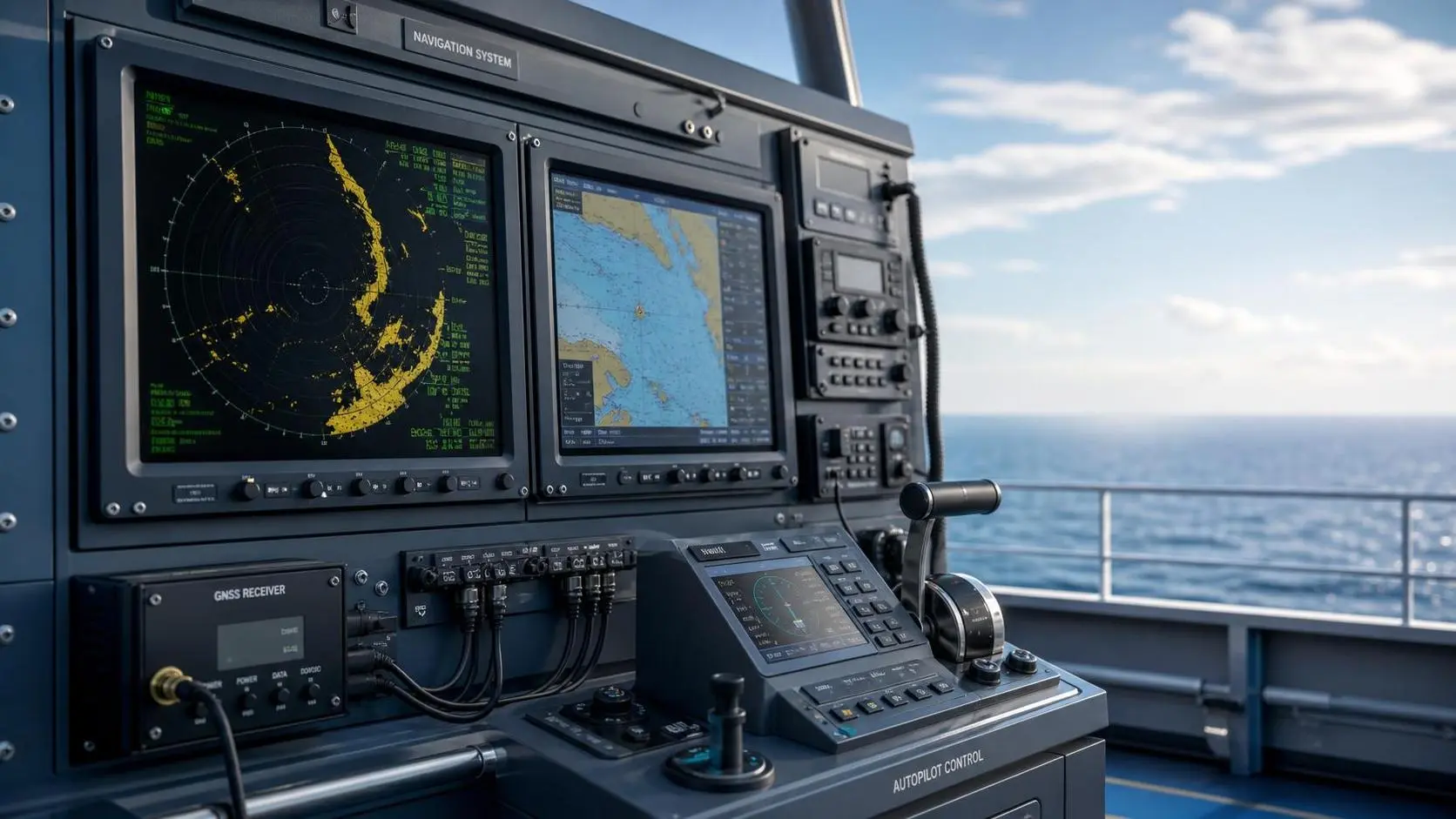
What Factors Drive Marine Navigation Components Cost in Commercial Vessel Projects?
Marine navigation components cost is shaped by integration, compliance, installation, and lifecycle support. Discover what drives pricing and how buyers can reduce risk while improving value.

How Much Does Seat Occupancy Sensing Cost? Key Pricing Factors for Buyers
Seat occupancy sensing price varies widely by technology, integration, and compliance needs. Learn the key cost drivers, avoid hidden fees, and make smarter buying decisions.
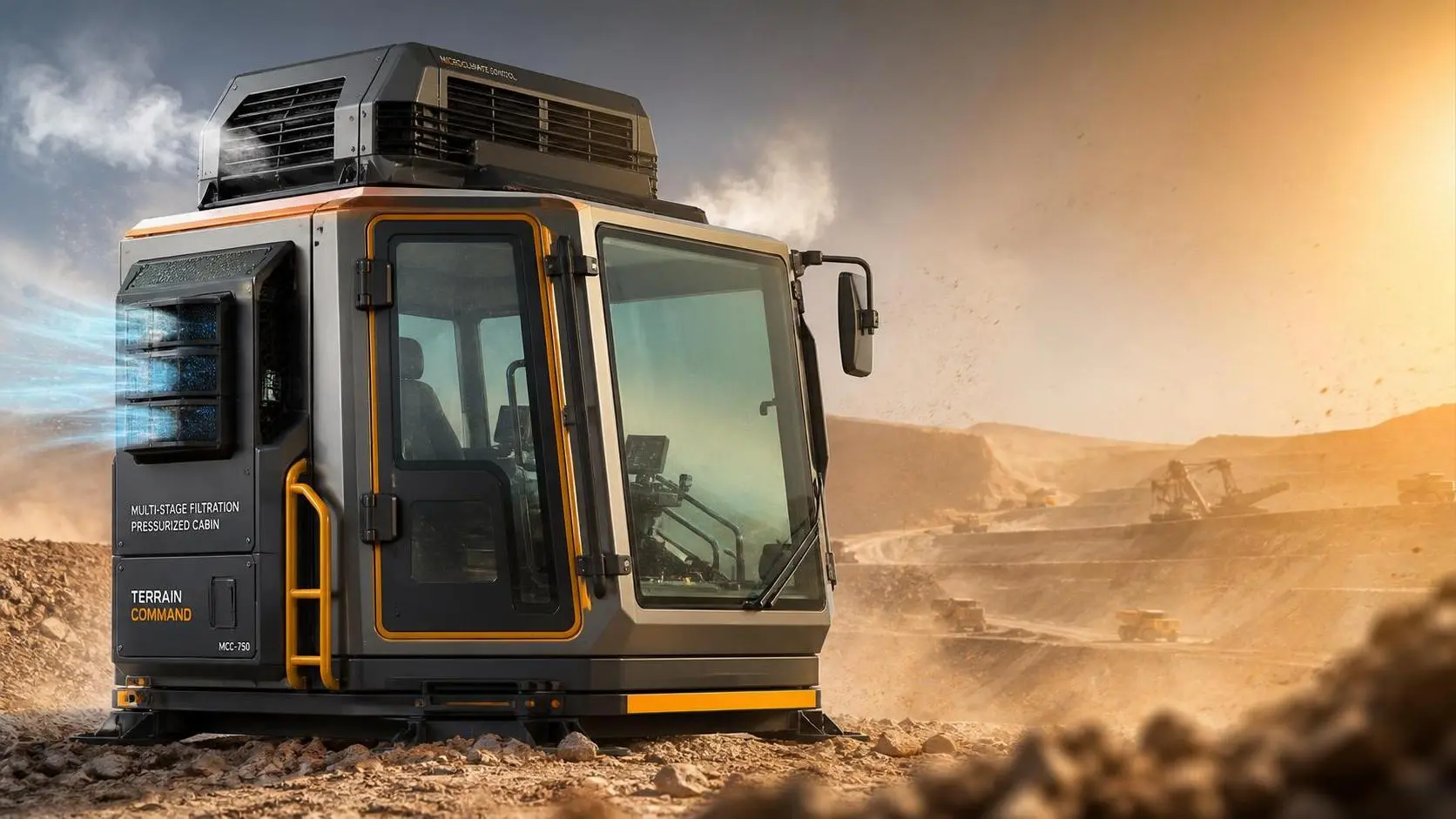
How to Specify Micro-Climate Control Cabins for Harsh Outdoor Worksites?
Micro-climate control cabins for harsh outdoor worksites: learn how to specify thermal control, filtration, pressurization, and durability for safer uptime and smarter buying.
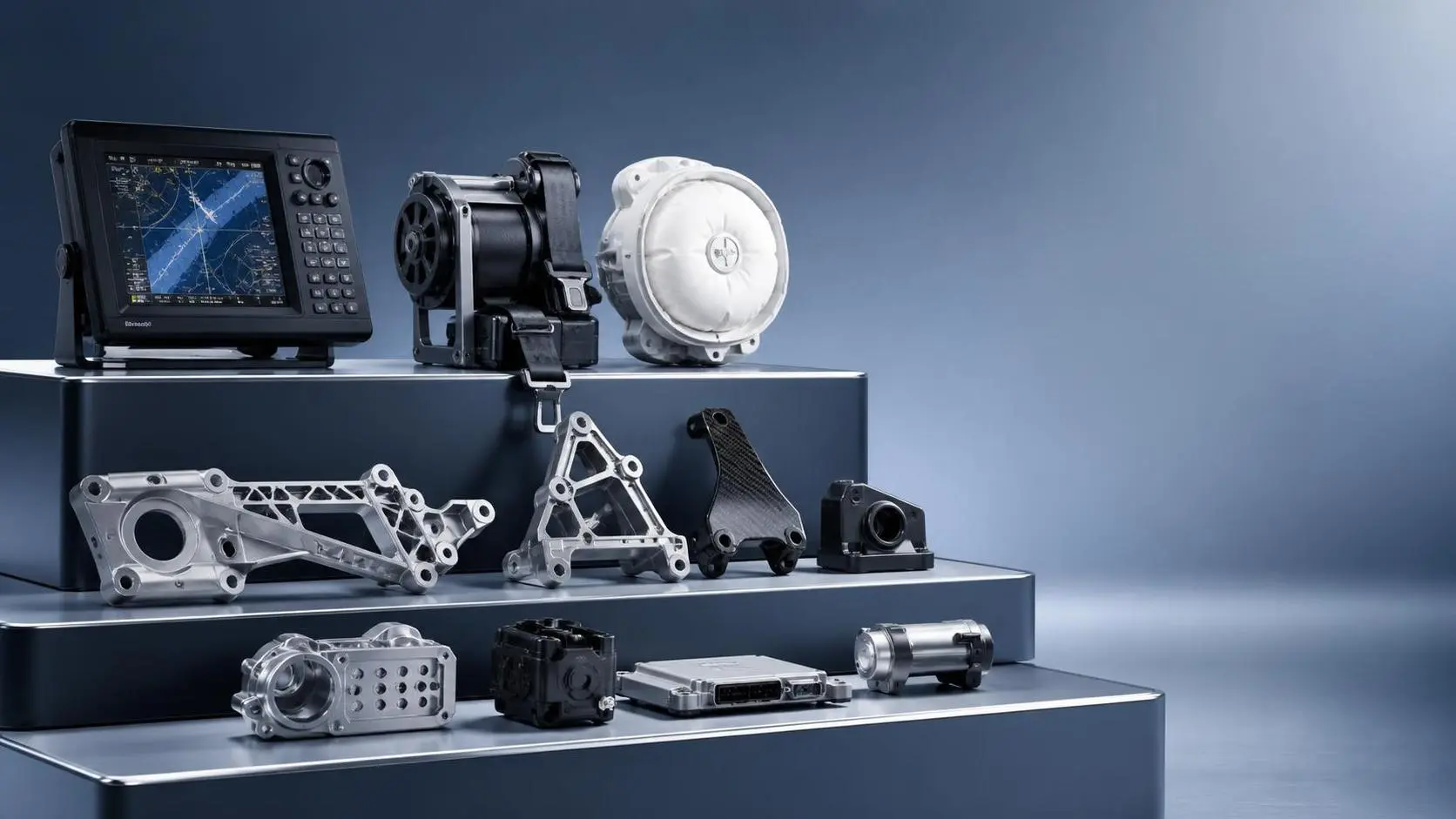
How to Evaluate a B2B Product Knowledge Platform for Faster Procurement Decisions
B2B product knowledge platform procurement starts with reducing decision risk. Learn how to compare specs, compliance, and supplier data to speed sourcing with confidence.
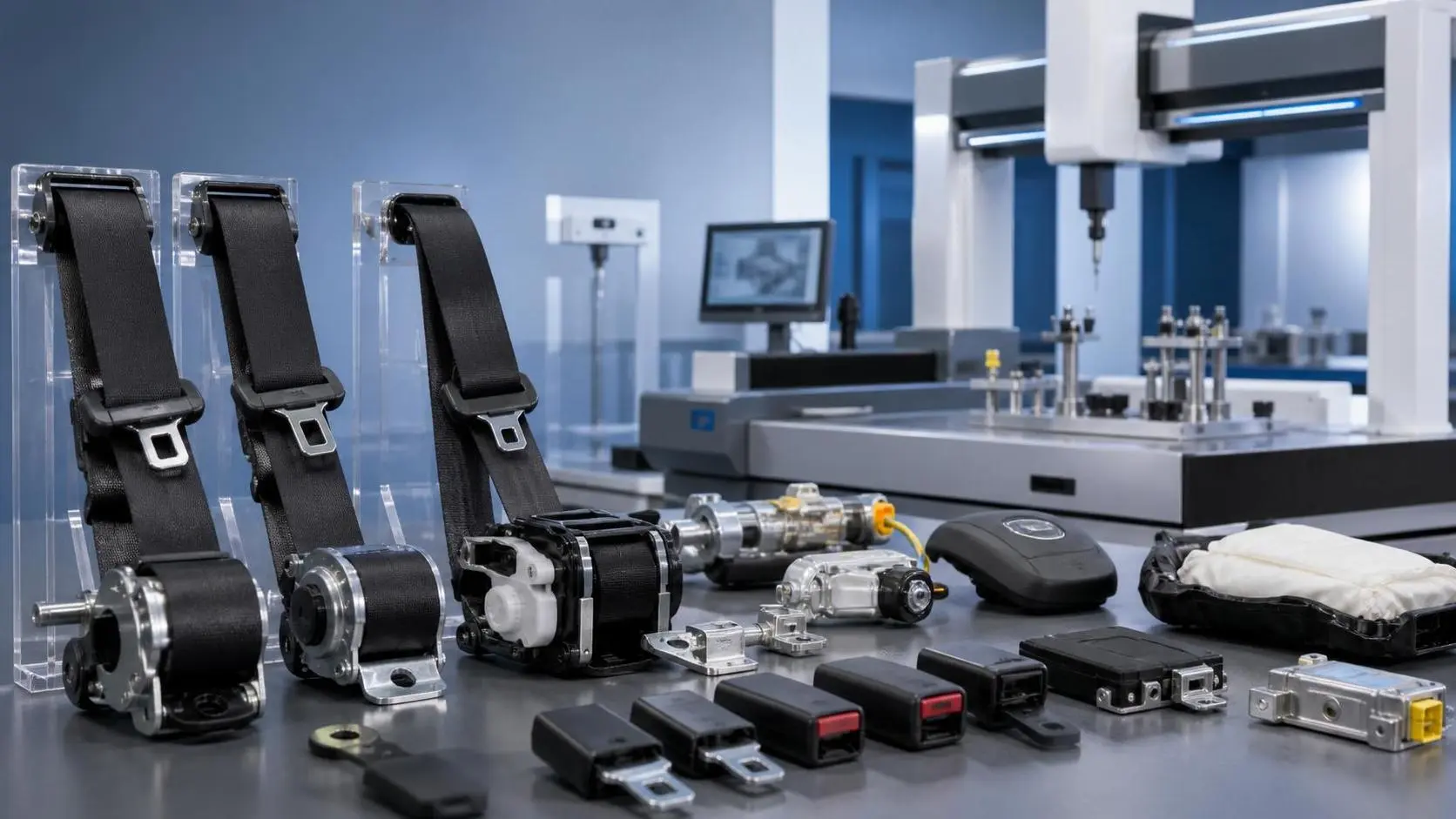
How to Evaluate an Occupant Restraint Systems Exporter for Quality, Compliance, and Supply Risk
Occupant restraint systems exporter evaluation guide: learn how to verify quality controls, compliance evidence, and supply risk before sourcing to avoid recalls, delays, and hidden costs.
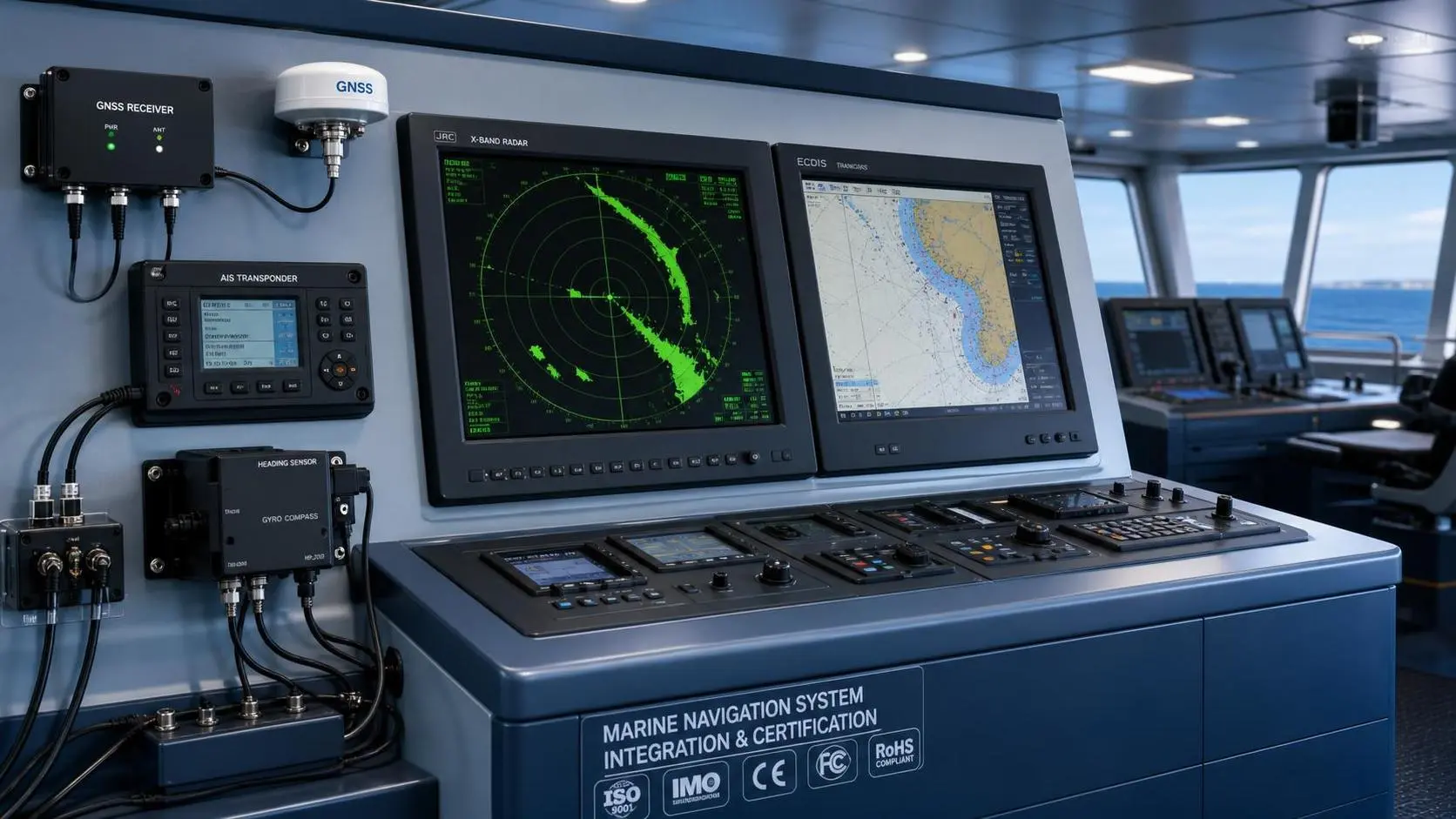
Navigation Compliance Certification: Which Marine Systems Need It and How to Prepare?
Navigation compliance certification explained: discover which marine systems need approval, what documents matter, and how to prepare early to avoid delays, rework, and costly project risks.
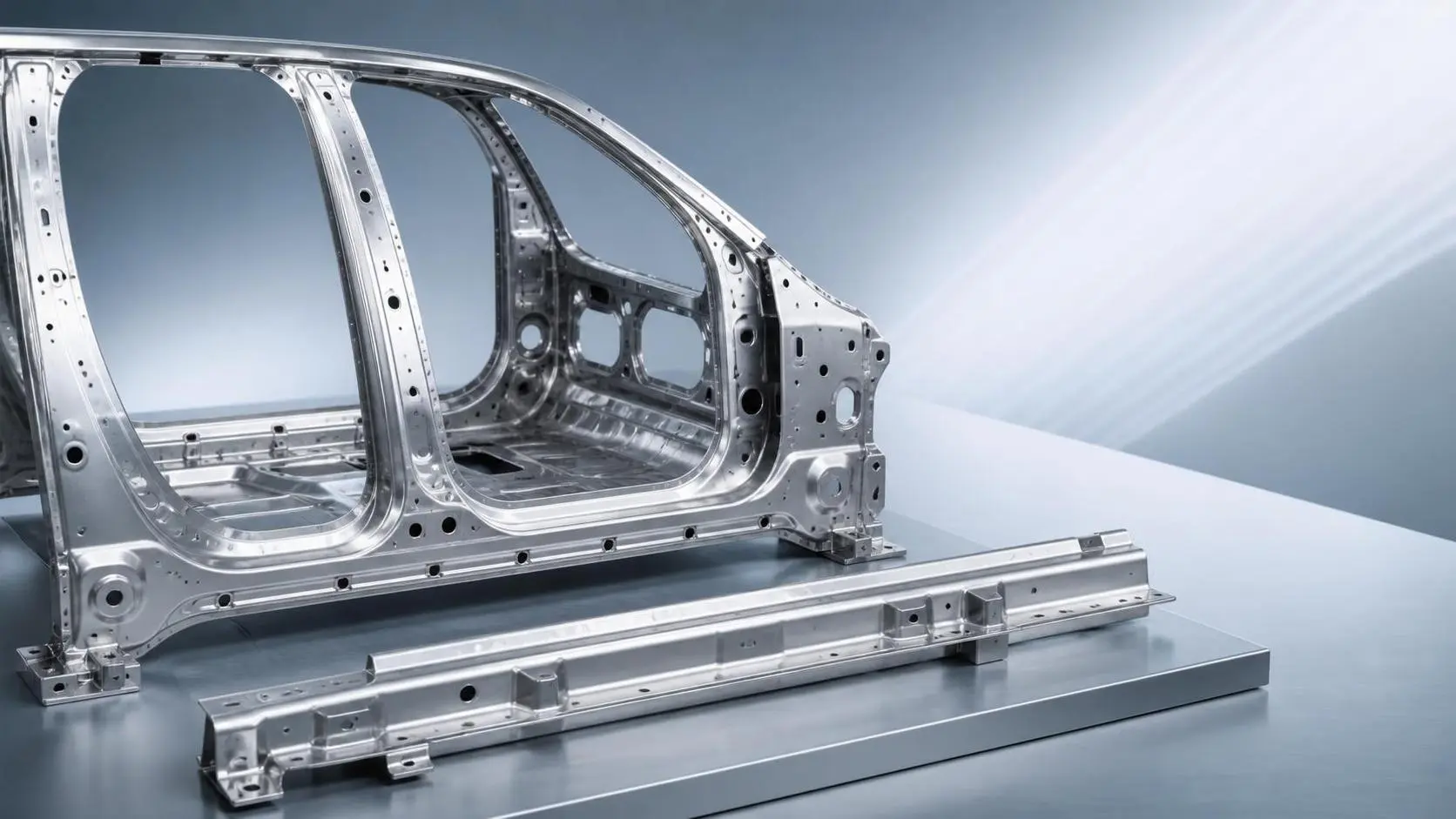
How to Evaluate Steel Auto Body Stampings for Strength, Fit, and Cost
Steel auto body stampings should be judged by strength, fit, and total cost together. Learn how to compare materials, forming limits, springback, joining, and tooling before choosing.
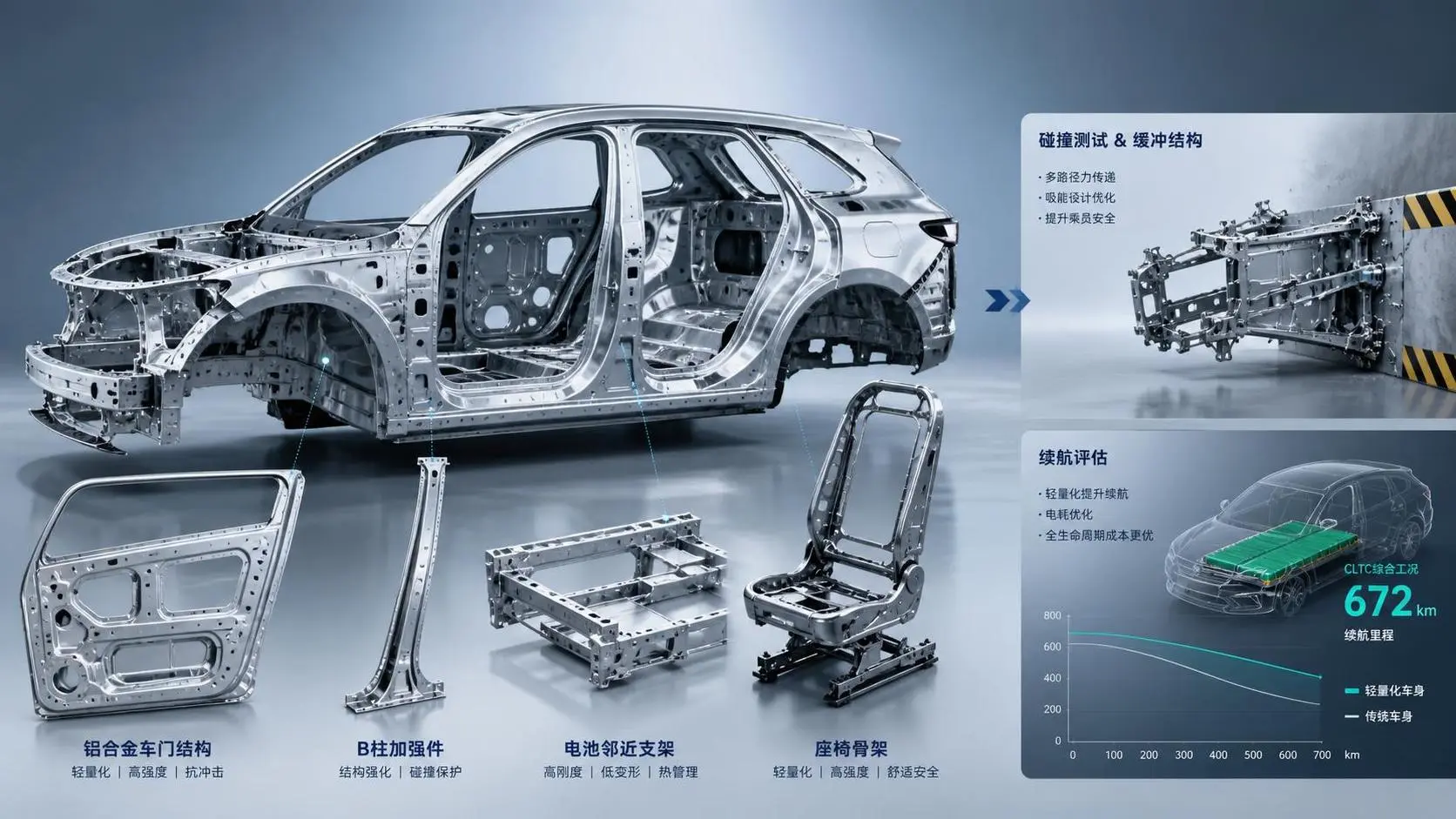
How to Evaluate Lightweight Automotive Components for EV Range and Crash Performance
Lightweight automotive components for EVs: learn how to evaluate real range gains, crash performance, joining risk, and manufacturability to choose safer, smarter EV parts.
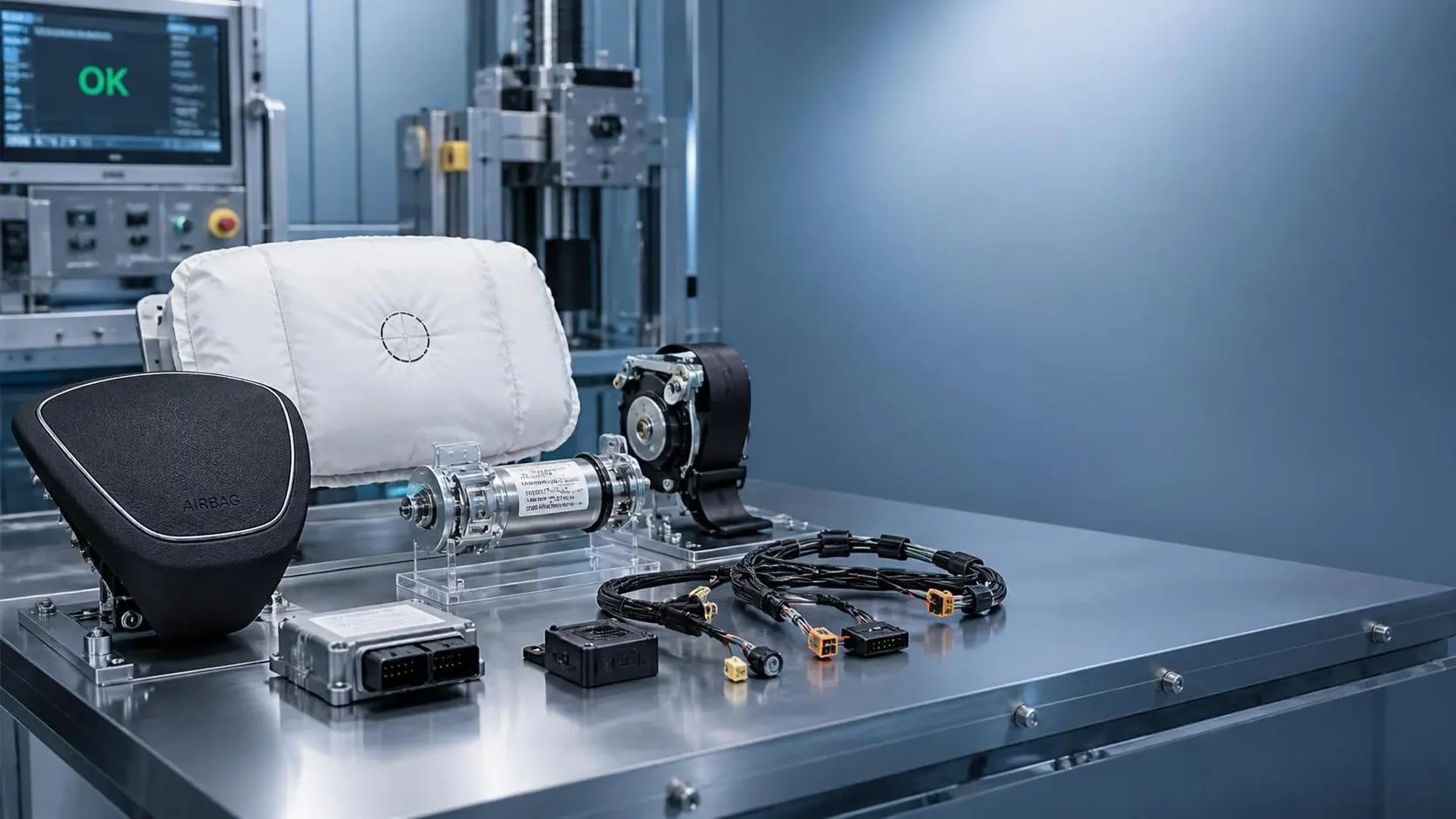
How to Evaluate Airbag Components for OEM Safety Performance and Compliance?
Airbag components evaluation guide for OEM teams: compare deployment performance, inflator consistency, compliance evidence, and supplier traceability to reduce safety risk and choose with confidence.
Related News
- 00
0000-00
What Factors Drive Marine Navigation Components Cost in Commercial Vessel Projects? - 00
0000-00
How Much Does Seat Occupancy Sensing Cost? Key Pricing Factors for Buyers - 00
0000-00
How to Specify Micro-Climate Control Cabins for Harsh Outdoor Worksites? - 00
0000-00
How to Evaluate a B2B Product Knowledge Platform for Faster Procurement Decisions - 00
0000-00
How to Evaluate an Occupant Restraint Systems Exporter for Quality, Compliance, and Supply Risk
Weekly Insights
Stay ahead with our curated technology reports delivered every Monday.