How to Choose Marine Safety Equipment for Commercial Vessels: Types, Standards, and Use Cases
Choosing marine safety equipment for commercial vessels is rarely a simple catalog exercise. The right mix affects compliance, insurance exposure, crew readiness, cargo protection, and business continuity across different routes and vessel profiles.
That is why marine safety equipment now sits at the intersection of regulation, engineering, and procurement strategy. Buyers must look beyond unit price and focus on service life, certification integrity, integration, and the realities of onboard use.
For a platform like GNCS, this topic also reflects a broader pattern. Maritime navigation, containment protection, and safety compliance increasingly depend on connected intelligence rather than isolated hardware decisions.
What marine safety equipment really includes
In commercial shipping, marine safety equipment covers more than lifejackets and lifeboats. It includes every critical system that helps prevent incidents, contain damage, and protect lives when operating conditions deteriorate.
A practical way to understand marine safety equipment is to divide it into four groups: life-saving appliances, fire protection, distress and communication equipment, and navigation-related safety systems.
- Life-saving appliances include liferafts, lifeboats, immersion suits, lifejackets, EPIRBs, and rescue devices.
- Fire safety equipment includes extinguishers, fixed suppression systems, detectors, alarms, fire doors, and firefighter outfits.
- Distress and signaling systems include GMDSS components, SARTs, emergency lighting, and public address systems.
- Navigation-linked safety systems include radar, AIS, ECDIS, bridge alarms, and related situational awareness tools.
This broader view matters because many procurement failures happen when equipment is sourced by category, while operational risks emerge across systems.
Why the selection process is getting more demanding
Commercial fleets operate in a tighter risk environment than before. Port state control inspections are more data-driven, insurers are more selective, and replacement cycles face pressure from cost inflation and supply uncertainty.
At the same time, equipment itself is evolving. Traditional standalone devices are giving way to smarter systems with software dependencies, self-test features, sensor integration, and remote diagnostics.
This is where GNCS offers useful context. Its focus on precise navigation perception and physical containment protection matches a market trend toward safety systems that must both detect risk early and perform reliably under stress.
In other words, marine safety equipment is no longer only about passing inspection. It is also about sustaining safe operations under real commercial pressure.
Standards that should guide equipment decisions
Standards are the first filter, but not the final answer. Buyers need to confirm both formal compliance and the relevance of that compliance to vessel type, flag requirements, and trading area.
The most common reference points come from SOLAS, the LSA Code, the FSS Code, IMO resolutions, MED requirements, and classification society rules. Depending on equipment, ISO, IEC, and national approvals may also apply.
A low-cost product with incomplete certification can create expensive delays later. The paperwork must be traceable, current, and accepted in the vessel’s operating context.
Matching equipment to vessel type and route
The best marine safety equipment for a coastal workboat is not automatically right for a bulk carrier, tanker, ferry, or offshore support vessel. Risk profiles change with crew size, cargo, weather exposure, and rescue distance.
Cargo vessels and bulk carriers
These vessels often prioritize durable, serviceable equipment with strong corrosion resistance. Long voyages increase the value of dependable GMDSS gear, emergency power support, and easy-to-maintain fire detection systems.
Tankers and chemical carriers
Hazardous cargo raises the importance of explosion-safe components, gas detection, foam systems, and strict compatibility with hazardous area requirements. Documentation discipline is especially important here.
Passenger ferries and crew transfer vessels
High occupancy changes everything. Evacuation clarity, emergency lighting, muster support, passenger life-saving appliances, and public address performance often deserve closer attention than in cargo trades.
Fishing and small commercial vessels
Space constraints and heavy deck activity make compact, rugged marine safety equipment more practical. Ease of deployment can matter as much as formal specification.
Key selection criteria beyond certification
Certification gets equipment onboard. Performance over time depends on other factors that are often overlooked during sourcing.
- Environmental durability: Salt spray, vibration, humidity, temperature swings, and UV exposure shorten service life if materials are weak.
- Maintenance burden: Some systems look competitive upfront but require frequent servicing, specialized tools, or hard-to-source consumables.
- Crew usability: Equipment should be understandable under stress, with clear indicators, practical access, and straightforward reset procedures.
- Spare parts continuity: Long-term product support matters more than launch pricing, especially for fleets standardizing across multiple vessels.
- Integration risk: Bridge, alarm, and communication systems increasingly depend on stable interfaces and timely software support.
This is one reason intelligence-led sourcing is gaining relevance. Platforms that track compliance changes and technical evolution help reduce blind spots before orders are placed.
Typical use cases where equipment choices differ
Use cases reveal why generic buying rules often fail. The same approved product can be a good fit in one operation and a poor fit in another.
For vessels trading in remote waters, marine safety equipment should emphasize redundancy, battery endurance, and field-service practicality. Rescue may take longer, so autonomous performance becomes more valuable.
For short-sea operations with frequent port calls, inspection readiness and quick turnaround servicing may matter more. Downtime from minor non-conformities can become a major commercial cost.
For high-value cargo segments, safety systems also protect schedule reliability and asset reputation. A false alarm rate that disrupts operations can be almost as costly as underperformance.
For digitally managed fleets, navigation-related marine safety equipment should support update discipline, diagnostics visibility, and clean data exchange across onboard systems.
Common procurement mistakes to avoid
One recurring mistake is treating all approved equipment as interchangeable. Approval confirms a threshold, not equal lifecycle value or equal operational fit.
Another problem is separating technical review from service planning. Marine safety equipment is only as reliable as its inspection, calibration, replacement, and documentation routines.
There is also a tendency to focus on the purchase order while underestimating retrofit complexity. Mounting space, wiring routes, launch arrangements, and legacy interfaces can change the true landed cost.
Finally, some buyers overlook the value of supplier transparency. Clear traceability, realistic lead times, and documented after-sales capability often signal lower long-term risk.
A practical framework for the next decision
A useful shortlist starts with five questions: What risks define the vessel, which standards apply, how will the equipment be maintained, what systems must it connect to, and what failure costs are unacceptable?
From there, compare marine safety equipment using a matrix that includes compliance, lifecycle cost, environmental endurance, service network strength, and onboard usability.
GNCS reflects the direction this process is taking across mobility sectors. The strongest decisions now combine technical precision, regulatory awareness, and real-world performance insight.
When requirements are mapped carefully, the right marine safety equipment becomes easier to justify, easier to maintain, and more reliable when conditions turn critical. The next step is to align vessel profile, standards, and service expectations before comparing suppliers line by line.
Related News
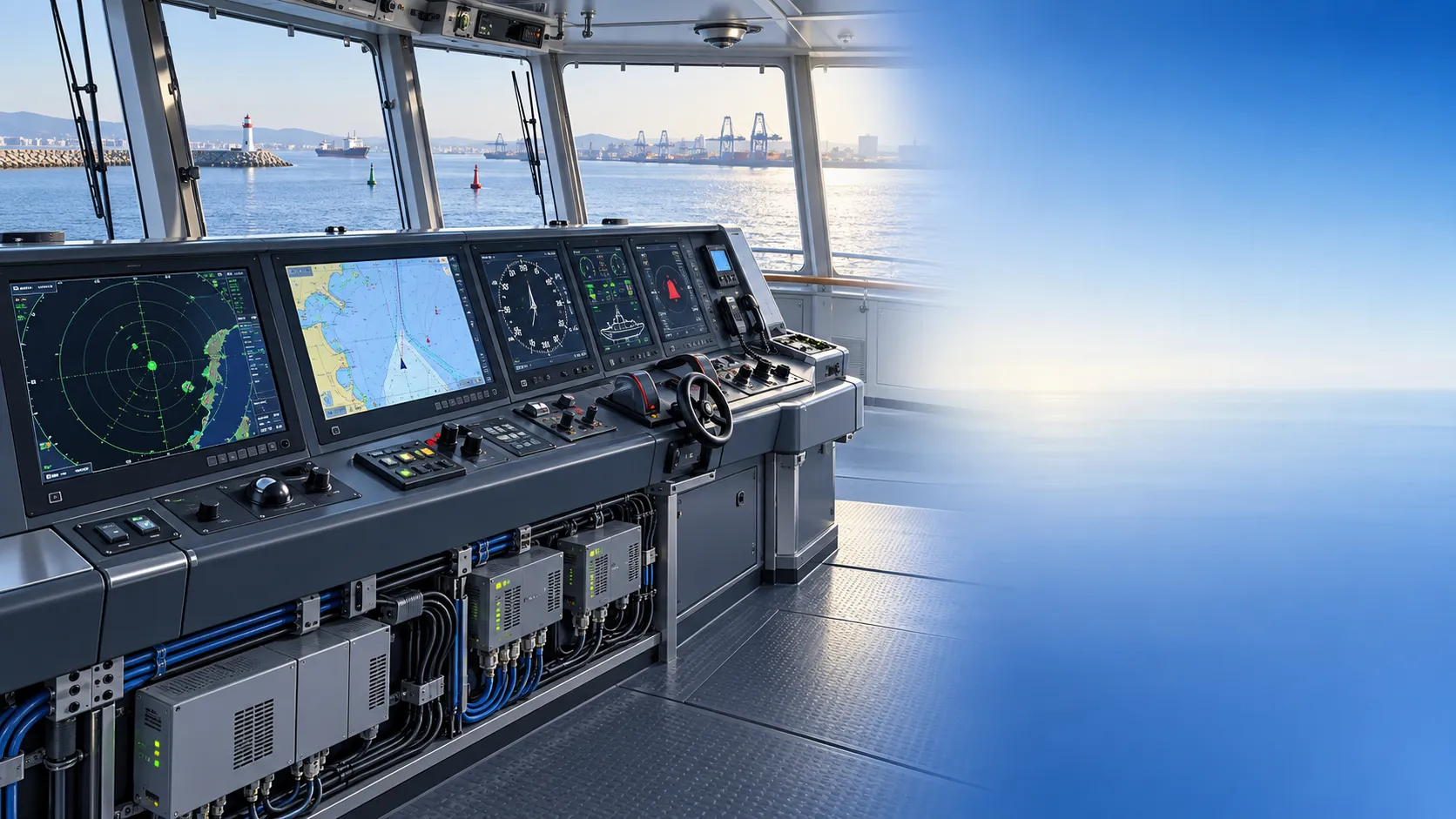
How to Specify Integrated Marine Electronics for Reliable Bridge Operations
Integrated marine electronics: learn how to specify reliable bridge systems with clear data flows, redundancy, alarm control, lifecycle interfaces, and operational testing.
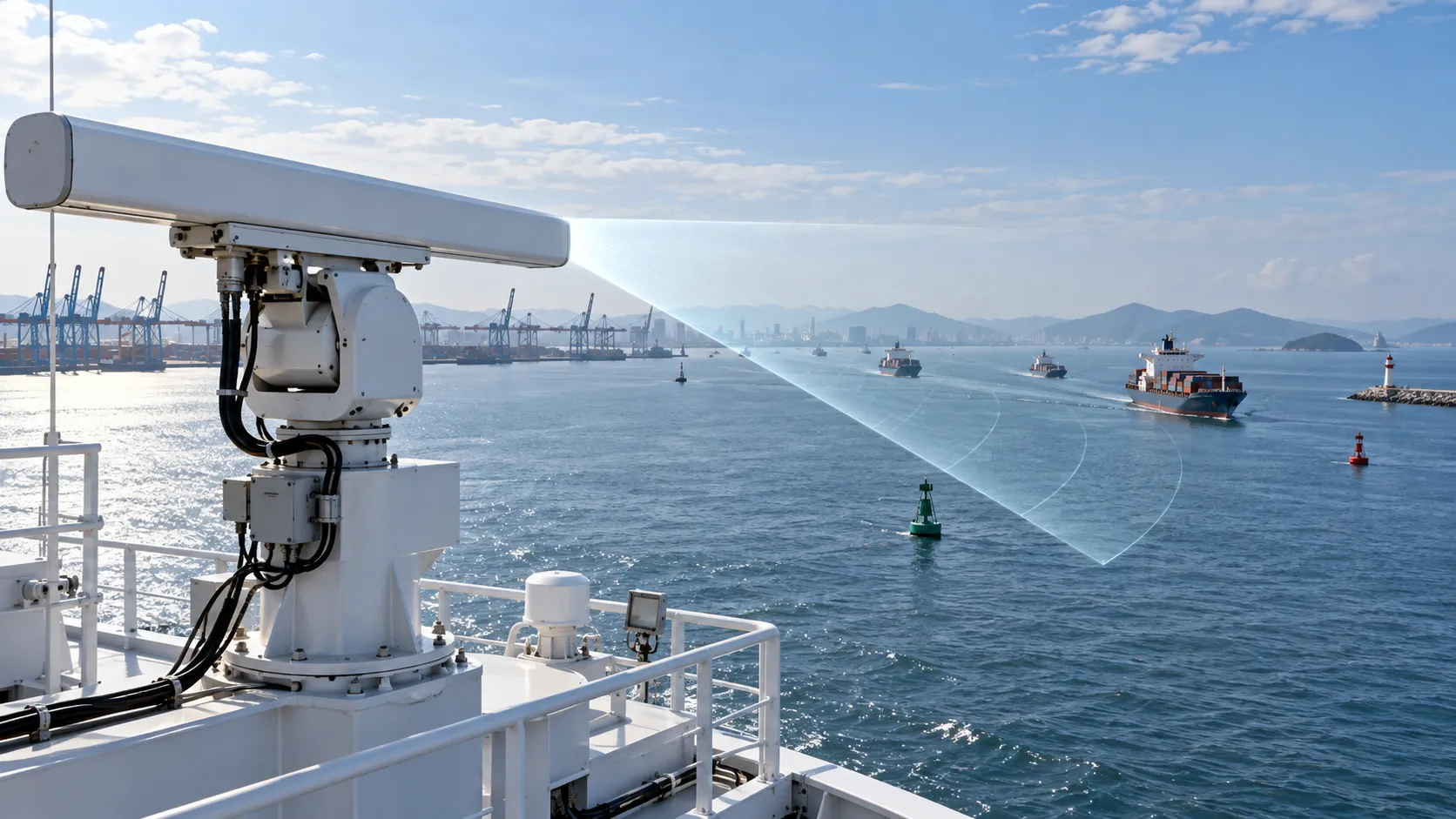
How to Evaluate Navigation Radar Manufacturers for Commercial Vessel Projects
Navigation radar manufacturers: learn how to compare performance, compliance, integration, support, and lifecycle cost for commercial vessel projects.
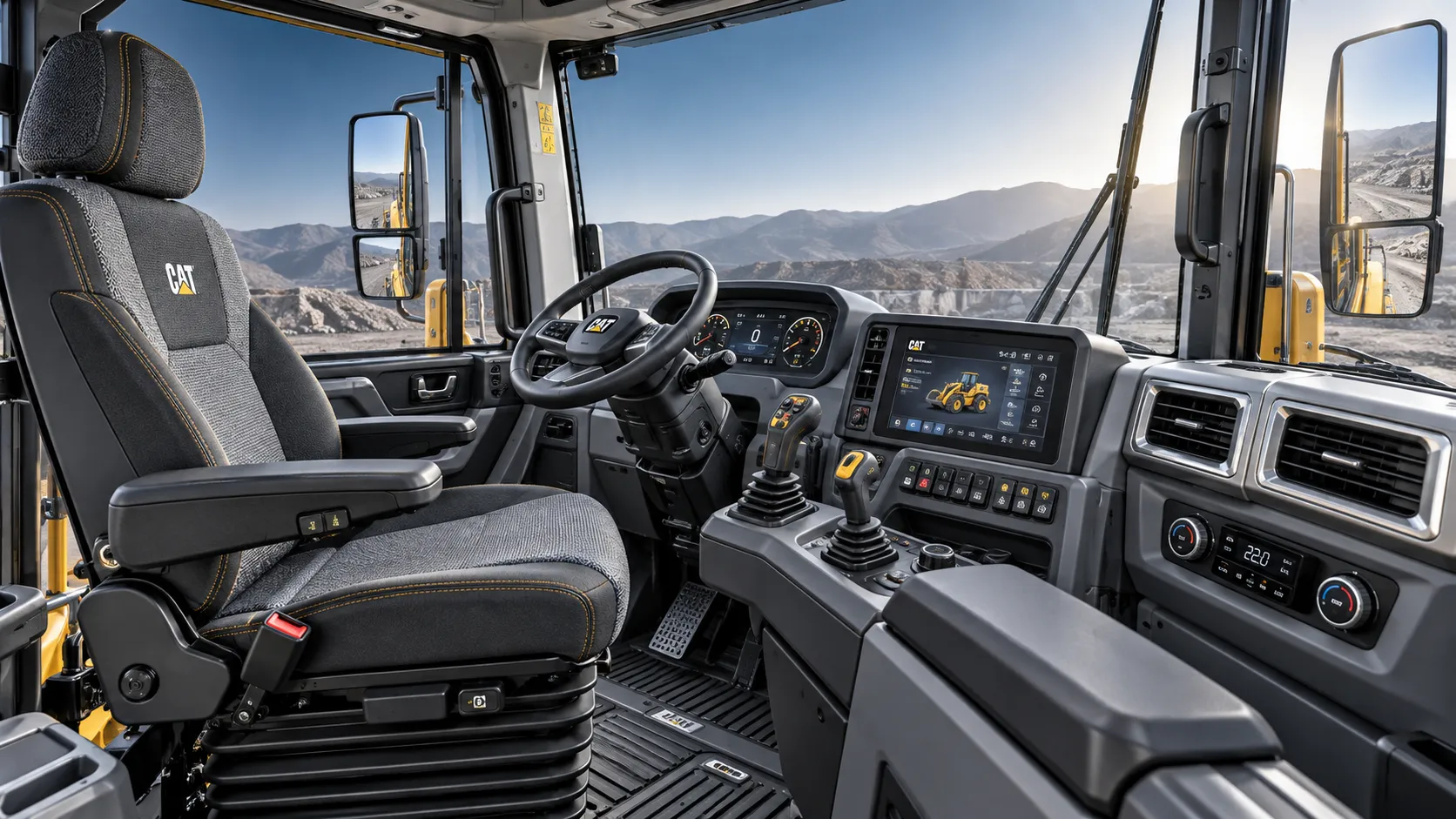
How Adjustable Cabin Ergonomics Reduce Operator Fatigue in Long-Shift Vehicles
Adjustable cabin ergonomics reduces operator fatigue through better seating, reach, visibility, vibration control, and climate comfort for safer long-shift vehicles.
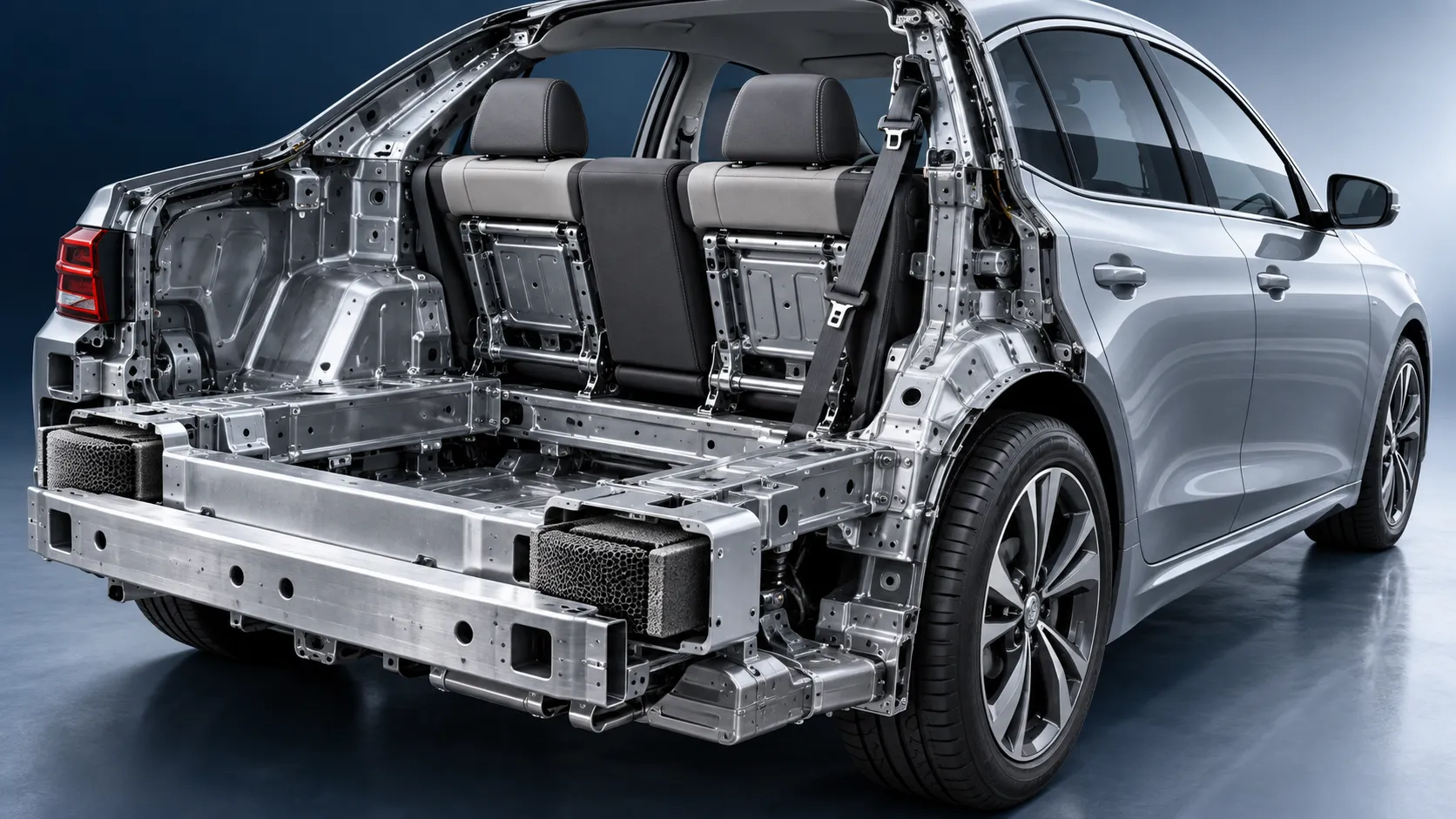
How Rear-Impact Safety Components Work Together to Protect Vehicle Occupants
Explore how automotive safety components for rear impact work together—from crash structures and seats to head restraints and belts—to enhance occupant protection.
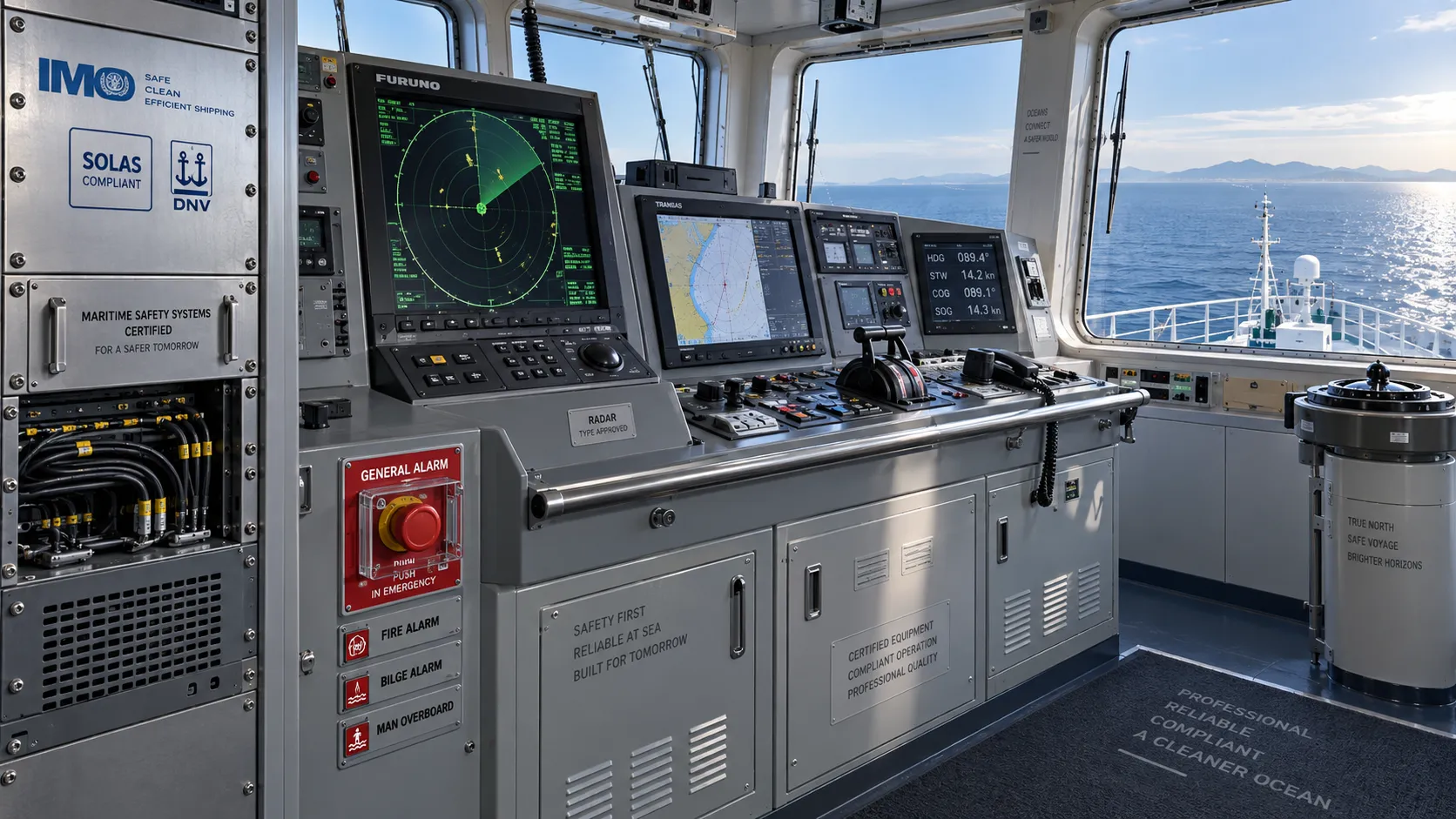
How to Evaluate a Marine Safety Systems Manufacturer for Vessel Compliance and Reliability
Marine safety systems manufacturer evaluation guide: verify compliance, engineering quality, lifecycle costs, and global service support for safer, reliable vessel operations.
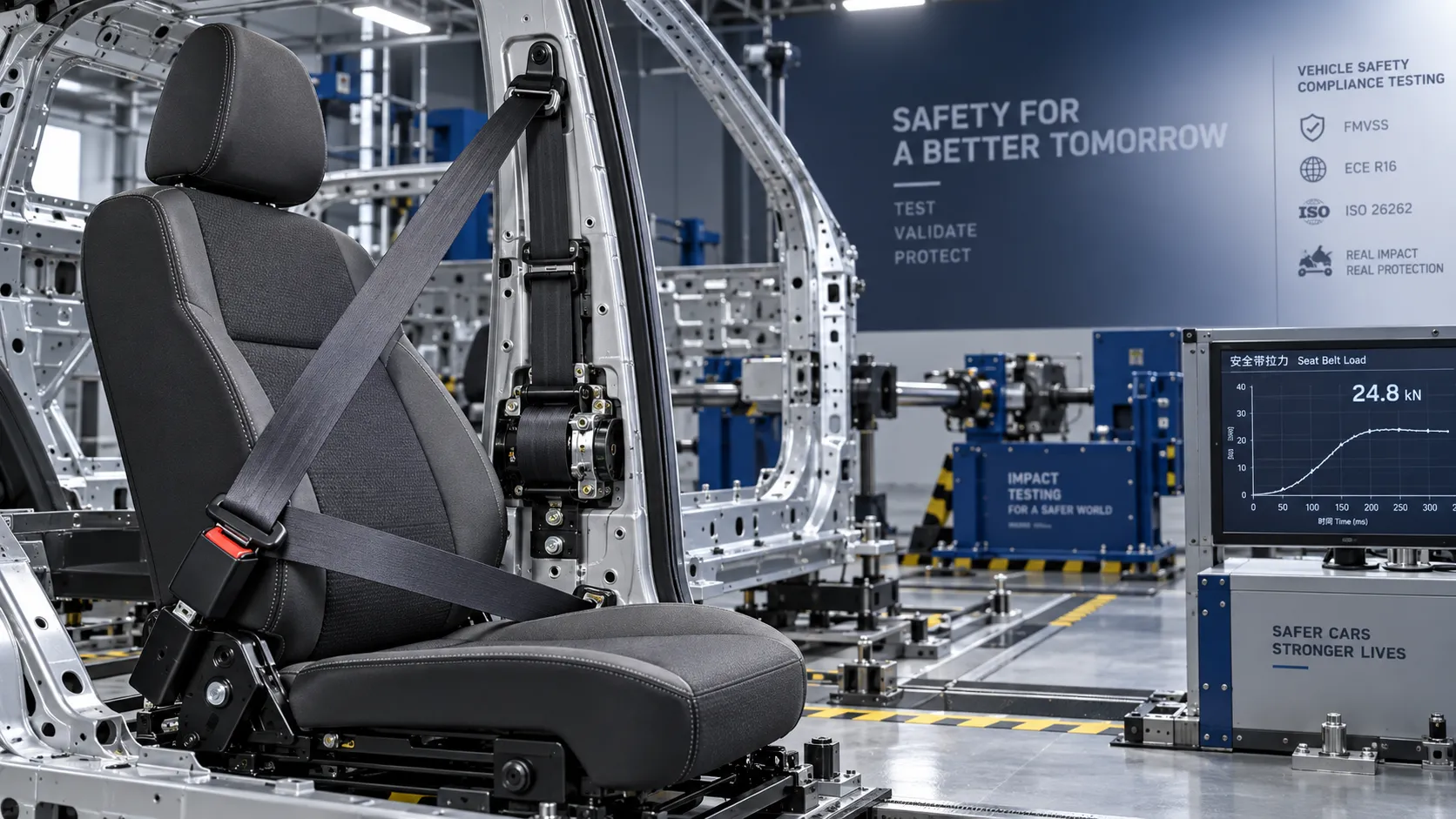
Crash Test Regulations for Seatbelts: Key Compliance Requirements Explained
Crash test regulations seatbelts explained: explore FMVSS, UN rules, anchorage strength, and dynamic restraint testing for safer, compliant vehicle systems.

How to Calculate the Total Cost of Automotive Lightweighting for a Vehicle Program
Automotive lightweight solutions cost: learn how to calculate program-level costs, including materials, tooling, joining, validation, risk, and vehicle-level value.

How Automotive Seat Occupancy Sensing Improves Airbag Deployment Decisions
Automotive seat occupancy sensing helps optimize airbag deployment decisions, improving passenger classification, safety diagnostics, and compliance across real-world conditions.

What Drives Lightweight Body Component Costs in High-Volume Vehicle Programs?
Lightweight body components cost depends on material yield, forming, joining, tooling, validation, and logistics. Explore proven ways to optimize total vehicle program cost.
Related News
- 00
0000-00
How to Specify Integrated Marine Electronics for Reliable Bridge Operations - 00
0000-00
How Adjustable Cabin Ergonomics Reduce Operator Fatigue in Long-Shift Vehicles - 00
0000-00
How to Evaluate a Marine Safety Systems Manufacturer for Vessel Compliance and Reliability - 00
0000-00
How to Calculate the Total Cost of Automotive Lightweighting for a Vehicle Program - 00
0000-00
What Drives Lightweight Body Component Costs in High-Volume Vehicle Programs?
Weekly Insights
Stay ahead with our curated technology reports delivered every Monday.