
Automotive Safety Systems Explained: How Airbags, Seatbelts, and Sensors Work Together
Why does automotive safety rely on a system, not a single part?
Automotive safety works best when restraint, sensing, and structure respond as one timed sequence.
That is the real story behind airbags, seatbelts, and crash sensors.
A seatbelt starts managing occupant motion immediately. Sensors judge crash direction and severity. Airbags then deploy only when timing and thresholds support added protection.
In practice, milliseconds decide whether energy is absorbed smoothly or transferred harshly to the body.
This is why automotive safety is closely tied to body structure, seating position, and electronics calibration.
GNCS often frames this as a broader mobility question.
The same discipline used in precision navigation also appears in cabin protection: detect correctly, decide quickly, and contain forces predictably.
For anyone researching automotive safety, that systems view is the most useful starting point.
What exactly happens first in a crash: the seatbelt or the airbag?
Usually, the seatbelt acts first.
As the vehicle decelerates, the occupant keeps moving forward because of inertia. The belt restrains that movement before the airbag becomes the main cushion.
Modern belt systems often include pre-tensioners. These tighten the belt almost instantly after a serious impact is detected.
That early tightening reduces slack, improves posture control, and places the occupant in a better position for airbag interaction.
Force limiters then matter as the crash continues. They allow some controlled belt payout, helping reduce chest loading.
The airbag is not meant to replace the belt. It spreads impact loads across broader body areas after the belt has already started decelerating the occupant.
Without the belt, the body may arrive too early, too fast, or in the wrong position.
That is one of the most common misunderstandings in automotive safety discussions.
A quick way to picture the sequence
This sequence explains why automotive safety design always evaluates the occupant, the seat, and the body shell together.
How do crash sensors decide whether airbags should deploy?
Sensors do not simply react to any bump.
They measure variables such as deceleration rate, impact angle, duration, seat occupancy, and sometimes seat position.
The control unit compares those signals with calibrated thresholds built from testing data.
A low-speed parking impact may damage a bumper but still stay below deployment criteria.
A severe frontal crash, however, creates a crash pulse that calls for belt pre-tensioning and frontal airbag activation.
Side impacts are different. The available space is smaller, so side airbags and curtain airbags may need to trigger faster.
This is where sensor placement and algorithm quality become central to automotive safety performance.
It also shows why passive safety is now closely linked to smart sensing.
GNCS follows this overlap carefully because cabin safety no longer depends on mechanical parts alone.
It depends on signal interpretation, materials behavior, and compliance logic working in one chain.
Which inputs usually influence deployment logic?
- Crash severity measured through acceleration changes
- Impact direction, such as frontal, side, rear, or rollover
- Occupant presence detected by seat sensors
- Seat position and proximity to the instrument panel
- Belt-use status and restraint system readiness
In real vehicles, the decision is not one signal triggering one output.
It is a layered judgment process designed to avoid both delayed deployment and unnecessary deployment.
If airbags are advanced, why do seatbelts still matter so much?
Because airbags are supplemental restraints, not primary restraints.
That phrase sounds technical, but the meaning is simple: airbags perform correctly only when seatbelts have already controlled occupant motion.
An unbelted occupant can move out of position before the bag fully inflates.
That creates greater injury risk, even in a vehicle with strong automotive safety engineering.
Seatbelts also help in events where airbags may not deploy, including many lower-severity impacts.
They reduce ejection risk, stabilize posture, and improve how the body interacts with the seat.
This matters even more as seat design becomes more sophisticated.
Smart seating, lighter frames, and ergonomic geometry all influence how loads travel through the pelvis, chest, and shoulders.
So when people compare airbags and seatbelts, the more accurate comparison is not either-or.
It is how well both systems share the job.
Common misunderstanding versus better interpretation
Where do body structure and seat design fit into automotive safety?
They are part of the same protective equation.
A restraint system cannot do its job well if the body structure collapses unpredictably or the seat fails to manage loads.
Crashworthy stampings, high-strength steel, aluminum strategies, and controlled deformation zones shape the crash pulse before the occupant feels it.
That is why automotive safety engineering extends far beyond airbags.
Seats also do more than provide comfort.
Their frame stiffness, recliner strength, head restraint geometry, and sensor integration affect occupant kinematics during impact.
In actual development work, the seatbelt anchor points and seat frame behavior are often evaluated together.
GNCS pays attention to this relationship because lightweighting and protection must advance together, not compete.
A lighter body or seat can support automotive safety, but only when material choice, joining method, and energy absorption stay balanced.
What should you look at when comparing modern automotive safety systems?
A useful comparison starts with integration, not feature count.
It is tempting to focus on how many airbags a vehicle has.
A better question is whether the restraints, sensors, seats, and structure are tuned to work together across different crash modes.
If you are assessing automotive safety information, these points usually reveal more than marketing labels:
- Whether pre-tensioners and force limiters are included
- How frontal, side, and rollover protection are separated
- Whether seat occupancy and position sensing are integrated
- How the body structure supports controlled energy absorption
- Which test frameworks, such as IIHS or Euro NCAP, shape calibration priorities
It also helps to watch for evolving details.
Inflator chemistry, lighter seat frames, smarter occupant classification, and software-driven sensing are all changing the automotive safety landscape.
That is where specialist intelligence platforms become useful.
GNCS, for example, links passive safety components with materials, compliance, and sensing trends rather than treating them as isolated topics.
So what is the practical takeaway when evaluating automotive safety?
The main takeaway is straightforward: effective automotive safety is coordinated protection.
Seatbelts manage the first movement. Sensors judge the event. Airbags cushion the next phase. Seats and structure shape how forces reach the body.
When one element is misunderstood, the whole system is often misunderstood.
If you are building a clearer view of this field, start by mapping how timing, occupant position, and crash energy interact.
Then compare technologies through real criteria: deployment logic, restraint tuning, structural behavior, and regulatory alignment.
That approach makes research more useful than simply counting components.
As automotive safety continues to merge electronics, lightweight engineering, and cabin design, the smartest next step is to track systems, not parts.
A focused review of crash standards, restraint architecture, and sensing updates will give a much stronger basis for further judgment.
Related News
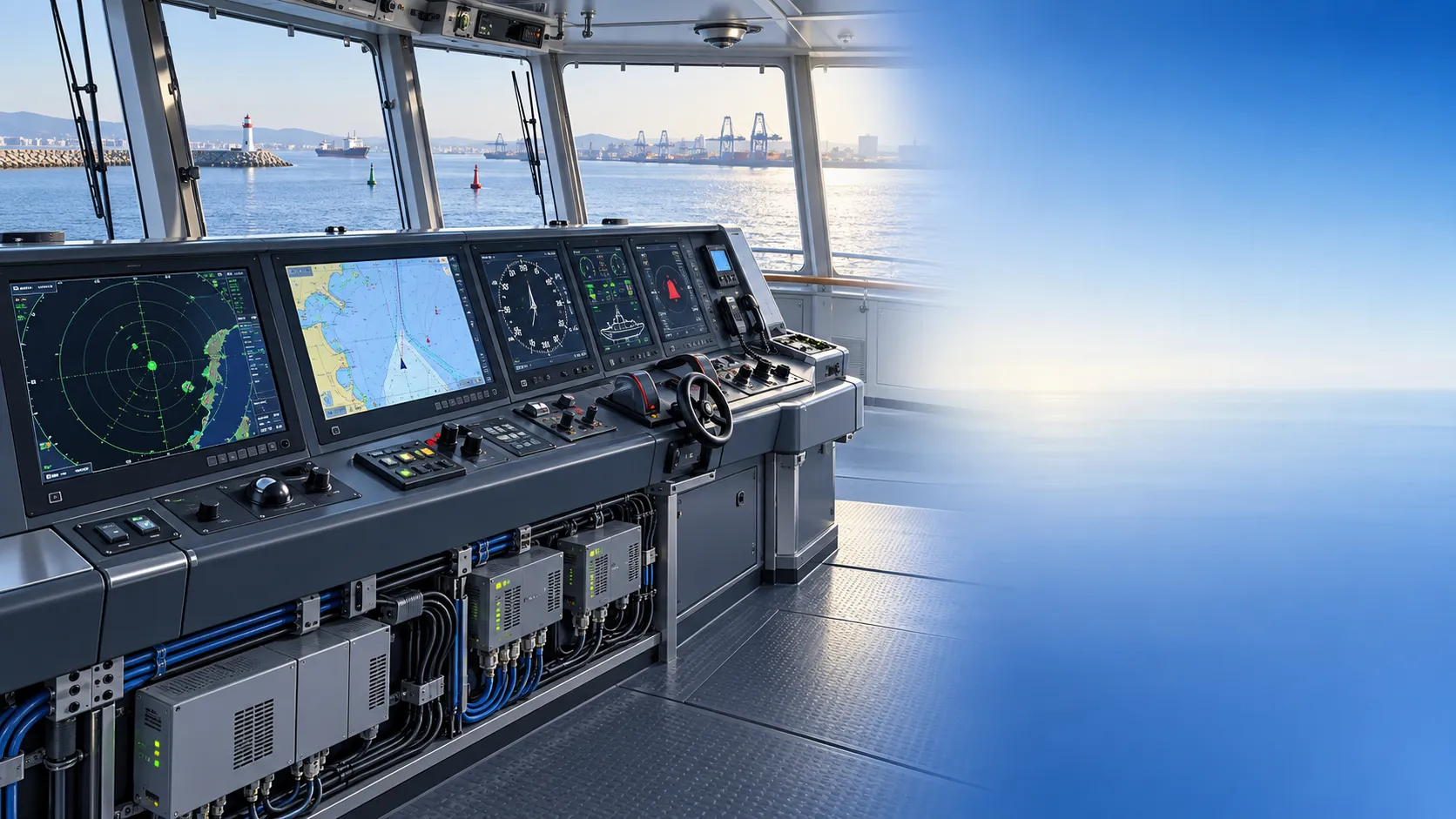
How to Specify Integrated Marine Electronics for Reliable Bridge Operations
Integrated marine electronics: learn how to specify reliable bridge systems with clear data flows, redundancy, alarm control, lifecycle interfaces, and operational testing.

How to Evaluate Navigation Radar Manufacturers for Commercial Vessel Projects
Navigation radar manufacturers: learn how to compare performance, compliance, integration, support, and lifecycle cost for commercial vessel projects.
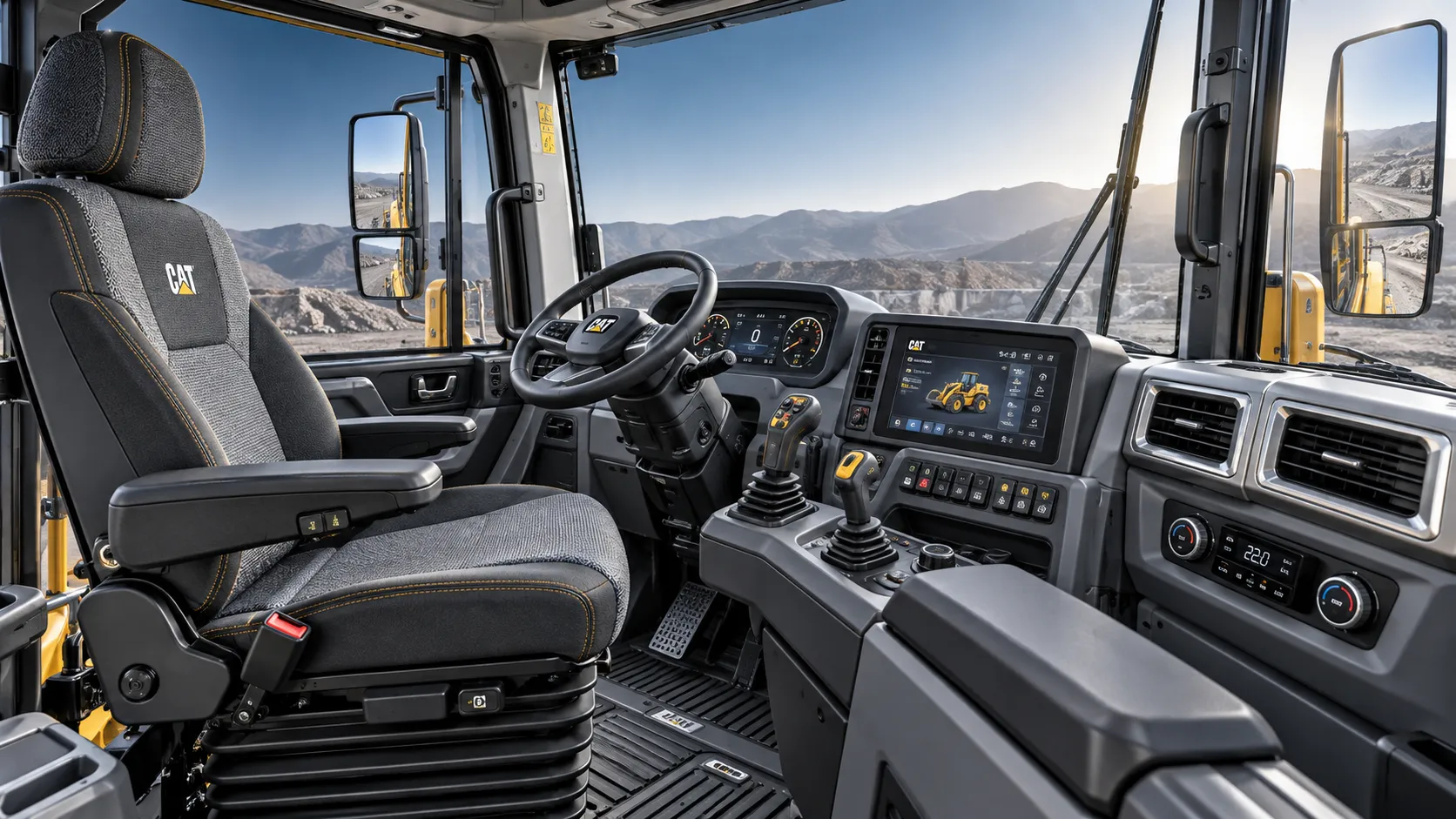
How Adjustable Cabin Ergonomics Reduce Operator Fatigue in Long-Shift Vehicles
Adjustable cabin ergonomics reduces operator fatigue through better seating, reach, visibility, vibration control, and climate comfort for safer long-shift vehicles.
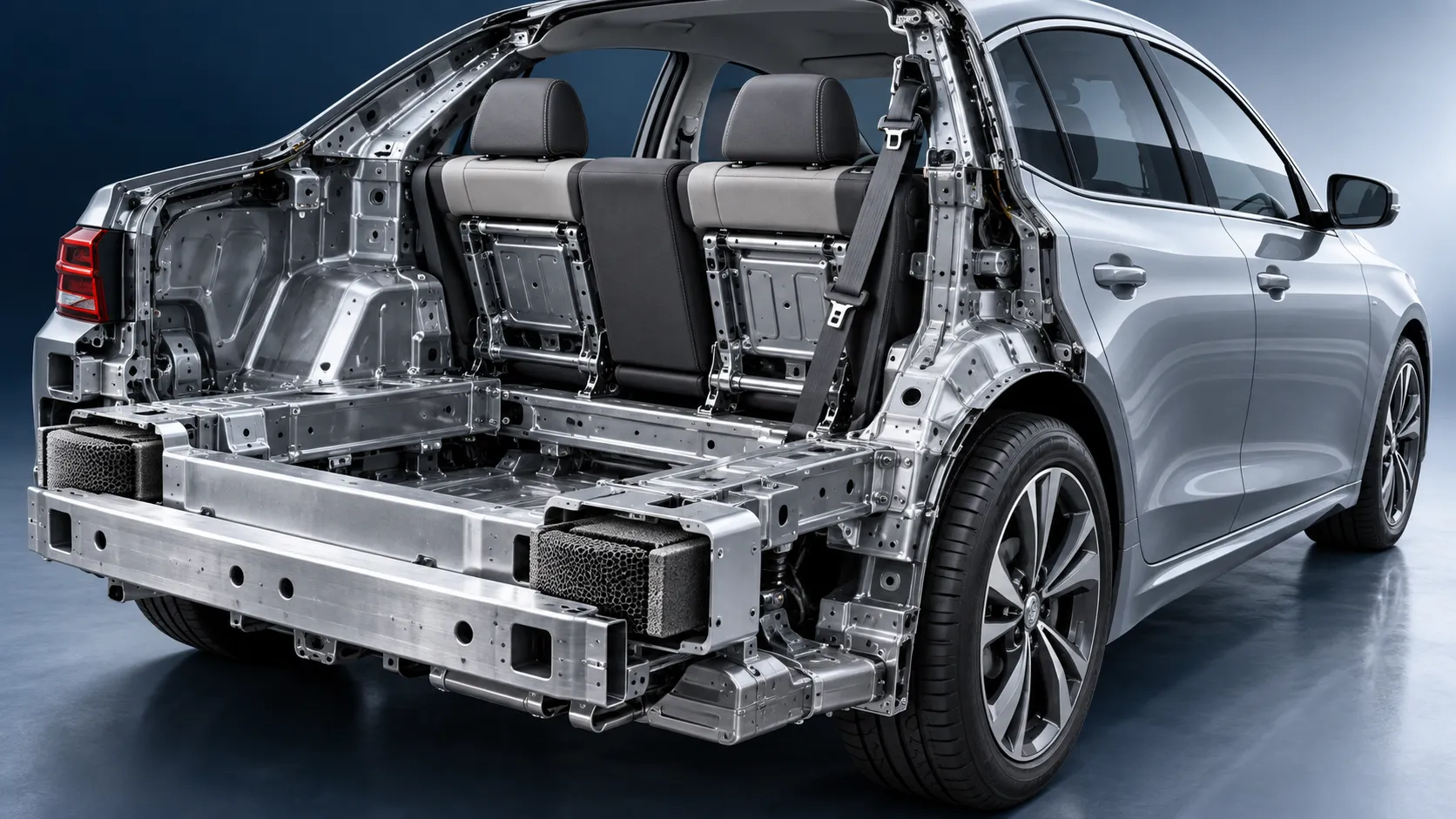
How Rear-Impact Safety Components Work Together to Protect Vehicle Occupants
Explore how automotive safety components for rear impact work together—from crash structures and seats to head restraints and belts—to enhance occupant protection.
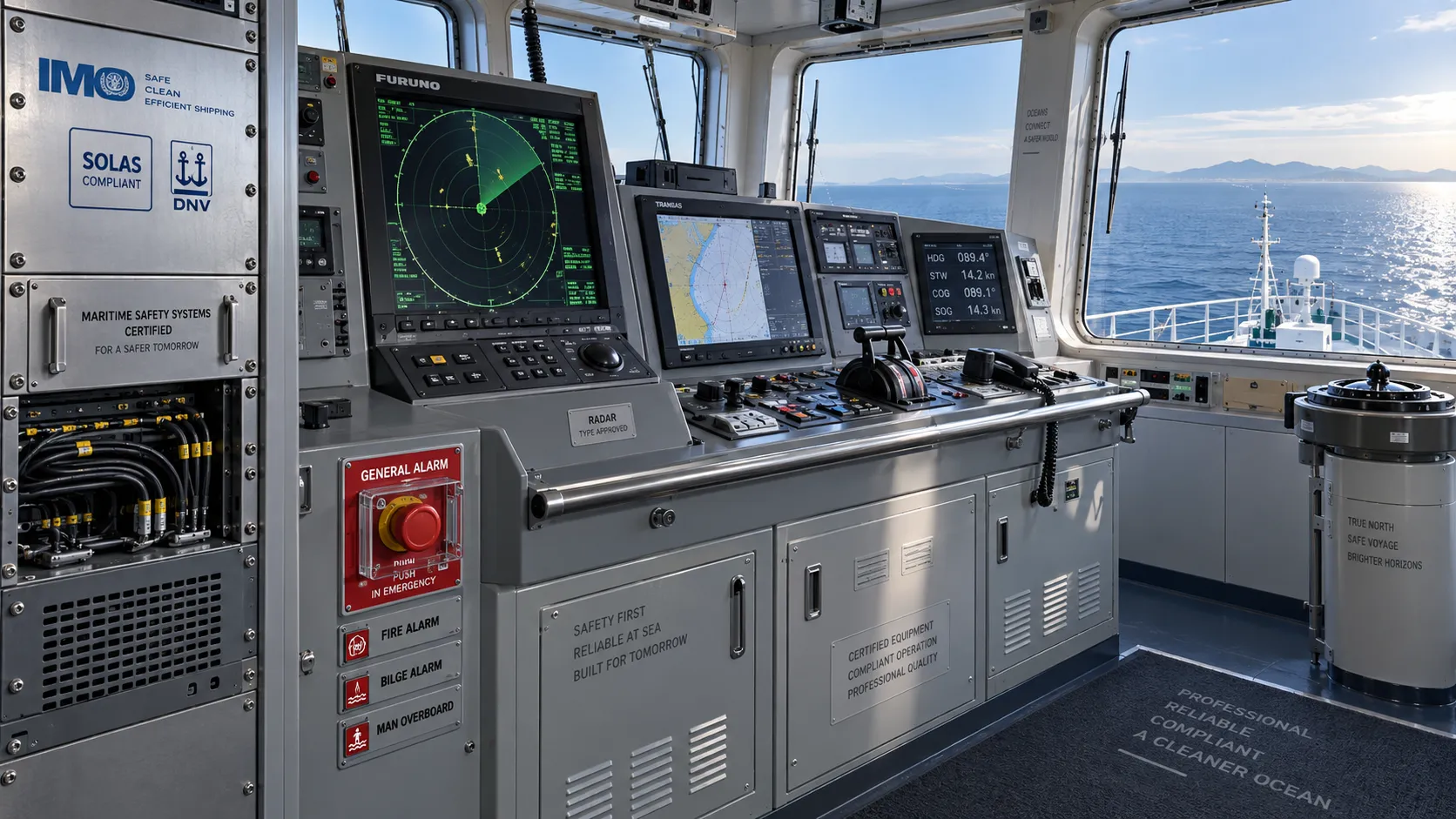
How to Evaluate a Marine Safety Systems Manufacturer for Vessel Compliance and Reliability
Marine safety systems manufacturer evaluation guide: verify compliance, engineering quality, lifecycle costs, and global service support for safer, reliable vessel operations.
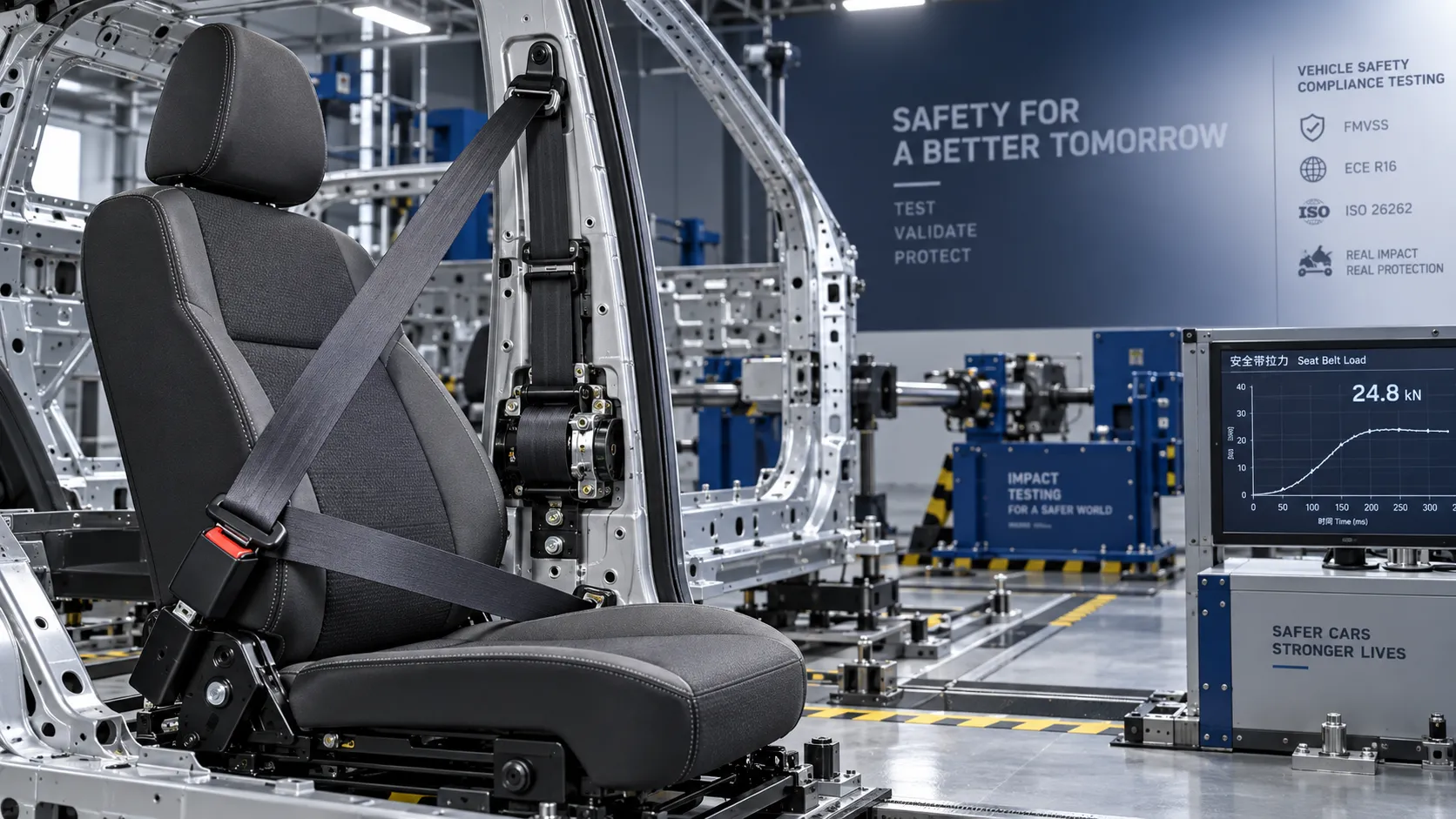
Crash Test Regulations for Seatbelts: Key Compliance Requirements Explained
Crash test regulations seatbelts explained: explore FMVSS, UN rules, anchorage strength, and dynamic restraint testing for safer, compliant vehicle systems.
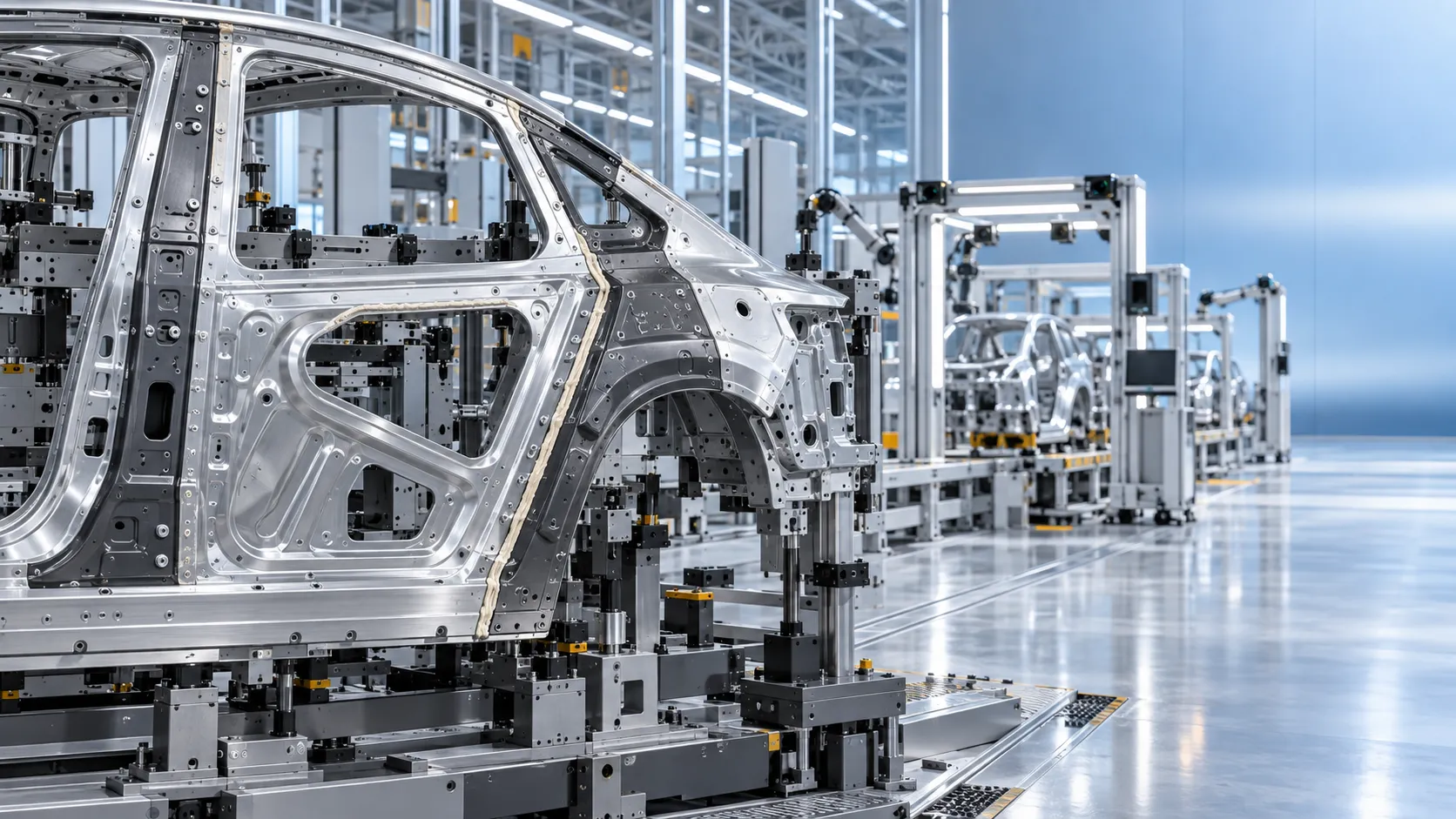
How to Calculate the Total Cost of Automotive Lightweighting for a Vehicle Program
Automotive lightweight solutions cost: learn how to calculate program-level costs, including materials, tooling, joining, validation, risk, and vehicle-level value.
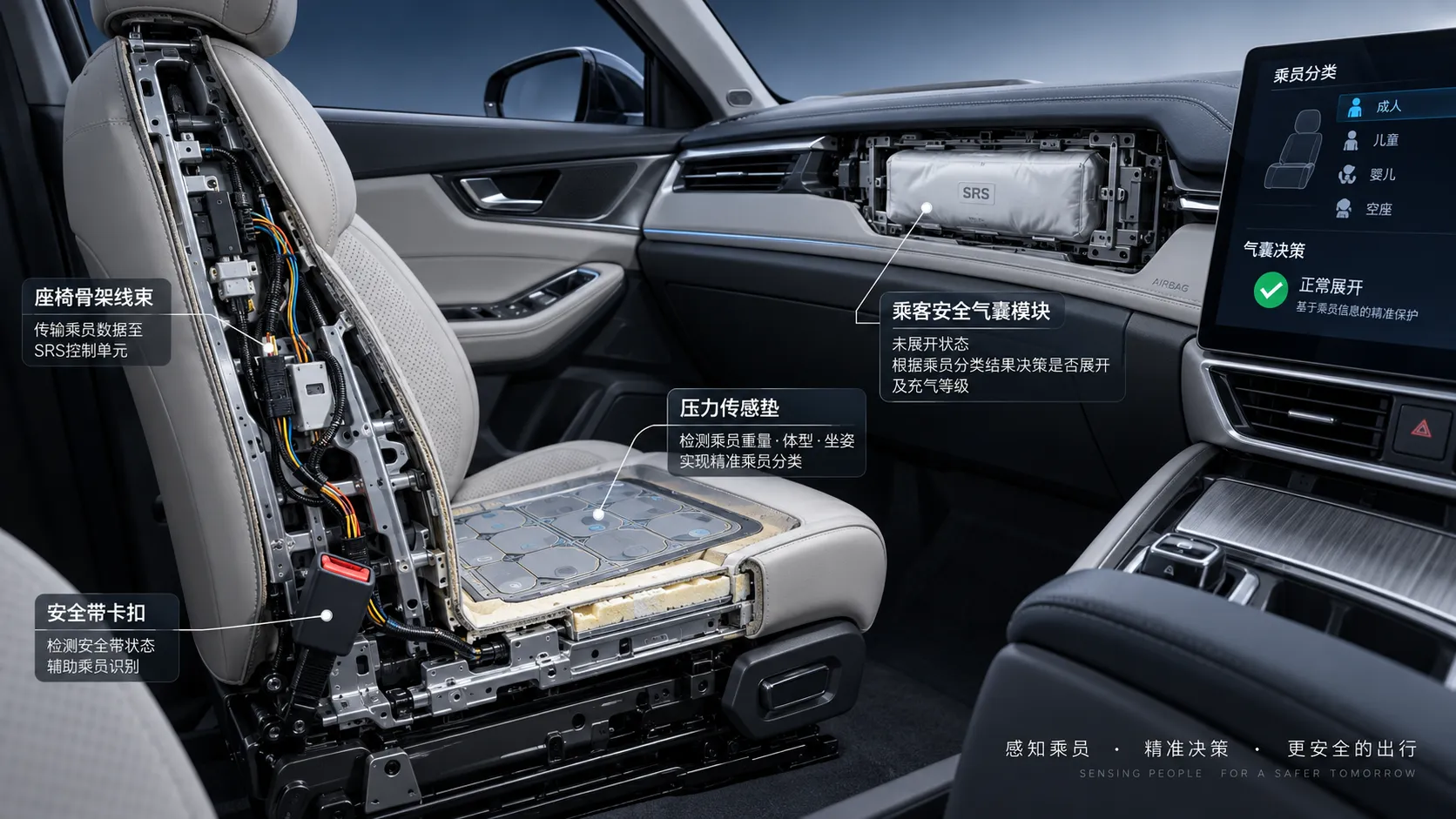
How Automotive Seat Occupancy Sensing Improves Airbag Deployment Decisions
Automotive seat occupancy sensing helps optimize airbag deployment decisions, improving passenger classification, safety diagnostics, and compliance across real-world conditions.
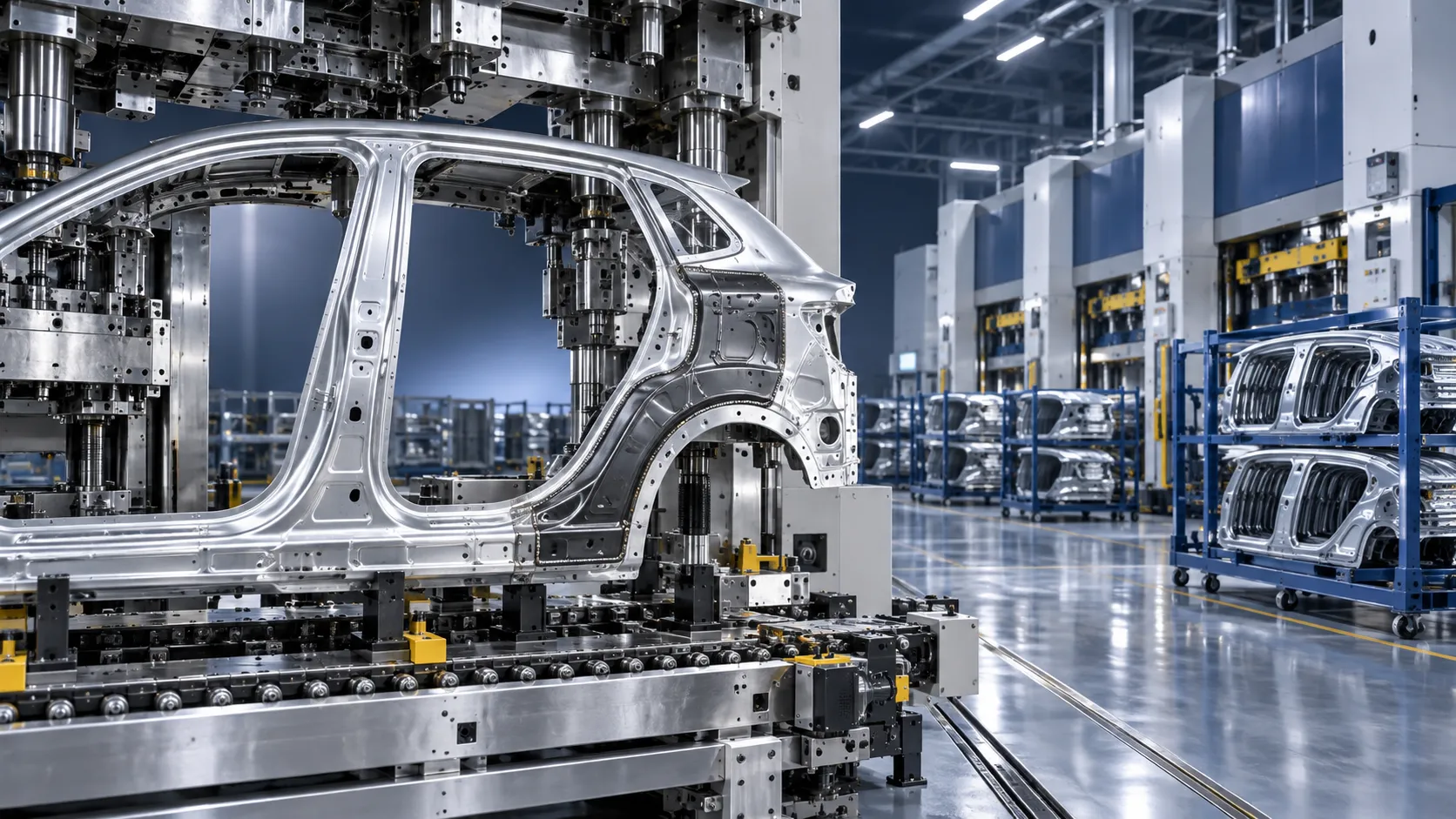
What Drives Lightweight Body Component Costs in High-Volume Vehicle Programs?
Lightweight body components cost depends on material yield, forming, joining, tooling, validation, and logistics. Explore proven ways to optimize total vehicle program cost.
Related News
- 00
0000-00
How to Specify Integrated Marine Electronics for Reliable Bridge Operations - 00
0000-00
How Adjustable Cabin Ergonomics Reduce Operator Fatigue in Long-Shift Vehicles - 00
0000-00
How to Evaluate a Marine Safety Systems Manufacturer for Vessel Compliance and Reliability - 00
0000-00
How to Calculate the Total Cost of Automotive Lightweighting for a Vehicle Program - 00
0000-00
What Drives Lightweight Body Component Costs in High-Volume Vehicle Programs?
Weekly Insights
Stay ahead with our curated technology reports delivered every Monday.