
How 22MnB5 Hot Stamping Balances Crash Strength and Formability in Body Parts
22MnB5 hot stamping processes solve a specific body-structure problem: a part may need to be complex enough to fit a crowded vehicle package, stiff enough to preserve survival space in a severe impact, and light enough to support mass targets. Conventional cold forming of ultra-high-strength steel makes that combination difficult because the material becomes hard to shape before it reaches its final strength. Hot stamping changes the sequence. The blank is formed while hot and comparatively ductile, then rapidly cooled in the die to develop a high-strength martensitic structure.
The balance between crash strength and formability is therefore not a material property alone. It is a result of the steel grade, blank condition, furnace cycle, transfer time, die cooling capability, part geometry, and the intended crash load path. A 22MnB5 part can perform exceptionally well, but only when these elements work as one controlled system.
Why 22MnB5 is formed hot rather than cold
22MnB5 is a boron-alloyed steel commonly used for press-hardened automotive components. In its delivered state, it can be cut and handled as sheet steel, but it is not intended to be cold stamped into the most demanding structural shapes at its final use strength. The hot stamping route avoids this conflict.
During the process, a blank is heated until its microstructure becomes suitable for hot forming. It is then transferred quickly into a water-cooled die, formed, held under pressure, and quenched. The die does more than create the geometry: it extracts heat at a controlled rate so that the formed area transforms into a hard martensitic structure.
This sequence matters because the material is most formable before quenching and strongest after quenching. A cold-stamped ultra-high-strength sheet must withstand major forming strains while already strong, which raises springback and cracking risk. In contrast, 22MnB5 hot stamping allows difficult flanges, deep sections, and closed structural profiles to be formed before the part reaches its final high-strength condition.
The benefit is not simply “more strength.” It is the ability to place thin, strong material in structural zones where section shape and dimensional control are as important as tensile performance. Typical applications include pillars, roof rails, side-impact reinforcements, bumper reinforcements, cross-members, tunnel reinforcements, and other body-in-white parts that manage intrusion or preserve a passenger-cell load path.
Crash performance depends on structural function, not peak strength alone
A frequent selection error is to treat the highest achievable tensile strength as the sole indicator of safety. In a vehicle body, a very hard part may be appropriate for preventing local intrusion, but it may be unsuitable where controlled folding and progressive energy absorption are needed. Crash systems require a combination of rigid load paths, stable joints, and deformation zones that collapse in a predictable manner.
Fully press-hardened 22MnB5 is particularly useful in anti-intrusion members. A pillar reinforcement, for example, may need to resist bending and maintain a protected opening during a side or roof-related loading event. In that role, high strength and geometric stiffness can be more valuable than large plastic deformation after the crash begins.
Other parts need a different response. Front or rear crash members may need to initiate folds, absorb energy over a stroke, and avoid transferring an abrupt load peak into adjacent structures. Here, using uniformly high-strength material throughout the component can make the structure too rigid, shift deformation elsewhere, or create an undesirable fracture risk. The correct question is not whether 22MnB5 is strong enough. It is whether the selected hard and soft zones support the vehicle-level deformation strategy.
Part geometry remains central. Section depth, local beads, wall continuity, flange design, transitions, and joint placement all influence bending collapse and load transfer. A stronger grade cannot compensate for a poor load path. Conversely, a well-designed press-hardened profile can provide substantial structural efficiency without indiscriminately increasing material thickness.
Formability is achieved before hardening, but it still has limits
It is accurate to say that hot forming improves formability, but it is misleading to assume that any shape can be made from 22MnB5. The process window is wider than cold forming at comparable final strength, not unlimited.
When the blank reaches the press, its temperature must still support the planned deformation. Excessive transfer delay, uneven heating, or an unplanned pause in handling can reduce formability before the die closes. Geometry also matters: tight radii, abrupt thickness transitions, severe draw conditions, and poorly designed trim areas can concentrate strain. Surface quality, coating behavior, lubrication strategy, and blank-edge condition can further affect the consistency of the result.
The most useful way to assess formability is to examine the complete forming history rather than relying on a single laboratory property. Simulation can identify potential thinning, wrinkling, splitting, and temperature variation, but it should be aligned with the actual production sequence. That includes the blank heating pattern, robotic or manual transfer route, contact with tools, press timing, and trim process.
Parts with extreme draw depth or a requirement for substantial post-form deformation may not be good candidates for a fully hardened single-piece design. Alternatives can include revising the section geometry, dividing the assembly, using a tailored blank, combining materials, or using a tailored tempering approach. The best choice depends on whether the challenge comes from manufacturing the part, controlling its crash deformation, joining it to the body, or all three.
Where tailored properties change the decision
Many body parts benefit from different strength levels within one component. This is where the discussion moves beyond a simple “hot stamped or not” decision. A component may need a hard central section to prevent intrusion while retaining more ductility at an end, a joint, or a controlled deformation region.
Tailored property concepts can be created through several routes, such as differentiated thermal control in the tool, tailored blank configurations, or selectively managed heat treatment. The engineering goal is similar: create local behavior that matches the structural job of each region. The manufacturing consequences, however, are not interchangeable.
A softer zone should not be treated as a universal improvement. It changes where deformation begins and how loads travel into neighboring members. Its size, location, and transition shape must be assessed in the full body structure. A locally ductile region that improves one component-level test can still create an unfavorable vehicle-level load path if it is placed without regard to adjacent reinforcements and restraint-system timing.
The process controls that determine whether the part is repeatable
In production, dimensional accuracy and mechanical properties come from thermal discipline. The press-hardening die must remove heat consistently enough to achieve the intended microstructure throughout the required regions. Cooling performance is affected by die design, cooling-channel layout, contact condition, press force, tool wear, and the stability of the cooling circuit.
Heating consistency is equally important. A blank that enters the die with non-uniform temperature can form differently from one side to the other and can develop varying final properties. Furnace loading, dwell behavior, blank spacing, coating condition, and transfer timing all deserve attention. A process may look stable in short trials yet drift once throughput, tool temperature, or production interruptions change.
Dimensional control also needs a broader view than the forming stroke. Hot stamping generally reduces the springback associated with cold forming high-strength steel because the final hardening occurs while the part is constrained in the die. Even so, distortion can appear after trimming, piercing, welding, or assembly. These operations may introduce residual stress, remove locally stabilizing material, or place heat near a hardened zone.
For this reason, release criteria should connect material condition, part geometry, and downstream assembly requirements. Checking only thickness or only final tensile properties leaves important failure modes uncovered. A stable process typically monitors whether the critical zone was heated correctly, formed correctly, cooled correctly, and left suitable for its next manufacturing operation.
Coatings and surface condition are part of the process window
22MnB5 sheet is often supplied with a protective coating intended to limit oxidation and support processing. The coating must remain compatible with the heating cycle, tool contact, trimming method, and joining route. It can affect friction during forming, surface appearance, tool contamination, weld behavior, and corrosion performance of the completed body assembly.
That does not mean one coating system is universally preferable. The right choice depends on the part’s thermal cycle and downstream requirements. Evaluating the steel without evaluating its coating and joining behavior is incomplete, especially for parts that will be welded, bonded, mechanically fastened, or exposed at edges after trimming.
Joining can undermine an otherwise sound material decision
A press-hardened component is rarely a standalone solution. It must connect to other body members, which may be mild steel, high-strength steel, aluminum, or a mixed-material stack. The joining method must be compatible with the local hardness, coating, access conditions, and crash loads at the joint.
Heat input deserves particular attention. Some welding operations can locally alter the hardened microstructure and create a softened heat-affected zone. This is not automatically a defect; it becomes a problem when the softened area sits in a highly stressed location or is not included in the structural analysis. Joint locations should be chosen with the same care as thickness and section design.
Mechanical fastening and adhesive bonding may help manage mixed-material assemblies, but they introduce their own requirements for flange width, corrosion management, cure sequence, and crash durability. The selection should be made at body design stage, not after the hot-stamped part is already fixed. Late changes in joining often force geometry changes that damage the original forming or crash assumptions.
A practical review sequence for a 22MnB5 body part
A useful technical review starts with the component’s job in the crash architecture, then works backward into material and process choices.
- Define the structural role. Identify whether the part is mainly an anti-intrusion reinforcement, a load-transfer member, an energy absorber, or a combination of these functions.
- Map required deformation behavior. Determine where the part must remain intact, where deformation may occur, and which neighboring members receive the load.
- Check geometry against the hot-forming route. Review radii, draw depth, flange design, local strain concentration, trim locations, and access for the die and transfer system.
- Choose a property distribution. Decide whether full hardening is appropriate or whether local ductility and a controlled transition are required.
- Evaluate manufacturing as a chain. Include blank preparation, heating, transfer, forming, quenching, trimming, joining, and dimensional measurement rather than approving each stage independently.
- Validate at the assembly level. Assess the finished part with its actual joints and adjacent structures. Component coupons are useful, but they do not replace body-level load-path evaluation.
The GNCS perspective on automotive lightweight bodies and cabin protection is relevant here because a body reinforcement does not work in isolation. Its deformation pattern affects the space retained for occupants and the conditions under which airbags, seatbelts, and seats must perform. The practical value of a hot-stamped body part lies in how reliably it supports that wider restraint and containment system.
Common decisions that create avoidable risk
One mistake is specifying press-hardened 22MnB5 because a benchmark vehicle uses it, without confirming that the new part has the same section, joints, loading direction, and packaging constraints. Material substitution is not structural equivalence.
Another is using a fully hardened design where controlled crush is the primary requirement. The result may be impressive in static strength comparisons but less effective in managing collision energy. A related error is adding a softer zone simply to improve ductility without defining its crash function. Local property variation must be engineered as part of the load path, not added as a generic safeguard.
Finally, it is risky to separate design approval from manufacturing approval. A part that works in a controlled prototype condition may be difficult to reproduce when thermal variation, tool wear, cycle time, trimming, and joining are introduced. The early review should therefore ask not only “Can this part be hot stamped?” but also “Can its critical properties be maintained at the intended production conditions?”
22MnB5 is most effective when it is treated as a press-hardening system rather than as a high-strength steel label. When the structural role, deformation target, local property distribution, and production controls agree, it provides a credible route to thin, complex body parts that protect passenger space without asking cold forming to do work it was never well suited to perform.
Related News

How to Specify Integrated Marine Electronics for Reliable Bridge Operations
Integrated marine electronics: learn how to specify reliable bridge systems with clear data flows, redundancy, alarm control, lifecycle interfaces, and operational testing.

How to Evaluate Navigation Radar Manufacturers for Commercial Vessel Projects
Navigation radar manufacturers: learn how to compare performance, compliance, integration, support, and lifecycle cost for commercial vessel projects.
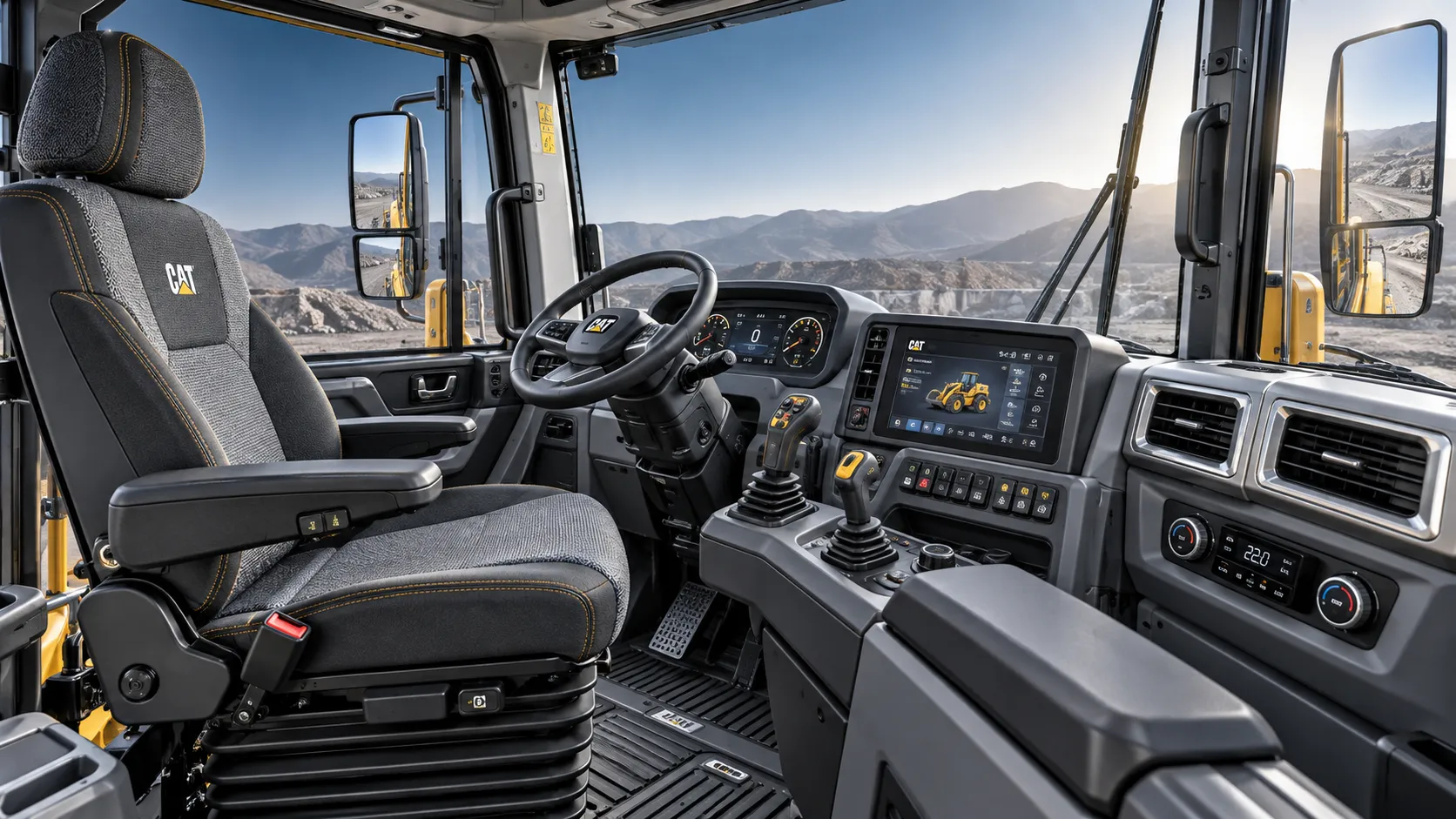
How Adjustable Cabin Ergonomics Reduce Operator Fatigue in Long-Shift Vehicles
Adjustable cabin ergonomics reduces operator fatigue through better seating, reach, visibility, vibration control, and climate comfort for safer long-shift vehicles.
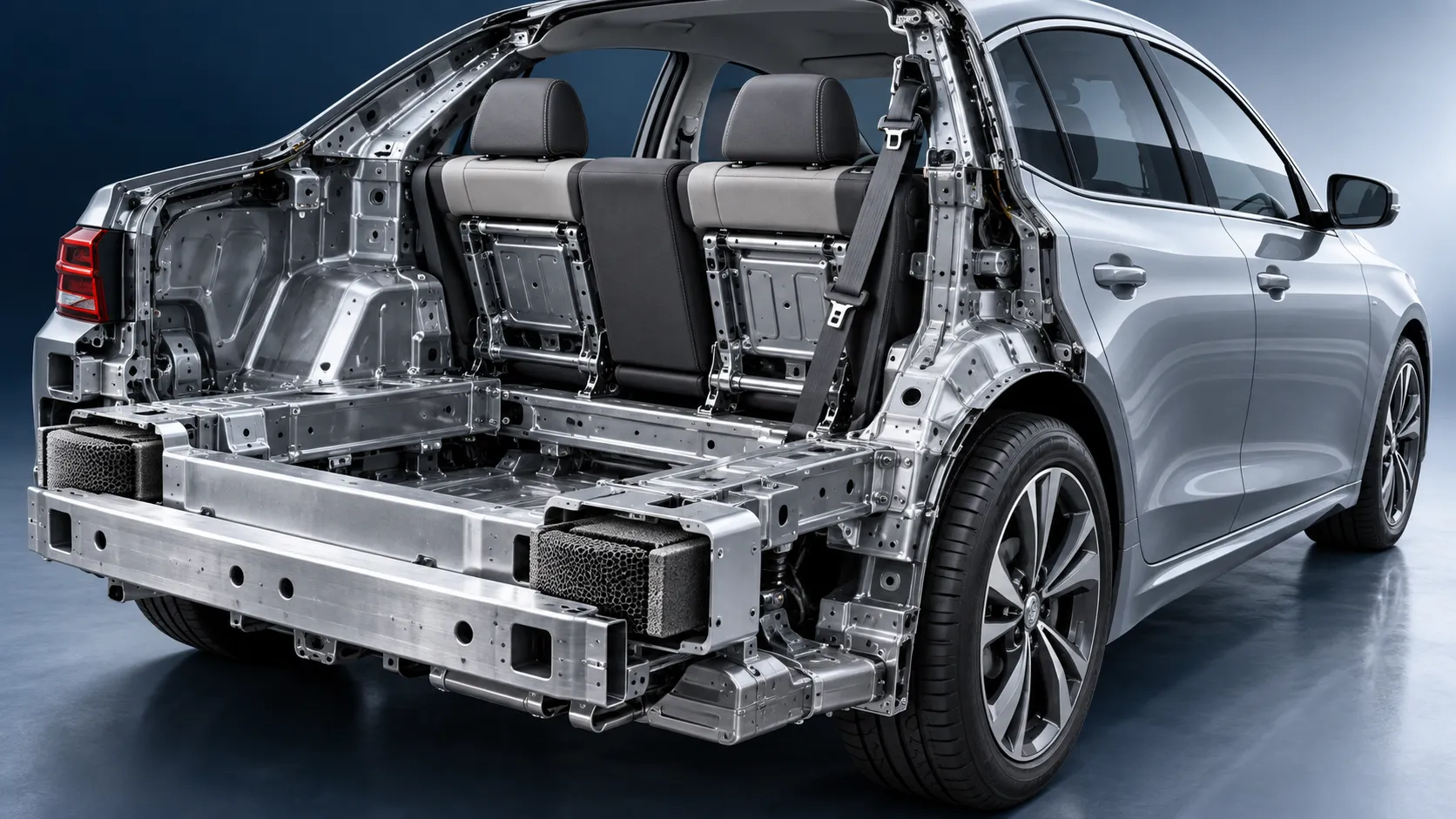
How Rear-Impact Safety Components Work Together to Protect Vehicle Occupants
Explore how automotive safety components for rear impact work together—from crash structures and seats to head restraints and belts—to enhance occupant protection.

How to Evaluate a Marine Safety Systems Manufacturer for Vessel Compliance and Reliability
Marine safety systems manufacturer evaluation guide: verify compliance, engineering quality, lifecycle costs, and global service support for safer, reliable vessel operations.
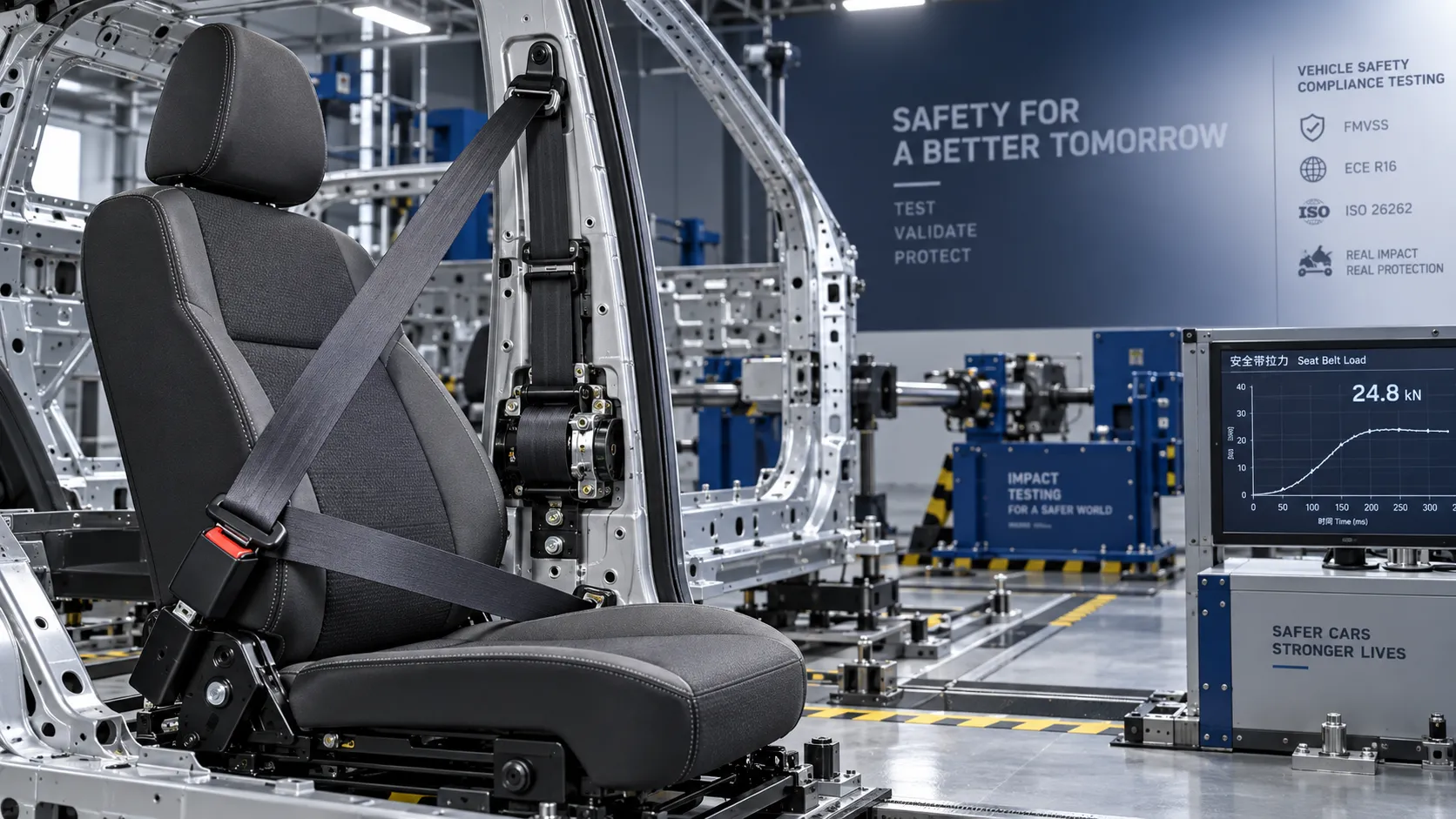
Crash Test Regulations for Seatbelts: Key Compliance Requirements Explained
Crash test regulations seatbelts explained: explore FMVSS, UN rules, anchorage strength, and dynamic restraint testing for safer, compliant vehicle systems.

How to Calculate the Total Cost of Automotive Lightweighting for a Vehicle Program
Automotive lightweight solutions cost: learn how to calculate program-level costs, including materials, tooling, joining, validation, risk, and vehicle-level value.

How Automotive Seat Occupancy Sensing Improves Airbag Deployment Decisions
Automotive seat occupancy sensing helps optimize airbag deployment decisions, improving passenger classification, safety diagnostics, and compliance across real-world conditions.
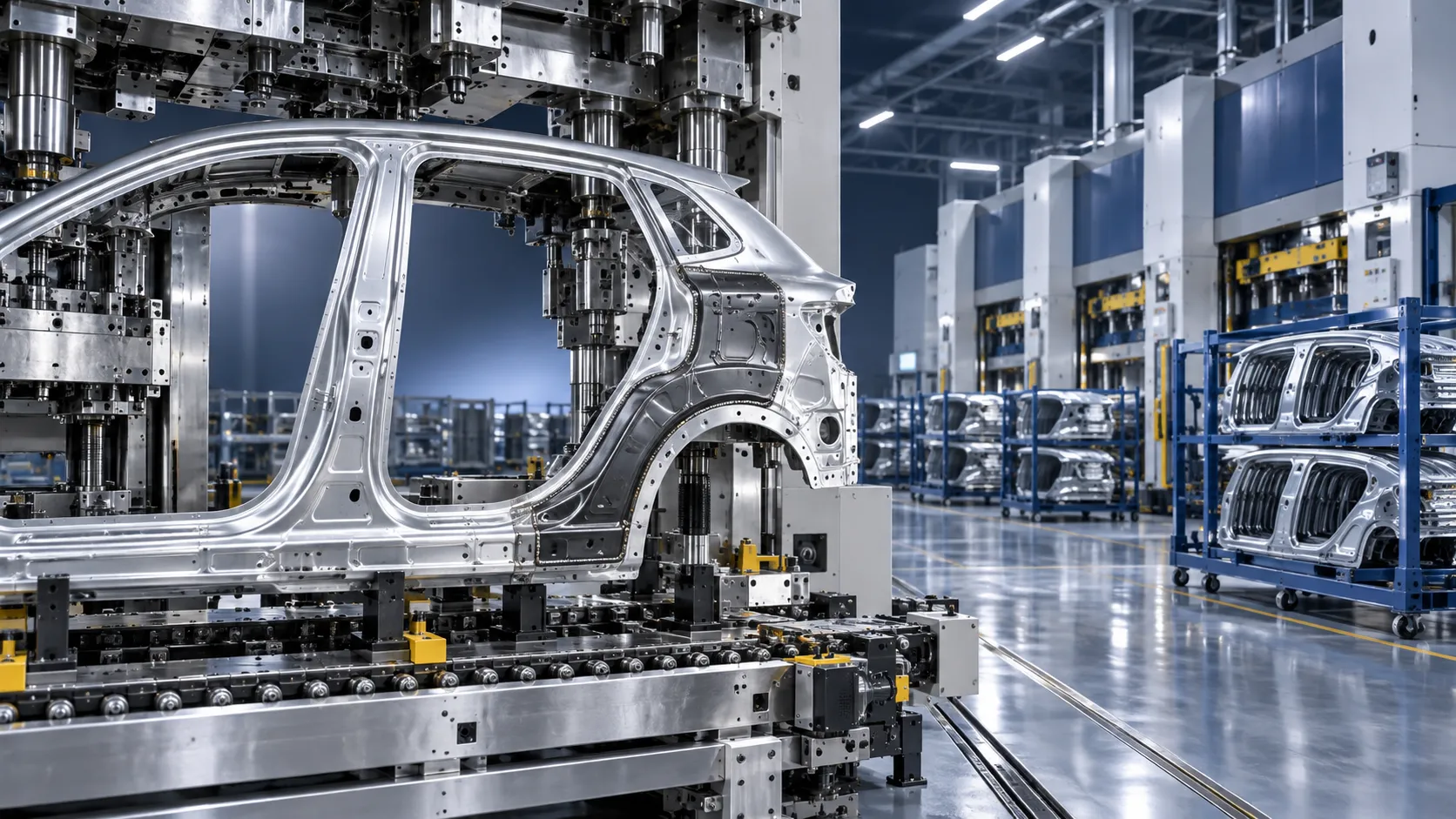
What Drives Lightweight Body Component Costs in High-Volume Vehicle Programs?
Lightweight body components cost depends on material yield, forming, joining, tooling, validation, and logistics. Explore proven ways to optimize total vehicle program cost.
Related News
- 00
0000-00
How 22MnB5 Hot Stamping Balances Crash Strength and Formability in Body Parts - 00
0000-00
22MnB5 Hot Stamped Steel Parts: Key Properties, Forming Limits, and Typical Uses - 00
0000-00
How to Evaluate Hot Stamped Steel Parts for Crash Performance and Weight Targets - 00
0000-00
Hot Stamping Processes Explained: Materials, Forming Steps, and Common Quality Defects - 00
0000-00
Hot Stamping Processes: Steps, Tooling, and Part Quality Factors That Matter
Weekly Insights
Stay ahead with our curated technology reports delivered every Monday.