
Selecting Airbag Assemblies for EVs: Crash Sensors and Deployment Criteria
A supplier may offer an airbag module that fits an EV’s steering wheel or instrument panel, yet physical fit alone does not establish that it will protect occupants in that vehicle. Select airbag assemblies for EVs as part of a validated restraint system: the crash sensors, electronic control unit, deployment logic, inflators, seatbelts, seats, and vehicle structure must work together across the intended collision conditions.
The decisive evidence is not a single deployment threshold or an inflator specification. It is a vehicle-specific account of when the system deploys, when it remains suppressed, and how the complete restraint package performs in representative tests. EV battery placement and structural load paths can alter the acceleration signals used for crash discrimination, so a calibration transferred from another platform needs fresh justification.
Start with the vehicle and restraint architecture
Before comparing assemblies, define the configurations the system must cover. A module intended for one body style, seat layout, or steering-wheel geometry may not be suitable for another, even when mounting points appear similar. Establish the intended markets, seating positions, airbag locations, occupant-detection features, and applicable vehicle variants. Include changes in battery enclosure, front-end structure, side sills, and underbody protection that could affect crash response.
Then identify the interfaces that bind the assembly to the rest of the restraint system. These include mechanical attachments, electrical connectors, squib circuits, diagnostic communication, and the electronic control unit’s deployment channels. The airbag is also paired with a particular trim opening and deployment path; a change to a cover, seam, bracket, or nearby component can affect how the cushion emerges.
Ask suppliers to state the boundaries of their proposed configuration. A module-level test can support a decision about manufacturing consistency or component behavior, but it cannot by itself demonstrate occupant protection in an untested vehicle installation.
Assess crash sensing against the events the vehicle must distinguish
Airbag decisions are normally made by a restraint control unit using signals from a central inertial sensor and, depending on the design, satellite sensors positioned elsewhere in the vehicle. Front impact sensors can provide earlier information about deformation; side sensing may use accelerometers, pressure sensors, or a combination. The value of a sensor depends on its location, signal quality, crash pulse, and the algorithm interpreting it—not simply on the number installed.
For an EV, review sensor placement alongside structural drawings and crash data. A stiff battery enclosure, a short front structure, or a different mass distribution may change how a collision pulse travels to the control unit. The same nominal impact speed can produce different sensor signals in different vehicles or against different barriers. Sensor mounting stiffness, orientation, tolerances, and local deformation also matter.
The review should cover both deployment and non-deployment events:
- Deployment candidates: relevant frontal, oblique, and side impacts, including impacts that load the structure differently or produce delayed intrusion.
- Non-deployment candidates: events such as curb strikes, potholes, door slams, or minor collisions that can create sharp local signals without requiring airbag deployment.
- Fault conditions: open or short circuits, sensor communication faults, loss of supply, and diagnostic behavior where relevant to the architecture.
- Variant sensitivity: changes in mass, wheelbase, restraint hardware, trim, or structural reinforcement that may shift sensor responses.
Request the sensor mounting requirements and the evidence supporting the selected locations. A useful comparison shows how candidate sensing layouts separate deployment events from non-deployment events, including the effects of production variation and signal noise. A sensor that detects an impact early is not automatically preferable if the signal cannot discriminate reliably between a severe crash and a benign disturbance.
Examine deployment criteria, not just a quoted threshold
There is no universal acceleration or impact-speed value that determines whether an airbag should fire. Deployment algorithms typically evaluate the evolving crash pulse and may use several inputs or decision paths. Depending on the system, occupant classification, seat position, belt status, and other available information can influence suppression or deployment strategy. The exact inputs and logic must be established for the proposed system rather than assumed from a feature list.
For each relevant crash mode, ask when the decision is made relative to occupant movement and vehicle intrusion. A decision made too late may leave insufficient time for the cushion to reach its intended protective state; an unnecessarily aggressive decision may increase the risk of deployment in an event where the restraint is not warranted. The acceptable timing window belongs to the complete vehicle and restraint configuration, not to the inflator alone.
Where a supplier proposes a multi-stage inflator or adaptive deployment, establish what controls the stages and what evidence supports each strategy. More operating modes can offer calibration flexibility, but they also introduce additional states and interfaces that need verification. Compare the proposed logic for belted and unbelted occupants where those conditions are relevant, as well as any supported occupancy or seating-position classifications.
Proprietary algorithms may limit access to source code. Even so, the technical review should obtain agreed evidence: input definitions, operating states, diagnostic and fault responses, calibration ownership, traceability to requirements, and test results showing behavior near deployment boundaries. A statement that a system is “smart” or “adaptive” does not answer these questions.
Match the cushion and inflator to the occupant environment
Inflator output, cushion volume, venting, tethering, and fabric behavior influence how the airbag interacts with an occupant. Compare these characteristics in the installed geometry rather than ranking suppliers by inflation speed or gas output alone. The available distance between an occupant and the module, the angle of deployment, steering-column movement, seat position, and belt load management all affect the required response.
For side protection, inspect the relationship among the cushion, seat structure, door trim, window opening, and potential intrusion path. A seat-mounted side airbag must be evaluated with the relevant seat frame, upholstery, seam design, and adjustment range. A curtain airbag requires attention to roof-rail packaging, pillar trim, retention points, and the space through which it unfolds.
Out-of-position conditions deserve explicit treatment. An occupant close to the module at deployment can interact with the cushion differently from an occupant seated in a nominal position. Ask which occupant conditions were assessed, which test methods were used, and whether suppression or adaptive firing is credited in those assessments. A favorable result for one seating position should not be generalized to every occupant or adjustment setting.
Electrical integration in an EV needs its own evidence
The restraint control unit, sensors, and firing circuits must remain functional during the crash window. Review supply architecture, energy reserves where used, grounding, connector retention, wiring routes, and protection against shorts or disconnections. The evaluation should address the electrical conditions anticipated during impact, including local harness damage and voltage disturbance.
High-voltage isolation and battery-disconnect functions are related safety functions, but they are not substitutes for airbag deployment logic. Establish whether crash information is exchanged between the restraint controller and other vehicle controllers, which controller owns each decision, and what happens if a message or power source is unavailable. Do not assume that a battery disconnect command proves that an airbag deployed, or vice versa.
Electromagnetic compatibility also matters around inverters, high-voltage cables, and other electrical equipment. Seek evidence for the installed system and its intended harness configuration, including immunity and diagnostic performance. Software changes, calibration updates, and replacement control units should be subject to configuration control so the verified restraint behavior remains traceable to the released vehicle build.
Use test evidence to compare proposals
A credible evidence package connects requirements to component tests, subsystem tests, simulation, and full-vehicle or representative crash tests. These activities answer different questions. Inflator characterization and cushion deployment tests help establish component behavior; sled tests can explore restraint performance under controlled pulses; vehicle crash tests show the interaction of structure, sensing, occupant motion, and intrusion. Simulation helps investigate variation, but its usefulness depends on model correlation and the range over which the model is applied.
When comparing proposals, request a test matrix that identifies the vehicle configuration, impact condition, occupant representation, belt state, seat position, airbag hardware, software and calibration versions, and measured outcomes. Review both injury-related measurements and the underlying deployment sequence. A result without its build and calibration context is difficult to apply to a different variant.
Also establish the compliance plan for each intended market. Legal requirements and consumer-rating protocols are not interchangeable, and applicability depends on the vehicle, seating positions, and jurisdiction. Ask which requirements and test configurations the evidence addresses, which remain open, and who is responsible for closing them. Avoid treating a supplier’s component documentation as proof that the complete vehicle meets every applicable requirement.
Resolve gaps before releasing a selection
Document each candidate against the same vehicle assumptions and identify missing evidence separately from unfavorable results. A missing oblique-impact assessment, for example, is not proof of failure, but it leaves a decision gap. Agree whether the gap requires testing, validated simulation, a justified engineering assessment, or a design change, and define who owns that work.
Pay particular attention to changes made after the evidence was generated. A revised battery enclosure, sensor bracket, seat foam, trim seam, connector, inflator, or deployment calibration can affect a different part of the restraint chain. The change review should identify affected requirements and determine what must be revalidated rather than assuming that a dimensionally similar part is equivalent.
Release the selection only when the proposed assembly, sensor configuration, control-unit software, and calibration are identified as a controlled set and the remaining limitations are accepted within the vehicle program’s safety and compliance process. Installation, handling, and service procedures for pyrotechnic components must follow the applicable manufacturer and vehicle-level instructions; selection should include access to those requirements as well as the crash-performance evidence.
Related News

How to Evaluate Supplier Solution References Before Signing a Contract
Evaluate supplier solution references with confidence. Learn how to verify technical evidence, identify delivery risks, and close gaps before signing a contract.
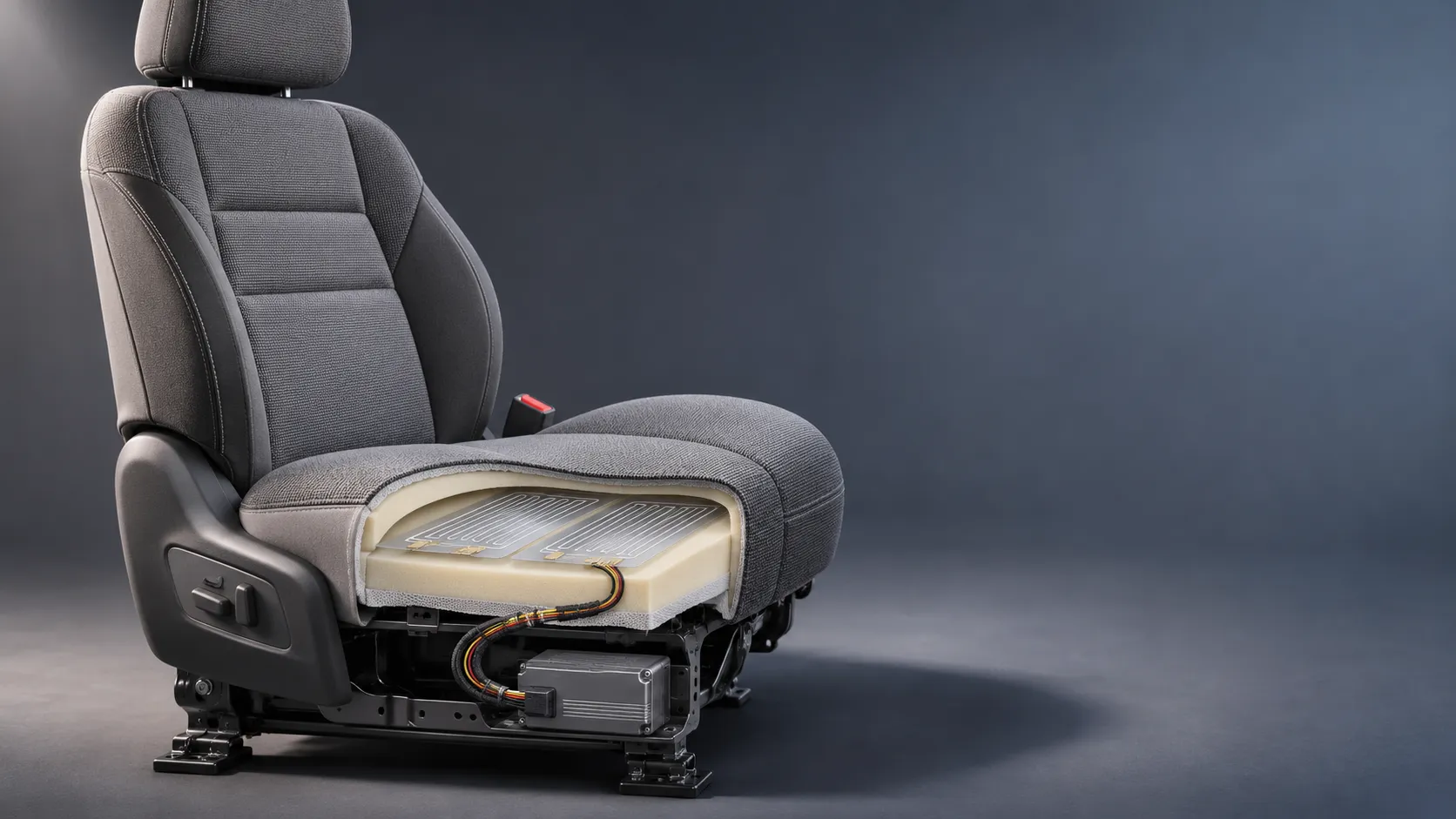
How Capacitive Seat Occupancy Sensing Works in Automotive Airbag Systems
Discover how capacitive seat occupancy sensing supports automotive airbag systems, and explore the design, calibration, and validation challenges behind reliable performance.
Industrial Product References: How to Verify Specs Before Ordering
Use an industrial product reference for procurement to verify specs, compatibility, and certifications before ordering—and reduce costly purchasing risks.
Choosing a Private Label Partner in Europe: Key Supplier Criteria
Private label cooperation Europe buyers can trust starts with the right supplier. Explore key criteria for compliance, quality, traceability and supply resilience.

Integrated Cabin Comfort Systems: How Seat and Cabin Climate Controls Work Together
Discover how integrated cabin comfort systems coordinate seat and climate controls to balance occupant comfort, energy use, safety, and performance.
Automotive Ergonomics Pricing: What Drives Seat System Costs?
Discover what drives automotive ergonomics pricing, from seat mechanisms and safety systems to tooling and volume, and learn how to compare supplier quotes.

Evaluating Supplier Solutions: How to Verify References and Standards
Supplier solution references and standards can make or break a sourcing decision. Learn how to verify claims, assess compliance, and reduce risk before awarding a contract.
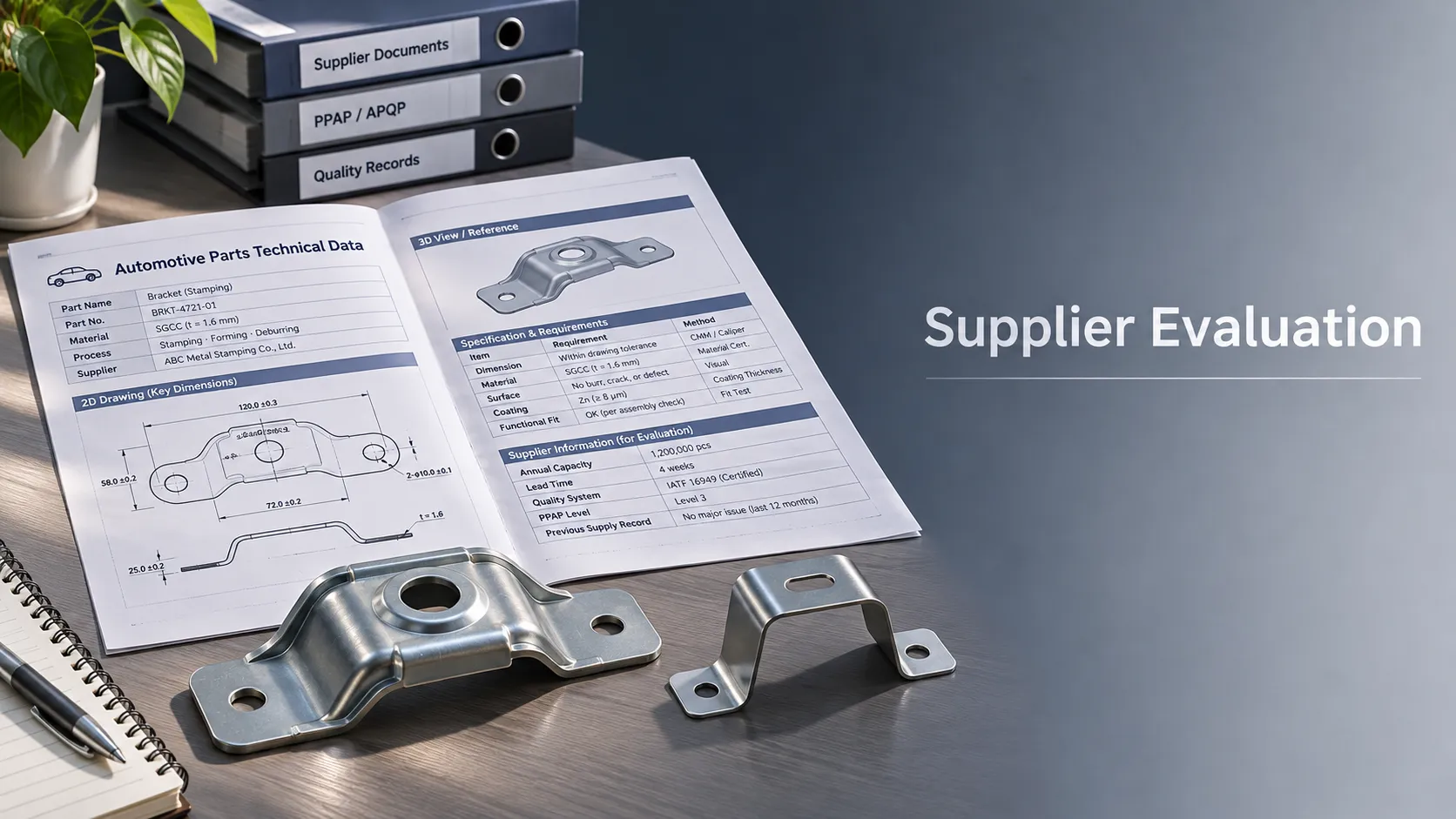
Choosing B2B Product Knowledge Platform Suppliers: Key Evaluation Criteria
Compare B2B product knowledge platform suppliers with confidence. Explore key criteria for data accuracy, supplier transparency, integrations, and value.
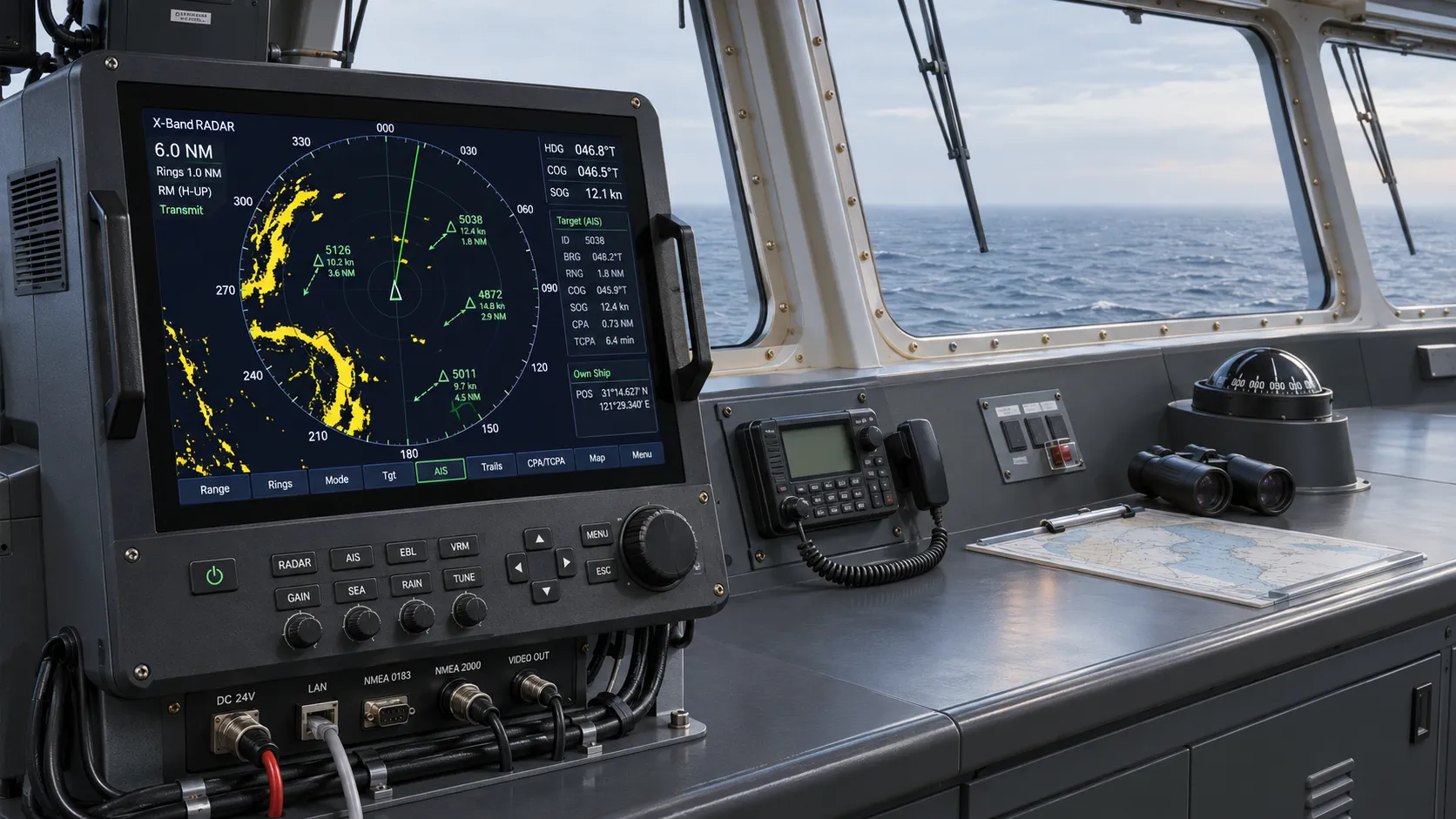
Choosing a Marine Radar Systems Supplier: What to Check Before Buying
Choosing a marine radar systems supplier? Compare installed costs, bridge compatibility, compliance evidence, and service support before you buy.
Related News
- 00
0000-00
How Capacitive Seat Occupancy Sensing Works in Automotive Airbag Systems - 00
0000-00
Selecting Airbag Assemblies for EVs: Crash Sensors and Deployment Criteria - 00
0000-00
How Sensors, Control Units, and Inflators Enable Multi-Stage Airbag Deployment - 00
0000-00
How Automotive Seat Occupancy Sensing Improves Airbag Deployment Decisions - 00
0000-00
How Smart Seating Sensors Improve Occupant Detection and Airbag Deployment
0000-00
Weekly Insights
Stay ahead with our curated technology reports delivered every Monday.