
How Sensors, Control Units, and Inflators Enable Multi-Stage Airbag Deployment
Multi-stage airbag deployment depends on more than rapid inflation. Crash sensors, restraint control units, and inflators must coordinate within milliseconds to match restraint performance to collision severity and occupant conditions. For technical evaluators assessing automotive airbag safety components, the essential question is not simply whether an airbag fires, but whether the system delivers the appropriate protection at the appropriate moment.
Two frontal crashes can produce similar vehicle speed changes yet demand different restraint responses. The crash pulse, structural deformation, occupant size, seating position, and belt use all influence how a person moves toward the steering wheel or instrument panel. From GNCS’s system-level perspective, evaluating an inflator without examining these relationships leaves much of its safety performance unexplained.
Multi-stage deployment is a restraint strategy, not just an inflator feature
A multi-stage airbag typically uses independently initiated gas-generating stages. In a dual-stage design, the restraint controller can select a permitted firing sequence and adjust the interval between stage initiations. Depending on the architecture and calibration, this may involve firing one stage, firing both in close succession, or separating their activation to shape the inflation profile.
That flexibility does not mean the system continuously adjusts inflation after deployment. Many production designs select a discrete firing strategy from sensor information available before and during the early crash event. The available choices are bounded by the inflator hardware, the vehicle-specific calibration, and validated operating conditions.
Nor does “second stage” necessarily mean a separate, visibly distinct deployment. The cushion may already be expanding when additional gas generation begins. Stage timing changes the pressure-time and mass-flow characteristics that interact with cushion volume, vents, fabric permeability, and occupant loading.
The safety objective is coordinated occupant deceleration, not maximum cushion pressure. An overly aggressive response can increase airbag-induced injury risk, particularly for occupants close to the module. An insufficient or delayed response can allow excessive excursion or contact with hard interior structures.
What the sensors must reveal before the occupant reaches the airbag
The sensing system has to distinguish a crash requiring restraint activation from events that should not trigger deployment. It also has to make that distinction early enough for the chosen restraint sequence to work. This is a demanding problem: initial signals may be incomplete, while waiting for certainty consumes available protection time.
Crash acceleration and the developing pulse
Central acceleration sensors in the restraint control unit measure vehicle motion at their mounting location. Remote sensors, often positioned nearer relevant structural load paths, can provide earlier or complementary information about impact development. Their exact arrangement varies by vehicle and crash coverage.
The controller evaluates signal characteristics over time rather than relying on a single peak acceleration. Filtered acceleration, integrated velocity-change estimates, pulse duration, and agreement between sensing channels can contribute to crash discrimination. Estimated velocity change is useful, but it is not an independently sufficient deployment criterion.
This distinction matters during component assessment. A sensor with impressive laboratory accuracy may still perform poorly if its mounting position, bracket stiffness, orientation, or signal latency is unsuitable for the vehicle’s crash dynamics. Sensor performance must be evaluated within the installed system.
Occupant information changes the permitted response
Passenger occupant-classification systems, seat-position sensors, and buckle-status inputs can influence deployment permissions or restraint selection. Depending on the system, a passenger airbag may be suppressed under defined conditions, while seat position and belt status may affect the selected deployment strategy.
These inputs have limits. A buckle switch indicates latch status, not proof that the belt is correctly routed. A seat-track measurement is not a direct measurement of head-to-airbag distance. Occupant classification can also be affected by posture, objects on the seat, or other conditions addressed in system validation.
Evaluators should therefore ask which occupant conditions are measured, which are inferred, and how uncertain or invalid signals are handled. “Occupant-adaptive” is meaningful only when its sensing capabilities and operating boundaries are clear.
Inside the restraint control unit: decision-making under a shrinking time window
The airbag control unit, also called the restraint control module, turns sensor information into firing commands. Its responsibilities include crash recognition, deployment authorization, sequence selection, circuit monitoring, and event recording where implemented. It must remain dependable while the vehicle experiences severe acceleration and possible electrical disruption.
A useful way to assess this controller is to separate three functions:
- Crash discrimination: Does the measured event require a particular restraint response?
- Deployment authorization: Are the necessary enabling conditions satisfied, including applicable occupant and safing logic?
- Firing execution: Can the unit deliver the required electrical initiation signal to the intended devices at the correct time?
These functions are related, but they are not interchangeable. An accurate crash decision is ineffective if firing energy is unavailable. A reliable firing circuit is dangerous if deployment authorization is vulnerable to a fault.
Architectures commonly incorporate safing mechanisms, diagnostic monitoring, watchdog functions, and measures intended to prevent unintended activation. The implementation varies; evaluators should not assume that every controller uses identical independent channels or voting logic. Evidence must explain how the actual design addresses credible faults.
Reserve energy is another critical interface. Because a collision can interrupt the vehicle power supply, the controller may store energy to support specified functions and restraint initiation. Assessment should cover the validated deployment load, power-loss behavior, environmental conditions, and component aging—not merely the presence of an energy-storage capacitor.
Timing should be treated as an end-to-end budget. Sensor response, communications, filtering, algorithm execution, firing-circuit operation, initiator response, and cushion inflation all consume time. A fast control algorithm cannot compensate automatically for delays elsewhere in the chain.
How staged inflators shape the cushion response
The inflator converts an electrical command into gas delivery. Depending on the design, gas may come from pyrotechnic generation or a hybrid arrangement combining stored gas and pyrotechnic activation. Independently initiated stages give the controller more than one validated output trajectory.
For a dual-stage inflator, changing the interval between stage initiations can alter gas delivery and cushion pressure development. However, the relationship is design-dependent. A longer interval should not automatically be described as “softer,” nor should simultaneous initiation be assumed to produce the same response across different inflators.
The cushion itself completes the picture. Vent area, tether geometry, folding pattern, module packaging, and fabric characteristics influence deployment and occupant interaction. Once the occupant loads the cushion, gas discharge through the vents helps manage energy. Consequently, a pressure trace from a rigid test tank cannot, by itself, establish occupant protection performance.
Environmental durability deserves particular scrutiny. Temperature, moisture exposure, corrosion, vibration, and material aging can affect initiation or gas-generation behavior. Supplier evidence should address relevant service-life conditions and manufacturing variability, not only nominal performance with newly manufactured samples.
If a strategy leaves a stage unfired during initial deployment, its subsequent treatment must follow the manufacturer’s validated design. Post-crash handling, diagnostic interpretation, and disposal procedures cannot be inferred from generic descriptions of dual-stage operation.
The airbag must work with the belt, seat, and vehicle structure
A frontal airbag is generally a supplemental restraint. Belt pretensioners help manage early occupant motion, while load limiters control belt force as the occupant decelerates. The airbag then contributes to managing head and torso motion within the available cabin space.
Changing one element can shift the demands on the others. A revised belt load limiter may alter forward excursion. A seat adjustment range can change occupant proximity to the module. Changes to body structures can modify the crash pulse used by the deployment algorithm. These are integration changes, not isolated purchasing decisions.
This is where GNCS’s coverage of body stampings, seatbelt systems, seat assemblies, and airbag assemblies intersects. Component quality and system compatibility are separate evaluation questions. An inflator that meets its specification may still be unsuitable for a particular cushion, cabin geometry, or restraint calibration.
Standards: distinguish legal compliance from comparative safety assessment
For technical evaluators, standards review should begin with the target market and the applicable vehicle category. In the United States, FMVSS No. 208 addresses occupant crash protection and includes advanced-airbag requirements. Other relevant requirements may apply to belts, anchorages, interior impact protection, and associated systems.
In markets applying UNECE regulations, provisions such as UN Regulations Nos. 94 and 137 address frontal-impact protection within their respective scopes. Applicability depends on jurisdiction, vehicle category, and the relevant regulatory version; these regulations should not be treated as interchangeable universal specifications.
Euro NCAP and IIHS assessments add comparative safety evidence, but they are not substitutes for legal compliance. Their test configurations and assessment criteria can influence restraint development beyond minimum regulatory requirements. Always identify the protocol version behind a claimed result.
ISO 26262 provides a framework for addressing functional safety risks arising from malfunctioning automotive electrical and electronic systems. It does not, by itself, establish airbag injury performance or prove inflator durability. Mechanical, chemical, environmental, and occupant-protection evidence remain necessary.
What convincing evaluation evidence looks like
A strong technical submission connects requirements to test results across the complete signal-to-deployment chain. Rather than accepting a broad claim of “multi-stage capability,” request evidence that answers practical integration questions:
- Which firing combinations and stage intervals are permitted, and under what conditions?
- How do sensor tolerances, mounting variation, and communication delays affect deployment decisions?
- What happens when occupant information is missing, inconsistent, or outside its validated range?
- How are unintended firing and failure to fire addressed through diagnostics and safety mechanisms?
- How does inflator output vary across temperature, aging, and production tolerances?
- Which sled and vehicle tests support the proposed cushion, belt, seat, and controller combination?
- What changes require recalibration, additional testing, or renewed compliance review?
Traceability matters as much as the volume of documentation. Evaluators should be able to connect the tested hardware revision, software calibration, inflator configuration, and vehicle installation to the proposed production system. A successful test on a different configuration may be informative, but it is not automatically transferable.
Ultimately, credible assessment of automotive airbag safety components rests on demonstrated coordination. Sensors must capture the developing event, the controller must select and execute a justified response, and the inflator must deliver predictable gas output through a compatible module. Multi-stage capability becomes a meaningful safety advantage only when that entire chain is validated against the occupants, environments, and crash conditions it is intended to protect.
Related News

How to Evaluate Supplier Solution References Before Signing a Contract
Evaluate supplier solution references with confidence. Learn how to verify technical evidence, identify delivery risks, and close gaps before signing a contract.
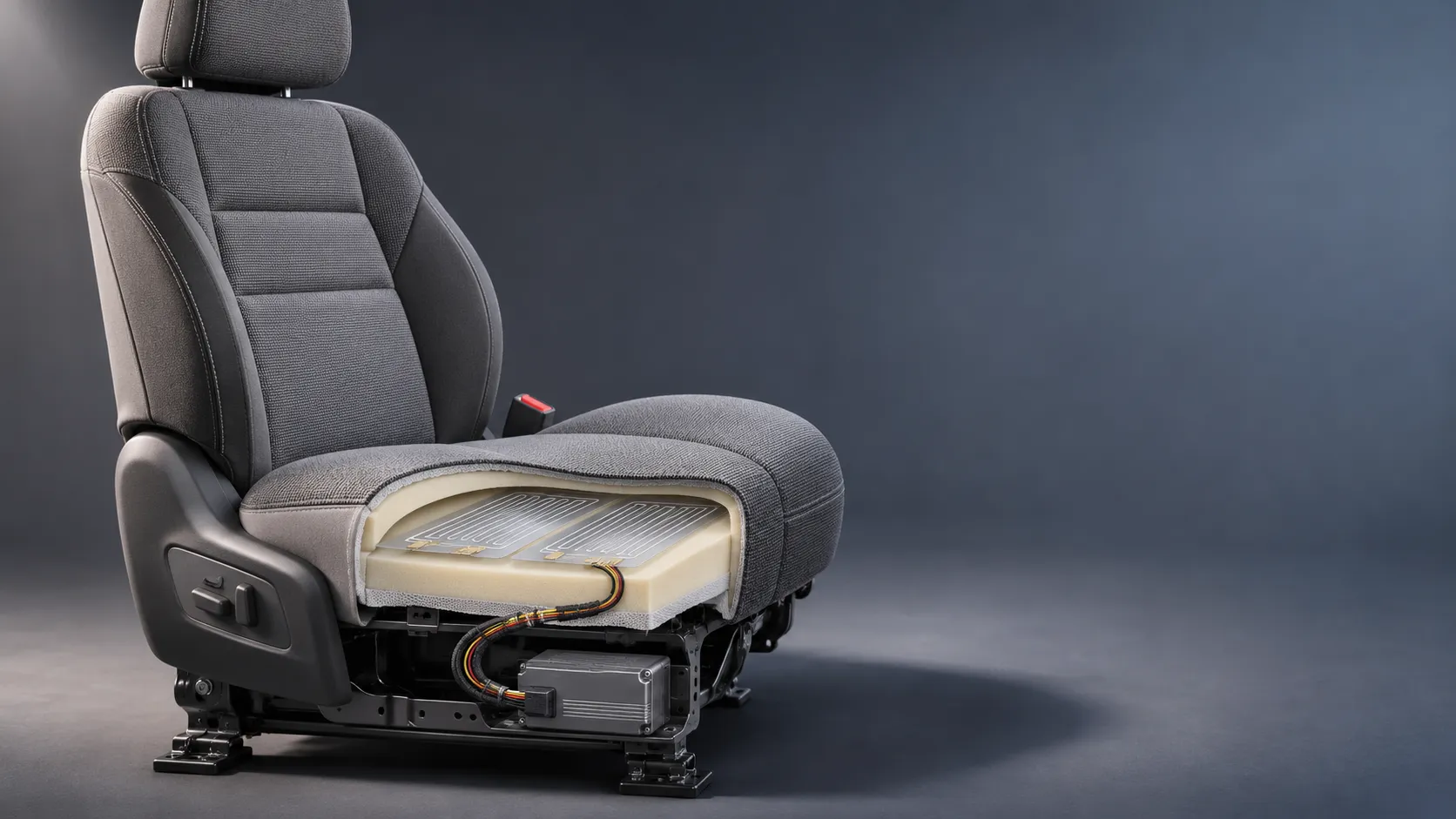
How Capacitive Seat Occupancy Sensing Works in Automotive Airbag Systems
Discover how capacitive seat occupancy sensing supports automotive airbag systems, and explore the design, calibration, and validation challenges behind reliable performance.
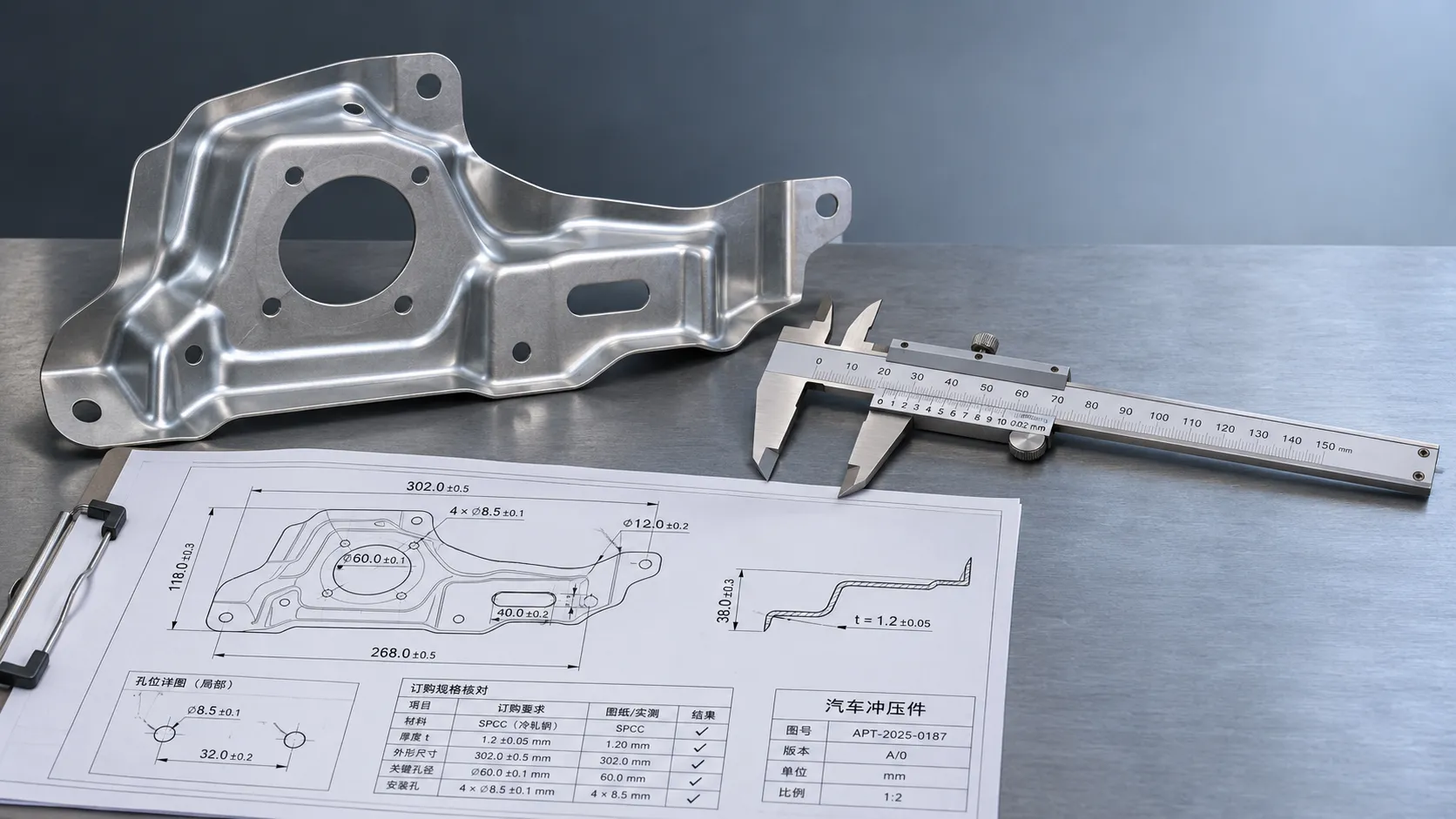
Industrial Product References: How to Verify Specs Before Ordering
Use an industrial product reference for procurement to verify specs, compatibility, and certifications before ordering—and reduce costly purchasing risks.
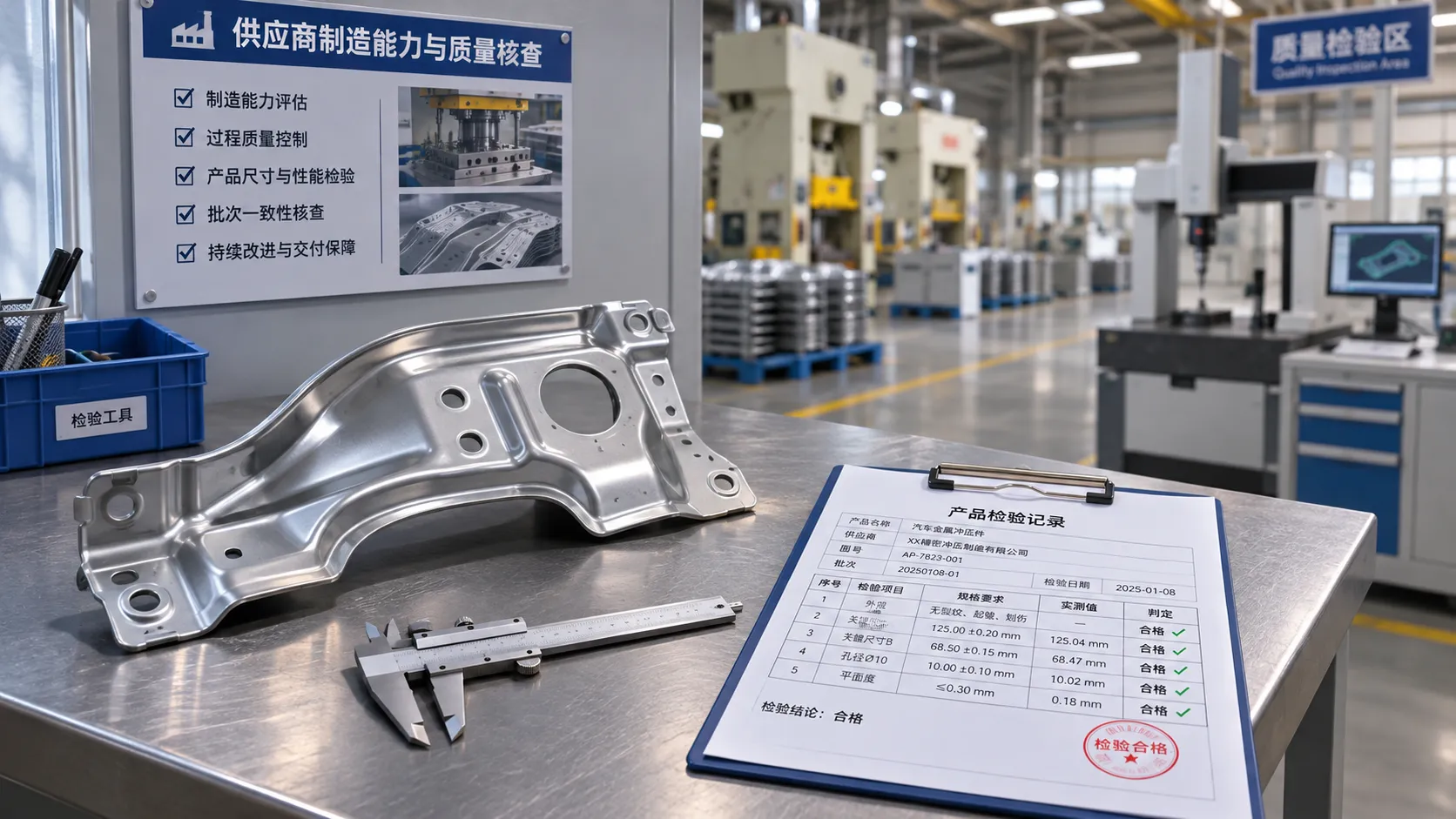
Choosing a Private Label Partner in Europe: Key Supplier Criteria
Private label cooperation Europe buyers can trust starts with the right supplier. Explore key criteria for compliance, quality, traceability and supply resilience.

Integrated Cabin Comfort Systems: How Seat and Cabin Climate Controls Work Together
Discover how integrated cabin comfort systems coordinate seat and climate controls to balance occupant comfort, energy use, safety, and performance.
Automotive Ergonomics Pricing: What Drives Seat System Costs?
Discover what drives automotive ergonomics pricing, from seat mechanisms and safety systems to tooling and volume, and learn how to compare supplier quotes.
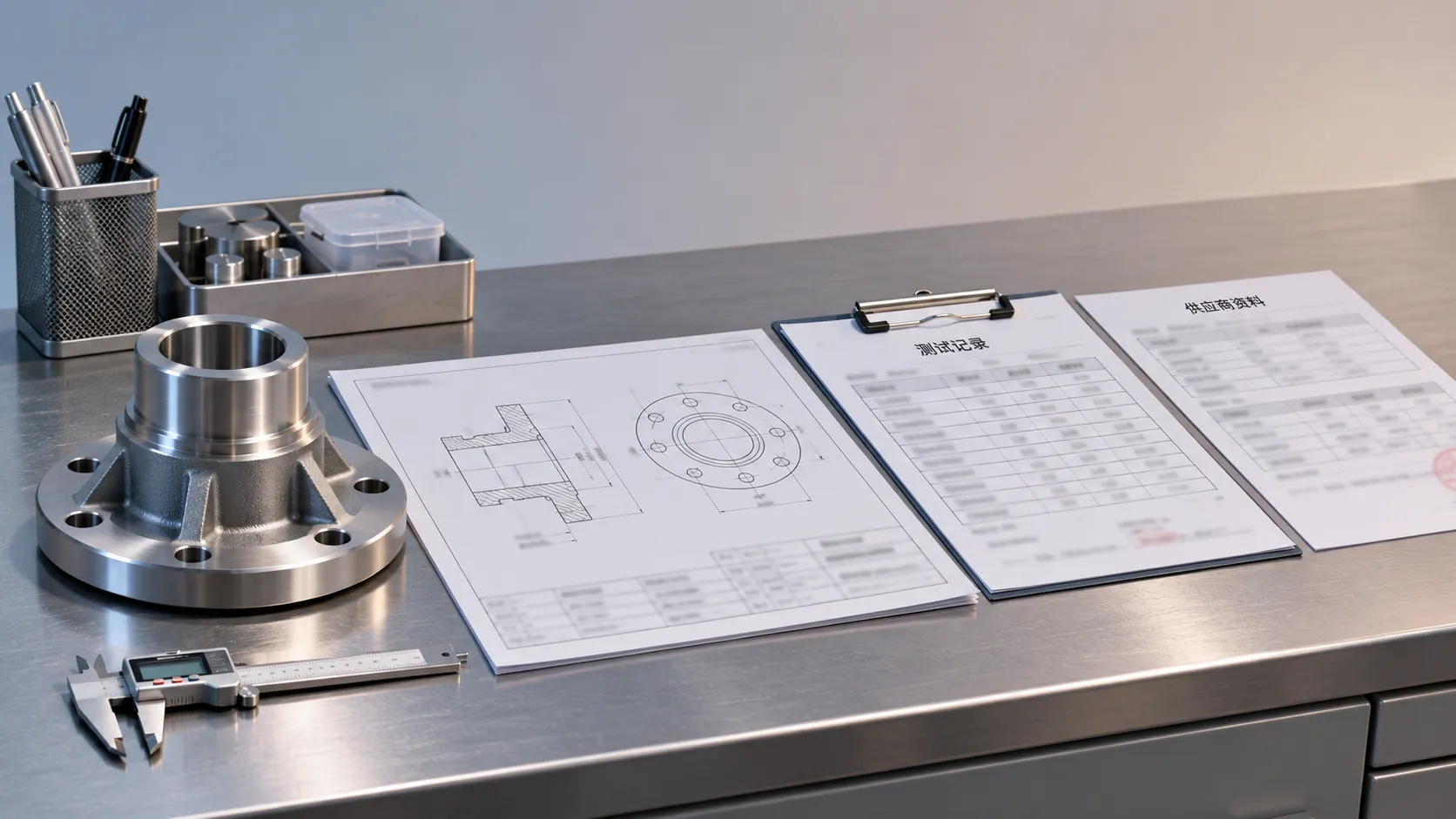
Evaluating Supplier Solutions: How to Verify References and Standards
Supplier solution references and standards can make or break a sourcing decision. Learn how to verify claims, assess compliance, and reduce risk before awarding a contract.
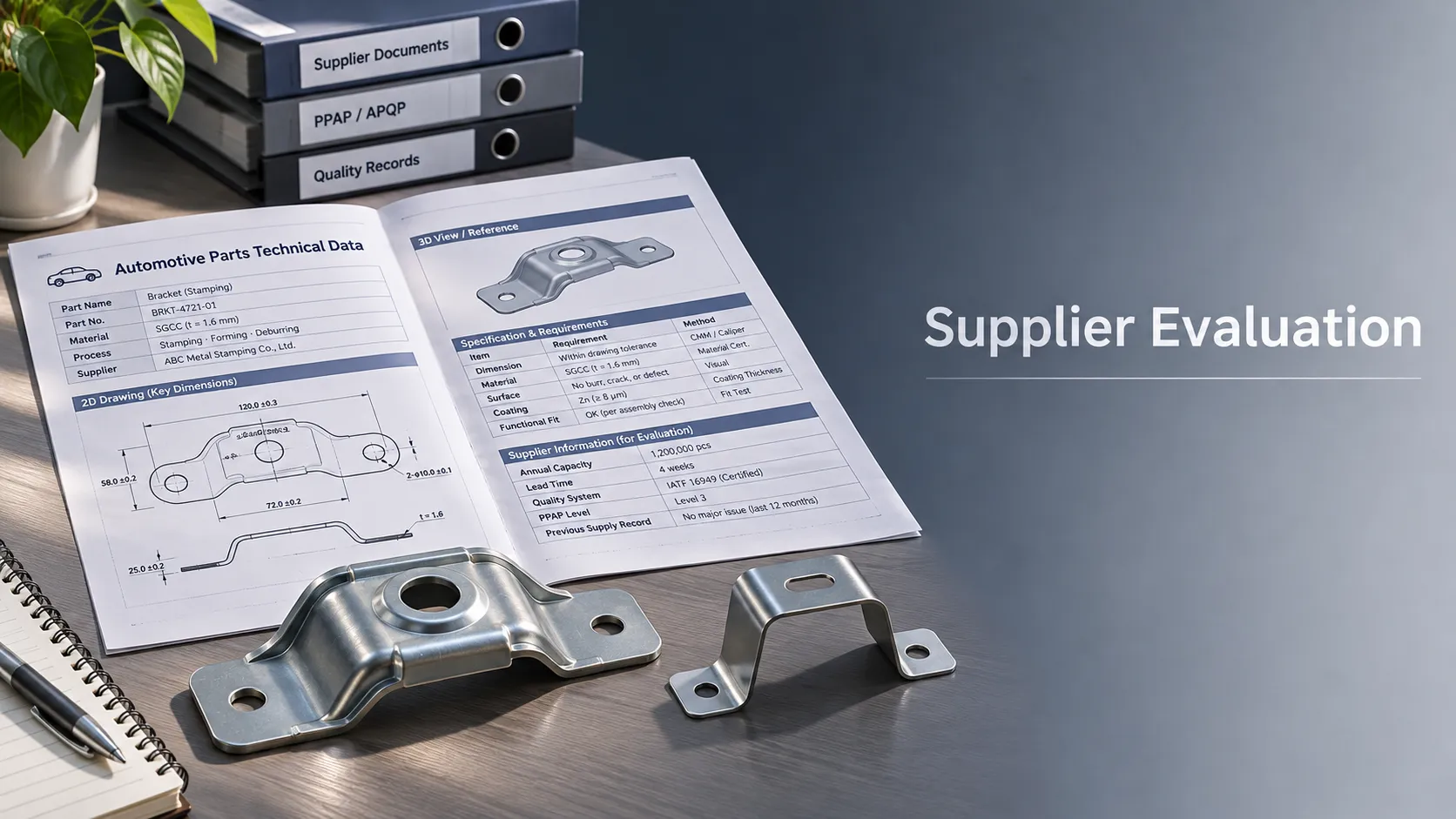
Choosing B2B Product Knowledge Platform Suppliers: Key Evaluation Criteria
Compare B2B product knowledge platform suppliers with confidence. Explore key criteria for data accuracy, supplier transparency, integrations, and value.
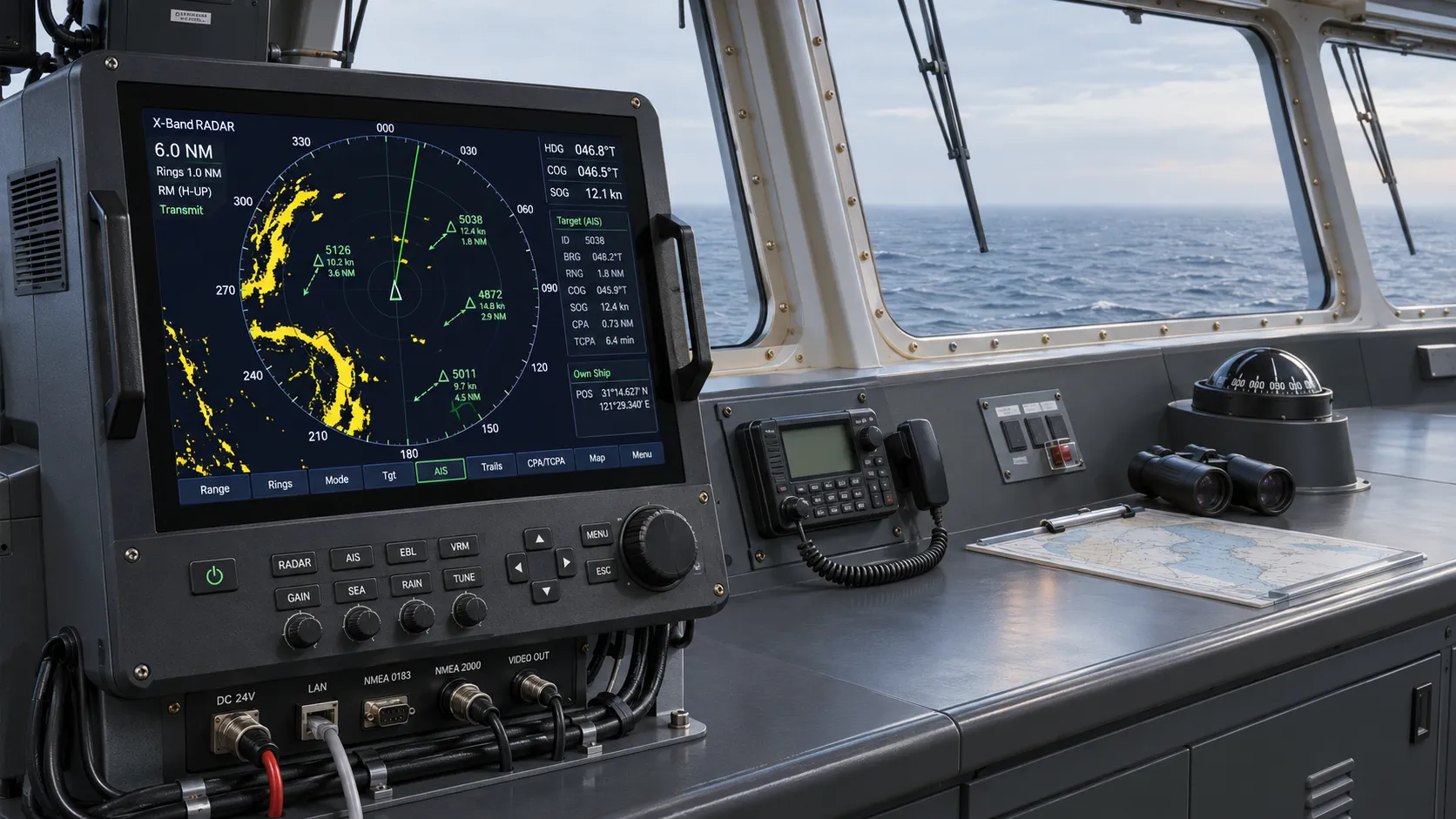
Choosing a Marine Radar Systems Supplier: What to Check Before Buying
Choosing a marine radar systems supplier? Compare installed costs, bridge compatibility, compliance evidence, and service support before you buy.
Related News
- 00
0000-00
How Capacitive Seat Occupancy Sensing Works in Automotive Airbag Systems - 00
0000-00
Selecting Airbag Assemblies for EVs: Crash Sensors and Deployment Criteria - 00
0000-00
How Sensors, Control Units, and Inflators Enable Multi-Stage Airbag Deployment - 00
0000-00
How Automotive Seat Occupancy Sensing Improves Airbag Deployment Decisions - 00
0000-00
How Smart Seating Sensors Improve Occupant Detection and Airbag Deployment
0000-00
Weekly Insights
Stay ahead with our curated technology reports delivered every Monday.