
Which Technical Resources Help Teams Validate Suppliers Before Project Approval?
Which Technical Resources Help Teams Validate Suppliers Before Project Approval?
A supplier quotation can show unit price, tooling cost, lead time, and payment terms. It cannot, by itself, show whether a marine radar will maintain dependable performance in a harsh electromagnetic environment, whether a hot-stamped structural part will achieve the required crash behavior after forming, or whether an airbag assembly can be traced through every controlled process that affects occupant protection.
For safety-critical mobility and marine projects, supplier approval is not simply a commercial comparison. It is a technical risk decision with cost consequences that may appear much later: validation delays, failed audits, engineering changes, warranty exposure, line interruptions, or a costly requalification when a component cannot be sold into the intended market. The most useful resources are therefore the ones that allow procurement, quality, engineering, and compliance teams to test a supplier’s claims against verifiable evidence.
The objective is not to demand every document available. It is to assemble a focused evidence package that answers a practical question: can this supplier repeatedly deliver the specified product, under the actual operating conditions and regulatory expectations of this project?
Start with a controlled technical baseline
Many approval problems begin before a supplier has even been selected. Buyers request pricing against incomplete drawings, generic descriptions, or a previous program’s specification. Suppliers then quote different assumptions. One may include corrosion protection, end-of-line testing, traceability labels, or software support; another may exclude them without making the omission obvious. The lower quote looks attractive because the technical baseline was never fixed.
A controlled specification package is the first and most important resource. Depending on the component, it may include drawings, bills of materials, material grades, dimensional tolerances, interface definitions, environmental conditions, durability targets, functional safety expectations, packaging requirements, and acceptance criteria. Revision status matters. A supplier should be responding to the same released information that the internal engineering team is using.
For marine navigation equipment, the technical baseline may need to clarify interfaces with vessel systems, power supply conditions, antenna configuration, data protocols, intended operational environment, and applicable class or flag-state requirements. For automotive body stampings, it should distinguish nominal sheet grade from finished-part requirements, including coating condition, geometry-critical areas, and the validation approach for formed material properties. For seats, belts, and airbags, the system boundary is equally important: a component may perform correctly in isolation but still fail to meet vehicle-level timing, packaging, restraint, sensing, or crash-pulse expectations.
Use certifications as entry evidence, not final proof
Certification databases, valid certificates, and audit records are valuable screening resources. They help establish whether a manufacturer operates within a recognized management system and whether the documented scope covers the site and product family under review. But a certificate is not a substitute for project-specific technical validation.
Teams should verify the issuing body, validity dates, manufacturing location, and scope rather than accepting a logo in a presentation. A quality management certificate for one plant does not automatically apply to a sister facility that will make the production parts. Nor does a broad statement about automotive or marine experience confirm capability in a particular process, such as hot forming, inflator assembly, webbing weaving, EMC testing, or embedded navigation software maintenance.
Compliance resources need the same discipline. A supplier may cite IIHS or Euro NCAP results, for example, but these are vehicle assessment programs rather than blanket certifications for an individual purchased component. What matters is whether the supplier can provide evidence relevant to the vehicle architecture, target market, and validation plan. For marine systems, buyers should confirm which regulations, approvals, or class-related expectations apply to the vessel and route rather than assuming one regional approval resolves every operational requirement.
Read test reports as engineering evidence
Test reports are among the strongest supplier-validation resources when they are read beyond the pass/fail line. Procurement teams do not need to replace engineers, but they should know what makes a report decision-ready. At minimum, it should identify the tested sample, product revision, relevant configuration, test method, date, test environment, measured results, and conclusion. Missing traceability between the tested sample and the quoted production design is a warning sign.
Context changes the meaning of a result. A navigation display tested in a benign bench environment does not demonstrate system resilience on a vessel exposed to vibration, humidity, power variation, and connected equipment. A tensile result from incoming high-strength steel is not proof that a stamped part retains the required properties after thermal processing. An airbag deployment test must be interpreted with the matching inflator, cushion configuration, electronics, and intended restraint system. A seatbelt retractor result may depend on mounting geometry and vehicle integration.
Ask for the test matrix, not only the favorable report. The matrix shows which conditions have been covered, which remain open, and whether validation was performed on representative production-intent parts. This can prevent an expensive misconception: that a component is “validated” when only a preliminary design sample has been tested.
Examine manufacturing capability where failures are actually created
A supplier’s process flow, control plan, equipment list, maintenance approach, and traceability map reveal much more than a polished factory overview. They show how the organization controls the points where variation enters the product. In high-risk categories, buyers should request evidence that links critical product characteristics to specific operations, inspection methods, reaction plans, and retained records.
For auto body stampings, the important questions may involve die condition, press capacity, heating and transfer control for hot stamping, quench consistency, part handling, dimensional measurement strategy, and controls over material batch changes. For airbag assemblies, relevant evidence can include component lot traceability, controlled handling of sensitive materials, error-proofing, functional checks, and segregation of nonconforming material. Seat assemblies introduce a broad mix of welded structures, mechanisms, foam, trim, sensors, electrical connections, and ergonomic requirements. A supplier that treats these as separate purchasing categories without an integrated validation plan may leave responsibility gaps at the final assembly stage.
Manufacturing evidence should also address capacity honestly. Nameplate capacity is not the same as available capacity after maintenance, changeovers, scrap, customer-specific inspection, and parallel program demand. Where supply continuity is essential, assess single points of failure: a dedicated tool, a unique test fixture, a sole sub-tier source, proprietary firmware access, or a specialist operator group. These issues are often more material to total cost than a modest difference in piece price.
Traceability and change control protect the approval decision
Project approval should cover the supplier’s ability to keep the approved product stable. A technically capable supplier can still create serious risk if material substitutions, tooling changes, sub-supplier changes, software updates, or process relocations occur without disciplined notification and revalidation.
The practical resource here is a documented change-management process. Buyers should understand what the supplier defines as a change, who approves it, how customers are notified, and what validation is required before implementation. This is especially relevant for connected navigation products, where firmware and cloud-update protocols may affect cybersecurity, interoperability, or operational behavior after delivery. It also matters for restraint components, where a seemingly minor change in material, coating, sewing process, or electronics can require renewed assessment.
Traceability should be evaluated from both directions. Can the supplier identify the material lots, process records, test status, and shipment destination for a delivered batch? Can it rapidly isolate affected units if a sub-tier issue emerges? The appropriate depth depends on the project, but vague assurances are not enough for products tied to safety, compliance, or service obligations.
Bring commercial analysis into the technical review
Cost-focused sourcing does not mean separating price from technical evidence. It means identifying where cost is real, where it has been deferred, and where it may reappear after nomination. A quote should be normalized against the same scope: engineering support, validation samples, tooling ownership, gauges and fixtures, testing responsibilities, packaging, logistics assumptions, warranty terms, spare-part exposure, and post-launch change costs.
A low-priced supplier may still be the right decision if its technical scope is clear and the remaining validation work is planned, funded, and achievable. The problem is not a lower price. The problem is approving a lower price that relies on untested assumptions. Procurement can improve internal alignment by maintaining a supplier-risk register that records open technical items, evidence owners, due dates, commercial exposure, and the decision threshold for release.
This is also where independent industry intelligence can be useful. GNCS follows the technical connections between precision spatial perception and physical containment protection across marine navigation, lightweight automotive structures, airbags, seatbelts, and smart seats. Its Strategic Intelligence Center examines changing maritime compliance expectations, crash-test developments, ECDIS update practices, inflator chemistry trends, and material choices such as magnesium seat frames. For a buyer, this type of resource does not replace supplier documentation. It helps frame sharper questions when a quotation, test report, or claimed capability sits within a rapidly changing technical landscape.
Approve evidence, not confidence
The strongest supplier approvals are built from a small number of connected facts: a controlled specification, verified site and compliance information, relevant test evidence, credible process controls, traceable production records, and a clear plan for unresolved validation items. A supplier’s responsiveness and reputation may influence the decision, but neither should fill gaps in evidence.
Before project approval, ask one final question: if the product failed in service, during an audit, or at vehicle or vessel integration, would the current document set explain what was supplied, how it was made, what was tested, and who authorized changes? If the answer is uncertain, the most cost-effective action is usually not to negotiate another price reduction. It is to close the information gap before the project commits to production.
Related News

How to Evaluate Supplier Solution References Before Signing a Contract
Evaluate supplier solution references with confidence. Learn how to verify technical evidence, identify delivery risks, and close gaps before signing a contract.

How Capacitive Seat Occupancy Sensing Works in Automotive Airbag Systems
Discover how capacitive seat occupancy sensing supports automotive airbag systems, and explore the design, calibration, and validation challenges behind reliable performance.
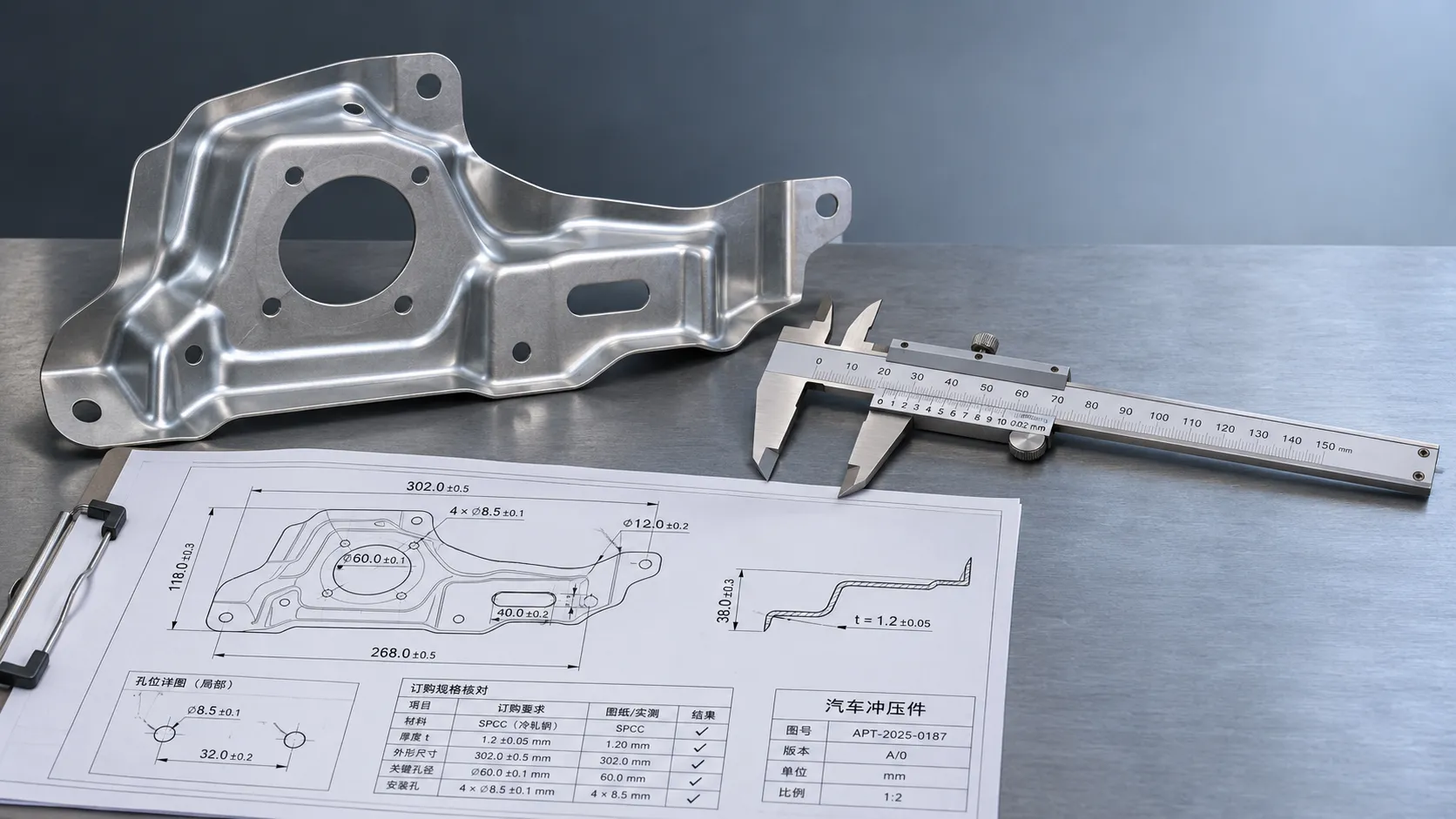
Industrial Product References: How to Verify Specs Before Ordering
Use an industrial product reference for procurement to verify specs, compatibility, and certifications before ordering—and reduce costly purchasing risks.
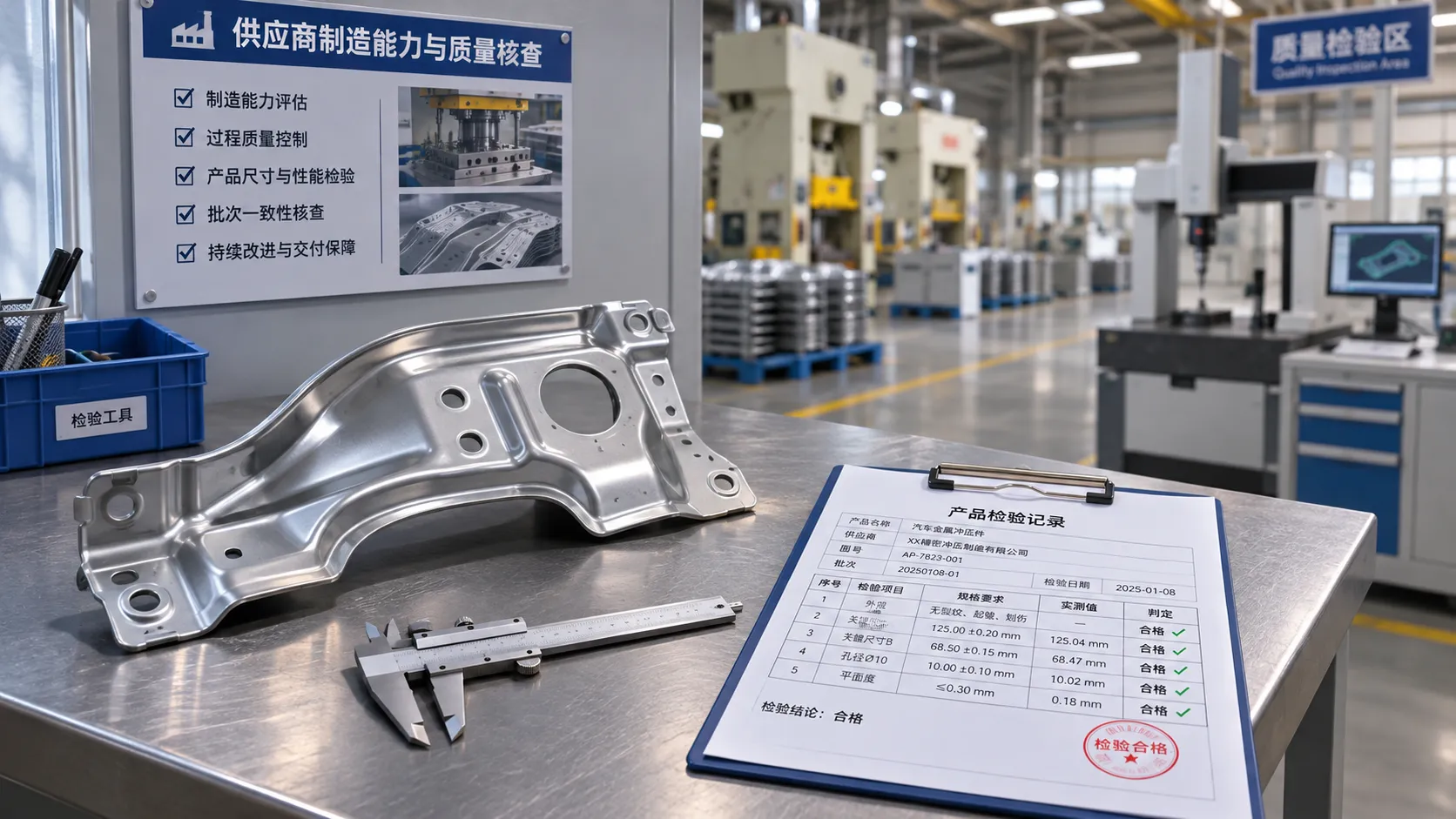
Choosing a Private Label Partner in Europe: Key Supplier Criteria
Private label cooperation Europe buyers can trust starts with the right supplier. Explore key criteria for compliance, quality, traceability and supply resilience.

Integrated Cabin Comfort Systems: How Seat and Cabin Climate Controls Work Together
Discover how integrated cabin comfort systems coordinate seat and climate controls to balance occupant comfort, energy use, safety, and performance.

Automotive Ergonomics Pricing: What Drives Seat System Costs?
Discover what drives automotive ergonomics pricing, from seat mechanisms and safety systems to tooling and volume, and learn how to compare supplier quotes.
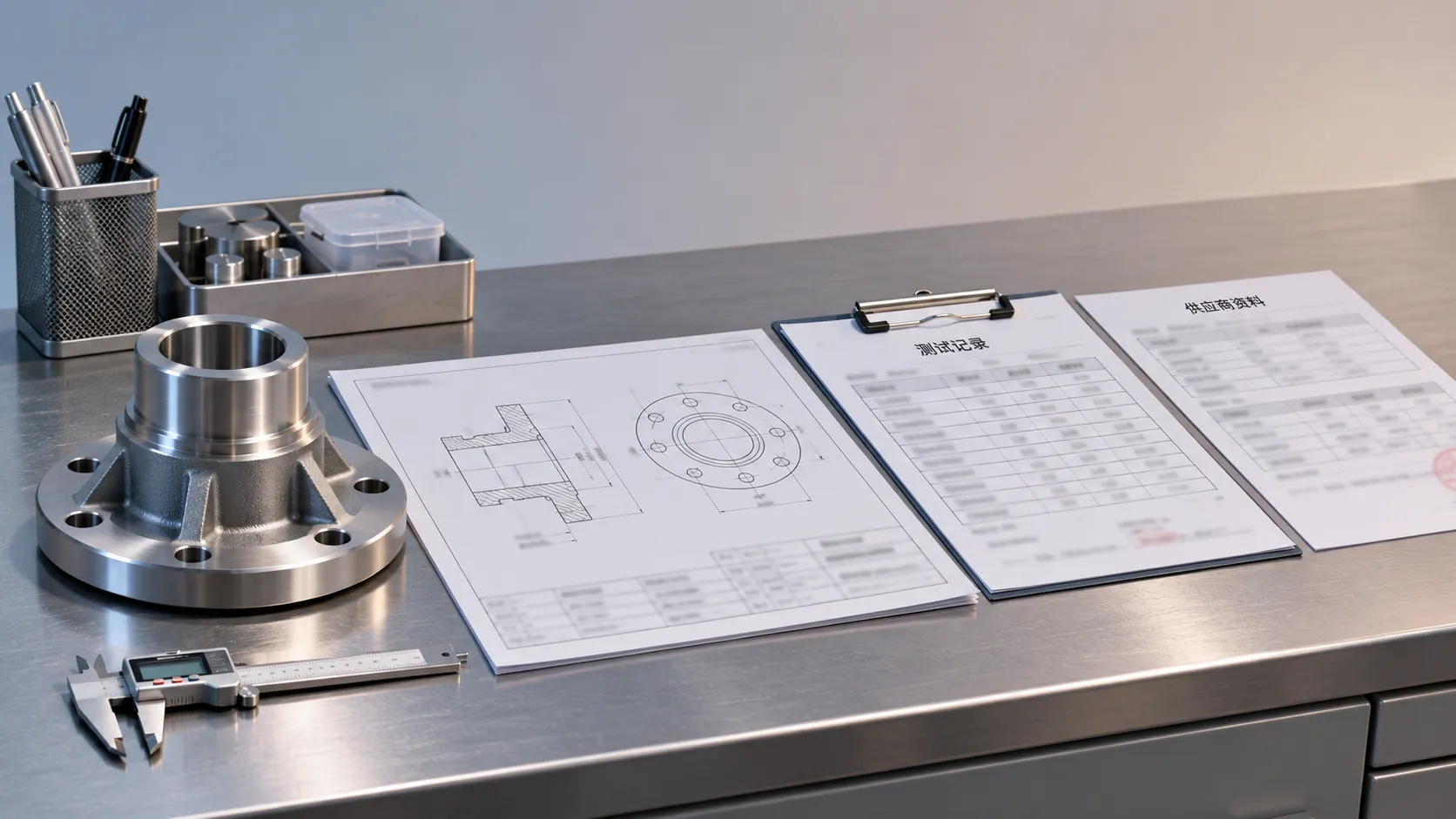
Evaluating Supplier Solutions: How to Verify References and Standards
Supplier solution references and standards can make or break a sourcing decision. Learn how to verify claims, assess compliance, and reduce risk before awarding a contract.
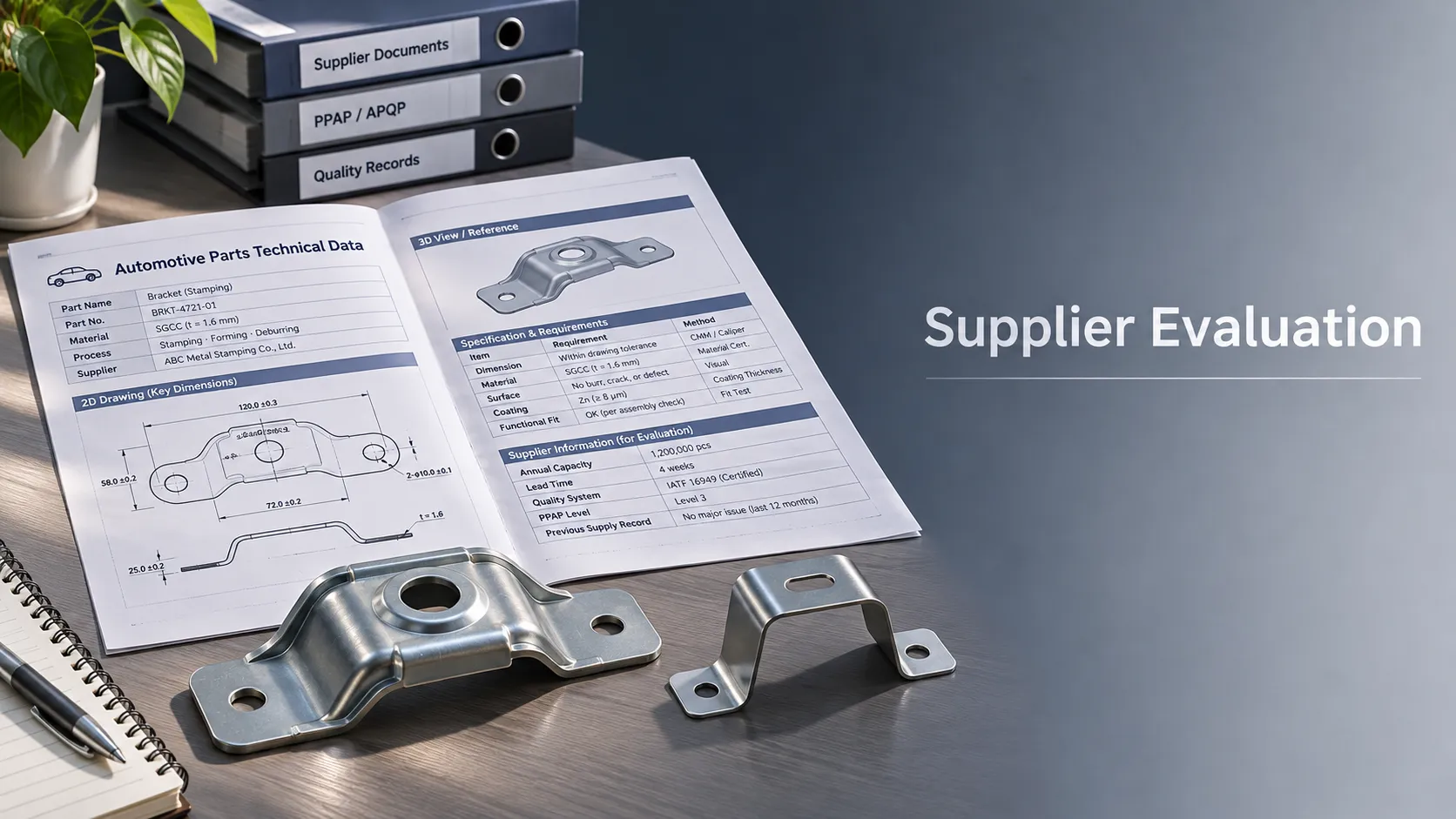
Choosing B2B Product Knowledge Platform Suppliers: Key Evaluation Criteria
Compare B2B product knowledge platform suppliers with confidence. Explore key criteria for data accuracy, supplier transparency, integrations, and value.
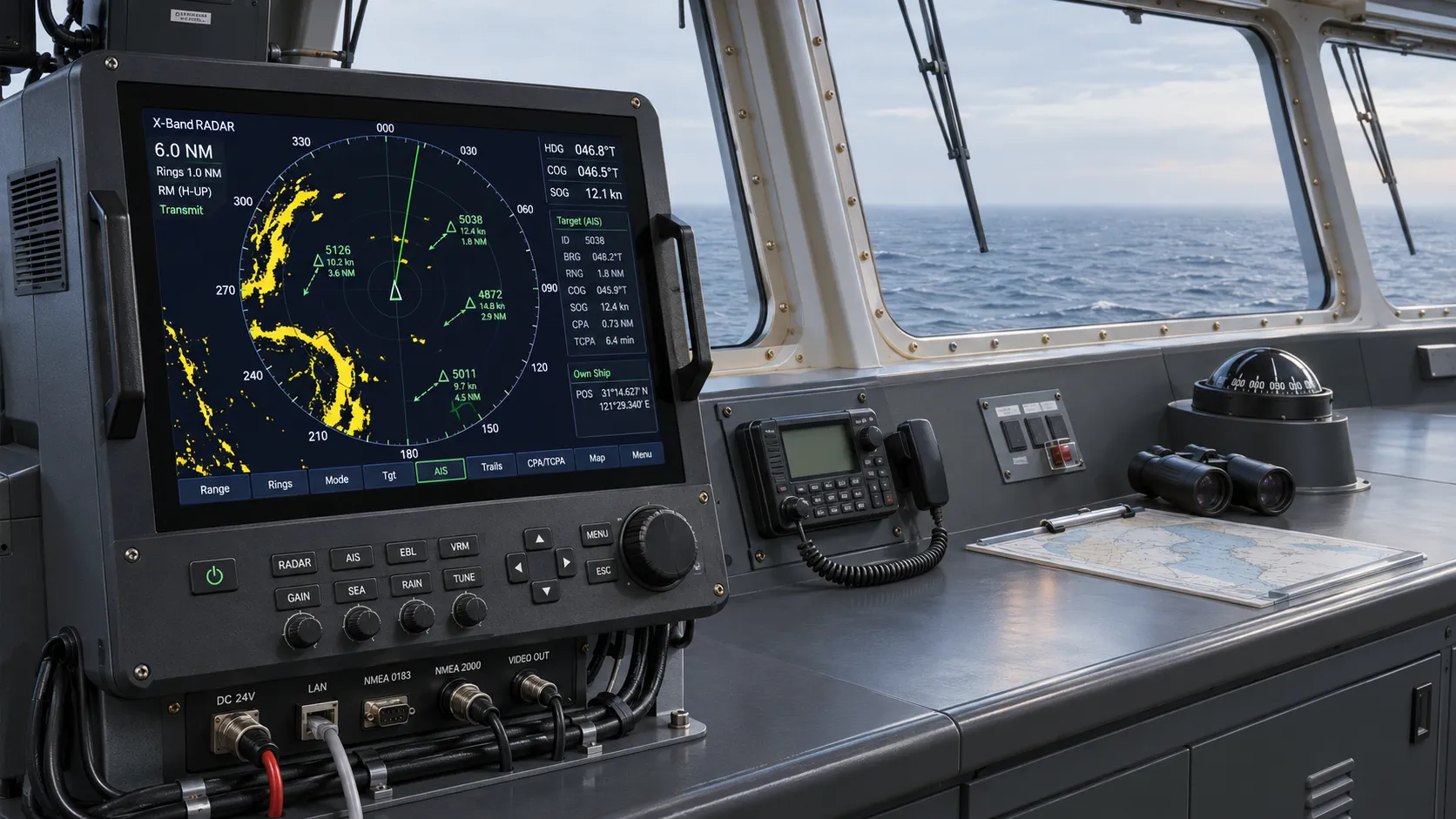
Choosing a Marine Radar Systems Supplier: What to Check Before Buying
Choosing a marine radar systems supplier? Compare installed costs, bridge compatibility, compliance evidence, and service support before you buy.
Related News
- 00
0000-00
How to Evaluate Supplier Solution References Before Signing a Contract - 00
0000-00
Industrial Product References: How to Verify Specs Before Ordering - 00
0000-00
Choosing a Private Label Partner in Europe: Key Supplier Criteria - 00
0000-00
Automotive Ergonomics Pricing: What Drives Seat System Costs? - 00
0000-00
Evaluating Supplier Solutions: How to Verify References and Standards
0000-00
Weekly Insights
Stay ahead with our curated technology reports delivered every Monday.