
Which Automotive Safety Components Protect Occupants in Front and Side Crashes?
The main components protecting occupants in frontal and side crashes are the vehicle’s energy-absorbing structure, reinforced passenger compartment, seatbelts, airbags, and seat assemblies. They perform different jobs: the body manages crash energy and preserves survival space, while the restraints control how occupants move and where forces act on their bodies. None can compensate fully for a failure elsewhere in the system.
The critical difference is the space available to absorb the impact. A frontal crash can engage structures ahead of the passenger compartment. In a side crash, the striking vehicle or object is much closer to the occupant, leaving less crush space and less time for protection to develop. Effective automotive safety components for crash protection must therefore be matched to the direction and severity of the collision—not simply added to an equipment list.
Protection starts with controlling both the vehicle and the occupant
During a collision, the vehicle changes speed abruptly, but an occupant continues moving until restrained or brought into contact with something. Protection requires two related outcomes: a passenger compartment that retains usable space, and a controlled occupant slowdown that avoids excessive loading of the head, chest, abdomen, and other vulnerable regions.
Crumple zones help extend the vehicle’s stopping distance through controlled deformation. Seatbelts and airbags then manage the occupant’s movement within the remaining cabin space. A belt distributes forces across the pelvis and upper torso; an airbag provides an additional cushioning surface and helps reduce contact with hard interior structures.
This explains why visible damage is an unreliable measure of safety. A heavily crushed front end can indicate that structures absorbed energy as intended, provided the cabin remained stable. Conversely, limited exterior deformation does not establish that occupant loading was low. The important questions are where deformation occurred, how abruptly the vehicle slowed, and what happened to the occupants.
Which components matter most in a frontal crash?
Front rails, crash boxes, and cabin load paths
The bumper beam, crash boxes, longitudinal rails, and associated front-end structures help manage frontal impact loads. Depending on the design and collision geometry, these components bend, fold, or crush to absorb energy before it reaches the passenger compartment.
Behind them, the floor, sills, pillars, roof rails, and crossmembers provide connected load paths. Their purpose is not simply to make the whole body rigid. Selected areas must deform predictably, while the occupant cell resists excessive collapse. Material strength, section shape, joints, and structural continuity all affect that balance.
Impact overlap changes which structures are engaged. A broad frontal impact can load both main front rails, while a small-overlap collision may place greater demands on outboard structures and their connections to the cabin. Wheels and suspension components can also be driven toward the footwell. A design that performs well under one loading pattern therefore cannot be assumed to perform equally well under another.
Seatbelts with pretensioners and load limiters
The three-point seatbelt is the primary occupant restraint. In a frontal crash, it helps keep the pelvis and torso coupled to the seat and vehicle, limits forward travel, and positions the occupant for effective airbag interaction.
A pretensioner removes belt slack early in a qualifying crash. Depending on the system, it acts at the retractor, buckle, or another anchorage location. Reducing slack helps the belt engage the body sooner, rather than allowing unnecessary movement before restraint begins.
A load limiter performs a different task: it permits controlled belt payout once loading reaches a designed level. This helps manage chest forces, but also allows additional forward movement. Its calibration must therefore account for the available space, airbag performance, and risk of contacting the steering wheel or instrument panel. Lower belt force is not automatically safer if it produces excessive occupant travel.
Frontal airbags and steering-column protection
Driver and front-passenger airbags supplement seatbelts by cushioning the head and upper torso. Their performance depends on inflation timing, pressure, venting, and the occupant’s position when contact occurs. Some systems adjust deployment using crash and occupant-related inputs, but their capabilities differ by vehicle.
Airbags are not substitutes for belts. An unbelted occupant can move into a deploying airbag too early or miss its intended protective area. Sitting very close to the steering wheel, placing feet on the dashboard, or reclining substantially can also create hazardous interactions.
The steering system provides another protective layer. A controlled-collapse steering column can help manage driver loading, while structural design seeks to limit rearward movement of the steering assembly. Knee bolsters or knee airbags, where fitted, can help control lower-body motion. Their contribution depends on how they interact with the belt, seat cushion, and instrument panel rather than their presence alone.
Why side crashes require a different protective strategy
In a side impact, protection must address both lateral occupant motion and intrusion from the door or surrounding structure. The chest, pelvis, and head may be close to the impact zone before the collision begins. There is no equivalent of a long engine compartment between the occupant and the striking object.
Door reinforcement and the side body structure
Door intrusion beams help resist local deformation and distribute loads through the door assembly. They work alongside the B-pillar, side sill, roof rail, floor crossmembers, and door connections. The combined structure determines how loads spread around the occupant compartment and how quickly the interior moves inward.
A strong door beam alone cannot establish adequate protection. Its effectiveness depends on the surrounding structure and on where the impact occurs. A narrow pole concentrates loading differently from a vehicle-shaped barrier. The height and geometry of a striking vehicle also influence which parts of the side structure carry the load.
High-strength materials can support intrusion resistance, but material grade is not a complete performance measure. Geometry, joining quality, and deformation behavior remain essential. Increasing strength in one location without managing adjacent load paths can shift failure elsewhere.
Side torso airbags and curtain airbags
Side torso airbags, commonly mounted in the seat or door, create a protective cushion between the occupant and the intruding side interior. Their coverage varies: some primarily protect the chest, while others extend protection toward the pelvis. A generic “side airbag” description does not reveal the full protected area.
Curtain airbags deploy along the side windows to help protect the head from contact with the vehicle interior or an external object. Coverage by seating row matters. Some curtain systems are also designed to remain inflated longer for rollover protection and ejection mitigation, but that capability should not be assumed from the curtain-airbag label alone.
Seat-mounted airbags have the advantage of moving with seat adjustment, although their operation still depends on the occupant’s posture and the seat’s intended configuration. Incompatible seat covers, damaged upholstery, or changes around deployment seams can interfere with their protective function.
Near-side and far-side occupants face different risks
A near-side occupant sits closest to the impact and is especially exposed to intrusion. A far-side occupant sits away from the struck side but can move laterally toward the vehicle center, contact interior structures, or collide with another occupant.
Center airbags are designed to address some far-side movement and occupant-to-occupant contact. Their value depends on deployment coverage, seating geometry, and belt interaction. They supplement the side-protection system; they do not replace strong cabin structures or head-protecting curtain airbags.
Seats and anchorages are part of the restraint system
A seat does more than support body weight. Its frame, tracks, recliner, cushion geometry, and attachment points help maintain the occupant’s position during a crash. Excessive movement or failure can change belt routing and airbag alignment even when those components operate as intended.
Seat-cushion shape and underlying structures can help limit submarining—the pelvis sliding beneath the lap belt. Submarining can transfer loading from the pelvis to the abdomen. Belt fit, occupant size, posture, and seatback angle all influence this risk, so a well-designed restraint cannot be assessed independently of the seat.
Anchorages must also transmit restraint forces into suitable structures. Where belt anchorages are integrated into the seat, the seat and its floor attachments must carry the corresponding loads. This is one reason seat substitutions and structural modifications require more than a dimensional fit check.
Head restraints are principally associated with reducing neck injury risk in rear impacts. They are not the main protective component in frontal or side crashes. Nevertheless, seat integrity and appropriate seating position remain important across impact directions.
Crash sensors decide when protection is needed
Airbags and pyrotechnic pretensioners rely on sensors, a restraint control unit, electrical connections, and deployment devices. Depending on the vehicle, sensing can include acceleration measurements and side-impact pressure signals. The control system evaluates the developing event and commands the appropriate restraints.
Not every collision should trigger every airbag. Deployment decisions depend on factors such as impact direction, severity, and the expected benefit of deployment. Frontal airbags remaining inactive during a predominantly side impact does not, by itself, indicate a malfunction.
Side-impact sensing is particularly demanding because the distance between the intrusion and occupant is small. Yet rapid deployment alone is not enough: a bag must develop its intended protective shape at the right point in the occupant’s movement. Sensor calibration, inflator output, cushion design, and vehicle deformation must work together.
What crash-test results actually reveal
Crash tests assess the integrated vehicle more meaningfully than an airbag count or steel specification. Programs such as IIHS vehicle ratings, Euro NCAP, and NHTSA’s 5-Star Safety Ratings use defined procedures, but their test configurations and scoring systems differ. Ratings should be read within the relevant program rather than treated as interchangeable.
Useful details extend beyond the headline score:
- Structural performance: Cabin intrusion and stability indicate whether the restraints retained sufficient space to work.
- Body-region injury measures: Head, chest, pelvis, and leg results can expose weaknesses hidden by an overall rating.
- Occupant movement: Belt positioning, airbag contact, and head excursion help explain how protection was achieved or lost.
- Test coverage: Seating position, dummy size, impact overlap, and barrier configuration define what was actually evaluated.
The tested model year, body style, equipment specification, and assessment protocol also matter. Procedures change, and vehicles sold under the same model name can differ between markets. A strong result applies to the evaluated configuration and conditions; it is not a guarantee across every crash speed, angle, occupant size, or seating posture.
The strongest protection is a compatible system
A vehicle with numerous airbags can still expose occupants to severe injury if intrusion removes survival space or the restraints fail to control movement. Equally, a stable passenger compartment does not eliminate harmful belt loading or contact with interior surfaces. Structural protection and occupant restraint must succeed together.
The most meaningful evidence is therefore a combination of preserved cabin space, controlled occupant motion, and favorable injury measures across relevant frontal and side tests. Component names explain what protection is installed. Their integration—and their performance in the tested vehicle—shows how effectively that protection works.
Related News

How to Evaluate Supplier Solution References Before Signing a Contract
Evaluate supplier solution references with confidence. Learn how to verify technical evidence, identify delivery risks, and close gaps before signing a contract.
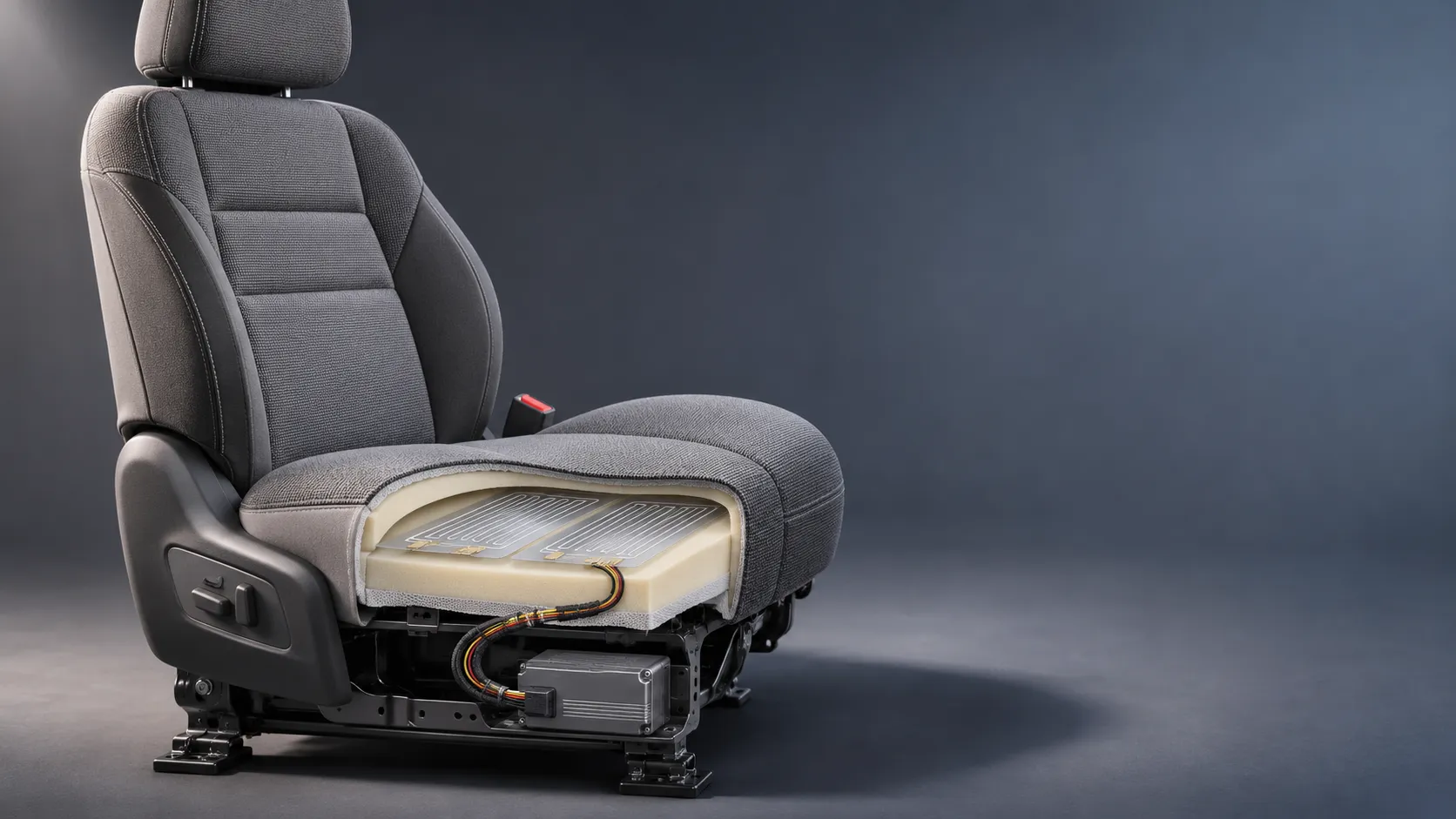
How Capacitive Seat Occupancy Sensing Works in Automotive Airbag Systems
Discover how capacitive seat occupancy sensing supports automotive airbag systems, and explore the design, calibration, and validation challenges behind reliable performance.
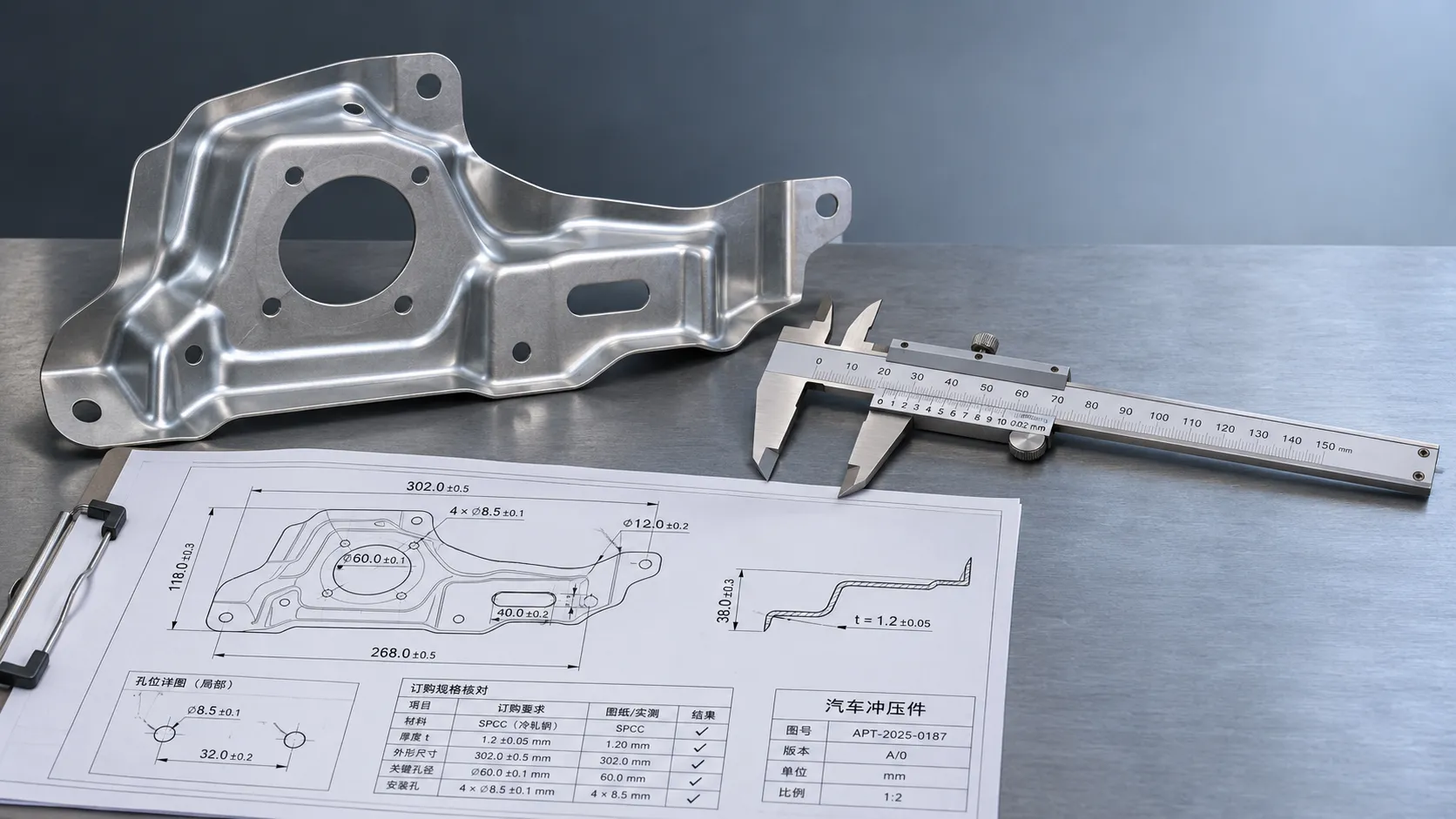
Industrial Product References: How to Verify Specs Before Ordering
Use an industrial product reference for procurement to verify specs, compatibility, and certifications before ordering—and reduce costly purchasing risks.
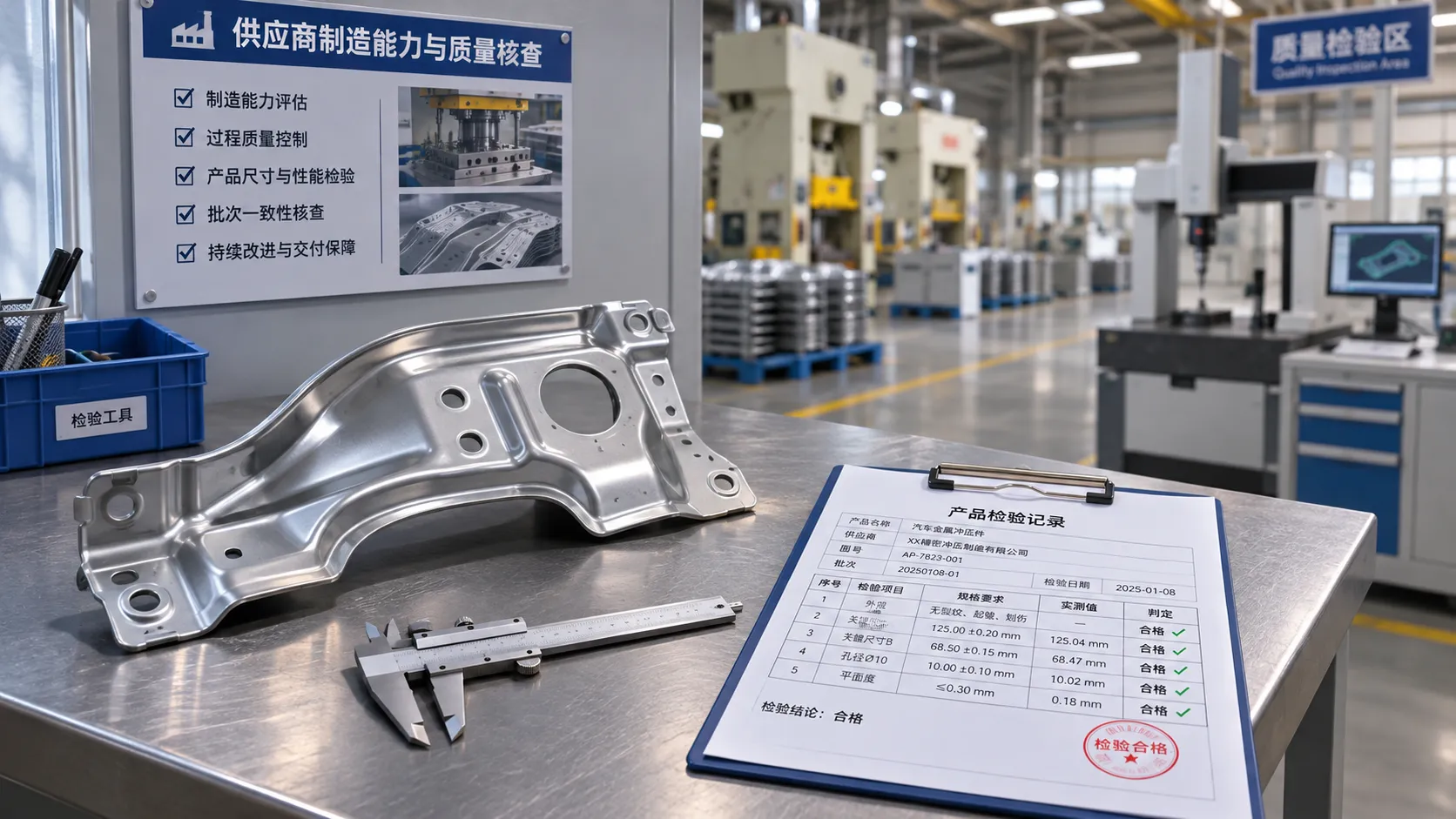
Choosing a Private Label Partner in Europe: Key Supplier Criteria
Private label cooperation Europe buyers can trust starts with the right supplier. Explore key criteria for compliance, quality, traceability and supply resilience.
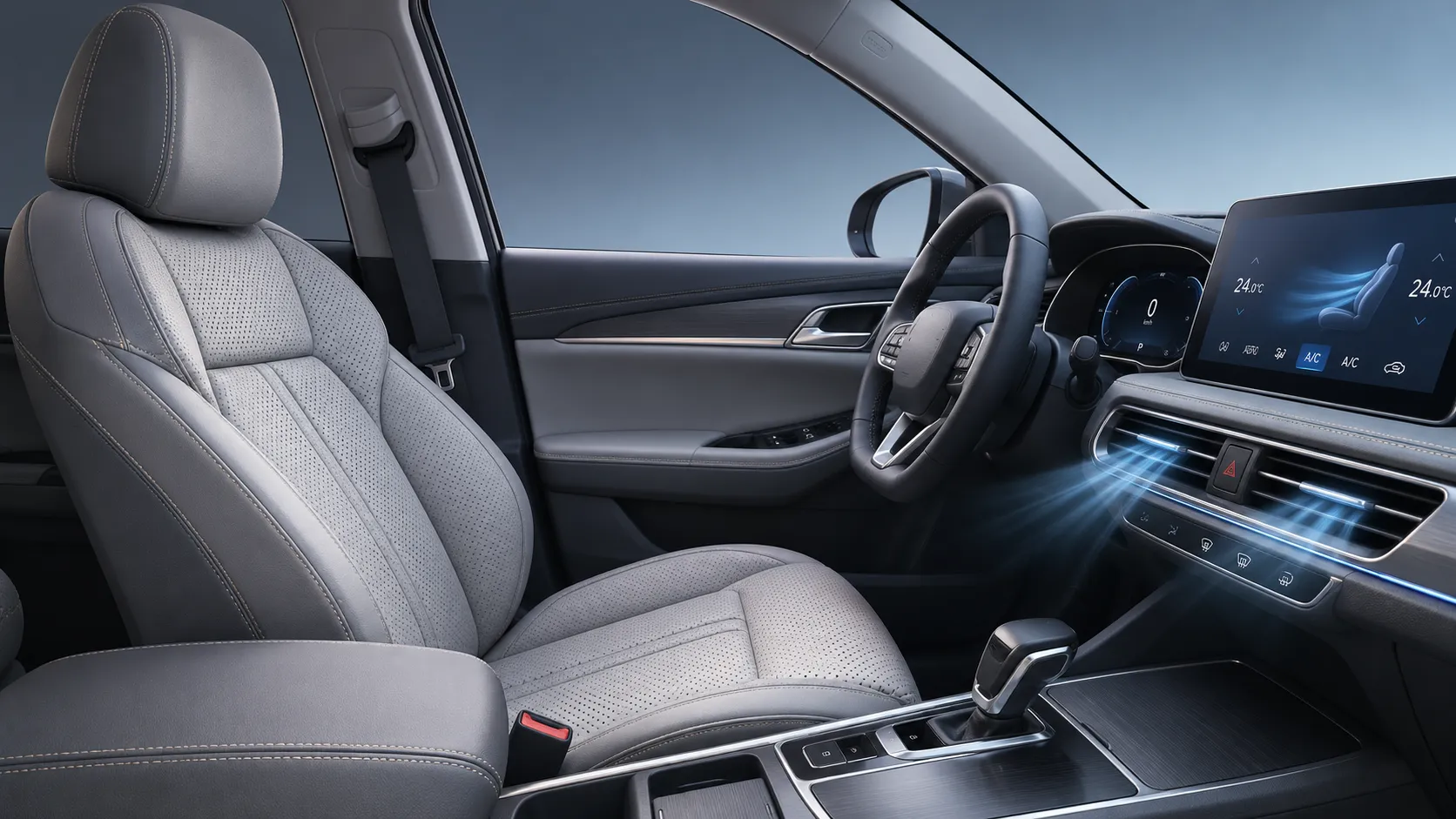
Integrated Cabin Comfort Systems: How Seat and Cabin Climate Controls Work Together
Discover how integrated cabin comfort systems coordinate seat and climate controls to balance occupant comfort, energy use, safety, and performance.
Automotive Ergonomics Pricing: What Drives Seat System Costs?
Discover what drives automotive ergonomics pricing, from seat mechanisms and safety systems to tooling and volume, and learn how to compare supplier quotes.
Evaluating Supplier Solutions: How to Verify References and Standards
Supplier solution references and standards can make or break a sourcing decision. Learn how to verify claims, assess compliance, and reduce risk before awarding a contract.
Choosing B2B Product Knowledge Platform Suppliers: Key Evaluation Criteria
Compare B2B product knowledge platform suppliers with confidence. Explore key criteria for data accuracy, supplier transparency, integrations, and value.
Choosing a Marine Radar Systems Supplier: What to Check Before Buying
Choosing a marine radar systems supplier? Compare installed costs, bridge compatibility, compliance evidence, and service support before you buy.
Related News
- 00
0000-00
How to Evaluate Supplier Solution References Before Signing a Contract - 00
0000-00
Industrial Product References: How to Verify Specs Before Ordering - 00
0000-00
Choosing a Private Label Partner in Europe: Key Supplier Criteria - 00
0000-00
Automotive Ergonomics Pricing: What Drives Seat System Costs? - 00
0000-00
Evaluating Supplier Solutions: How to Verify References and Standards
0000-00
Weekly Insights
Stay ahead with our curated technology reports delivered every Monday.