
Lightweight Automotive Restraint Systems: How to Validate Crash Performance
A lighter seat frame, a compact belt retractor, and a redesigned airbag module can each look convincing on a mass-reduction spreadsheet. The harder question arrives during a crash: do they still work together when the occupant moves, the seat deforms, and the vehicle delivers a different deceleration pulse?
Validating lightweight automotive restraint systems requires evidence connecting material choices, structural load paths, and restraint calibration to occupant injury measures. For technical evaluators, the objective is not simply to reproduce one successful test. It is to establish that protection remains robust across applicable regulatory conditions, consumer-rating assessments, manufacturing variation, and foreseeable operating environments.
Define the safety claim before choosing the tests
“Equivalent crash performance” is incomplete unless the comparison has clear boundaries. A lighter restraint package might preserve frontal chest loading while allowing greater occupant excursion. A seat redesign could maintain anchorage strength yet change belt geometry enough to affect pelvic restraint.
Start with a documented baseline: vehicle configuration, seating position, restraint hardware, software calibration, occupant surrogate, and test conditions. Identify exactly what changes and what remains unchanged. Include brackets, fasteners, wiring, reinforcement, and any compensating structure in the mass comparison; otherwise, a component saving may conceal a system-level increase.
The validation claim should distinguish three questions:
- Compliance: Does the vehicle or component satisfy the applicable legal requirements for its market, category, and approval date?
- Rating performance: Does it meet the targeted consumer-assessment protocol and score objectives?
- Engineering robustness: Does it retain acceptable protection when conditions vary beyond the nominal test setup?
These questions overlap, but none can substitute for the others. Passing a component strength test does not establish acceptable occupant injury outcomes.
Separate legal requirements from consumer-rating targets
Build a requirements matrix using the current, applicable editions of each regulation and assessment protocol. Record the test configuration, acceptance criteria, evidence needed, and responsible engineering owner. Applicability must be checked rather than inferred from a familiar standard number.
For frontal and side-impact approval, additional requirements may apply, including relevant UN crash regulations. Side-impact protection and rollover-related occupant retention also require consideration where applicable. A frontal sled result cannot establish performance across these different loading environments.
Where mass reduction changes the restraint event
At GNCS, the useful technical connection is between body structure, seat mechanics, and passive safety—not a restraint component viewed in isolation. Lightweighting can alter both the crash input and the system’s response to that input.
The vehicle supplies the pulse
Changes to body stampings, joints, or structural materials may alter crush progression, compartment intrusion, and the timing of deceleration. Even if impact speed remains unchanged, the restraint may need to manage a different relationship between occupant motion and vehicle motion.
Compare pulse shape, duration, onset, and local structural movement, not only peak acceleration. A single peak value cannot describe whether the occupant reaches the airbag before useful support develops or whether belt loading rises too quickly.
The seat helps define the load path
A thinner steel section, aluminum structure, or magnesium component may change seat stiffness and deformation. Seat-pan rotation, track movement, recliner compliance, and anchorage displacement can affect lap-belt position and torso trajectory. For seat-integrated belts, these interactions are especially direct because significant belt loads pass through the seat structure.
Evaluate local buckling, joint failure, fastener pull-through, and permanent deformation. “No fracture” is not enough if structural movement produces unfavorable occupant kinematics.
Belts and airbags must remain coordinated
Pretensioning manages slack and influences early occupant coupling. Load limiting controls belt force while permitting additional payout. Airbag timing, pressure development, venting, and contact geometry then influence how the head and torso decelerate.
A lower belt-force setting may reduce one chest-loading measure but increase excursion or contact risk. A smaller airbag package may affect cushion folding and deployment consistency. Neither change should be approved using a single favorable metric.
A validation ladder for lightweight automotive restraint systems
An efficient program uses simulation, component tests, sled tests, and full-vehicle crashes to answer different questions. Each stage should reduce uncertainty before the next, more expensive stage begins.
1. Characterize materials, joints, and components
Generate properties relevant to the actual deformation and loading modes. Depending on the design, this can include strain-rate sensitivity, temperature effects, anisotropy, fracture behavior, and joint performance. Coupon data alone may not represent a formed part, welded region, casting feature, or mixed-material interface.
Component testing should address belt webbing and retractor behavior, pretensioner output, load-limiter characteristics, buckle function, and anchorage or seat-structure response. For airbags, assess deployment consistency, cushion integrity, seams, vents, and inflator output across specified conditions. Use production-representative mounting arrangements wherever interfaces influence behavior.
2. Use simulation to explore interactions
Finite-element and occupant models are valuable for screening structural concepts, restraint settings, occupant sizes, and crash inputs. Their credibility, however, depends on correlation to relevant physical evidence.
Check more than a matching injury number. Review time histories, deformation sequence, belt payout, occupant trajectory, contact timing, and failure mode. A model that reaches the correct chest metric through an unrealistic seat collapse is not a reliable basis for design decisions.
Document model versions, material sources, contact assumptions, and known limitations. Human body models can support investigation of anatomical responses and occupant diversity, but they do not automatically replace the physical surrogates prescribed by regulations or rating protocols.
3. Use sled testing to tune occupant management
Sled tests help isolate restraint behavior under controlled acceleration inputs. They are useful for comparing pretensioner timing, force-limiter settings, cushion designs, and seating geometry without repeating a complete vehicle crash for every iteration.
The fixture must reproduce the relevant geometry and compliance. An overly rigid seat or anchorage installation can hide the consequences of lightweight structural changes. Where intrusion or moving interior structures affect the occupant, determine whether the sled setup represents those effects adequately.
Test plausible pulse variation rather than relying exclusively on one nominal input. Conventional sled testing does not reproduce every aspect of vehicle deformation, so its conclusions must remain bounded by the setup.
4. Confirm integration in full-vehicle crashes
Full-vehicle testing establishes whether the body, sensing system, seats, belts, airbags, and interior interact as expected. It can reveal pulse changes, intrusion, sensor-response differences, and asymmetric loading that isolated tests miss.
Use the required regulatory and rating configurations, supplemented by risk-driven tests where justified. A successful full-vehicle result is strongest when the earlier component and sled evidence explains why it succeeded.
Read the crash as a sequence, not a pass/fail label
Injury measures are essential, but they need context. Depending on the test and occupant surrogate, relevant outputs may include head injury measures, neck forces and moments, chest deflection or acceleration, and pelvis or lower-extremity loads. Use the exact criteria, filtering, and calculation methods specified by the governing procedure.
Review synchronized high-speed video alongside instrumentation. Establish when the pretensioner activates, when belt force develops, how the pelvis moves, when the occupant contacts the cushion, and whether any hard interior contact occurs. Investigate submarining, excessive excursion, unfavorable head rotation, and unintended buckle or anchorage movement.
A lower measured load is not automatically evidence of better protection. It may reflect controlled energy management, but it could also result from lost engagement or altered contact. The time history and kinematics distinguish these possibilities.
Record margins to applicable limits and scoring boundaries, not only pass/fail outcomes. A result close to a limit warrants attention to measurement uncertainty, production variation, and test repeatability before it supports a release decision.
Challenge the nominal result with realistic variation
The occupant in a development test is carefully positioned. Real occupants vary in size, posture, seat adjustment, and belt fit. Validation should therefore combine prescribed positions with a justified engineering assessment of relevant variation.
- Occupant and seating variation: Examine applicable occupant sizes, seat travel, recline settings, and belt-routing sensitivity.
- Environmental exposure: Assess temperature, humidity, aging, corrosion, and vibration where they may change deployment, friction, or structural response.
- Manufacturing tolerances: Consider webbing behavior, joint quality, material thickness, cushion folding, and mechanism variation.
- Crash-input variation: Investigate credible pulse and intrusion differences associated with vehicle variants or structural changes.
- Control-system behavior: Verify relevant sensing, occupant classification, stage selection, and diagnostic functions after hardware or software changes.
Out-of-position protection requires particular care for airbag systems. Use applicable prescribed assessments and controlled laboratory methods. Do not extrapolate safe deployment behavior from a normally seated occupant test.
Where repeated physical testing is limited, sensitivity studies can help prioritize critical cases. Their conclusions should reflect model uncertainty rather than presenting predicted performance as measured proof.
What belongs in the technical release package?
A defensible release package makes the reasoning traceable. It should connect each mass-reduction change to its potential failure modes, validation method, observed result, and acceptance decision. Include the configuration tested, hardware and software revisions, conditioning history, instrumentation quality, and deviations from the intended procedure.
Any unexplained mismatch between simulation and test deserves explicit treatment. So does a favorable injury result accompanied by unexpected seat deformation or deployment behavior. These are not administrative details; they may identify a mechanism that becomes unfavorable in another configuration.
Finally, define change-control triggers. Altering a seat-frame material, belt supplier, inflator, cushion fold, mounting bracket, or crash-sensing calibration can invalidate assumptions behind earlier evidence. The required revalidation should follow the affected load path and safety function, not simply the commercial size of the change.
The strongest case for lightweight automotive restraint systems is therefore not “less mass with one passing crash.” It is a coherent body of evidence showing that the lighter design manages occupant energy predictably, meets applicable requirements, and retains credible protection margins across the conditions that matter.
Related News

How to Evaluate Supplier Solution References Before Signing a Contract
Evaluate supplier solution references with confidence. Learn how to verify technical evidence, identify delivery risks, and close gaps before signing a contract.
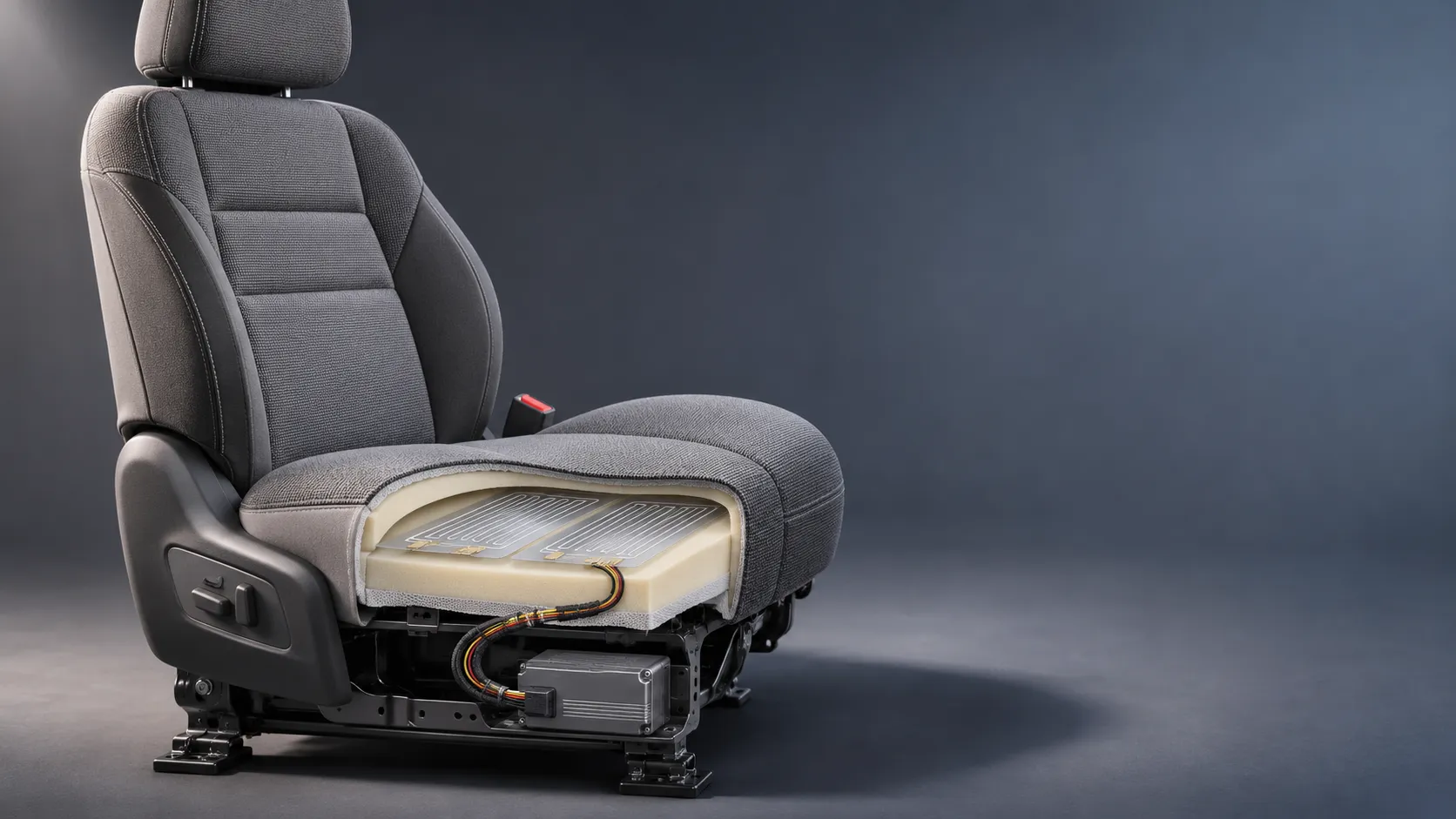
How Capacitive Seat Occupancy Sensing Works in Automotive Airbag Systems
Discover how capacitive seat occupancy sensing supports automotive airbag systems, and explore the design, calibration, and validation challenges behind reliable performance.
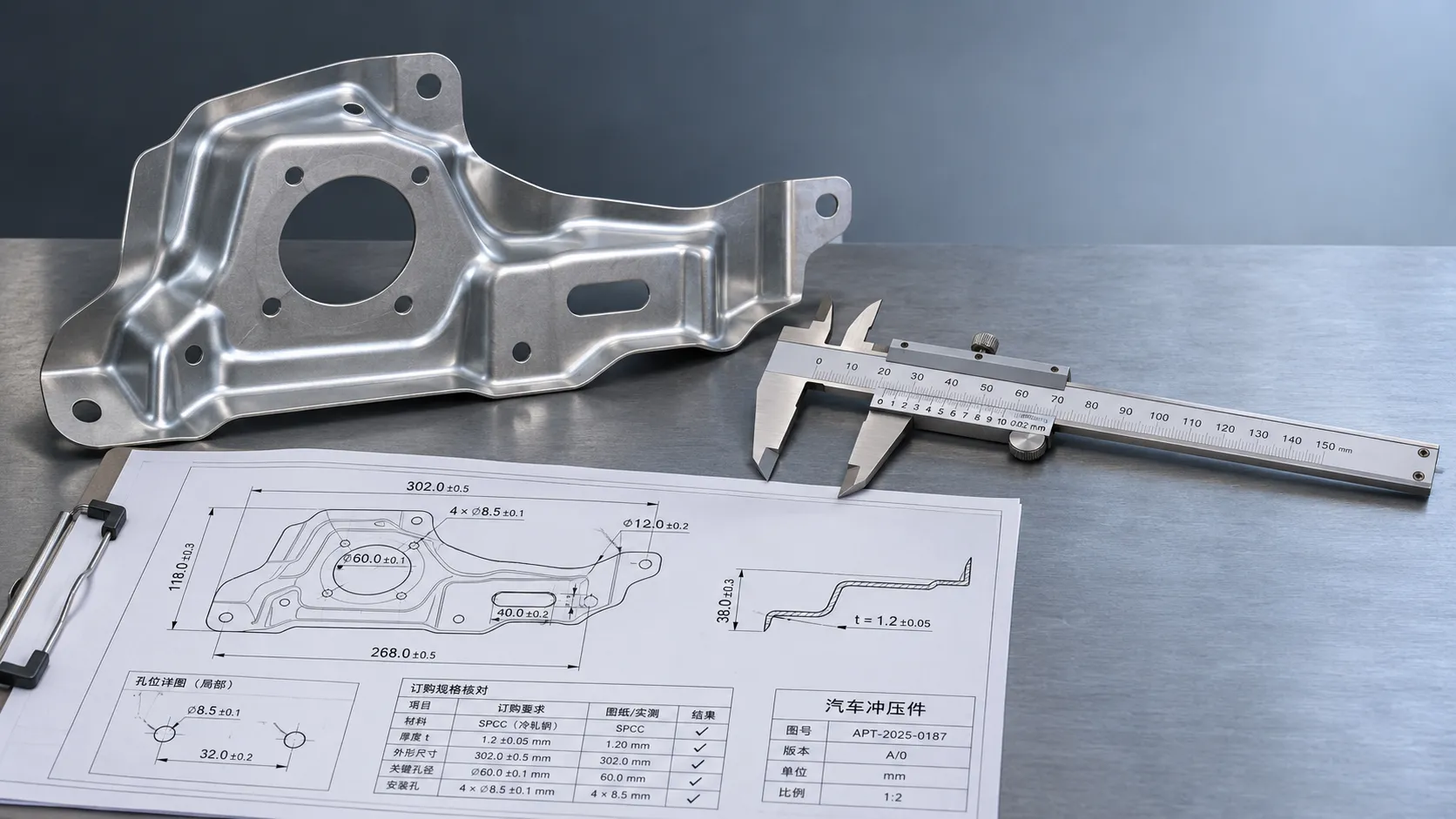
Industrial Product References: How to Verify Specs Before Ordering
Use an industrial product reference for procurement to verify specs, compatibility, and certifications before ordering—and reduce costly purchasing risks.
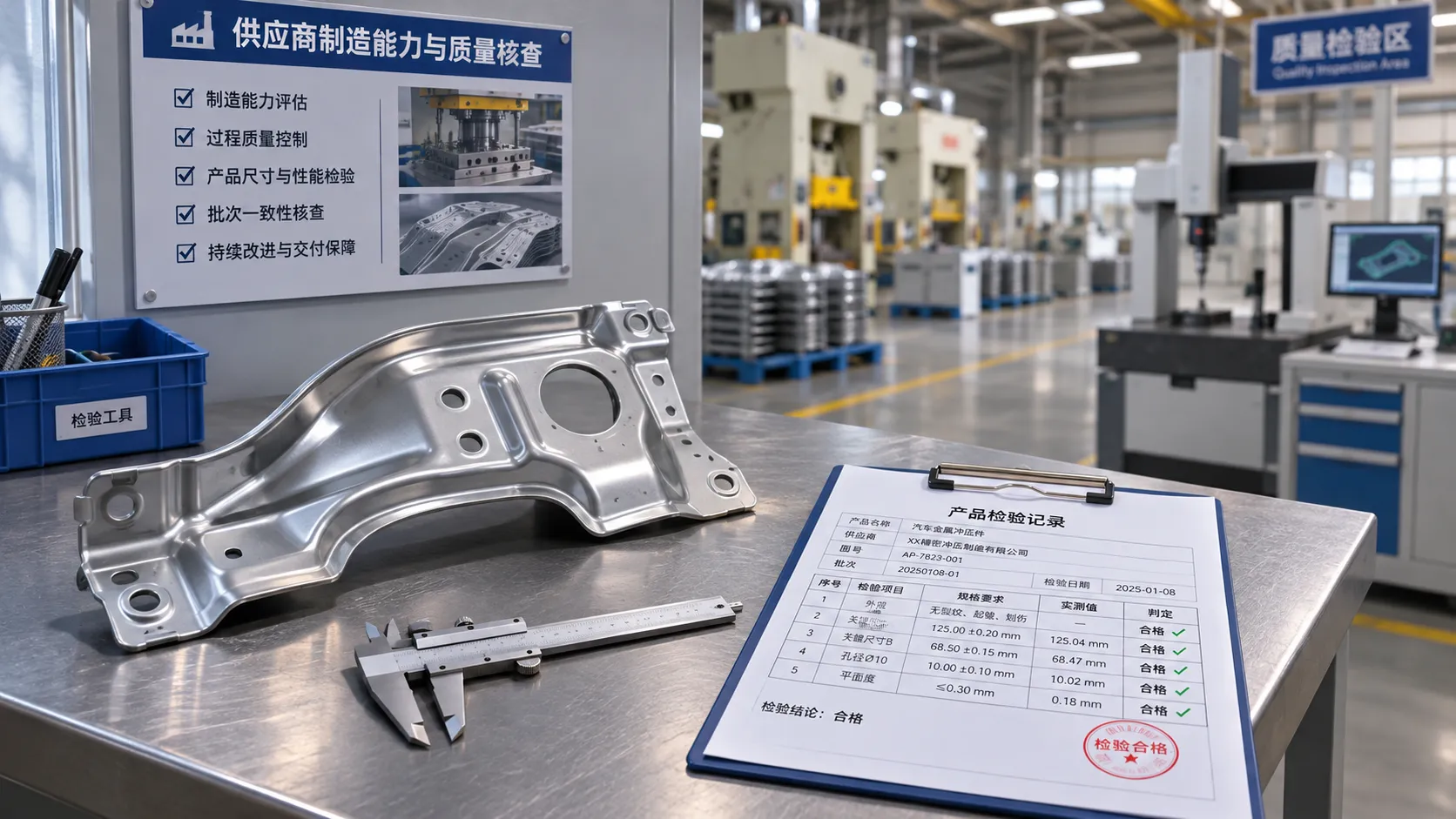
Choosing a Private Label Partner in Europe: Key Supplier Criteria
Private label cooperation Europe buyers can trust starts with the right supplier. Explore key criteria for compliance, quality, traceability and supply resilience.

Integrated Cabin Comfort Systems: How Seat and Cabin Climate Controls Work Together
Discover how integrated cabin comfort systems coordinate seat and climate controls to balance occupant comfort, energy use, safety, and performance.
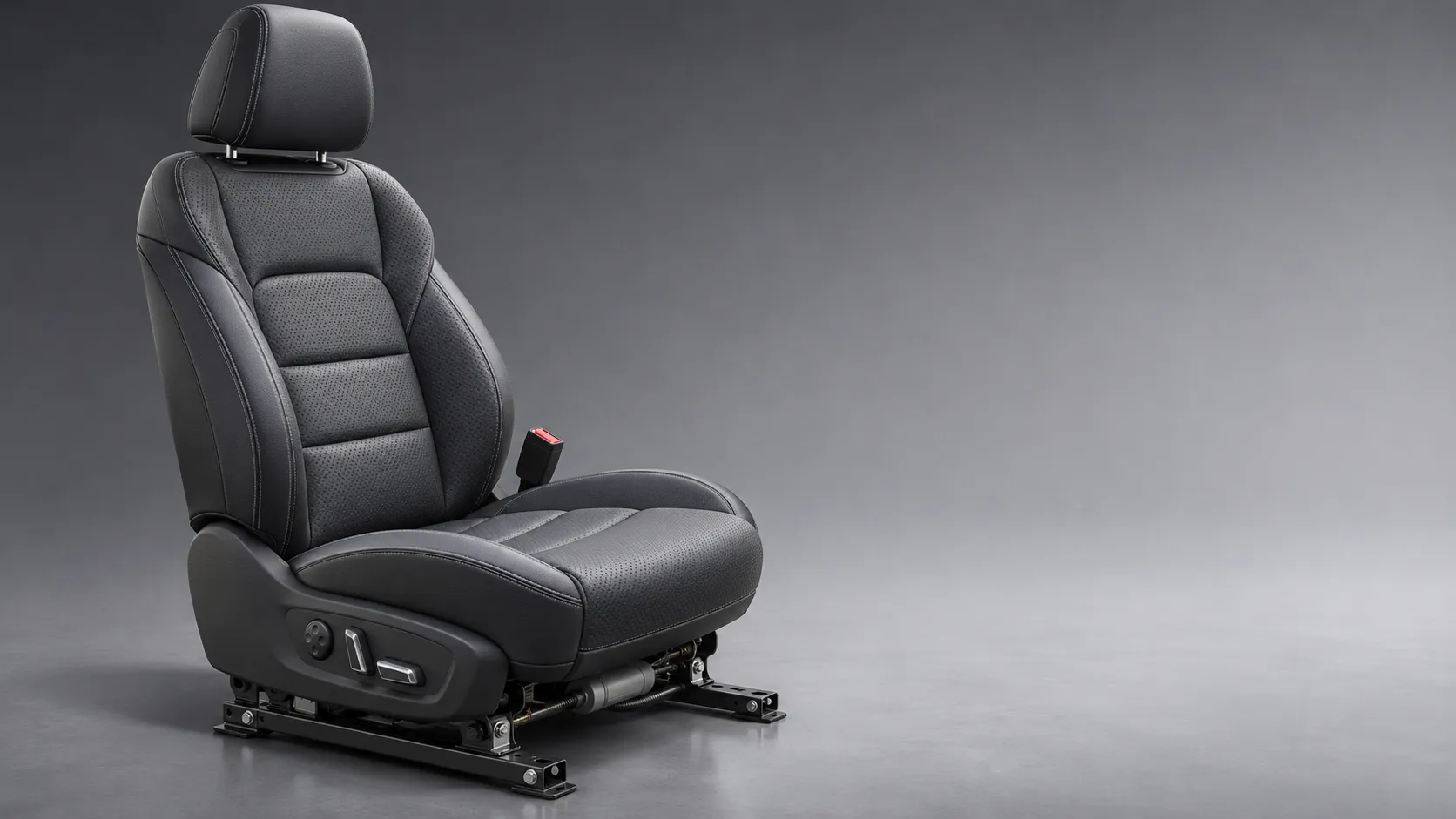
Automotive Ergonomics Pricing: What Drives Seat System Costs?
Discover what drives automotive ergonomics pricing, from seat mechanisms and safety systems to tooling and volume, and learn how to compare supplier quotes.
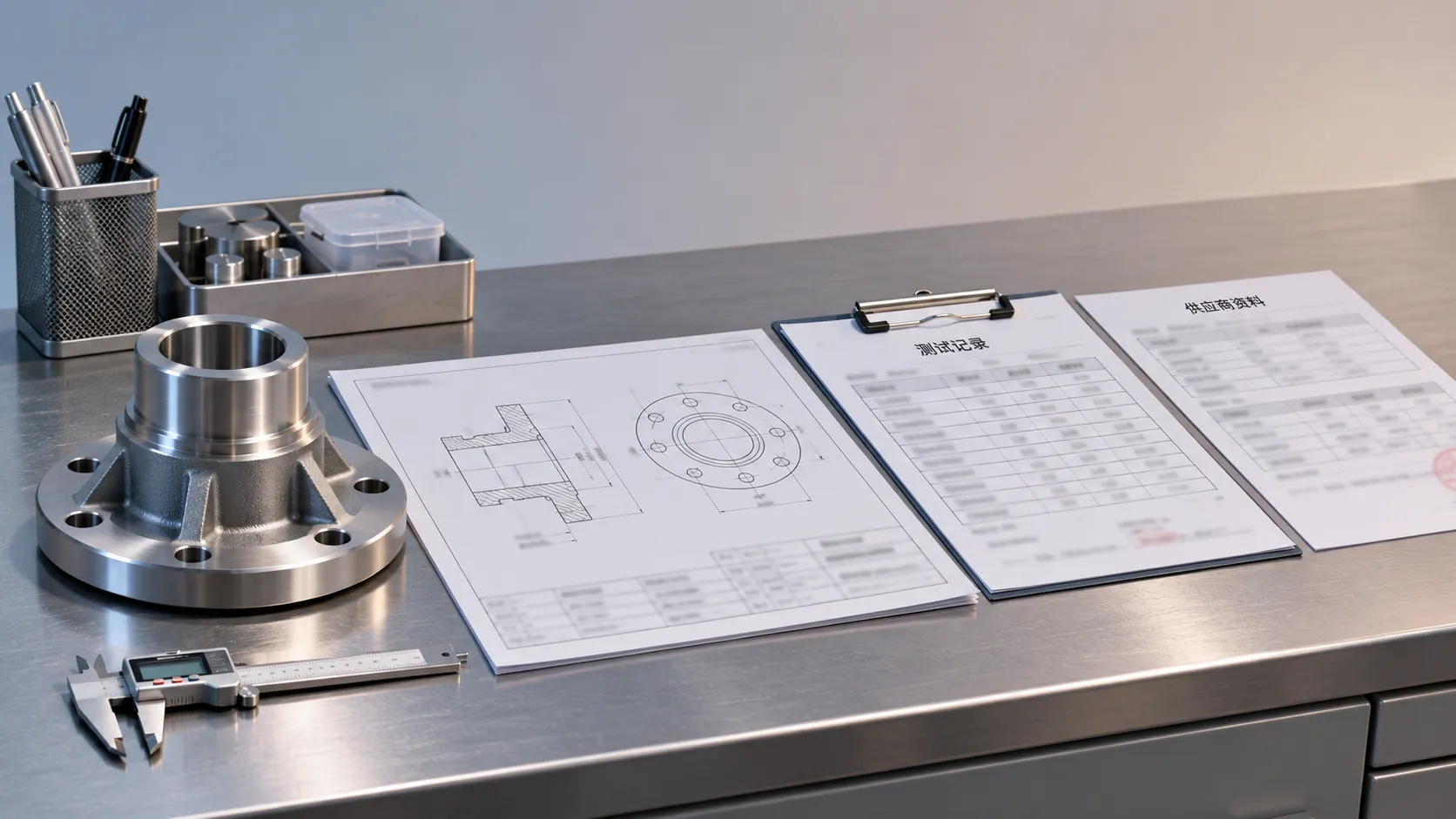
Evaluating Supplier Solutions: How to Verify References and Standards
Supplier solution references and standards can make or break a sourcing decision. Learn how to verify claims, assess compliance, and reduce risk before awarding a contract.
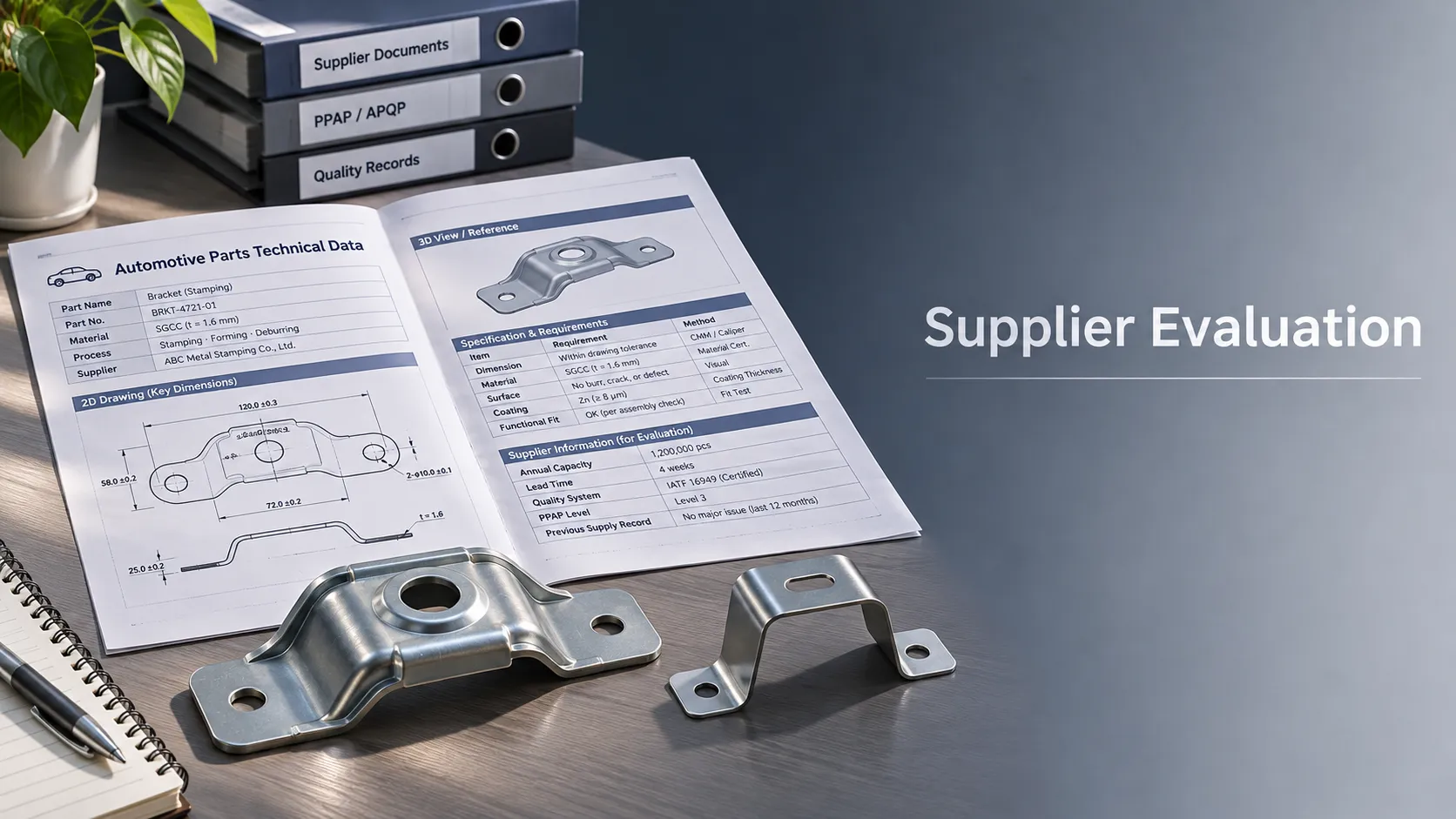
Choosing B2B Product Knowledge Platform Suppliers: Key Evaluation Criteria
Compare B2B product knowledge platform suppliers with confidence. Explore key criteria for data accuracy, supplier transparency, integrations, and value.

Choosing a Marine Radar Systems Supplier: What to Check Before Buying
Choosing a marine radar systems supplier? Compare installed costs, bridge compatibility, compliance evidence, and service support before you buy.
Related News
- 00
0000-00
How to Evaluate Supplier Solution References Before Signing a Contract - 00
0000-00
Industrial Product References: How to Verify Specs Before Ordering - 00
0000-00
Choosing a Private Label Partner in Europe: Key Supplier Criteria - 00
0000-00
Automotive Ergonomics Pricing: What Drives Seat System Costs? - 00
0000-00
Evaluating Supplier Solutions: How to Verify References and Standards
0000-00
Weekly Insights
Stay ahead with our curated technology reports delivered every Monday.