
How to Build a Technical Specification Content Library With Version Control
When engineering teams work from conflicting specifications, a single outdated tolerance or safety requirement can trigger costly rework and delay approvals. A technical specification content library with version control gives project leaders a reliable reference across marine navigation, automotive structures, and occupant protection systems. But storing documents centrally is only the beginning. The harder task is proving which requirement applied to which configuration, who approved it, and whether the supplier actually received it.
Build the library around those questions, not around an attractive folder structure. The aim is to connect engineering intent, approved content, and project execution without stripping away the context needed to make safe decisions.
Start with the release boundary, not the software
Before choosing a platform, define what the library controls. Does it contain product requirements, interface specifications, test methods, supplier specifications, or all four? Does it govern internal engineering work, external publication, or both? An uncontrolled mixture quickly becomes another shared drive.
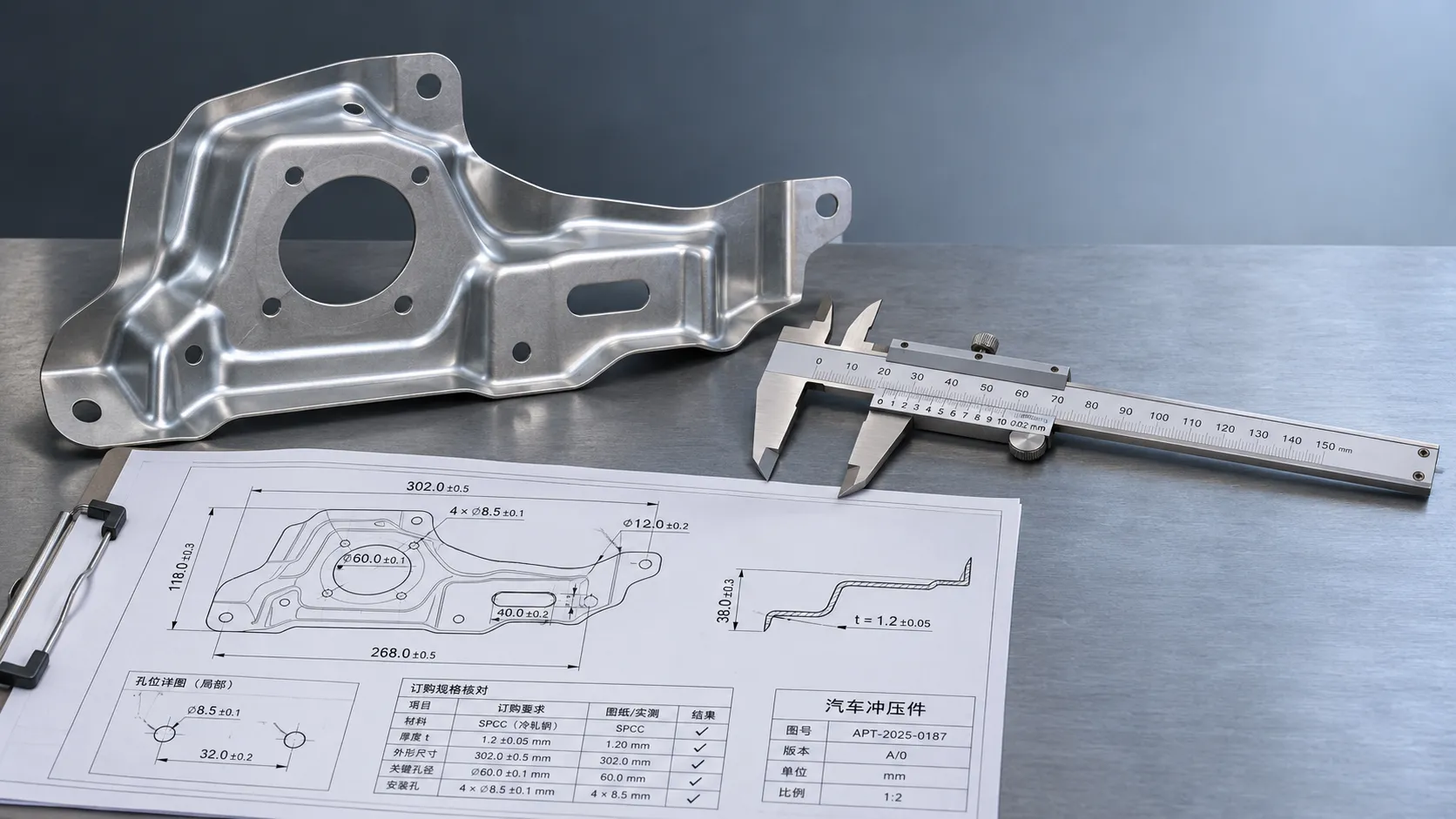
A useful boundary is the smallest specification package that a team can approve and release independently. For a navigation subsystem, that might include interface requirements and supported software configurations. For an automotive stamping, it could include material requirements, drawing references, dimensional acceptance criteria, and inspection instructions. Avoid forcing these different packages into an identical document template.
Also distinguish authoritative specifications from reference material. Supplier brochures, industry intelligence, engineering commentary, and regulatory interpretations can inform a decision; they should not silently become binding requirements. Label their status and link them to the approved specification rather than copying statements without attribution.
Give content stable identities and explicit applicability
File names are poor identifiers. A document called “Seat_System_Final_Updated” tells nobody whether it covers the current seat frame, a previous sensor configuration, or a customer-specific variant. Give each controlled object a persistent identifier, then manage its revision separately.
Use document-level control for release packages and requirement-level identifiers where individual requirements need traceability to tests, risks, or design decisions. Not every paragraph needs its own database record. Administrative guidance can remain ordinary text; safety-related acceptance criteria usually deserve more precise control.
At minimum, capture the following metadata:
- Identity: persistent ID, title, content type, and responsible discipline.
- Control: revision, lifecycle state, owner, approvers, and release date.
- Applicability: product family, variant, hardware and software configuration, market, and relevant production or delivery range.
- Evidence: source references, verification links, change-request reference, and superseded revision.
- Access: confidentiality level and permitted internal or supplier audiences.
Applicability deserves particular care. “Latest approved” does not necessarily mean “correct for this project.” A released revision may apply only to a new production configuration while an earlier revision remains valid for equipment already in service. Search results and document headers should make that distinction visible.
Keep reusable requirements separate from project exceptions
A technical specification content library becomes valuable when teams can reuse approved content without inheriting hidden assumptions. Organize it into common requirements, product-specific requirements, and project-specific variations. A project baseline should reference exact revisions from those layers, not dynamically pull whatever happens to be newest.
Be selective about reuse. A seatbelt force-limiting requirement cannot be treated as a standalone number when its interpretation depends on the restraint strategy, occupant assumptions, and test setup. Likewise, a navigation accuracy statement needs its operating conditions, reference frame, and verification method. Preserve those dependencies alongside the requirement.
Project exceptions should be explicit, approved records with a defined scope and, where appropriate, an expiry or review condition. Do not alter the common requirement just to accommodate one delivery. That shortcut can spread an exception into unrelated projects through the next template update.
Choose version control that matches the content
Git works well for text-based specifications, structured data, and automated validation. Branches and reviewed changes make edits visible, while release tags can identify approved snapshots. However, Git alone does not establish engineering approval, access governance, or a compliant electronic signature process. Those controls require configuration and, depending on project obligations, supporting systems.
A document management system may be more practical when most contributors work in office documents and approval workflows dominate. Requirements platforms are useful when requirement-to-test traceability and variant management are central. PLM systems often provide the stronger connection to parts, drawings, and engineering changes.
Mixed environments are normal. The important decision is which system owns each record. If a drawing is controlled in PLM, the library should reference its approved revision rather than host an independently editable duplicate. For binary files, retain the native source and released rendition, and require a meaningful change summary when line-by-line comparison is unreliable.
Keep revision rules understandable. Separate working edits from formally released revisions, and never overwrite a released artifact. If using Git, protect release branches and tags against unauthorized modification. A label is not a durable baseline unless the content behind it is protected.
Make review follow engineering consequences
A practical workflow is draft, technical review, approval, release, and supersession. A rejected change returns to the author with comments; an approved change still needs a deliberate release action. Keeping approval and publication separate prevents unfinished packages from reaching suppliers.
Assign one accountable owner to each controlled object. Reviewers assess technical correctness, while approvers authorize use within their delegated scope. The library administrator manages permissions and workflows, not engineering acceptance. In smaller teams, people may hold several roles, but the approval record should still show which responsibility they exercised.
Route changes by impact rather than document length. Correcting a spelling error is different from changing a material condition, electrical interface, test threshold, or safety requirement. Define review categories and escalation rules so a seemingly small numerical edit cannot bypass the appropriate specialists.
Each substantive change request should explain what changes, why it changes, which configurations are affected, and what evidence supports release. Include consequences for tooling, purchased stock, software compatibility, verification, and supplier documentation where relevant. “Updated to latest requirement” is not an adequate engineering rationale.
Test the workflow with a seat-system change
Consider a proposed seat-frame material change intended to reduce mass. The library should expose links to the material specification, joining requirements, structural verification, and any affected restraint or sensor interfaces. It should not assume that a material substitution automatically changes every connected requirement, but it should prompt an impact assessment.
Before release, the responsible engineers determine which evidence remains valid and which activities need repeating. The approved package then identifies the configurations to which the change applies and how existing stock is handled. This is where version control becomes project control: the revision is connected to a real implementation decision.
Treat external intelligence as a monitored input
Across the sectors covered by Global Navigation & Cabin Safety (GNCS)—marine navigation, body stampings, airbags, seatbelts, and seating—external developments can affect specifications in very different ways. A navigation software update, an inflator material development, and a revised crash-assessment protocol should not enter the library through the same automatic “update requirement” rule.
An intelligence portal such as GNCS can help identify issues worth investigating. The engineering library must then record the underlying source, its edition or publication date, the affected market, and the applicability decision. Industry reporting is a discovery input, not a substitute for the governing document.
Keep legal obligations, customer requirements, voluntary standards, and consumer assessment protocols distinct. Euro NCAP or IIHS assessment criteria, for example, should not be labeled as legislation. Whether a change affects a particular product requires checking the relevant program, jurisdiction, contractual commitments, and implementation timing.
Release a baseline suppliers can actually use
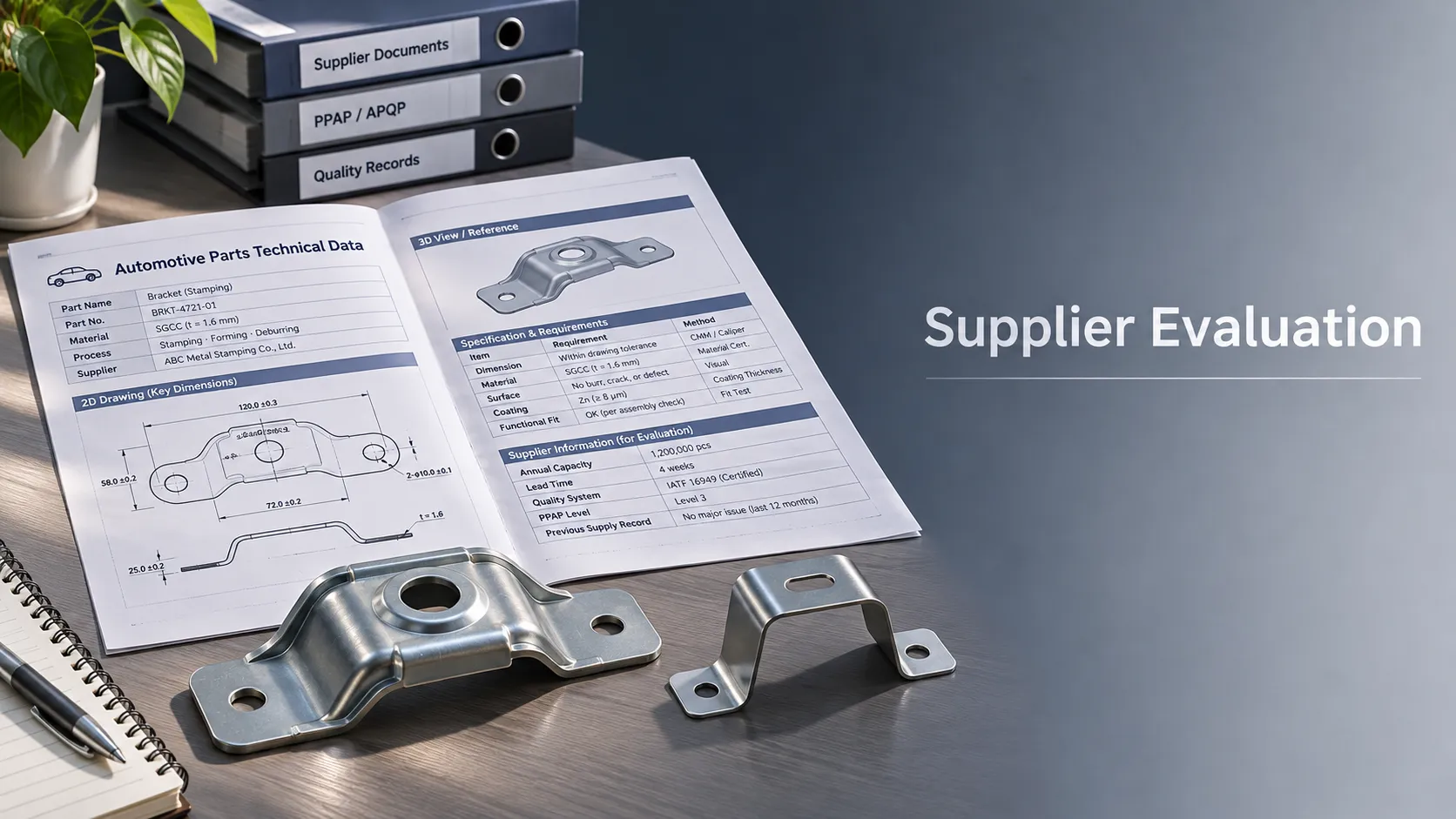
A supplier release should be an identifiable package, not a link to a changing folder. Include a manifest listing the applicable specification IDs and revisions, referenced attachments, configuration scope, and release authority. Preserve the package as issued so the team can reconstruct what was communicated.
Ask for acknowledgment against that package identifier. Receipt, technical acceptance, and implementation are different events; record them separately when the distinction matters. A supplier may have downloaded a revision while still needing clarification or approval to consume existing inventory.
Superseded material should remain available to authorized users for traceability, but clearly marked to prevent accidental reuse. Controlled exports should display revision and applicability information. Where practical, provide a verification link so someone holding a downloaded PDF can check its status.
Pilot one complete change before migrating the archive
Start with one active subsystem and a manageable supplier interface. Clean its current specifications, identify unresolved conflicts, assign owners, and establish a verified baseline. Do not label legacy files “approved” merely because they were found in an old release folder; preserve uncertain status until the responsible owner resolves it.
Then run a representative change from proposal through impact review, approval, release, and supplier acknowledgment. Test whether a new team member can retrieve the correct package without asking its author. Also test access restrictions, backup restoration, and the ability to reconstruct a previous baseline.
Track unresolved revision conflicts, missing ownership, incomplete verification links, and unacknowledged releases. These reveal weaknesses more clearly than counting uploaded documents. Expand only when the pilot can answer a simple question reliably: “For this configuration, at this point in the project, which approved requirements applied?” If that answer still depends on somebody’s memory, the library is not ready to become the project’s source of truth.
Related News

How to Evaluate Supplier Solution References Before Signing a Contract
Evaluate supplier solution references with confidence. Learn how to verify technical evidence, identify delivery risks, and close gaps before signing a contract.

How Capacitive Seat Occupancy Sensing Works in Automotive Airbag Systems
Discover how capacitive seat occupancy sensing supports automotive airbag systems, and explore the design, calibration, and validation challenges behind reliable performance.
Industrial Product References: How to Verify Specs Before Ordering
Use an industrial product reference for procurement to verify specs, compatibility, and certifications before ordering—and reduce costly purchasing risks.

Choosing a Private Label Partner in Europe: Key Supplier Criteria
Private label cooperation Europe buyers can trust starts with the right supplier. Explore key criteria for compliance, quality, traceability and supply resilience.

Integrated Cabin Comfort Systems: How Seat and Cabin Climate Controls Work Together
Discover how integrated cabin comfort systems coordinate seat and climate controls to balance occupant comfort, energy use, safety, and performance.

Automotive Ergonomics Pricing: What Drives Seat System Costs?
Discover what drives automotive ergonomics pricing, from seat mechanisms and safety systems to tooling and volume, and learn how to compare supplier quotes.

Evaluating Supplier Solutions: How to Verify References and Standards
Supplier solution references and standards can make or break a sourcing decision. Learn how to verify claims, assess compliance, and reduce risk before awarding a contract.
Choosing B2B Product Knowledge Platform Suppliers: Key Evaluation Criteria
Compare B2B product knowledge platform suppliers with confidence. Explore key criteria for data accuracy, supplier transparency, integrations, and value.

Choosing a Marine Radar Systems Supplier: What to Check Before Buying
Choosing a marine radar systems supplier? Compare installed costs, bridge compatibility, compliance evidence, and service support before you buy.
Related News
- 00
0000-00
How to Evaluate Supplier Solution References Before Signing a Contract - 00
0000-00
Industrial Product References: How to Verify Specs Before Ordering - 00
0000-00
Choosing a Private Label Partner in Europe: Key Supplier Criteria - 00
0000-00
Automotive Ergonomics Pricing: What Drives Seat System Costs? - 00
0000-00
Evaluating Supplier Solutions: How to Verify References and Standards
0000-00
Weekly Insights
Stay ahead with our curated technology reports delivered every Monday.