Smart mobility equipment combines connected sensors, software, and safety technologies to help vehicles and vessels navigate, protect occupants, and operate more efficiently.
From satellite-enabled marine navigation to intelligent seating and restraint systems, these technologies are changing how the industry approaches safety and performance.
This article explains the key connected features, practical applications, and important considerations for researchers exploring the evolving mobility landscape.
What Makes Mobility Equipment “Smart”?
Smart mobility equipment is hardware that uses data, onboard processing, or communication capabilities to support a transport function, such as navigation, monitoring, or occupant protection.
The essential distinction is not simply that a component contains electronics. It is that information influences how the equipment operates, informs people, or supports maintenance.
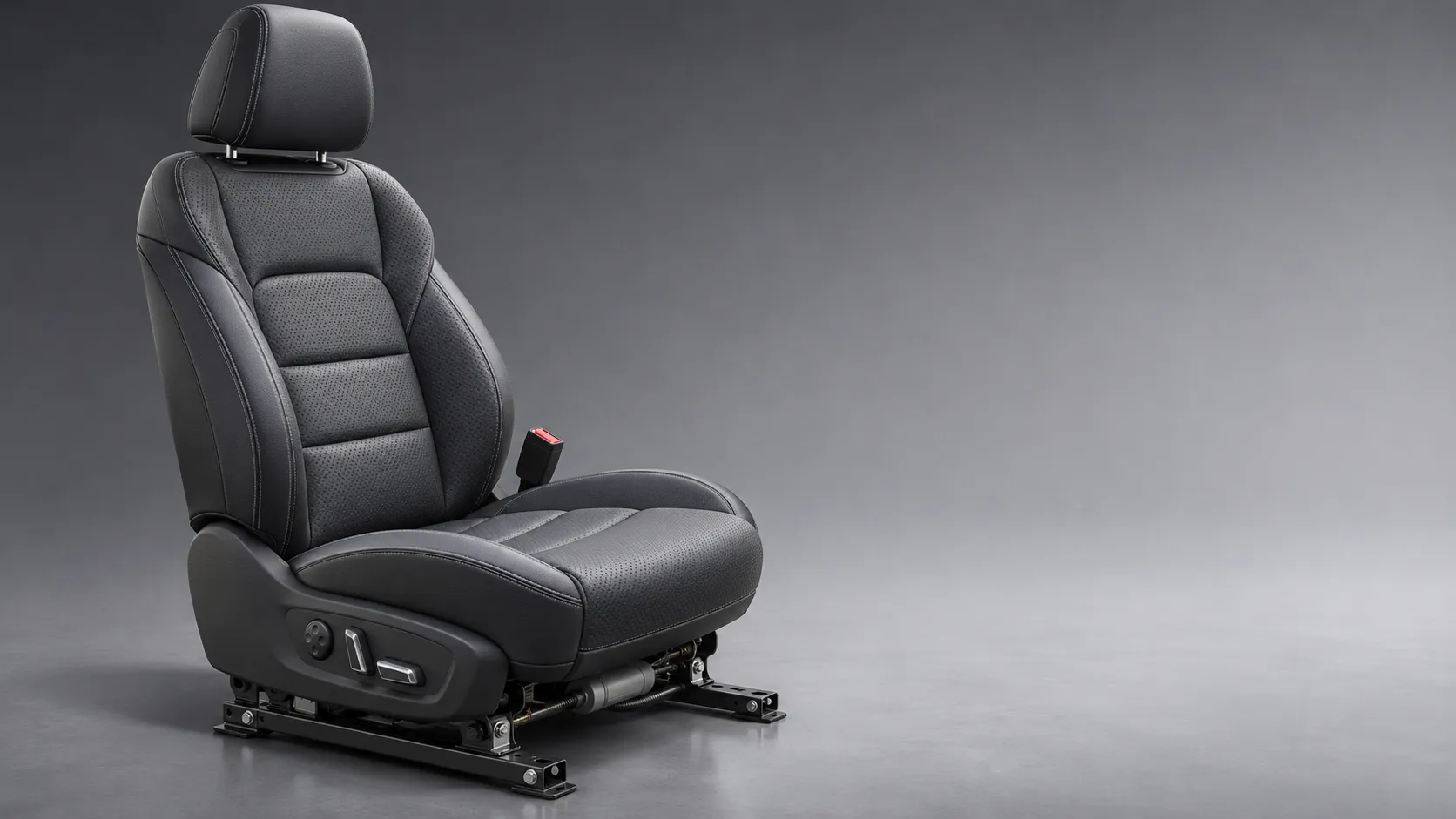
For example, a conventional seat provides structural support and adjustment. A smart seat may also detect occupancy, remember preferences, or provide information to other vehicle systems.
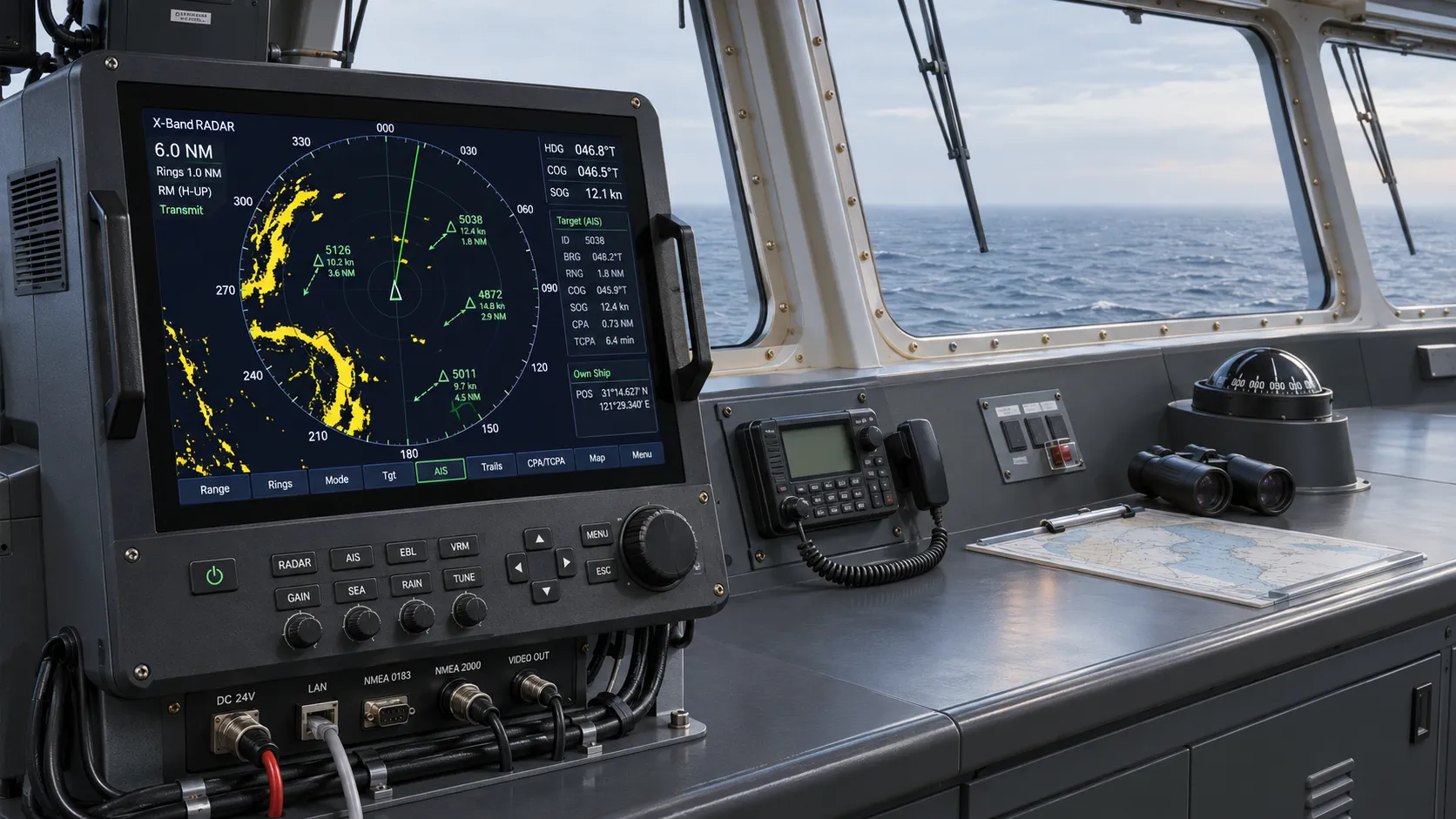
Likewise, a marine display becomes part of a smarter navigation system when it combines positioning, chart, radar, or identification data to improve situational awareness.
Connectivity is common but not universal. Some smart equipment processes sensor information locally and performs its function without a continuous cloud connection.
For researchers, the key question is therefore practical: what data is used, what decision or action follows, and how reliably does the equipment perform?
How Does Smart Mobility Equipment Work?
Most systems follow a sequence: collect information, interpret it, communicate relevant results, and support an action. The sequence can occur within milliseconds or over longer maintenance cycles.
Sensors provide inputs such as position, speed, acceleration, seat occupancy, temperature, or equipment condition. Their accuracy depends on placement, calibration, environmental conditions, and maintenance.
Control software interprets those inputs against predefined rules or models. It may generate an alert, adjust a feature, record an event, or inform another system.
Communication interfaces exchange information between components, operator displays, service tools, or remote platforms. Not every system needs every connection, and more connectivity can introduce additional risks.
An output is only as useful as its context. A clear warning can help an operator act, but an unreliable or poorly timed warning may create confusion.
Critical protection functions also need predictable behavior when data is missing, sensors disagree, power is interrupted, or a communication link becomes unavailable.
Which Connected Features Matter Most?
Real-Time Sensing and Awareness
Real-time sensing helps equipment respond to changing conditions. A vessel may combine multiple navigation inputs, while a vehicle may use acceleration and occupancy information for safety decisions.
Researchers should distinguish measured data from inferred data. A sensor may measure pressure directly, for example, while software estimates whether a seat is occupied.
Both can be useful, but estimates depend on assumptions and validation. Edge cases, such as unusual seating positions or obstructed sensors, deserve particular attention.
Integration Across Systems
Integration allows equipment to share information rather than operate in isolation. On a bridge, position and chart information can be presented alongside other navigation data.
In a vehicle, occupancy information may inform restraint control or seatbelt reminders, depending on the vehicle architecture and the system’s approved design.
Integration also creates dependencies. Researchers should ask which component supplies each input, whether timestamps align, and what happens when one source fails.
Diagnostics and Software Updates
Diagnostics can record faults, identify abnormal readings, and help technicians investigate problems. They do not automatically predict every failure or eliminate the need for inspection.
Software updates can correct defects or introduce supported functions, but their value depends on authorization, testing, version control, and a reliable recovery process.
For operational equipment, researchers should establish who approves updates, whether downtime is required, and how the operator confirms that the installed version is valid.
Human-Machine Interfaces
Displays, controls, and alerts turn system data into usable information. Their design matters because operators must recognize priorities and act under time pressure.
A useful interface makes essential status visible, identifies uncertainty, and avoids overwhelming users with simultaneous warnings. Training and operating procedures remain important.
Automation should be assessed alongside the person using it. A system that presents a recommendation does not necessarily replace an operator’s judgment or legal responsibilities.
Where Is Smart Mobility Equipment Used?
Marine Navigation Systems
Marine navigation illustrates how connected information can support decisions across a vessel’s operating environment. Positioning, electronic charts, radar, and identification data each provide different evidence.
A global navigation satellite system, or GNSS, can supply position and timing information. Radar detects objects and land features using reflected radio signals.
The Automatic Identification System, or AIS, broadcasts vessel identity and other information from participating stations. Its reports should not be treated as a complete picture of surrounding traffic.
An Electronic Chart Display and Information System, or ECDIS, can support route planning and monitoring using official electronic navigational charts and other connected inputs.
These sources complement one another but have different limitations. GNSS signals can be disrupted or misleading, radar returns require interpretation, and AIS information may be incomplete or inaccurate.
Integration can improve awareness when crews cross-check inputs, understand alarms, and maintain current charts. It does not guarantee all-weather accuracy or remove navigational risk.
Airbags and Seatbelt Systems
Modern restraint systems combine mechanical components with sensors and electronic control. Their purpose is to manage occupant motion and injury risk during a collision.
A restraint control unit evaluates crash-related sensor signals and determines whether deployment criteria are met. Specific logic varies by vehicle and must be validated for its design.
Some systems use occupancy or seat-position information to tailor aspects of restraint operation. Such inputs are design-dependent and do not mean every airbag adapts identically.
Seatbelt pretensioners can rapidly remove slack in certain crashes, while force limiters allow controlled belt payout to help manage loads on the occupant.
These devices must work as a coordinated system with the seat, vehicle structure, and airbags. A connected feature cannot compensate for an improperly worn seatbelt.
Because deployment is safety-critical, remote connectivity is not the defining feature. Local processing, validated crash performance, and fault detection are generally more relevant to its function.
Smart Automotive Seats
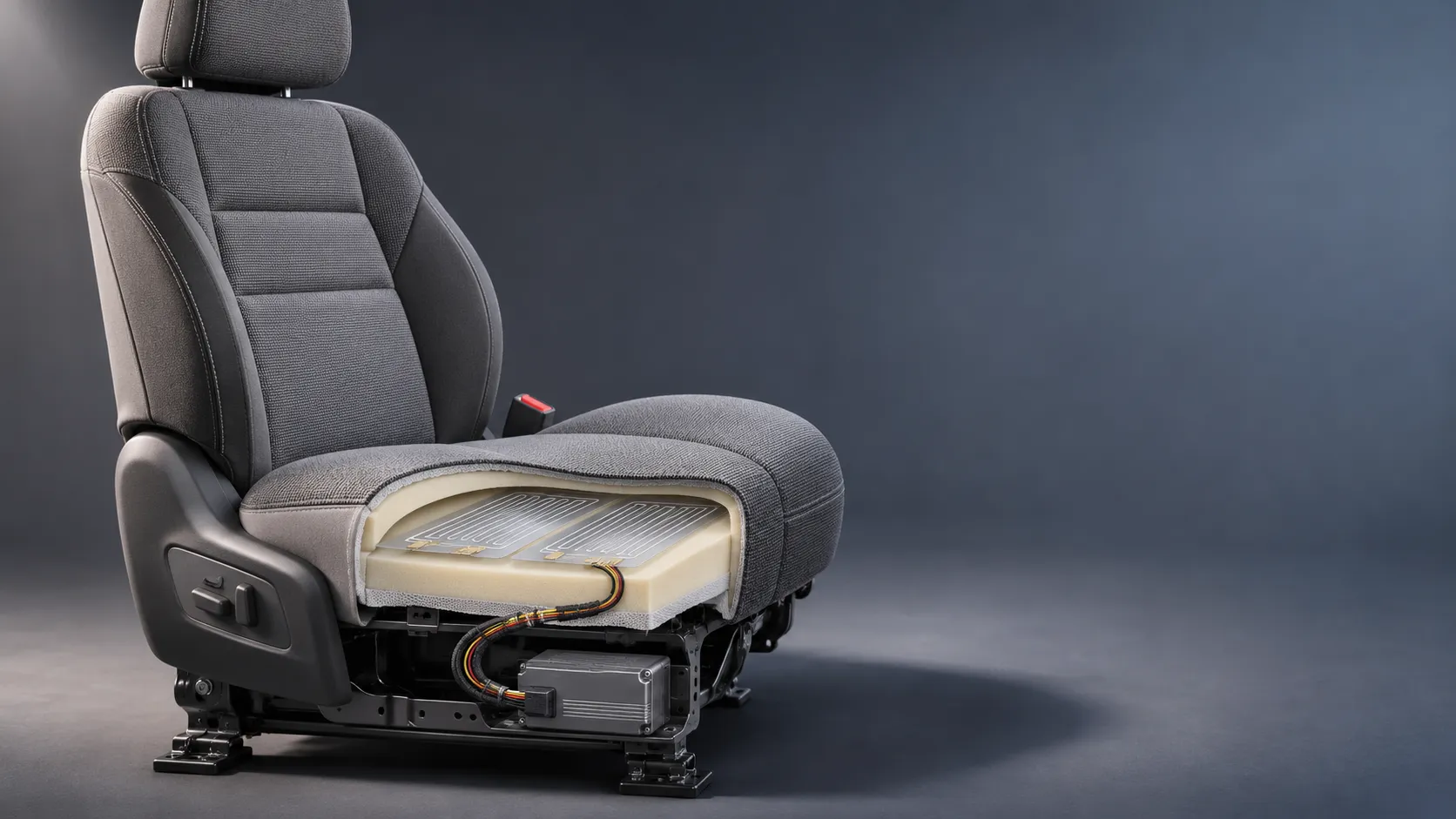
Smart seats may combine electric adjustment, memory settings, heating, ventilation, and sensing. Availability varies by vehicle, market, and equipment level.
Occupancy sensing can support seatbelt reminders or provide inputs to restraint systems. Seat-position information may also contribute to vehicle-specific safety strategies.
Comfort functions can use temperature controls or stored preferences to reduce repeated manual adjustment. Their effectiveness depends on usability, occupant differences, and operating conditions.
Researchers should distinguish a seat’s comfort features from validated safety functions. A heated seat is useful, but it does not itself demonstrate improved crash protection.
Seat sensors can also produce sensitive information about occupancy or behavior. Data collection, retention, access, and sharing should be evaluated against the intended use.
Vehicle Structures and Manufacturing
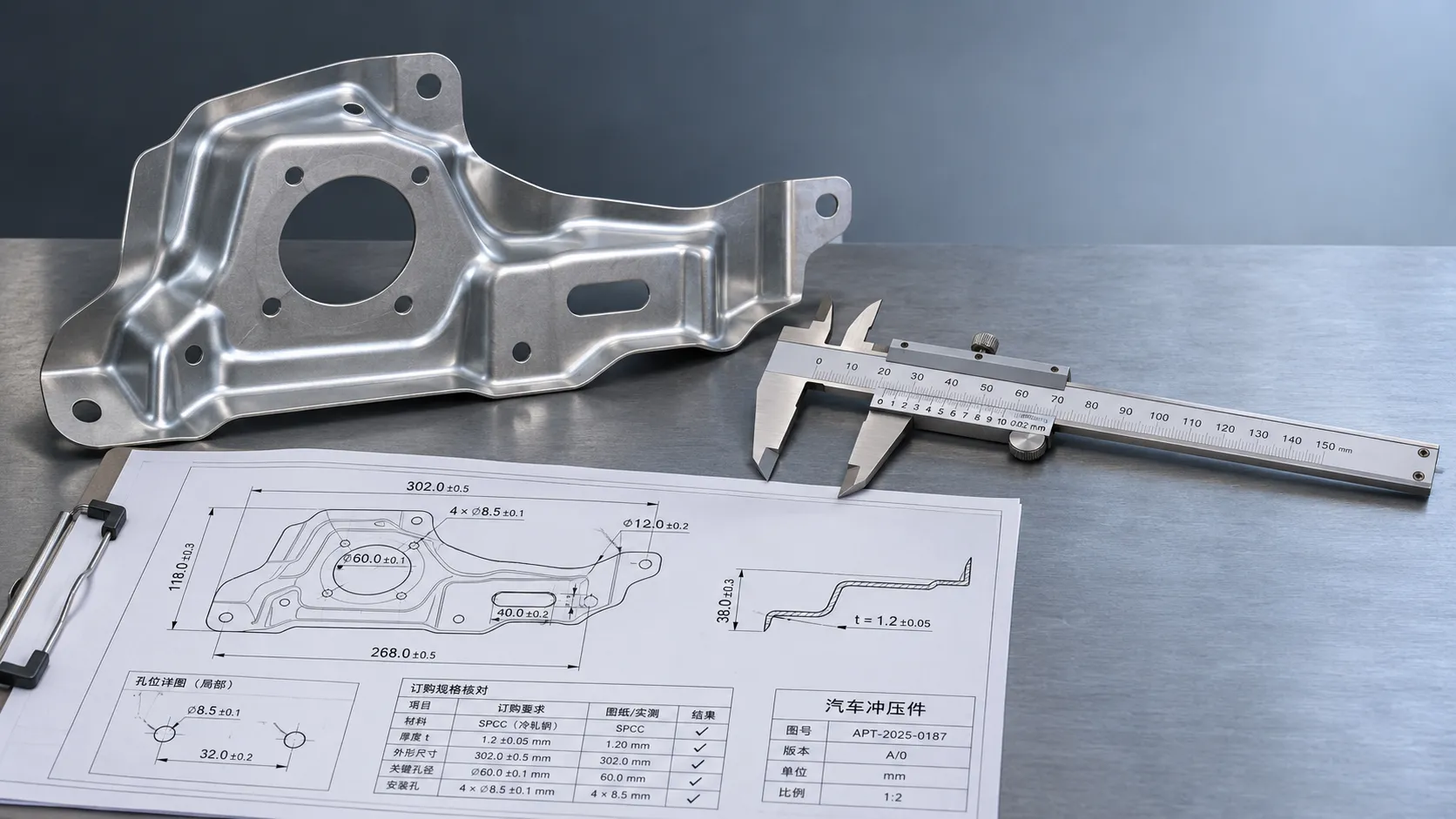
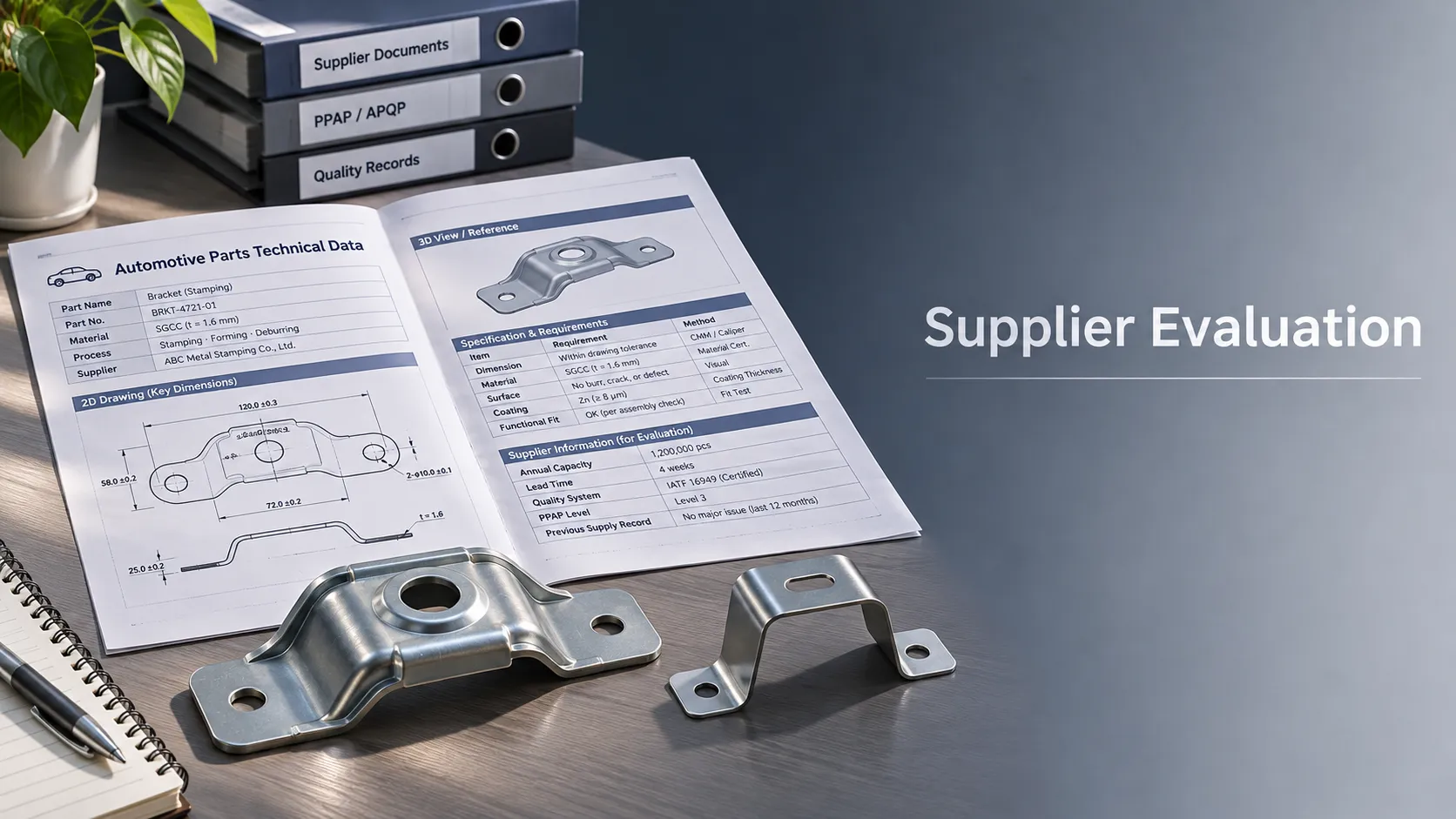
Auto body stampings are not necessarily connected products. Their contribution to smart mobility is often indirect: lightweight, precisely manufactured structures support vehicle efficiency and crash management.
High-strength steel and aluminum parts can be engineered for particular structural roles. Material selection involves trade-offs among mass, manufacturability, joining, repairability, cost, and crash performance.
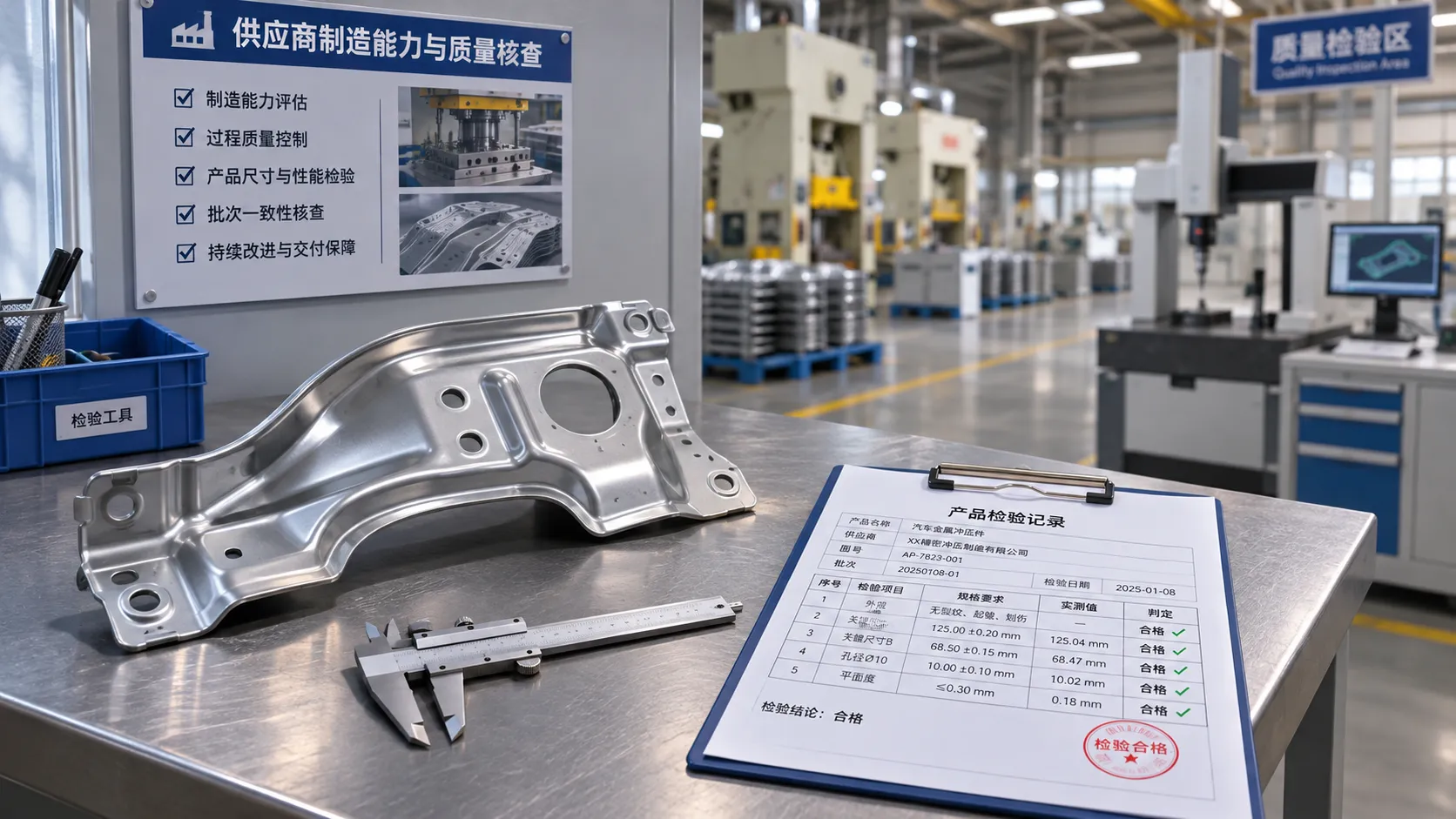
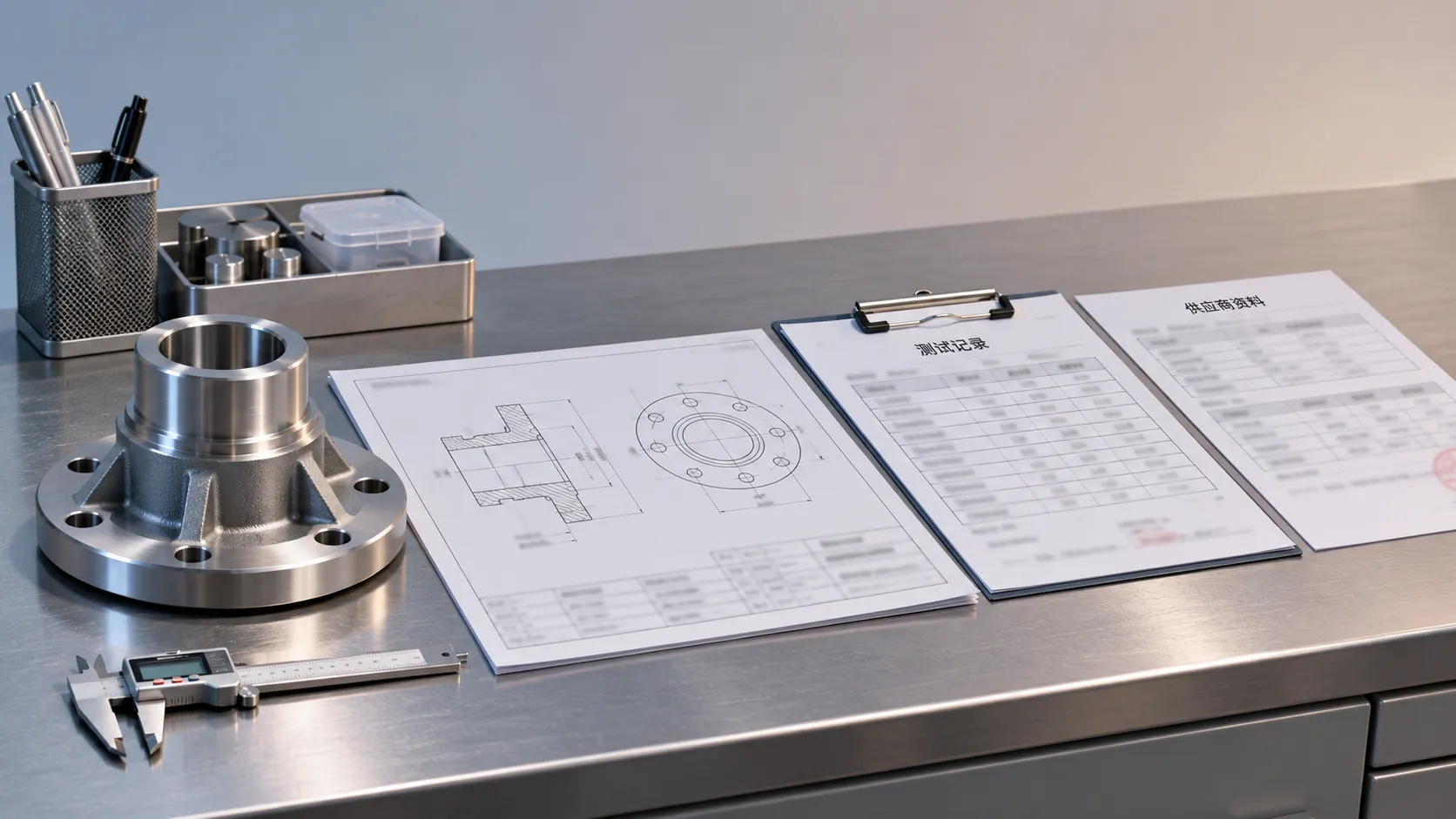
Digital manufacturing equipment may monitor process conditions, dimensional accuracy, or production quality. The resulting data can help identify variation before components enter vehicle assembly.
However, a digitally monitored production line does not automatically make the finished stamping intelligent. Researchers should separate smart manufacturing processes from connected in-service equipment.
What Benefits Are Supported by These Applications?
The strongest potential benefit is better-informed action: operators see relevant conditions, technicians receive diagnostic evidence, and control systems react to validated sensor inputs.
Connected information can also reduce manual data entry and support maintenance planning. The actual improvement depends on data quality, workflow design, and implementation costs.
In safety applications, sensors and control logic can help coordinate protective devices. Their effectiveness must be demonstrated through system-level testing, not assumed from connectivity alone.
For comfort and accessibility, adjustable equipment can accommodate different users more effectively. Benefits depend on adjustment range, interface design, and whether occupants can use the controls easily.
Efficiency claims require a baseline. Researchers should compare measurable outcomes, such as downtime, energy use, or task completion time, under comparable operating conditions.
More data is not always better. Additional sensors and connections introduce costs, maintenance requirements, and possible failure points that must be justified by a specific use.
What Risks and Limitations Should Researchers Examine?
Sensor and Data Reliability
Sensor readings can degrade because of contamination, physical damage, interference, aging, or incorrect installation. Software cannot reliably correct every problem in its inputs.
Ask how the system detects implausible readings, whether alternative sources are available, and what indication the operator receives when confidence falls.
Cybersecurity and Privacy
Every external interface creates a potential security exposure. Relevant controls may include authentication, access restrictions, secure updates, monitoring, and a documented vulnerability response process.
Privacy questions arise when equipment records identifiable occupants, locations, or behavior. Researchers should determine the data’s purpose, retention period, access rights, and applicable legal requirements.
Critical functions should also be evaluated for resilience when connectivity is lost or compromised. The appropriate fallback depends on the equipment and its safety requirements.
Interoperability and Lifecycle Support
Equipment from different suppliers may use incompatible interfaces, data formats, or update procedures. Integration should be demonstrated in the intended configuration, not assumed from marketing language.
Long service lives make support important. Check component availability, software maintenance commitments, documentation, repair procedures, and whether replacement parts require specialist configuration.
A vessel or vehicle may remain in service after its original software supplier changes ownership or ends support. That possibility belongs in lifecycle planning.
Compliance and Testing
Requirements depend on the equipment, jurisdiction, vessel or vehicle type, and intended market. Certification claims should identify the applicable standard, edition, and tested configuration.
Marine navigation equipment may be subject to International Maritime Organization requirements and relevant performance standards, as implemented by flag states and approval authorities.
Automotive restraint and seating requirements vary by jurisdiction. Consumer programs such as Euro NCAP and IIHS provide valuable test information but are distinct from legal certification.
Test results should be interpreted in context: a vehicle-level rating does not automatically validate every component variant, retrofit, or operating scenario.
How Can You Evaluate a Smart Mobility System?
Begin with the intended function and operating environment. Identify the user, the decision being supported, and the consequences of an incorrect or unavailable output.
Next, map the inputs and outputs. Determine what is measured, what is inferred, which systems exchange data, and whether any external connection is essential.
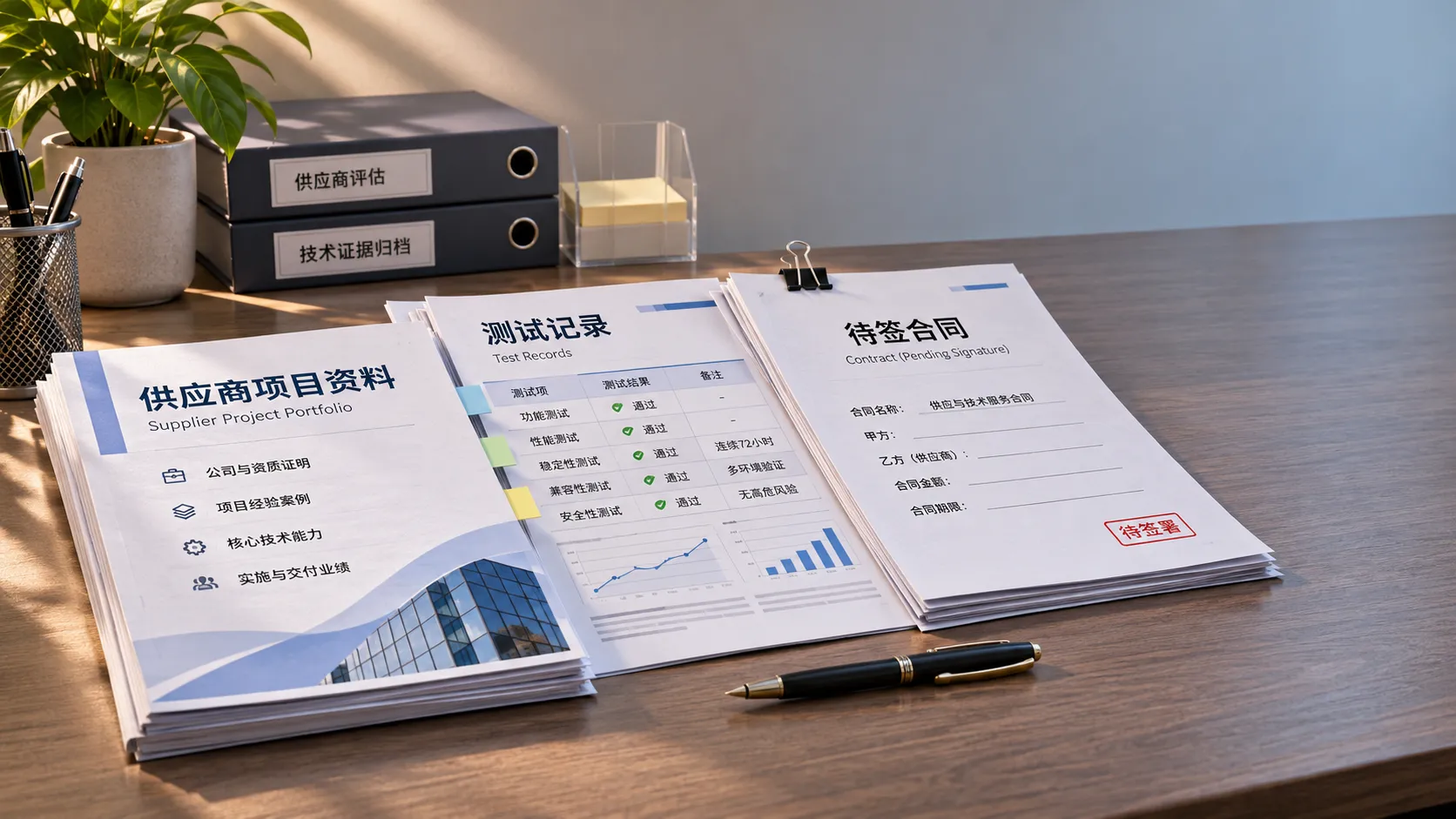
Review evidence for performance, including test conditions, limitations, fault behavior, and relevant approvals. Request independent verification where the consequences of failure justify it.
Examine human factors as well as technical specifications. Alerts, controls, maintenance instructions, and training should fit the people and conditions involved.
Finally, assess ownership over time: installation, calibration, updates, cybersecurity support, repairs, data governance, and end-of-life obligations all affect the equipment’s practical value.
When comparing products, use a consistent scenario and baseline. A feature is meaningful only when it improves a relevant outcome without introducing disproportionate risk or complexity.
Frequently Asked Questions
Is Smart Mobility Equipment the Same as an Autonomous Vehicle?
No. Smart mobility equipment can support a human operator without controlling the entire vehicle. Autonomous driving is a separate capability with its own defined operating limits.
Does Smart Equipment Always Need Internet Access?
No. Many safety and control functions operate locally. Internet access may enable selected services or updates, but it should not be assumed necessary for every function.
Are Connected Features Automatically Safer?
No. Safety depends on system design, validation, maintenance, and correct use. Connectivity can provide useful information, but it can also create dependencies and security risks.
What Does “Digitalized Mobility Equipment Smart” Mean?
The phrase generally refers to mobility equipment made more capable through digital sensing, processing, or communication. Its practical meaning depends on the specific application and evidence.
Conclusion
Smart mobility equipment uses data and processing to support defined transport functions, from marine situational awareness to vehicle occupant protection and seat comfort.
Its value lies in a demonstrable outcome, not the presence of a sensor or network connection. Reliable inputs, clear interfaces, validated performance, and lifecycle support matter.
For researchers, the most useful approach is to examine each system’s purpose, evidence, limitations, and fallback behavior before deciding how much its connected features contribute.