
Choosing a Maritime Supplier: How to Verify Compliance and Certification
Choosing a maritime supplier involves more than comparing prices and specifications. Procurement teams must verify that navigation equipment meets applicable regulations, carries valid certifications, and is supported by reliable documentation. A thorough maritime compliance standards supplier assessment can reduce purchasing risks, prevent costly delays, and support safer vessel operations. This guide explains how to review certificates, confirm approval status, and assess supplier capabilities before making a purchasing decision.
Start with the vessel and the intended installation
A supplier may offer equipment that is technically capable but unsuitable for the vessel’s regulatory or operational context. Before requesting certificates, establish what the equipment must do, where it will be installed, and which authorities will accept it.
The answer depends on factors such as vessel type, flag, operating area, construction or installation date, and whether the equipment is mandatory or voluntary. A replacement on an existing bridge can raise different questions from a complete installation on a newbuild. Existing interfaces, approved configurations, and the extent of modification may affect what needs to be reviewed.
For vessels subject to the International Convention for the Safety of Life at Sea (SOLAS), carriage and performance requirements for navigation equipment may be relevant. Flag-state rules, classification requirements and, where applicable, regional marine equipment rules also need consideration. The vessel owner, technical manager, flag administration or its authorized organization, and classification society should help establish the applicable requirements; a supplier’s general assurance is not a substitute for that decision.
Turn those requirements into a short purchasing specification before inviting bids. Include the vessel and flag, equipment function, proposed installation date, required interfaces, expected delivery location, and evidence the supplier must provide. This gives bidders the same basis for pricing and makes exceptions visible early.
Understand what each certificate actually proves
“Certified” can describe several different things. A quality management certificate concerns an organization’s management system; it does not, by itself, approve a particular radar, automatic identification system (AIS) unit or electronic chart display and information system (ECDIS) for use on a specific vessel.
Product type approval generally relates to a defined product and configuration assessed against specified requirements. A declaration of conformity is a separate document whose meaning depends on the regulatory scheme and the party issuing it. A class-related approval or acceptance may address particular equipment or installation requirements, but should not automatically be interpreted as universal flag-state acceptance.
For equipment within the scope of the EU Marine Equipment Directive, the wheel mark and associated conformity documentation may be relevant. Whether that route applies depends on the vessel and equipment concerned. Likewise, a certificate issued under one approval framework should not be assumed to satisfy every market or flag requirement without confirmation.
Ask the supplier to identify the approval route it is relying on and explain how it applies to the proposed vessel. A useful answer names the equipment model, applicable requirements, issuing body and any installation conditions—not merely a logo on a brochure.
Verify the document against the equipment being quoted
The most common procurement mistake is checking that a certificate exists without checking what it covers. Request the complete certificate and its annexes, then compare them with the bill of materials and quotation.
- Manufacturer and model: Do the legal manufacturer, product name and model designation match the offer? A distributor’s name on the quotation may differ from the manufacturer’s name on the certificate; the relationship should be clear.
- Configuration: Are the display, processing unit, antenna, sensors and other relevant components covered where required? Check any listed options or restrictions.
- Software and revisions: Does the certificate or its supporting documentation identify a hardware or software version? If the proposed version differs, ask how continued validity is established.
- Scope and conditions: Which standards or requirements were assessed, and are there limitations on installation, use or interfaces?
- Status: Check issue and expiry dates where stated, and look for evidence of suspension, withdrawal or supersession.
Use the issuing body’s public database when available. If the record is unclear, contact the issuer or relevant authorized organization with the certificate number, manufacturer and model. A certificate that cannot be found online is not automatically invalid: some records are not public or may appear under another legal name. It does, however, warrant clarification before the purchase order is placed.
Also check whether the supplier is authorized to sell, install or support the equipment when the project requires that assurance. Authorization is different from product approval. Both can matter if warranty coverage, commissioning or access to software updates depends on the manufacturer’s service network.
Treat integration as part of compliance risk
An approved component does not guarantee an acceptable bridge installation. Navigation systems exchange positioning, heading, speed and other data; an interface mismatch can create delays even when each device appears sound on its own.
For an ECDIS replacement, for example, ask which existing sensors and bridge systems will connect to the proposed unit, what interface conversion is needed, and who will verify data flow and alarms. Confirm the arrangements for charts, updates, backup and crew familiarization against the vessel’s applicable requirements and operating procedures. Do not assume these items are included in the equipment price.
For radar or AIS, the questions may involve antenna placement, cabling, power supply, sensor inputs and interaction with existing displays. Request an interface list and installation responsibilities before comparing final offers. The vessel’s technical team and installer should review it together; procurement can then price unresolved items rather than discovering them during commissioning.
Software maintenance deserves particular attention. Ask how updates are delivered, who authorizes them, whether they can affect approved configurations, and how the vessel can recover from a failed update. For connected systems, clarify access controls and the division of responsibility for cybersecurity in line with the operator’s policies and applicable requirements.
Compare landed and operational cost, not just equipment price
A low quotation may be reasonable—or it may omit work that another supplier has included. Normalize offers using the same scope before selecting a winner. In addition to hardware and freight, examine installation materials, engineering, travel, commissioning, survey attendance, training, documentation and applicable taxes or duties.
Then look beyond delivery. Chart services, software support, replacement parts, specialist attendance and renewal of subscriptions can materially change the ownership cost. Obtain the pricing basis and contract term for each recurring item. Where prices are unavailable, record the gap rather than treating the cost as zero.
Service geography matters as much as the headline warranty. A warranty may cover a defective component but exclude travel, labor or freight. Ask where authorized technicians and spare parts are available along the vessel’s expected trading pattern, and what happens if support is required at a port outside that network. Any response time should be documented as a contractual commitment if it is important to the project.
Delivery risk also has a cost. Check whether the quoted lead time applies to the complete approved configuration or only to the main unit. Confirm the availability of antennas, interface modules and documentation, as well as the date from which the supplier considers the order firm. A missing component can undermine an otherwise attractive offer.
Build evidence and responsibilities into the purchase order
Once a supplier is selected, preserve the details that made its offer acceptable. The purchase order should identify the model and configuration, required documentation, delivery terms, installation scope and acceptance criteria. Reference the agreed certificate or approval documents and require notification of changes to the manufacturer, model, critical components or relevant software before shipment.
Agree on what must be supplied with the equipment: applicable declarations and certificates, manuals, drawings, interface information, serial-number records where appropriate, and commissioning or test reports for the contracted work. Specify the document language and format if the vessel operator or reviewing authority has particular needs.
Acceptance should not rest solely on a box arriving at the shipyard or vessel. Define who checks the delivered configuration, who witnesses installation tests, and how deficiencies are recorded and corrected. Where flag, class or other authority review is required, allow for that process in the schedule rather than assuming supplier documentation ends the review.
The distinction between supplier evidence and independent acceptance is worth protecting. A test report can show what was assessed; the authority responsible for the vessel determines what it accepts within its remit. If a certificate is close to expiry or a standard transition is approaching, agree on the evidence required for the planned delivery and installation date before committing funds.
Make the final decision with the gaps visible
A practical comparison should show three things side by side: compliance evidence, delivery and integration scope, and the full identifiable cost. Flag any item that remains unconfirmed and assign an owner and deadline. If an exception cannot be resolved before award, make the commercial decision explicit rather than letting an assumption become part of the order.
Industry intelligence sources such as Global Navigation & Cabin Safety (GNCS) can help teams follow developments in marine navigation technology and compliance. They are useful context for questions about systems such as ECDIS, but project-specific approval still needs to be checked against current documents and the vessel’s governing requirements.
Before signing, ask one final question: can the proposed equipment, in the exact configuration quoted, be delivered, installed, accepted and supported for this vessel at the stated price? If the answer relies on an undocumented assumption, resolve it with the supplier and the relevant technical or regulatory parties while there is still room to change the order.
Related News

How to Evaluate Supplier Solution References Before Signing a Contract
Evaluate supplier solution references with confidence. Learn how to verify technical evidence, identify delivery risks, and close gaps before signing a contract.

How Capacitive Seat Occupancy Sensing Works in Automotive Airbag Systems
Discover how capacitive seat occupancy sensing supports automotive airbag systems, and explore the design, calibration, and validation challenges behind reliable performance.
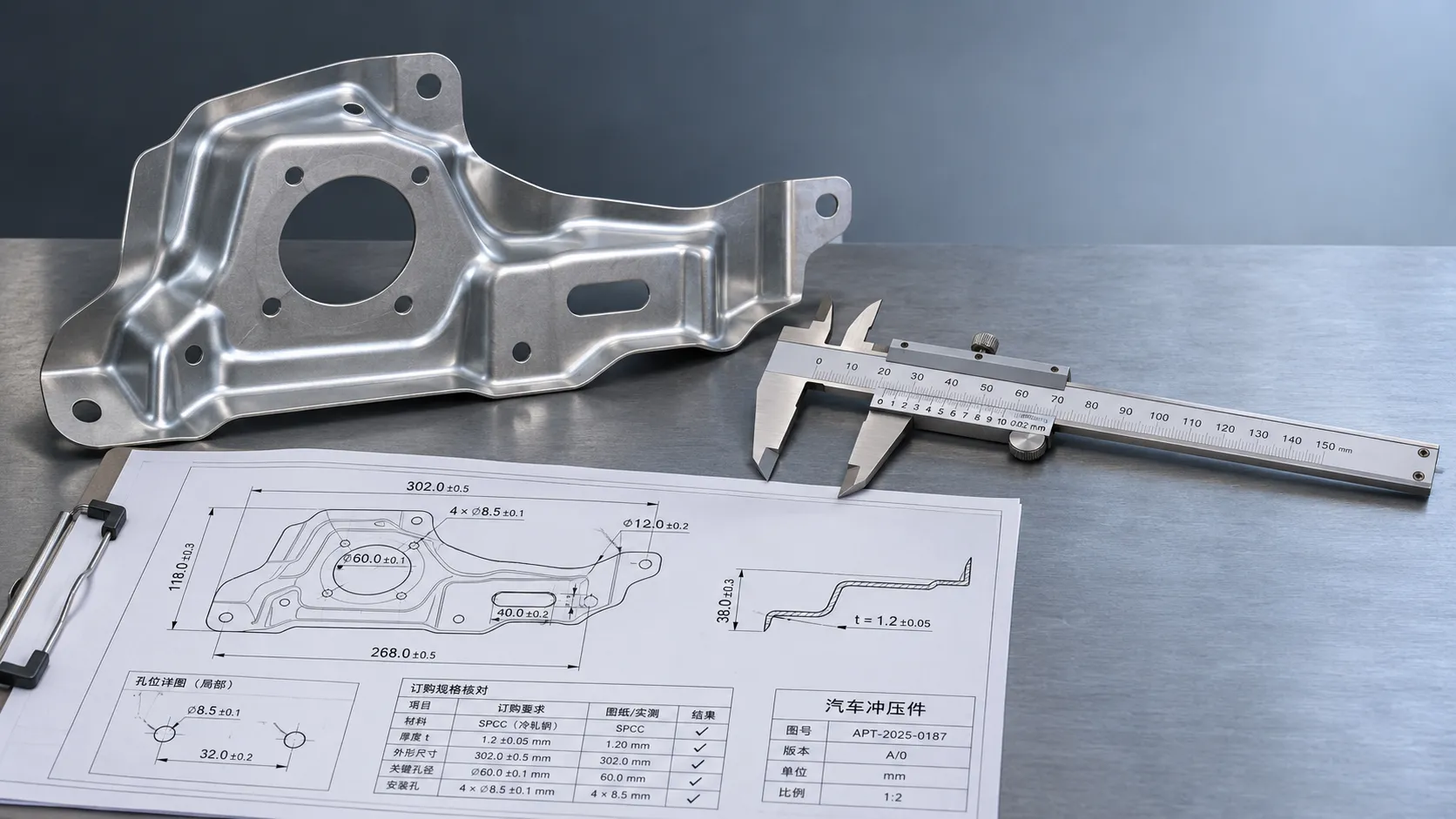
Industrial Product References: How to Verify Specs Before Ordering
Use an industrial product reference for procurement to verify specs, compatibility, and certifications before ordering—and reduce costly purchasing risks.

Choosing a Private Label Partner in Europe: Key Supplier Criteria
Private label cooperation Europe buyers can trust starts with the right supplier. Explore key criteria for compliance, quality, traceability and supply resilience.

Integrated Cabin Comfort Systems: How Seat and Cabin Climate Controls Work Together
Discover how integrated cabin comfort systems coordinate seat and climate controls to balance occupant comfort, energy use, safety, and performance.

Automotive Ergonomics Pricing: What Drives Seat System Costs?
Discover what drives automotive ergonomics pricing, from seat mechanisms and safety systems to tooling and volume, and learn how to compare supplier quotes.

Evaluating Supplier Solutions: How to Verify References and Standards
Supplier solution references and standards can make or break a sourcing decision. Learn how to verify claims, assess compliance, and reduce risk before awarding a contract.
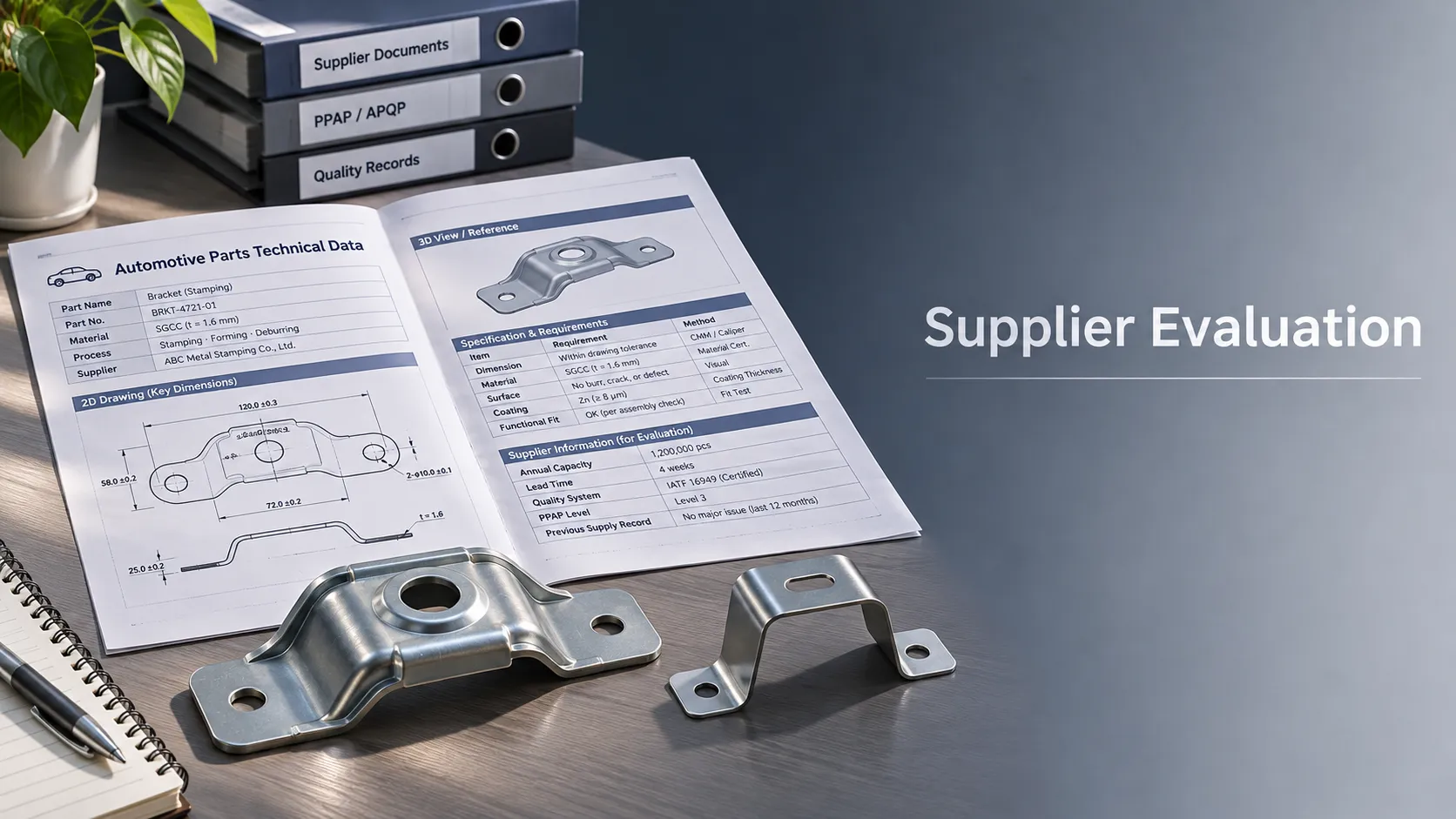
Choosing B2B Product Knowledge Platform Suppliers: Key Evaluation Criteria
Compare B2B product knowledge platform suppliers with confidence. Explore key criteria for data accuracy, supplier transparency, integrations, and value.
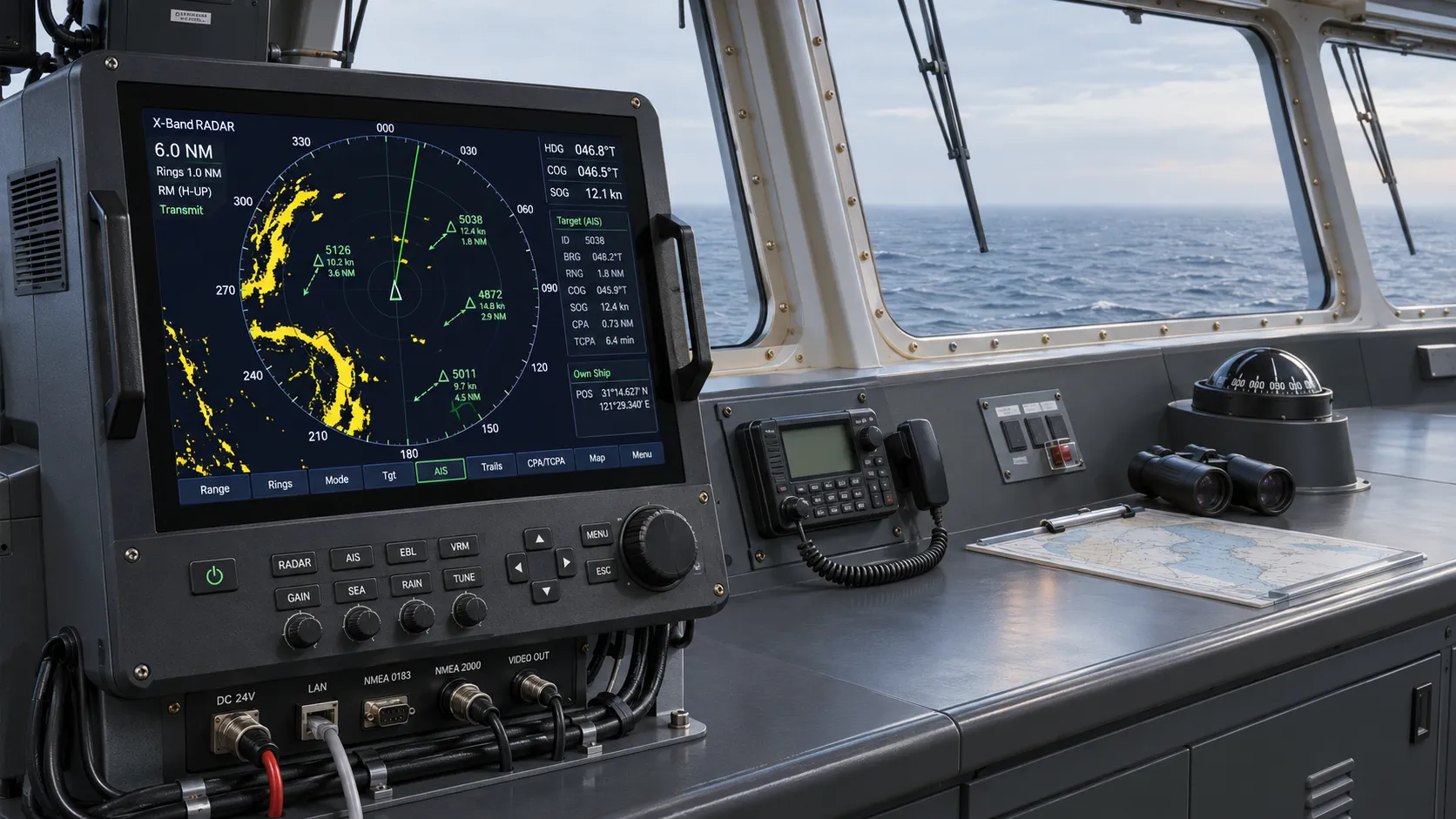
Choosing a Marine Radar Systems Supplier: What to Check Before Buying
Choosing a marine radar systems supplier? Compare installed costs, bridge compatibility, compliance evidence, and service support before you buy.
Related News
- 00
0000-00
How to Evaluate Supplier Solution References Before Signing a Contract - 00
0000-00
Industrial Product References: How to Verify Specs Before Ordering - 00
0000-00
Choosing a Private Label Partner in Europe: Key Supplier Criteria - 00
0000-00
Automotive Ergonomics Pricing: What Drives Seat System Costs? - 00
0000-00
Evaluating Supplier Solutions: How to Verify References and Standards
0000-00
Weekly Insights
Stay ahead with our curated technology reports delivered every Monday.