
Product Information Platform Comparison: Data Quality, Integrations, and Scalability
Product Information Platform Comparison: Data Quality, Integrations, and Scalability
In safety-critical mobility supply chains, inconsistent specifications and fragmented compliance records can undermine even an advanced equipment portfolio. A commercial product information platform comparison should therefore look beyond feature lists to examine data validation, integration depth, and scalability under real operational demands.
For teams managing marine navigation systems, passive safety components, or smart seating data, the central question is practical: can the platform distribute the correct information for the correct product revision, market, and customer—without losing the evidence behind it?
A polished catalog demonstration rarely answers that question. The useful comparison starts with the information model, follows a change across connected systems, and ends with measurable acceptance tests.
Define the platform’s responsibility before comparing features
“Product information platform” can describe substantially different products. A product information management system (PIM) generally supports enrichment, localization, and channel publishing. Master data management (MDM) focuses on consistent identities and shared records across systems. Product lifecycle management (PLM) usually governs engineering definitions, revisions, and release processes. Individual offerings may overlap, but these responsibilities should not become interchangeable during procurement.
For a seatbelt supplier, for example, engineering may control the released assembly definition in PLM, while enterprise resource planning (ERP) controls commercial item codes and availability. The information platform can prepare approved descriptions and application data for customers. It should not silently become the authority for engineering parameters simply because those fields appear in its interface.
Create a field-level ownership map before issuing a request for proposal. Identify the authoritative source, permitted editors, approval owner, and publishing destinations for each critical attribute. This exposes architectural conflicts earlier than a generic requirements checklist.
Data quality means more than completed fields
A record can be fully populated and still be unsuitable for publication. A dimension without a unit, a material grade detached from its specification, or an approval document linked to the wrong variant can pass a basic completeness check. Evaluate whether the platform understands relationships and conditions, not just mandatory fields.
For automotive body stampings, the model may need to distinguish material, forming condition, thickness, and part revision. A navigation equipment record may require hardware and software compatibility information alongside market-specific documentation. These are modeling requirements to confirm against the actual portfolio, not universal attribute lists.
Ask vendors to demonstrate three different controls: format validation, cross-field validation, and publication eligibility. Format validation checks whether a value is structurally acceptable. Cross-field validation checks whether related values are consistent. Publication eligibility determines whether the approved information package is complete for a particular destination.
The distinction matters for compliance content. A test report, approval certificate, and technical declaration serve different purposes. Their applicability may depend on product configuration, jurisdiction, and revision. Storing them as interchangeable attachments creates avoidable ambiguity. Likewise, an IIHS or Euro NCAP assessment should not be represented as a universal component certification.
Inspect the history behind a published value
Select one safety-relevant attribute and ask the vendor to reconstruct its history: source, previous value, change reason, approver, effective date, and affected outputs. Then ask how a correction reaches recipients who already received the earlier version.
Look for controlled exceptions as well. An authorized user may need to resolve a legitimate edge case, but the override should retain its rationale and approval record. A blanket administrator bypass weakens the same governance the platform is meant to provide.
Test integrations where they are most likely to fail
A connector logo proves little about integration depth. The important questions concern supported objects, field mappings, synchronization direction, error handling, and compatibility with your deployed application versions. An ERP connector that transfers item descriptions may not support classifications, document references, or revision relationships.
Have the vendor trace an engineering change from PLM through enrichment to a distributor feed. If an updated seat assembly changes a compatibility restriction, can the platform identify affected variants and translations? Can publication wait until dependent documents are approved? Does it prevent an older commercial edit from overwriting newly released engineering information?
Failure behavior deserves its own demonstration. Interrupt a connection, submit a duplicate message, and send an update out of sequence. The platform should make failures visible and provide a controlled recovery path. Retrying an event should not create duplicate products or reapply an obsolete state.
- API constraints: inspect rate limits, pagination, bulk operations, authentication, and versioning policies.
- Event delivery: verify retry behavior, duplicate handling, ordering assumptions, and reconciliation.
- Operational ownership: establish who monitors failures and who maintains mappings after upstream changes.
- Data boundaries: confirm that supplier access cannot expose another supplier’s restricted information.
Real-time synchronization is not automatically the right answer. Scheduled exchange may suit stable commercial content, while time-sensitive corrections need faster propagation. Set freshness requirements by information type rather than applying one expensive latency target everywhere.
Scalability is a workload question, not a SKU claim
Catalog size alone is a weak sizing metric. A modest number of products can produce a demanding workload when each has many variants, languages, market restrictions, relationships, and technical documents. Supplier onboarding and simultaneous publishing can create pressure that a simple record-count benchmark misses.
Build a representative workload using your current catalog and a documented expansion scenario. Include complex products, incomplete supplier submissions, historical revisions, and realistic asset sizes. Run imports, searches, approvals, and exports concurrently rather than accepting isolated tests.
Measure user-facing response times, import completion, validation throughput, publishing delay, and recovery after failure. Agree on acceptable thresholds before the trial. Averages alone can conceal slow operations, so examine percentile response times and failed-job rates where the platform exposes them.
Organizational growth also matters. Adding a business unit should not require duplicating the entire data model. Test delegated administration, controlled inheritance, and regional exceptions. For global distribution, verify data residency options and access arrangements against contractual and local requirements rather than assuming that cloud hosting resolves them.
Compare the work required after implementation
Subscription pricing is only one part of ownership cost. Data cleansing, taxonomy design, integration maintenance, translation workflows, and stewardship capacity can materially change the decision. Request a cost model that separates initial implementation from recurring operations and planned expansion.
Ask what happens when a new attribute is introduced across several product families. Can an internal administrator configure it safely, or does the change require custom development? Which customizations survive upgrades? Who retests publishing rules after a connector update? These questions reveal whether flexibility comes from maintainable configuration or accumulating technical debt.
Exit capability is another practical differentiator. Require a sample export containing relationships, document references, localization, and relevant approval history—not just a flat list of current values. Confirm contractual access to exports, their formats, and any associated charges. Product data is harder to migrate when its meaning exists only inside proprietary workflow logic.
Turn the shortlist into an evidence-based decision
Use a common proof-of-concept script for every shortlisted platform. Provide the same representative records and include deliberate defects: conflicting units, duplicate identifiers, a superseded document, and a missing market approval. Treat these as test conditions, not as claims about any specific supplier.
Then run a complete change cycle. Release an update upstream, resolve a validation issue, obtain approval, publish to two destinations, and withdraw an outdated output. Record what happens automatically, what needs configuration, and what requires manual intervention. A successful demonstration should include visible failure handling, not only the happy path.
Separate mandatory acceptance gates from weighted preferences. Missing traceability or inadequate access controls may be disqualifying; interface preferences usually are not. Assign weights according to operational exposure: a multilingual distributor and a manufacturer coordinating engineering revisions may reasonably reach different conclusions from the same shortlist.
The Global Navigation & Cabin Safety (GNCS) brings an equipment-intelligence perspective across marine navigation, body stampings, airbags, seatbelts, and seating systems. Across these fields, product information must connect technical claims with their applicable evidence. GNCS’s focus on technology evolution, safety requirements, and commercial intelligence helps frame which information deserves scrutiny; it does not replace engineering approval or market-specific compliance review.
Before selecting a platform, require evidence for three outcomes: it preserves the meaning and provenance of technical data, moves changes reliably across your actual systems, and meets agreed performance targets under representative load. If a vendor cannot demonstrate those outcomes with your records, another feature checklist will not resolve the risk.
Related News

How to Evaluate Supplier Solution References Before Signing a Contract
Evaluate supplier solution references with confidence. Learn how to verify technical evidence, identify delivery risks, and close gaps before signing a contract.

How Capacitive Seat Occupancy Sensing Works in Automotive Airbag Systems
Discover how capacitive seat occupancy sensing supports automotive airbag systems, and explore the design, calibration, and validation challenges behind reliable performance.
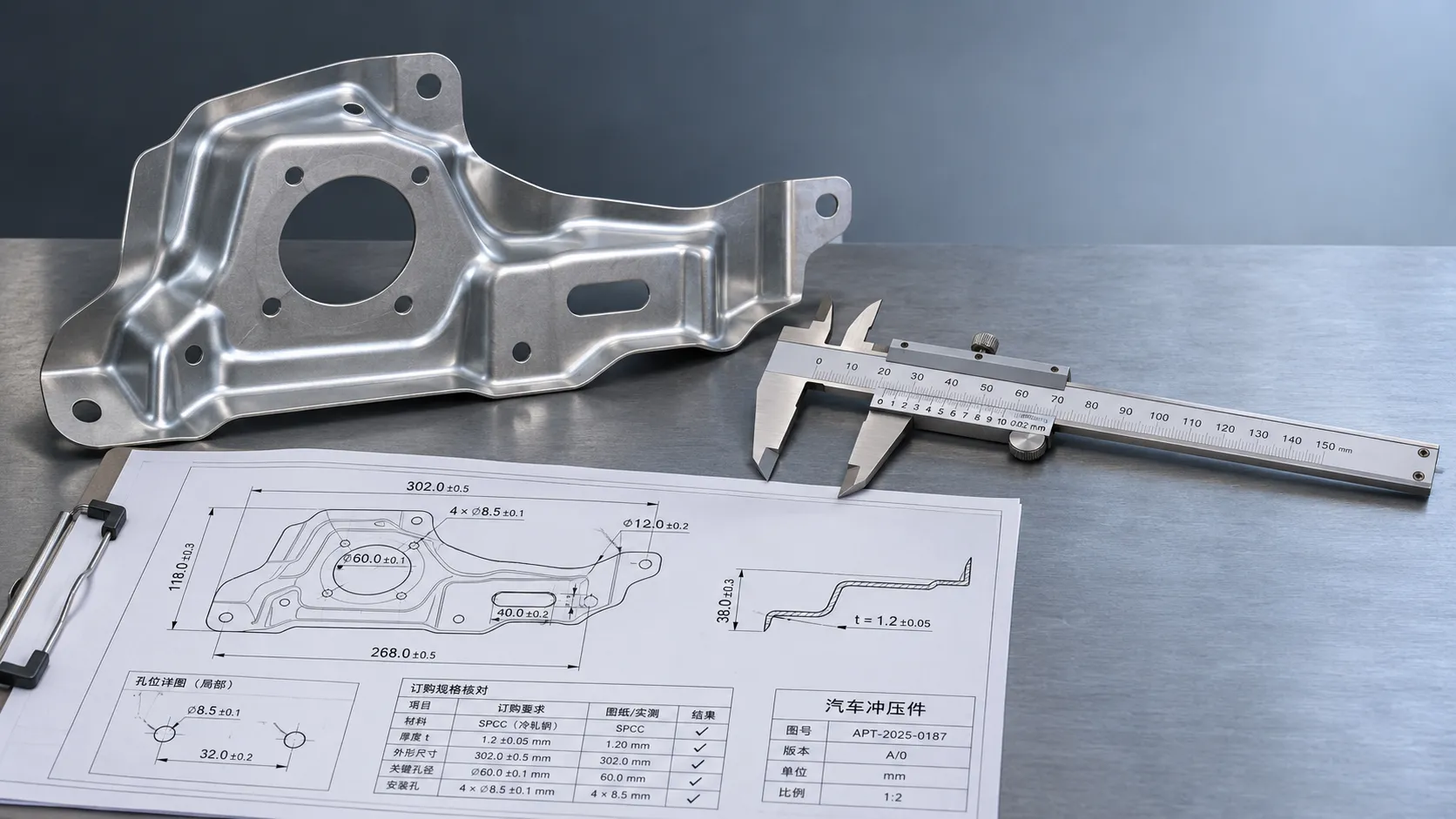
Industrial Product References: How to Verify Specs Before Ordering
Use an industrial product reference for procurement to verify specs, compatibility, and certifications before ordering—and reduce costly purchasing risks.

Choosing a Private Label Partner in Europe: Key Supplier Criteria
Private label cooperation Europe buyers can trust starts with the right supplier. Explore key criteria for compliance, quality, traceability and supply resilience.

Integrated Cabin Comfort Systems: How Seat and Cabin Climate Controls Work Together
Discover how integrated cabin comfort systems coordinate seat and climate controls to balance occupant comfort, energy use, safety, and performance.

Automotive Ergonomics Pricing: What Drives Seat System Costs?
Discover what drives automotive ergonomics pricing, from seat mechanisms and safety systems to tooling and volume, and learn how to compare supplier quotes.

Evaluating Supplier Solutions: How to Verify References and Standards
Supplier solution references and standards can make or break a sourcing decision. Learn how to verify claims, assess compliance, and reduce risk before awarding a contract.
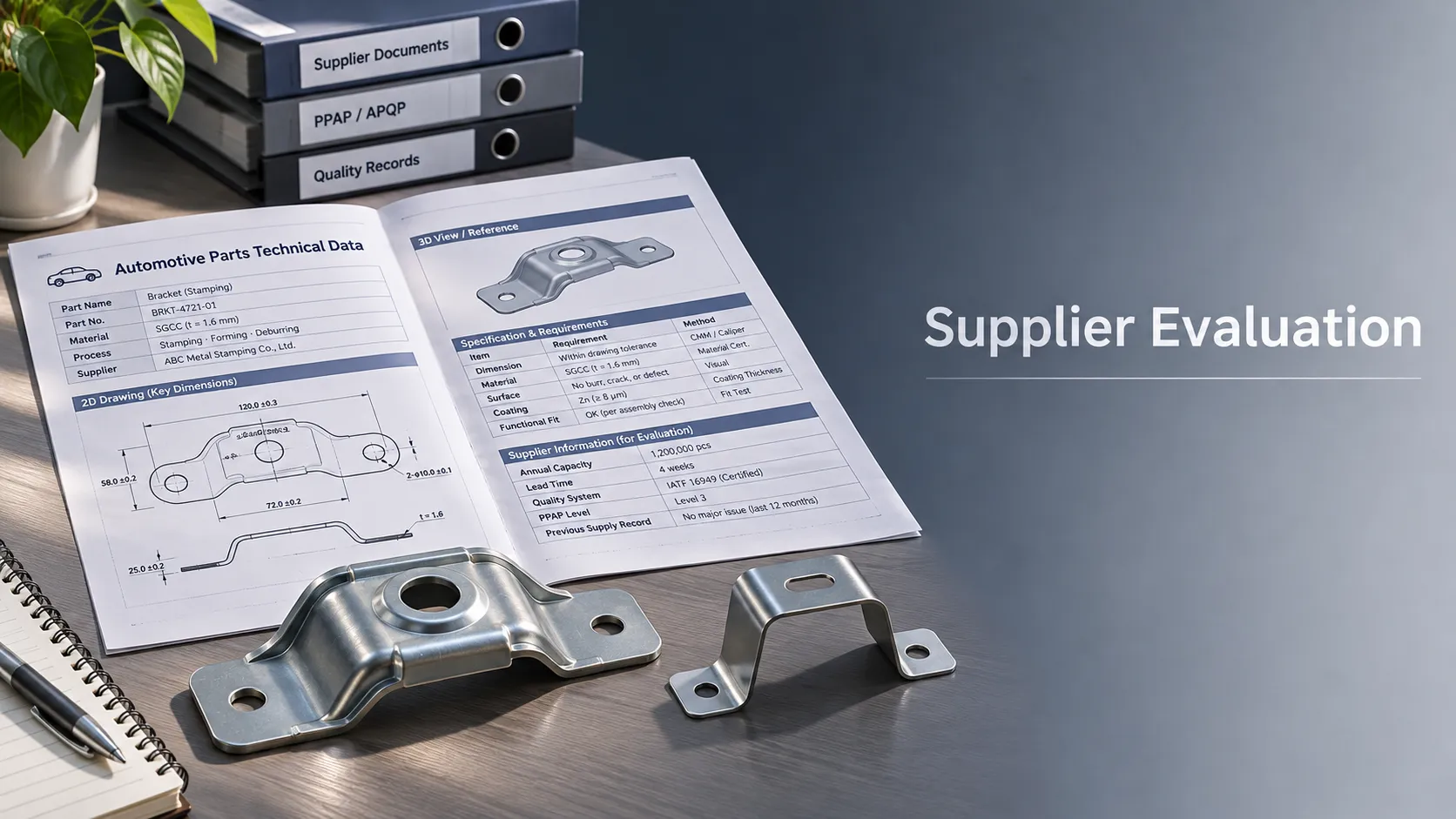
Choosing B2B Product Knowledge Platform Suppliers: Key Evaluation Criteria
Compare B2B product knowledge platform suppliers with confidence. Explore key criteria for data accuracy, supplier transparency, integrations, and value.

Choosing a Marine Radar Systems Supplier: What to Check Before Buying
Choosing a marine radar systems supplier? Compare installed costs, bridge compatibility, compliance evidence, and service support before you buy.
Related News
- 00
0000-00
How to Evaluate Supplier Solution References Before Signing a Contract - 00
0000-00
Industrial Product References: How to Verify Specs Before Ordering - 00
0000-00
Choosing a Private Label Partner in Europe: Key Supplier Criteria - 00
0000-00
Automotive Ergonomics Pricing: What Drives Seat System Costs? - 00
0000-00
Evaluating Supplier Solutions: How to Verify References and Standards
0000-00
Weekly Insights
Stay ahead with our curated technology reports delivered every Monday.