
What Drives Force Limiter System Costs in Vehicle Safety Programs?
Force limiter systems cost is best evaluated as a program-level cost, not as the quoted price of a retractor or a single torsion-bar assembly. A low unit quotation can become expensive when it requires additional calibration work, seat redesign, repeated sled tests, special handling for pretensioner integration, or a separate regional variant. Conversely, a higher-priced system may reduce downstream spending when its load-management behavior is stable across vehicle configurations and its validation evidence is complete.
The system manages belt webbing payout after a crash load reaches a designed threshold. That controlled payout reduces the force transferred to the occupant, but it must remain coordinated with pretensioning, airbag deployment, seat geometry, occupant sensing, and vehicle crash pulse. Cost therefore follows the difficulty of achieving a repeatable force-displacement curve within a complete restraint system.
Performance Targets Set the Starting Cost Range
A force limiter is not specified only by a nominal force level. The required load plateau, permitted load variation, webbing payout length, activation timing, and behavior across crash severities determine the mechanical design and the validation burden. Two systems described as “force-limiting retractors” can have substantially different costs because one only needs a stable basic load reduction while the other must coordinate multiple load stages or adapt to occupant classification inputs.
Single-stage mechanical force limiters often use a deformable torsion element inside the retractor. When belt force exceeds the intended threshold, the element twists and permits controlled webbing release. The basic principle is established, but the cost still depends on dimensional tolerances, steel condition, heat treatment, surface quality, and the consistency of the retractor mechanism that transfers load into the element.
More demanding restraint strategies can require progressive, switchable, or electronically controlled force limiting. These designs may incorporate additional locking features, pyrotechnic elements, sensing inputs, or control logic. Their added expense is not limited to electronics or actuators. The entire system must demonstrate that the selected load path activates as intended after pretensioning, during different collision pulses, and over the required operating life.
Performance targets should also distinguish between the peak force permitted during initial belt loading and the sustained force during payout. A specification that states only a single force value leaves room for different interpretations. One supplier may optimize for a narrow plateau with limited tolerance, while another quotes a design with broader variation that still appears compliant in a simplified comparison. The apparent price gap may reflect a materially different level of control.
Materials and Manufacturing Discipline Behind the Mechanism
The force-limiting element is a safety-critical energy-management part. Its material chemistry, section geometry, forming route, and thermal condition influence both the achieved load and the scatter around that load. High-strength steel selection alone does not establish repeatability. Inclusion control, coil or bar consistency, forming strain, machining condition, and heat-treatment control can all affect torsional response.
A torsion bar designed near its material limit may offer compact packaging or a targeted load level, yet it can require tighter process windows and more intensive verification. A larger section or more conservative stress level may be easier to manufacture consistently but can add mass, packaging constraints, or material use. Cost comparisons should therefore connect the chosen mechanical architecture to the required force tolerance rather than treating raw material weight as the main indicator.
Retraction springs, lock components, gears, pawls, frames, and webbing interfaces also influence the final outcome. Force limiting occurs within a retractor assembly, not in isolation. Friction losses or changes in locking behavior can alter the load transferred to the limiting element. If a quoted system reaches its target only under ideal assembly friction, routine variation in lubrication, coating, or component fit may lead to additional end-of-line controls and higher rejection costs.
Corrosion protection deserves separate attention. Seatbelt retractors experience humidity, temperature cycling, interior contaminants, and long periods without activation. Coatings and surface treatments must preserve function without creating unfavorable friction changes or hydrogen-related material concerns. A cheaper coating process can appear attractive until environmental testing exposes altered locking performance, corrosion at interfaces, or a need to add inspection steps.
Pretensioner Integration Changes Both Hardware and Validation Spend
Force limiters are frequently paired with pretensioners because the two functions address different moments of occupant restraint. The pretensioner removes slack early in the event; the force limiter manages belt load as occupant motion continues. Their interaction is central to the cost of the finished system.
Mechanical coupling between pretensioner and retractor must transmit load reliably without unintended activation or interference. Pyrotechnic pretensioners add initiators, gas-generating components, seals, housings, electrical connectors, and controlled assembly requirements. Where the force limiter shares packaging, load paths, or locking elements with the pretensioner, changes to one subsystem can force revalidation of the other.
Integration costs rise further when the vehicle architecture creates limited mounting space. B-pillar, seat-integrated, and roof-mounted retractors each introduce different packaging and load-path constraints. A seat-integrated arrangement may require the seat frame, recliner, anchor locations, and trim package to be considered together. A system that is economical in a conventional body-side location can become costly when brackets, reinforcement, routing, or assembly access must be redesigned.
Electrical interfaces also need definition early. Connector families, circuit protection, diagnostic requirements, harness routing, and fault monitoring can create expense that is absent from a mechanical retractor quotation. These items should be priced as part of the installed restraint function, particularly where a common vehicle electrical architecture is not available across all derivatives.
Crash Validation Is Often the Largest Unpriced Variable
The quoted component price rarely captures all costs created by restraint tuning. A force limiter’s target curve must be assessed with real vehicle conditions: body deceleration, seat deformation, airbag timing, steering-wheel position, occupant size range, belt routing, and child-restraint interactions where relevant. A component that appears suitable in a supplier-level test may require extensive adjustment once placed in the intended vehicle.
Changes to limiter load are not neutral. Raising the load can reduce belt payout but may increase chest loading. Lowering the load can permit more forward excursion, which may affect interaction with airbags, instrument panels, or other interior structures. The acceptable calibration window is defined by the complete crash response, not by the retractor alone.
Validation scope should identify the vehicle conditions that could create variant-specific work. Body style, seating row, seat type, occupant sensing strategy, airbag module, steering arrangement, and regional equipment can each change restraint behavior. Treating all variants as equivalent during early sourcing commonly produces a late-stage cost increase when a different seat cushion, belt upper anchorage, or cabin geometry invalidates the assumed carryover.
Volume, Variant Management, and Tooling Economics
Production volume has a strong effect on force limiter systems cost, but volume alone is not enough. A high total vehicle program volume can still yield poor economics when it is fragmented across many retractor variants, left- and right-hand applications, seating rows, trim packages, or regional restraint calibrations. Common hardware is valuable only when the force curve, mounting arrangement, electrical interface, and validation assumptions remain truly common.
Tooling and automation must match the design’s control needs. Precision forming tools, retractor assembly fixtures, torque or deformation monitoring, and traceability equipment carry upfront costs that are spread over program output. A low-volume derivative using a unique torsion bar, bracket, or connector may carry disproportionate non-recurring expense even when its unit hardware resembles a high-volume version.
Forecast stability affects quoted pricing as well. Capacity reservations, safety-stock levels, and labor planning become more expensive when releases are volatile or when service demand is uncertain. Since seatbelt assemblies are safety-critical, a supplier may need dedicated containment procedures and serial traceability across a long service period. These obligations should be distinguished from short-term production supply because they influence the lifecycle cost of the award.
Supplier Validation Evidence Has Commercial Value
A technically plausible design is not equivalent to a production-ready design. The cost proposal should clarify what evidence already exists for the specific architecture and what remains program-specific. Existing test knowledge from a similar retractor may shorten development, but carryover claims need careful boundaries. A different webbing, anchor angle, seat structure, pretensioner output, or vehicle pulse can change the restraint result.
Useful technical evidence includes force-displacement characterization over the required environmental range, process capability records for the limiting element, retractor locking performance, corrosion and durability results, pyrotechnic interface validation where applicable, and traceability of safety-critical materials. The objective is not to request every historical document. It is to separate mature design content from work that will be created after nomination.
Supplier quality planning also affects launch costs. Inspection methods must detect meaningful variation without creating excessive test time or destructive sampling. For a torsion-based system, monitoring only the finished retractor’s external function may miss upstream variation in the energy-absorbing element. On the other hand, overly narrow inspection limits without a demonstrated relationship to occupant protection can inflate scrap and sorting costs without improving the final restraint outcome.
Global Sourcing Costs Extend Beyond Freight
Global sourcing introduces costs through logistics, currency exposure, inventory buffers, import procedures, engineering communication, and response time during a quality event. A retractor is compact relative to many vehicle parts, yet its transport planning is constrained by packaging protection, traceability, and, for pretensioner-equipped systems, requirements associated with regulated energetic components. The freight line on a quotation is only one part of the exposure.
Localization of stamping, machining, final assembly, and pyrotechnic content does not have to occur in the same location. However, splitting those stages across distant sites can complicate lot genealogy and containment when a force curve or material condition needs investigation. The right sourcing model depends on regional demand, transport lead time, the maturity of local process capability, and the cost of maintaining validated alternatives.
Dual sourcing should be evaluated at the system-definition level. A second source that uses a different force-limiter mechanism, different webbing interface, or different pretensioner electrical behavior may require separate tuning and validation. It improves supply continuity only when its interchangeability assumptions are supported by engineering evidence. Otherwise, the program may carry the expense of two designs while gaining little practical flexibility.
Comparing Quotations Without Losing the System Boundary
A useful commercial comparison places every quote against the same technical boundary: retractor hardware, limiter design, pretensioner content, webbing and buckle interfaces, mounting hardware, electrical components, test responsibility, tooling ownership, service supply, and engineering changes. Omitting any of these items from the comparison shifts costs rather than removing them.
Attention should be given to assumptions that are easy to overlook: target force tolerance, valid temperature range, applicable seating positions, planned annual volume, scrap treatment during launch, packaging return loops, change-control response, and the handling of additional crash-test iterations. These assumptions are often more consequential than a small difference in base piece price.
The most durable cost position comes from a force limiter system whose load-management requirement is clear, whose material and process controls match that requirement, and whose validation scope reflects the actual vehicle variants. That alignment reduces the likelihood that savings at quotation stage reappear later as redesign, testing, logistics, or launch-containment expense.
Related News

How to Evaluate Supplier Solution References Before Signing a Contract
Evaluate supplier solution references with confidence. Learn how to verify technical evidence, identify delivery risks, and close gaps before signing a contract.
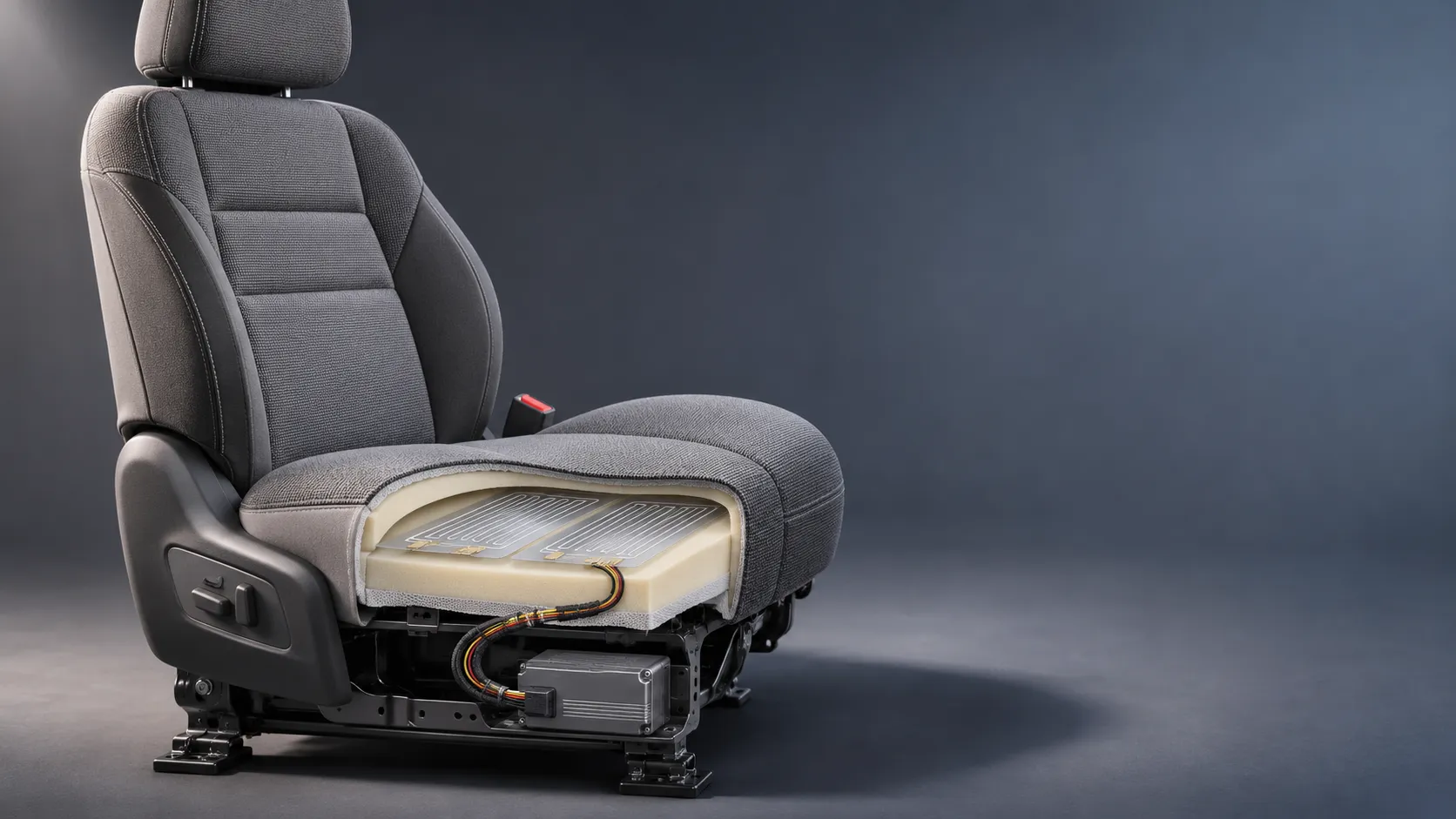
How Capacitive Seat Occupancy Sensing Works in Automotive Airbag Systems
Discover how capacitive seat occupancy sensing supports automotive airbag systems, and explore the design, calibration, and validation challenges behind reliable performance.
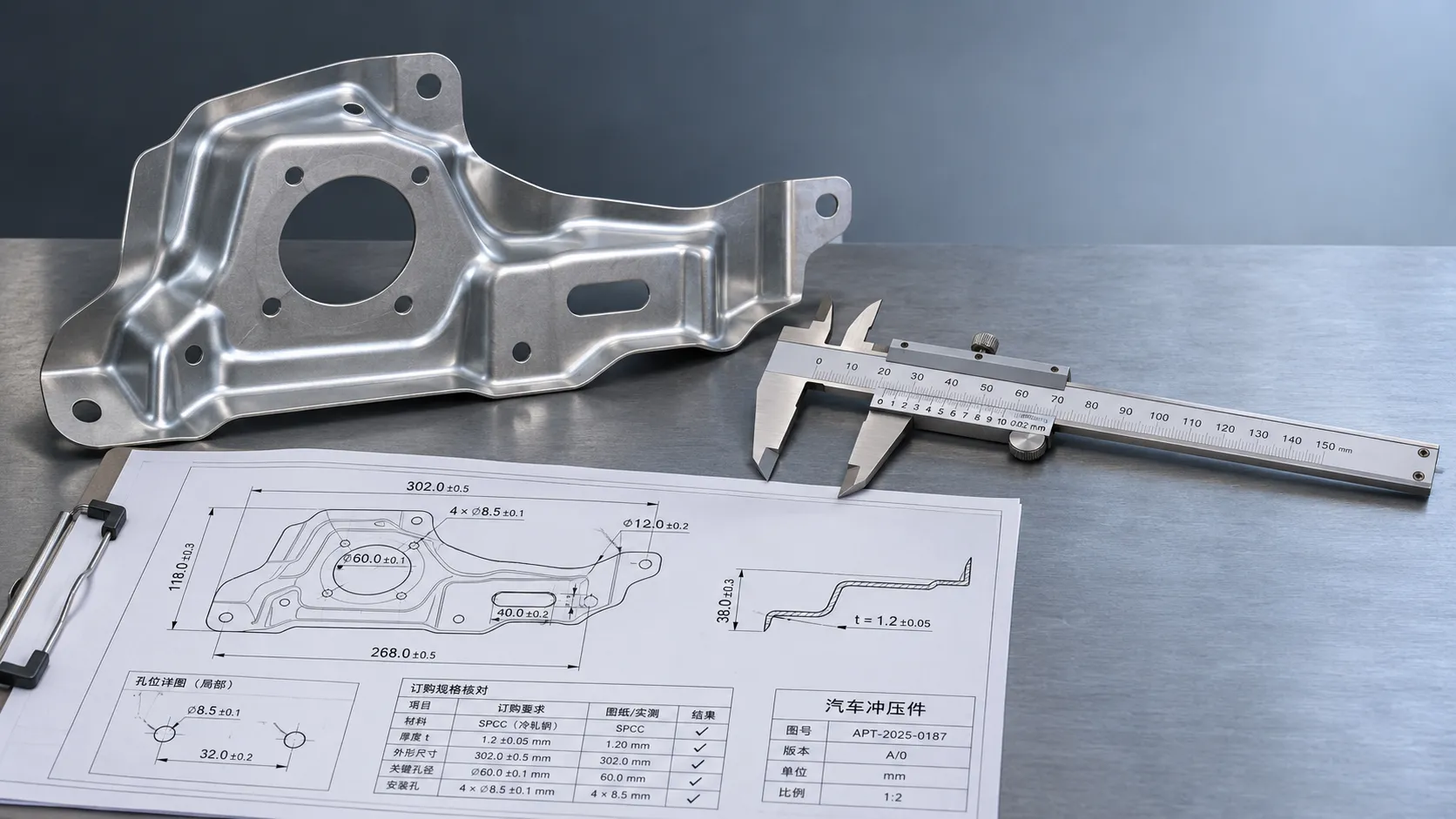
Industrial Product References: How to Verify Specs Before Ordering
Use an industrial product reference for procurement to verify specs, compatibility, and certifications before ordering—and reduce costly purchasing risks.
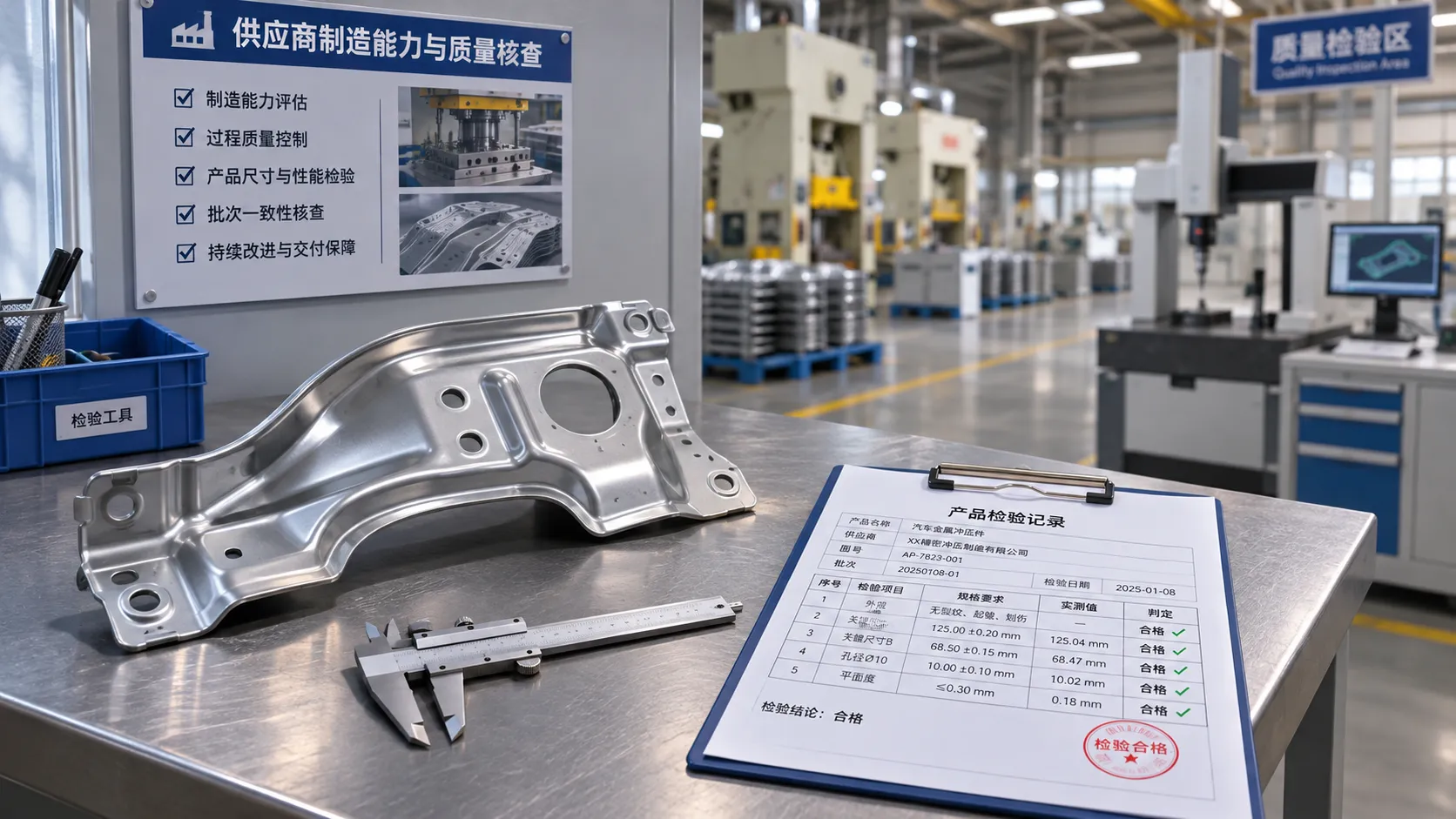
Choosing a Private Label Partner in Europe: Key Supplier Criteria
Private label cooperation Europe buyers can trust starts with the right supplier. Explore key criteria for compliance, quality, traceability and supply resilience.

Integrated Cabin Comfort Systems: How Seat and Cabin Climate Controls Work Together
Discover how integrated cabin comfort systems coordinate seat and climate controls to balance occupant comfort, energy use, safety, and performance.

Automotive Ergonomics Pricing: What Drives Seat System Costs?
Discover what drives automotive ergonomics pricing, from seat mechanisms and safety systems to tooling and volume, and learn how to compare supplier quotes.

Evaluating Supplier Solutions: How to Verify References and Standards
Supplier solution references and standards can make or break a sourcing decision. Learn how to verify claims, assess compliance, and reduce risk before awarding a contract.
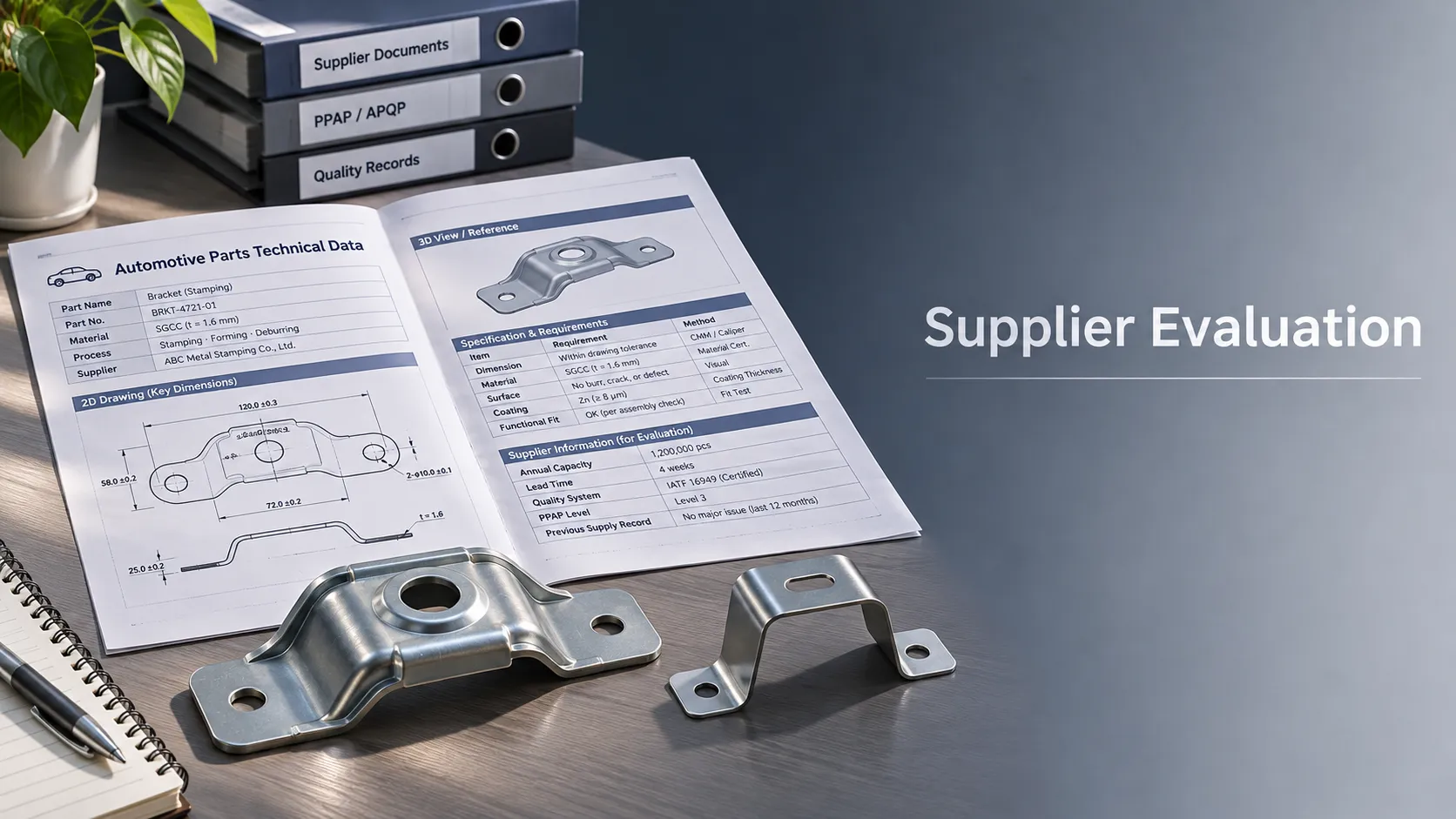
Choosing B2B Product Knowledge Platform Suppliers: Key Evaluation Criteria
Compare B2B product knowledge platform suppliers with confidence. Explore key criteria for data accuracy, supplier transparency, integrations, and value.
Choosing a Marine Radar Systems Supplier: What to Check Before Buying
Choosing a marine radar systems supplier? Compare installed costs, bridge compatibility, compliance evidence, and service support before you buy.
Related News
- 00
0000-00
How to Evaluate Supplier Solution References Before Signing a Contract - 00
0000-00
Industrial Product References: How to Verify Specs Before Ordering - 00
0000-00
Choosing a Private Label Partner in Europe: Key Supplier Criteria - 00
0000-00
Automotive Ergonomics Pricing: What Drives Seat System Costs? - 00
0000-00
Evaluating Supplier Solutions: How to Verify References and Standards
0000-00
Weekly Insights
Stay ahead with our curated technology reports delivered every Monday.