
Maritime Compliance Monitoring: How Ship Operators Can Prepare for Port State Inspections
Port State Inspections expose the gap between a vessel’s documented compliance and its actual operating condition. A certificate may be valid, a planned-maintenance task may be closed, and a safety procedure may exist on board, yet an inspection can still identify a deficiency when equipment behavior, records, and crew knowledge do not agree. Maritime compliance monitoring therefore needs to treat every regulated function as a connected evidence chain: applicable requirement, assigned control, physical condition, test result, recorded proof, and demonstrated use.
The strongest preparation starts before a port call is imminent. When corrective work begins only after an arrival notice, technical teams tend to focus on visible defects while missing weaker signals: recurring alarms, overdue tests hidden by an administrative closure, inconsistent log entries, or temporary repairs that have outlived their intended service period. A useful monitoring process distinguishes between conditions that can be corrected on board and conditions requiring class, flag, manufacturer, or shore-side intervention. That distinction affects both the repair plan and the accuracy of the vessel’s readiness status.
Build Compliance Around Verifiable Operating Evidence
A Port State Control officer is likely to move from a visible observation toward the associated evidence. A damaged fire door may lead to questions about inspection rounds and closing arrangements. A navigation alarm may lead to review of bridge procedures, defect reporting, maintenance history, and familiarity with fallback methods. The individual issue matters, but the inspection also tests whether the vessel’s management system detects and controls that issue before an external authority finds it.
For that reason, compliance monitoring should not rely on a single “inspection-ready” declaration. Divide the vessel’s condition into control areas that can be verified independently, then reconcile them before arrival. The priority is not collecting more documents. It is making sure the current physical state, the logbook narrative, and the maintenance system describe the same reality.
Records require particular care because an inconsistent record can turn a minor equipment concern into a credibility issue. Corrections should remain traceable, dated, and attributable according to the vessel’s controlled procedure. Rewriting a sequence to make it appear cleaner creates a larger problem than an honest record of delay, defect, or corrective action. Where entries are made across separate systems, such as engine-room logs, maintenance software, bridge records, and work permits, the timing and technical description should be reconcilable.
Start With Conditions That Escalate Quickly
Not all findings carry the same detention exposure. Maritime compliance monitoring should rank conditions by their operational consequence rather than treating every open task as equally urgent. A missing label and an inoperative emergency system are both deficiencies, but they demand different escalation paths. The first may be rectified promptly with controlled verification. The second can require restriction of operation, specialist attendance, notification, or a change to the voyage plan.
High-priority review should focus on systems that affect safe navigation, fire containment, emergency response, pollution control, structural integrity, propulsion, and crew safety. The practical question is whether a failure removes a required barrier or leaves no credible backup. An isolated defect in a redundant arrangement may be manageable if the remaining channel is tested, correctly identified, and supported by a documented risk control. That same defect becomes more serious when the alleged backup shares the same power supply, data source, sensor, location, or maintenance weakness.
Navigation equipment illustrates why superficial status checks are unreliable. A display that powers on is not necessarily ready for use. The review should establish whether position, heading, speed, depth, radar, automatic identification, alarms, and chart data are receiving valid inputs and producing expected outputs. An intermittent interface fault can remain invisible at berth yet emerge during maneuvering when information sources change or load increases. A bridge team should be able to explain the source of each critical input, recognize degraded data, and apply the documented contingency arrangement without improvisation.
Electronic charting requires the same discipline. The presence of an ECDIS installation does not prove that the route is safe or that the unit is compliant with the vessel’s approved operating method. Inspect route planning, safety settings, chart permits and updates, alarm configuration, backup arrangements, and evidence that the passage plan has been reviewed in the system actually used for navigation. A route may look complete while safety contours, no-go areas, or datum assumptions are inappropriate for the vessel’s draft and intended waters. Those settings must be checked against the voyage condition, not copied from an earlier passage.
Translate Maintenance Status Into Inspection Readiness
Planned maintenance systems are useful only when task closure reflects the condition of the asset. Repeated deferrals, generic completion comments, and overdue jobs clustered around safety-critical equipment will attract attention even where no immediate failure is visible. A work order closed as “checked satisfactory” should have enough detail to show what was checked, what result was obtained, and whether any limitation remained. That level of clarity is especially important for equipment requiring periodic tests, calibration, service attendance, or functional verification.
Temporary repairs deserve a separate register or clearly identifiable status. A temporary clamp, bypassed alarm, patched cable sheath, local manual control, or substituted component can be acceptable only within defined technical and procedural limits. The record should identify the defect, risk assessment, compensating measures, approval route where required, parts status, expiry or review point, and permanent-repair plan. Temporary arrangements become difficult to defend when they are old, undocumented, or invisible to the watchkeeping personnel who must operate around them.
Spare parts management also affects readiness. The issue is not merely whether a spare is physically on board. Confirm that it matches the installed model, revision, material specification, voltage, software version, or connection standard. A replacement detector head, battery pack, sensor, filter element, or electronic module may fit mechanically but fail to provide the expected function. Where a critical spare has been consumed, the vessel should show a controlled replenishment status rather than allowing the shortage to remain as an informal shore-side assumption.
Make Drills Demonstrate Capability Rather Than Memorization
Port State Inspections often reveal whether emergency preparedness is operational or ceremonial. A drill record establishes that an event was scheduled; it does not prove that alarm signals are recognizable, equipment can be reached, communications work, or assigned actions are understood. Preparation should examine whether drill scenarios reflect the vessel’s layout, equipment configuration, current crewing, and operating environment.
During a fire response exercise, for example, the meaningful observations include the availability of breathing apparatus, condition of fire doors and dampers, communication between command and response positions, boundary cooling awareness, and accountability of personnel. A drill can appear orderly while the team bypasses a blocked escape route, relies on an unavailable radio channel, or uses a plan that does not match the current compartment arrangement. The purpose is to reveal such conditions early enough to correct them.
Abandon-ship readiness should also be evaluated as a sequence. Access routes, embarkation lighting, lifejacket availability, launching arrangements, communication, headcount control, and survival craft condition all interact. A deficiency in one link can invalidate the rest of the response. Particular attention is warranted after refit work, cargo-area modifications, changes in stored equipment, or crew changes that alter familiar routines.
Control the Port-Call Review Without Creating Paperwork Noise
A focused pre-arrival review works best when it is timed to allow repairs and verification, not simply to create a report. Begin with open deficiencies, deferred maintenance, recent incidents, recurring alarms, overdue certificates or services, and findings from internal or external inspections. Then verify the highest-consequence items physically. A desktop review cannot confirm that an emergency generator starts and carries the required load, that a watertight door closes correctly, or that an oil filtering arrangement is lined up as recorded.
The review should capture clear ownership and a realistic completion path for every material discrepancy. A vague note such as “monitor condition” is inadequate unless it states the monitored parameter, acceptance criterion, frequency, responsible role, and trigger for escalation. The same applies to repairs waiting on port attendance. The vessel needs an interim control that reduces exposure until the work is completed, along with a record showing that the limitation has been communicated to relevant personnel.
- Review the last inspection narrative, not only the deficiency codes. Narrative wording often identifies the underlying weakness, such as inadequate familiarization, incomplete verification, poor housekeeping, or ineffective corrective action.
- Trace selected records from entry to hardware. Follow a recent maintenance job, drill, calibration, transfer operation, or alarm test to the component and operational context it describes.
- Resolve conflicting status indicators before arrival. A maintenance system, certificate tracker, bridge log, and defect list should not present different dates or conditions for the same item.
- Confirm external-service evidence is usable on board. A service report should identify the equipment, scope, result, outstanding limitations, and any parts or follow-up action required.
Respond to Findings With Root-Cause Discipline
An inspection finding should be assessed beyond the immediate correction. Replacing a failed lamp, repainting a corroded marking, or resetting an alarm restores appearance or function, but it may not prevent recurrence. Determine whether the cause was environmental exposure, unsuitable material, missed maintenance, inadequate installation, poor spare selection, unclear procedure, or insufficient familiarization. The corrective action should match that cause.
This matters when similar defects appear across several locations. Repeated water ingress at electrical enclosures may point to damaged gland seals, incorrect cable routing, incompatible components, or wash-down practices rather than isolated enclosure failures. Recurrent false alarms can arise from sensor contamination, power quality, configuration errors, or a communication fault; replacing the detector alone may create a short-lived result. Recording the reason for the remedy makes later monitoring more useful and prevents the same issue from being closed repeatedly under different descriptions.
Well-run maritime compliance monitoring creates a defensible picture of readiness because it makes uncertainty visible early. A vessel does not need to appear flawless; it needs to show that defects are identified, risk is controlled, evidence is accurate, and corrective work is progressing under disciplined oversight. That standard of preparation supports safer operation before inspection and gives every recorded claim a condition on board that can be demonstrated.
Related News

How to Evaluate Supplier Solution References Before Signing a Contract
Evaluate supplier solution references with confidence. Learn how to verify technical evidence, identify delivery risks, and close gaps before signing a contract.

How Capacitive Seat Occupancy Sensing Works in Automotive Airbag Systems
Discover how capacitive seat occupancy sensing supports automotive airbag systems, and explore the design, calibration, and validation challenges behind reliable performance.
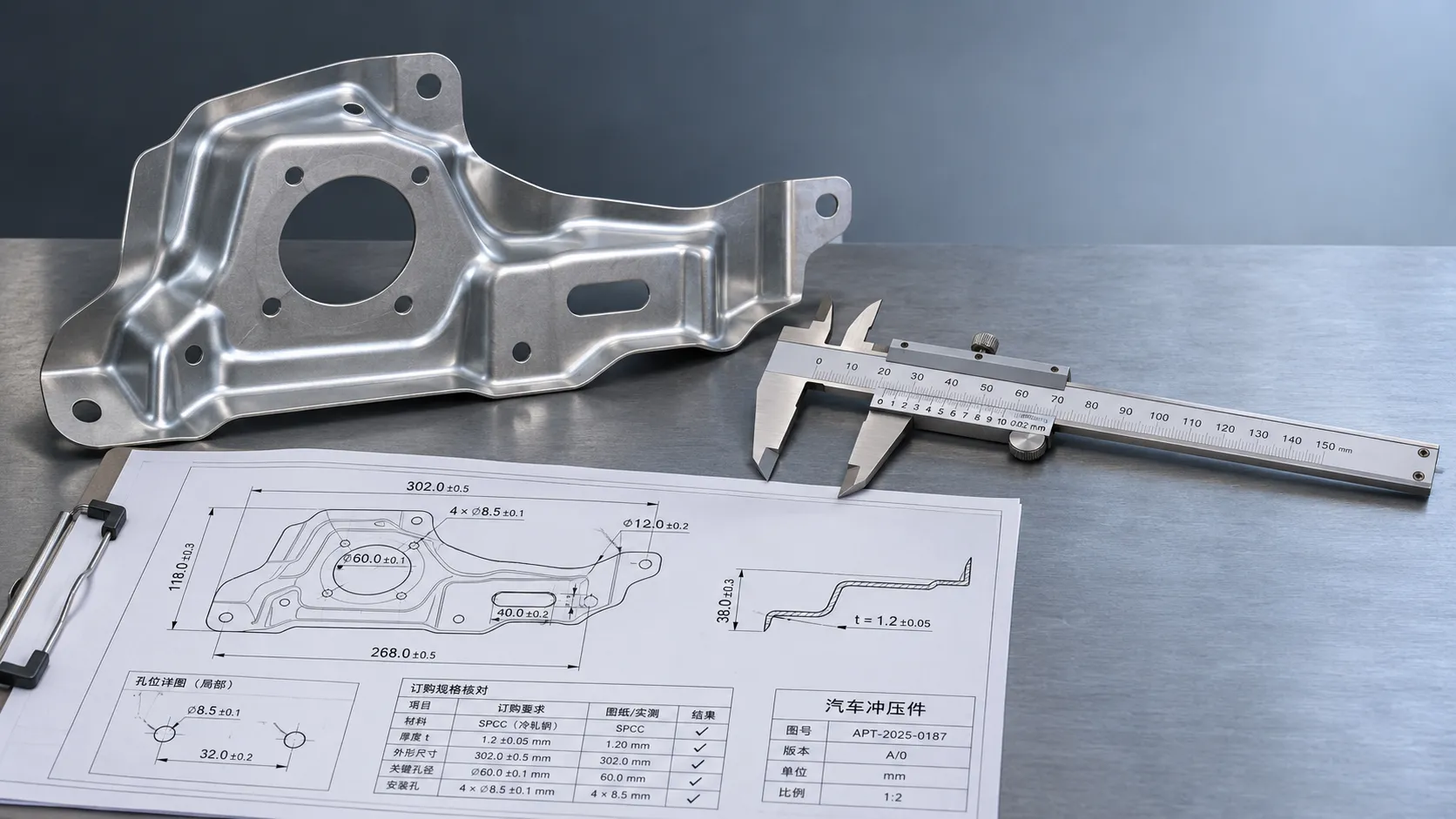
Industrial Product References: How to Verify Specs Before Ordering
Use an industrial product reference for procurement to verify specs, compatibility, and certifications before ordering—and reduce costly purchasing risks.

Choosing a Private Label Partner in Europe: Key Supplier Criteria
Private label cooperation Europe buyers can trust starts with the right supplier. Explore key criteria for compliance, quality, traceability and supply resilience.

Integrated Cabin Comfort Systems: How Seat and Cabin Climate Controls Work Together
Discover how integrated cabin comfort systems coordinate seat and climate controls to balance occupant comfort, energy use, safety, and performance.

Automotive Ergonomics Pricing: What Drives Seat System Costs?
Discover what drives automotive ergonomics pricing, from seat mechanisms and safety systems to tooling and volume, and learn how to compare supplier quotes.
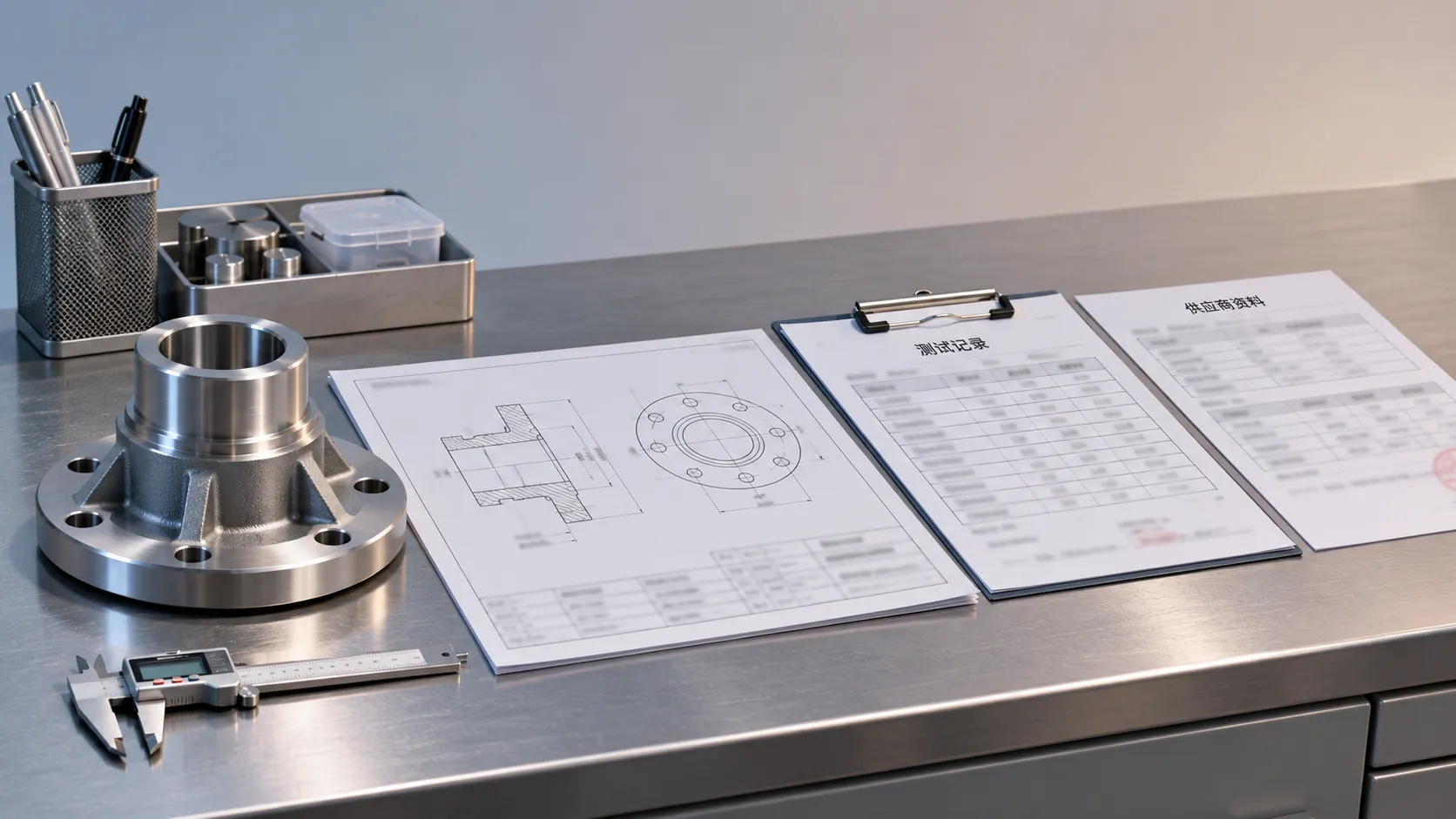
Evaluating Supplier Solutions: How to Verify References and Standards
Supplier solution references and standards can make or break a sourcing decision. Learn how to verify claims, assess compliance, and reduce risk before awarding a contract.

Choosing B2B Product Knowledge Platform Suppliers: Key Evaluation Criteria
Compare B2B product knowledge platform suppliers with confidence. Explore key criteria for data accuracy, supplier transparency, integrations, and value.
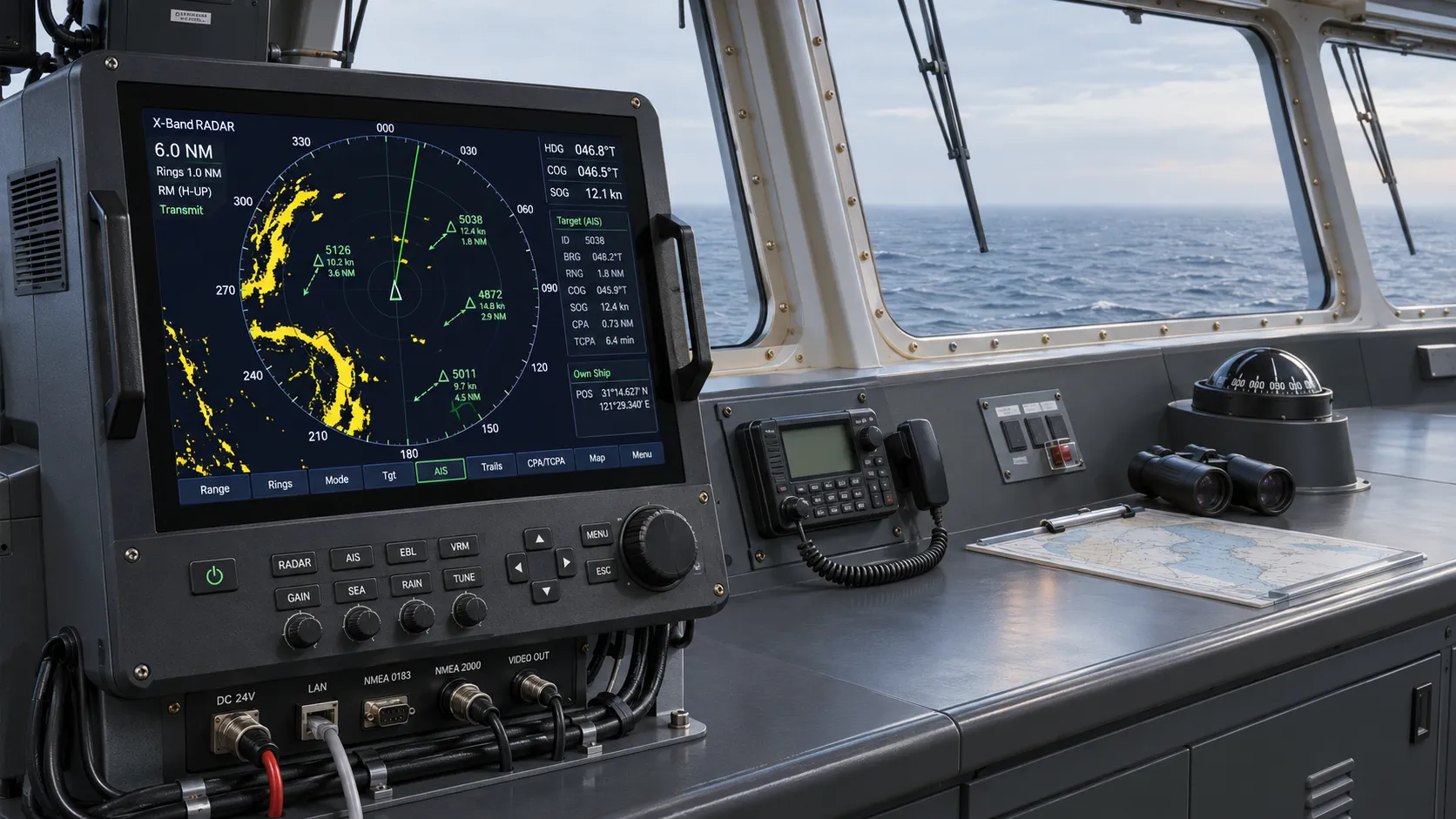
Choosing a Marine Radar Systems Supplier: What to Check Before Buying
Choosing a marine radar systems supplier? Compare installed costs, bridge compatibility, compliance evidence, and service support before you buy.
Related News
- 00
0000-00
How to Evaluate Supplier Solution References Before Signing a Contract - 00
0000-00
Industrial Product References: How to Verify Specs Before Ordering - 00
0000-00
Choosing a Private Label Partner in Europe: Key Supplier Criteria - 00
0000-00
Automotive Ergonomics Pricing: What Drives Seat System Costs? - 00
0000-00
Evaluating Supplier Solutions: How to Verify References and Standards
0000-00
Weekly Insights
Stay ahead with our curated technology reports delivered every Monday.