
Vehicle Lightweighting Engineering Costs: What Should a Quote Include?
A low vehicle lightweight engineering price is not necessarily a low program cost. One proposal may cover concept optimization only; another may include production-ready geometry, manufacturing simulation, prototype builds, and validation support. Unless those boundaries are explicit, the headline prices are not comparable.
A useful quote should define the mass-reduction target, the performance constraints that must remain intact, the evidence required for acceptance, and the work needed to reach the agreed release stage. It should also separate engineering fees from tooling, prototypes, testing, and recurring production costs. The central question is not simply how much weight a supplier proposes to remove, but what it will cost to deliver a lighter design that can be manufactured and accepted.
Define the baseline before pricing the reduction
A promise to reduce component mass by a percentage has little commercial value without a controlled reference design. The quotation should identify the baseline CAD revision, bill of materials, material specifications, assembly boundaries, and mass calculation method. Otherwise, bidders may calculate savings against different starting points.
Assembly boundaries deserve particular attention. A lighter seat frame may require additional brackets, revised tracks, or different fasteners. A thinner body panel may need local reinforcement or a changed joining pattern. Removing mass from one part does not establish a net assembly saving.
The target should therefore distinguish between estimated design mass, measured prototype mass, and production-intent assembly mass. It should state whether coatings, adhesives, weld material, inserts, and attachment hardware are included.
Performance constraints must accompany the mass target. Depending on the component, these can include stiffness, fatigue life, crash load paths, intrusion limits, dimensional stability, corrosion resistance, and noise or vibration behavior. For a seat structure, restraint attachment loads and interactions with other seat mechanisms may also matter. A quote that leaves these constraints undefined gives the supplier considerable freedom to deliver a technically lighter but commercially unusable concept.
Price the engineering maturity being delivered
“Lightweighting engineering” can describe anything from a feasibility assessment to a released production design. The quote should name the intended maturity level and attach identifiable deliverables to it.
Deliverable format matters as much as the document list. A presentation showing stress plots is not equivalent to editable simulation models, solver input files, material definitions, and documented assumptions. Likewise, neutral-format CAD may not provide the same modification capability as native parametric files.
The proposal should identify what is handed over, when it becomes available, and what rights accompany it. That distinction affects the cost of later modifications and the ability to transfer work to another engineering or manufacturing supplier.
Make simulation scope measurable
A line item reading “CAE included” is insufficient for a safety-related structure. Simulation cost depends on the model’s condition, the required analyses, the available material data, and the number of design loops.
The quote should say whether the supplier will create a new model, update an existing one, or rely on a customer-provided model without rebuilding it. It should define component, subsystem, and full-vehicle boundaries. A component-level analysis cannot by itself demonstrate vehicle-level crash performance, because surrounding structures, joints, contact conditions, and load paths influence the result.
Material modeling also creates cost differences. A material substitution may require data for strain-rate behavior, forming effects, failure, or joint performance. Where suitable data are unavailable, the proposal should identify whether characterization testing is included, separately priced, or an input that must be supplied.
Iteration allowances should be explicit. “Optimization until target achieved” is difficult to administer unless the target, constraints, and stopping conditions are agreed. A clearer proposal defines the included design loops, the analyses repeated in each loop, and the approval point for additional work.
It should also distinguish simulation convergence from physical validation. Passing an agreed numerical assessment is a milestone; it is not automatically proof that production hardware will perform as predicted.
Material choices must include a credible manufacturing route
A lower-density material does not automatically create the lowest-cost lightweight structure. Section geometry, stiffness requirements, joining methods, corrosion protection, process capability, and scrap can change both the achievable mass reduction and the production economics.
For a stamped body component, the quote should identify assumptions about material grade, thickness availability, forming route, springback compensation, trimming, and joining. If hot stamping is proposed, tooling and process-development responsibilities should be separated from structural design. For an aluminum seat frame, joint design, local reinforcement, surface treatment, and contact with dissimilar metals may become part of the engineering scope.
These assumptions should be tied to the intended production volume and manufacturing location. A concept suitable for prototype machining may not be economical or dimensionally repeatable through the intended series-production process.
Manufacturing feasibility should therefore appear as a defined deliverable, not a general assurance. The quote should identify who reviews feasibility, which processes are assessed, and whether findings must be incorporated before design release. If the production supplier has not yet been selected, the resulting uncertainty should remain visible rather than being presented as a resolved cost.
Separate prototypes, tooling, and validation hardware
Prototype costs can be difficult to compare because “prototype” covers very different levels of fidelity. A geometry demonstrator, a functional assembly, and a production-intent crash-test specimen do not provide the same evidence.
The quotation should state quantities, material condition, manufacturing route, dimensional inspection requirements, assembly content, and delivery condition. It should also identify any departures from the intended production process and explain which conclusions those parts can support.
Tooling needs its own cost breakdown. Soft tooling, prototype fixtures, checking fixtures, joining equipment, and production dies should not be hidden inside a single development charge. Ownership, storage, maintenance, modification rights, and transfer conditions should be specified where relevant.
Destructive testing creates a separate quantity risk. The hardware allowance should account for the agreed test matrix, setup pieces, and any included retests. If only one build batch is priced, that limitation should be visible before award. International shipments may add packaging, freight, customs, and temporary-import administration; the proposal should assign those responsibilities and charges explicitly.
Validation requires a responsibility map, not “compliance included”
A quotation should identify the applicable regulatory requirements, customer specifications, and assessment protocols by revision where relevant. Legal compliance, customer engineering acceptance, and consumer-rating performance are distinct obligations. An unspecified promise to meet “global standards” does not establish a workable test scope.
The validation plan should show which evidence comes from simulation, material testing, joint testing, component testing, subsystem testing, or vehicle testing. It should identify who supplies fixtures, specimens, instrumentation, laboratory access, and final reports.
Responsibility for failed results must also be negotiated. The contract should distinguish correction of supplier work that does not meet agreed requirements from changes caused by new requirements, revised interfaces, or inaccurate supplied data. It should state how failure analysis, redesign, replacement specimens, and retesting are authorized and charged.
For safety-related components, acceptance cannot rest solely on the engineering supplier’s internal sign-off. The quote should name the party responsible for final approval and the evidence that party requires. A supplier can deliver its analysis package while vehicle-level approval remains outside its scope; that boundary is acceptable only when it is understood and budgeted.
Compare total program exposure, not just engineering fees
The commercial breakdown should separate one-time development spending from recurring production economics. Engineering, characterization, prototypes, tooling, testing, and release support belong in identifiable cost lines. Piece-price effects should remain separate so they can be evaluated against the intended volume.
A useful comparison is:
Comparable program cost = quoted engineering + required excluded work + prototype and validation hardware + tooling and test charges + buyer-retained integration work.
Uncertain items should be shown as allowances or scenarios rather than disguised as firm amounts. Examples include material characterization pending a data review, additional prototypes after a design change, or vehicle-test support whose schedule is not yet fixed. A firm base price and a transparent conditional allowance are more informative than a single apparently comprehensive number.
Cost per kilogram saved can help compare alternatives, but only when the denominator is consistent:
Development cost per kilogram removed = comparable one-time development cost ÷ accepted net mass reduction.
This measure should not be confused with recurring production cost per kilogram saved. Nor should either measure override performance constraints. A concept with an attractive cost-to-mass ratio is not equivalent to one that also satisfies the agreed durability, crash, manufacturing, and release requirements.
There is no defensible universal engineering price without a defined scope. Model readiness, design maturity, component criticality, material changes, validation boundaries, and production requirements can alter the workload substantially.
Use milestones and change control to protect the quoted scope
A fixed price is only as reliable as its assumptions. The proposal should list required inputs, their delivery dates, and the consequences of missing or revised data. Interface geometry, load cases, package space, material specifications, production volume, and acceptance criteria are particularly important.
Payment milestones should connect to reviewable outputs: an accepted baseline, a selected concept, an approved detailed design, completed validation evidence, or a release package. Submission and acceptance should be distinguished, with a defined review period and a process for resolving comments.
Change-control terms should identify what triggers a variation and require approval before additional paid work begins. They should distinguish an out-of-scope requirement change from correction of a deliverable that fails the original agreement. Additional-work rates help, but they do not replace a clear scope boundary.
Schedule assumptions should expose dependencies such as laboratory bookings, material availability, prototype tooling, and approval turnaround. The handover package should also address intellectual-property rights, third-party software restrictions, and continued access to project files if the engagement ends.
Before award, unresolved exclusions should be assigned an owner and either priced, capped, or explicitly retained. The strongest quote is not the one with the most confident mass-reduction claim. It is the one that makes the route from baseline design to accepted lighter hardware technically credible and commercially accountable.
Related News

How to Evaluate Supplier Solution References Before Signing a Contract
Evaluate supplier solution references with confidence. Learn how to verify technical evidence, identify delivery risks, and close gaps before signing a contract.
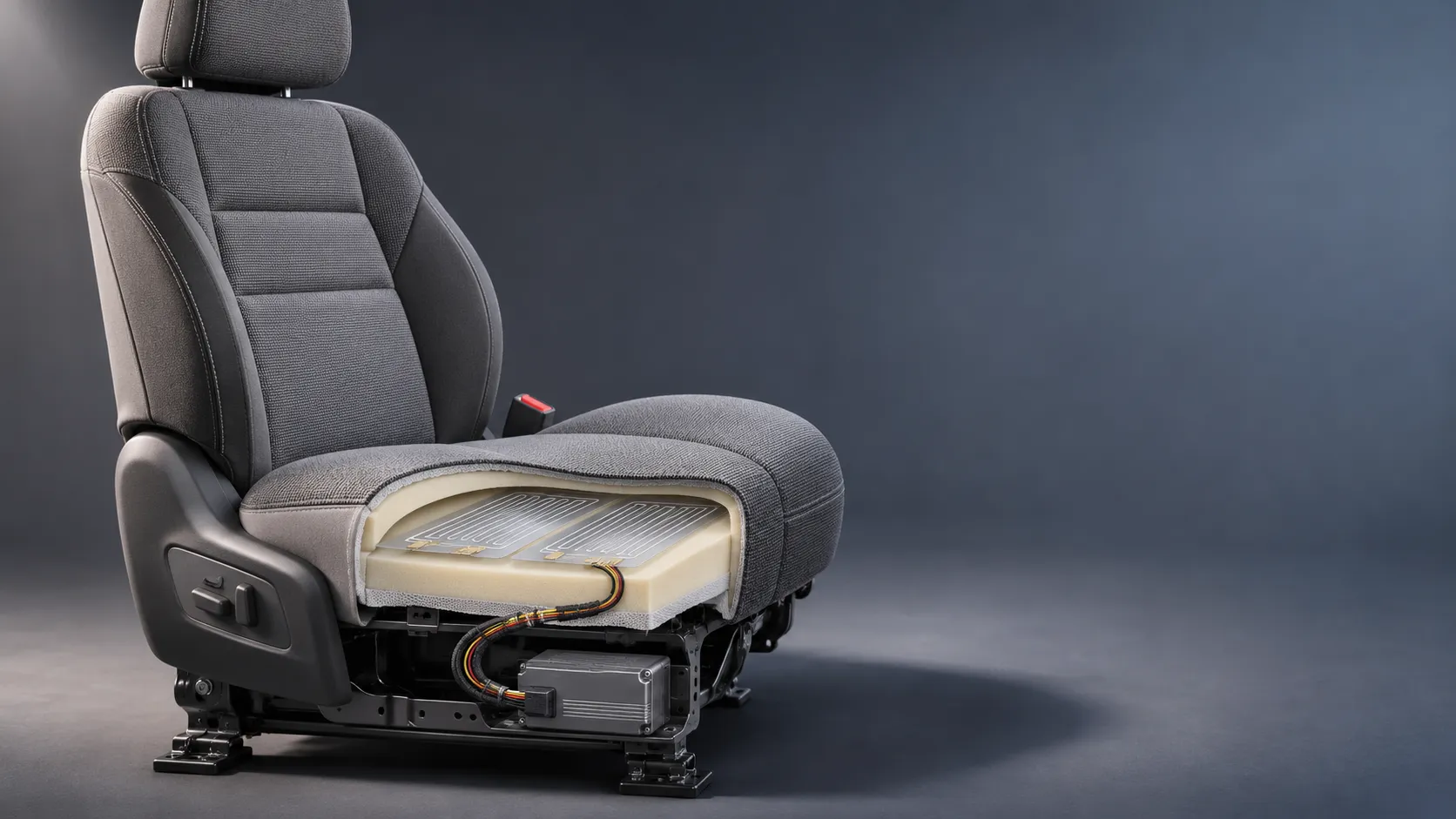
How Capacitive Seat Occupancy Sensing Works in Automotive Airbag Systems
Discover how capacitive seat occupancy sensing supports automotive airbag systems, and explore the design, calibration, and validation challenges behind reliable performance.
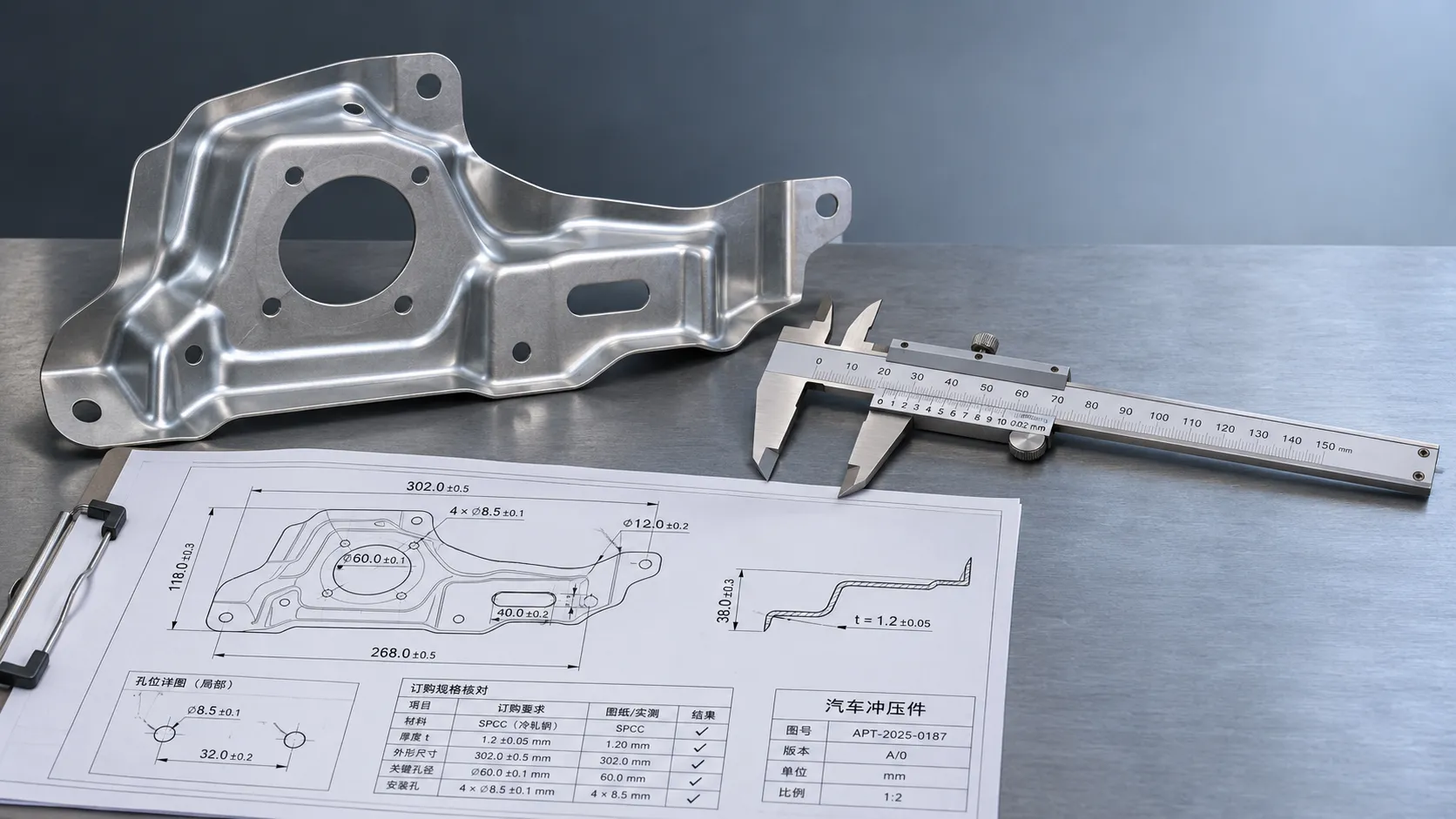
Industrial Product References: How to Verify Specs Before Ordering
Use an industrial product reference for procurement to verify specs, compatibility, and certifications before ordering—and reduce costly purchasing risks.
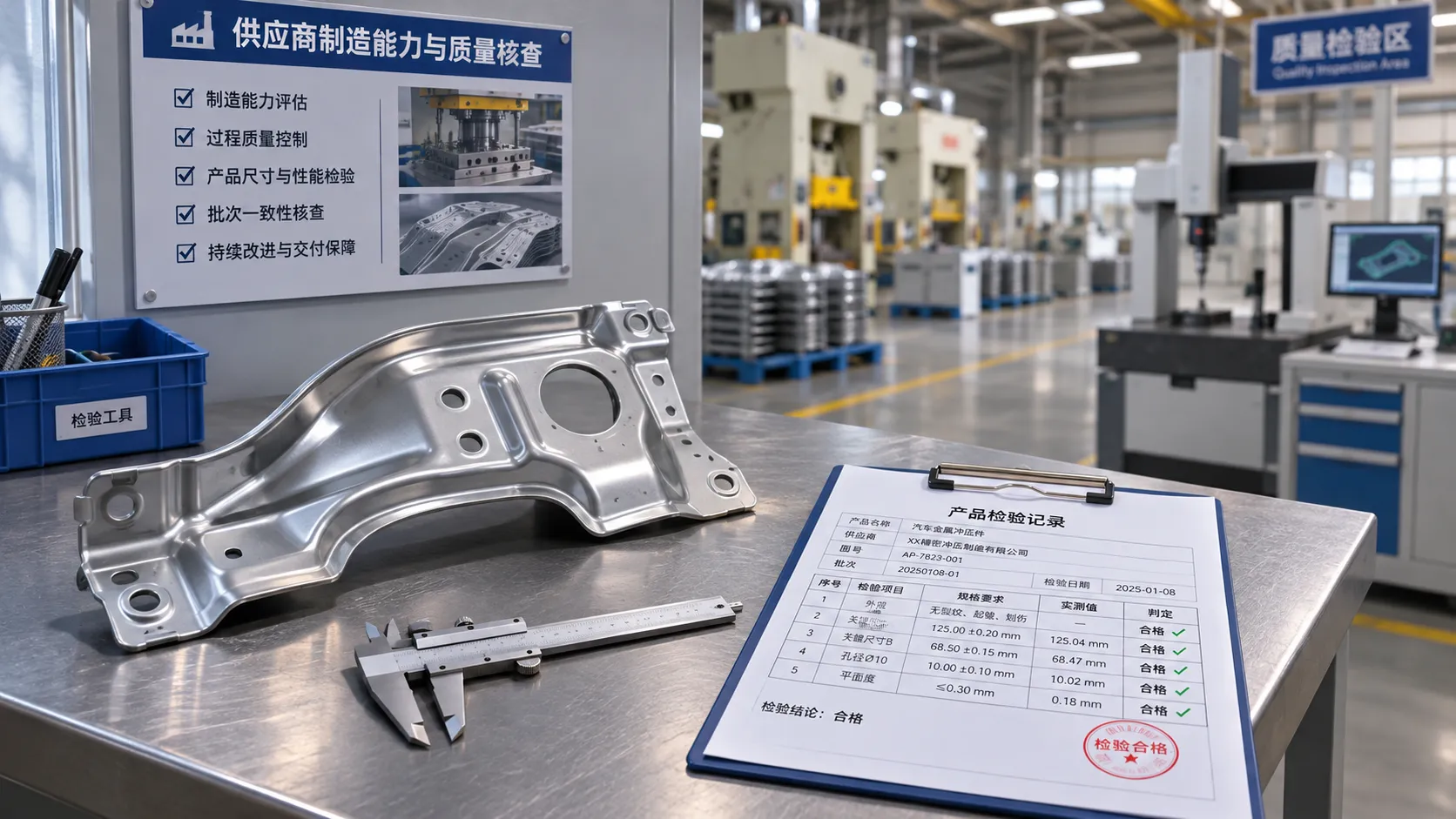
Choosing a Private Label Partner in Europe: Key Supplier Criteria
Private label cooperation Europe buyers can trust starts with the right supplier. Explore key criteria for compliance, quality, traceability and supply resilience.

Integrated Cabin Comfort Systems: How Seat and Cabin Climate Controls Work Together
Discover how integrated cabin comfort systems coordinate seat and climate controls to balance occupant comfort, energy use, safety, and performance.
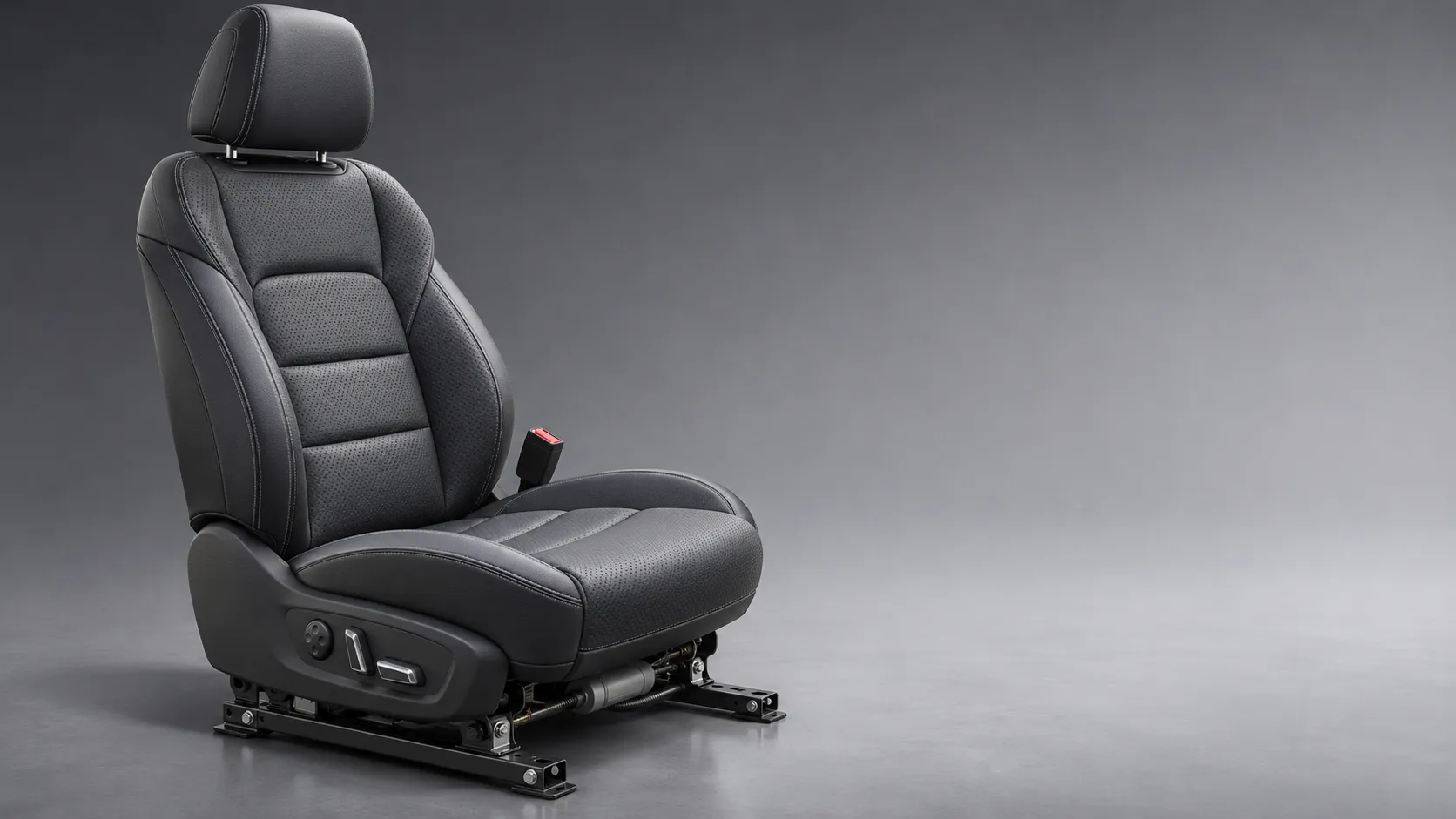
Automotive Ergonomics Pricing: What Drives Seat System Costs?
Discover what drives automotive ergonomics pricing, from seat mechanisms and safety systems to tooling and volume, and learn how to compare supplier quotes.

Evaluating Supplier Solutions: How to Verify References and Standards
Supplier solution references and standards can make or break a sourcing decision. Learn how to verify claims, assess compliance, and reduce risk before awarding a contract.
Choosing B2B Product Knowledge Platform Suppliers: Key Evaluation Criteria
Compare B2B product knowledge platform suppliers with confidence. Explore key criteria for data accuracy, supplier transparency, integrations, and value.

Choosing a Marine Radar Systems Supplier: What to Check Before Buying
Choosing a marine radar systems supplier? Compare installed costs, bridge compatibility, compliance evidence, and service support before you buy.
Related News
- 00
0000-00
How to Evaluate Supplier Solution References Before Signing a Contract - 00
0000-00
Industrial Product References: How to Verify Specs Before Ordering - 00
0000-00
Choosing a Private Label Partner in Europe: Key Supplier Criteria - 00
0000-00
Automotive Ergonomics Pricing: What Drives Seat System Costs? - 00
0000-00
Evaluating Supplier Solutions: How to Verify References and Standards
0000-00
Weekly Insights
Stay ahead with our curated technology reports delivered every Monday.