
Passenger Car Restraint Components: How Seatbelts and Airbags Work Together
In a frontal crash, an occupant does not slow down simply because the vehicle does. The body continues moving until restraint forces change its motion. Whether that deceleration is controlled—or concentrated into damaging loads—depends on how the seatbelt, airbag, seat, and vehicle structure work together.
For technical evaluators assessing occupant restraint components for passenger cars, the central question is therefore not which component has the strongest specification. It is whether pretensioners, load limiters, crash sensors, and airbag assemblies produce compatible responses across relevant crash conditions. A belt that restrains aggressively can increase chest loading; excessive belt payout can allow too much forward excursion. An airbag must support the occupant at the right stage of that motion, not merely deploy successfully.
The shared task: controlling motion without concentrating injury loads
Seatbelts and airbags are complementary because they manage different aspects of occupant movement. A three-point belt couples the pelvis and torso to the vehicle through its anchorage system. An airbag provides a deformable contact surface that distributes loading over a broader area and helps prevent contact with hard interior structures.
Neither device eliminates crash energy. Instead, they influence the distance, duration, and anatomical paths through which the occupant decelerates. Vehicle crush, cabin intrusion, seat deformation, belt elongation, controlled webbing payout, and airbag compression all affect that process.
The useful engineering objective is controlled ride-down within the available survival space. A restraint must manage injury-relevant loads without allowing the occupant to reach an intruding steering assembly, instrument panel, door structure, or another occupant. This balance changes with occupant size, posture, impact direction, and the vehicle’s crash pulse.
How the restraint sequence develops
There is no universal deployment timeline. Trigger decisions depend on vehicle architecture, sensor information, crash characteristics, and calibration. The sequence below describes functional relationships rather than fixed millisecond targets.
Crash sensing establishes the required response
The restraint control module evaluates signals from its internal sensors and, where fitted, remote acceleration or pressure sensors. Depending on the architecture, additional inputs can include buckle status, seat position, and occupant classification. Its task is to distinguish events requiring deployment from those that do not, then command the appropriate devices.
Vehicle speed alone is not a deployment criterion. Impact direction, pulse shape, structural engagement, and the development of deceleration matter. A relatively compliant impact and a narrow, stiff-object impact can create very different restraint demands even at similar approach speeds.
Pretensioners reduce slack and establish early coupling
Pretensioners retract belt webbing or move a buckle or anchorage to remove slack and improve early occupant engagement. Their placement matters: retractor, buckle, and lap-anchor arrangements affect belt geometry and pelvis control differently.
Some vehicles also use reversible electric pretensioning in anticipation of a possible collision. This is distinct from crash-triggered pyrotechnic pretensioning and should be evaluated separately. Pre-crash preparation does not replace the need for validated crash restraint performance.
Load limiters manage force as the torso moves forward
Once belt force reaches a designed operating region, a load limiter permits controlled payout or deformation. This can reduce chest loading, but it also allows additional forward movement. The airbag, remaining clearance, and occupant trajectory must accommodate that movement.
Consequently, a lower limiting force is not automatically safer. Evaluators need the complete force–payout response, including transitions and available stroke, rather than a single nominal force value.
The airbag supports the occupant during ride-down
The airbag must develop a useful shape and pressure as the occupant reaches it. Cushion geometry, folding, inflator output, venting, and surrounding trim all influence that interaction. Depending on the design, staged inflation or adaptive venting may adjust the response to different conditions.
Successful deployment is only the beginning of performance assessment. An inflated cushion can still provide inadequate support, bottom out, or impose unfavorable loads if its response is poorly matched to occupant motion.
Evaluating occupant restraint components for passenger cars as a system
Component data are necessary, but compatibility emerges at the interfaces. A supplier may demonstrate consistent inflator output or repeatable load-limiter behavior while the integrated vehicle still shows unacceptable occupant excursion.
These relationships explain why a validated restraint cannot simply be transferred between vehicle platforms. Changes to seating height, steering-wheel position, instrument-panel geometry, body stiffness, or seat-frame behavior can alter the protection outcome even when the belt and airbag part numbers remain unchanged.
Crash direction and seating position change the engineering problem
Frontal-impact performance receives considerable attention, but it does not represent the entire restraint task. In an oblique impact, the torso may rotate and move away from the intended support region of a frontal airbag. Belt retention on the shoulder and lateral head movement become important assessment points.
In near-side impacts, limited clearance and rapid intrusion make torso and curtain airbags especially time-sensitive. Far-side impacts present different challenges: lateral excursion toward the vehicle center and occupant-to-occupant interaction. Center airbags can address selected far-side mechanisms, but their effectiveness remains dependent on the surrounding restraint package.
Rollover protection introduces another requirement: maintaining occupant containment through potentially extended motion. Belts remain fundamental, while rollover-capable curtain systems may require pressure-retention characteristics different from those needed for an initial side-impact event.
Seating posture adds further variability. Reclining changes the relationship between the pelvis, lap belt, seat cushion, and shoulder belt. Poor pelvic engagement can contribute to submarining, in which the pelvis moves beneath the lap belt and belt loading shifts toward the abdomen. Seat-pan geometry, cushion behavior, belt anchorage positions, and pretensioning strategy all deserve attention.
Occupant classification and seat-position sensing can support adaptive restraint decisions, but they do not remove the need to evaluate small occupants, different body sizes, and foreseeable out-of-position conditions. Children require appropriate child restraints; adult belt-and-airbag performance is not a substitute.
Read standards as an applicability map, not a single approval label
Technical review should distinguish component requirements, vehicle-level regulatory compliance, and consumer-rating assessments. They answer different questions and are not interchangeable.
- United States: FMVSS No. 208 addresses occupant crash protection and includes requirements relevant to frontal restraints and advanced airbags. FMVSS Nos. 209 and 210 address seat belt assemblies and their anchorages. Depending on the evaluation scope, FMVSS Nos. 214 and 226 are relevant to side-impact protection and ejection mitigation.
- UNECE approval frameworks: UN Regulation No. 16 covers safety belts, restraint systems, and installation provisions. Anchorage requirements fall within the applicable regulatory framework, including UN Regulation No. 14 where relevant. Regulations such as UN R137, R95, and R135 address specific frontal, lateral, and pole-side-impact approval conditions.
- Consumer assessment: Euro NCAP and IIHS apply their own test configurations and rating criteria. These can expose restraint limitations beyond minimum regulatory demonstrations, but they are not substitutes for type approval or legal compliance.
Always confirm the target market, vehicle category, applicable amendments, implementation dates, and current test protocol. A statement such as “complies with global airbag standards” is too broad to support an engineering decision. Ask which configuration was assessed, under which procedure, and with what documented result.
What convincing validation evidence looks like
The strongest supplier submissions connect hardware behavior to occupant outcomes. They also make limitations visible. A clean summary chart is useful, but synchronized measurements and traceable configuration records are what allow an evaluator to investigate an unexpected result.
Start with repeatable component behavior
For belt systems, review pretensioner stroke and timing, webbing characteristics, retractor operation, load-limiter force–displacement behavior, and anchorage interfaces. For airbag assemblies, examine inflator output, cushion integrity, venting, deployment repeatability, and interaction with trim and covers.
Environmental conditioning and aging evidence should represent the intended service conditions. Temperature, humidity, corrosion exposure, vibration, and manufacturing variation can affect performance. The relevant question is not whether one nominal sample worked, but whether production-representative hardware remains within validated limits.
Use sled testing to investigate coordination
Sled tests allow controlled investigation of crash pulses, seating configurations, and restraint calibrations. Instrumented anthropomorphic test devices provide injury-related measurements, while high-speed video helps explain belt routing, occupant rotation, airbag engagement, and contact events.
Useful results include belt loads, webbing payout, head excursion, chest deflection, neck loads, and applicable pelvis or femur measures. The selected metrics must match the dummy, procedure, and injury mechanisms being investigated. An isolated peak value rarely explains the whole event.
Close the loop with vehicle tests and simulation
Vehicle testing captures structural intrusion, actual pulse development, and installation effects that a simplified sled setup may not reproduce. Simulation can expand coverage across occupant sizes, postures, and parameter variations, provided the models are correlated against relevant physical evidence.
Human body models can offer insight into mechanisms that dummy measurements do not fully resolve. Their predictions still require careful interpretation, documented assumptions, and validation appropriate to the intended use.
Supplier decisions should follow the interfaces
Before approving a restraint package, request a clear allocation of responsibility for sensing calibration, belt characteristics, airbag tuning, seat integration, and vehicle-level validation. Ambiguity at these boundaries can leave important failure modes without an owner.
Change control is equally important. A revised inflator, cushion fabric, webbing specification, seat foam, or trim tear seam may affect deployment or occupant kinematics. The supplier should explain which changes trigger engineering review, additional testing, or renewed approval activity.
For GNCS, the technical connection between body stampings, seat assemblies, seatbelts, and airbags is central to meaningful passive-safety analysis. These are not separate purchasing categories once a collision begins. They form one protection system, with performance determined by shared geometry, timing, and load paths.
The decisive question is therefore straightforward: does the evidence show controlled occupant motion across the intended operating envelope? Component specifications begin that assessment. Integrated test results, credible models, and disciplined configuration control are what make the conclusion defensible.
Related News

How to Evaluate Supplier Solution References Before Signing a Contract
Evaluate supplier solution references with confidence. Learn how to verify technical evidence, identify delivery risks, and close gaps before signing a contract.
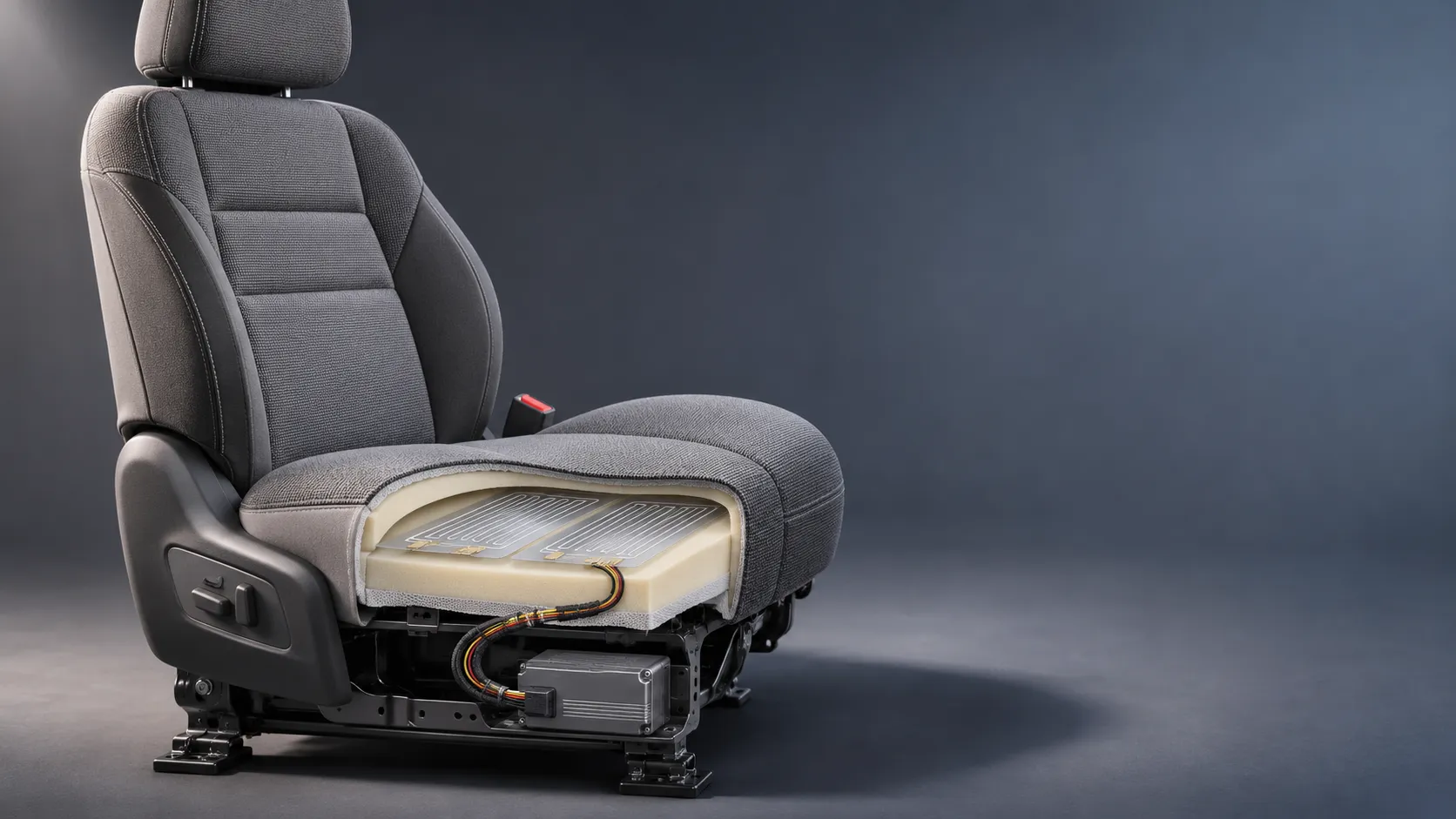
How Capacitive Seat Occupancy Sensing Works in Automotive Airbag Systems
Discover how capacitive seat occupancy sensing supports automotive airbag systems, and explore the design, calibration, and validation challenges behind reliable performance.
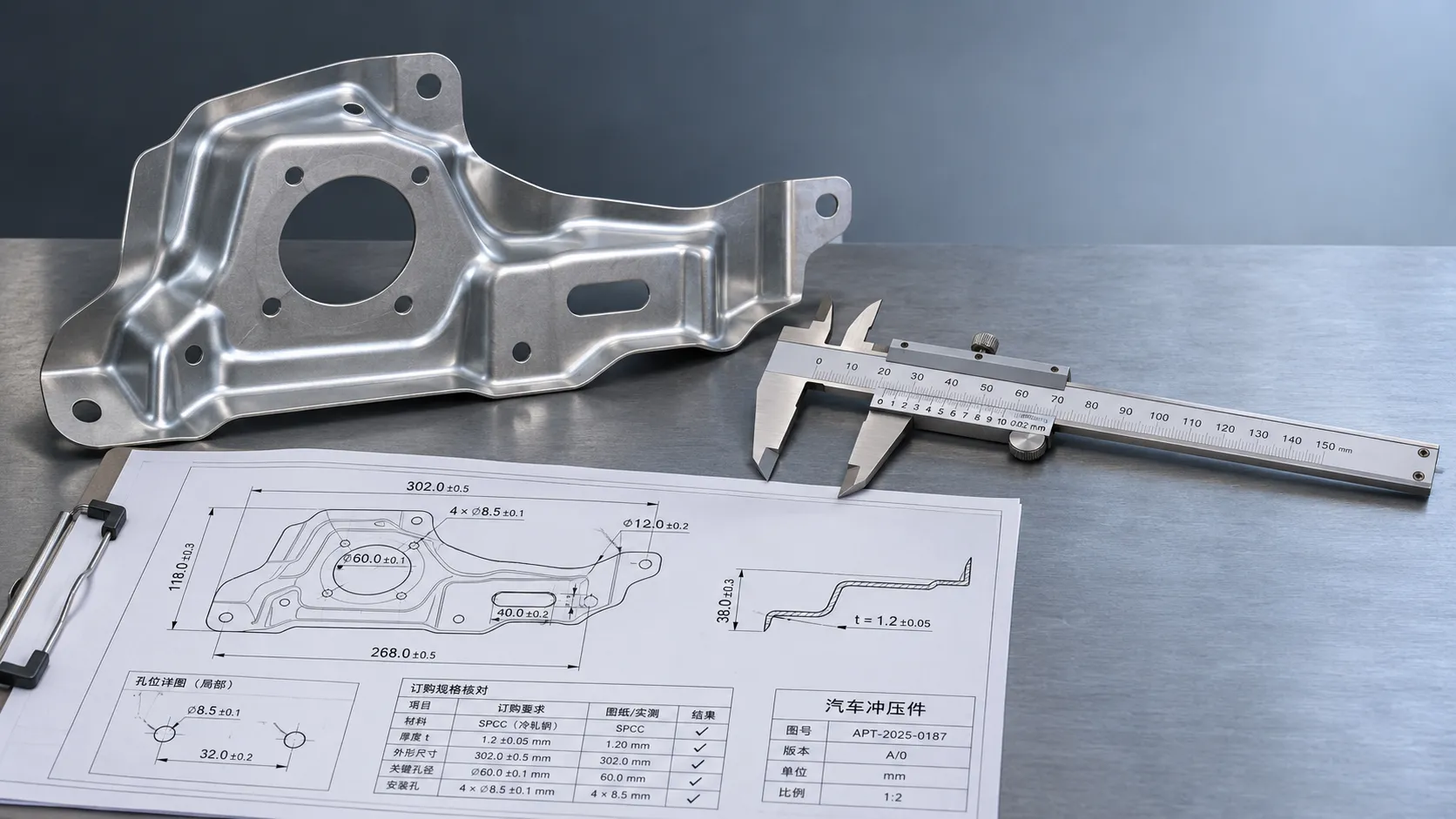
Industrial Product References: How to Verify Specs Before Ordering
Use an industrial product reference for procurement to verify specs, compatibility, and certifications before ordering—and reduce costly purchasing risks.
Choosing a Private Label Partner in Europe: Key Supplier Criteria
Private label cooperation Europe buyers can trust starts with the right supplier. Explore key criteria for compliance, quality, traceability and supply resilience.

Integrated Cabin Comfort Systems: How Seat and Cabin Climate Controls Work Together
Discover how integrated cabin comfort systems coordinate seat and climate controls to balance occupant comfort, energy use, safety, and performance.
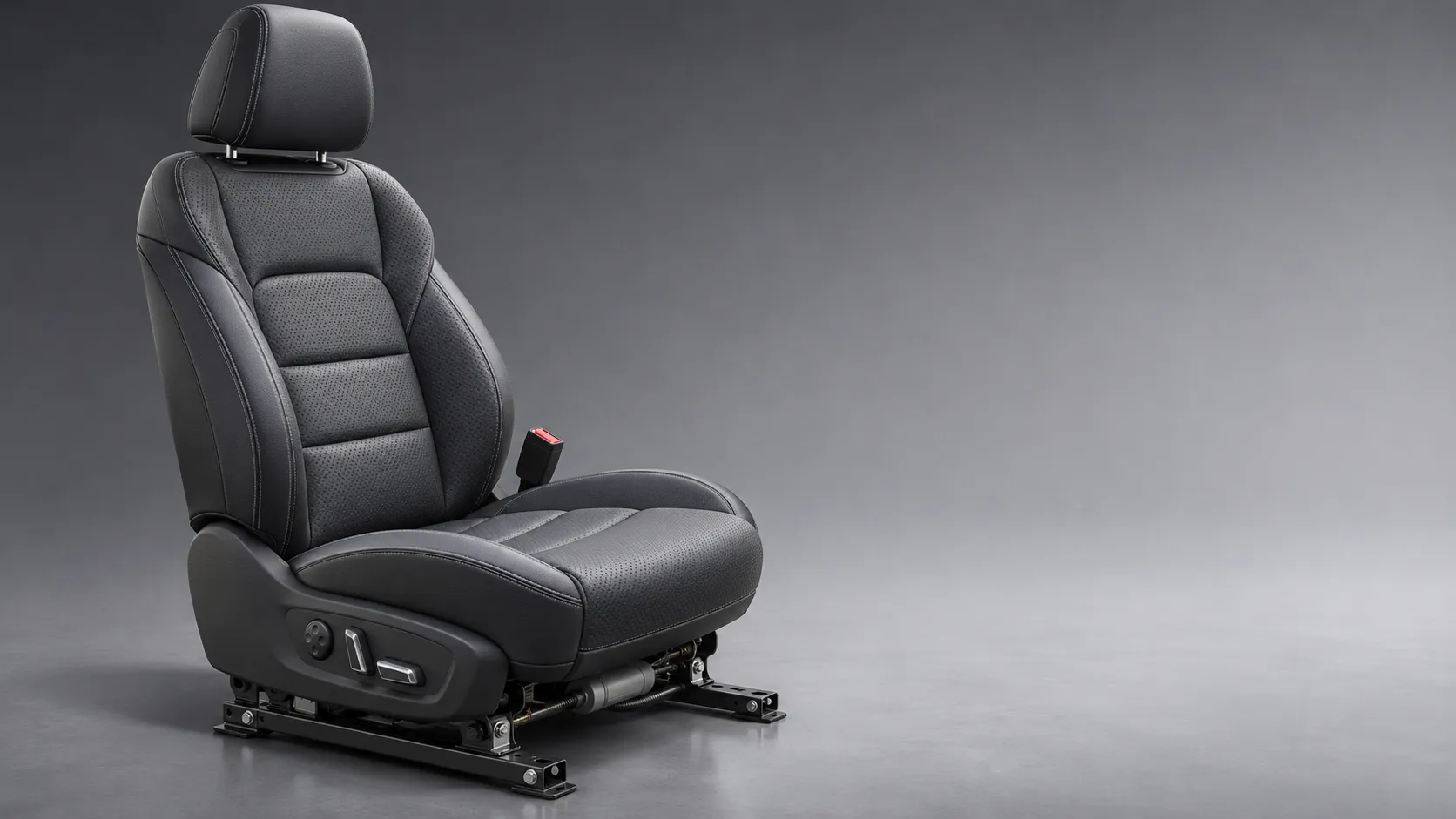
Automotive Ergonomics Pricing: What Drives Seat System Costs?
Discover what drives automotive ergonomics pricing, from seat mechanisms and safety systems to tooling and volume, and learn how to compare supplier quotes.

Evaluating Supplier Solutions: How to Verify References and Standards
Supplier solution references and standards can make or break a sourcing decision. Learn how to verify claims, assess compliance, and reduce risk before awarding a contract.
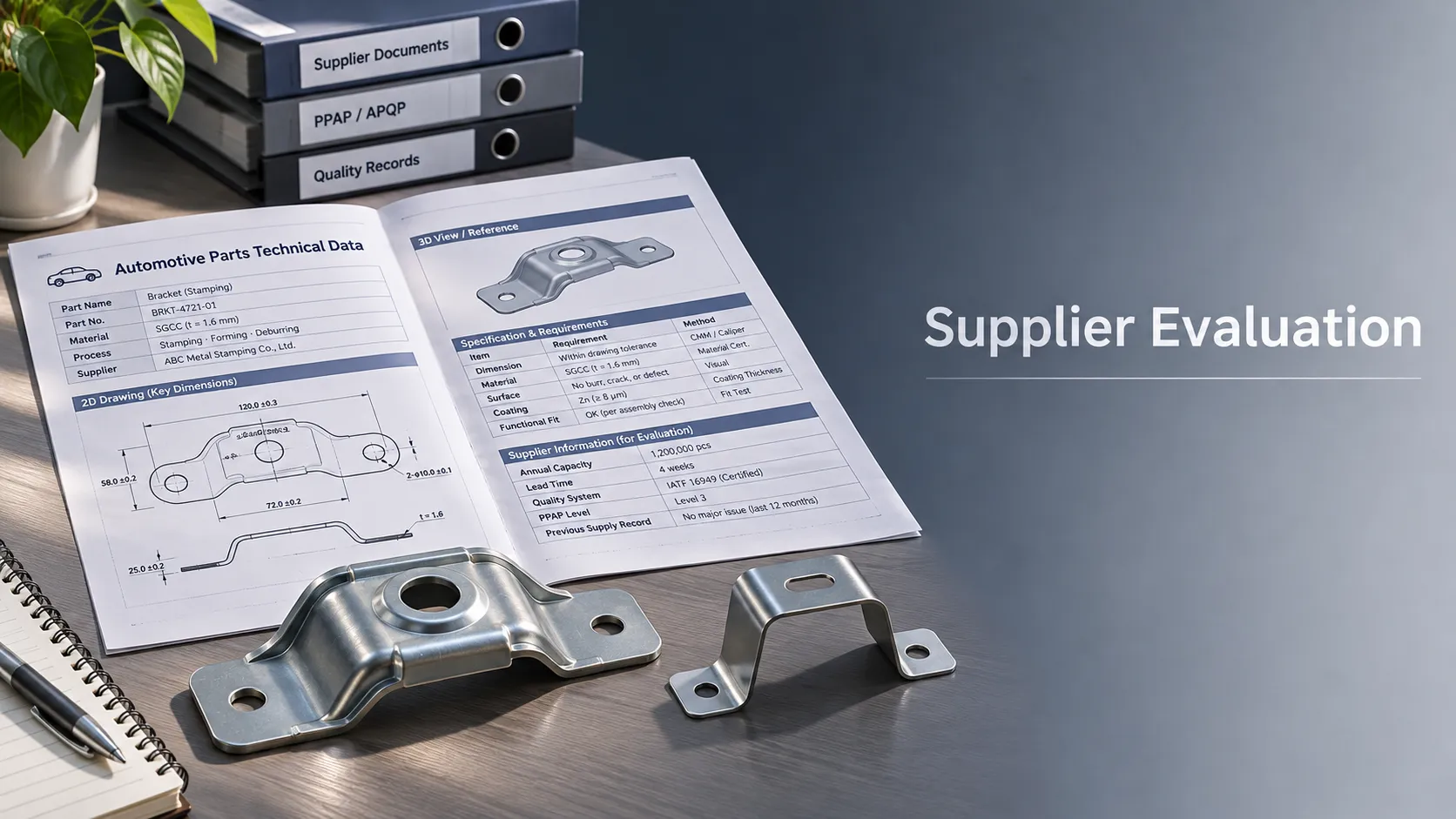
Choosing B2B Product Knowledge Platform Suppliers: Key Evaluation Criteria
Compare B2B product knowledge platform suppliers with confidence. Explore key criteria for data accuracy, supplier transparency, integrations, and value.
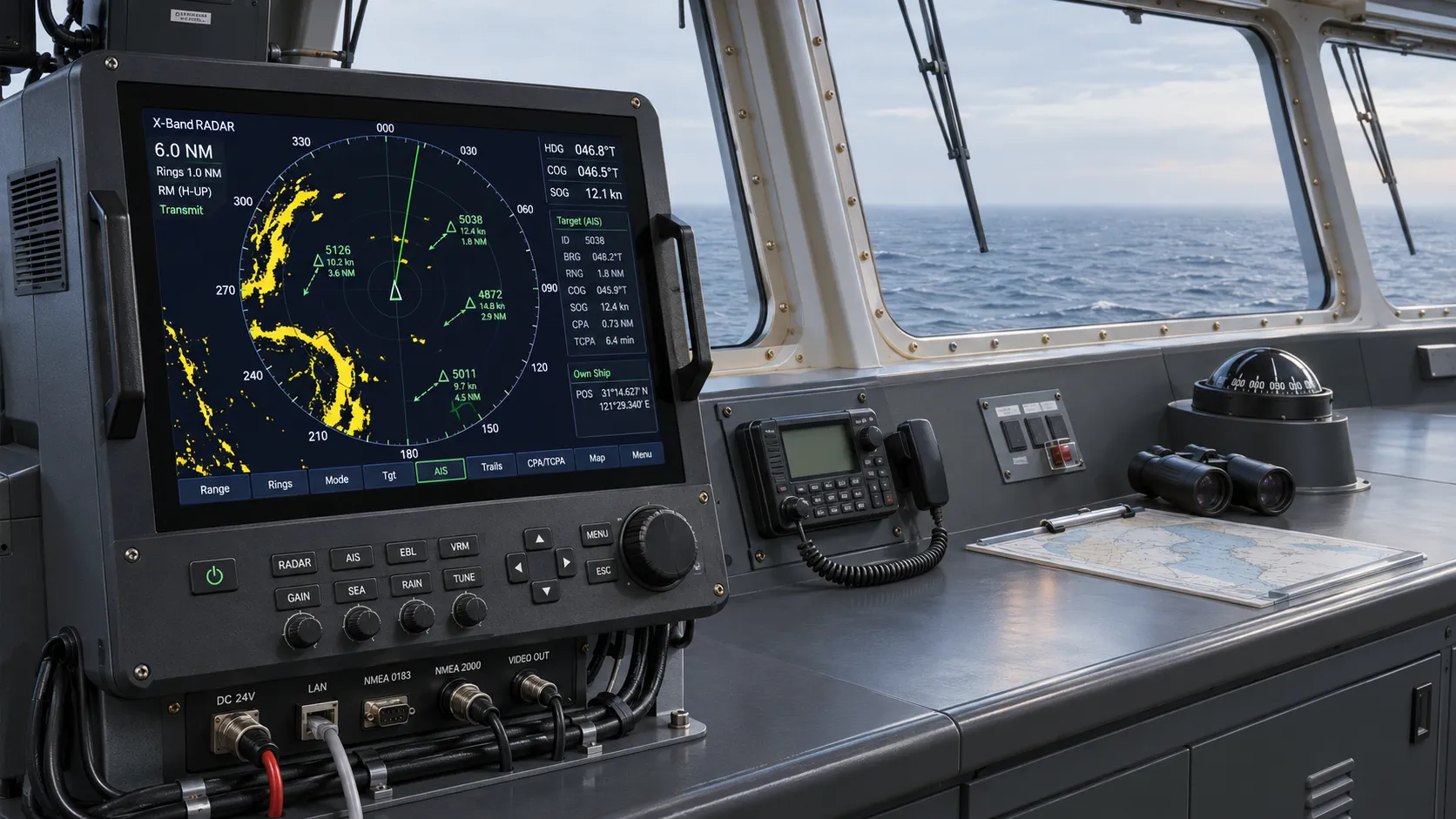
Choosing a Marine Radar Systems Supplier: What to Check Before Buying
Choosing a marine radar systems supplier? Compare installed costs, bridge compatibility, compliance evidence, and service support before you buy.
Related News
- 00
0000-00
How to Evaluate Supplier Solution References Before Signing a Contract - 00
0000-00
Industrial Product References: How to Verify Specs Before Ordering - 00
0000-00
Choosing a Private Label Partner in Europe: Key Supplier Criteria - 00
0000-00
Automotive Ergonomics Pricing: What Drives Seat System Costs? - 00
0000-00
Evaluating Supplier Solutions: How to Verify References and Standards
0000-00
Weekly Insights
Stay ahead with our curated technology reports delivered every Monday.