
Choosing a B2B Sourcing Platform: Exporter Verification and Buyer Protection
A supplier offers competitive pricing for marine navigation equipment or automotive safety components, displays a verified badge, and promises protected payment. Yet the quotation does not identify the factory, the certificate covers a different business entity, and the protection terms exclude the defect most likely to disrupt production. The immediate decision is not whether the offer looks credible, but whether its claims can be checked before money changes hands.
When evaluating B2B sourcing platform exporters, choose platforms that make three things verifiable: the seller’s legal identity and manufacturing role, evidence that the specified product meets your requirements, and enforceable transaction protections with usable dispute procedures. Treat these as separate approval gates. A verified business can supply unsuitable goods, while a genuine manufacturer can sell through a transaction that offers little practical recovery.
Separate platform verification from supplier qualification
“Verified” has no universal meaning across sourcing platforms. It may indicate that registration documents were reviewed, that a business address was checked, or that an assessor visited a facility. None of these automatically establishes process capability, product conformity, financial stability, or delivery reliability.
Before comparing supplier profiles, ask the platform for the scope, date, and issuer of its verification. Establish whether the underlying report is available, whether findings have expired, and whether the badge applies to the contracting entity or another company in the same group. A badge without accessible scope is a screening signal, not qualification evidence.
A trading company is not automatically a poor choice. It may consolidate orders or handle export administration effectively. The important question is whether it discloses the production source, controls subcontractors, and accepts contractual responsibility. Reject unexplained ambiguity rather than assuming every seller must own a factory.
Follow the identity chain before reviewing price
The platform profile, quotation, purchase agreement, invoice, and payment beneficiary should form a consistent identity chain. Differences can be legitimate, but they need documented explanations. An exporter may use an authorized sales entity, for example; that arrangement should identify who supplies the goods, who receives payment, and who owes any refund.
Request a current business registration record and independently check it through an available official registry. Compare the legal name and address with the platform record. Confirm the factory location separately when manufacturing capability is part of the offer.
- Unrelated payment beneficiary: Pause payment until the relationship and platform eligibility are confirmed.
- Late bank-account change: Verify through an independently established contact channel, not only the message announcing the change.
- Different factory on inspection documents: Establish whether subcontracting was authorized and whether the site was qualified.
- Pressure to move off-platform: Check whether external payment or order changes would remove protection.
Identity checks reduce impersonation and payment-diversion risks. They do not replace product qualification, but they prevent a technically convincing discussion from concealing uncertainty about the actual counterparty.
Ask for evidence tied to the part you intend to buy
A polished catalog and a general quality-system certificate cannot demonstrate that a supplier can manufacture your component consistently. Build the evidence request around the failure consequences of the purchase. For safety-critical equipment, procurement should agree the acceptance requirements with engineering and quality before requesting final quotations.
Match documentation to the product and destination
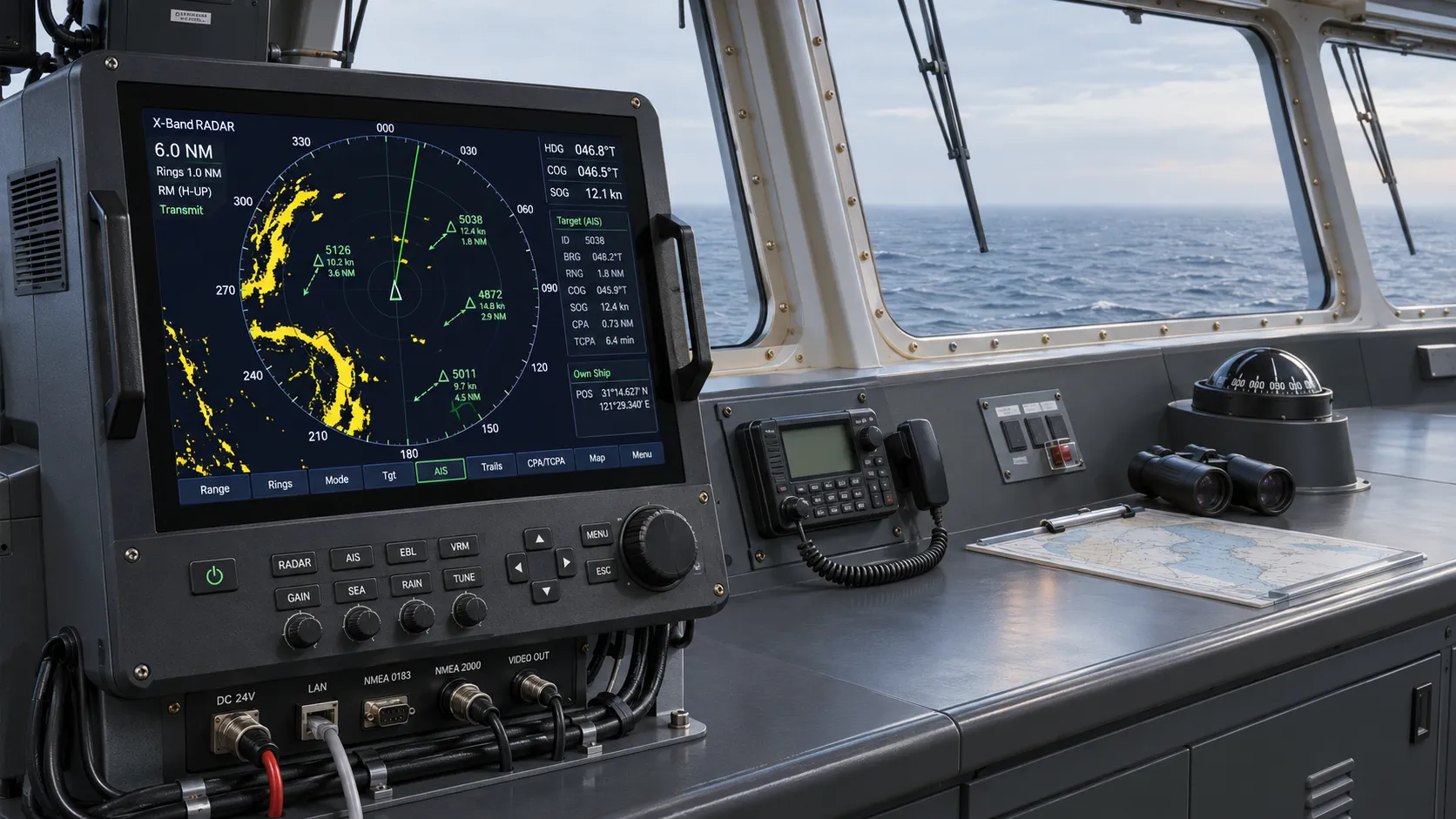
For marine navigation equipment, check the exact model, hardware configuration, software version where relevant, and approvals required for its intended vessel and installation. A report for a related model may not cover the offered unit. Include interfaces, calibration records where applicable, update responsibilities, and technical support deliverables in the specification.
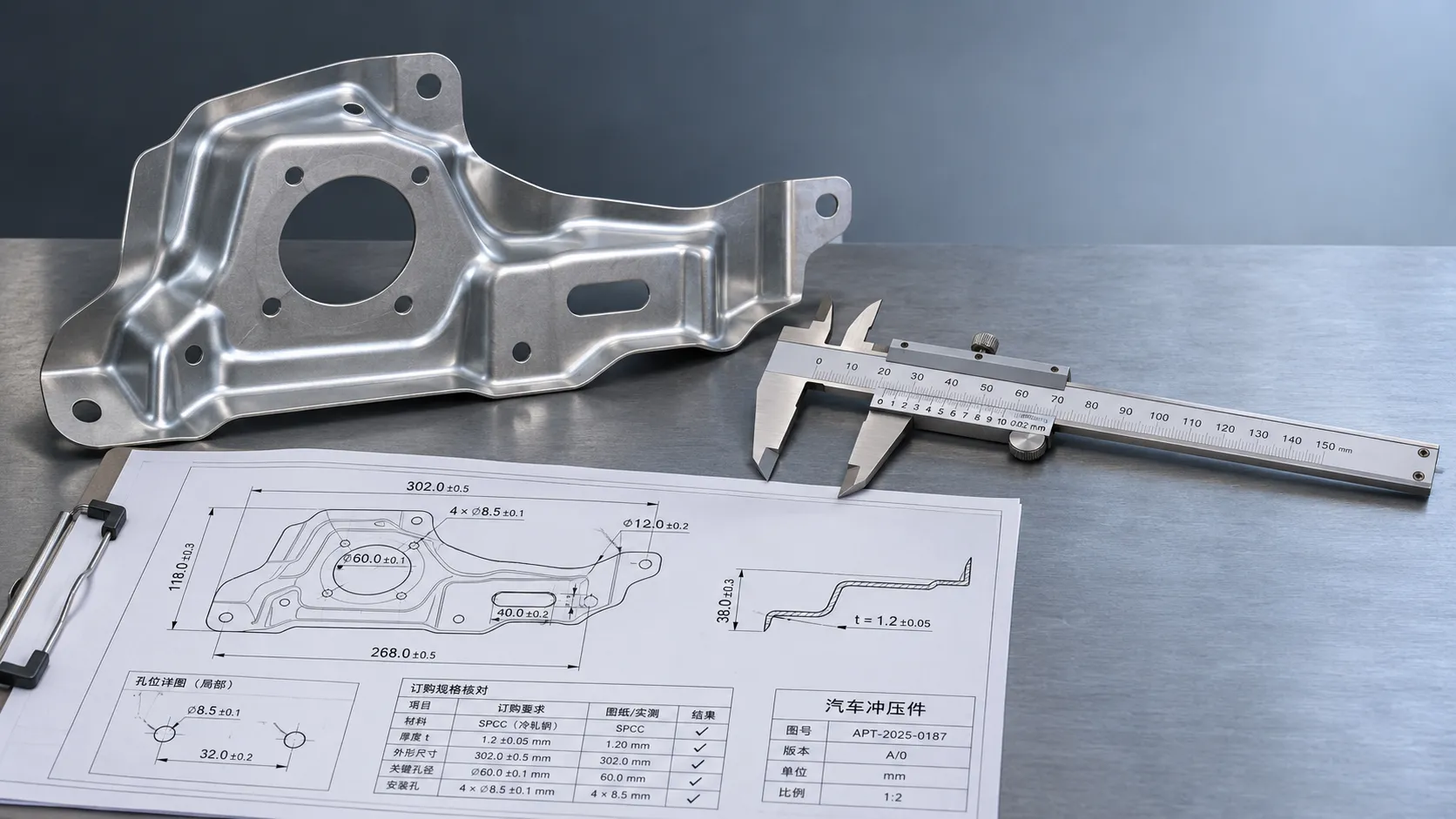
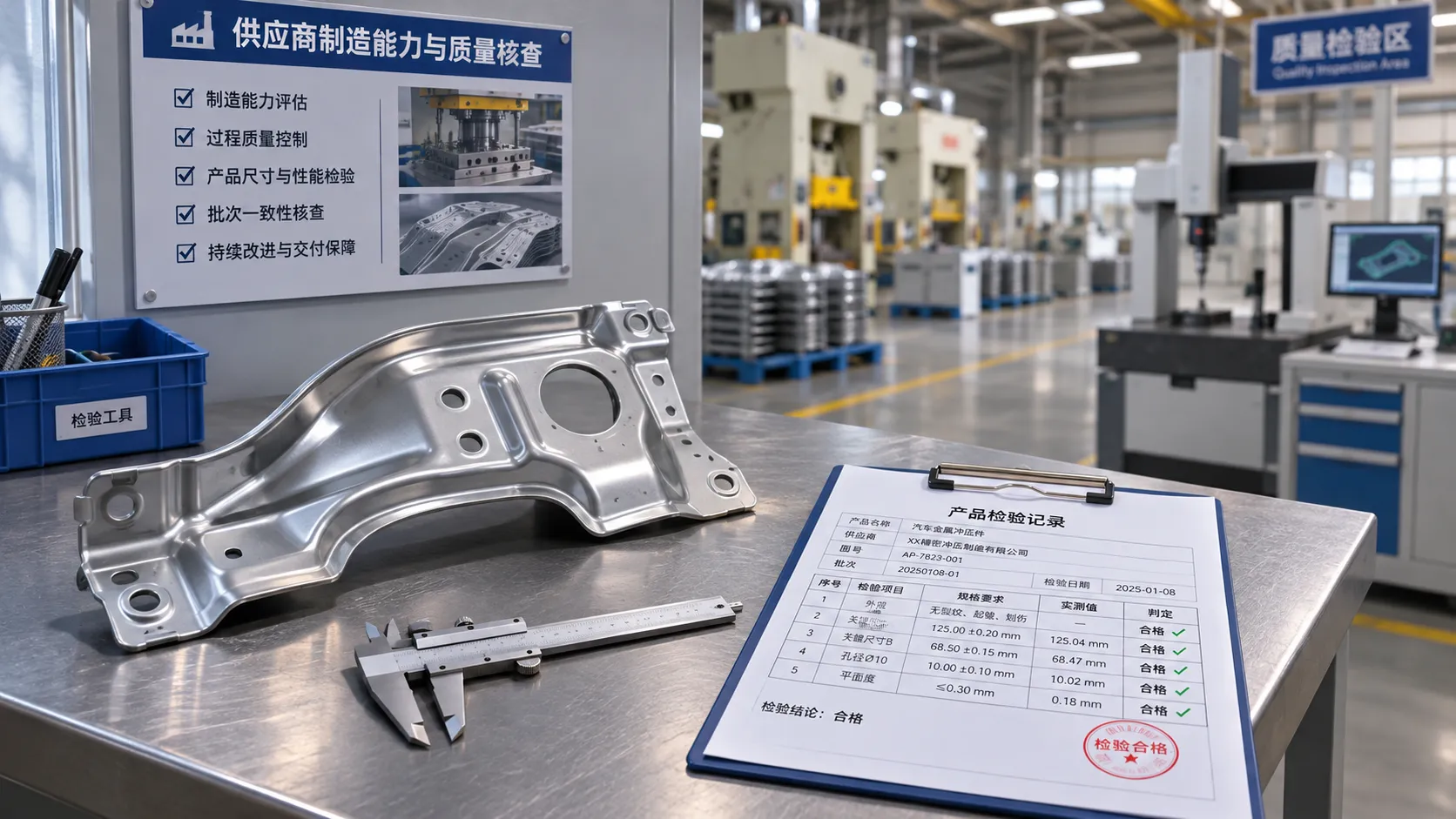
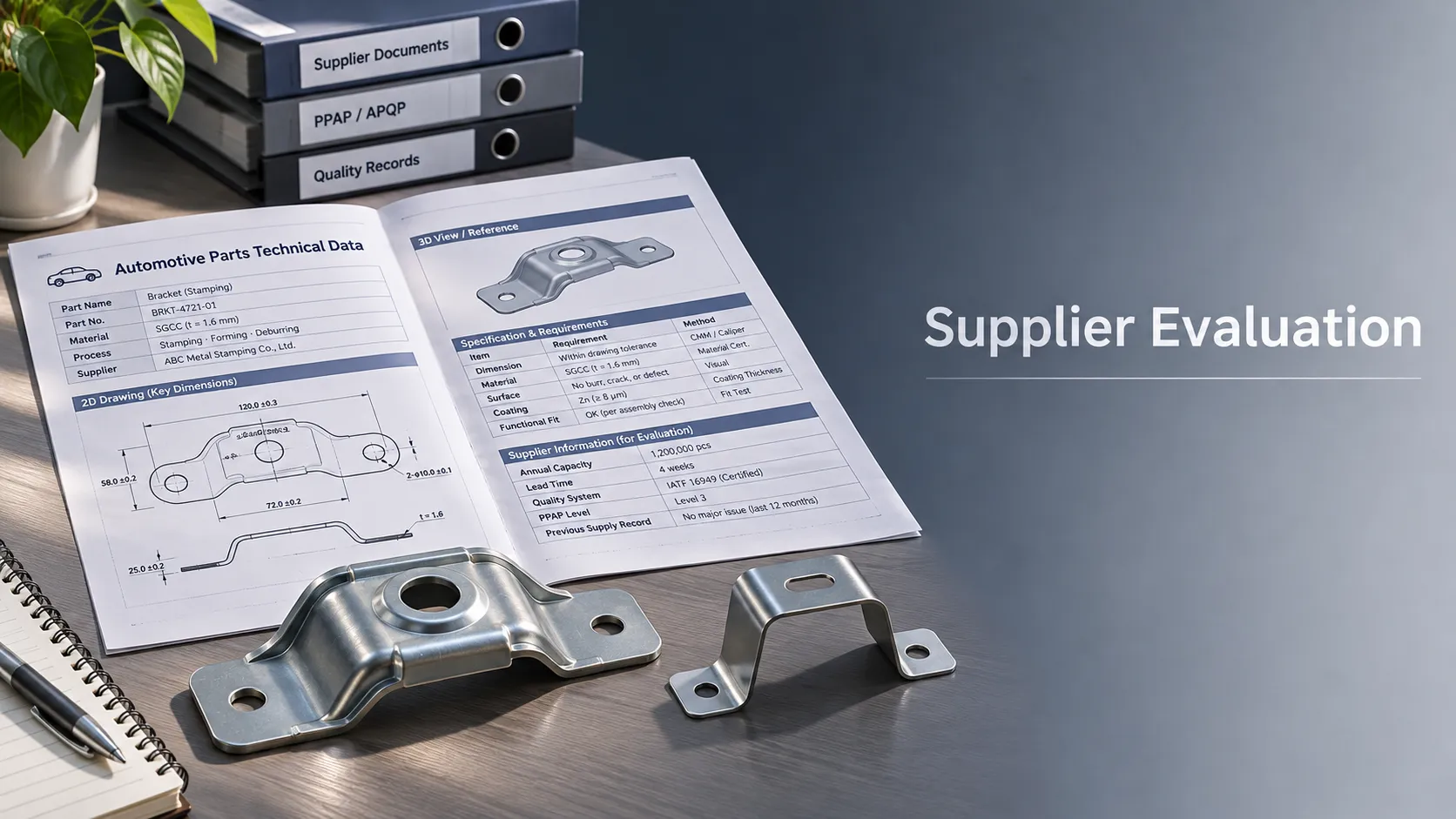
For automotive stampings, request evidence covering material grade, thickness, dimensional control, tooling ownership, and traceability. Where performance depends on a forming or heat-treatment process, verify that the actual manufacturing site controls that process. A dimensionally acceptable sample does not establish all required material properties.
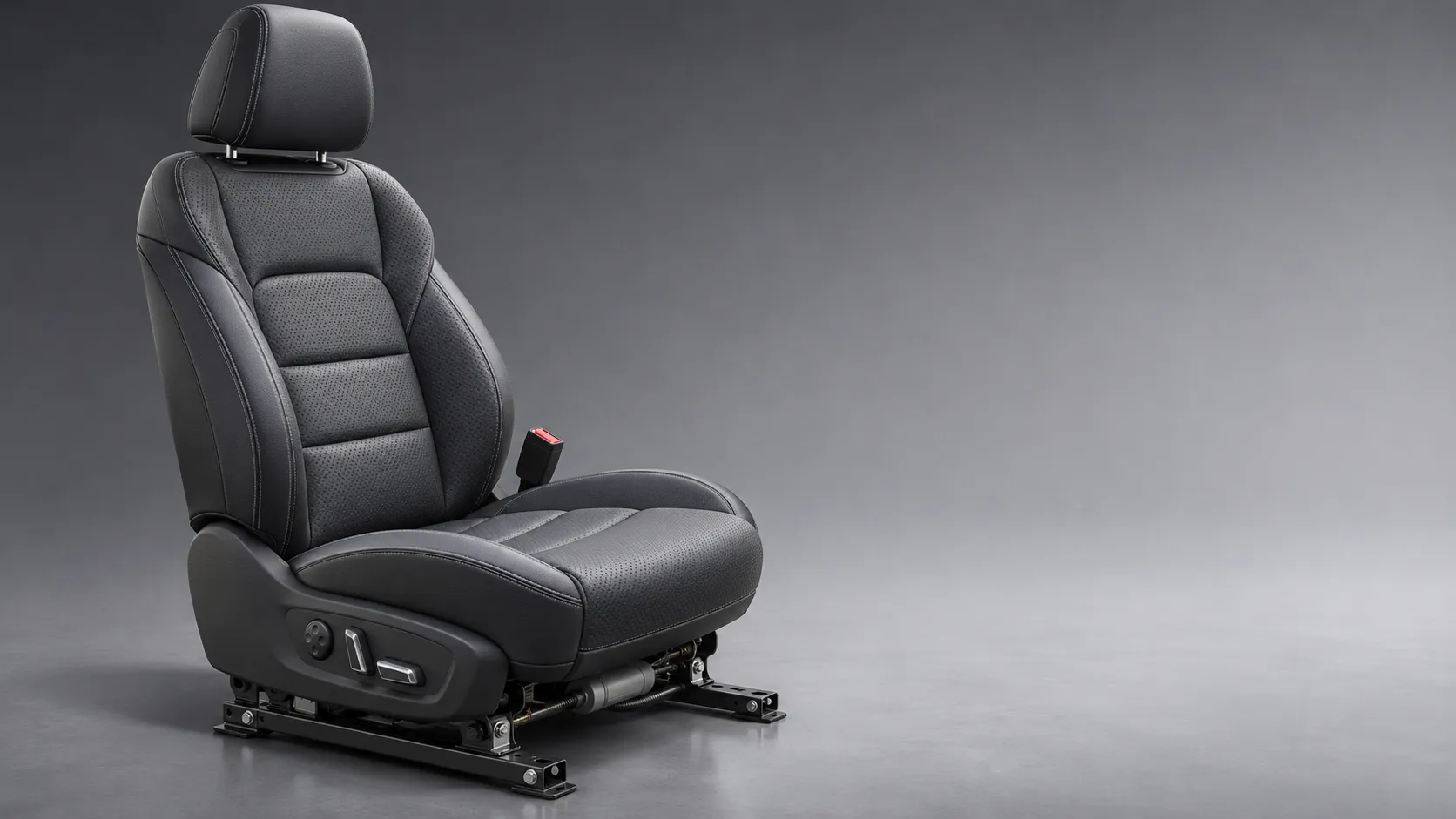
Airbag assemblies, seatbelt systems, and seat assemblies require particular care over configuration, component provenance, and validation scope. Do not interpret a test report for one assembly as approval for a modified configuration or a different vehicle application. Engineering must determine which conformity evidence applies; the platform’s verification team should not be treated as the approval authority.
Test whether the evidence is traceable
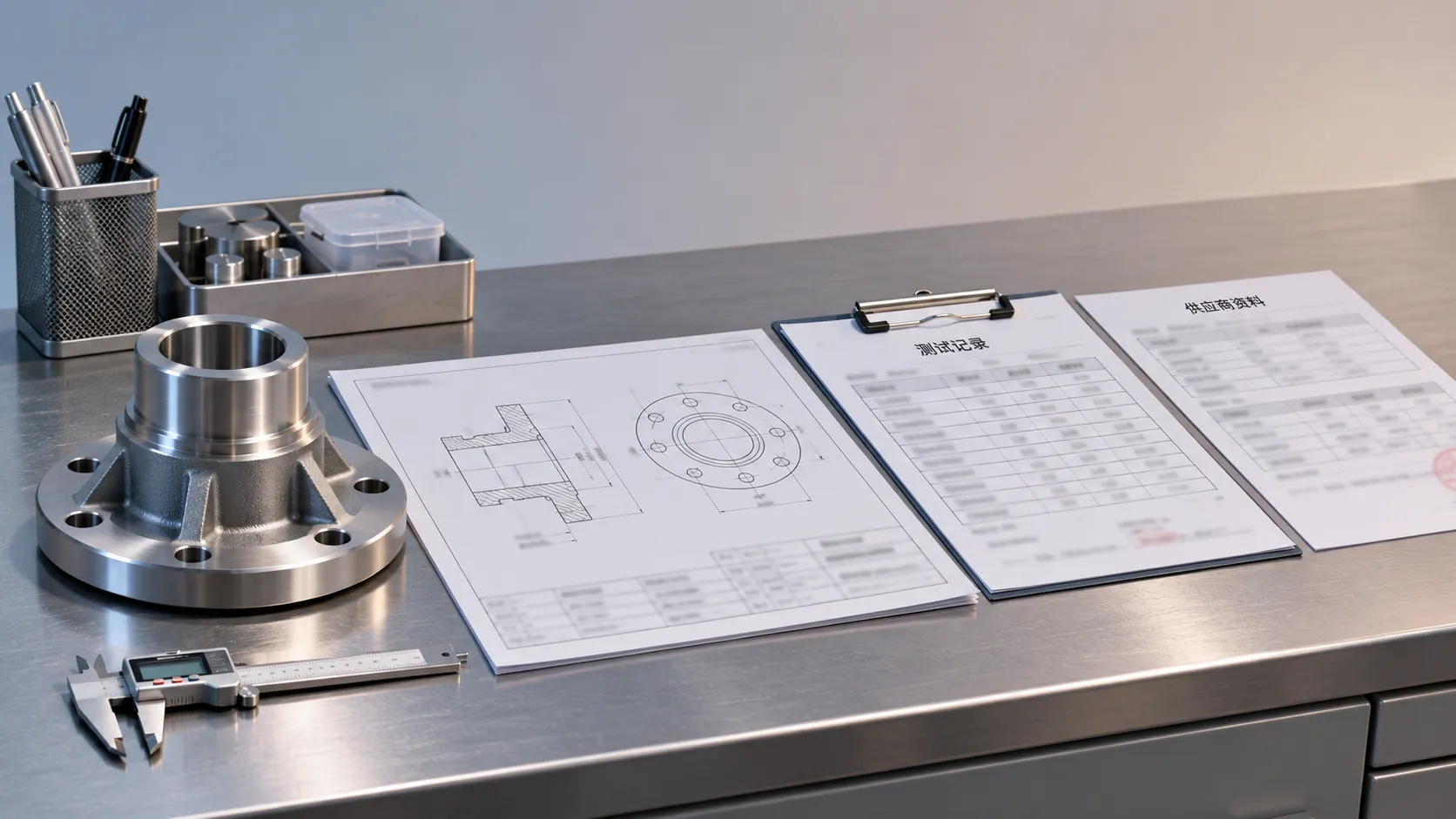
Check certificates and reports with the issuing organization where verification is available. Match the holder, site, product identification, scope, and validity. For confidential documents, a controlled review or independent assessment may be appropriate, but confidentiality should not become a reason to accept uncheckable claims.
Ask how a delivered serial number or batch connects to inspection results, material records, and production history. Also establish whether the exporter must obtain approval before changing materials, tooling, software, production sites, or critical sub-suppliers. Without change control, the qualified sample and the production shipment may be materially different.
Read buyer protection as a claims procedure, not a promise
Buyer protection is useful only when your transaction, payment, specification, and claim fit its rules. Read the terms that apply to the actual order rather than relying on a homepage summary. Save the applicable terms and order records when committing funds.
Start with the trigger for coverage. Does protection address non-shipment, late shipment, quantity shortages, specification deviations, or only certain events? Check whether “delivery” means dispatch, arrival, or recorded receipt, and whether acceptance happens automatically after a defined period.
Then examine the remedy. A refund may be capped at an eligible payment amount and may not cover inspection fees, freight, duties, installation, removal, or production interruption. Replacement goods may be commercially inadequate when the original failure has stopped a production line.
- Eligible payment: Confirm which payment channels and recipients qualify, including deposits and balance payments.
- Evidence requirements: Determine whether claims need inspection reports, photographs, test results, shipping records, or an independent expert.
- Time limits: Record claim deadlines and identify whether defects discovered after installation fall outside them.
- Return conditions: Establish who pays return costs and how hazardous or restricted goods would be handled.
- Decision and appeal: Identify who decides disputes, whether review is available, and what happens if the seller contests the evidence.
For an inflator or other regulated hazardous component, ordinary parcel-return assumptions may be unworkable. Confirm transport and handling requirements before agreeing that returning the goods is a condition of recovery.
Escrow is not the same as quality assurance. It controls the release of funds according to specified conditions. If release occurs at shipment, or after an inspection that cannot reveal a latent defect, your remaining remedy may depend on warranty enforcement rather than retained payment.
Make the order specific enough to support a dispute
A platform cannot reliably resolve “quality was disappointing” when the order only says “high-quality seatbelt assembly.” Convert expectations into measurable obligations and attach them to the protected order. Keep essential technical agreements within the platform’s recognized contract record, even if discussions also occur elsewhere.
The order should identify the approved drawing and revision, product configuration, materials, quantities, packaging, traceability, inspection method, and acceptance criteria. Include required documents as deliverables, not optional attachments promised after shipment.
Define the delivery obligation separately from transport risk. An agreed trade term can allocate transport responsibilities and costs, but it does not by itself establish quality acceptance, warranty coverage, ownership transfer, or platform refund eligibility. State the named place and applicable version where relevant.
For tooling or development purchases, separate milestones from production-part acceptance. Specify ownership, access, storage, maintenance, and transfer rights for tooling. Otherwise, a refund for rejected parts may leave the buyer unable to move production to another supplier.
Warranty provisions should address notice, investigation, containment, replacement, and costs. For safety-critical parts, also establish escalation and traceability support when a defect could affect other batches. Obtain legal review where liability, cross-border enforcement, or recall obligations exceed the protection available through the platform.
Compare platforms using the same purchase scenario
Do not compare one platform’s best marketing claim with another platform’s detailed exclusions. Give each candidate the same realistic scenario: the same component, order value, destination, inspection plan, payment stages, and possible failure. Ask for written answers and the governing terms.
- Run a non-delivery scenario. Ask what happens when the agreed shipment date passes and the exporter provides an unverified tracking reference.
- Run a specification-dispute scenario. Ask how an independent inspection finding is evaluated when the supplier disputes the test method.
- Run a late-discovered defect scenario. Ask what remedy remains after payment release and initial receipt confirmation.
- Check operational access. Confirm that your team can retrieve contracts, messages, payment records, and claim evidence without relying on the supplier.
Evaluate the answers alongside supplier availability and transaction costs. A discovery-focused marketplace may suit an experienced organization with its own audits, banking arrangements, and enforceable contracts. A transaction-managed platform may be preferable when payment controls and dispute administration are important, provided its coverage fits the goods. Neither model removes the need for technical approval.
Set approval gates before releasing funds
Use pass-or-fail requirements for risks that cannot be traded against price. An unresolved beneficiary mismatch, unverifiable mandatory approval, or refusal to identify the production site should block the order. Compare commercial advantages only after those issues are resolved.
For a new supplier, progress from document review to technical qualification, then to an appropriately controlled initial order. Agree inspection access and payment-release conditions before production begins. Sampling, first-article approval, and production validation should reflect the component’s risk; a successful small order does not automatically qualify unrestricted supply.
Where two exporters appear equally capable, prefer the transaction that leaves fewer unresolved questions: a clearly identified contracting party, evidence tied to the supplied configuration, payment milestones aligned with meaningful checks, and a realistic route to remedy. If the platform cannot protect the main failure you are buying against, arrange separate contractual and financial safeguards—or do not use that transaction structure.
Related News

How to Evaluate Supplier Solution References Before Signing a Contract
Evaluate supplier solution references with confidence. Learn how to verify technical evidence, identify delivery risks, and close gaps before signing a contract.

How Capacitive Seat Occupancy Sensing Works in Automotive Airbag Systems
Discover how capacitive seat occupancy sensing supports automotive airbag systems, and explore the design, calibration, and validation challenges behind reliable performance.
Industrial Product References: How to Verify Specs Before Ordering
Use an industrial product reference for procurement to verify specs, compatibility, and certifications before ordering—and reduce costly purchasing risks.
Choosing a Private Label Partner in Europe: Key Supplier Criteria
Private label cooperation Europe buyers can trust starts with the right supplier. Explore key criteria for compliance, quality, traceability and supply resilience.

Integrated Cabin Comfort Systems: How Seat and Cabin Climate Controls Work Together
Discover how integrated cabin comfort systems coordinate seat and climate controls to balance occupant comfort, energy use, safety, and performance.
Automotive Ergonomics Pricing: What Drives Seat System Costs?
Discover what drives automotive ergonomics pricing, from seat mechanisms and safety systems to tooling and volume, and learn how to compare supplier quotes.
Evaluating Supplier Solutions: How to Verify References and Standards
Supplier solution references and standards can make or break a sourcing decision. Learn how to verify claims, assess compliance, and reduce risk before awarding a contract.
Choosing B2B Product Knowledge Platform Suppliers: Key Evaluation Criteria
Compare B2B product knowledge platform suppliers with confidence. Explore key criteria for data accuracy, supplier transparency, integrations, and value.
Choosing a Marine Radar Systems Supplier: What to Check Before Buying
Choosing a marine radar systems supplier? Compare installed costs, bridge compatibility, compliance evidence, and service support before you buy.
Related News
- 00
0000-00
How to Evaluate Supplier Solution References Before Signing a Contract - 00
0000-00
Industrial Product References: How to Verify Specs Before Ordering - 00
0000-00
Choosing a Private Label Partner in Europe: Key Supplier Criteria - 00
0000-00
Automotive Ergonomics Pricing: What Drives Seat System Costs? - 00
0000-00
Evaluating Supplier Solutions: How to Verify References and Standards
0000-00
Weekly Insights
Stay ahead with our curated technology reports delivered every Monday.