
Industrial Sourcing Platforms: How Buyers Can Vet Suppliers and Reduce Procurement Risk
An industrial sourcing platform buyer guide should start with a hard truth: a supplier profile, low unit price, and a downloadable certificate do not prove that a supplier can reliably deliver a safety-critical part. They only justify moving that supplier to the next stage of review.
This distinction matters when sourcing marine navigation equipment, hot-stamped body parts, airbag assemblies, seatbelt systems, or smart seat components. A late shipment is costly in any supply chain. A part with inconsistent material properties, weak traceability, or undocumented process changes can create a far more serious problem: rejected production, compliance exposure, warranty claims, or compromised safety performance.
The most useful industrial sourcing platforms reduce search time and organize supplier information. They do not remove the need for technical and commercial verification. The buyer's job is to turn platform listings into an evidence-based shortlist, then compare the total risk-adjusted cost of each option.
Use the platform to build a shortlist, not to make the final decision
A sourcing platform is effective when it helps narrow a broad supplier market into a manageable group. Search filters, product categories, factory profiles, export history, quality documents, response records, and inquiry tools can all be useful. Their value is highest at the discovery stage, when the alternative is relying on a single known supplier or manually searching an unstructured market.
Problems begin when platform information is treated as verified operating capability. A supplier may show a broad product range because it trades products from several factories. Another may have valid quality-system documentation but lack the process controls needed for a particular high-risk component. A third may be technically capable but unable to support the required program volume, engineering changes, packaging discipline, or delivery cadence.
Start by separating suppliers into three groups:
- Manufacturers: Companies that control the relevant production process, tooling, equipment, quality checks, and process records.
- Specialist integrators: Companies that assemble, configure, test, or package a finished system using qualified subcomponents.
- Traders or intermediaries: Companies that may simplify communication or consolidate purchases but do not necessarily control manufacturing quality or capacity.
None of these models is automatically unsuitable. An intermediary can be useful for low-risk, multi-item purchases or local logistics support. For engineered safety systems, however, unclear factory ownership creates a traceability and change-control problem. The party quoting the part must be able to identify who makes it, how it is controlled, and who is accountable when a defect appears.
Define the sourcing requirement before comparing suppliers
Many sourcing exercises fail because the request for quotation is too vague. When suppliers receive only a drawing, product name, and annual volume estimate, they fill in missing assumptions differently. The resulting quotations may look comparable but actually cover different materials, test scopes, tooling responsibilities, tolerances, packaging methods, or validation work.
A stronger request defines the commercial and technical boundary of the purchase. It should state what is fixed, what may be proposed as an alternative, and what evidence must accompany the response. For a hot-stamped automotive part, that may include the approved material route, corrosion protection, critical dimensions, joining interfaces, and required inspection records. For a navigation unit, it may include operating environment, installation interfaces, electromagnetic compatibility expectations, software support needs, and calibration or configuration requirements.
For airbag, seatbelt, and seat-related parts, requirements must also address the system context. A component that performs acceptably in isolation may not work correctly once installed with the intended sensors, seat structure, trim, restraints, or vehicle electronics. The lowest quotation can therefore become the most expensive option when it excludes development support or shifts integration risk back to the buyer.
Before publishing a request on an industrial sourcing platform, prepare a concise supplier brief that covers:
- Product definition, drawings, specifications, and controlled revision level.
- Critical characteristics that cannot be substituted without approval.
- Expected volumes, launch timing, service-part needs, and forecast reliability.
- Required documentation, inspection records, material declarations, and traceability level.
- Testing, sample approval, packaging, labeling, and change-notification expectations.
- Commercial terms, including tooling ownership, payment milestones, warranty handling, and logistics responsibilities.
This does more than improve quotation quality. It exposes suppliers that rely on generic responses. A capable supplier normally asks focused questions about missing constraints. A response that accepts every condition immediately but provides little detail can be a warning sign, especially for complex assemblies.
Vet the process behind the product
Supplier evaluation should follow the failure modes of the part, not a generic checklist alone. The relevant question is not simply, “Does this company make automotive parts?” It is, “Can this company consistently control the process that determines this part's safety, fit, durability, or functional performance?”
Ask suppliers to explain their process flow in their own words. The purpose is not to demand confidential process details; it is to establish whether the supplier understands the critical path from incoming material to shipped product. A credible response identifies key controls, inspection points, nonconformance handling, and the records retained for each batch or serial number.
Evidence matters more than polished presentations. Useful evidence can include controlled process maps, sample inspection reports, traceability examples with sensitive details removed, equipment lists tied to the specific product family, and explanations of how engineering changes are approved and communicated. A factory visit or remote audit should confirm these claims rather than merely inspect a tidy production floor.
Certificates are a starting point, not a capability score
Quality-management certificates, test reports, and regulatory statements have value, but they answer limited questions. A certificate may indicate that a management system has been assessed within a defined scope. It does not establish that every quoted part uses the same controlled process, nor does it prove that the supplier has stable capacity for a new program.
Check whether each document applies to the legal entity, production site, product category, and process being quoted. A group company may hold documentation that does not cover the actual factory. A supplier may present an old report for a previous design that differs materially from the requested configuration. In both cases, the document can still be real while being irrelevant to the purchase decision.
For safety-related goods, traceability deserves equal attention. A useful system allows a shipped part to be connected to its material lot, major subcomponents, production date, inspection status, and relevant process records. The appropriate depth depends on the component. A simple stamped bracket and a restraint-system assembly do not carry the same exposure. What matters is that the traceability method matches the risk and can be used quickly if a quality issue is discovered.
Price the total cost of supply, not the quoted unit cost
A low quoted price frequently excludes costs that surface later. Freight, duties, packaging failures, quality sorting, engineering support, tooling rework, inventory buffers, expediting, returns, and production interruption can erase an apparent saving. The risk is greater where parts have long approval cycles or cannot be replaced without revalidation.
A practical comparison does not need false precision. Use a common cost sheet that separates the quoted unit price from the costs and exposures that differ by supplier:
- Tooling, fixtures, gauges, prototypes, and maintenance responsibility.
- Freight mode, shipment frequency, packaging durability, and import handling.
- Minimum order quantity, lead time, payment conditions, and inventory commitment.
- Expected engineering effort for samples, validation, changes, and launch support.
- Cost of quality controls needed because of limited supplier confidence.
- Availability of spare parts, repair capability, and response when failures occur.
Do not convert every risk into a speculative number. Instead, use the cost sheet to make exposure visible. A supplier with a higher landed unit cost may be the better commercial choice when it offers shorter replenishment time, clearer technical support, stable documentation, and lower dependence on emergency inventory. Conversely, a premium supplier is not automatically worth the extra cost if the part is non-critical, standardized, and easy to replace.
Test responsiveness before awarding meaningful volume
Supplier communication during the quotation phase is a useful indicator, but it should be assessed for substance rather than speed alone. Fast replies are helpful; precise replies are more valuable. Look for clear answers to technical questions, consistent version control, named ownership for quality and engineering topics, and a willingness to identify assumptions.
A sample or pilot order can reveal operational behavior that platform profiles cannot show. Evaluate whether the supplier meets agreed packaging and labeling requirements, submits inspection documentation on time, manages deviations openly, and follows the agreed shipping plan. For a complex program, the pilot should be structured around the highest-risk unknowns rather than treated as a simple first purchase.
It is also sensible to ask what happens when the plan changes. Capacity constraints, material substitutions, tooling wear, supplier changes, software revisions, and logistics disruption are normal commercial realities. The risk lies in uncontrolled change. A supplier should have a clear route for notifying the buyer, documenting the impact, obtaining approval where required, and separating affected stock.
Build supplier resilience into the award decision
Dual sourcing is often discussed as a universal answer to supply risk, but it is not always practical. Qualifying two producers can be expensive and time-consuming for highly engineered parts. Separate tooling, duplicate validation work, and split volumes may weaken the economics of both sources.
For specialized components, resilience may instead come from qualified alternate materials, protected tooling arrangements, agreed safety stock, service-part planning, documented recovery procedures, or visibility into critical sub-tier suppliers. The right choice depends on how quickly the component can be replaced and how severe a disruption would be.
Another overlooked issue is dependency below the direct supplier. A seat assembler may rely on a single mechanism maker; a navigation equipment supplier may depend on a constrained sensor or electronics source; a stamping factory may receive specialized steel from a narrow supply base. The goal is not to map every tier in exhaustive detail. It is to identify single points of failure that could stop supply or trigger an unapproved product change.
Use intelligence sources to challenge assumptions
Platform data should be supplemented by technical and regulatory intelligence relevant to the product category. This is particularly important where mobility equipment is shaped by changing crash-safety expectations, maritime operating requirements, lightweight material development, or increasingly connected electronic systems.
GNCS is relevant in this context because its coverage connects marine navigation, automotive lightweight structures, passive safety components, and smart seating with the practical questions behind sourcing decisions. Reviewing sector developments can help buyers ask better supplier questions: whether an ECDIS update approach is controllable, how material changes may affect a stamped structure, what design changes alter restraint-system integration, or where smart-seat electronics create additional supply dependencies.
Intelligence does not replace supplier qualification. Its practical value is earlier detection of questions that a generic sourcing workflow may miss.
Make the award conditional on evidence, not promises
The final decision should state why the selected supplier was chosen and which open risks remain. That record is useful when commercial pressure later pushes for a shortcut. It also prevents the team from confusing a favorable quotation with an approved production source.
For safety-critical products, the award should normally be linked to defined gates: sample acceptance, documentation completion, process review, tooling confirmation, agreed change control, and logistics readiness. These gates can be proportionate to the purchase. The point is not to create unnecessary administration; it is to stop unresolved technical and supply-chain risks from becoming production problems.
The strongest sourcing decision is rarely the one with the cheapest first quote. It is the one where product requirements, supplier capability, traceability, commercial terms, and recovery options all support the same level of risk. That is how an industrial sourcing platform becomes a procurement tool rather than a directory of attractive prices.
Related News

How to Evaluate Supplier Solution References Before Signing a Contract
Evaluate supplier solution references with confidence. Learn how to verify technical evidence, identify delivery risks, and close gaps before signing a contract.

How Capacitive Seat Occupancy Sensing Works in Automotive Airbag Systems
Discover how capacitive seat occupancy sensing supports automotive airbag systems, and explore the design, calibration, and validation challenges behind reliable performance.
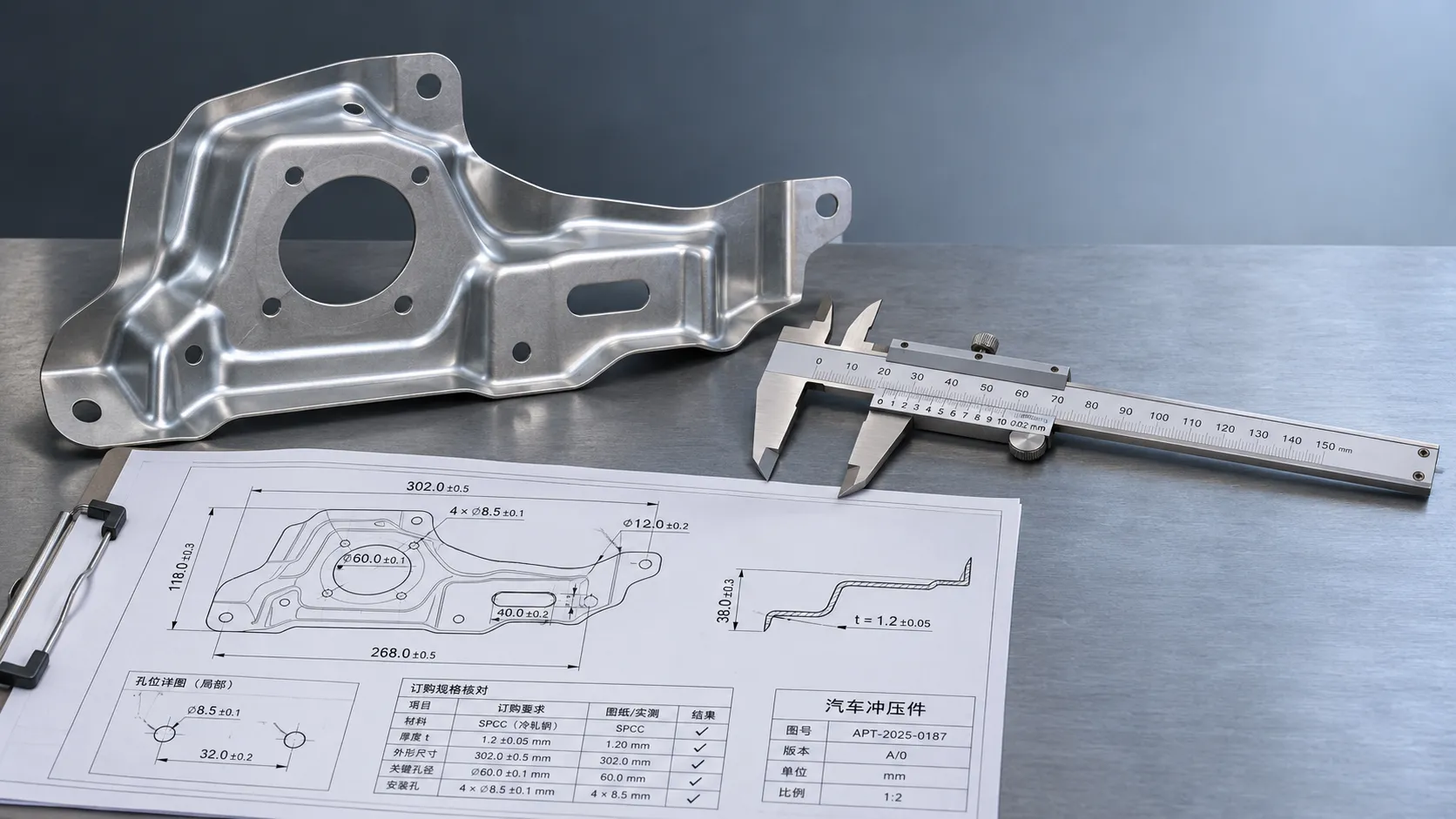
Industrial Product References: How to Verify Specs Before Ordering
Use an industrial product reference for procurement to verify specs, compatibility, and certifications before ordering—and reduce costly purchasing risks.
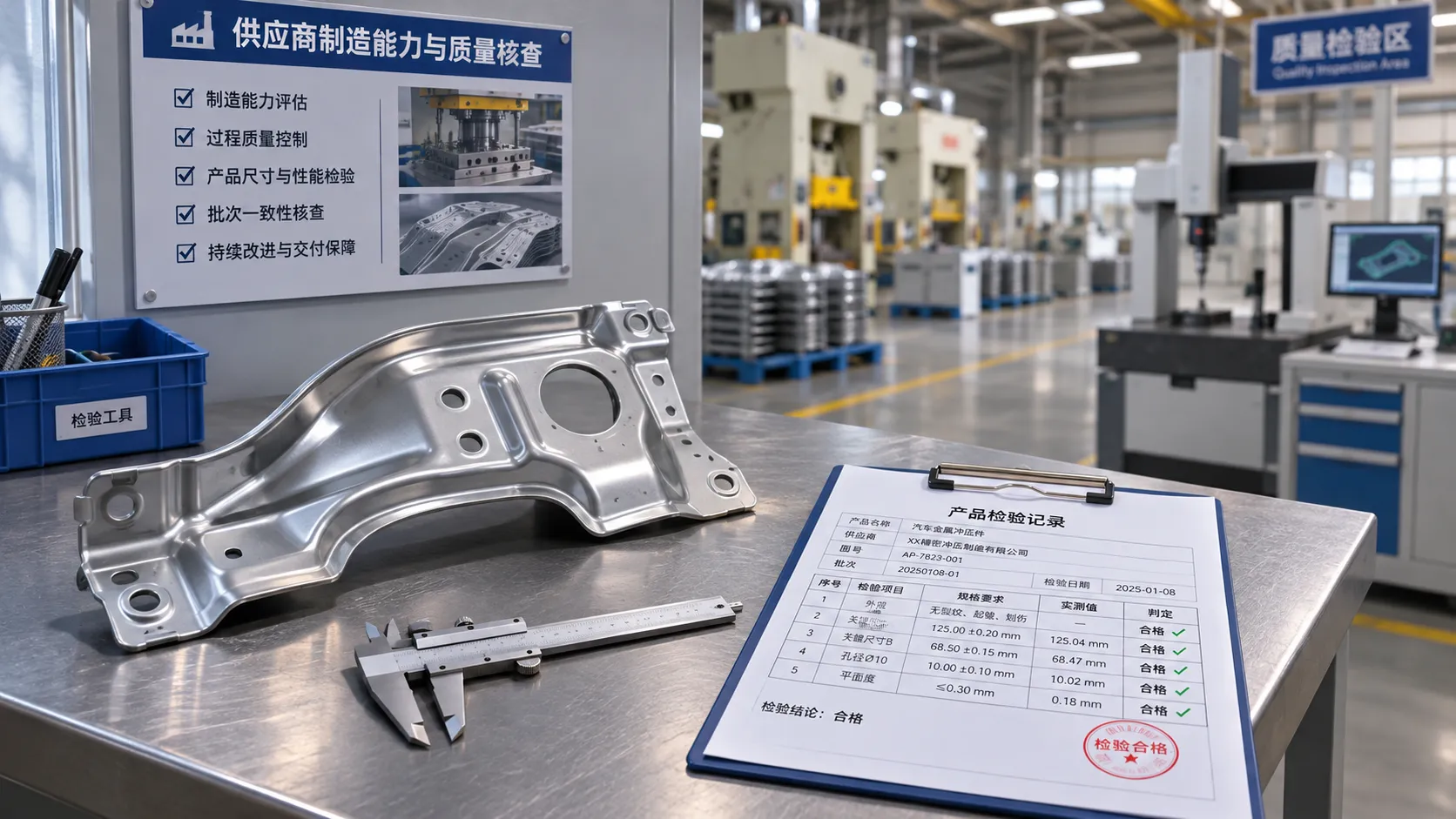
Choosing a Private Label Partner in Europe: Key Supplier Criteria
Private label cooperation Europe buyers can trust starts with the right supplier. Explore key criteria for compliance, quality, traceability and supply resilience.

Integrated Cabin Comfort Systems: How Seat and Cabin Climate Controls Work Together
Discover how integrated cabin comfort systems coordinate seat and climate controls to balance occupant comfort, energy use, safety, and performance.

Automotive Ergonomics Pricing: What Drives Seat System Costs?
Discover what drives automotive ergonomics pricing, from seat mechanisms and safety systems to tooling and volume, and learn how to compare supplier quotes.
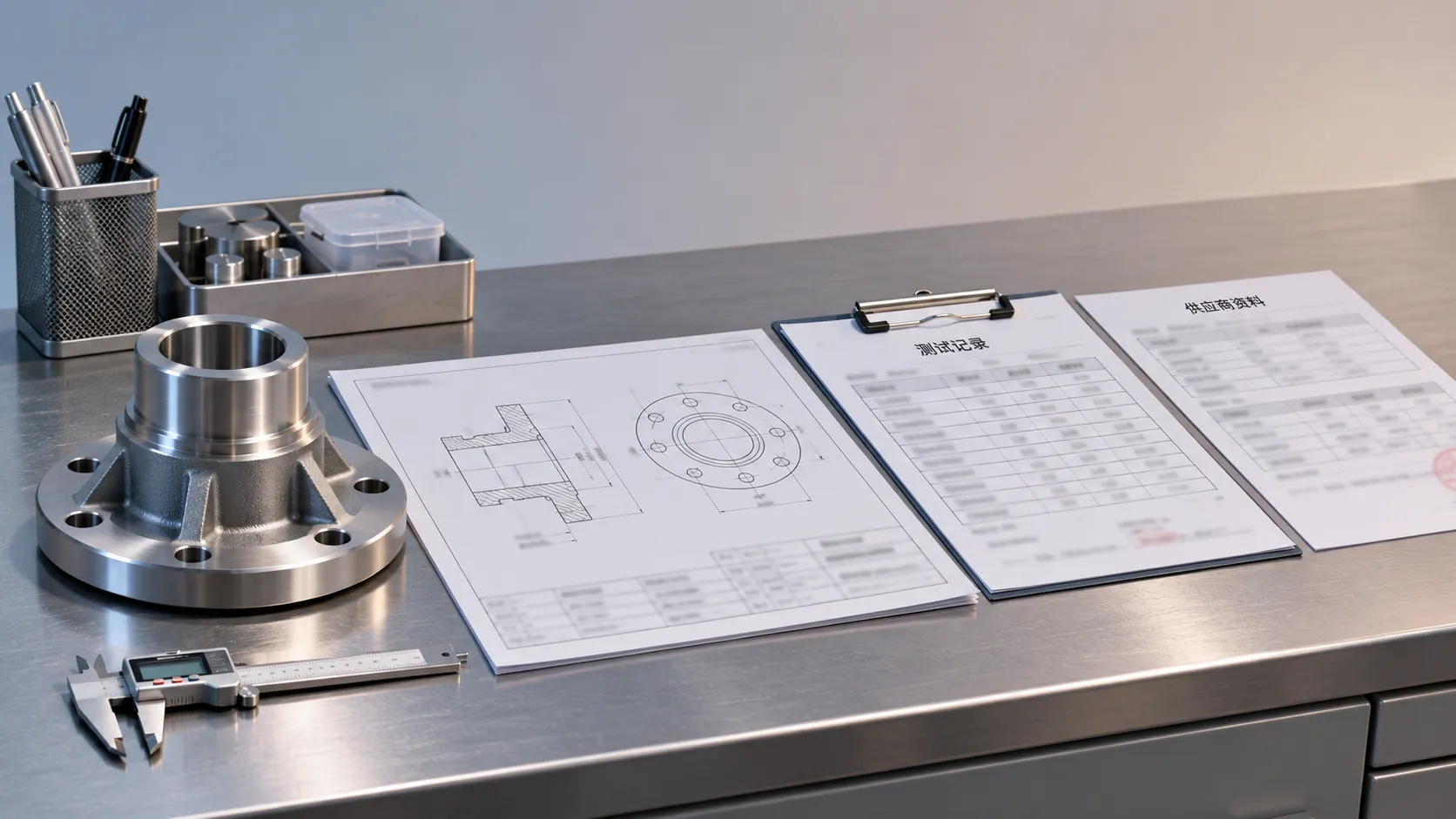
Evaluating Supplier Solutions: How to Verify References and Standards
Supplier solution references and standards can make or break a sourcing decision. Learn how to verify claims, assess compliance, and reduce risk before awarding a contract.
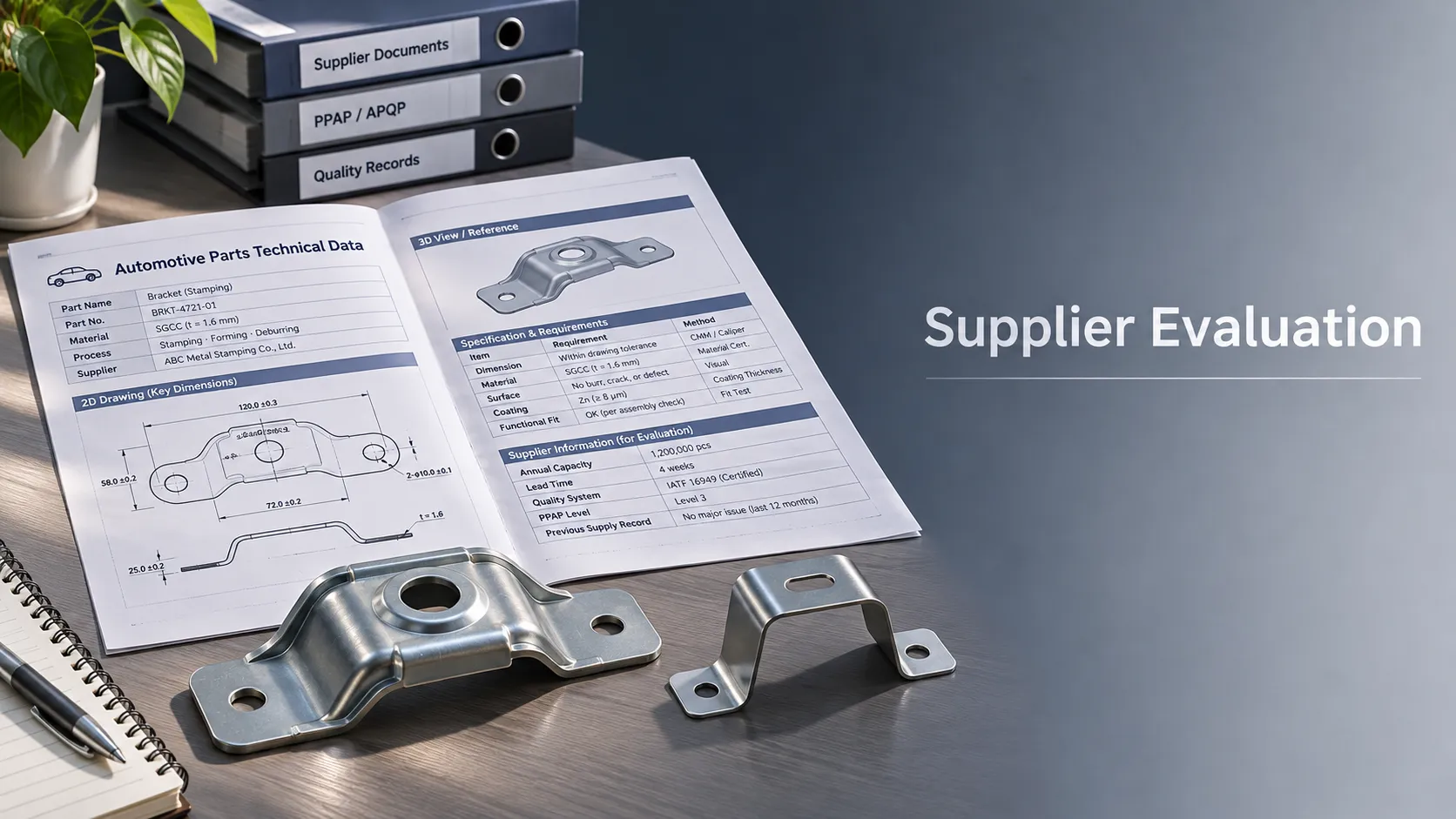
Choosing B2B Product Knowledge Platform Suppliers: Key Evaluation Criteria
Compare B2B product knowledge platform suppliers with confidence. Explore key criteria for data accuracy, supplier transparency, integrations, and value.

Choosing a Marine Radar Systems Supplier: What to Check Before Buying
Choosing a marine radar systems supplier? Compare installed costs, bridge compatibility, compliance evidence, and service support before you buy.
Related News
- 00
0000-00
How to Evaluate Supplier Solution References Before Signing a Contract - 00
0000-00
Industrial Product References: How to Verify Specs Before Ordering - 00
0000-00
Choosing a Private Label Partner in Europe: Key Supplier Criteria - 00
0000-00
Automotive Ergonomics Pricing: What Drives Seat System Costs? - 00
0000-00
Evaluating Supplier Solutions: How to Verify References and Standards
0000-00
Weekly Insights
Stay ahead with our curated technology reports delivered every Monday.