
Solution Comparison Resources: How to Evaluate Unbiased Sources
The most useful solution comparison resources make it possible to trace a conclusion back to its evidence. They explain which options were included, how performance was assessed, and who funded or influenced the work. A polished ranking, an expert byline, or a long list of specifications cannot replace those details.
For technical and safety-related purchases, source quality matters as much as the apparent winner. A marine navigation system may perform differently depending on vessel configuration and operating conditions. An airbag or seatbelt component must be considered as part of an occupant protection system. A comparison that leaves out those conditions may be accurate in isolation yet misleading for the decision at hand.
Start with the decision, not the ranking
Before collecting reports, write down what the solution needs to do and the conditions in which it will be used. This gives you a way to judge whether a source is relevant, rather than simply authoritative.
For a navigation system, the decision might depend on compatibility with existing bridge equipment, chart management, alert handling, maintenance support, and operation when a positioning input is disrupted. For an automotive seating program, the relevant questions could include vehicle integration, occupant sensing, durability, packaging, and the effect of design changes on the wider restraint system.
Separate requirements into three groups: conditions the solution must meet, characteristics that improve the outcome, and issues that still need investigation. A comparison that omits a mandatory integration requirement may still be useful for market research, but it cannot determine the shortlist on its own.
It also helps to identify the stage of the decision. Early research may call for a broad overview of available approaches. A final selection needs evidence tied to a specific configuration, application, and acceptance process. Expecting one source to serve both purposes often leads to overconfidence.
How to judge the source behind a comparison
Independence is not a simple label. An organization can have commercial interests and still publish useful technical information; a source with no obvious supplier relationship can still make poor choices about evidence. Assess both incentives and method.
Look for interests that could shape the conclusion
Check who produced the material, who paid for it, and whether any supplier had a role in choosing the products, tests, or wording. Advertising, affiliate commissions, sponsorship, paid inclusion, and consulting relationships can all influence what receives attention. Disclosure does not automatically invalidate a comparison. It tells you where to look more closely.
For example, a manufacturer’s application note may explain its own product’s interface or installation limits better than a broad market report. It is less persuasive when it declares that product superior without revealing how competitors were selected or assessed. A purchasing platform may offer convenient side-by-side listings, while its commercial model may affect which suppliers appear or how they are ordered.
Anonymous authorship, missing sponsorship information, or an unexplained “editor’s choice” should reduce the weight given to a recommendation. If the conclusion matters to a major purchase, seek another source that uses a different method or has a different set of incentives.
Inspect the method before accepting the result
A credible comparison describes the scope: the products or approaches examined, their versions or configurations, the criteria used, and the conditions under which evidence was collected. It should distinguish measured results from supplier statements and explain how those results relate to the stated use case.
Pay particular attention to selection. A report can compare products fairly within its chosen group and still produce a distorted picture if it excludes relevant alternatives without explanation. Similarly, a weighted score can conceal a judgment: a solution may rank highly because the author assigned more importance to purchase price than to serviceability or integration effort. Those priorities may not match yours.
Look for enough detail to understand how a result could change. If the report says one system has better detection performance, ask what was detected, under what conditions, with which settings, and compared with what. If it offers only a final score, treat that score as a prompt for further research, not as evidence of performance.
Check dates, versions, and corrections
A report can become less useful when software, hardware, production processes, or operating requirements change. The publication date alone is not sufficient: look for the date of the underlying test and the version or configuration examined. A recently published article may rely on older supplier material.
Revision history and corrections are useful signals because they show how the publisher handles changes and errors. A missing correction history is not proof of poor quality, but a source that clearly distinguishes an updated result from an earlier one is easier to use responsibly.
Use different sources for different questions
No single type of source is strongest at everything. Combining them lets you check a claim from more than one direction while keeping each source’s limits in view.
Follow a claim back to its original source whenever it could affect the decision. Several articles repeating the same supplier announcement do not constitute several independent confirmations. Likewise, a report that cites a test without describing it may be useful for discovery, but the underlying test record carries more weight.
Industry resources such as the Global Navigation & Cabin Safety intelligence portal can help frame research across marine navigation, vehicle structures, restraints, and seating. Apply the same checks to any portal: identify which statements link to primary evidence, which are analysis, and which come from suppliers.
Compare performance on the same terms
Technical specifications are only comparable when they describe substantially the same thing. Similar labels can hide different measurement methods, operating conditions, configurations, or definitions. Before placing figures in a comparison table, record the source and context beside each one.
For a marine navigation comparison, a feature list may show that two systems both support a particular input or display function. That does not explain how each integrates with the vessel’s existing equipment, how alerts are presented, or what happens when data is unavailable. A demonstration should use a configuration representative of the intended installation and include the operating tasks that matter to the crew.
For passive safety components, a reported material property or component-level result does not by itself predict occupant protection in a complete vehicle. Airbag deployment, belt restraint, seat geometry, occupant position, and vehicle structure interact. Evidence from a component test can inform engineering choices, but it should not be presented as a substitute for evaluation of the assembled system.
The same principle applies to lightweight body stampings. Lower part mass may be attractive, but the decision can also depend on forming constraints, joining methods, corrosion protection, dimensional control, and the role of the part in the surrounding structure. A comparison that reports weight alone leaves out costs and engineering consequences that may determine whether the change works.
Distinguish a measurement from a conclusion
“The component passed the stated test” describes a result within a defined scope. “The component is the safest choice” adds a broad conclusion that the test alone may not support. Look for the chain connecting the two: the test setup, acceptance criteria, limitations, and relevance to the proposed use.
Also distinguish absence of evidence from evidence of absence. If a report does not discuss long-term maintenance or compatibility, it has not shown that those issues are unimportant. Mark the gap separately rather than giving the option a favorable score by default.
Build a comparison you can revisit
A practical evidence record does not need to be elaborate. For each decision criterion, capture the claim, the source, the date or version, the conditions behind it, and how directly it applies. Add a separate field for open questions. This makes it easier to update the decision when a configuration changes or better evidence becomes available.
- Define the use case. Record the intended application, operating environment, interfaces, and constraints before reviewing rankings.
- Choose decision criteria. Include performance, integration, support, and lifecycle considerations where they affect the outcome. Set mandatory requirements apart from preferences.
- Collect primary evidence. Gather relevant test information, technical documentation, and requirements material. Use editorial comparisons to identify leads and alternative interpretations.
- Normalize the comparison. Record differences in configuration, test conditions, and commercial scope. Do not combine incompatible figures into a single ranking.
- Challenge the leading option. Identify what would make it unsuitable, which claims have only one source, and what evidence would change the decision.
- Keep a decision record. Note the reason for the shortlist, unresolved gaps, and the conditions on which the recommendation depends.
A simple weighted matrix can help when several options meet the mandatory requirements. Keep the underlying evidence visible, and test whether a reasonable change in weights changes the winner. If it does, the result is sensitive to priorities and should be discussed as a trade-off rather than presented as an objective ranking.
When the available evidence is thin
Sometimes the best comparison is incomplete because public information does not cover the intended configuration or because relevant test details are commercially restricted. In that case, narrow the claim. You may be able to compare published capabilities or identify candidates, but not determine which solution will perform best in service.
Ask suppliers for the same application-specific information, using the same questions and conditions for each. Depending on the decision, this could include interface documentation, representative test methods, service arrangements, or an opportunity to evaluate a proposed configuration. Record what each response does and does not establish.
Before making the final selection, return to the requirements that matter most and ask whether the evidence actually supports them. A dependable decision is one whose assumptions, trade-offs, and remaining gaps are visible to the people responsible for implementing it.
Related News
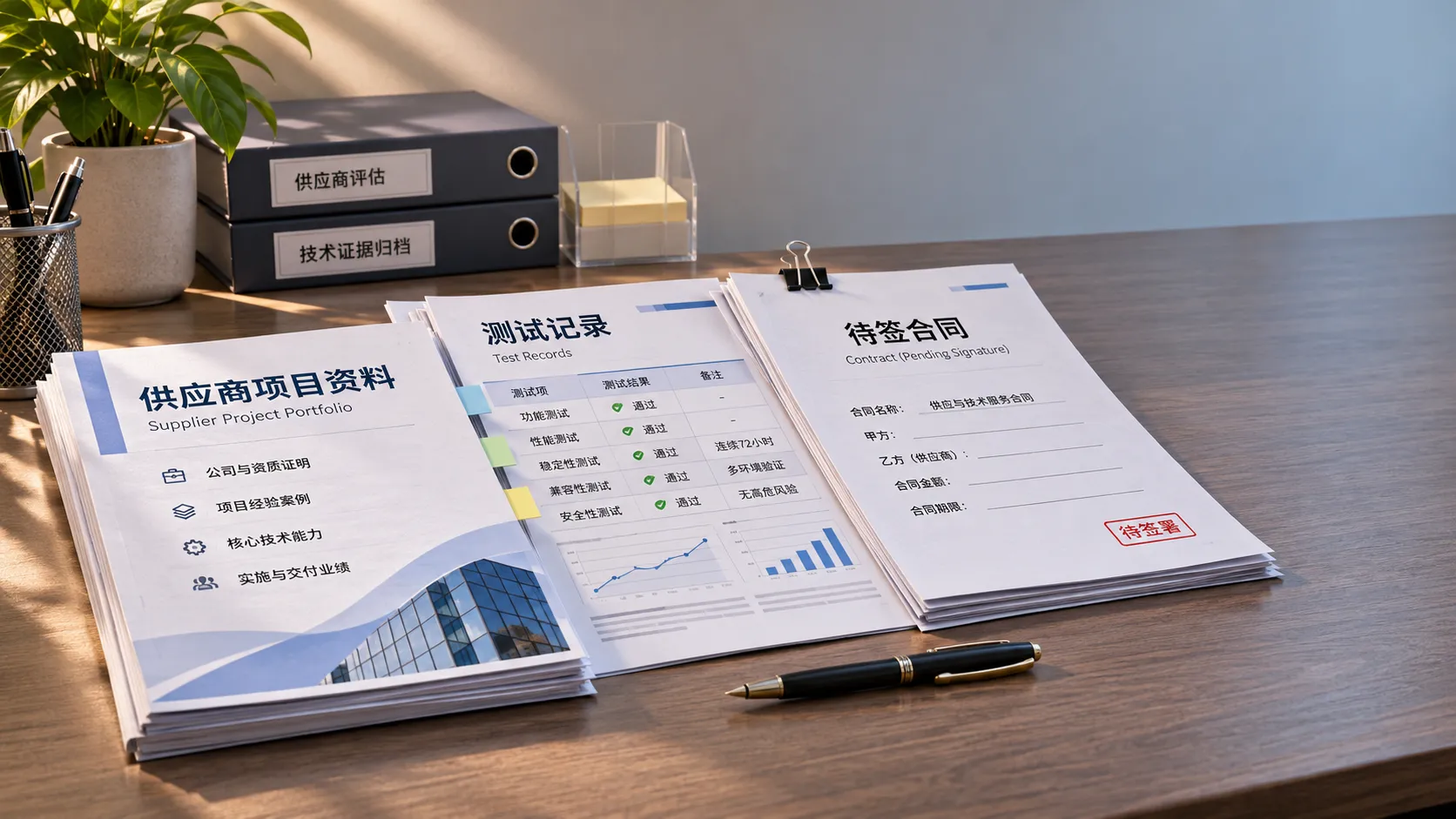
How to Evaluate Supplier Solution References Before Signing a Contract
Evaluate supplier solution references with confidence. Learn how to verify technical evidence, identify delivery risks, and close gaps before signing a contract.

How Capacitive Seat Occupancy Sensing Works in Automotive Airbag Systems
Discover how capacitive seat occupancy sensing supports automotive airbag systems, and explore the design, calibration, and validation challenges behind reliable performance.
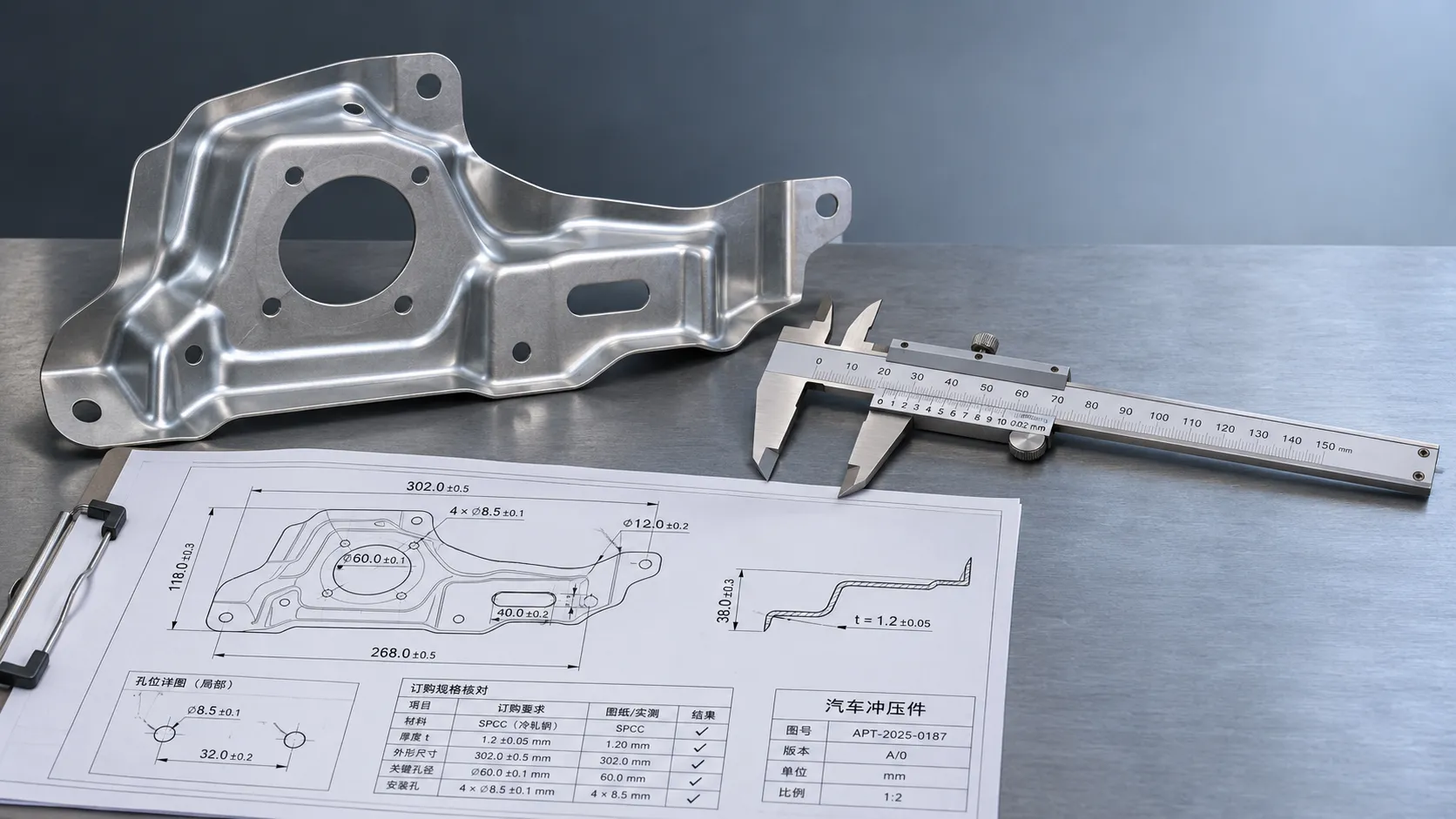
Industrial Product References: How to Verify Specs Before Ordering
Use an industrial product reference for procurement to verify specs, compatibility, and certifications before ordering—and reduce costly purchasing risks.
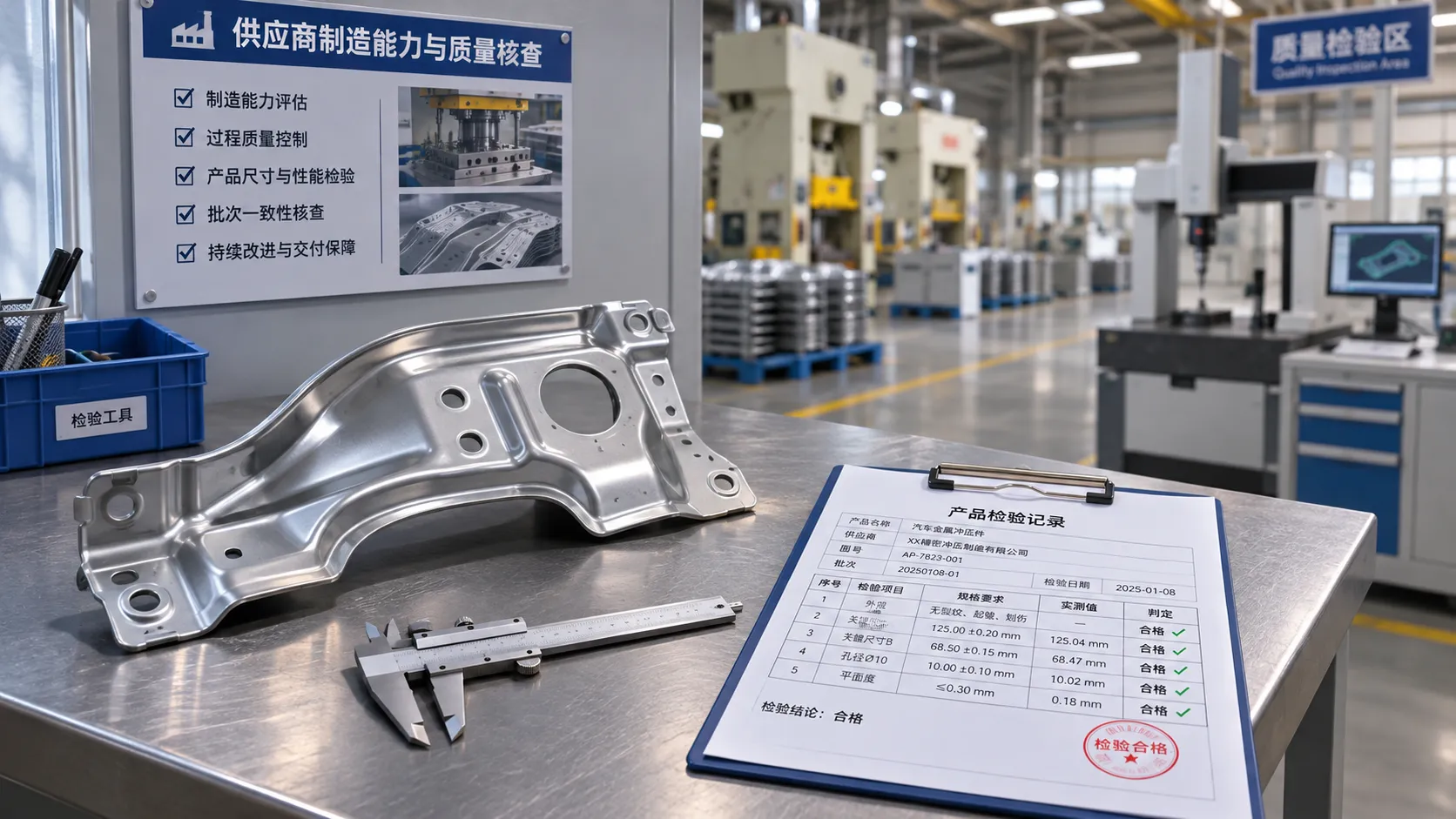
Choosing a Private Label Partner in Europe: Key Supplier Criteria
Private label cooperation Europe buyers can trust starts with the right supplier. Explore key criteria for compliance, quality, traceability and supply resilience.

Integrated Cabin Comfort Systems: How Seat and Cabin Climate Controls Work Together
Discover how integrated cabin comfort systems coordinate seat and climate controls to balance occupant comfort, energy use, safety, and performance.

Automotive Ergonomics Pricing: What Drives Seat System Costs?
Discover what drives automotive ergonomics pricing, from seat mechanisms and safety systems to tooling and volume, and learn how to compare supplier quotes.

Evaluating Supplier Solutions: How to Verify References and Standards
Supplier solution references and standards can make or break a sourcing decision. Learn how to verify claims, assess compliance, and reduce risk before awarding a contract.
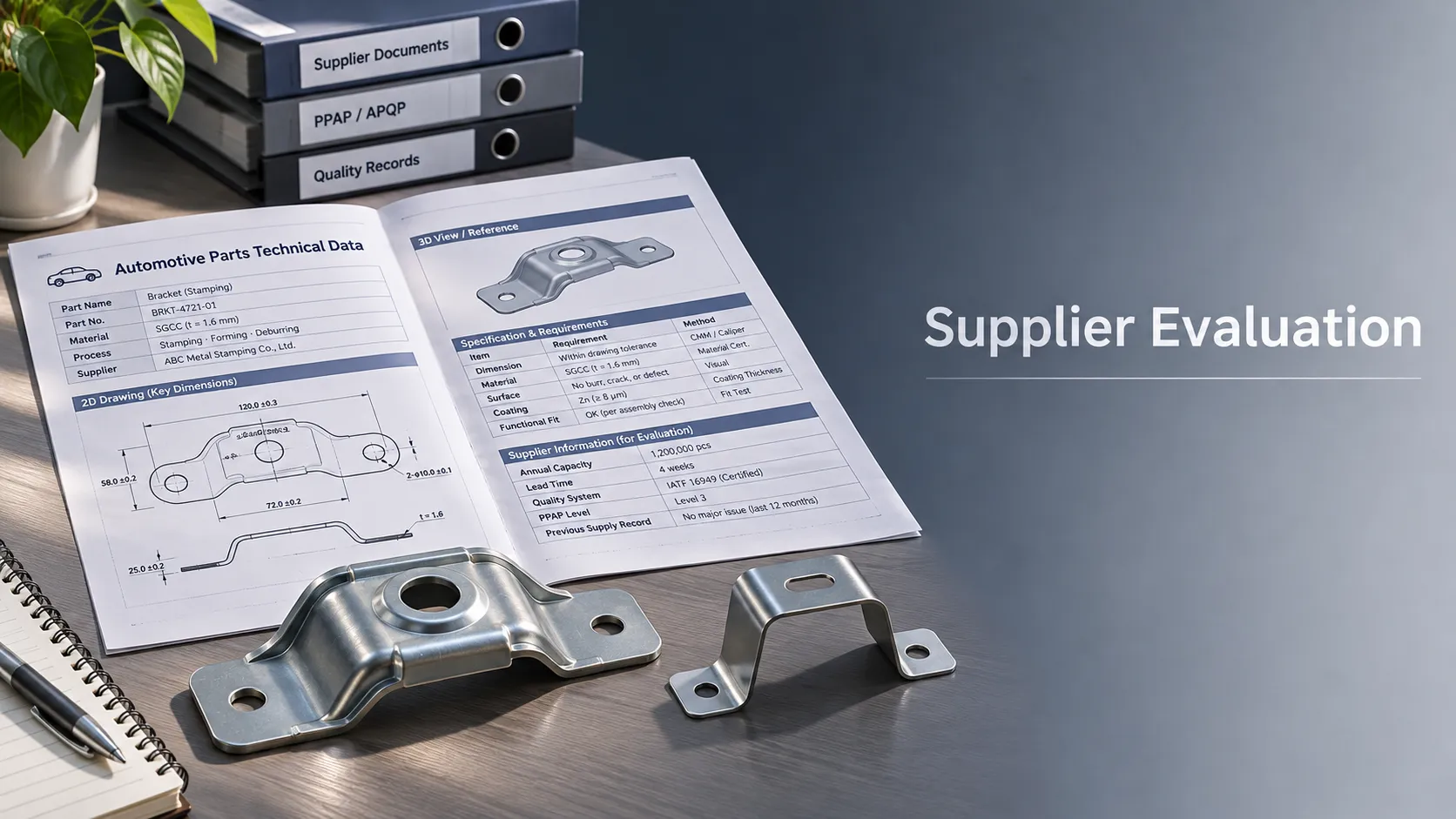
Choosing B2B Product Knowledge Platform Suppliers: Key Evaluation Criteria
Compare B2B product knowledge platform suppliers with confidence. Explore key criteria for data accuracy, supplier transparency, integrations, and value.

Choosing a Marine Radar Systems Supplier: What to Check Before Buying
Choosing a marine radar systems supplier? Compare installed costs, bridge compatibility, compliance evidence, and service support before you buy.
Related News
- 00
0000-00
How to Evaluate Supplier Solution References Before Signing a Contract - 00
0000-00
Industrial Product References: How to Verify Specs Before Ordering - 00
0000-00
Choosing a Private Label Partner in Europe: Key Supplier Criteria - 00
0000-00
Automotive Ergonomics Pricing: What Drives Seat System Costs? - 00
0000-00
Evaluating Supplier Solutions: How to Verify References and Standards
0000-00
Weekly Insights
Stay ahead with our curated technology reports delivered every Monday.