
Choosing a Private Label Partner in Europe: Key Supplier Criteria
A supplier can offer an attractive quotation, a convincing sample and a familiar European address—yet still be the wrong partner for a product that carries your brand. The gap often becomes clear later, when an engineering change cannot be traced, a test report covers a different configuration, or delivery depends on a single undisclosed source.
Successful private label cooperation in Europe therefore requires more than a comparison of unit prices. For procurement teams sourcing navigation equipment, automotive structures or cabin safety components, supplier selection must connect commercial expectations with manufacturing evidence, regulatory responsibilities and control over the product throughout its life. The criteria below will help buyers distinguish a workable partnership from a proposal that looks reassuring only on paper.
Start by defining what your brand will actually take responsibility for
Private label can describe several arrangements. A manufacturer may supply an existing product with a buyer’s branding, adapt a proven design, or produce to a specification controlled by the buyer. Those distinctions matter because design ownership, testing obligations, documentation access and change approval can look very different in each model.
Before inviting quotations, document the intended product, applications, markets and customer requirements. A radar display sold for use on a commercial vessel, for example, may face a different approval route from a device marketed for recreational use. An automotive seat assembly supplied to a vehicle manufacturer may be governed by vehicle-specific requirements as well as applicable component rules. Branding alone does not determine the compliance route.
Ask potential partners to identify which parts of the design they own, which elements they purchase, and which decisions require your approval. If a supplier cannot explain where its responsibility ends, contract negotiations are likely to become more difficult when a defect or regulatory question arises.
Assess capability against the product, not the brochure
A broad equipment list is useful background, but it does not show whether a factory can consistently produce your configuration. Request a process flow covering incoming materials, critical operations, inspections, outsourced steps and final release. Then compare it with the technical risks of the product you intend to source.
- Marine navigation systems: Examine experience with the relevant sensors, positioning inputs, software integration and environmental conditions. Ask how the supplier verifies interfaces and manages software versions, configuration changes and cybersecurity where applicable.
- Auto body stampings: Review material control, forming or hot-stamping capability, dimensional inspection, joining compatibility and management of tooling wear. Evidence should relate to the steel or aluminium grades and tolerances specified for your part.
- Airbag assemblies and seatbelt systems: Focus on control of safety-critical components, assembly parameters, test methods, traceability and handling requirements. Any proposed substitution deserves careful engineering and approval review.
- Auto seat assemblies: Assess structural and restraint interfaces alongside mechanisms, sensors and electrical features. A comfortable prototype does not, by itself, demonstrate repeatable structural or functional performance.
Ask for examples of production controls and validation records that the supplier is permitted to share. A site audit or qualified third-party assessment can then test whether those controls exist in daily operations. The important question is not simply “Can you make this?” but “Can you make the approved version repeatedly, and prove what changed if something goes wrong?”
Turn European compliance into a responsibility matrix
“Compliant with European standards” is not a sufficient purchasing specification. Requirements depend on the product, its intended use, the markets in which it is placed and the economic operator’s role. Identify the applicable legislation, standards and approval schemes with qualified regulatory support before awarding the business.
For automotive products, relevant UNECE regulations, EU vehicle type-approval rules and vehicle manufacturer specifications may apply depending on the component and installation. Some marine equipment intended for use on applicable EU-flagged ships may fall under the Marine Equipment Directive and require the appropriate conformity assessment and wheel marking. Other marine electronics can follow different rules. CE marking is relevant only where applicable legislation provides for it; it is not a general certificate of quality.
Create a matrix that names an owner for each deliverable: technical documentation, test reports, declarations, approval certificates where required, labelling, instructions, post-market monitoring and communication with authorities. Also establish who acts as manufacturer, importer or distributor for each market. A company placing a product on the market under its own name or trademark may assume manufacturer obligations under applicable EU legislation, even when another factory makes it.
Check that documents match the exact product and configuration you plan to buy. A report for a similar model, an expired approval or a certificate issued to an unrelated site is a prompt for further investigation—not a substitute for evidence. UK requirements should be assessed separately where Great Britain or Northern Ireland is in scope.
Quality systems matter, but product evidence matters more
Management-system certification can indicate a structured approach to quality, but its scope, issuing body and validity need checking. In automotive supply chains, IATF 16949 may be relevant to the manufacturing site and customer requirements; it does not automatically approve a particular part. For other products, ISO 9001 may be useful evidence of a quality management system, not proof of regulatory conformity.
Procurement should work with engineering and quality colleagues to examine how the supplier controls risk across the production process. Depending on the application and customer agreement, useful evidence may include process failure mode and effects analysis, control plans, measurement-system assessments, capability studies and production part approval records. Ask to see how nonconforming material is contained and how corrective actions are verified rather than merely closed on a form.
Traceability deserves special attention. Define the level needed—serial number, batch, production lot or another agreed identifier—and how it links finished goods to critical materials, manufacturing records and test results. Agree on retention periods, data access and response times. If a problem appears in the field, both parties need to know whether the affected population can be identified without placing every shipment on hold.
Test the change-control process before signing
Changes to a sub-tier source, software build, inflator component, material grade, production location or inspection method can alter risk even when the part number stays the same. Require advance notification and written approval for defined changes, with revalidation where necessary. The agreement should also prevent silent substitutions made to relieve a shortage or reduce cost.
Look beyond the factory gate
A European supplier may manufacture locally, assemble imported subcomponents or coordinate a network of factories. None of these arrangements is inherently unsuitable, but each creates different exposure to transport disruption, export restrictions, capacity constraints and sub-tier failures.
Ask for the location of critical production and testing activities, the origin of safety-critical inputs and the parts dependent on a single source. Suppliers may need to protect confidential commercial details; even so, they should be able to explain material risks and mitigation measures. For semiconductors used in navigation equipment or specialised components in restraint systems, an alternative source may require design work and requalification rather than a simple purchase-order switch.
Review lead times for normal production, tooling replacement and recovery after disruption. A credible continuity plan should identify escalation contacts, available inventory, recovery priorities and the conditions under which another site could be used. Avoid treating a second factory as a backup until it has the necessary equipment, approvals and demonstrated capability for your product.
Compare quotations on total exposure
The lowest piece price can be misleading if engineering, testing, packaging or warranty costs sit outside the quote. Ask each shortlisted supplier to price against the same specification and volume assumptions. Separate one-time charges from recurring costs and identify who pays when demand changes.
Do not accept an unusually low quote without understanding its assumptions. It may exclude a test, use a different material or rely on a shorter traceability retention period than your customer expects. Equally, a higher price can be justified only when the supplier can show what additional controls or services it covers.
Use a weighted scorecard—and reserve the right to stop
A scorecard makes discussions more consistent, especially when engineering, quality, compliance and purchasing teams have different priorities. Weight criteria according to the application rather than applying the same formula to every product. For a safety-critical restraint component, demonstrated process control and approval evidence should carry more weight than branding flexibility. For an electronic navigation product, software lifecycle support and configuration management may be decisive.
Set pass/fail gates before comparing weighted scores. Examples include the ability to meet applicable legal requirements, trace critical lots, control specified changes and provide access to essential technical records. A competitive price should not compensate for a failed gate. Scores also need supporting evidence: record whether a claim was verified through an audit, a document review, a sample test or only a supplier statement.
Watch for warning signs during due diligence. Unwillingness to identify the actual production site, pressure to use an unrelated test report, resistance to change notification, and vague answers about subcontracting all justify a pause. A supplier that openly identifies a gap and proposes a verifiable corrective plan may be a better prospect than one that claims every requirement is already covered.
Build the cooperation into the contract
Once a preferred supplier emerges, translate the assessment into an agreement that operations teams can use. Attach the approved specification, drawings, software configuration, quality requirements and relevant regulatory responsibilities. Define acceptance criteria, audit rights, escalation routes and the process for handling deviations or suspected safety issues.
Intellectual property needs equally clear treatment. Specify who owns designs, firmware, tooling and improvements; what each party may use; and what happens to documentation and stock when the relationship ends. Address confidentiality without allowing it to block access to records needed for compliance or incident investigation. Product liability, recall support and insurance should be reviewed with appropriate legal advisers rather than left to generic purchase-order terms.
A pilot production run can reveal issues that a single sample misses: inconsistent labelling, incomplete records, packaging damage or variation between shifts. Agree on how pilot results will be assessed and which actions must be closed before volume release. After launch, schedule reviews of quality performance, delivery, changes, regulatory developments and emerging supply risks.
The strongest private label cooperation Europe buyers can establish is not necessarily with the supplier offering the most ambitious presentation. It is with a partner whose technical claims can be checked, whose responsibilities are explicit and whose processes hold up when conditions change. For procurement teams, that evidence turns a promising quotation into a decision the wider business can stand behind.
Related News

How to Evaluate Supplier Solution References Before Signing a Contract
Evaluate supplier solution references with confidence. Learn how to verify technical evidence, identify delivery risks, and close gaps before signing a contract.

How Capacitive Seat Occupancy Sensing Works in Automotive Airbag Systems
Discover how capacitive seat occupancy sensing supports automotive airbag systems, and explore the design, calibration, and validation challenges behind reliable performance.
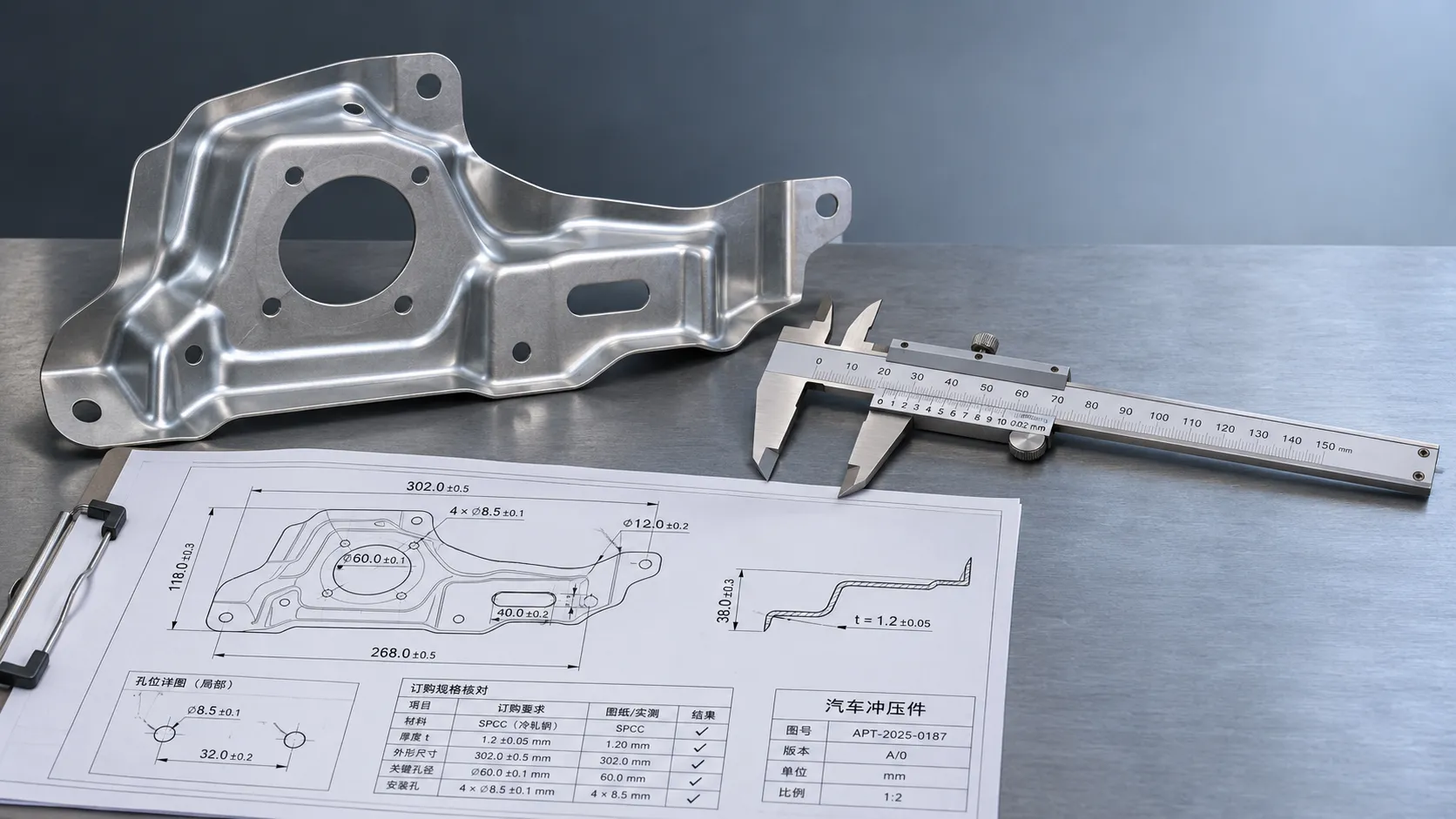
Industrial Product References: How to Verify Specs Before Ordering
Use an industrial product reference for procurement to verify specs, compatibility, and certifications before ordering—and reduce costly purchasing risks.

Integrated Cabin Comfort Systems: How Seat and Cabin Climate Controls Work Together
Discover how integrated cabin comfort systems coordinate seat and climate controls to balance occupant comfort, energy use, safety, and performance.
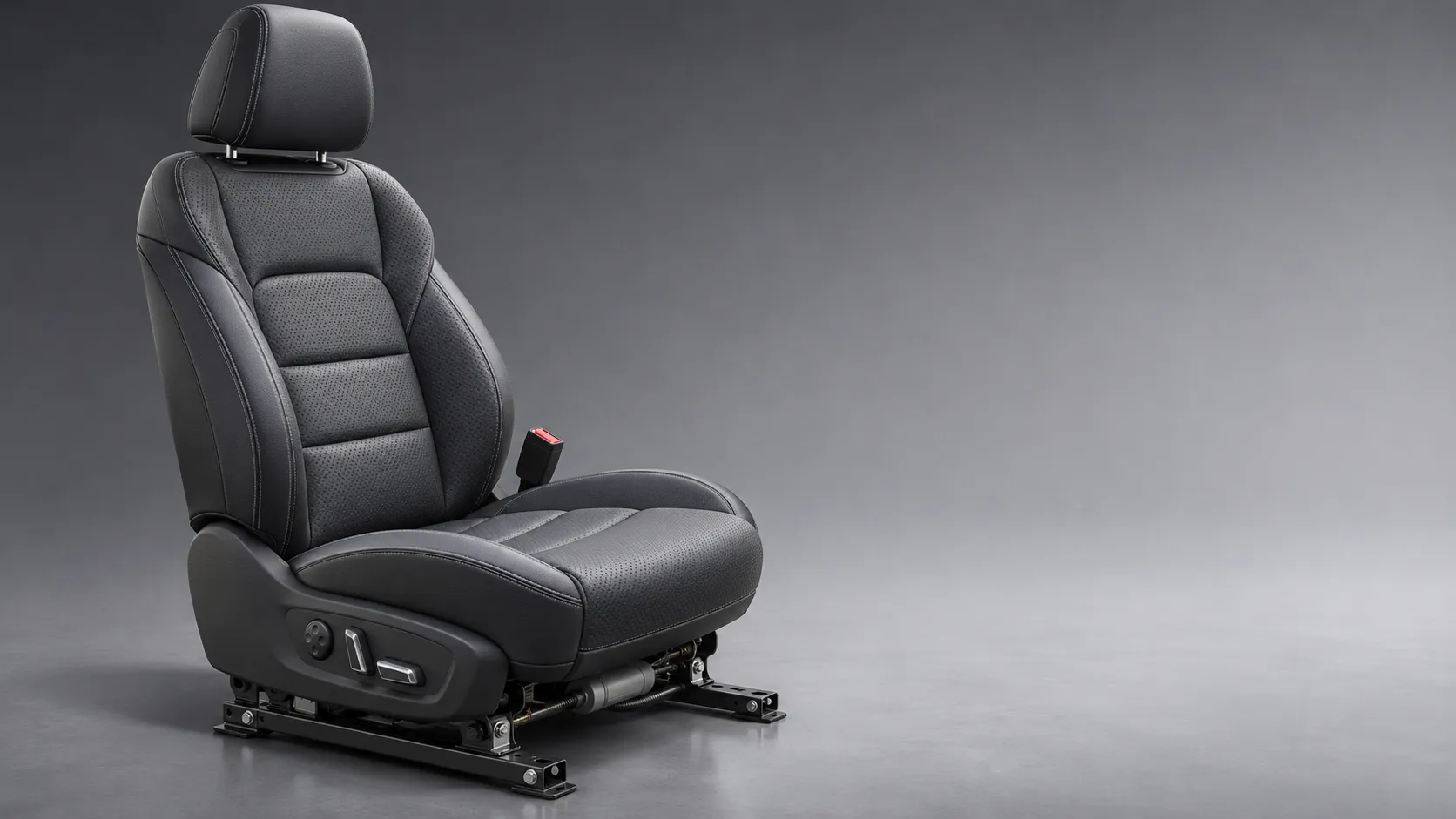
Automotive Ergonomics Pricing: What Drives Seat System Costs?
Discover what drives automotive ergonomics pricing, from seat mechanisms and safety systems to tooling and volume, and learn how to compare supplier quotes.
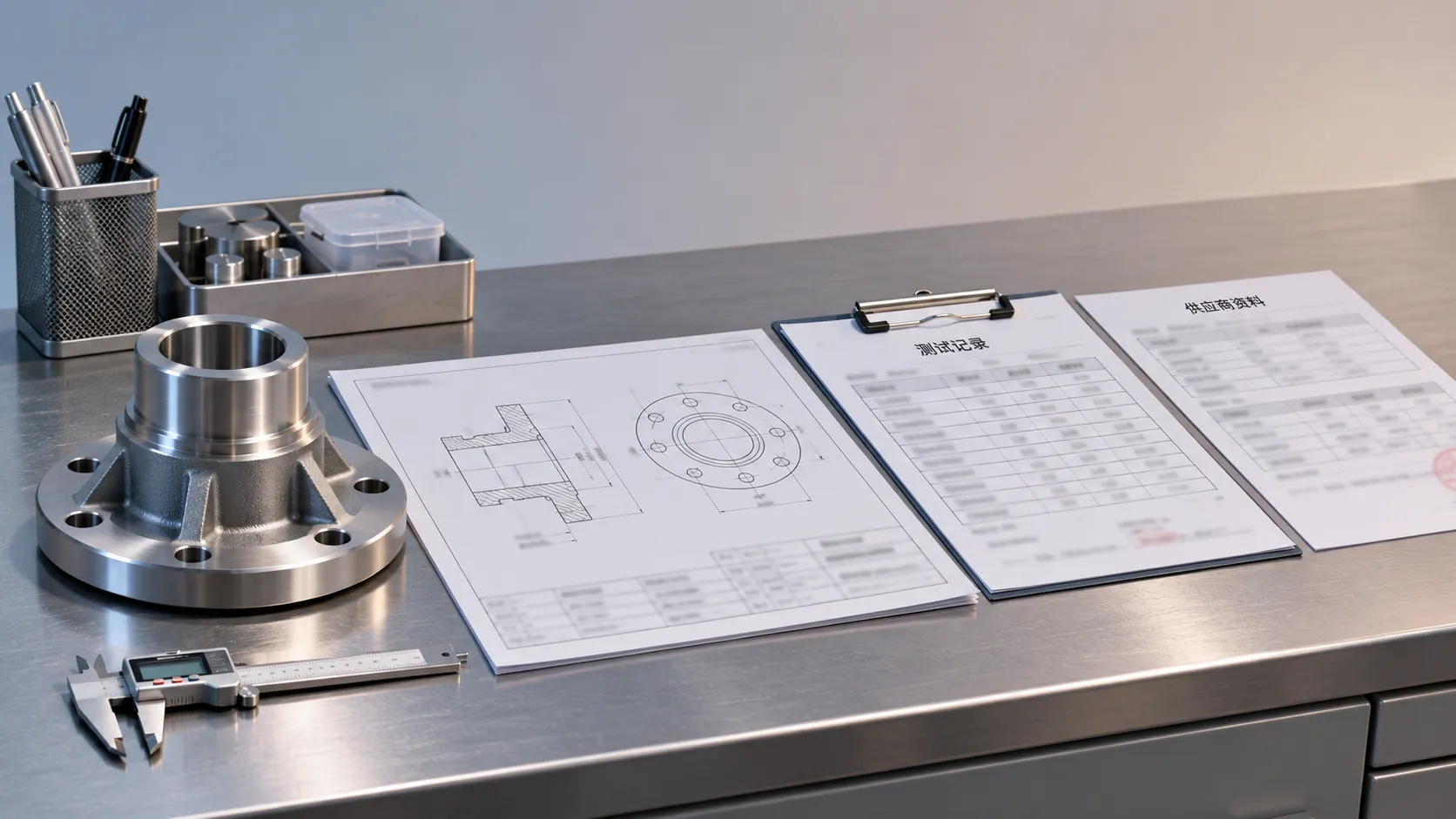
Evaluating Supplier Solutions: How to Verify References and Standards
Supplier solution references and standards can make or break a sourcing decision. Learn how to verify claims, assess compliance, and reduce risk before awarding a contract.
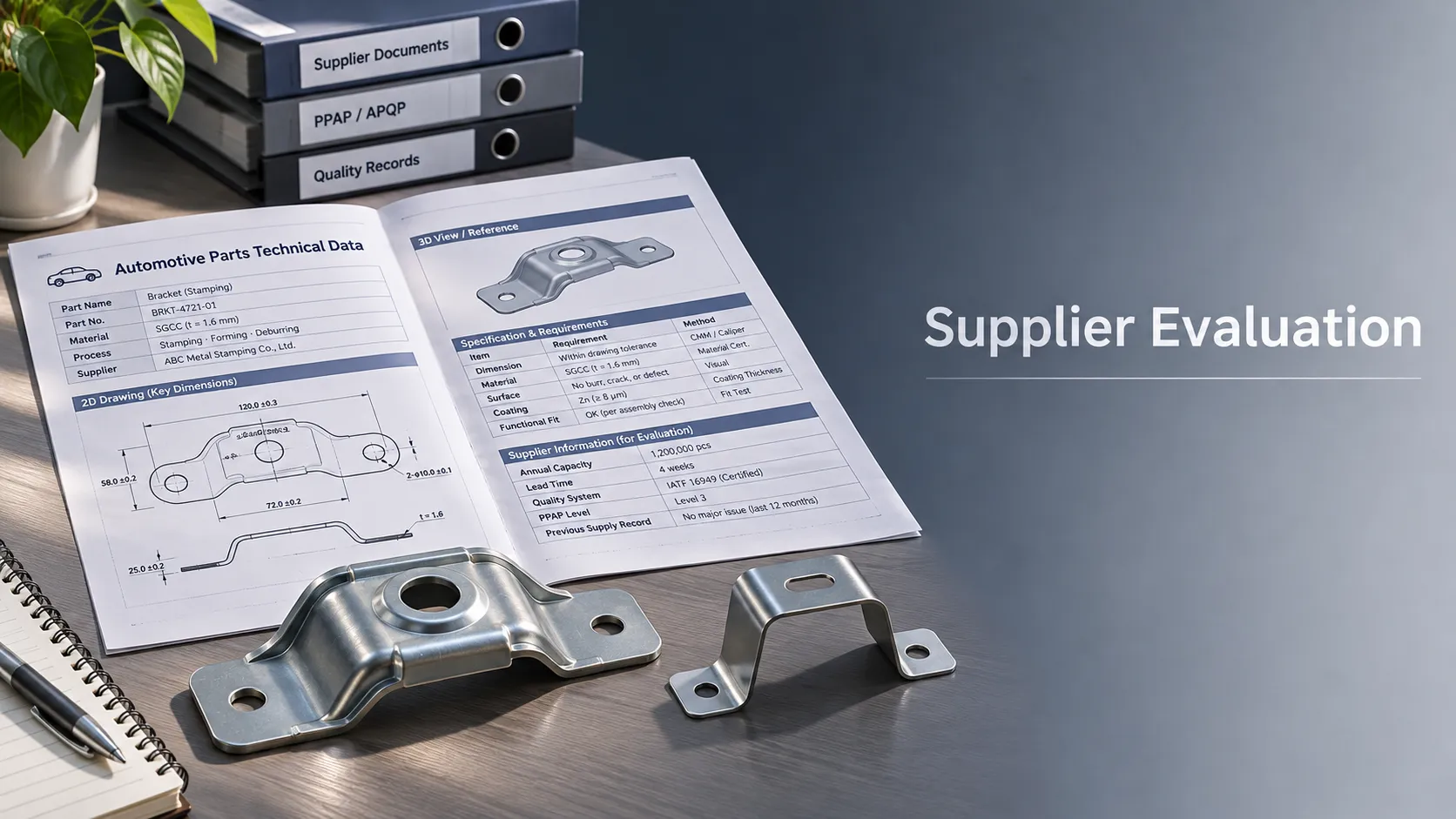
Choosing B2B Product Knowledge Platform Suppliers: Key Evaluation Criteria
Compare B2B product knowledge platform suppliers with confidence. Explore key criteria for data accuracy, supplier transparency, integrations, and value.

Choosing a Marine Radar Systems Supplier: What to Check Before Buying
Choosing a marine radar systems supplier? Compare installed costs, bridge compatibility, compliance evidence, and service support before you buy.

Solution Comparison Resources: How to Evaluate Unbiased Sources
Discover how to evaluate solution comparison resources, spot bias, verify evidence, and make confident purchasing decisions with a practical checklist.
Related News
- 00
0000-00
How to Evaluate Supplier Solution References Before Signing a Contract - 00
0000-00
Industrial Product References: How to Verify Specs Before Ordering - 00
0000-00
Choosing a Private Label Partner in Europe: Key Supplier Criteria - 00
0000-00
Automotive Ergonomics Pricing: What Drives Seat System Costs? - 00
0000-00
Evaluating Supplier Solutions: How to Verify References and Standards
0000-00
Weekly Insights
Stay ahead with our curated technology reports delivered every Monday.