
How Capacitive Seat Occupancy Sensing Works in Automotive Airbag Systems
How Capacitive Seat Occupancy Sensing Works in Automotive Airbag Systems
Capacitive seat occupancy sensing helps automotive airbag systems assess whether a passenger is present by detecting changes in an electric field around the seat. Unlike weight-based approaches, it responds to the electrical properties and proximity of an occupant or object, making sensor design and signal interpretation critical. For technical evaluators, electrode placement, environmental interference, calibration, and integration with the occupant classification system all affect whether a design can perform reliably in a production vehicle.
The distinction between detecting presence and classifying an occupant matters from the outset. A sensor that reliably notices something on the cushion has not necessarily established whether it is an adult, a child restraint, a bag, or a wet coat. Airbag control decisions depend on the complete system, its validated classifications, and the requirements applicable to the vehicle—not on capacitance alone.
What the electric field actually measures
A capacitive sensing system creates an electric field using one or more electrodes, typically integrated into or around the seat cushion. The sensing electronics apply an excitation signal and measure a response related to capacitance. When a person approaches or sits on the seat, their body changes the field and the coupling between the electrode, nearby conductors, and the vehicle reference structure.
That change can be measured without placing a force sensor directly beneath the occupant. The response is nevertheless influenced by distance, posture, clothing, moisture, electrode geometry, and the surrounding materials. A person leaning forward or sitting near the edge of the cushion can produce a different signal from the same person sitting centrally.
Two common measurement concepts are self-capacitance and mutual capacitance. In self-capacitance sensing, the electronics observe an electrode’s coupling to its surroundings and reference. In mutual-capacitance sensing, they observe coupling between electrodes. The choice affects field geometry, susceptibility to surrounding structures, channel count, and the information available to the classification algorithm. Neither method automatically resolves every ambiguous seating condition.
From electrode signal to an airbag-system input
A practical architecture includes seat electrodes, an analog front end, signal processing and diagnostics, and a communication path to the vehicle’s restraint electronics. Depending on the design, occupant classification may be performed in a dedicated seat module, within another electronic control unit, or through a combination of modules.
The analog front end must distinguish useful changes from baseline capacitance and electrical noise. Filtering and baseline management then make the signal usable over time. Classification logic interprets the resulting features, potentially alongside inputs from other sensors. The restraint system uses the available status and other crash-related inputs according to its validated control strategy.
It is important not to confuse occupant sensing with crash sensing. A seat sensor helps establish occupancy-related information; accelerometers and other crash sensors contribute to detecting the collision. Nor does an occupant detection signal, by itself, determine that an airbag will or will not deploy. Fault status, system configuration, crash severity, timing, and applicable restraint strategy are part of the decision.
For an evaluator, the interface specification is as important as the sensing element. Ask what states are transmitted, how quickly they are updated, how stale or invalid messages are identified, and what the restraint controller does when information is unavailable. A convincing laboratory waveform is not enough if the downstream controller cannot distinguish a valid empty-seat state from a communication fault.
Why seat construction changes the result
An electrode is part of a seat assembly, not an isolated component. Foam thickness and compression change the distance between the occupant and electrode. Upholstery, adhesives, conductive fabrics, heater elements, ventilation hardware, wiring, and the metal seat frame can all alter the field or its stability. Even a mechanically acceptable trim change may require electrical reassessment.
Placement is consequently a trade-off. A larger sensing area can provide coverage across more sitting positions, but it may also increase coupling to the frame or sensitivity to objects beside the occupant. Multiple zones can provide spatial information, although they add electronics, wiring, calibration work, and potential failure points. The right layout depends on which distinctions the overall occupant classification system must make.
Consider a seat with an integrated heater. Its conductive elements are close to the sensing electrode and may be switched during normal operation. An evaluation should examine readings with the heater off, switching, and operating across relevant settings, as well as during supply-voltage changes. The question is not simply whether a filter removes visible noise; it is whether classification and diagnostics remain dependable in the finished seat.
This is where the connection between smart seating and passive safety becomes practical. As GNCS’s coverage of seat assemblies and restraint systems suggests, a design decision made for comfort or packaging can change the evidence needed for a safety function. Seat and airbag teams need a shared configuration baseline, not separate assumptions about what is installed.
The difficult cases are not always heavy
A dry bag, a damp garment, an electronic device, and a child restraint may interact with the electric field differently even if they appear similar in size. Moisture can change electrical coupling through upholstery. A conductive object may create a strong response without being a person. A person’s posture or separation from the electrode may weaken or alter the expected pattern.
These examples do not imply that every system must identify each object individually. They show why a single threshold is rarely a sufficient explanation of an automotive classification strategy. The meaningful question is how the complete system handles the conditions in its required operating envelope, including ambiguous inputs and transitions between states.
A useful comparison with a weight-based approach is that the two technologies observe different physical properties. A load sensor responds to forces transmitted through the seat structure; a capacitive sensor responds to electric-field coupling. Weight-based measurements can be affected by load paths and objects pressing on the seat, while capacitive measurements can be affected by electrical environment and moisture. Combining sensing modalities may provide complementary evidence, but it also introduces integration and fault-management complexity.
Calibration, drift, and the risk of a misleading baseline
Manufacturing variation makes calibration more than a one-time laboratory exercise. Electrode placement, foam properties, harness routing, and nearby metal tolerances can shift the empty-seat response. Temperature, humidity, aging, wear, and contamination can also change it in service. The design needs a documented approach to initial calibration, allowable variation, and long-term baseline management.
Automatic baseline adaptation deserves particular scrutiny. If the system assumes that a slowly changing signal represents an empty seat, it could incorrectly learn an occupied or contaminated condition as normal. Restricting when adaptation is permitted, checking it against other available information, and testing recovery after unusual conditions are common engineering considerations. The correct implementation depends on the architecture and safety concept.
Service procedures matter too. Replacing upholstery, a cushion, an electrode mat, or a control module may affect the sensing response. Technical documentation should state when calibration or verification is required and how a technician confirms a valid result. A design that works on the assembly line but cannot be reliably restored after repair leaves an important gap in the safety case.
Validation must follow the assembled vehicle
Component tests are necessary for understanding signal quality, but they cannot fully represent the installed electrical environment. Validation should progress from the electrode and electronics to the complete seat and then the vehicle, using production-representative materials and configurations. Results from a prototype seat should not be assumed to cover every trim, heater, frame, or wiring variant.
A useful test plan examines empty and occupied states, different postures, entry and exit, objects placed on the cushion, and relevant child-restraint configurations. It should also cover temperature and humidity exposure, spills or contamination where relevant, electrical disturbances, supply variation, and mechanical aging. The precise matrix comes from the vehicle’s intended use, system requirements, risk analysis, and applicable test procedures.
Fault injection is just as revealing as nominal classification testing. Open or shorted electrode connections, damaged wiring, internal electronics faults, implausible signals, and communication loss should be evaluated against specified diagnostic behavior. The key evidence is not merely that a fault was detected, but whether the system communicated it correctly, entered its specified fault response, and provided any required indication.
Review the boundaries of any reported performance figure. Which seat variants, occupants or test surrogates, environmental conditions, and acceptance criteria were included? Were borderline cases and classification transitions counted? Without that context, a headline detection rate tells little about the conditions most likely to challenge the system.
Regulations and standards: assess the function, not the sensor label
In the United States, FMVSS No. 208 addresses occupant crash protection and includes requirements relevant to advanced frontal airbag systems. The applicable provisions depend on vehicle category, seating position, and other details. A capacitive sensor is not independently compliant with the vehicle-level regulation simply because it detects an occupant; compliance must be established for the applicable vehicle and restraint-system tests.
ISO 26262 provides a framework for functional safety of electrical and electronic systems in road vehicles. Its application involves a project-specific safety lifecycle, hazard analysis, safety requirements, and supporting evidence. ISO 21448, which addresses safety of the intended functionality, may also be relevant when considering unreasonable risk arising from performance limitations rather than faults. Neither standard replaces applicable vehicle regulations or proves that a particular classifier is accurate.
Electromagnetic compatibility and environmental qualification should likewise be traced to the vehicle manufacturer’s requirements and the standards selected for the project. ISO 11452 and CISPR 25 are examples of automotive EMC standards families; the relevant parts, test levels, setup, and acceptance criteria need confirmation for the equipment and market. Euro NCAP and IIHS assessments should be considered separately from legislation: their protocols and ratings are not interchangeable with regulatory approval.
For a technical review, request the applicable editions, regulatory scope, test configuration, and evidence linking system requirements to verification results. Pay particular attention to changes after validation: a revised seat cover or heater supplier may look minor commercially while altering the electrical environment on which the occupant classification was calibrated. That change-control trail is often more informative than a generic claim that the sensor is “automotive grade.”
Related News

How to Evaluate Supplier Solution References Before Signing a Contract
Evaluate supplier solution references with confidence. Learn how to verify technical evidence, identify delivery risks, and close gaps before signing a contract.
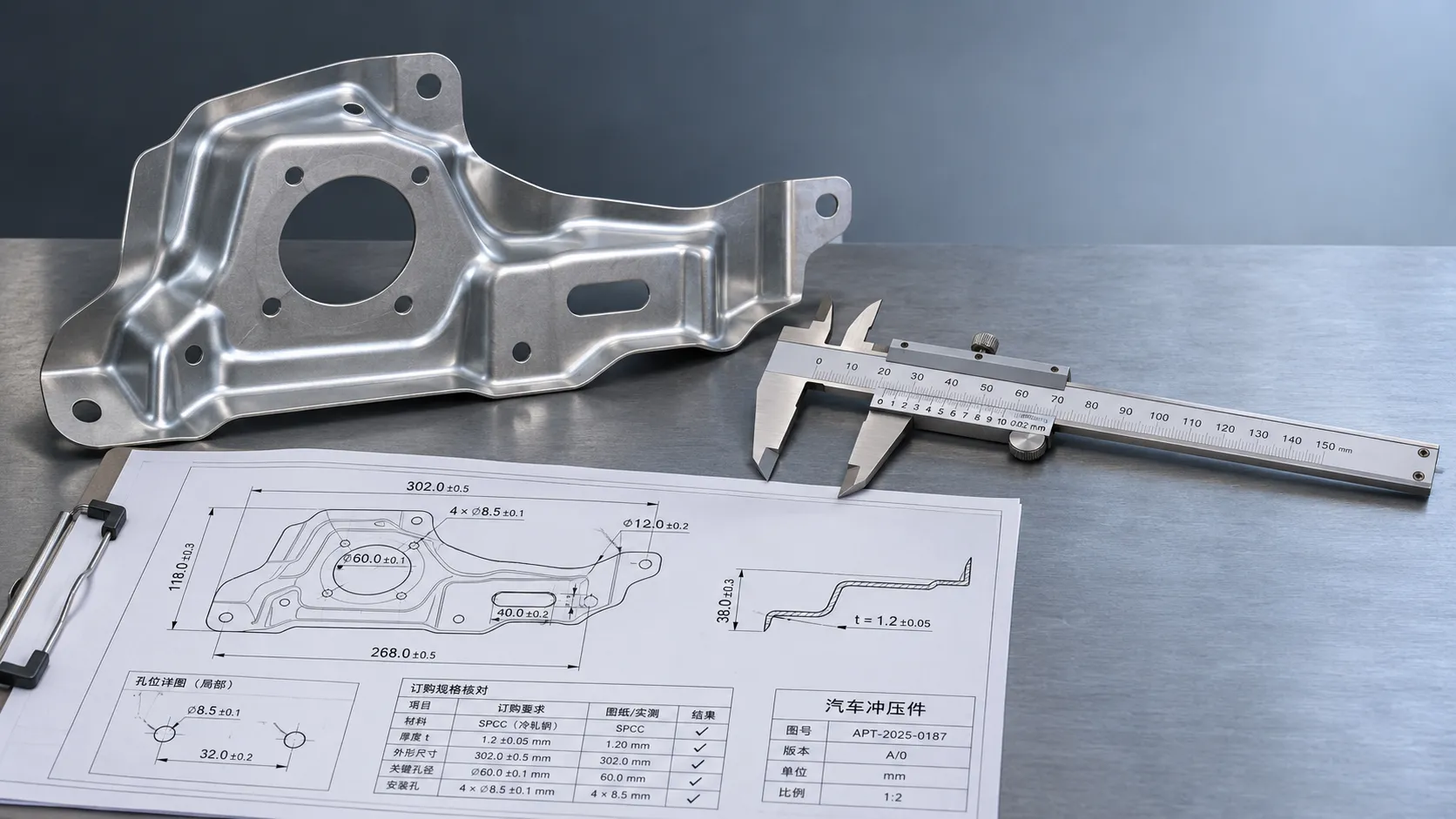
Industrial Product References: How to Verify Specs Before Ordering
Use an industrial product reference for procurement to verify specs, compatibility, and certifications before ordering—and reduce costly purchasing risks.
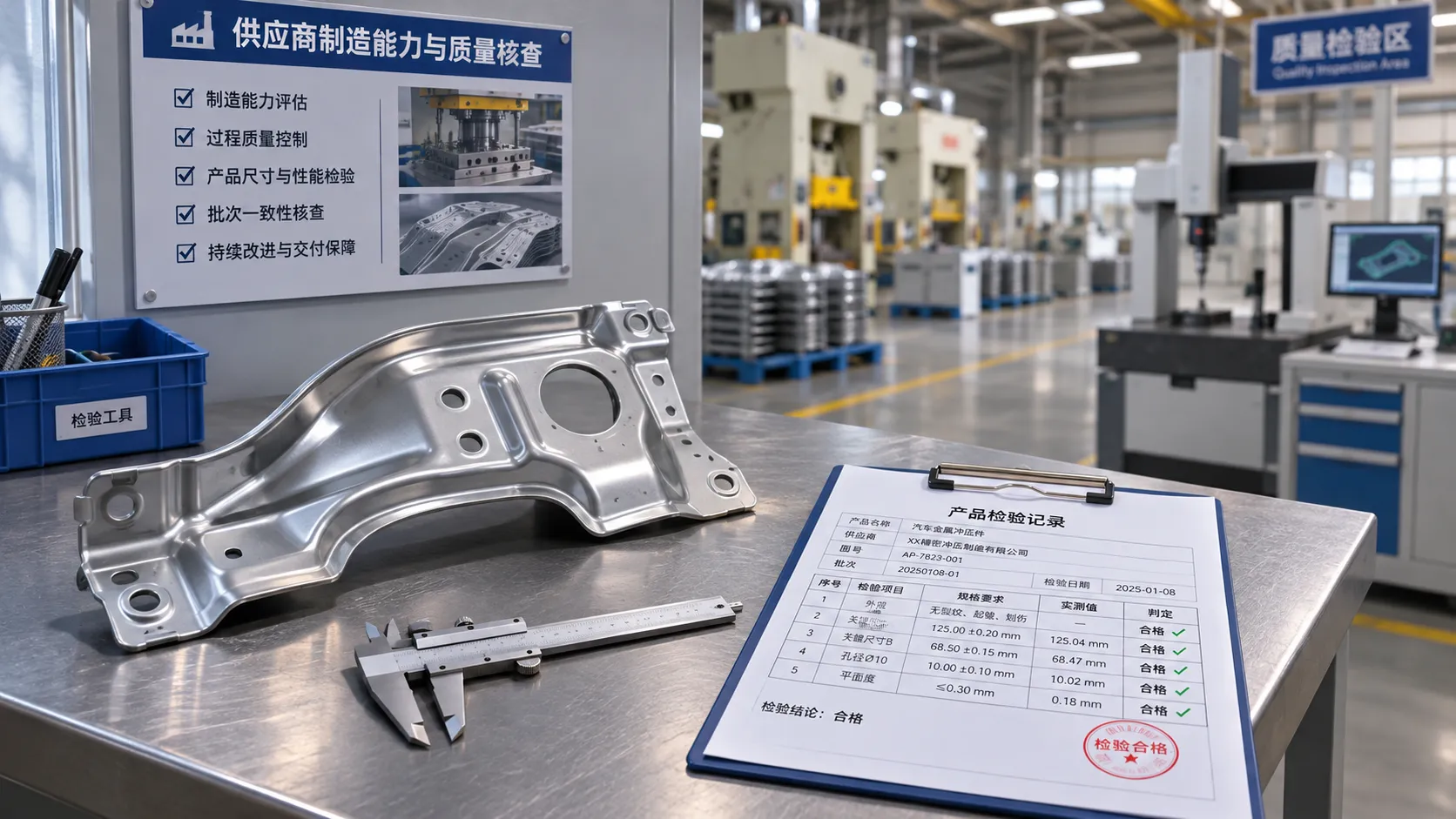
Choosing a Private Label Partner in Europe: Key Supplier Criteria
Private label cooperation Europe buyers can trust starts with the right supplier. Explore key criteria for compliance, quality, traceability and supply resilience.

Integrated Cabin Comfort Systems: How Seat and Cabin Climate Controls Work Together
Discover how integrated cabin comfort systems coordinate seat and climate controls to balance occupant comfort, energy use, safety, and performance.
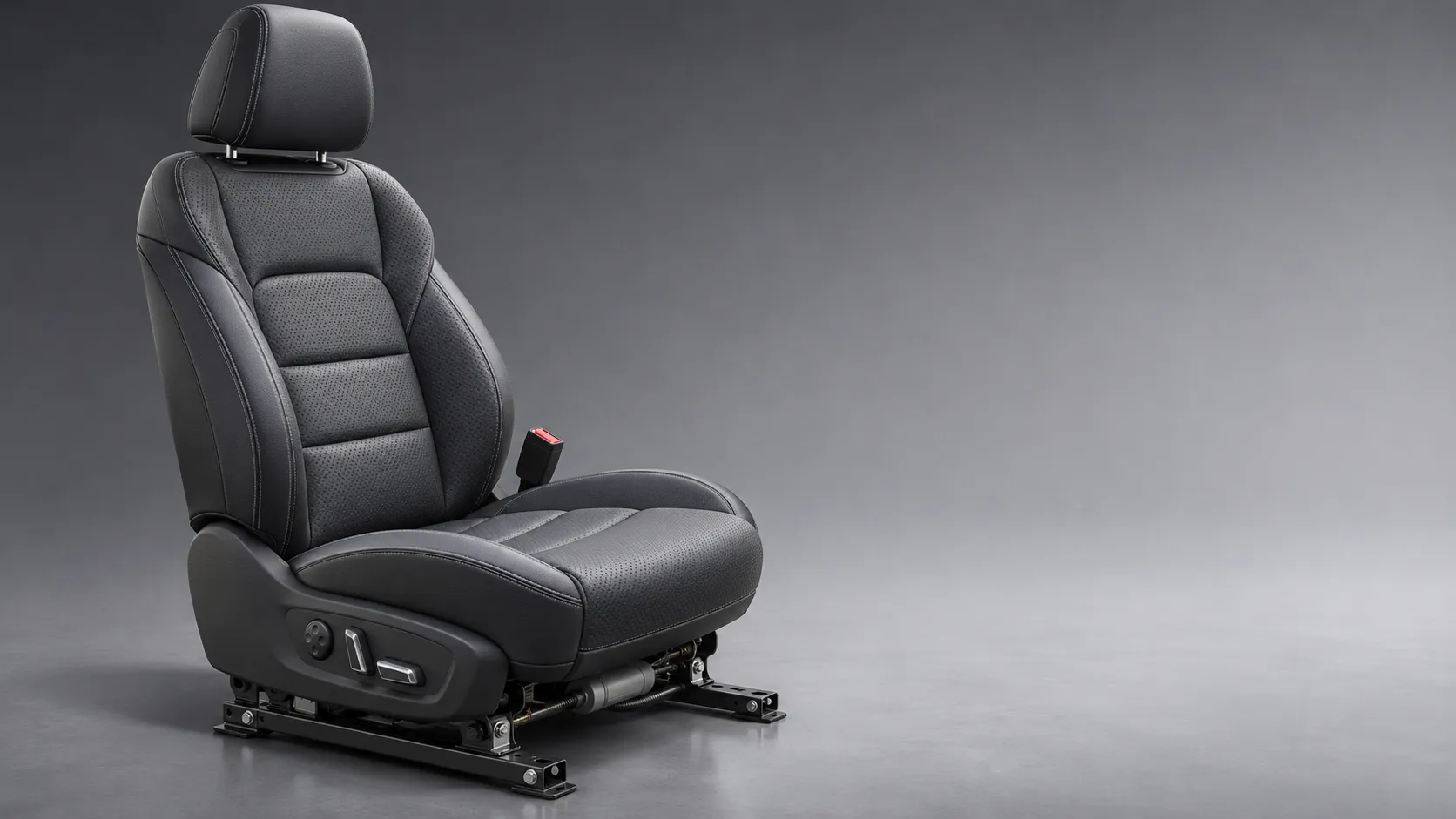
Automotive Ergonomics Pricing: What Drives Seat System Costs?
Discover what drives automotive ergonomics pricing, from seat mechanisms and safety systems to tooling and volume, and learn how to compare supplier quotes.

Evaluating Supplier Solutions: How to Verify References and Standards
Supplier solution references and standards can make or break a sourcing decision. Learn how to verify claims, assess compliance, and reduce risk before awarding a contract.

Choosing B2B Product Knowledge Platform Suppliers: Key Evaluation Criteria
Compare B2B product knowledge platform suppliers with confidence. Explore key criteria for data accuracy, supplier transparency, integrations, and value.
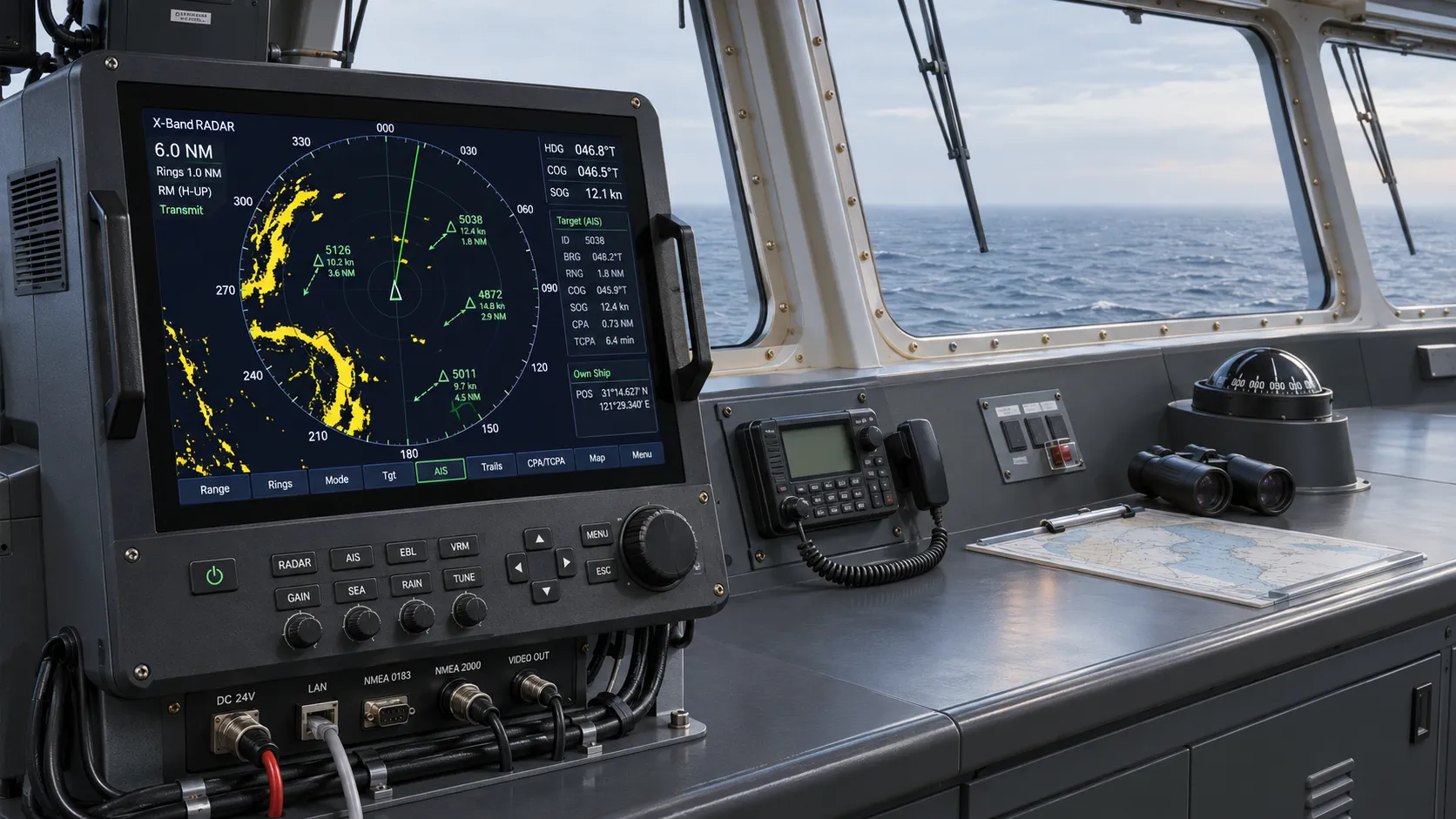
Choosing a Marine Radar Systems Supplier: What to Check Before Buying
Choosing a marine radar systems supplier? Compare installed costs, bridge compatibility, compliance evidence, and service support before you buy.

Solution Comparison Resources: How to Evaluate Unbiased Sources
Discover how to evaluate solution comparison resources, spot bias, verify evidence, and make confident purchasing decisions with a practical checklist.
Related News
- 00
0000-00
How Capacitive Seat Occupancy Sensing Works in Automotive Airbag Systems - 00
0000-00
Selecting Airbag Assemblies for EVs: Crash Sensors and Deployment Criteria - 00
0000-00
How Sensors, Control Units, and Inflators Enable Multi-Stage Airbag Deployment - 00
0000-00
How Automotive Seat Occupancy Sensing Improves Airbag Deployment Decisions - 00
0000-00
How Smart Seating Sensors Improve Occupant Detection and Airbag Deployment
0000-00
Weekly Insights
Stay ahead with our curated technology reports delivered every Monday.