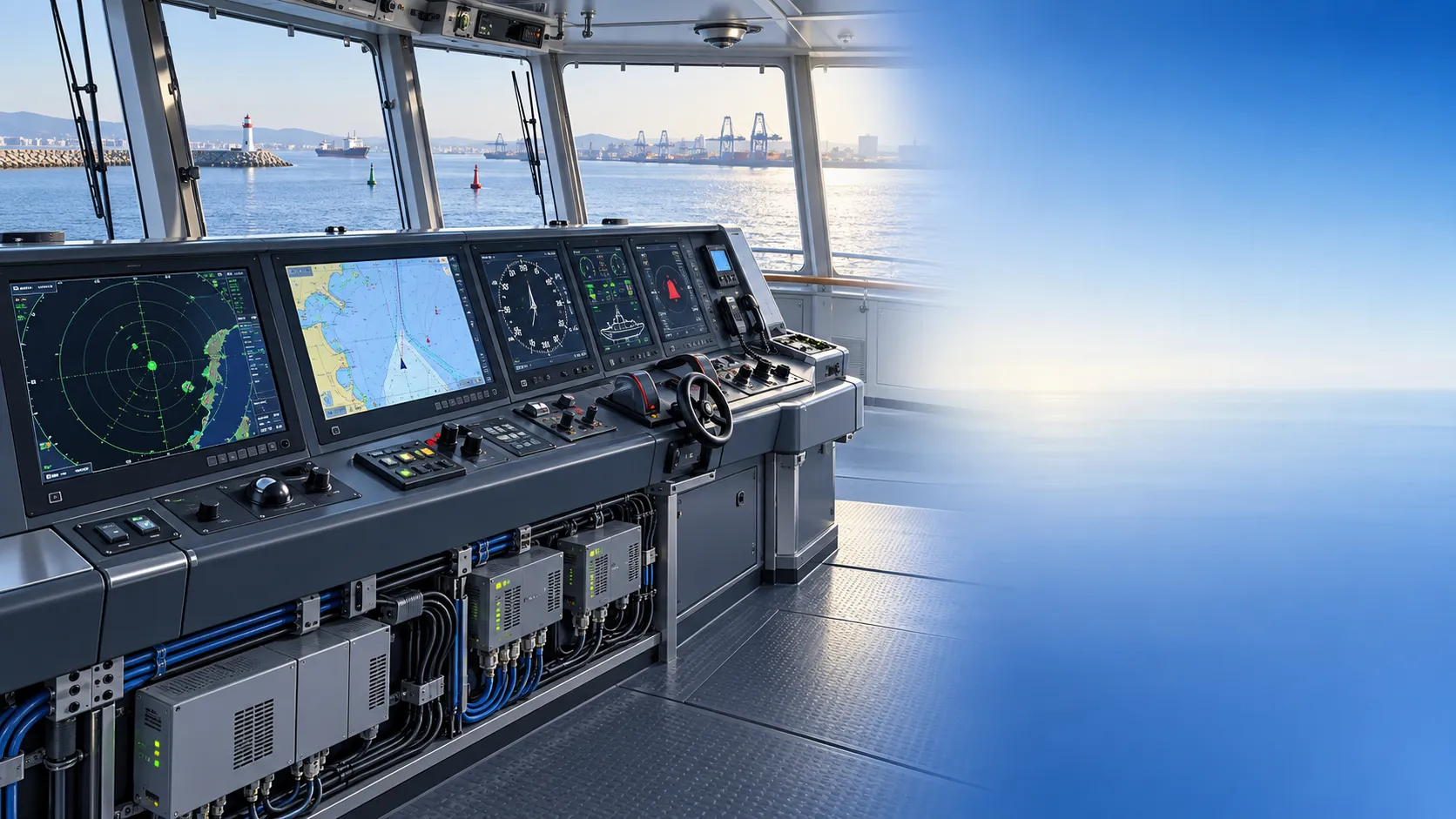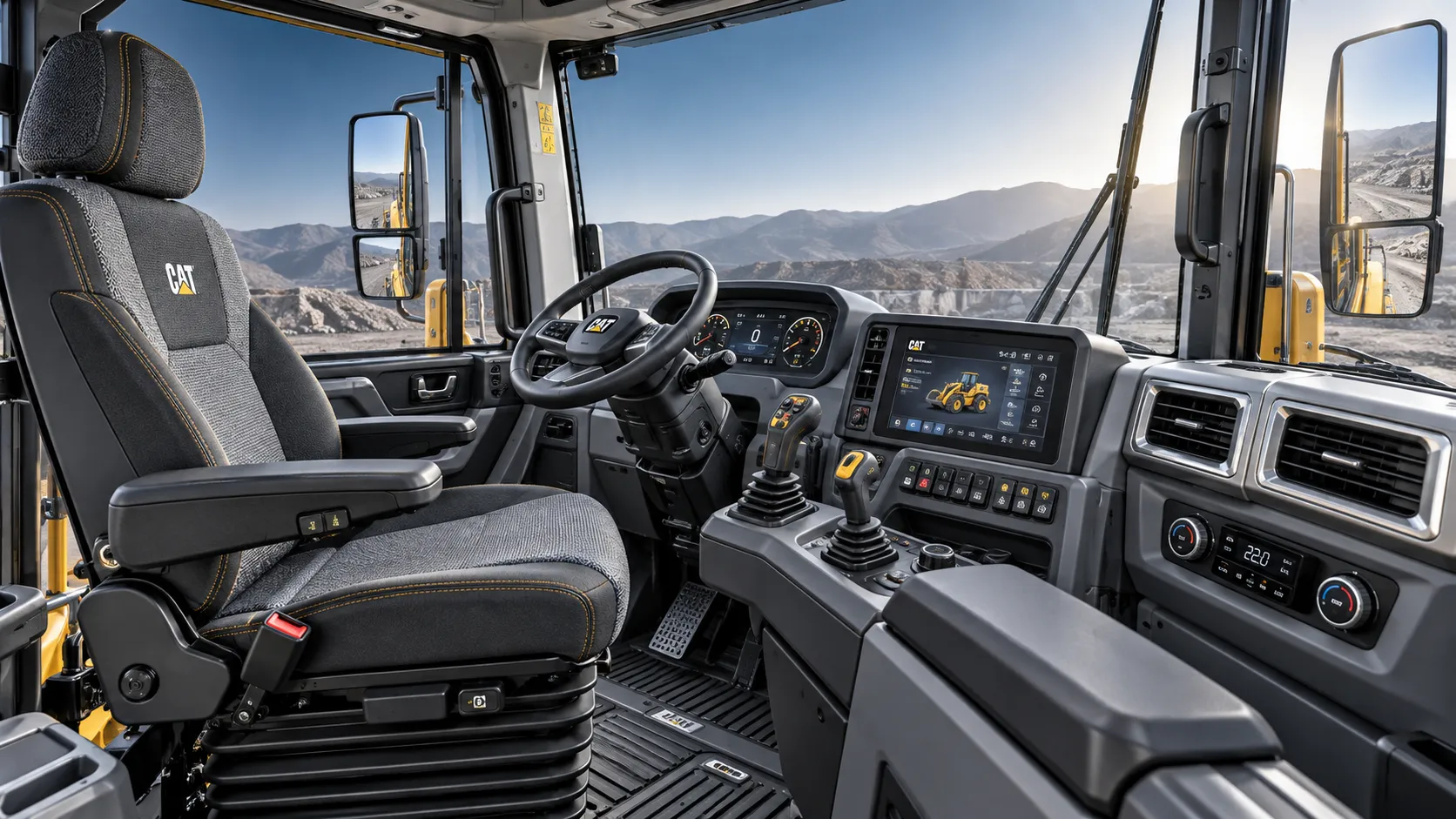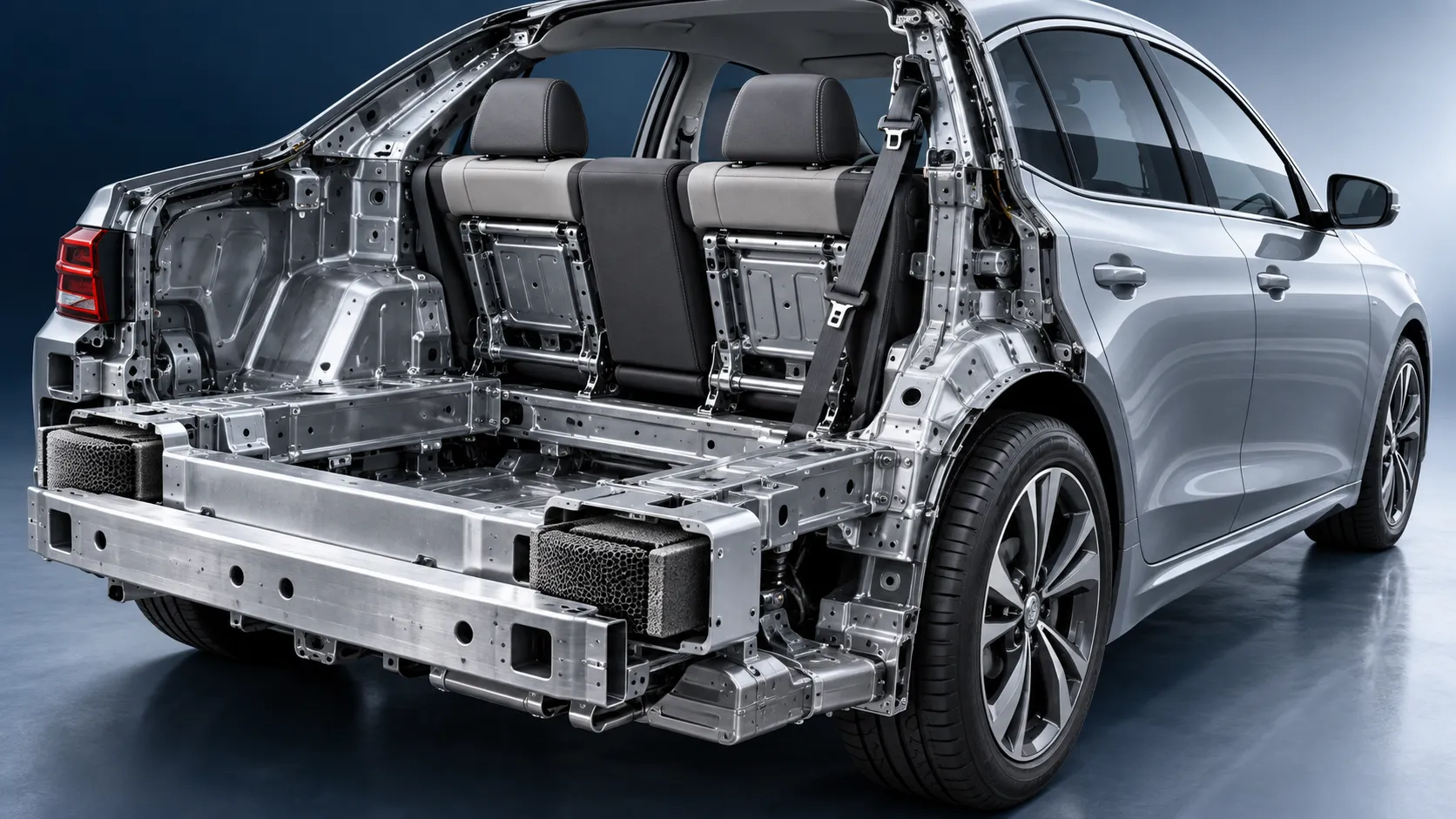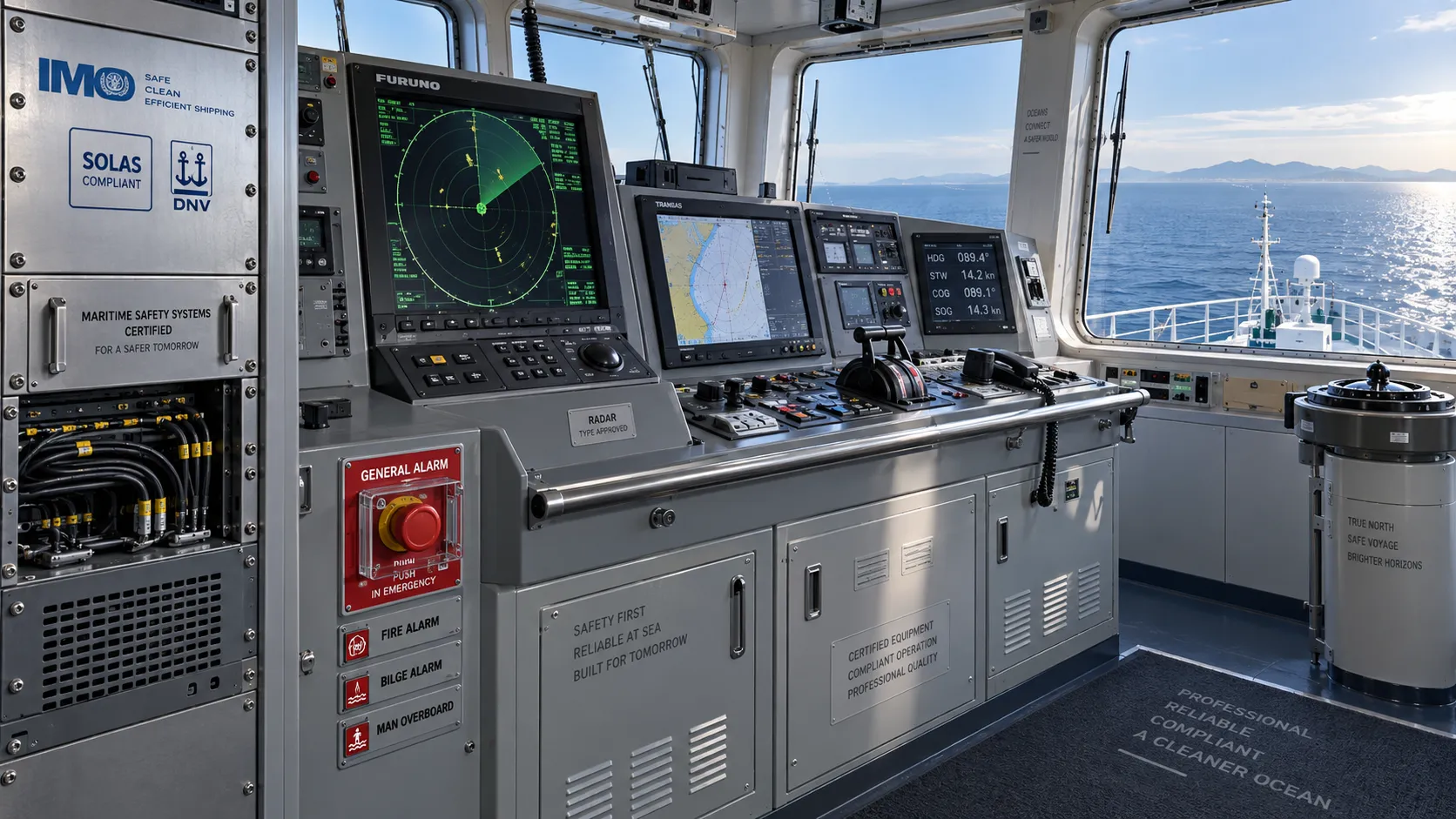
For procurement teams sourcing marine navigation, automotive safety, and smart cabin components, supplier comparison resources Europe offer a practical starting point for reducing uncertainty before formal sourcing begins.
Used properly, these resources help buyers compare technical capability, compliance readiness, production maturity, financial stability, and delivery exposure before committing engineering time or commercial budget.
Why Supplier Comparison Matters in High-Risk Mobility Procurement
European supplier discovery is rarely difficult. The harder task is separating companies with attractive profiles from manufacturers that can repeatedly deliver safety-critical products under demanding quality, regulatory, and timing requirements.
For buyers, an incorrect supplier decision can create more than a price problem. It can delay launches, trigger expensive requalification, disrupt service parts, or expose the business to recalls.
This risk is particularly high in marine navigation systems, hot-stamped body structures, airbag assemblies, seatbelt systems, and smart seat modules. Each category involves tightly controlled engineering and validation processes.
A supplier may appear credible because it serves automotive or marine customers generally. That does not automatically prove competence in the exact product architecture, material grade, testing regime, or production volume required.
Supplier comparison resources Europe help procurement teams form an initial evidence-based view. They consolidate information that would otherwise be scattered across websites, trade databases, certification listings, exhibitions, and market reports.
However, comparison tools should not replace qualification. Their real value is helping buyers decide which suppliers deserve deeper investigation, which claims need verification, and which risks require immediate escalation.
Start With Product-Specific Capability, Not Broad Industry Labels
The first comparison question should be simple: has the supplier manufactured products materially similar to the requested component, rather than merely operating within the same broad industry?
For a marine navigation buyer, relevant evidence includes radar integration, sonar processing, GNSS capability, ECDIS interfaces, vessel certification experience, environmental sealing, electromagnetic compatibility, and lifecycle service arrangements.
For automotive body stampings, buyers should look beyond a supplier's press capacity. The critical questions include hot-stamping expertise, die development, blank handling, laser trimming, joining methods, and dimensional control.
Passive safety sourcing requires even more specificity. An airbag assembler may need proven inflator integration, module folding expertise, electronic interface control, traceability systems, deployment testing, and disciplined change-management procedures.
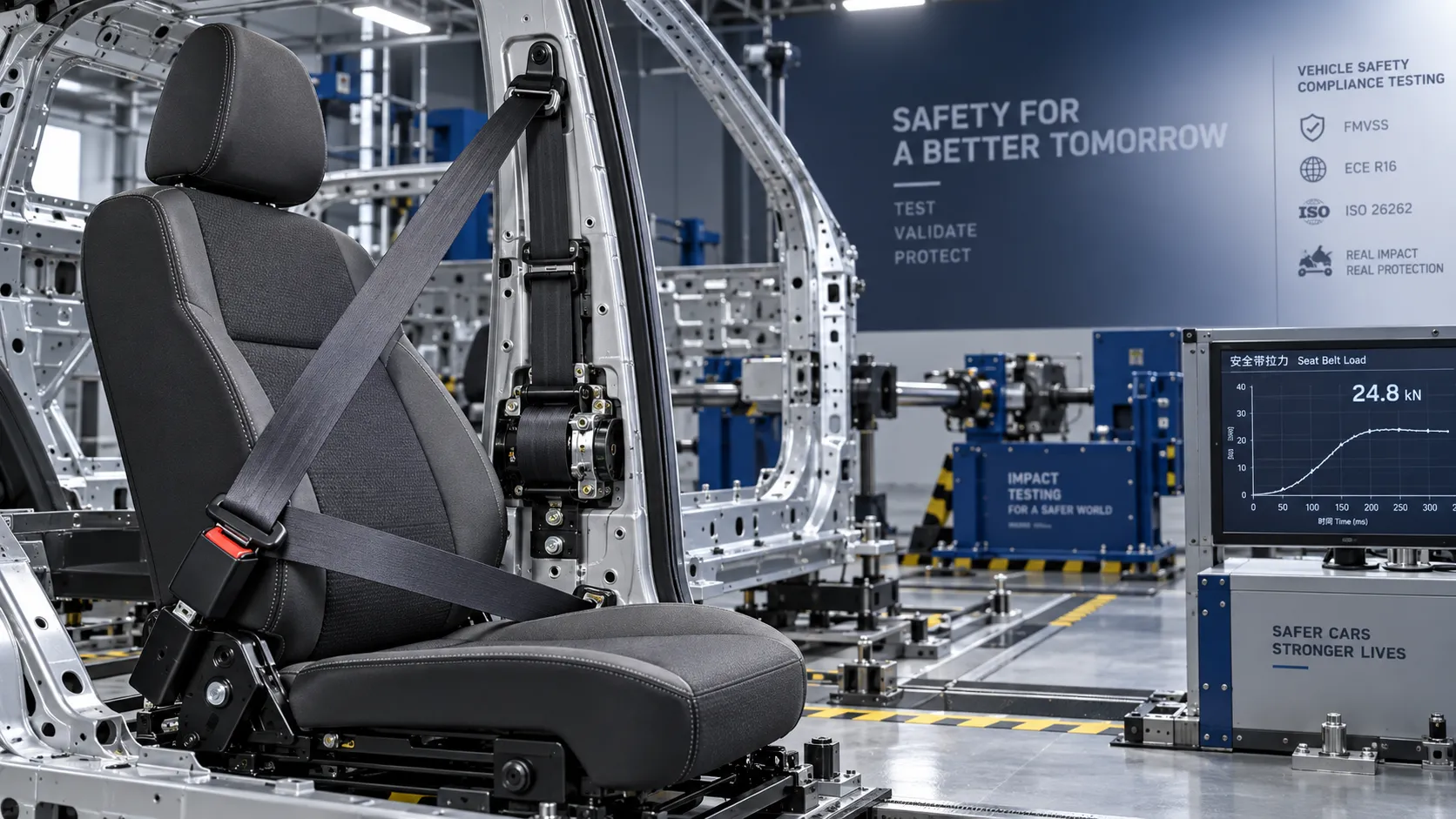
Seatbelt suppliers should be assessed for retractor technology, pretensioner integration, force-limiting calibration, webbing performance, buckle durability, and compatibility with vehicle restraint-system architecture.
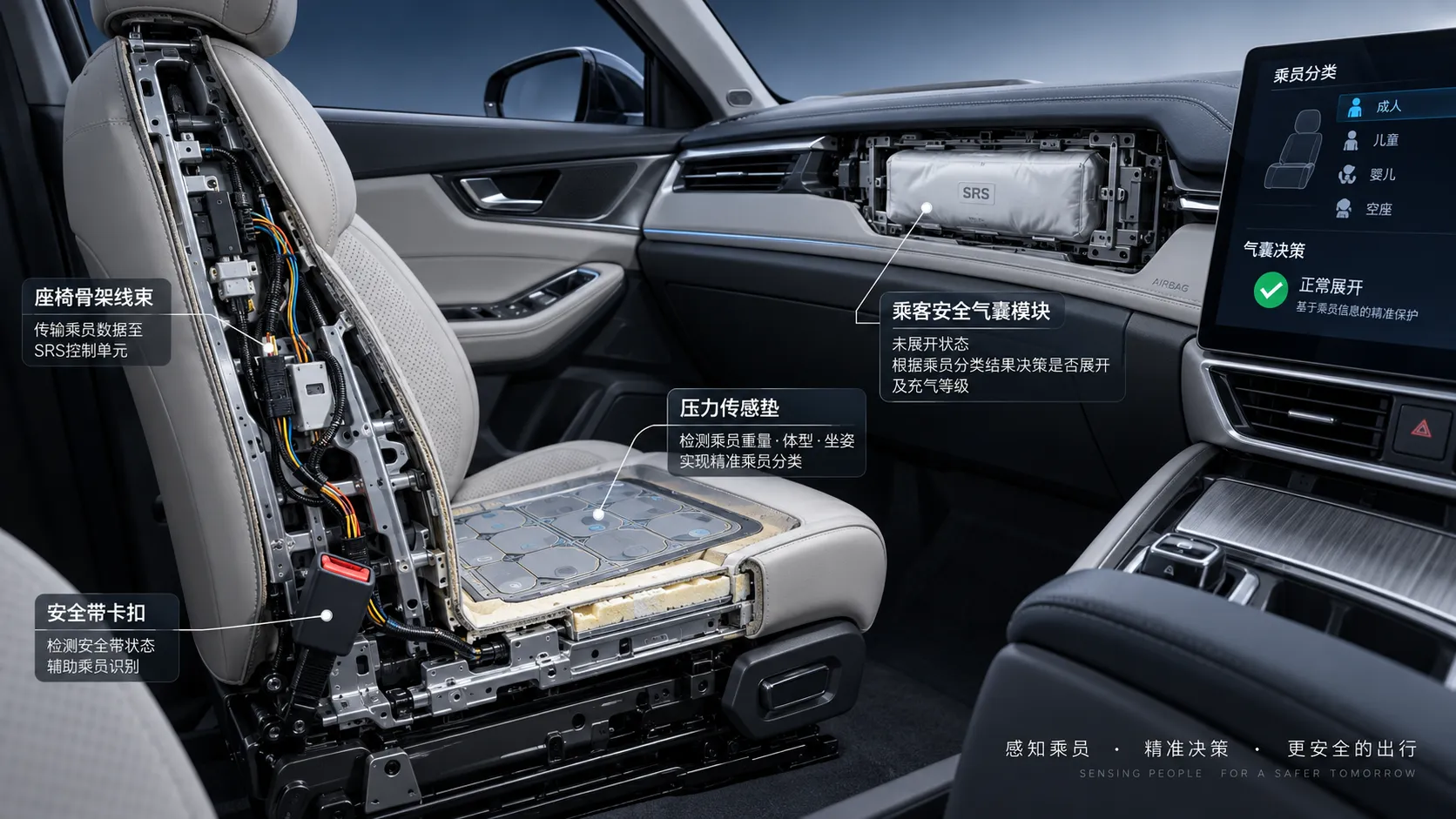
For seat assemblies, practical capability includes frame engineering, comfort foam development, trim execution, occupant sensing, thermal functions, electronic controls, and manufacturing methods suitable for the target program volume.
Supplier comparison resources are most useful when buyers filter profiles according to these product-level conditions. Broad labels such as “automotive supplier” or “marine electronics company” are insufficient screening criteria.
Compare Certifications as Evidence, Not as a Final Answer
Certifications are often the first visible proof point in supplier comparison resources Europe. They matter, but buyers should treat them as an entry requirement rather than a guarantee of execution quality.
For automotive components, IATF 16949 certification is usually a strong indicator that a supplier operates within recognized automotive quality-management expectations. Yet its scope and current validity still require review.
ISO 9001 may demonstrate a baseline quality system, but it does not establish readiness for safety-critical automotive production. Buyers should determine whether automotive-specific controls are actually embedded in daily operations.
Marine equipment suppliers may also need evidence of compliance with IMO requirements, classification society expectations, electromagnetic compatibility rules, cyber-security obligations, and applicable regional marine equipment directives.
Certification scope is essential. A group may hold an approval for one factory, product family, or process, while the proposed plant or quoted product remains outside that approved scope.
Buyers should also ask when the latest audit occurred, whether major nonconformities were reported, and how corrective actions were closed. A certificate without audit context offers limited risk visibility.
Comparison resources can flag available credentials quickly. During supplier engagement, procurement should request certificates, audit summaries, scope statements, and relevant customer approvals directly from the candidate supplier.
Assess Manufacturing Readiness Before Comparing Unit Prices
Price comparisons become misleading when suppliers have different levels of manufacturing maturity. A lower quoted price may reflect omitted validation, insufficient automation, unrealistic cycle assumptions, or underdeveloped quality controls.
Procurement teams should compare process routes, not just annual capacity figures. The process route reveals where quality variation, bottlenecks, operator dependency, tooling risk, or external subcontracting may occur.
For hot-stamped components, buyers should examine furnace capability, transfer timing, quench control, die cooling, hardness verification, springback management, and the traceability of material batches.
For airbag and seatbelt systems, manufacturing readiness includes controlled handling of sensitive parts, poka-yoke measures, end-of-line testing, serialized traceability, secure storage, and containment procedures for defects.
For smart seating systems, the manufacturing review should include frame welding, foam production, trim installation, electrical testing, calibration, functional verification, and management of multiple supplier-sourced subassemblies.
Supplier comparison resources Europe may provide information on plant locations, equipment investments, production sectors, and stated capacity. Buyers should use those clues to prepare targeted technical questions and site-audit agendas.
A useful rule is to compare demonstrated output under equivalent conditions. Nameplate capacity means little unless the supplier can sustain quality, uptime, logistics performance, and engineering support at the required volume.
Evaluate Compliance Readiness Across the Full Product Lifecycle
Compliance risk does not end at initial product approval. In mobility equipment, suppliers must manage evolving regulations, software updates, material restrictions, customer requirements, and documentation obligations throughout the program lifecycle.
European suppliers supporting global customers may need to demonstrate readiness for REACH, RoHS, ELV requirements, conflict-mineral reporting, carbon disclosure, product traceability, and changing sustainability data requests.
Marine navigation suppliers may face additional obligations involving type approval, bridge-system integration, electronic chart updates, cyber resilience, radio equipment requirements, and service support across international operating regions.
Automotive safety suppliers must also understand the relationship between component performance and vehicle-level regulations. A compliant part in isolation may still fail to support a vehicle's total crash-performance target.
Buyers should ask how the supplier monitors regulatory change, assigns responsibility, updates technical files, controls software and hardware revisions, and communicates potential impact to customers.
Material declarations deserve particular attention in lightweight structures and cabin systems. Aluminum, magnesium, polymers, coatings, foams, and electronic materials may carry compliance, recyclability, or supply-continuity implications.
Comparison resources help identify suppliers active in regulated markets. The final selection process should verify whether the candidate has internal compliance ownership or depends heavily on external consultants and fragmented evidence.
Look Beyond Quality Metrics to Delivery and Supply Chain Risk
A technically capable supplier can still become a poor sourcing choice if its supply chain is concentrated, financially fragile, geographically exposed, or unable to respond when disruptions affect production.
European sourcing may improve proximity to vehicle plants, engineering centers, ports, and established logistics networks. It can also introduce exposure to energy costs, regional labor constraints, or cross-border transport complexity.
Buyers should identify where the supplier obtains steel, aluminum, inflators, semiconductors, sensors, electronic control units, webbing, foam chemicals, and other high-impact inputs.
Single-source dependency matters most when components have long lead times, specialized tooling, certification requirements, or complex validation needs. Replacing a supplier may take months rather than weeks.
Financial stability should be reviewed alongside technical strength. A supplier under severe cash pressure may defer maintenance, reduce engineering resources, seek unfavorable payment terms, or struggle to fund launch investments.
Supplier comparison resources Europe can reveal company age, ownership structure, facilities, market presence, and public financial signals. These indicators should trigger diligence, not become the sole basis for approval.
Procurement teams should create a risk register covering capacity, logistics, labor, sub-tier sourcing, currency exposure, cyber security, tooling ownership, insurance, and business-continuity planning before nomination decisions.
Use Customer Evidence to Test Market Credibility
References can reveal information that supplier profiles cannot. Existing customers can often clarify how a company behaves during launches, engineering changes, warranty events, capacity shortages, and urgent containment situations.
Buyers should seek references that match their application, program scale, regional footprint, and quality expectations. A supplier praised for aftermarket service may not be ready for original-equipment production.
Useful questions include whether the supplier meets launch milestones, responds quickly to technical issues, communicates openly about defects, protects confidential information, and manages changes without disrupting customer operations.
Market credibility also includes engineering reputation. Suppliers that participate in industry standards, technical forums, validation programs, or established research partnerships may provide stronger insight into future technology changes.
For GNCS-related categories, credibility is especially important because navigation performance and passive-safety performance can have direct consequences for human safety, product liability, and brand confidence.
Buyers should remain alert to polished case studies that omit operational detail. Ask for measurable evidence, such as warranty performance, line-stop history, delivery metrics, response times, and validated program outputs.
A supplier that acknowledges past problems and explains corrective actions can be more credible than one claiming flawless performance. Transparency is a practical indicator of management discipline and partnership quality.
Build a Practical Supplier Comparison Scorecard
To turn research into a defensible sourcing decision, procurement teams should use a weighted scorecard. This prevents one attractive factor, usually price, from overshadowing critical capability or risk concerns.
For safety-critical sourcing, technical fit and quality maturity should receive substantial weight. Compliance readiness, manufacturing capacity, supply continuity, commercial competitiveness, and engineering responsiveness should also be scored.
The weighting should reflect the product. A radar system may require stronger emphasis on software support, service coverage, and electromagnetic compliance, while body stampings require deeper process and material scrutiny.
Each score should be backed by evidence. For example, a high capacity score should cite audited equipment, available shift patterns, current utilization, confirmed expansion plans, and relevant production history.
Use separate ratings for proven capability and claimed capability. This distinction helps buyers avoid treating a future investment, planned certification, or prototype demonstration as equivalent to stable serial production.
Red flags should not disappear inside an average score. A supplier with strong commercial terms but unresolved safety validation, financial distress, or restricted export capability may need exclusion from the shortlist.
Supplier comparison resources Europe provide the data foundation for this scorecard. The scorecard then converts scattered information into a transparent decision record that engineering, quality, finance, and management can review.
Move From Online Research to Structured Supplier Verification
Digital comparison should lead to a defined verification sequence. Procurement teams should first create a longlist, then screen for mandatory requirements, conduct technical reviews, perform audits, and validate commercial assumptions.
During the early screen, eliminate suppliers lacking required certifications, geographic reach, product relevance, minimum capacity, or willingness to meet contract, confidentiality, and traceability obligations.
The next stage should involve a request for information tailored to the component. Generic questionnaires often produce generic answers and fail to expose the risks that matter most.
Technical teams should review drawings, validation plans, process flow diagrams, control plans, material specifications, proposed sub-tier suppliers, and lessons learned from comparable programs before issuing a final request for quotation.
On-site audits remain valuable for high-risk products. They allow buyers to observe housekeeping, material flow, quality discipline, maintenance condition, employee capability, escalation routines, and actual production behavior.
Commercial negotiations should follow technical validation, not precede it. Otherwise, procurement may spend time optimizing a price with a supplier that cannot meet the program's technical or regulatory requirements.
This sequence makes supplier comparison resources Europe more effective because initial market intelligence is systematically converted into verifiable evidence, rather than being treated as a substitute for due diligence.
Conclusion: Comparison Resources Create Better Questions, Not Automatic Decisions
European supplier comparison resources are valuable because they help buyers narrow a complex market quickly, identify credible candidates, and recognize risks before those risks become expensive sourcing failures.
The greatest value comes from using comparison data to ask sharper questions about product-specific expertise, certification scope, manufacturing maturity, compliance ownership, supply resilience, and customer performance.
For marine navigation, automotive body structures, airbags, seatbelts, and smart seating, supplier selection should be treated as a capability-and-risk decision first, with price evaluated in its proper context.
Procurement teams that combine market intelligence, structured scorecards, technical review, supplier audits, and cross-functional governance are better positioned to secure reliable partners for demanding mobility programs.
In practice, the right supplier is not simply the most visible or lowest-cost option. It is the partner that can prove performance, manage change, sustain quality, and protect continuity throughout the product lifecycle.