
Choosing Automotive Lightweighting Suppliers in Europe: Key Selection Criteria
Choosing among automotive lightweight solutions suppliers Europe offers requires more than comparing material costs and weight savings. The right partner must demonstrate manufacturing capability and consistent quality.
Procurement teams also need supply chain resilience and a clear approach to European regulatory requirements. Crash performance and commercial priorities must be assessed together.
From high-strength steel and aluminum stampings to lightweight seat structures, this guide explains how to evaluate suppliers and build reliable long-term partnerships.
The strongest choice is not necessarily the supplier offering the lightest component. It is the one that can deliver verified performance, repeatable production, and acceptable total cost throughout the program.
Start With a Clear Component and Program Brief
Before approaching suppliers, define the component's function, vehicle platform, production volume, launch date, target weight, and expected service life. These details determine which technologies are commercially viable.
Specify the loads and interfaces that cannot be compromised. A structural body member, for example, may require different crash behavior and dimensional tolerances than a seat-frame bracket.
Separate mandatory requirements from preferences. Identify hard limits for mass, package space, joining interfaces, corrosion protection, and validation, then indicate where suppliers may propose alternative designs.
Provide comparable assumptions for annual volume, production duration, delivery locations, and engineering support. Without a common baseline, quotations can conceal major differences in scope and risk.
Involve engineering, quality, manufacturing, logistics, and sustainability teams early. Their input helps procurement distinguish genuine design opportunities from proposals that merely shift cost elsewhere.
Compare Materials Against Performance, Not Weight Alone
High-strength steel, aluminum, magnesium, and composites can all reduce mass in suitable applications. Each brings different trade-offs in formability, joining, corrosion control, repairability, and production cost.
Advanced high-strength steels can reduce section thickness while retaining substantial strength. Hot-stamped components may suit safety-critical structures, but their process and tooling requirements need careful assessment.
Aluminum can offer attractive mass savings for body panels and structural parts. Buyers should examine forming capability, joining methods, surface treatment, and the management of mixed-material corrosion.
Magnesium may be relevant to selected seat structures or other components where mass reduction justifies added process controls. Ask how the supplier manages corrosion, joining, and material-specific manufacturing hazards.
Composites can be useful where geometry, stiffness, or low-volume economics support them. Check cycle time, inspection methods, repair assumptions, and end-of-life pathways before accepting a weight-saving claim.
Request a component-level comparison using the same functional requirements. The analysis should include attachments, reinforcements, joining consumables, coatings, and any changes required in adjacent parts.
A lighter material does not automatically produce a lighter assembly. Additional brackets or thicker sections may offset the apparent gain, while manufacturing changes can affect cost and launch timing.
Verify Manufacturing Capability at the Proposed Site
A supplier's corporate presentation is not proof that the nominated plant can make your part. Assess the actual equipment, people, capacity, and controls at the proposed production location.
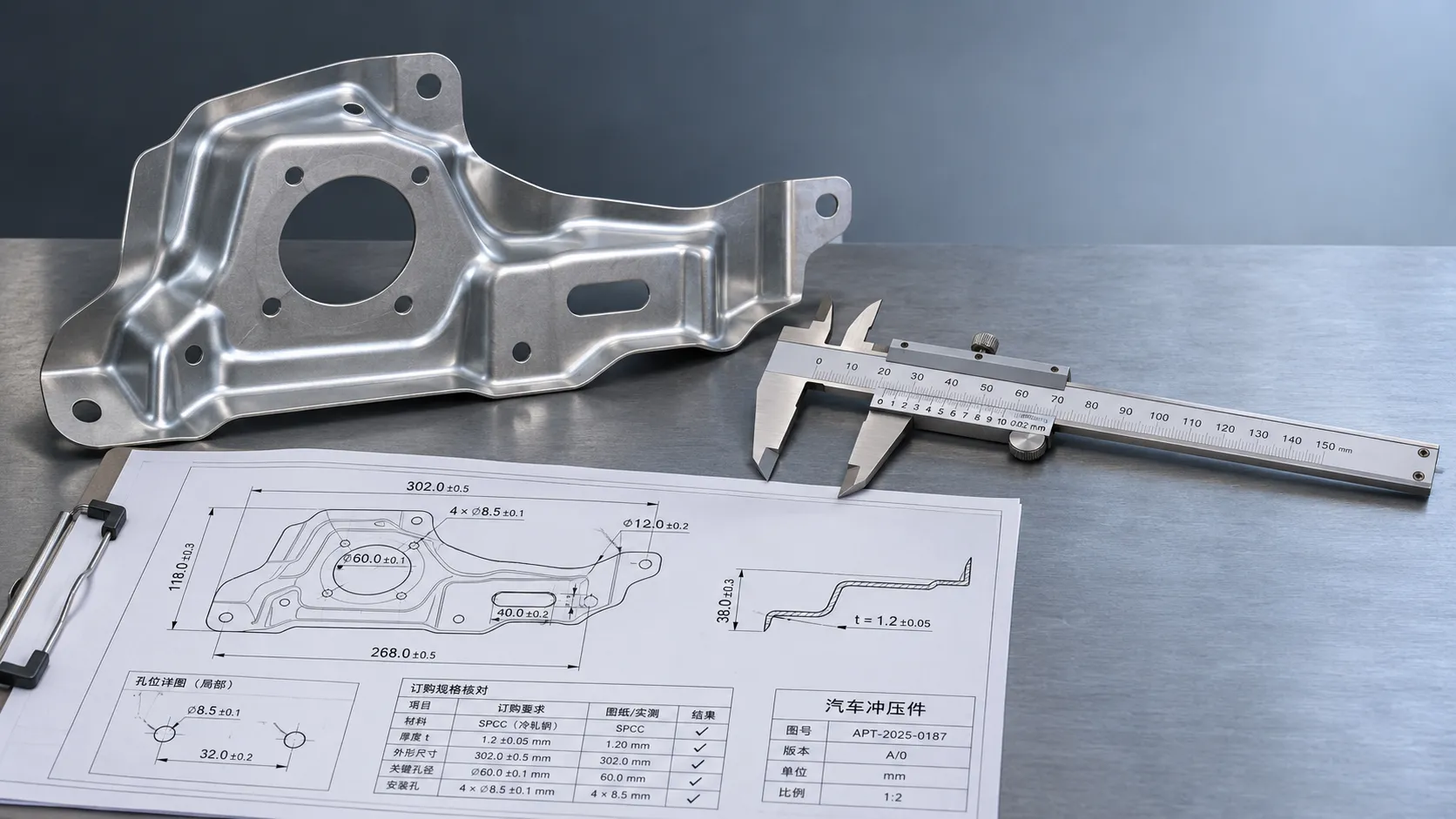
For stamped body components, review press capacity, blank handling, furnace arrangements where relevant, trimming, tooling maintenance, and dimensional inspection. Ask which operations are performed by subcontractors.
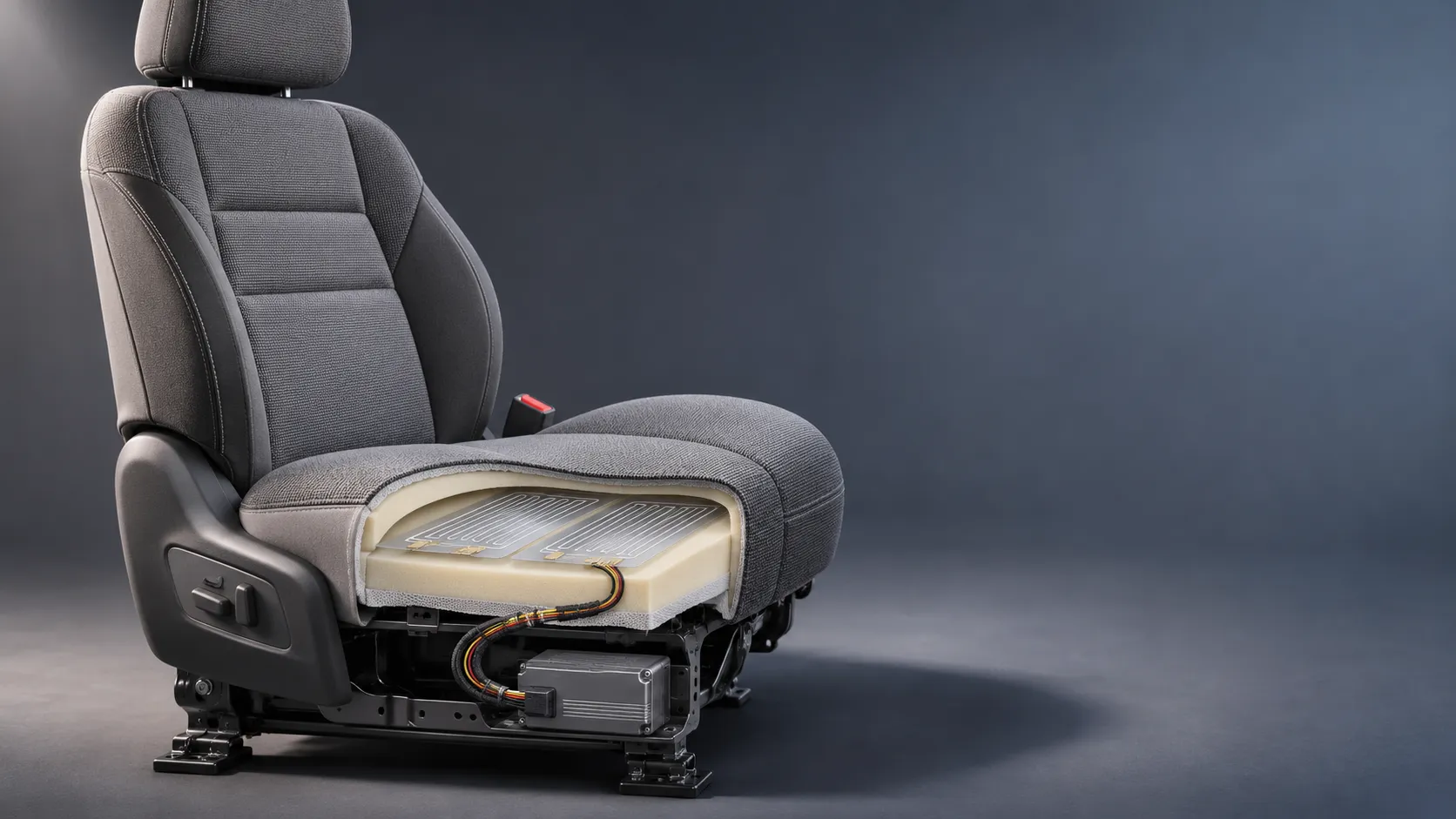
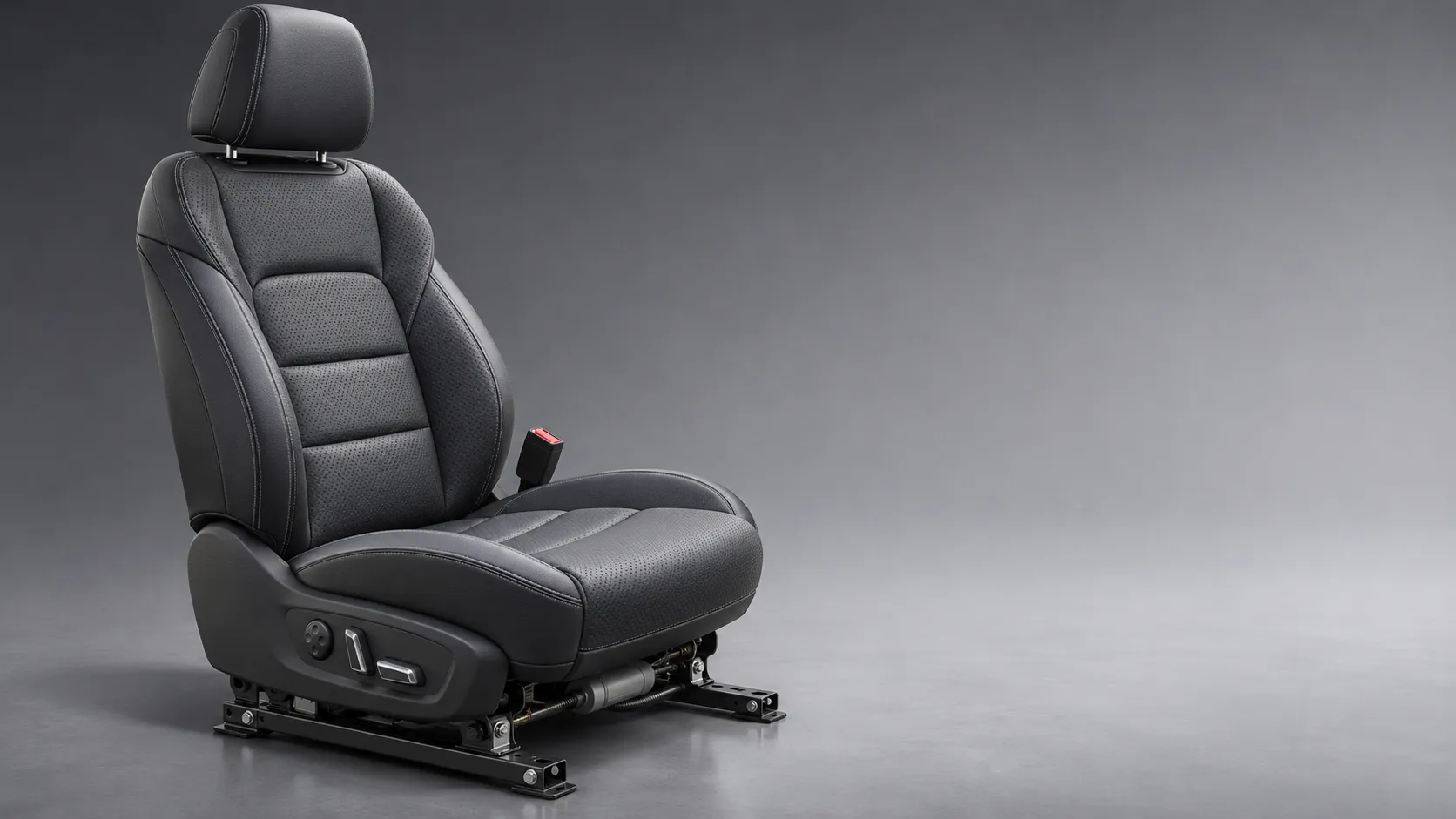
For lightweight seat structures, examine tube forming, stamping, welding, assembly, and measurement capability as applicable. Confirm that the supplier understands the interfaces with tracks, restraints, and sensors.
Request evidence from comparable programs, including material grades, component complexity, tolerances, and production volumes. A successful prototype alone does not establish readiness for sustained serial production.
Discuss process windows and known failure modes. Examples include cracking or springback during forming, coating damage, weld inconsistency, and dimensional variation after heat treatment or assembly.
Confirm available capacity at launch and peak demand, including planned maintenance and other customer commitments. Ask for the assumptions behind the capacity calculation and the escalation route for shortages.
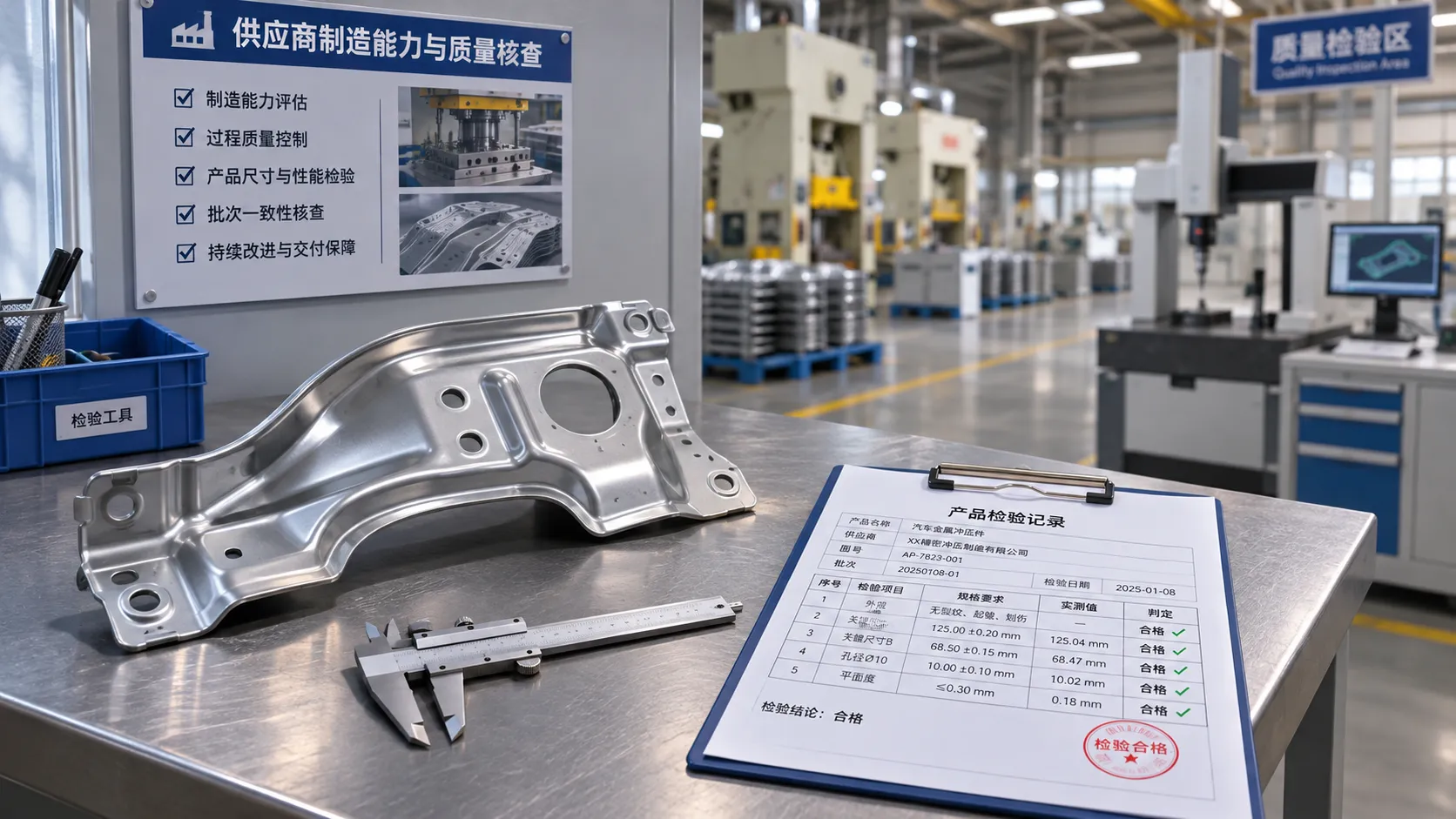
During a site assessment, trace a representative part from incoming material through final inspection. Look for controlled work instructions, calibration records, lot identification, and timely handling of nonconforming products.
Demand Evidence of Crash Performance and Quality Control
Lightweighting must support the vehicle's safety objectives, not simply meet a standalone strength figure. Ask engineering teams to define the component's role within the complete load path.
Request simulation methods, material data, test plans, and correlation between models and physical results. Clarify which assumptions depend on surrounding structures or joining conditions outside the supplier's control.
Relevant tests may include material characterization, component loading, joint testing, fatigue, corrosion, and assembly-level validation. The appropriate combination depends on the design and the customer's requirements.
For seat structures, assess strength and durability together with applicable anchorage and restraint interfaces. A mass reduction that requires major downstream redesign may not deliver the expected program benefit.
Ask how the supplier controls material substitution, process changes, tooling repairs, and subcontractor changes. Changes affecting approved parts should follow the customer's agreed notification and approval process.
Review the supplier's automotive quality management system and certification status, including IATF 16949 where required by the customer. Verify the certificate's scope, site coverage, and validity.
Use the customer's applicable advanced product quality planning and production part approval requirements to define evidence before nomination. Agree on samples, control plans, capability studies, and submission responsibilities.
Examine recent performance data where disclosure permits: delivery reliability, defect rates, customer complaints, and corrective action closure. Ask how recurring problems are prevented, not merely contained.
Check European Compliance and Traceability Responsibilities
European requirements vary by vehicle category, component, market, and customer contract. Identify applicable obligations with legal, engineering, and compliance specialists rather than assuming one certification covers every part.
For vehicle type approval, clarify which EU rules and applicable UNECE regulations govern the finished vehicle or system. A component supplier's test report does not by itself guarantee vehicle approval.
Agree who owns the compliance matrix, testing, documentation, and updates when requirements change. Record any customer-specific standards that go beyond minimum legal obligations.
Check material reporting and substance controls relevant to the program, including REACH and end-of-life vehicle requirements where applicable. Confirm how declarations are collected from upstream suppliers and maintained.
Ask whether material data will be submitted through the International Material Data System when required by the customer. Define submission timing, approval responsibilities, and procedures for material changes.
Traceability should connect finished parts to relevant material lots, process records, and inspection results. Agree on retention periods, retrieval times, and the information needed for containment or recall investigations.
Do not rely on broad claims such as “EU compliant.” Request the precise requirements addressed, supporting evidence, and any assumptions or exclusions that affect your application.
Calculate Total Program Cost Before Comparing Quotes
A useful comparison includes more than price per kilogram or piece price. Build a common cost model covering development, tooling, production, logistics, quality, and end-of-life obligations.
Separate one-time engineering and tooling charges from recurring part costs. Confirm ownership, maintenance, replacement responsibilities, expected tool life, and what happens if the program transfers to another plant.
Ask suppliers to disclose assumptions behind scrap, material yield, cycle time, packaging, and freight. Different assumptions can make a low initial quote more expensive during production.
Model realistic volume scenarios, including a slower launch and lower-than-forecast demand. Check minimum order quantities, capacity reservation charges, price breaks, and the treatment of unused material.
For steel and aluminum, examine how commodity price changes flow through the contract. Specify the index, reference period, adjustment frequency, conversion costs, and any limits on pass-through.
Include the cost of validation, design changes, quality incidents, and additional joining operations. A component-level saving may disappear if it increases assembly complexity or warranty exposure.
Compare offers using a consistent unit such as total program cost and cost per verified kilogram saved. Keep safety, delivery, and quality thresholds as mandatory conditions, not negotiable savings.
Assess Supply Chain Resilience Across Europe
Map the supply chain beyond the contracting entity. Identify the production site, critical material sources, processors, tooling suppliers, and logistics routes for each nominated component.
Ask about dependencies on a single mill, specialized coating line, heat-treatment facility, or border crossing. A second sales office does not necessarily provide an independent production alternative.
Review business continuity plans for equipment failure, energy disruption, transport interruption, and material shortages. Test whether proposed backup capacity can meet your specifications and approval requirements.
Confirm lead times for raw material, replacement tooling, and production recovery. Where buffer stock is proposed, agree on its location, ownership, rotation, and funding.
Financial health matters throughout a multiyear program. Review available financial information, investment plans, and signs of excessive customer concentration alongside operational performance.
When considering automotive lightweight solutions suppliers in Europe, distinguish a genuine regional manufacturing footprint from a regional sales presence. Confirm where parts will be made and shipped.
Evaluate Sustainability Claims With Comparable Data
Lower vehicle mass can contribute to lower operational energy use, but the overall environmental outcome also depends on material production, manufacturing energy, vehicle use, and end-of-life treatment.
Ask suppliers for a documented product carbon footprint with a defined scope, calculation method, reporting period, and data quality. Check whether figures cover raw materials and relevant manufacturing stages.
Compare proposals using consistent system boundaries and functional requirements. A footprint per kilogram of material is not directly comparable to one per finished component or vehicle lifetime.
Request evidence for recycled content and renewable electricity claims, including allocation methods where relevant. Clarify whether figures reflect the nominated plant, the supplier's average, or a future target.
Discuss scrap segregation and closed-loop recycling where technically and commercially feasible. For mixed-material assemblies, ask how joining choices affect separation and recovery.
Make sustainability commitments measurable in the contract, with reporting frequency and change controls. Avoid treating an unverified forecast as a guaranteed reduction.
Use a Weighted Scorecard and Structured RFQ
Begin with pass-or-fail gates for safety, compliance, quality system coverage, capacity, and financial viability. Score only suppliers that satisfy the program's mandatory requirements.
For qualified suppliers, a starting scorecard could assign 25 points to technical and manufacturing capability, 20 to quality, 20 to total cost, and 15 to supply resilience.
Assign the remaining 10 points to launch and engineering support and 10 to sustainability and traceability. Adjust the weighting to reflect program risk before reviewing bids.
Define scoring evidence in advance. For example, award manufacturing points against demonstrated production of comparable parts, site audit results, validated capacity, and control of critical subcontracted operations.
Issue the same request for quotation to each bidder, including drawings or functional specifications, volumes, delivery terms, validation expectations, and a standard commercial response template.
Ask bidders to identify exceptions explicitly. Require separate pricing for the baseline design, optional weight-saving alternatives, tooling, testing, freight, and any customer-provided equipment or material.
Shortlist suppliers through technical reviews and site assessments, then resolve open assumptions before final negotiation. Record decisions so a low score or unresolved risk cannot disappear from the approval trail.
Protect the Partnership After Supplier Selection
Supplier nomination is the start of risk management, not the end. Establish milestones for design freeze, tooling, prototype delivery, validation, production approval, and launch readiness.
Agree on escalation contacts and a regular review cadence. Track delivery, defects, capacity, engineering changes, and corrective actions against targets that both parties understand.
Include clear terms for intellectual property, tooling access, price adjustments, material changes, and recovery after disruption. Define exit and transition arrangements before the supplier becomes indispensable.
The best supplier combines credible weight reduction with proven production control, transparent costs, and dependable support. Use comparable evidence and mandatory safety gates to make the final decision.
Related News

How to Evaluate Supplier Solution References Before Signing a Contract
Evaluate supplier solution references with confidence. Learn how to verify technical evidence, identify delivery risks, and close gaps before signing a contract.
How Capacitive Seat Occupancy Sensing Works in Automotive Airbag Systems
Discover how capacitive seat occupancy sensing supports automotive airbag systems, and explore the design, calibration, and validation challenges behind reliable performance.
Industrial Product References: How to Verify Specs Before Ordering
Use an industrial product reference for procurement to verify specs, compatibility, and certifications before ordering—and reduce costly purchasing risks.
Choosing a Private Label Partner in Europe: Key Supplier Criteria
Private label cooperation Europe buyers can trust starts with the right supplier. Explore key criteria for compliance, quality, traceability and supply resilience.

Integrated Cabin Comfort Systems: How Seat and Cabin Climate Controls Work Together
Discover how integrated cabin comfort systems coordinate seat and climate controls to balance occupant comfort, energy use, safety, and performance.
Automotive Ergonomics Pricing: What Drives Seat System Costs?
Discover what drives automotive ergonomics pricing, from seat mechanisms and safety systems to tooling and volume, and learn how to compare supplier quotes.
Evaluating Supplier Solutions: How to Verify References and Standards
Supplier solution references and standards can make or break a sourcing decision. Learn how to verify claims, assess compliance, and reduce risk before awarding a contract.
Choosing B2B Product Knowledge Platform Suppliers: Key Evaluation Criteria
Compare B2B product knowledge platform suppliers with confidence. Explore key criteria for data accuracy, supplier transparency, integrations, and value.

Choosing a Marine Radar Systems Supplier: What to Check Before Buying
Choosing a marine radar systems supplier? Compare installed costs, bridge compatibility, compliance evidence, and service support before you buy.
Related News
- 00
0000-00
How to Evaluate Supplier Solution References Before Signing a Contract - 00
0000-00
Industrial Product References: How to Verify Specs Before Ordering - 00
0000-00
Choosing a Private Label Partner in Europe: Key Supplier Criteria - 00
0000-00
Automotive Ergonomics Pricing: What Drives Seat System Costs? - 00
0000-00
Evaluating Supplier Solutions: How to Verify References and Standards
0000-00
Weekly Insights
Stay ahead with our curated technology reports delivered every Monday.