
Application-Specific Product Guides: How to Assess Fit for Your Operating Conditions
A product fits an application when its demonstrated performance covers the actual operating conditions, installation constraints, and required failure behavior. A strong datasheet is only the starting point. Saltwater exposure, vibration, thermal cycling, electrical disturbances, and crash loads change what a specification means once equipment becomes part of a vessel or vehicle.
Useful application-specific product guides connect each selection claim to a defined condition and supporting evidence. The assessment should establish three things: the conditions the product must withstand, the interfaces that influence its behavior, and the evidence needed to accept any remaining uncertainty. A candidate with missing evidence belongs in further evaluation, even when its headline specifications exceed the requirement.
Define the operating envelope before comparing candidates
An operating envelope describes the combinations of conditions under which required functions must remain available. Separate normal operation from temporary excursions, storage, transport, maintenance, and emergency events. A temperature range without duration or operating state is incomplete: surviving cold storage does not establish reliable startup at that temperature.
Describe exposure at the installed location. An enclosed navigation processor and an exposed antenna experience different environments on the same vessel. Likewise, a seat-mounted electronic module experiences local heating, occupant movement, and harness flexing that a cabin ambient specification alone will not capture.
The most useful application description records the variables that change the acceptance decision:
- Exposure and duration: distinguish continuous humidity, intermittent spray, condensation, and direct immersion. Include cleaning chemicals where contact is credible.
- Mechanical input: identify mounting stiffness, vibration direction, shock events, and loads transmitted through attached structures. A component-level acceleration value has limited meaning without its frequency content and duration.
- Functional demand during stress: some equipment must continue operating throughout an event; other components must retain a defined capability afterward.
- Service condition: include expected adjustment, connector handling, inspection access, and replacement procedures where these affect performance.
Combined exposure deserves particular attention. A seal that performs after room-temperature assembly may behave differently after repeated thermal cycling and vibration. Corrosion can change an electrical ground path or weaken a joint before visible damage appears significant. Separate environmental test results do not automatically establish performance under a sequence of interacting stresses.
Translate headline specifications into acceptance criteria
Specifications become useful when they describe a measurable outcome under a stated condition. “High accuracy,” “lightweight,” and “enhanced protection” provide no acceptance boundary. Replace them with requirements tied to the function: positioning performance during degraded signal reception, dimensional stability after joining, or restraint behavior across the intended seating configurations.
Record whether a value is typical, guaranteed, calculated, or measured on a particular sample. Typical performance supports early comparison but does not establish a production acceptance limit. Also distinguish resolution from accuracy, ultimate strength from usable structural performance, and successful activation from acceptable protection.
Margins should address identifiable uncertainty. Additional thermal capacity is useful when enclosure temperature remains uncertain; it does not resolve incompatible communication timing. Avoid combining every worst-case value into a physically unrealistic scenario, but retain combinations that occur together, such as high electrical load inside a hot enclosure.
Installation interfaces often decide suitability
A compatible connector or matching bolt pattern does not establish integration compatibility. Mechanical stiffness, electrical reference points, communication timing, software versions, and surrounding geometry influence the installed result. Treat these interfaces as part of the product assessment rather than details to settle after selection.
Marine navigation equipment
Antenna placement affects visibility, multipath, cable routing, and exposure to nearby transmitters. Evaluate the proposed installation location together with cable type, permitted cable loss, grounding arrangements, and power quality. A successful bench demonstration with short cables does not establish performance across the intended vessel installation.
Data compatibility also extends beyond the presence of a supported protocol. Confirm that required messages, update rates, timestamps, coordinate references, and data-quality indicators match the receiving equipment. A position feed can remain syntactically valid while becoming stale. The receiving system needs a defined response to delayed, invalid, or interrupted information.
Body stampings and structural joints
Material grade alone cannot establish the suitability of a body stamping. Forming changes local thickness and strain, while springback affects assembly fit. For hot-stamped parts, the thermal and forming process influences the resulting properties. Joining then introduces another set of local conditions that must be represented in the assessment.
A lighter candidate therefore needs comparison at the part and assembly levels. Examine load paths, attachment geometry, corrosion protection, and the manufacturing variation allowed at critical features. A nominally stronger material does not compensate for an unfavorable joint or an altered collapse mode.
Restraints and seating
Airbag, belt, and seat performance depends on their interaction with occupant position, cabin geometry, sensing, and control logic. An inflator specification cannot establish airbag protection by itself. Cushion geometry, venting, deployment space, and triggering conditions contribute to the result.
Belt routing, anchorage position, pretensioner behavior, and force-limiting characteristics need evaluation alongside seat travel and seatback geometry. Seat changes can alter occupant position relative to both the belt and airbag. Moving an attachment or changing a seat structure requires an assessment of the affected system evidence, even when individual components retain their original specifications.
Judge test evidence by its relevance to the intended configuration
The central evidence question is whether the tested article represents the proposed product and installation. Establish the part revision, material condition, manufacturing process, software or calibration version, and fixture arrangement. A detailed report for an earlier configuration can leave a larger gap than a shorter report that directly addresses the intended build.
Test severity alone does not establish relevance. A higher load applied in a different direction may leave the governing failure mode unexplored. A rigid laboratory fixture can suppress movement that occurs in the installed structure. Conversely, a fixture resonance can produce an unrepresentative failure. Review boundary conditions before interpreting the result as proof of suitability.
Look beyond the pass statement. The report should identify the procedure, sample condition, measured response, acceptance criteria, and any deviations. Sample quantity and production variation affect confidence in repeatability; one successful specimen provides limited evidence about manufacturing consistency. Photographs, traces, and post-test inspection findings are particularly useful when they reveal how close the article came to an unacceptable condition.
Evidence gaps should become specific questions. “Durability unconfirmed” is difficult to act on. “Connector retention was evaluated before thermal aging, while the installation requires retention after aging and vibration” identifies both the missing condition and the verification needed.
Keep compliance claims within their stated scope
Applicable requirements depend on the product category, destination market, installation, and intended function. Establish that scope before treating a certificate or test report as an acceptance gate. Distinguish component approval, system approval, and installation acceptance; evidence at one level does not automatically satisfy another.
For navigation equipment, the intended vessel application and equipment function determine which approval evidence matters. For occupant protection, a component test does not establish vehicle-level crash performance. Consumer assessment results and regulatory compliance also answer different questions and should retain their separate acceptance criteria.
Where a compliance claim supports selection, obtain the document identifying the covered model, configuration, issuing body, and limitations. Any installation restriction needs to appear in the application assessment. A broad statement such as “meets relevant standards” leaves the actual scope unresolved.
Compare candidates without hiding disqualifying gaps
Use mandatory gates before weighted scoring. An incompatible supply range, unsuitable installation geometry, or missing essential approval cannot be offset by a strong score for weight or convenience. Once candidates satisfy the mandatory requirements, scoring can distinguish useful tradeoffs such as thermal margin, service access, diagnostic coverage, and integration effort.
Keep performance and evidence confidence separate. Two candidates may claim the same capability while offering very different support for it. Assigning an unverified claim the same score as a representative test result creates false precision. Record the claimed capability, the demonstrated capability, and the unresolved difference.
A practical disposition uses three outcomes:
- Accept for the defined application: mandatory conditions are covered by relevant evidence, with installation limits recorded.
- Proceed to targeted qualification. The candidate remains plausible, but a specific unresolved condition requires testing or analysis before acceptance. State what result would close the gap.
- Reject for this configuration: a demonstrated incompatibility or failure prevents use within the required envelope.
Targeted qualification should address the uncertainty that could change the decision. If the concern is heat accumulation inside an enclosure, another open-bench functional demonstration adds little. If the concern is restraint interaction after a seat geometry change, repeating an unrelated component strength test will not resolve it.
Carry the selection boundary into release and change control
An accepted product needs an application record that preserves the reasoning behind the decision. Include the approved configuration, operating envelope, interface assumptions, evidence references, installation restrictions, and any conditions attached to release. This prevents a qualified component from gradually entering applications outside its demonstrated limits.
Define which changes require reassessment. Examples include revised navigation firmware affecting data handling, a different stamping material or joining process, altered restraint calibration, and changes to seat anchorage geometry. Cosmetic and functional changes deserve different treatment, but their classification needs a technical basis.
The final acceptance statement should be bounded and usable: identify the configuration, the conditions covered, and the evidence supporting release. An unresolved qualification condition should remain visible until its acceptance criterion is met. That record gives subsequent installation, maintenance, and design changes a clear reference for determining whether the original fit assessment still holds.
Related News

How to Evaluate Supplier Solution References Before Signing a Contract
Evaluate supplier solution references with confidence. Learn how to verify technical evidence, identify delivery risks, and close gaps before signing a contract.
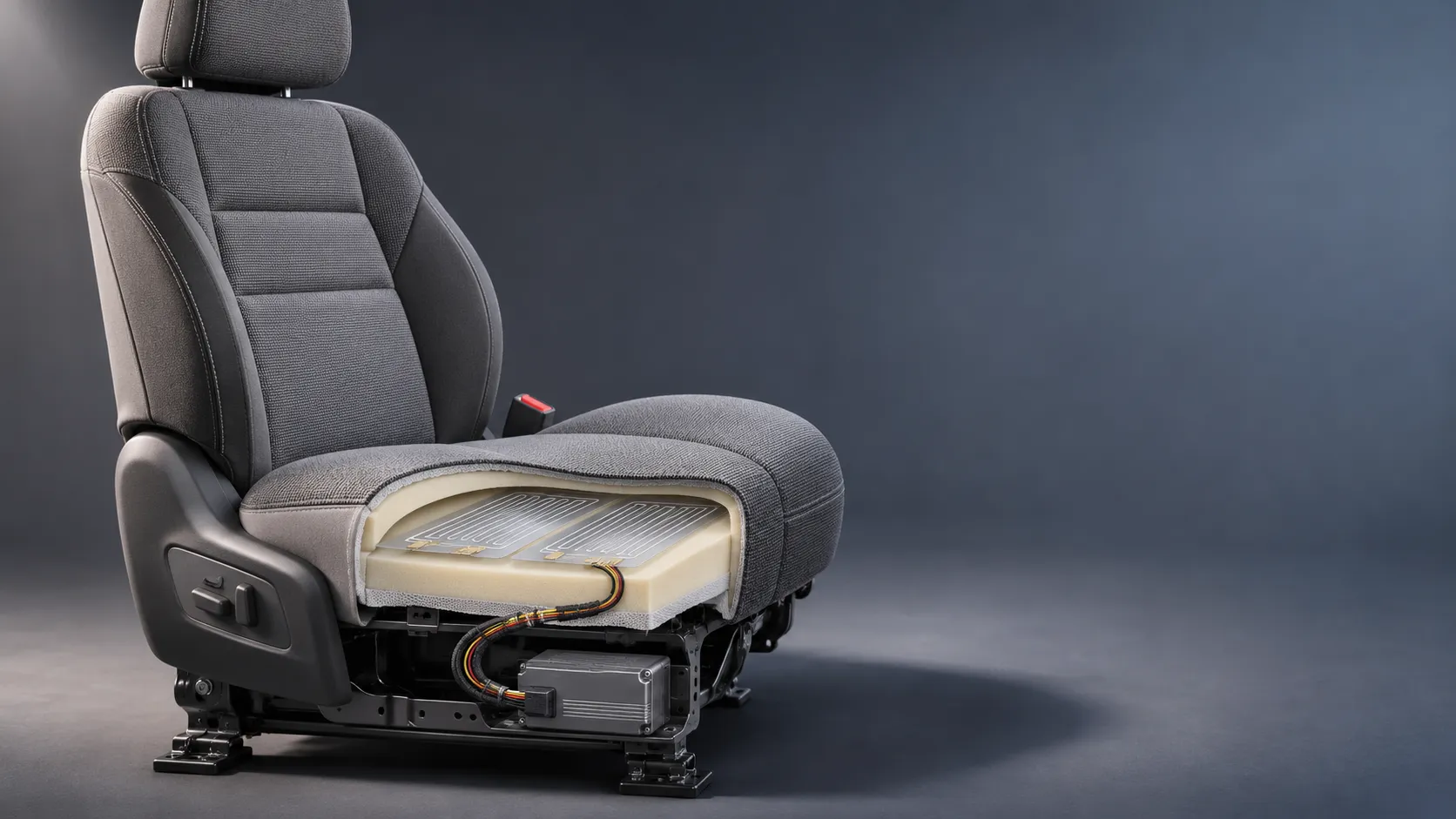
How Capacitive Seat Occupancy Sensing Works in Automotive Airbag Systems
Discover how capacitive seat occupancy sensing supports automotive airbag systems, and explore the design, calibration, and validation challenges behind reliable performance.
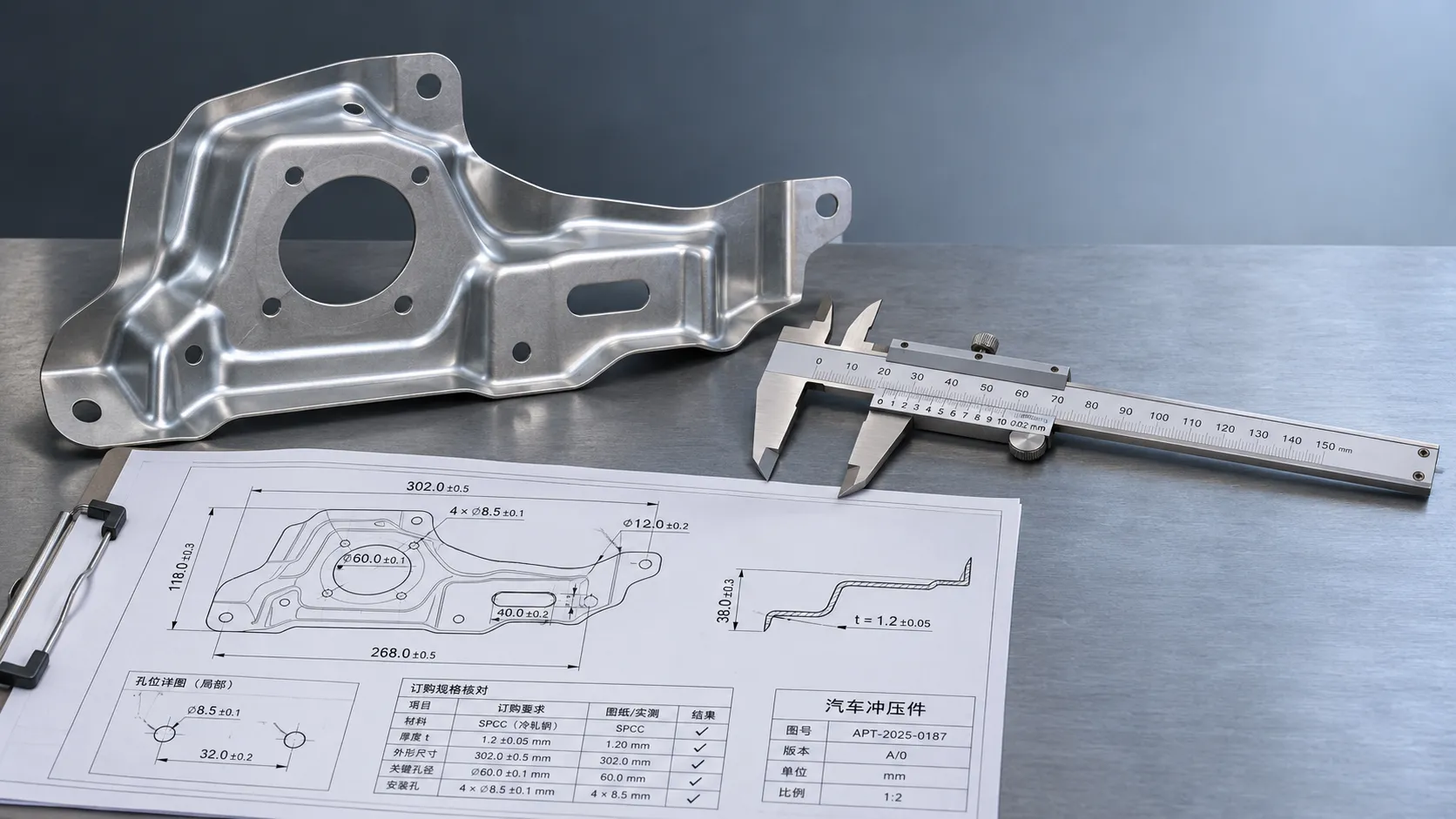
Industrial Product References: How to Verify Specs Before Ordering
Use an industrial product reference for procurement to verify specs, compatibility, and certifications before ordering—and reduce costly purchasing risks.
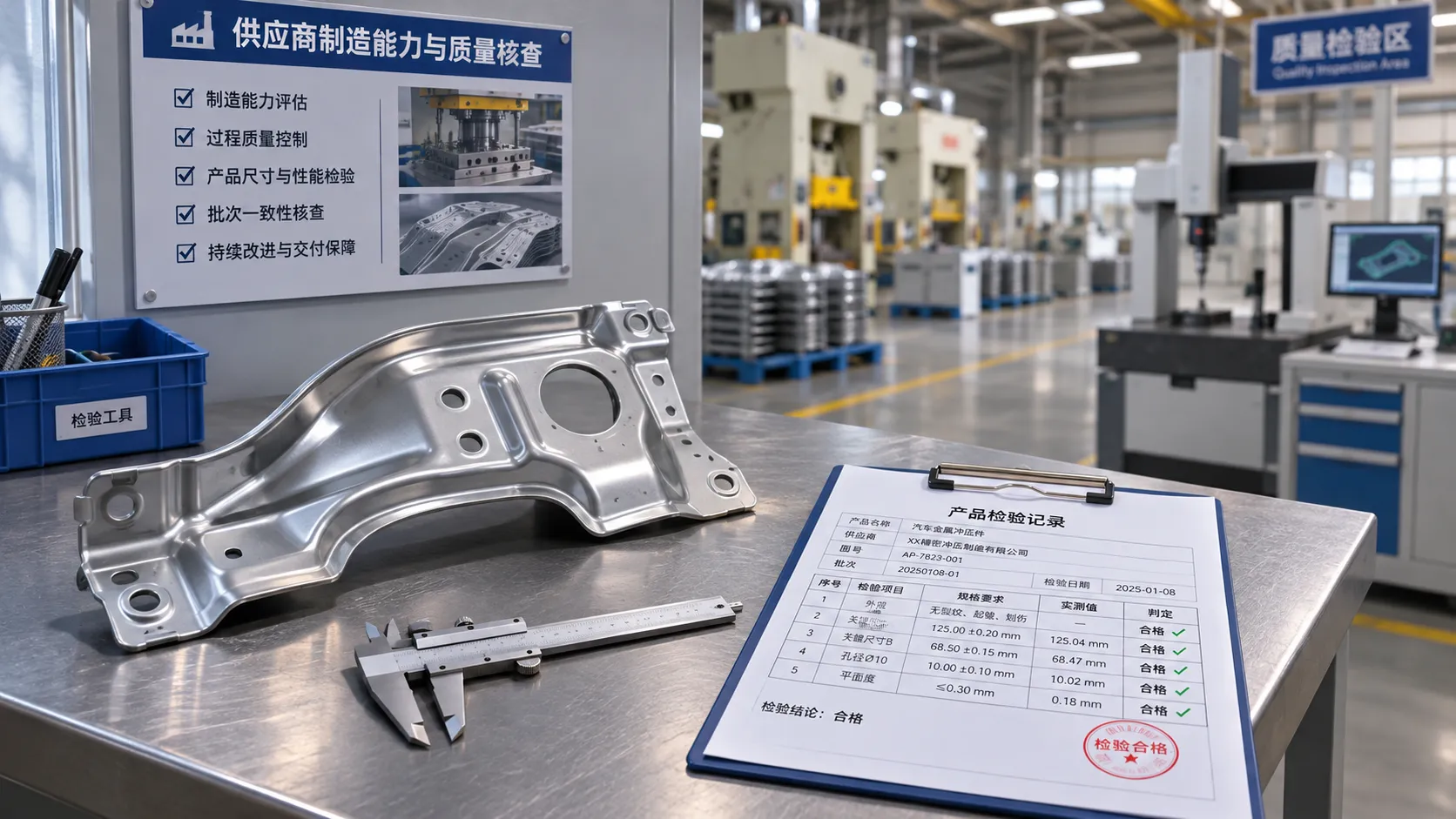
Choosing a Private Label Partner in Europe: Key Supplier Criteria
Private label cooperation Europe buyers can trust starts with the right supplier. Explore key criteria for compliance, quality, traceability and supply resilience.

Integrated Cabin Comfort Systems: How Seat and Cabin Climate Controls Work Together
Discover how integrated cabin comfort systems coordinate seat and climate controls to balance occupant comfort, energy use, safety, and performance.
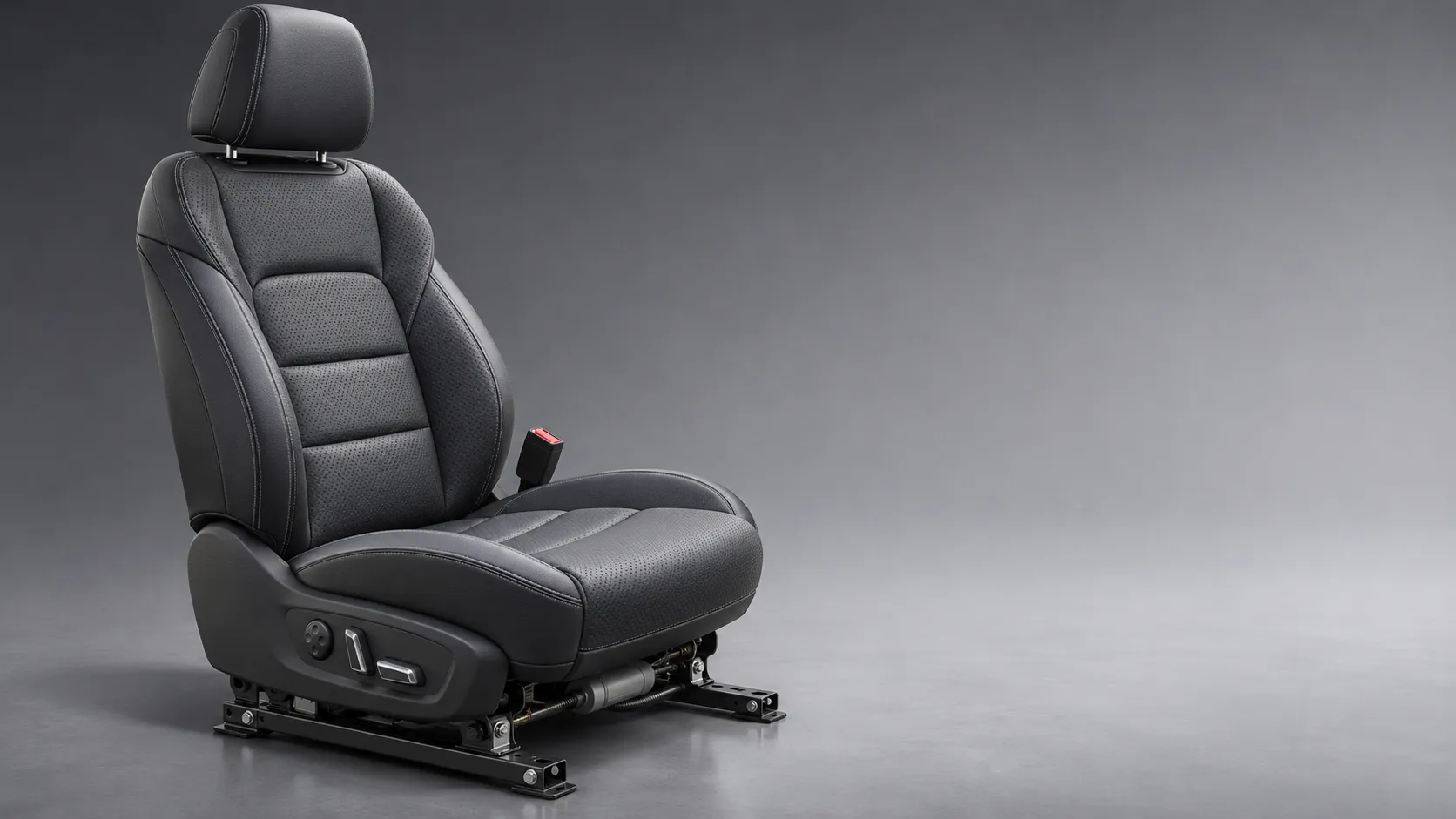
Automotive Ergonomics Pricing: What Drives Seat System Costs?
Discover what drives automotive ergonomics pricing, from seat mechanisms and safety systems to tooling and volume, and learn how to compare supplier quotes.

Evaluating Supplier Solutions: How to Verify References and Standards
Supplier solution references and standards can make or break a sourcing decision. Learn how to verify claims, assess compliance, and reduce risk before awarding a contract.
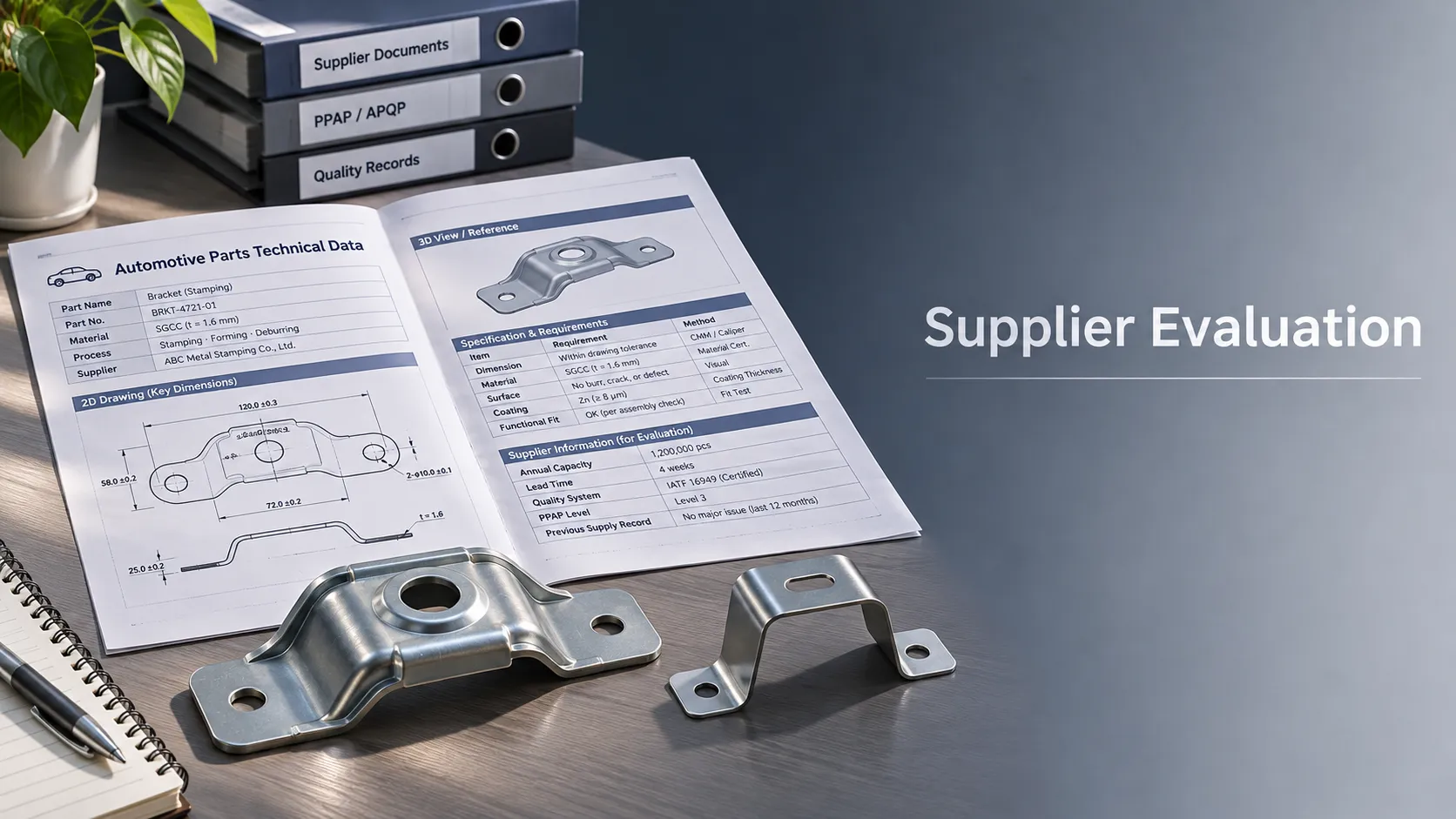
Choosing B2B Product Knowledge Platform Suppliers: Key Evaluation Criteria
Compare B2B product knowledge platform suppliers with confidence. Explore key criteria for data accuracy, supplier transparency, integrations, and value.
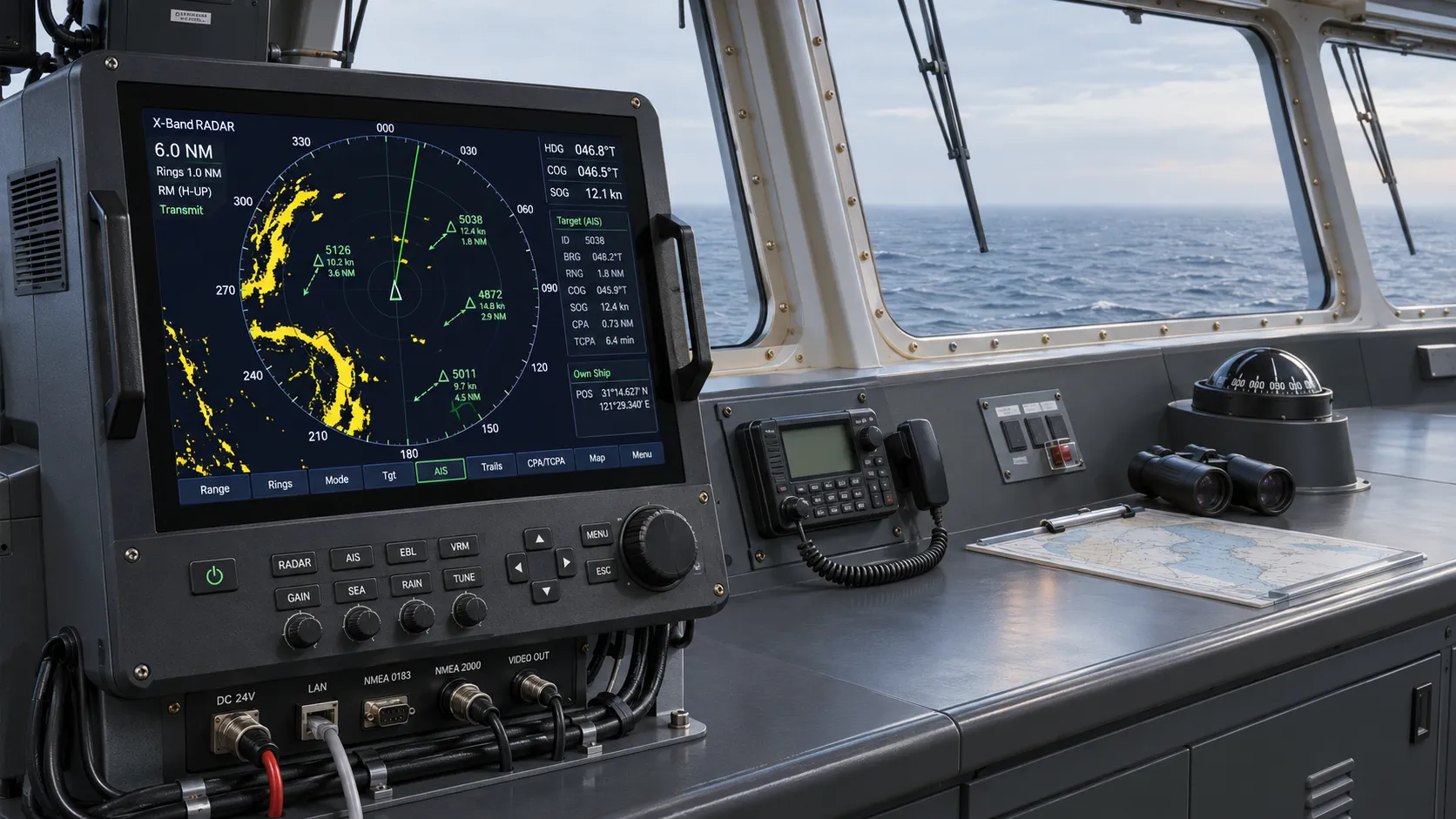
Choosing a Marine Radar Systems Supplier: What to Check Before Buying
Choosing a marine radar systems supplier? Compare installed costs, bridge compatibility, compliance evidence, and service support before you buy.
Related News
- 00
0000-00
How to Evaluate Supplier Solution References Before Signing a Contract - 00
0000-00
Industrial Product References: How to Verify Specs Before Ordering - 00
0000-00
Choosing a Private Label Partner in Europe: Key Supplier Criteria - 00
0000-00
Automotive Ergonomics Pricing: What Drives Seat System Costs? - 00
0000-00
Evaluating Supplier Solutions: How to Verify References and Standards
0000-00
Weekly Insights
Stay ahead with our curated technology reports delivered every Monday.