
Choosing Smart Maritime Safety Solutions for Collision Avoidance
Choosing smart maritime safety solutions requires more than comparing sensor specifications. Evaluators must assess how radar, AIS, positioning, and electronic charts support timely decisions.
The strongest choice is not necessarily the system with the most features. It is the one that performs reliably in the vessel’s operating environment and supports bridge crews without obscuring uncertainty.
This guide examines integration, performance, and compliance considerations for collision avoidance, helping maritime teams assess solutions against their vessels, operating environments, and safety objectives.
Start With the Collision Risks the Vessel Actually Faces
Before approaching suppliers, define where the vessel operates, what traffic it encounters, and which situations place the greatest demands on the bridge team.
A coastal tanker entering congested ports faces different problems from an offshore support vessel maneuvering near installations or a ferry making frequent crossings in restricted visibility.
Document typical and worst-case conditions: traffic density, waterways, weather, sea state, visibility, available maneuvering room, and the vessel’s speed and stopping characteristics.
Include small craft, fishing activity, crossing traffic, stationary hazards, and vessels with unreliable or unavailable identification data in the assessment of operational exposure.
Translate these scenarios into measurable requirements. For example, specify detection and tracking expectations for relevant targets at distances that leave enough time for assessment and maneuvering.
Avoid setting one universal detection range without considering target size, sensor height, environmental clutter, vessel speed, and the practical time needed to take effective action.
Assess Detection Performance Beyond Published Range
Radar is central to collision avoidance because it can detect targets independently of their willingness or ability to transmit identification data. Its performance, however, varies with conditions.
Ask suppliers for evidence of detection and tracking performance against target types relevant to your routes, including small vessels, low-profile objects, and targets near shore.
Review how sea clutter, rain, antenna placement, blind sectors, interference, and target aspect affect results. A maximum range figure alone does not establish operational usefulness.
Automatic radar plotting aid functions can estimate target motion and collision risk, but their outputs depend on accurate inputs, stable tracking, and sufficient observation time.
Evaluate target acquisition, track continuity, update rates, and the system’s handling of close targets. Ask how it indicates lost tracks and unreliable motion estimates.
Where optical cameras, infrared sensors, or other technologies are proposed, request scenario-specific evidence of their contribution and limitations, particularly in darkness, fog, glare, and heavy rain.
Understand What AIS Adds and What It Cannot Guarantee
AIS can provide identity, position, course, speed, and other vessel information, making it valuable for recognizing traffic and coordinating with nearby ships.
However, AIS data may be absent, delayed, incorrect, or intentionally manipulated. Not every relevant target carries or transmits AIS, and transmission intervals vary.
Assess whether the system clearly distinguishes AIS reports from radar tracks and shows the age and quality of each information source when that data is available.
Target association deserves particular scrutiny. Incorrectly merging an AIS report with the wrong radar track can create a persuasive but misleading picture for the operator.
Ask how the system handles conflicting positions, duplicated identities, lost transmissions, and track separation. Operators should be able to identify discrepancies without navigating several screens.
During trials, include a non-transmitting target and a deliberately delayed or inconsistent AIS feed where safe and practical. Observe whether the display preserves uncertainty.
Check Positioning, Heading, and Chart Integration
Collision-risk calculations are only as dependable as their inputs. Position, speed, heading, and time errors can distort the relationship between own ship and surrounding traffic.
Identify the sources supplying GNSS position, heading, speed through water, and speed over ground. Confirm how each source is selected, monitored, and replaced after failure.
Ask how the system detects stale data, invalid inputs, and disagreements between sensors. A visible warning should accompany degraded information rather than silently presenting normal operation.
Electronic chart displays add geographic context, including coastlines, navigational hazards, and route information. They do not replace independent observation or turn chart accuracy into target accuracy.
If integration with ECDIS is proposed, verify supported interfaces, chart update arrangements, display behavior, and whether the installation preserves required ECDIS functions and approvals.
Review how radar and AIS overlays are aligned with the chart. Test for offsets after changes in heading, sensor selection, scale, and relevant display settings.
GNSS interference and spoofing are practical resilience concerns. Evaluate available monitoring and alternative inputs, while recognizing that no single alert guarantees detection of every attack.
Evaluate Collision-Risk Logic and Bridge Workload
Closest point of approach and time to closest point of approach are useful indicators, but they are estimates based on available motion data and assumptions.
In maneuvering traffic, those estimates can change quickly. Ask how the system updates predictions, handles uncertain tracks, and communicates the limits of its calculations.
Review whether alert thresholds can be configured for operating context, vessel characteristics, and company procedures. Excessively sensitive settings can overwhelm crews; permissive settings can delay action.
Test alert presentation across visual and audible channels. Operators should be able to identify the target, understand the reason for the alert, and acknowledge it promptly.
Alarm management matters as much as alert generation. Examine prioritization, suppression rules, escalation, and behavior when multiple targets simultaneously exceed configured risk thresholds.
Any proposed maneuver advice should be assessed against applicable collision regulations and local conditions. A recommendation is decision support, not a substitute for bridge judgment.
Ask whether the system explains the data and assumptions behind a recommendation and how it behaves when information is incomplete or other vessels maneuver unexpectedly.
Verify Integration With Existing Bridge Equipment
Integration risk often determines whether a technically capable product delivers value. Build an inventory of installed sensors, displays, interfaces, software versions, and available network connections.
Request an interface matrix identifying every data source, protocol, update rate, responsible supplier, and expected behavior when a connection is interrupted or data becomes invalid.
Compatibility claims should be demonstrated against actual equipment and configurations. Shared use of a marine data standard does not guarantee that every message or function is supported.
Pay particular attention to legacy equipment, proprietary interfaces, gateway conversions, and synchronization. These can introduce latency, restrict functionality, or create dependencies on additional suppliers.
Map critical data paths and identify single points of failure. Consider whether redundant sensors remain genuinely independent when they share power supplies, gateways, or network switches.
Agree on acceptance criteria before installation, including source selection, data quality indicators, failover behavior, alarm routing, and recovery after power or network interruption.
For retrofit projects, include physical constraints such as antenna placement, cable routes, bridge visibility, electrical capacity, and the time a vessel can be unavailable.
Confirm Compliance Without Treating It as a Performance Guarantee
Begin with the vessel’s flag, type, size, trading area, and applicable carriage requirements. Confirm the relevant obligations with the flag administration and classification society.
Depending on the vessel and equipment, applicable requirements may arise under SOLAS, the International Regulations for Preventing Collisions at Sea, and relevant IMO performance standards.
Request current type approval certificates where required, including their scope, conditions, hardware and software versions, and any limitations on the approved configuration.
Distinguish approved navigational equipment from an additional decision-support application. An auxiliary tool may add useful information without satisfying mandatory carriage or equipment performance requirements.
Check whether integration, software changes, or replacement components affect approval or require review by the flag administration, classification society, or equipment manufacturer.
Compliance establishes an important baseline, but it does not prove that a configuration performs well in your specific traffic, environmental conditions, and bridge procedures.
Test Cybersecurity and Operational Resilience
Connected navigation systems expand the attack surface through remote access, software updates, maintenance connections, and links between operational technology and other shipboard networks.
Ask suppliers to describe network boundaries, access controls, authentication, logging, vulnerability handling, and support for secure updates. Confirm who administers each control after delivery.
Review remote maintenance arrangements carefully: connection approval, session visibility, access duration, incident response contacts, and the ability to disconnect without disabling essential navigation functions.
Include loss of network connectivity, corrupted data, sensor failure, and power interruption in resilience testing. Verify what remains available locally and how operators recognize degraded operation.
Obtain a documented update policy covering validation, rollback, notification of security issues, and support duration. Clarify how updates are coordinated with approvals and vessel schedules.
Use the company’s maritime cyber risk management processes to assess the complete installation, not just the supplier’s application or an isolated component.
Run a Structured Trial Before Making the Decision
Supplier demonstrations are most useful when they reproduce operational scenarios and expose limitations. Agree on test cases, measurement methods, and pass criteria before the trial.
Include crossing and overtaking traffic, small targets, clutter, restricted visibility, target loss, inconsistent sensor inputs, and alert saturation where these can be tested safely.
Use simulator testing or controlled data playback for hazardous situations that cannot reasonably be reproduced at sea. Record the source and limitations of test data.
During sea trials, compare system behavior with independent observations and relevant sensor outputs. Record track acquisition, continuity, alert timing, false alerts, and operator interventions.
Involve bridge officers, technical staff, and shore support. Their observations reveal whether information is understandable under workload and whether faults can be diagnosed in service.
Document failures and unresolved discrepancies, then require corrective action and retesting. A successful demonstration should show both normal performance and predictable degraded behavior.
Compare Suppliers on Lifecycle Value
Purchase price is only one part of the decision. Estimate installation, integration, training, maintenance, software subscriptions, communications, spares, and replacement costs over the intended service life.
Ask for clear ownership of interfaces and data, service response commitments, spare-parts availability, and escalation procedures when several vendors contribute to the integrated bridge.
Consider fleet standardization benefits, but account for differences between vessel classes. A common platform is valuable only when its configuration fits each vessel’s operational risks.
Score proposals against weighted requirements established before reviewing prices. Give particular weight to demonstrated performance, human factors, integration, resilience, compliance, and support.
Keep mandatory requirements separate from desirable features. A product should not compensate for a critical detection, approval, or failure-handling gap with attractive secondary functions.
Conclusion: Choose Evidence Over Feature Count
The best smart maritime safety solutions combine dependable detection, clear presentation, resilient integration, and decision support suited to the vessel’s actual operating conditions.
Technical evaluators should prioritize documented limitations, realistic trials, and verifiable compliance. The result is a selection that helps bridge teams recognize risk and act with confidence.
Related News

How to Evaluate Supplier Solution References Before Signing a Contract
Evaluate supplier solution references with confidence. Learn how to verify technical evidence, identify delivery risks, and close gaps before signing a contract.

How Capacitive Seat Occupancy Sensing Works in Automotive Airbag Systems
Discover how capacitive seat occupancy sensing supports automotive airbag systems, and explore the design, calibration, and validation challenges behind reliable performance.
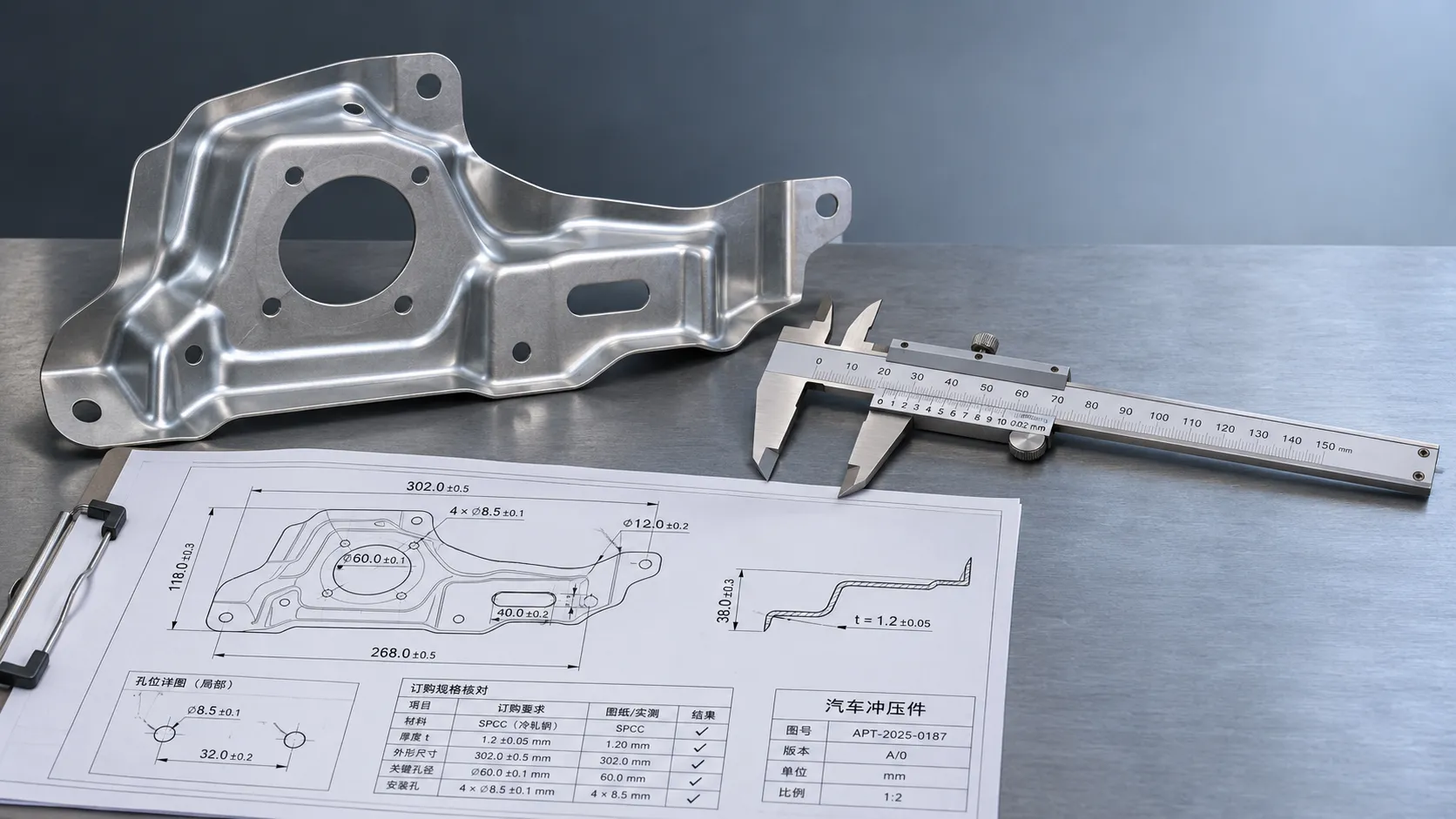
Industrial Product References: How to Verify Specs Before Ordering
Use an industrial product reference for procurement to verify specs, compatibility, and certifications before ordering—and reduce costly purchasing risks.

Choosing a Private Label Partner in Europe: Key Supplier Criteria
Private label cooperation Europe buyers can trust starts with the right supplier. Explore key criteria for compliance, quality, traceability and supply resilience.

Integrated Cabin Comfort Systems: How Seat and Cabin Climate Controls Work Together
Discover how integrated cabin comfort systems coordinate seat and climate controls to balance occupant comfort, energy use, safety, and performance.

Automotive Ergonomics Pricing: What Drives Seat System Costs?
Discover what drives automotive ergonomics pricing, from seat mechanisms and safety systems to tooling and volume, and learn how to compare supplier quotes.

Evaluating Supplier Solutions: How to Verify References and Standards
Supplier solution references and standards can make or break a sourcing decision. Learn how to verify claims, assess compliance, and reduce risk before awarding a contract.
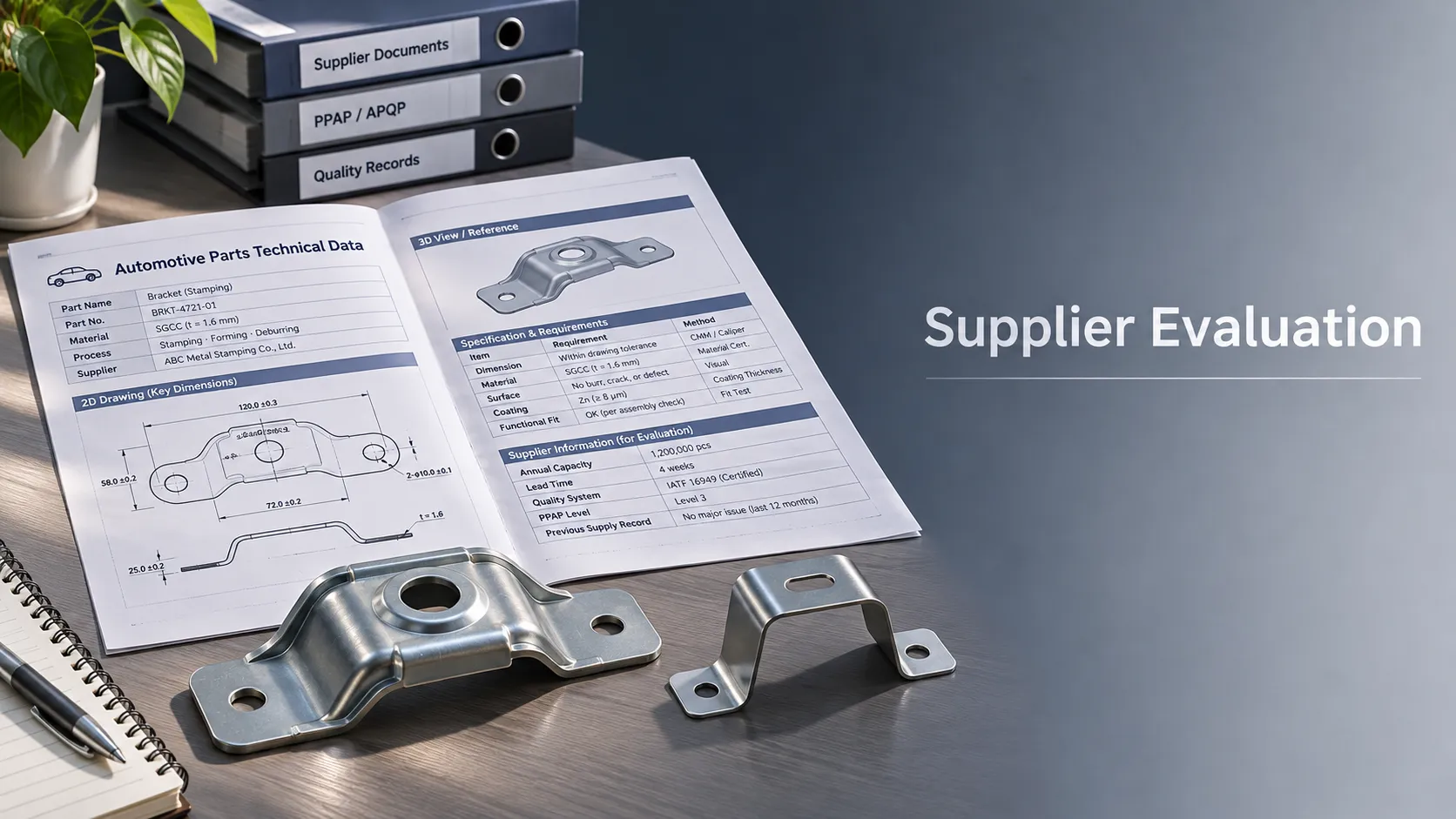
Choosing B2B Product Knowledge Platform Suppliers: Key Evaluation Criteria
Compare B2B product knowledge platform suppliers with confidence. Explore key criteria for data accuracy, supplier transparency, integrations, and value.
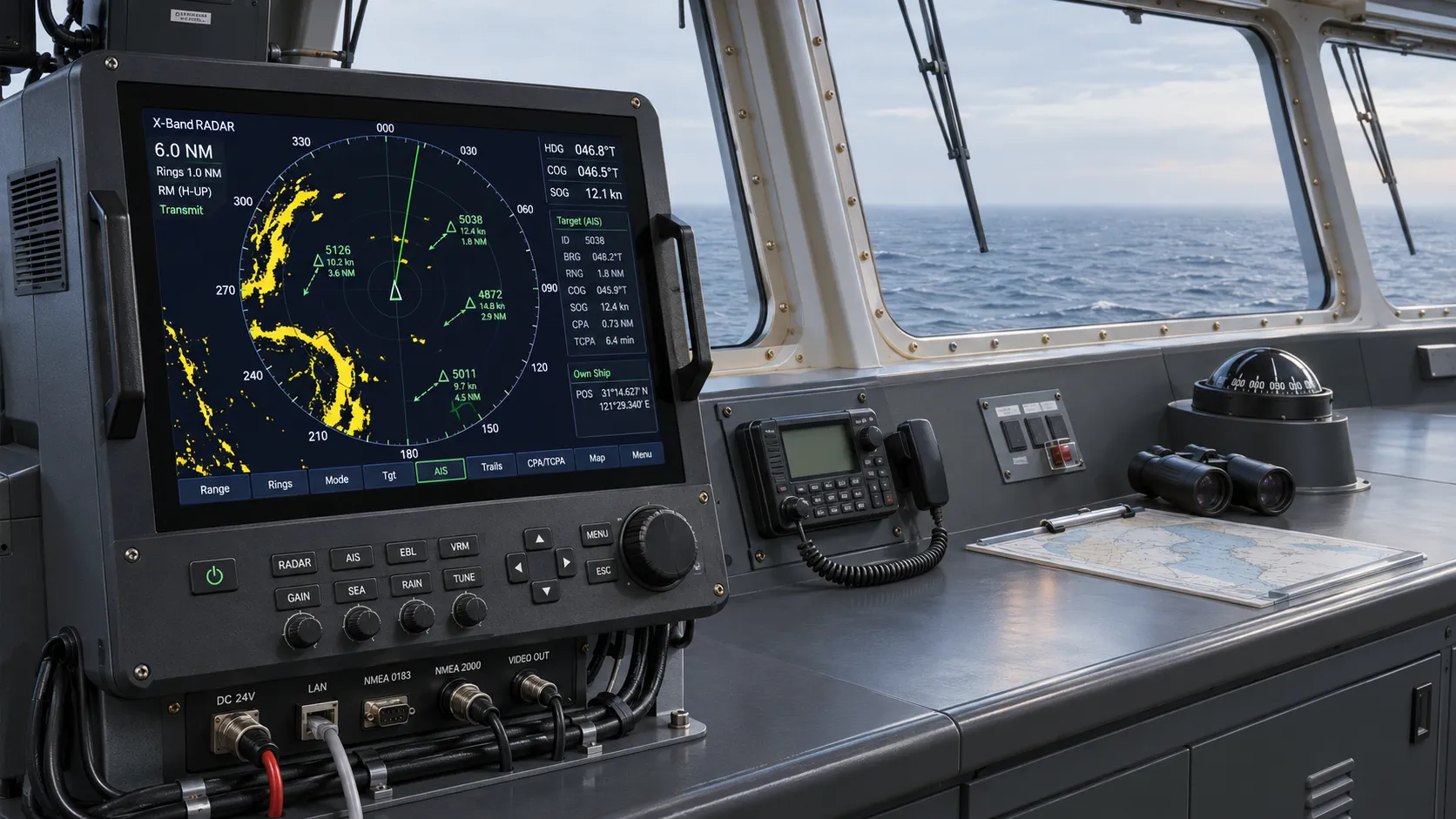
Choosing a Marine Radar Systems Supplier: What to Check Before Buying
Choosing a marine radar systems supplier? Compare installed costs, bridge compatibility, compliance evidence, and service support before you buy.
Related News
- 00
0000-00
How to Evaluate Supplier Solution References Before Signing a Contract - 00
0000-00
Industrial Product References: How to Verify Specs Before Ordering - 00
0000-00
Choosing a Private Label Partner in Europe: Key Supplier Criteria - 00
0000-00
Automotive Ergonomics Pricing: What Drives Seat System Costs? - 00
0000-00
Evaluating Supplier Solutions: How to Verify References and Standards
0000-00
Weekly Insights
Stay ahead with our curated technology reports delivered every Monday.