
Automotive Occupant Protection Parts: How Airbags and Seatbelts Work Together
During a sudden frontal collision, a vehicle can slow much faster than the people inside it. A seatbelt helps restrain an occupant and control forward movement; an airbag provides a supplemental surface that helps distribute loads as the occupant moves toward it. Neither part is designed to deliver its intended protection in isolation.
These automotive occupant protection parts work through coordinated sensing, restraint and energy management. Their effectiveness depends not only on whether an airbag deploys, but also on belt use, seating position, crash direction and the design of the vehicle’s restraint system.
What happens to an occupant during a crash?
Before impact, the vehicle and its occupants are traveling at approximately the same speed. When the vehicle decelerates abruptly, an occupant continues moving relative to the cabin. Without effective restraint, that movement can bring the person into contact with the steering wheel, dashboard, windshield or other interior structures.
A properly worn belt connects the occupant to the vehicle so that deceleration can be managed over a longer period and across stronger areas of the body. The airbag, when deployed in an applicable crash, adds a deformable surface between the occupant and parts of the cabin. Together, they help manage both movement and the forces acting on the body.
This does not mean that restraint systems prevent all injury. Crash severity, the area struck, intrusion into the passenger compartment and individual occupant characteristics all influence the outcome. The protective role of the belt and airbag is to reduce risk within the conditions for which they are designed.
The seatbelt starts the restraint process
A three-point seatbelt typically combines a lap belt and a shoulder belt. The lap section is intended to bear against the pelvis, while the shoulder section crosses the chest and shoulder. Correct routing matters because belt loads need to be transferred through the body in a controlled way. A lap belt resting high on the abdomen, or a shoulder belt placed behind the back, changes that load path and can increase injury risk.
The retractor normally allows the webbing to extend and retract as the occupant moves. Its locking mechanism can restrict further webbing payout under conditions such as rapid belt movement or vehicle deceleration, depending on its design. The locked belt helps limit the occupant’s travel relative to the seat and cabin.
Pretensioners remove slack
A pretensioner is a device that rapidly tightens part of the belt system when triggered in a qualifying crash. Depending on the vehicle, it may act at the retractor, buckle or another belt anchorage. Its purpose is to reduce slack and help the belt engage the occupant earlier in the event.
A pretensioner is not a substitute for wearing the belt snugly. A twisted belt, heavy slack or incorrect routing can affect how the restraint performs before and during a collision. Deployment conditions also vary: a pretensioner may activate in some events without every airbag deploying, and not every seating position has the same equipment.
Force limiters manage belt loading
As the restrained occupant continues moving, belt force rises. A force limiter is designed to allow controlled belt payout or deformation after a specified load is reached. This can help limit peak loading on the chest while still providing restraint.
Controlled payout also permits additional occupant movement. That is one reason the belt and frontal airbag must be designed as a system: the airbag can help support the head and upper body as the belt manages the torso. The exact balance depends on the vehicle, seating position and crash conditions; a force limiter is not simply a belt that has become loose.
Airbags supplement the belt rather than replace it
An airbag assembly generally includes a folded cushion, an inflator, a housing or cover, and electrical connections to the restraint control system. When the system commands deployment, the inflator produces gas to fill the cushion. The cushion then vents or allows gas to escape in a controlled manner as it interacts with the occupant.
For a belted occupant in a suitable frontal crash, the front airbag helps reduce direct contact with hard interior surfaces and spreads some of the loading over a larger area. The belt helps position the occupant so that the cushion can interact with the body as intended. An unbelted or poorly positioned occupant may move too far or reach the deploying cushion at an unfavorable angle.
Airbags are not soft pillows that remain inflated after a crash. They deploy rapidly and begin losing gas as they absorb energy. Because deployment itself involves considerable force, sitting too close to an airbag or leaning into its deployment path can also create a risk of injury.
Different airbags address different directions
Front airbags primarily address certain frontal and near-frontal crashes. Side torso airbags are designed for certain side impacts, while curtain airbags may help protect the head in applicable side-impact events; some are also designed to deploy in qualifying rollovers. Knee airbags and other configurations may be present in particular vehicles.
These devices do not all deploy in the same collision. A front airbag remaining undeployed after a side impact, for example, does not by itself establish that the system failed. The relevant question is whether the crash conditions met the deployment criteria for that specific system and seating position.
From impact sensing to occupant contact
A restraint control module evaluates signals from sensors that detect vehicle motion and, in some designs, information about the impact location or occupant. It decides whether to command available restraint devices based on the vehicle’s programmed deployment criteria. The decision is made during the crash, before an observer could assess damage or describe what happened.
In a qualifying frontal event, the sequence can be understood in broad terms:
- Detection: Sensors provide information about the vehicle’s deceleration and other relevant crash conditions to the control module.
- Restraint activation: The module may trigger belt pretensioners and applicable airbags. Activation timing and which devices deploy depend on the system and event.
- Occupant motion: The belt restrains the body, while an inflated airbag provides a surface for the head and upper body when their paths bring them into contact with it.
- Energy management: Belt force limiting and airbag venting, where fitted, help manage loads as the occupant slows relative to the vehicle.
The actual sequence is not identical in every vehicle. Some systems use staged or adaptive airbag deployment, occupant classification or seat-position information. Equipment and control strategies vary, and the vehicle documentation is the appropriate source for identifying what a particular seating position contains.
Why visible damage does not tell the whole story
After a collision, it is tempting to judge restraint performance from a damaged bumper or an undeployed airbag. Visible damage alone cannot show the acceleration experienced by the sensors, the duration and direction of the impact, or whether the occupant compartment experienced conditions associated with deployment.
A crash can deform exterior components without producing the conditions required for a particular airbag to deploy. Conversely, a severe impact to a stiff part of the vehicle can generate a crash pulse that calls for deployment even when the damage is not easy to interpret at a glance. Airbags are also not intended to deploy in every low-severity event; deploying unnecessarily introduces its own risks and replacement requirements.
This distinction matters when evaluating a vehicle after an incident. The correct assessment considers the type of impact, the restraint system’s warning indicators and the manufacturer’s inspection procedures—not a visual comparison with another vehicle’s damage.
Everyday positioning affects the system’s opportunity to protect
The restraint system is engineered around an occupant being reasonably positioned in the seat. Sitting upright with the back against the seatback helps the belt fit and supports predictable interaction with an airbag. The lap belt should lie low and snug across the hips, and the shoulder belt should cross the center of the chest and shoulder rather than the neck or upper arm.
Reclining excessively can change the belt’s relationship to the pelvis and torso. Leaning against a door, resting feet on the dashboard or placing an object between the body and an airbag can similarly interfere with intended movement or deployment. Drivers should maintain a practical distance from the steering wheel while still being able to control the vehicle, following the vehicle manufacturer’s guidance.
Children require restraint appropriate to their size and development. A rear-facing child restraint must not be placed in front of an active frontal airbag. Use the child restraint and vehicle instructions to determine suitable seating positions, installation methods and any applicable airbag deactivation provisions.
Recognizing when a restraint system needs attention
A warning lamp for the airbag or supplemental restraint system can indicate a fault in a component, circuit or related sensor. It does not identify the failed part on its own, and a fault may affect deployment or other restraint functions. If the lamp remains on or behaves unexpectedly, the system should be diagnosed using the vehicle manufacturer’s procedures.
Belts also need attention when webbing is cut, frayed, badly twisted or unable to retract, latch or release normally. Do not attempt to repair damaged webbing with household stitching or alter the buckle and anchorages. An apparently minor modification can change the way loads are carried in a crash.
After a collision, deployed airbags and activated pretensioners generally require replacement rather than resetting for reuse. Other components may also require inspection or replacement even when they look intact. The repair scope depends on the vehicle and the event, so a qualified repairer should follow the applicable manufacturer instructions and verify that the restraint system reports no relevant faults after repair.
Airbag modules and pretensioners contain devices that can deploy and cause injury if handled incorrectly. Avoid probing, disconnecting or dismantling restraint-system components without the specified training and procedures. A visually complete steering wheel, seat or belt assembly is not proof that the system behind it is operational.
Related News

How to Evaluate Supplier Solution References Before Signing a Contract
Evaluate supplier solution references with confidence. Learn how to verify technical evidence, identify delivery risks, and close gaps before signing a contract.
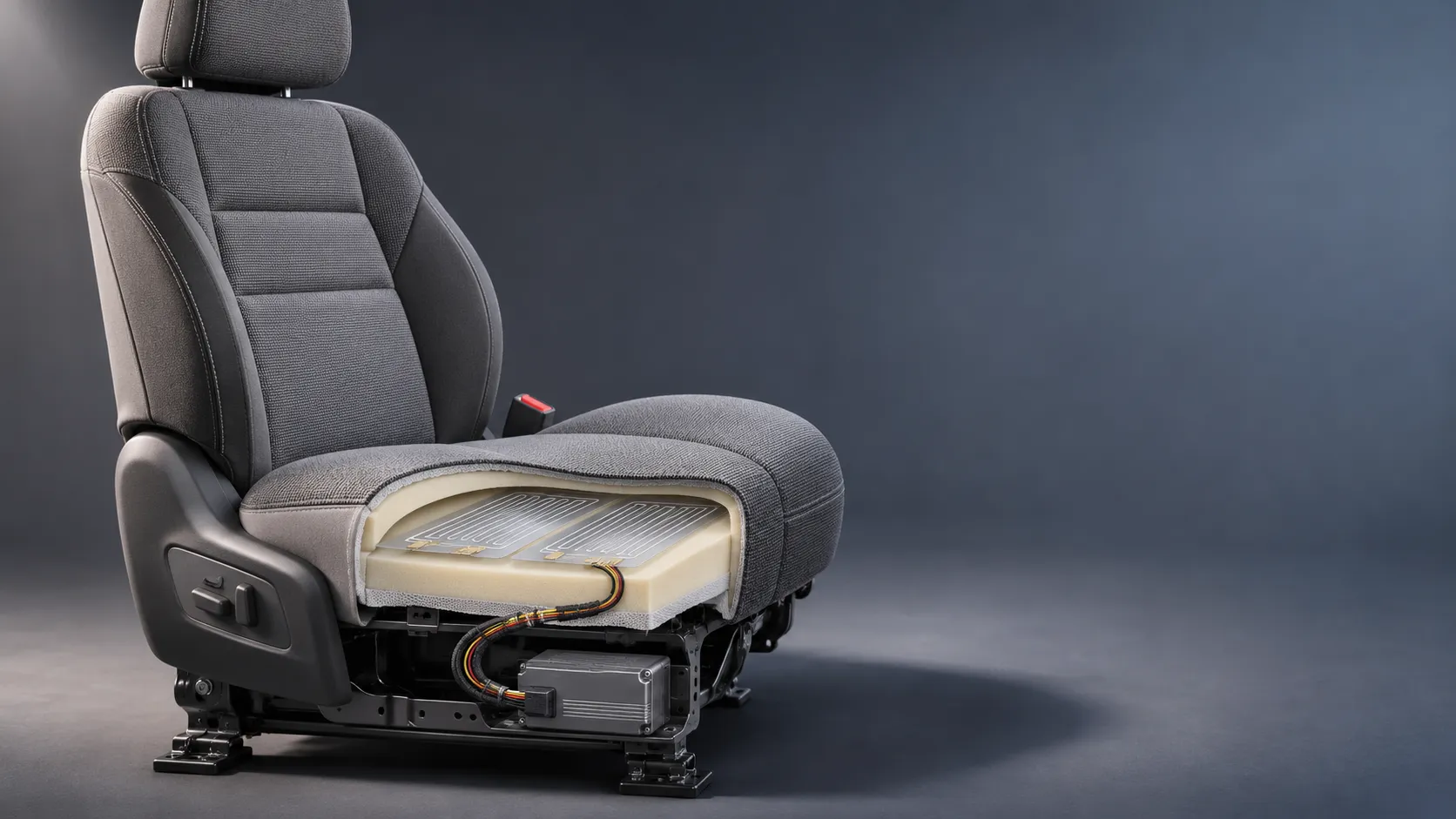
How Capacitive Seat Occupancy Sensing Works in Automotive Airbag Systems
Discover how capacitive seat occupancy sensing supports automotive airbag systems, and explore the design, calibration, and validation challenges behind reliable performance.
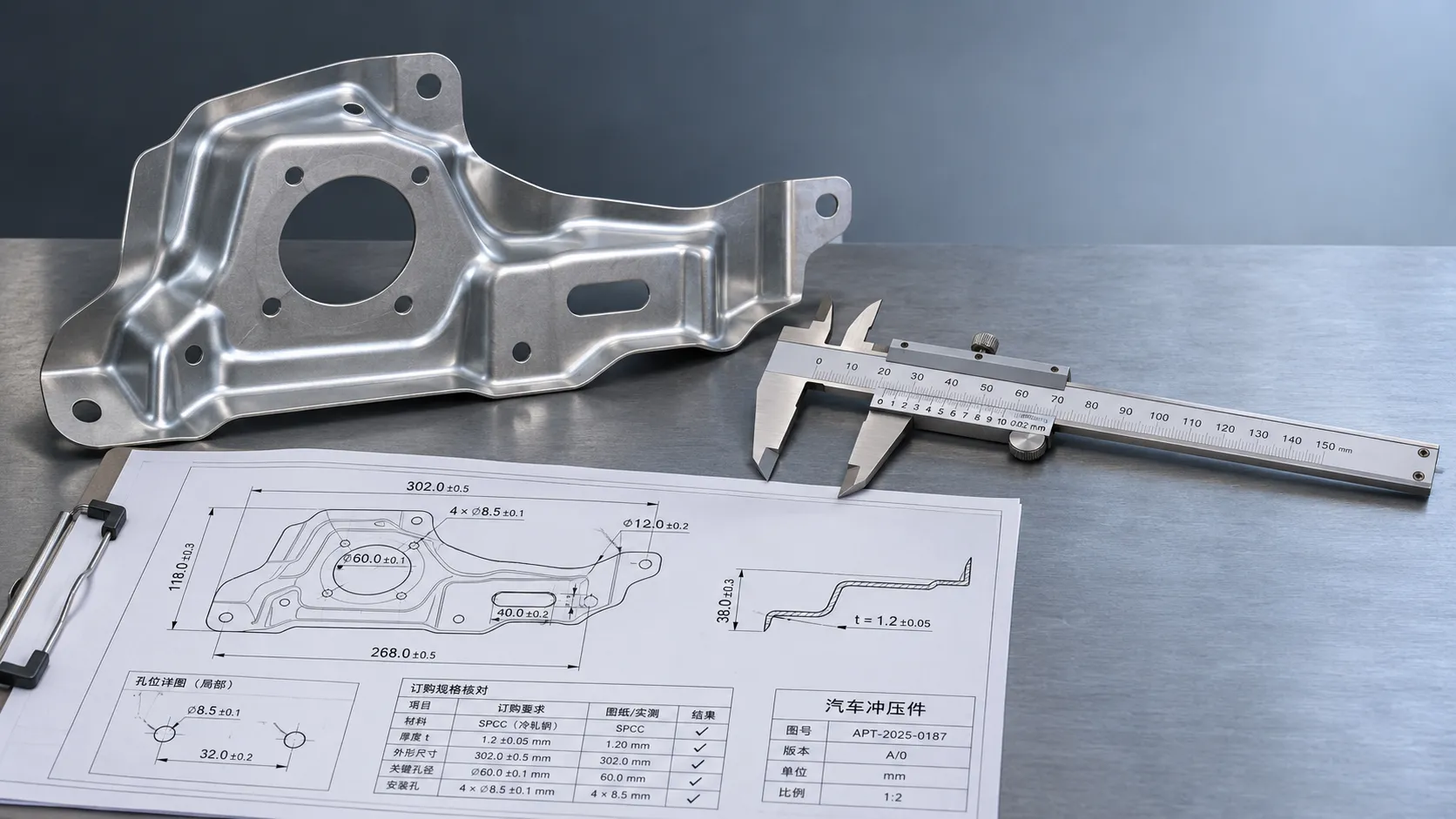
Industrial Product References: How to Verify Specs Before Ordering
Use an industrial product reference for procurement to verify specs, compatibility, and certifications before ordering—and reduce costly purchasing risks.
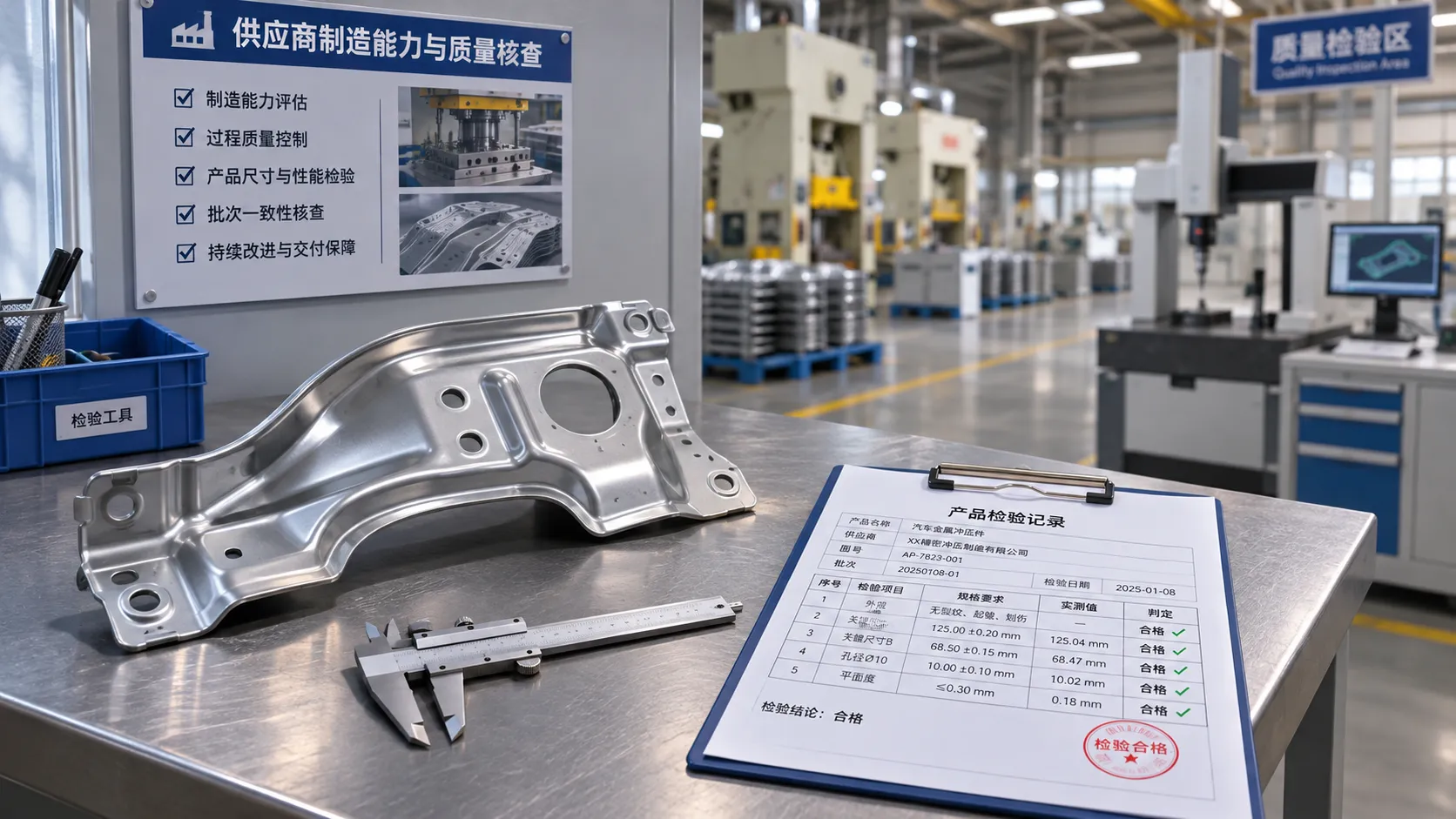
Choosing a Private Label Partner in Europe: Key Supplier Criteria
Private label cooperation Europe buyers can trust starts with the right supplier. Explore key criteria for compliance, quality, traceability and supply resilience.
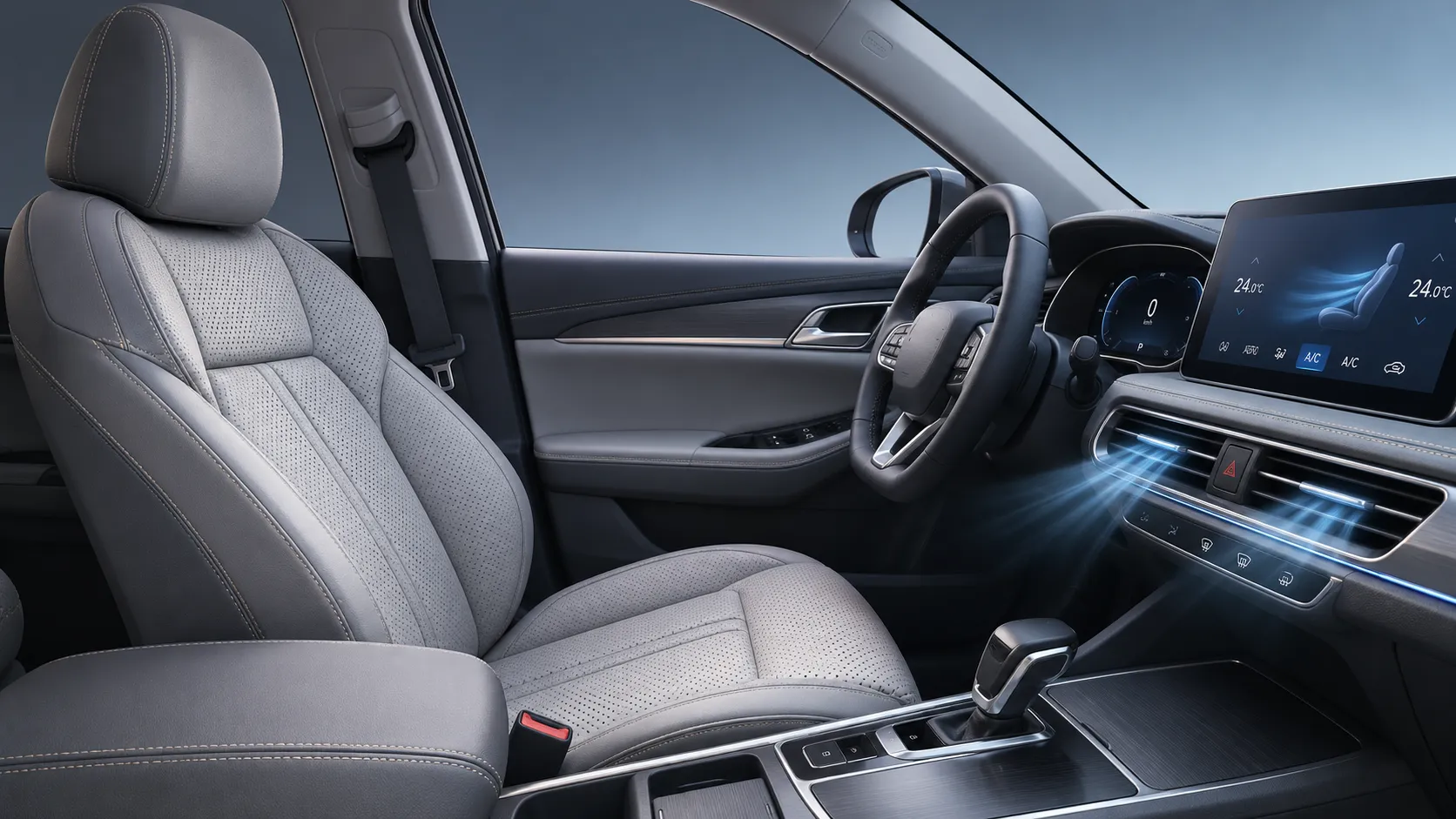
Integrated Cabin Comfort Systems: How Seat and Cabin Climate Controls Work Together
Discover how integrated cabin comfort systems coordinate seat and climate controls to balance occupant comfort, energy use, safety, and performance.
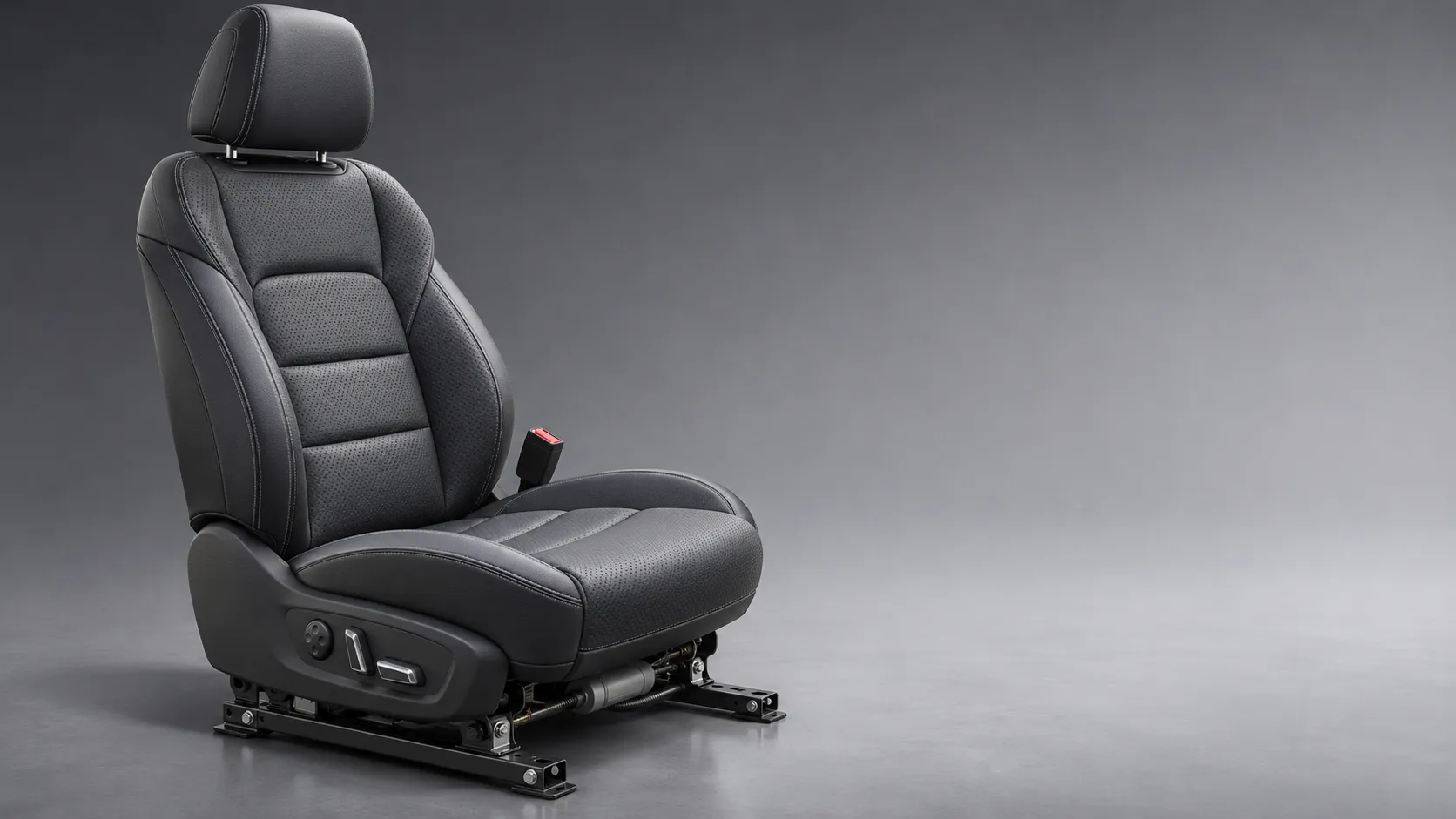
Automotive Ergonomics Pricing: What Drives Seat System Costs?
Discover what drives automotive ergonomics pricing, from seat mechanisms and safety systems to tooling and volume, and learn how to compare supplier quotes.
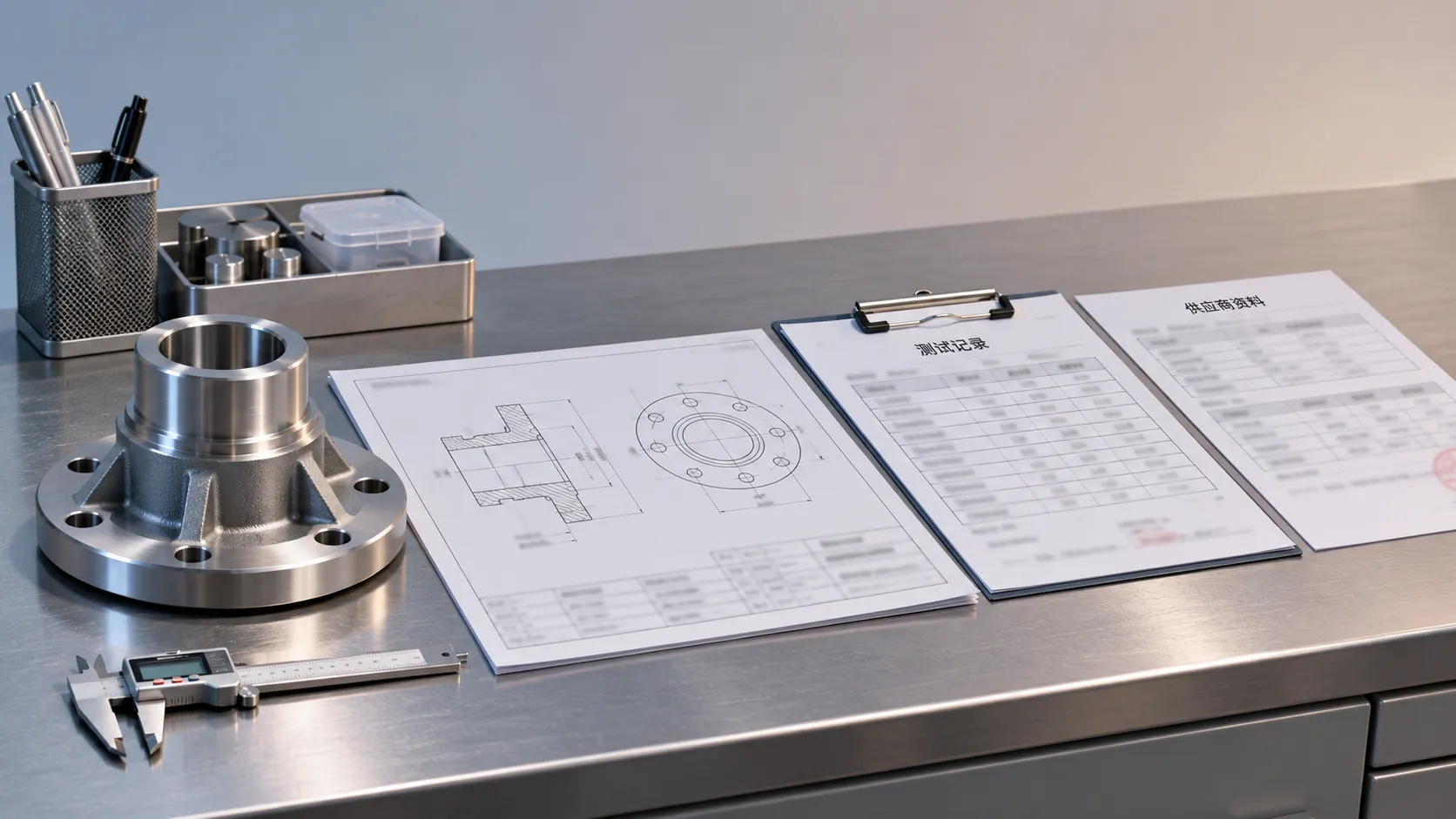
Evaluating Supplier Solutions: How to Verify References and Standards
Supplier solution references and standards can make or break a sourcing decision. Learn how to verify claims, assess compliance, and reduce risk before awarding a contract.
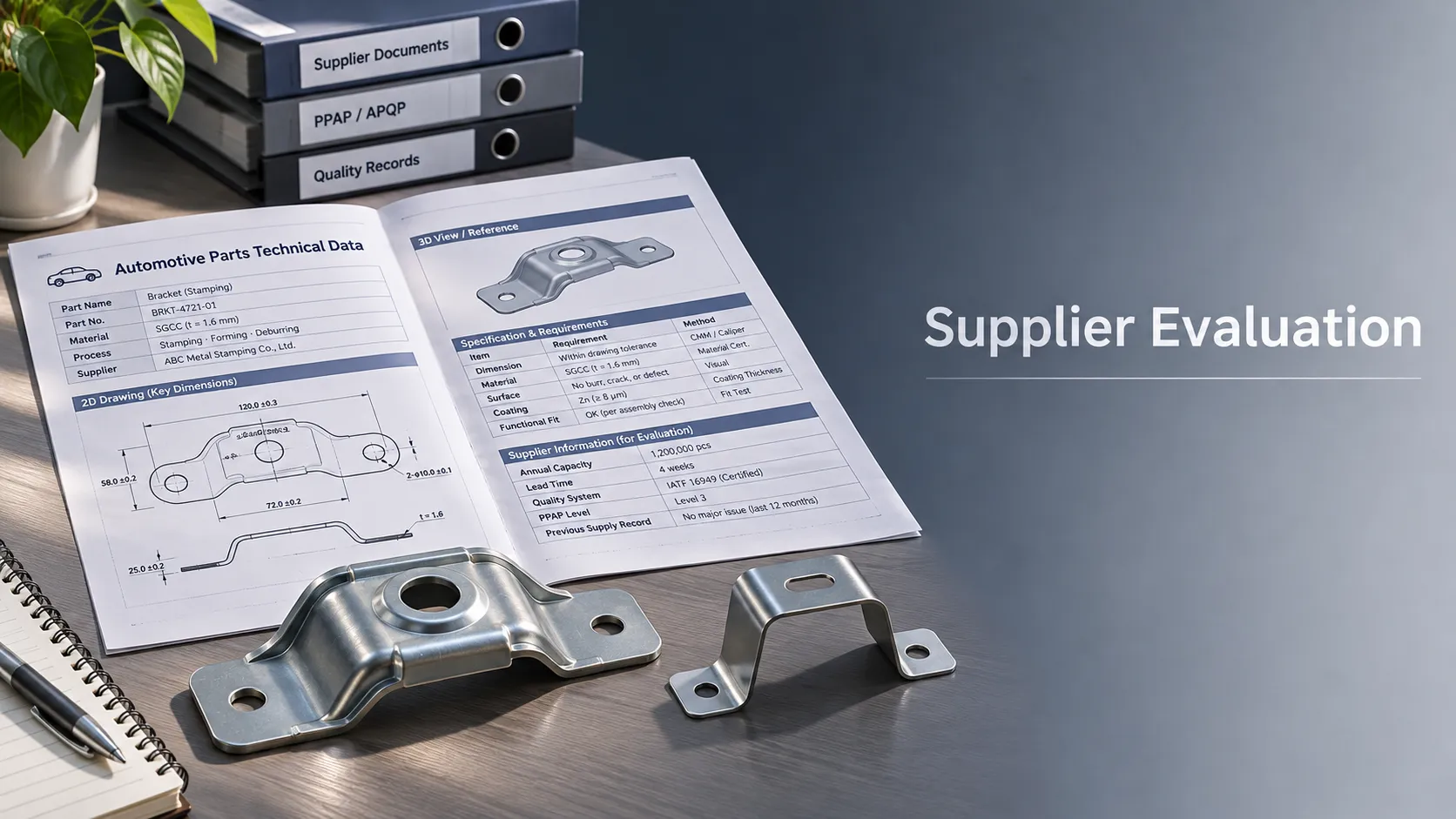
Choosing B2B Product Knowledge Platform Suppliers: Key Evaluation Criteria
Compare B2B product knowledge platform suppliers with confidence. Explore key criteria for data accuracy, supplier transparency, integrations, and value.
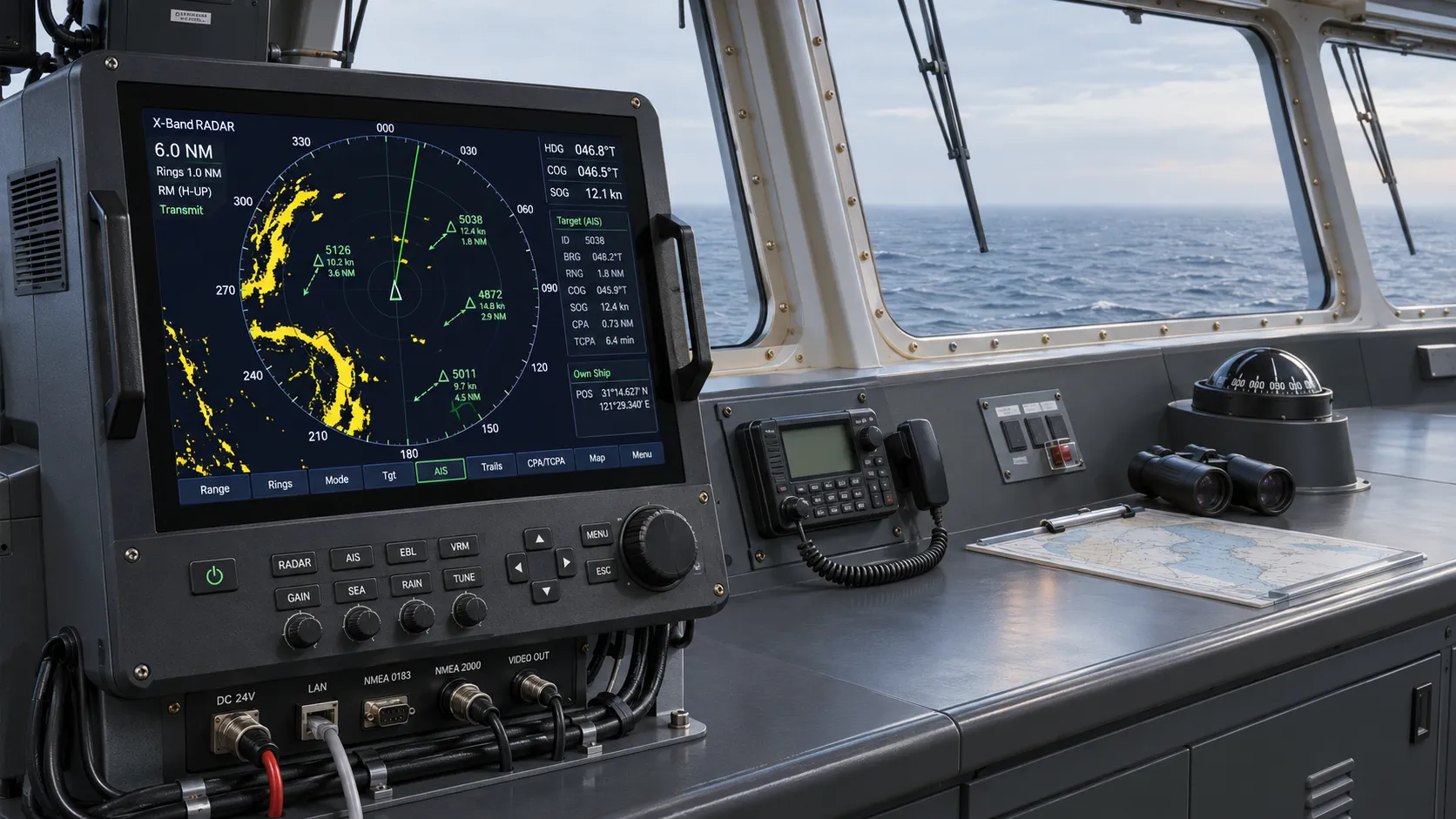
Choosing a Marine Radar Systems Supplier: What to Check Before Buying
Choosing a marine radar systems supplier? Compare installed costs, bridge compatibility, compliance evidence, and service support before you buy.
Related News
- 00
0000-00
How to Evaluate Supplier Solution References Before Signing a Contract - 00
0000-00
Industrial Product References: How to Verify Specs Before Ordering - 00
0000-00
Choosing a Private Label Partner in Europe: Key Supplier Criteria - 00
0000-00
Automotive Ergonomics Pricing: What Drives Seat System Costs? - 00
0000-00
Evaluating Supplier Solutions: How to Verify References and Standards
0000-00
Weekly Insights
Stay ahead with our curated technology reports delivered every Monday.