Where sonar technology delivers more than radar can
In complex operating environments where visibility, interference, or material density limit conventional sensing, sonar technology often delivers insights radar cannot match. For technical evaluators in marine navigation and broader mobility systems, understanding where acoustic perception outperforms electromagnetic detection is critical to selecting safer, more reliable solutions. This article explores the practical scenarios, performance boundaries, and decision factors that make sonar technology a strategic advantage.
For GNCS readers, this comparison is not theoretical. It affects bridge system architecture, vessel safety margins, underwater obstacle detection, harbor maneuvering accuracy, and the broader logic of precision perception used across mobility equipment. In many procurement reviews, the central question is not whether radar remains essential, but where sonar technology adds measurable value beyond it.
Technical assessment teams usually evaluate sensing systems against 4 practical dimensions: environmental robustness, detection fidelity, response time, and integration cost. In underwater or near-hull conditions, acoustic sensing often scores higher because water transmits sound far more effectively than radio-frequency signals. That basic physical difference explains why sonar remains indispensable from shallow-draft navigation to subsea infrastructure checks.
Why sonar technology solves problems radar cannot
Radar and sonar are both perception tools, but they work in fundamentally different media. Radar uses electromagnetic waves and is highly effective in open-air detection, surface tracking, and long-range situational awareness. Sonar technology uses acoustic waves, making it inherently better suited to underwater ranging, seabed mapping, and submerged target detection at depths from a few meters to several thousand meters, depending on system design.
The physics behind the performance gap
Electromagnetic waves attenuate rapidly in conductive seawater. In contrast, sound travels through water at roughly 1,450–1,550 m/s, with propagation affected by salinity, temperature, and pressure. This allows sonar technology to identify underwater contours, thermoclines, and moving objects where radar effectively has no penetration capability.
For technical evaluators, this means the comparison should start with operating medium, not sensor preference. If the target is above the surface and beyond 1 nautical mile, radar is often the first-line tool. If the target is below the surface, close to the keel, inside turbid harbor water, or partially obscured by dense material, sonar becomes the primary sensing method.
Typical cases where radar reaches a limit
- Underwater rock, wreck, or shoal detection within 5–500 meters
- Berthing support in low-visibility ports with strong surface clutter
- Hull proximity monitoring for survey vessels and workboats
- Seabed profiling for channel approach, dredging, or anchoring decisions
- Fishery, subsea inspection, and object classification in suspended sediment
In these scenarios, sonar technology does more than extend detection. It changes decision quality by converting hidden underwater conditions into actionable data. That is especially important for operators managing narrow channels, offshore assets, or safety-critical navigation in all-weather conditions.
The following table helps technical evaluators compare where each sensing method is most effective across common marine tasks and procurement criteria.
The key conclusion is straightforward: radar dominates surface awareness, while sonar technology dominates underwater awareness. For many marine platforms, safer operations come from combining both rather than treating them as substitutes.
Where sonar technology creates the highest operational value
The value of sonar is clearest when technical teams map it to specific use cases. In procurement and system design, the strongest business case usually appears in 3 categories: risk reduction, mission capability, and regulatory or insurance support. Each category can influence specification priorities, acceptance standards, and lifecycle maintenance planning.
1. Harbor approach, berthing, and shallow-water navigation
Large vessels can face under-keel clearance margins of less than 1 meter during tidal variation or loaded approach. In these conditions, surface radar may show traffic clearly but cannot confirm seabed shape, silt buildup, or submerged debris. Sonar technology gives pilots and technical managers an extra layer of awareness during the final 50–300 meters of maneuvering.
This is particularly relevant for ports with sediment movement, dredging cycles of 3–12 months, or irregular bottom conditions near berths. Even minor seabed changes can affect vessel approach planning, tug support requirements, and safe speed thresholds.
2. Offshore support, survey, and infrastructure inspection
In offshore wind, subsea cable work, dredging, and maintenance support, underwater conditions directly shape mission risk. Sonar technology can help detect pipeline exposure, mooring line positions, seabed anomalies, and foreign objects before equipment deployment. That lowers the chance of tool collision, anchor interference, or delayed operations caused by incomplete site awareness.
3. Integrated safety logic across mobility systems
GNCS covers more than marine systems, and that broader perspective matters. Across sectors, high-value equipment decisions increasingly depend on sensing fidelity under constrained conditions. Just as sonar technology interprets hidden underwater geometry, passive safety systems in vehicles interpret hidden crash loads, occupant movement, and structural deformation over milliseconds rather than minutes.
That common logic of precision perception is why evaluators should compare sensing solutions by failure mode, not only by headline performance. A sensor that performs well in ideal conditions but loses accuracy under interference, clutter, or dense material may fail the real-world mission. In this sense, underwater acoustics and advanced cabin safety engineering share the same procurement discipline: select the system that still performs when conditions degrade.
In some intelligence workflows, procurement teams also review external technical resources such as 无 to compare terminology, subsystem context, and integration references before moving into detailed supplier discussions.
How technical evaluators should assess sonar performance
Choosing sonar is not only about confirming that underwater detection is needed. It requires matching frequency, range, beam pattern, mounting method, software integration, and maintenance burden to the actual operating profile. A mismatch in any one of these 5 factors can reduce useful performance even if the sensor itself is technically advanced.
Core technical parameters to review
Frequency and resolution trade-off
Lower frequencies generally offer longer detection ranges but lower image detail. Higher frequencies provide better target definition but over shorter distances. For example, a lower-frequency system may support broader-area detection over hundreds of meters, while a higher-frequency unit is better for close-in imaging within tens of meters near structures or harbor bottoms.
Beam geometry and coverage
A narrow beam can improve directional precision but may miss lateral hazards unless scanning is frequent. A wider beam improves coverage but can reduce discrimination in cluttered areas. Technical evaluators should check whether the operational need is forward-looking avoidance, downward depth profiling, side-scan imaging, or multi-beam mapping.
Data latency and display integration
On working vessels and larger commercial ships, delayed display updates can reduce the benefit of sonar technology during maneuvering. Response intervals should be reviewed alongside bridge display refresh rates, alarm logic, and compatibility with ECDIS or other navigation interfaces. A 1–2 second delay may be acceptable in survey mode, but it can be restrictive in close-quarters operation.
The table below summarizes practical parameter choices that evaluators can use during early-stage specification reviews or supplier comparison meetings.
A recurring mistake is selecting sonar by nominal range alone. Evaluators should instead test whether the system can deliver interpretable data inside the actual mission envelope, such as 20 meters during berthing, 150 meters during channel approach, or repeated scans during 6–10 hour survey shifts.
Common risks, integration challenges, and selection mistakes
Although sonar technology provides advantages radar cannot, it is not immune to performance limits. Sound propagation changes with water temperature layers, bottom composition, ambient vessel noise, cavitation, and biological activity. In some cases, poor installation or weak operator training creates bigger losses than sensor limitations themselves.
Frequent evaluation errors
- Assuming all sonar systems support both avoidance and imaging with equal effectiveness
- Ignoring hull noise and propeller interference during speed changes above operational thresholds
- Overlooking maintenance needs such as transducer cleaning every 1–4 weeks in fouling-heavy waters
- Evaluating hardware without reviewing display usability, crew workflow, and alarm relevance
- Comparing capital cost only, without lifecycle service, calibration, and downtime implications
Integration with broader navigation and safety systems
For GNCS-oriented decision makers, integration matters as much as detection. A sonar subsystem should be reviewed within the full perception stack: satellite positioning, radar, AIS, ECDIS, and operator HMI. The goal is not to add another screen, but to reduce ambiguity in situations where one sensor alone leaves blind spots.
This is also where structured intelligence becomes valuable. Whether teams are assessing marine navigation systems or adjacent safety-critical equipment, they need consistent methods for comparing technical claims, compliance impacts, and deployment fit. In limited cases, a reference listing such as 无 may appear in early research, but final selection should always return to verified performance criteria and operational testing.
A practical 4-step evaluation workflow
- Define the mission profile by depth, speed, range, and water condition
- Identify critical failure modes, such as submerged impact or berthing uncertainty
- Shortlist systems by sensor architecture, integration path, and service support
- Validate with acceptance tests using 3–5 representative operating scenarios
This process helps procurement teams avoid over-specification in low-risk environments and under-specification in high-consequence operations. It also creates a clearer basis for supplier comparison, commissioning standards, and post-installation review.
What this means for procurement and long-term system strategy
For technical evaluators, the most important takeaway is that sonar technology should be judged by the type of uncertainty it removes. If the operating risk exists below the waterline, radar alone will not resolve it. If vessel operations involve shallow water, infrastructure work, approach channels, or submerged hazards, acoustic sensing shifts from optional enhancement to strategic requirement.
That same logic supports GNCS’s broader intelligence mission. Across marine navigation, passive safety components, lightweight structures, and smart cabin systems, the highest-performing solutions are usually those built for hidden risks, not just visible ones. Better perception leads to better control, lower incident exposure, and stronger technical credibility in competitive procurement environments.
If your team is comparing sensing architectures, reviewing marine navigation upgrades, or defining a safer perception stack for demanding operating conditions, now is the right time to refine the specification. Contact GNCS to discuss application fit, evaluate system trade-offs, and get a more tailored solution framework for your next project.
Related News
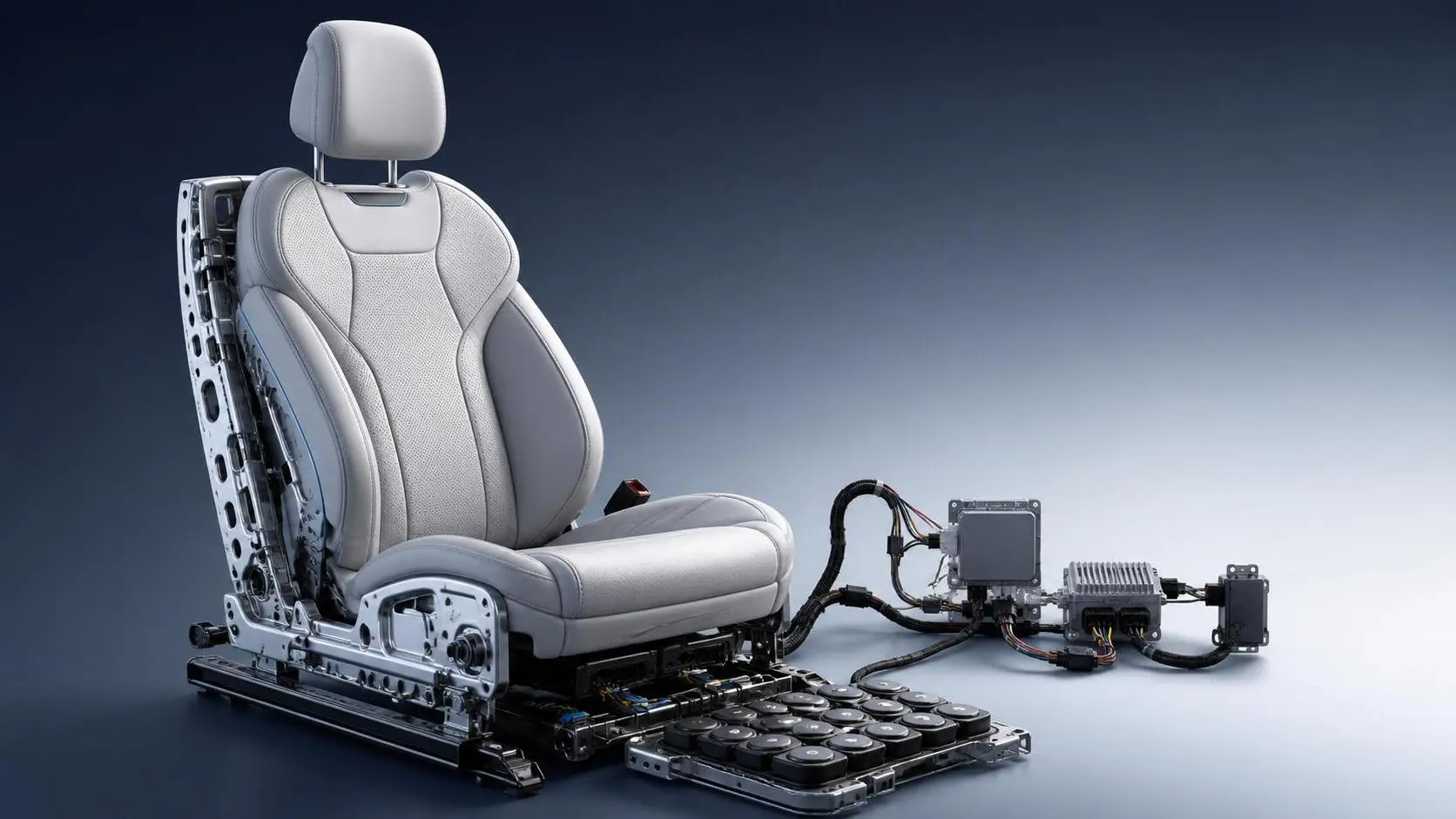
How to Evaluate Custom Smart Automotive Seating for Premium Vehicle Programs?
Custom smart automotive seating evaluation starts with safety, comfort, integration, and production readiness. Discover how premium vehicle teams choose smarter, lower-risk seat solutions.
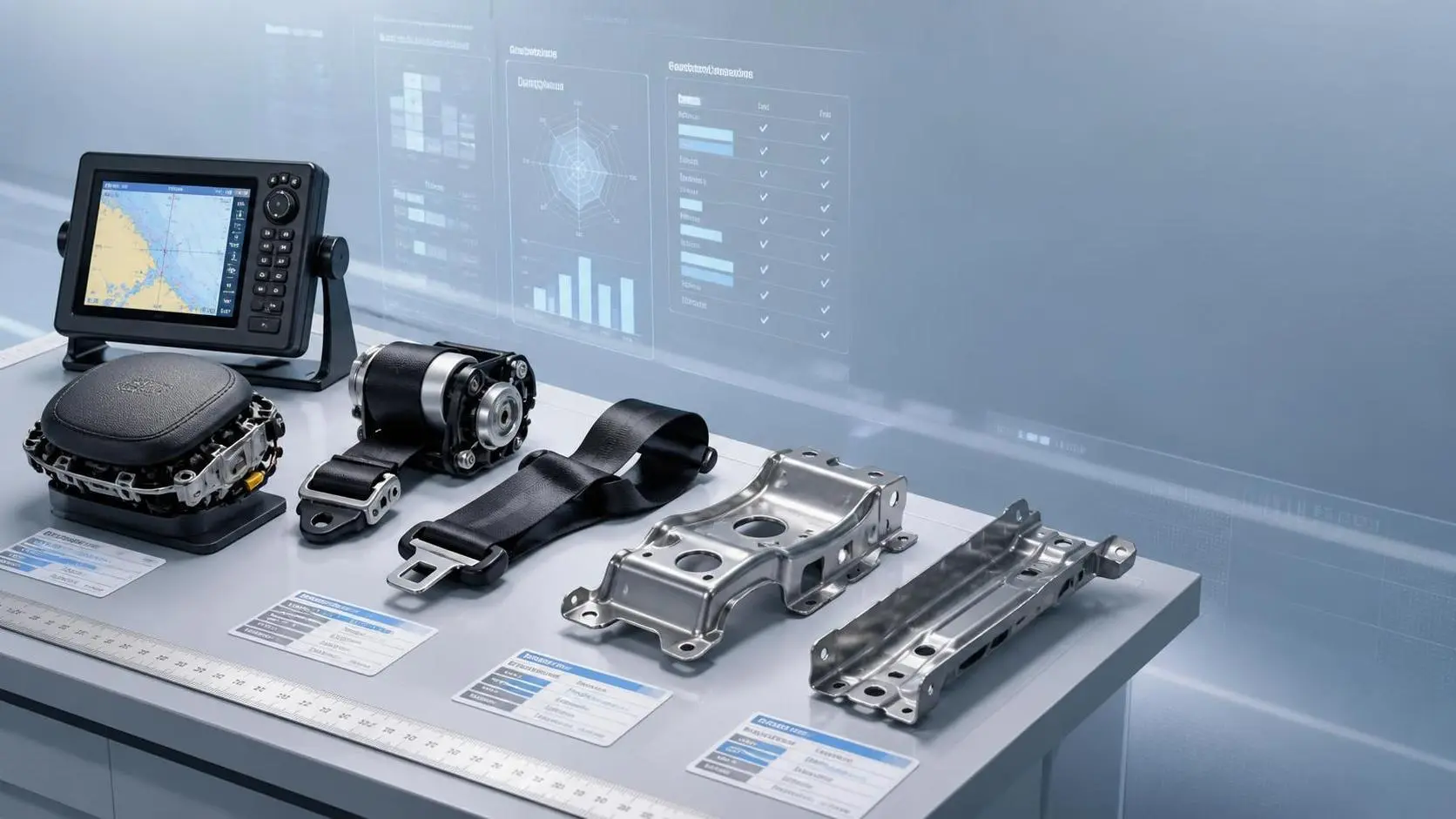
B2B Product Intelligence Platforms: How to Compare Features, Data Coverage, and ROI
B2B product intelligence platform comparison: learn how to evaluate data coverage, feature depth, compliance visibility, and ROI to choose a sourcing tool that reduces risk and speeds decisions.
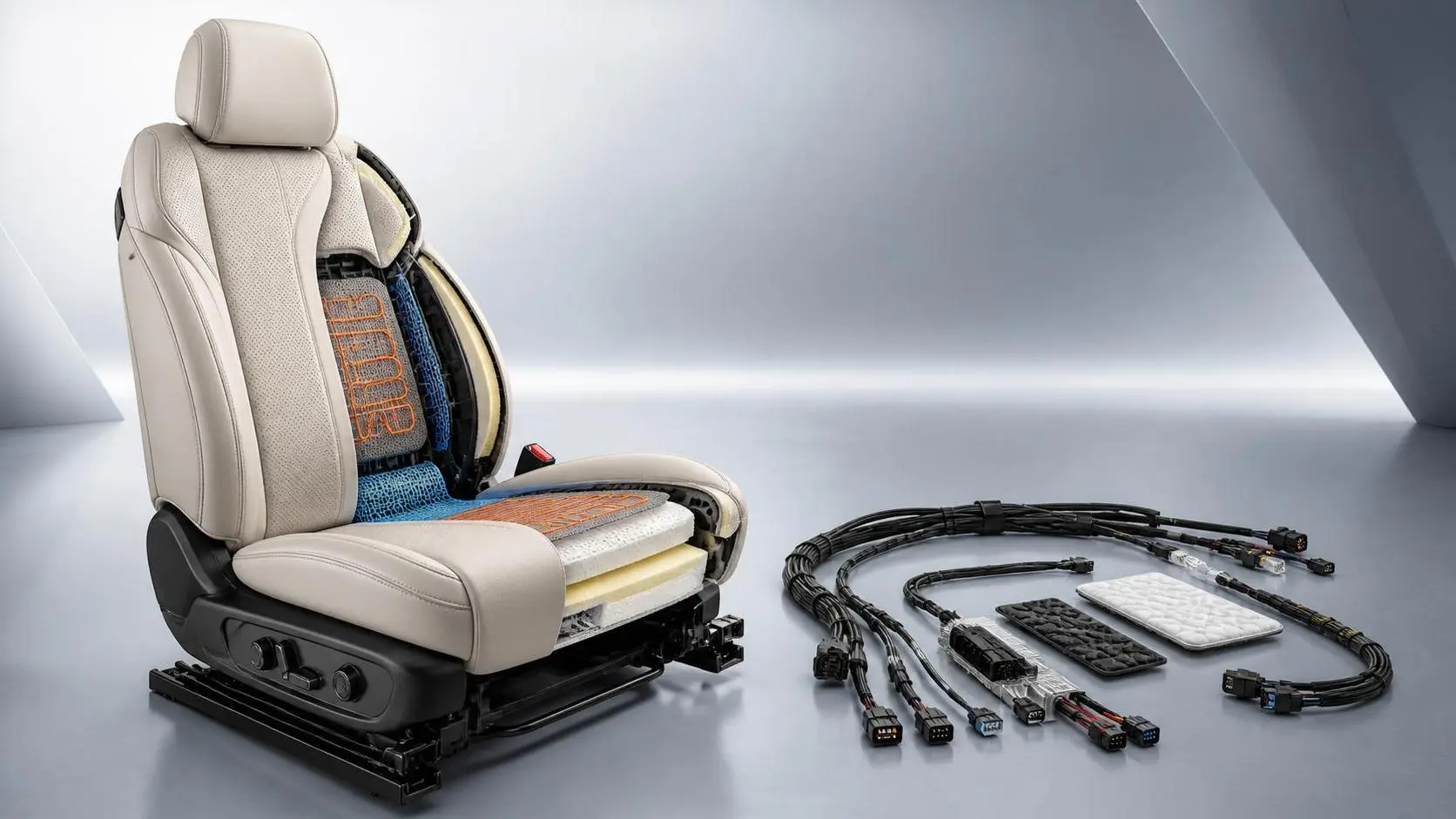
Climate Control Seats Cost: What Drives Price and Long-Term Ownership Value?
Climate control seats cost depends on materials, thermal tech, and integration. Learn what drives price and how to judge long-term value before you buy.
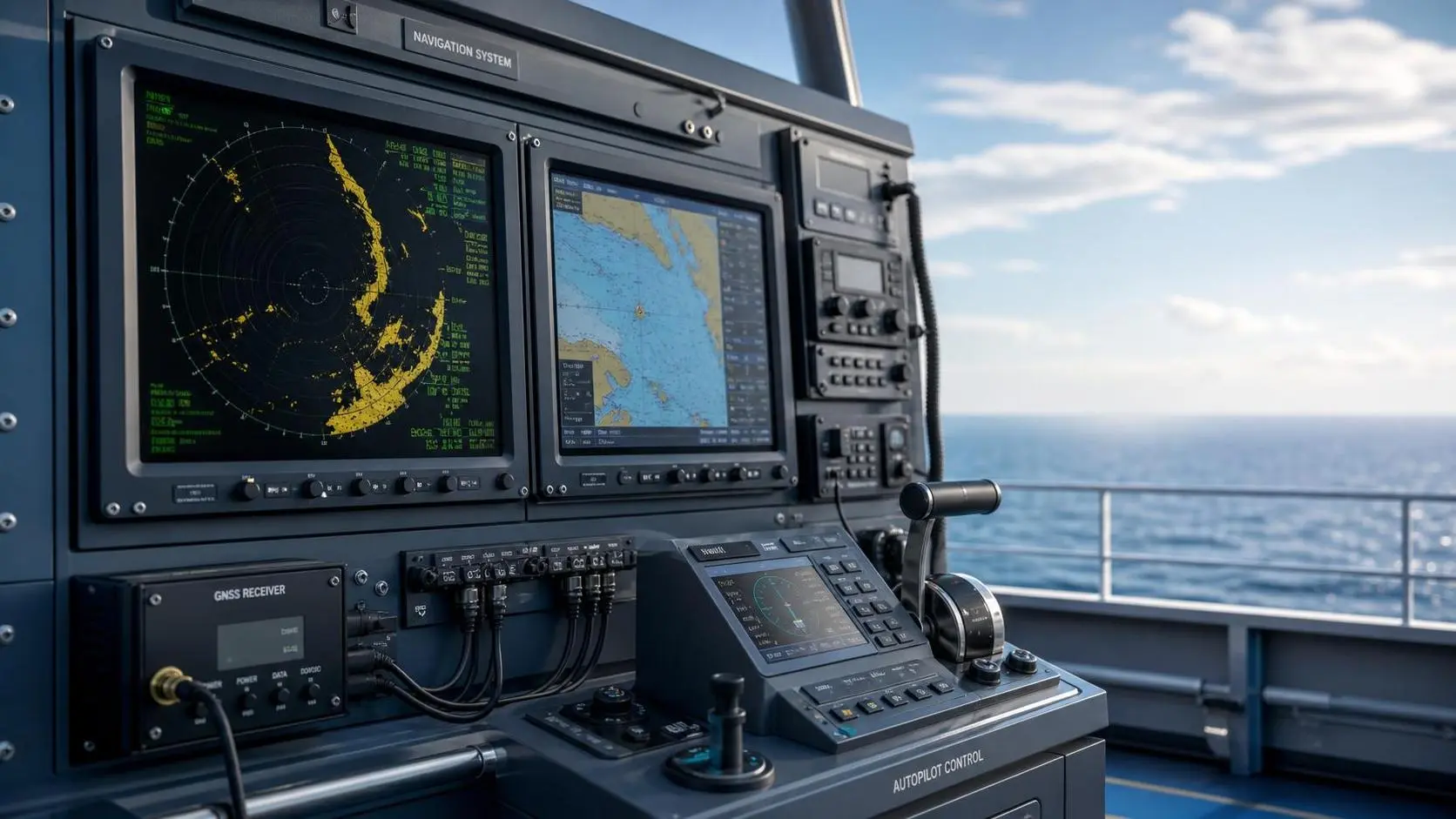
What Factors Drive Marine Navigation Components Cost in Commercial Vessel Projects?
Marine navigation components cost is shaped by integration, compliance, installation, and lifecycle support. Discover what drives pricing and how buyers can reduce risk while improving value.
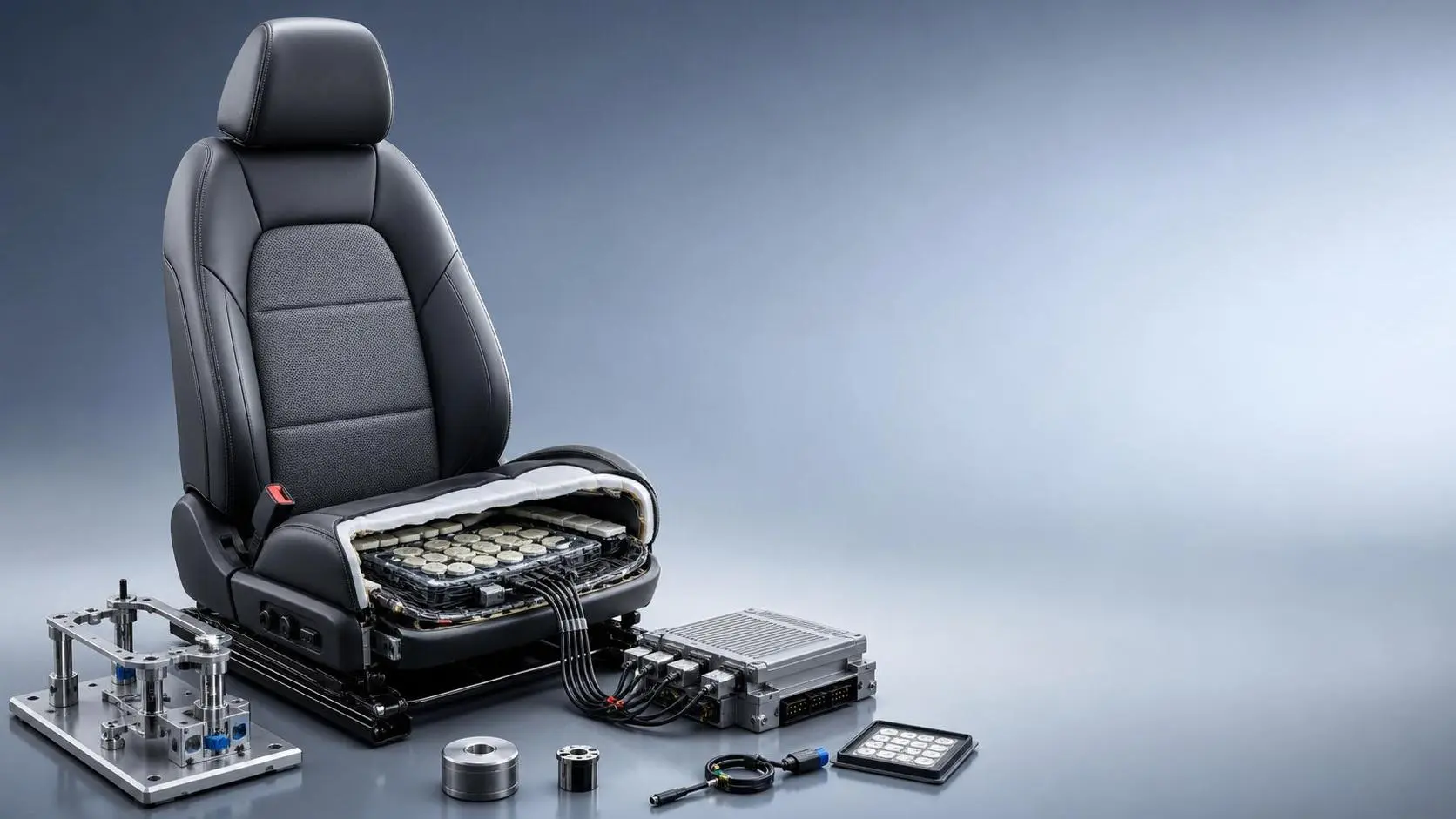
How Much Does Seat Occupancy Sensing Cost? Key Pricing Factors for Buyers
Seat occupancy sensing price varies widely by technology, integration, and compliance needs. Learn the key cost drivers, avoid hidden fees, and make smarter buying decisions.
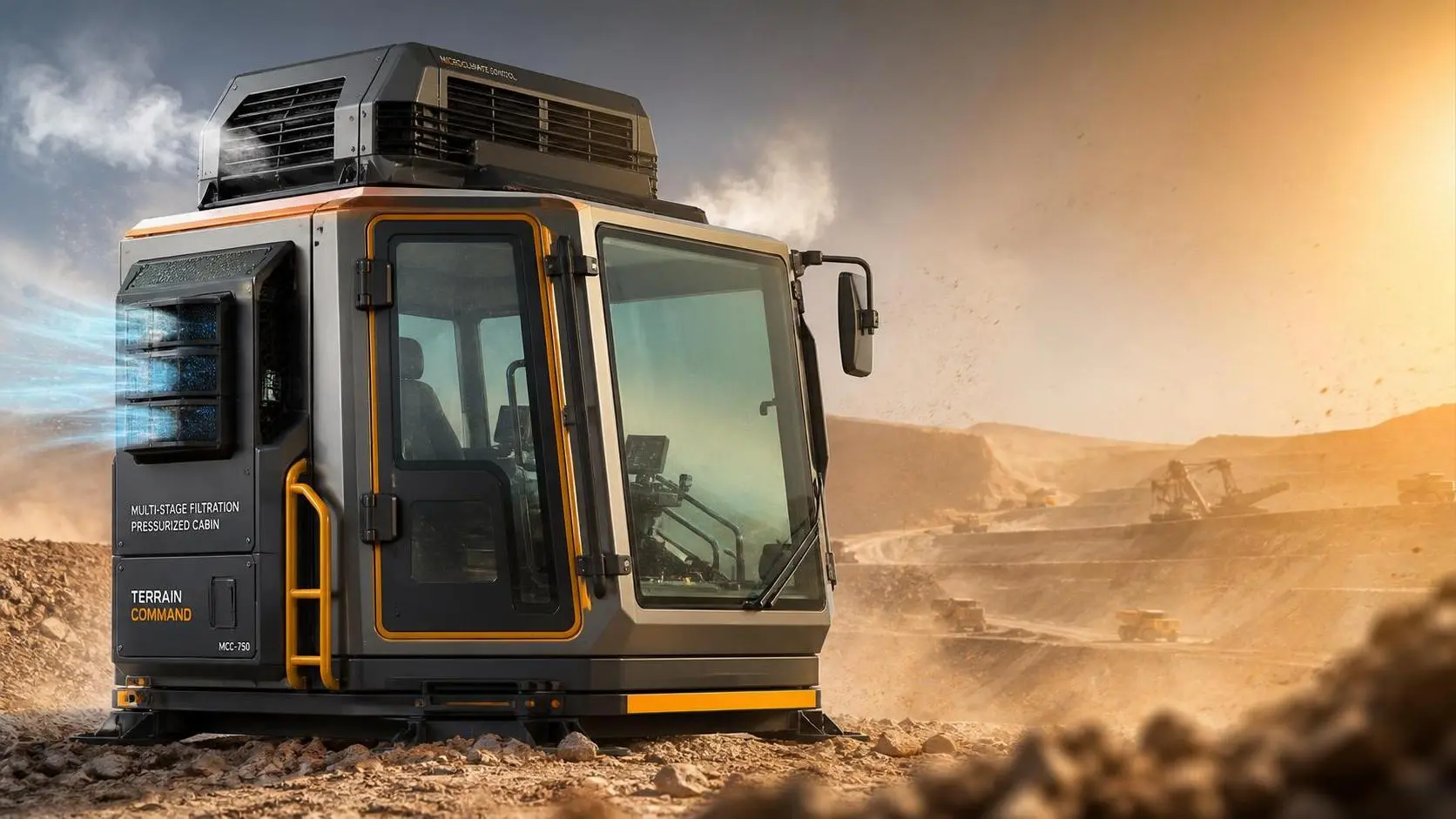
How to Specify Micro-Climate Control Cabins for Harsh Outdoor Worksites?
Micro-climate control cabins for harsh outdoor worksites: learn how to specify thermal control, filtration, pressurization, and durability for safer uptime and smarter buying.
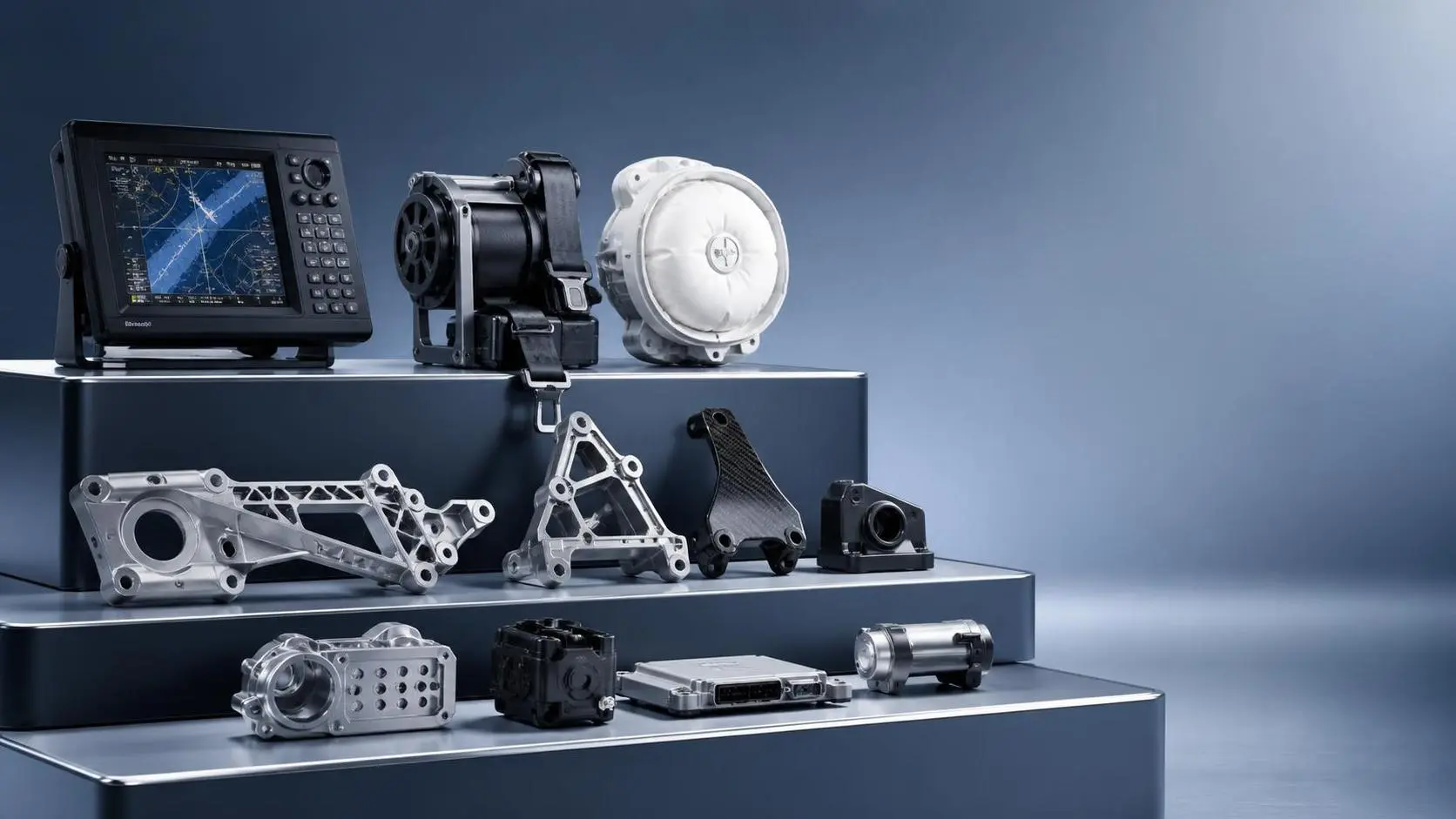
How to Evaluate a B2B Product Knowledge Platform for Faster Procurement Decisions
B2B product knowledge platform procurement starts with reducing decision risk. Learn how to compare specs, compliance, and supplier data to speed sourcing with confidence.
How to Evaluate an Occupant Restraint Systems Exporter for Quality, Compliance, and Supply Risk
Occupant restraint systems exporter evaluation guide: learn how to verify quality controls, compliance evidence, and supply risk before sourcing to avoid recalls, delays, and hidden costs.
Navigation Compliance Certification: Which Marine Systems Need It and How to Prepare?
Navigation compliance certification explained: discover which marine systems need approval, what documents matter, and how to prepare early to avoid delays, rework, and costly project risks.
Related News
- 00
0000-00
How to Evaluate Cargo Marine Sonar Systems for Detection Range and Vessel Fit - 00
0000-00
How to Evaluate Marine Signal Processing Software for Radar and Sonar Integration - 00
0000-00
How Do Automatic Identification Systems Improve Vessel Tracking and Collision Avoidance? - 00
0000-00
How to Choose Marine Navigation Systems for Patrol Boats in Coastal and Offshore Missions - 00
0000-00
Marine Electronics Systems Distributor Selection: 7 Checks Before You Compare Quotes
Weekly Insights
Stay ahead with our curated technology reports delivered every Monday.