
Industrial Sourcing Information: How Buyers Vet Suppliers, Costs, and Supply Risks
Industrial Sourcing Information: How Buyers Vet Suppliers, Costs, and Supply Risks
Reliable industrial sourcing information is not a spreadsheet of supplier names and unit prices. For buyers of marine navigation equipment, automotive body stampings, airbag modules, seatbelt systems, and smart seat assemblies, it is the evidence needed to decide whether a supplier can repeatedly deliver a safety-critical product under real production pressure.
That distinction matters. A supplier may quote an attractive price for a radar enclosure, hot-stamped reinforcement, inflator-related component, belt retractor, or seat frame. Yet the commercial result can turn negative if tooling validation slips, a sub-tier material source changes without notice, export packaging is inadequate, or engineering support disappears when a test result falls outside tolerance. In mobility and marine equipment, a low purchase price is often the least interesting number in the file.
A practical industrial sourcing information guide should therefore help procurement teams connect three things that are too often reviewed separately: technical fitness, total landed cost, and supply continuity. This is especially important where precision spatial perception meets physical containment protection—where navigation electronics must perform in harsh environments and cabin safety components must behave predictably in a collision event.
Start with the failure mode, not the supplier brochure
The fastest way to improve supplier screening is to define what failure would look like in the intended application. This sounds obvious, but many sourcing packages begin with a drawing and an annual volume forecast, while the operating context remains vague. That leaves suppliers room to quote different assumptions and makes later comparison misleading.
For marine navigation systems, the relevant questions may include electromagnetic compatibility, environmental sealing, corrosion exposure, software maintenance, sensor interoperability, and the availability of service support in ports where the vessel actually operates. A navigation display that works well in a factory demonstration is not automatically suitable for a vessel exposed to vibration, salt mist, changing power conditions, and limited onboard troubleshooting capability.
For automotive stampings, the central concern is usually not whether a supplier can produce a sample part. It is whether it can maintain material traceability, control forming variation, manage die wear, and support dimensional stability over the production life of the program. High-strength steel and aluminum components add their own sensitivities. A change in coil source, lubricant, blank condition, or thermal process can have consequences that are not visible from a basic quotation.
Airbags, seatbelts, and seat structures demand an even more disciplined approach. These are not interchangeable commodity assemblies. The buyer needs clarity on the approved design scope, validation responsibilities, change-control rules, lot traceability, storage requirements, and escalation path if a quality concern reaches the field. In these categories, an apparently small deviation can become a program-level problem.
Before issuing an RFQ, write a short “non-negotiables” note. It should identify the safety function, critical interfaces, applicable customer or market requirements, required documentation, expected production ramp, and any restrictions on material origin or sub-supplier changes. This document is often more valuable than adding another page of generic purchasing terms.
What credible supplier qualification looks like
Supplier qualification should be treated as an evidence review, not a reputation contest. Brand recognition, an impressive plant video, and a polished quality presentation may be useful signals, but they do not prove readiness for a specific part family or regulatory environment.
A strong review typically moves from capability to control. Capability asks whether the supplier has the relevant processes, engineering depth, test access, tooling expertise, automation level, and manufacturing experience. Control asks whether those capabilities are documented, monitored, and repeatable across shifts, sites, and sub-tier sources.
Site visits remain useful when the purchase is technically complex or safety-sensitive, but buyers should arrive with a focused agenda. Look at the actual line serving comparable products, not only the showcase area. Ask how production is segregated, how rejected material is controlled, where calibration records are kept, and what happens when a critical machine is unavailable. The most informative answers tend to come from production engineering and quality personnel, not from the opening presentation.
Documentation should also be read for consistency. A supplier claiming robust traceability should be able to explain, in practical terms, how a finished serial or lot number links back to materials, process records, inspections, and key subcomponents. If that explanation becomes abstract, the system may be less mature than the certificate wall suggests.
Compliance is a moving target, not a box to tick
In these sectors, compliance cannot be reduced to asking whether a supplier is “certified.” The applicable requirement depends on the product, destination market, customer program, vessel class, and the role of the component within a larger system. Marine equipment may need to align with vessel, flag-state, class, or onboard-system requirements. Automotive safety parts may be evaluated against customer specifications, applicable regulations, and test protocols used in a particular market. References to organizations such as IIHS or Euro NCAP are useful context for safety expectations, but they are not a substitute for confirming the exact contractual and regulatory requirements for a program.
Buyers should ask for the scope of each claimed approval or certification, its current status, and its relevance to the quoted production site and process. A group-level credential does not automatically cover every facility. Nor does prior approval on one part number prove acceptability for a revised material, a different assembly configuration, or a new market.
Software adds another layer. For connected navigation systems, an update path can be as important as the initial hardware specification. Procurement should establish who controls software versions, how updates are validated, whether interfaces are documented, and what support period is commercially included. Buyers do not need to become software architects, but they should avoid purchasing a black box with no clear lifecycle arrangement.
Calculate total landed cost before comparing unit prices
A sourcing decision becomes distorted when the comparison stops at ex-works or delivered unit price. The cheaper quotation may exclude prototype tooling changes, inspection fixtures, packaging development, engineering hours, customs exposure, special transport, warranty handling, or stock held to protect a long supply route. These costs do not always appear at nomination; they often arrive later as “one-off” requests.
For a stamped structural part, cost evaluation should separate material assumptions, conversion cost, scrap expectations, tooling amortization, logistics, and quality containment allowances. For seat assemblies, it is sensible to distinguish the frame, foam, trim, electronics, mechanisms, and final assembly rather than accepting a single opaque package price. That visibility makes it easier to assess the impact of commodity movement or design changes.
With navigation and electronic safety-related components, the commercial model should also account for obsolescence management, repair or return procedures, spare-part availability, and service documentation. A lower-cost device can become expensive if its replacement lead time is long and the supplier provides no reliable end-of-life notice.
Currency, payment terms, and Incoterms deserve more attention than they usually receive. They change who carries freight, insurance, export clearance, import risk, and delays at the border. A buyer comparing quotes from different regions should normalize the basis of comparison before declaring a cost winner. Otherwise, the savings may be an artifact of inconsistent assumptions.
Map the supply chain beyond Tier 1
The direct supplier is only one part of the risk picture. Airbag assemblies depend on highly controlled materials and components. Seatbelt systems rely on specialized webbing, retractors, pretensioner-related elements, sensors, and electronics. Smart seats can contain motors, control units, heating or ventilation elements, trims, foams, and structural parts sourced through different tiers. Marine navigation equipment may rely on semiconductors, antennas, displays, connectors, sensors, and software dependencies that are not visible on a standard bill of materials.
A practical risk map identifies single-source items, long-lead items, regionally concentrated materials, controlled or hazardous goods, and components with difficult requalification paths. The point is not to force every supplier into dual sourcing. Some technologies are specialized for good reason. The point is to know where a disruption would be slow, expensive, or technically difficult to recover from.
Ask suppliers what they would do if a critical sub-tier source failed, a port route was disrupted, or a key process tool went down. Generic statements about “contingency plans” are not enough. Better answers identify alternative capacity, qualification constraints, inventory strategy, decision authority, and the expected communication timeline. If no credible alternative exists, procurement can still proceed—but should price and plan for that exposure deliberately.
Use intelligence to challenge assumptions before they become commitments
The most useful sourcing intelligence sits between technical detail and commercial judgment. It tracks changes in safety expectations, material availability, manufacturing methods, and lifecycle risks, then translates them into questions a buyer can use. For example, a move toward lighter seat structures may introduce questions about material joining, repairability, and supplier process capability. New inflator chemistry discussions may affect qualification, handling, or supplier readiness. Digital updates to navigation systems raise questions about support, data control, and integration responsibility.
This is the perspective that specialist industry intelligence platforms can bring to a sourcing process. GNCS follows the connection between marine perception systems, automotive lightweight structures, passive safety hardware, and cabin ergonomics rather than treating them as isolated product categories. For procurement teams, that cross-disciplinary view is useful when a component decision affects compliance, vehicle architecture, manufacturing feasibility, or service obligations at the same time.
The key is to turn information into a decision record. Each major assumption—material source, capacity date, validation responsibility, logistics route, software support period, price adjustment mechanism—should have an owner and supporting evidence. When the program changes, the team can see which assumptions remain valid and which need to be reopened.
A better nomination decision is usually a more explicit one
The right supplier is rarely the one with the lowest initial quote or the longest credentials list. It is the supplier whose technical scope is understood, whose controls match the risk of the product, whose commercial assumptions can be audited, and whose weak points are visible early enough to manage.
For high-precision mobility and cabin safety equipment, buyers should be comfortable rejecting a quote that cannot explain its assumptions. They should also be comfortable paying more when the additional cost clearly buys validated process control, faster engineering response, better traceability, or a more resilient supply path. That is not a failure of cost discipline. It is what cost discipline looks like when the consequences of failure are real.
- marine navigation systems
- airbag assemblies
- seatbelt systems
- high-strength steel
- automotive safety
- marine navigation equipment
- automotive body stampings
- airbag modules
- industrial sourcing information
- marine navigation
- automotive stampings
- body stampings
- seat structures
- cabin ergonomics
- industrial sourcing information guide
Related News

Which Passive Safety Engineering Standards Apply to Automotive Restraint Systems?
Passive safety engineering standards for automotive restraint systems: explore FMVSS, UN regulations, seatbelts, airbags, anchors, and compliance planning.

How European B2B Teams Can Evaluate Product Intelligence Platforms for Sourcing
B2B product intelligence platform Europe: learn how procurement teams assess suppliers, compliance data, technical capabilities, and sourcing risks with confidence.
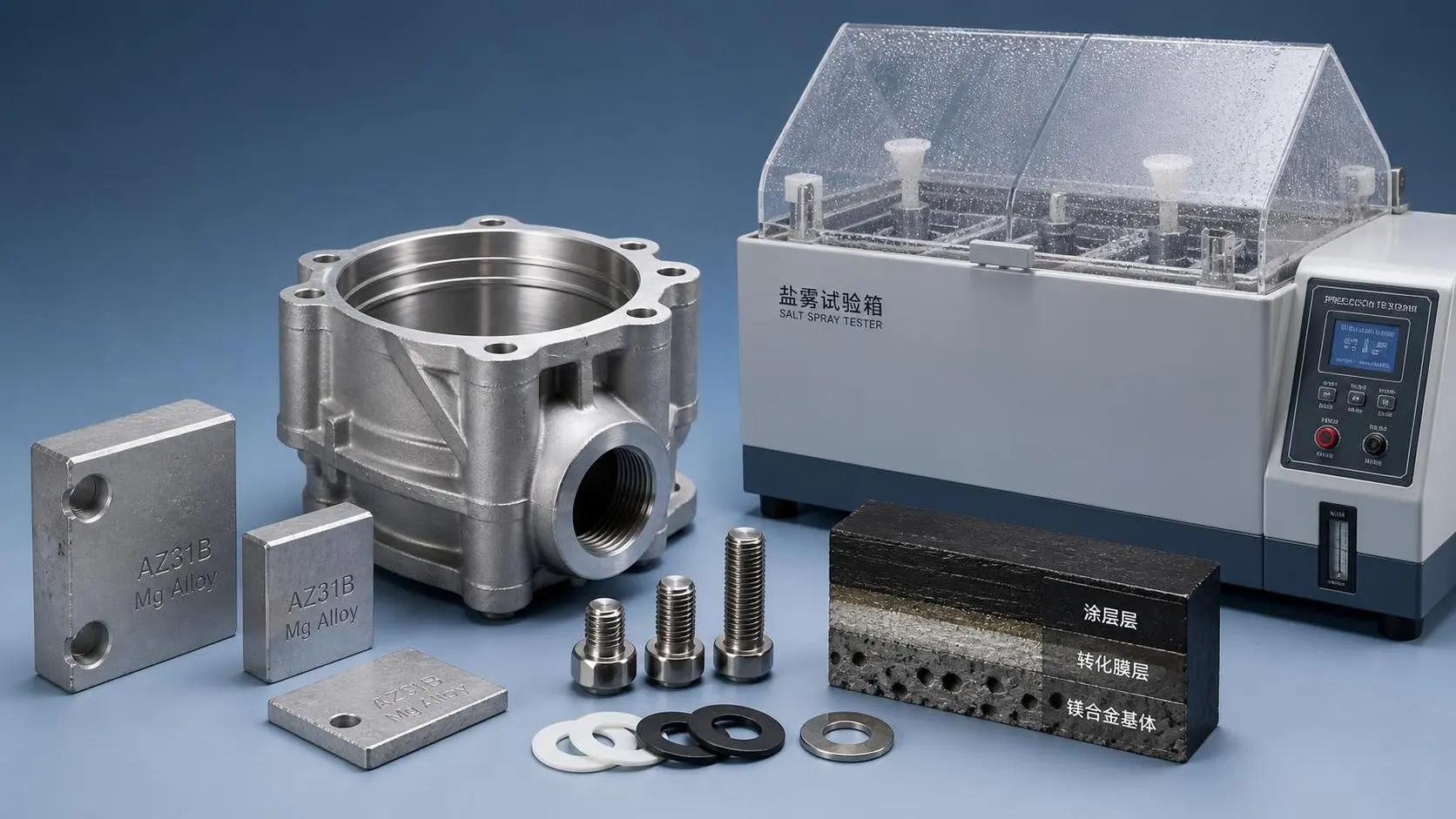
How to Evaluate Magnesium Alloys Corrosion Resistance for Marine Parts?
Magnesium alloys corrosion resistance for marine parts depends on more than alloy grade. Learn how to assess coatings, galvanic risk, geometry, and real-world exposure before you decide.
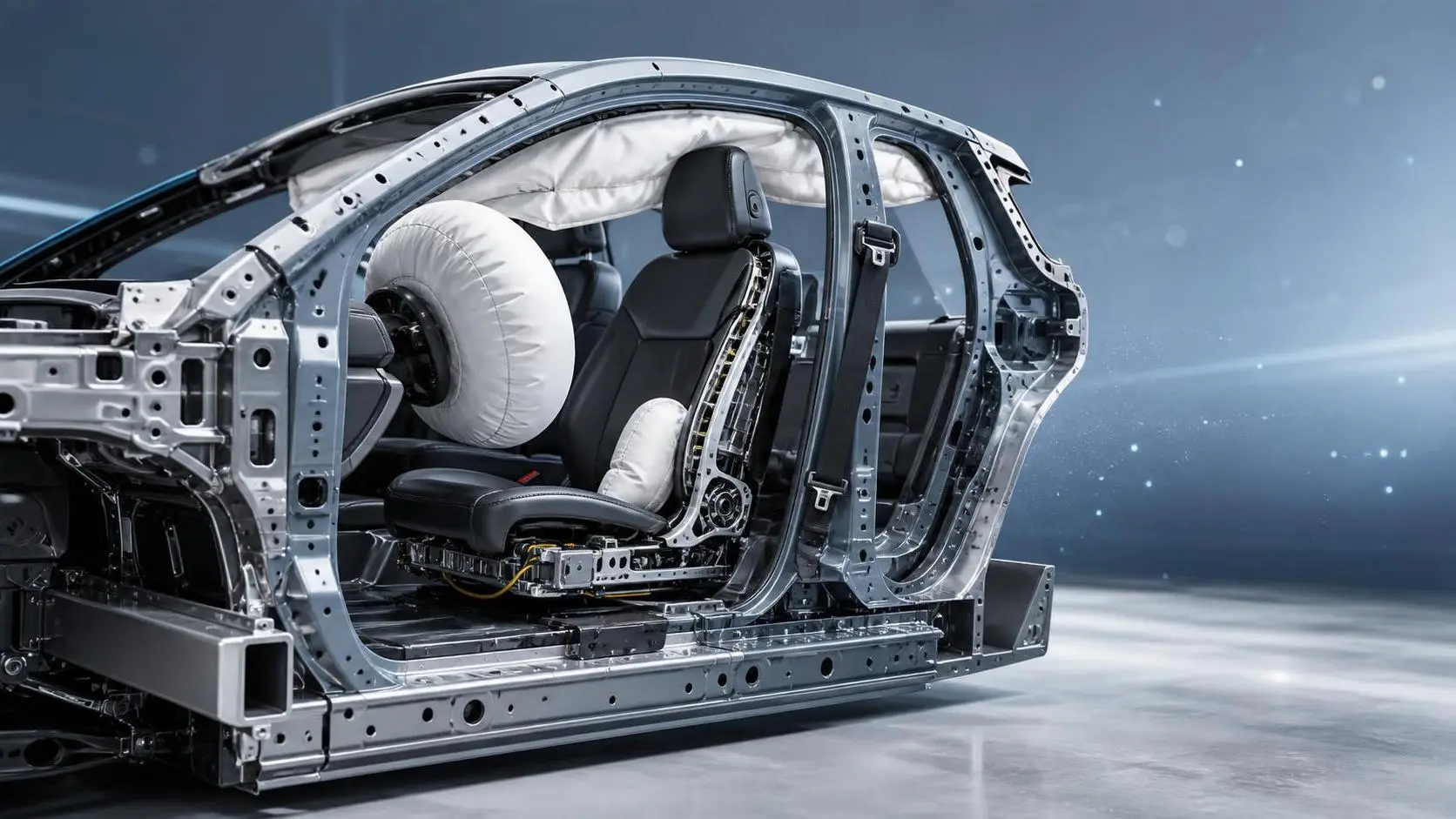
How to Evaluate Mobility Safety Systems for Safer Vehicle Platform Design
Mobility safety systems evaluation starts with platform architecture, crash energy management, and seat-restraint timing. Learn how to choose safer, validation-ready vehicle designs.
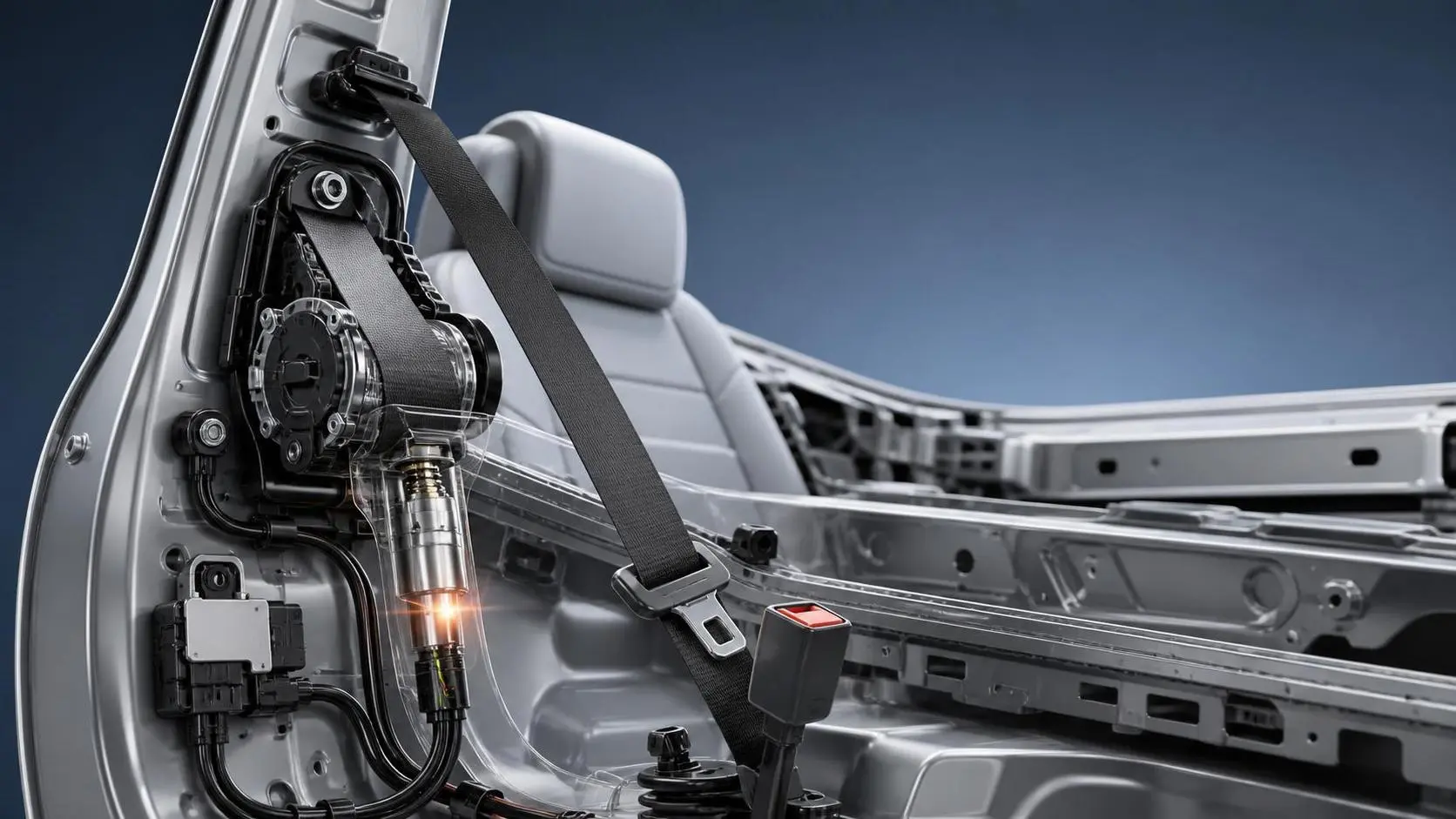
How Seat Belt Pretensioners for EVs Improve Crash Safety and System Response
Seat belt pretensioners for EVs improve crash timing, occupant control, and system response. Discover how smarter integration boosts EV safety performance.
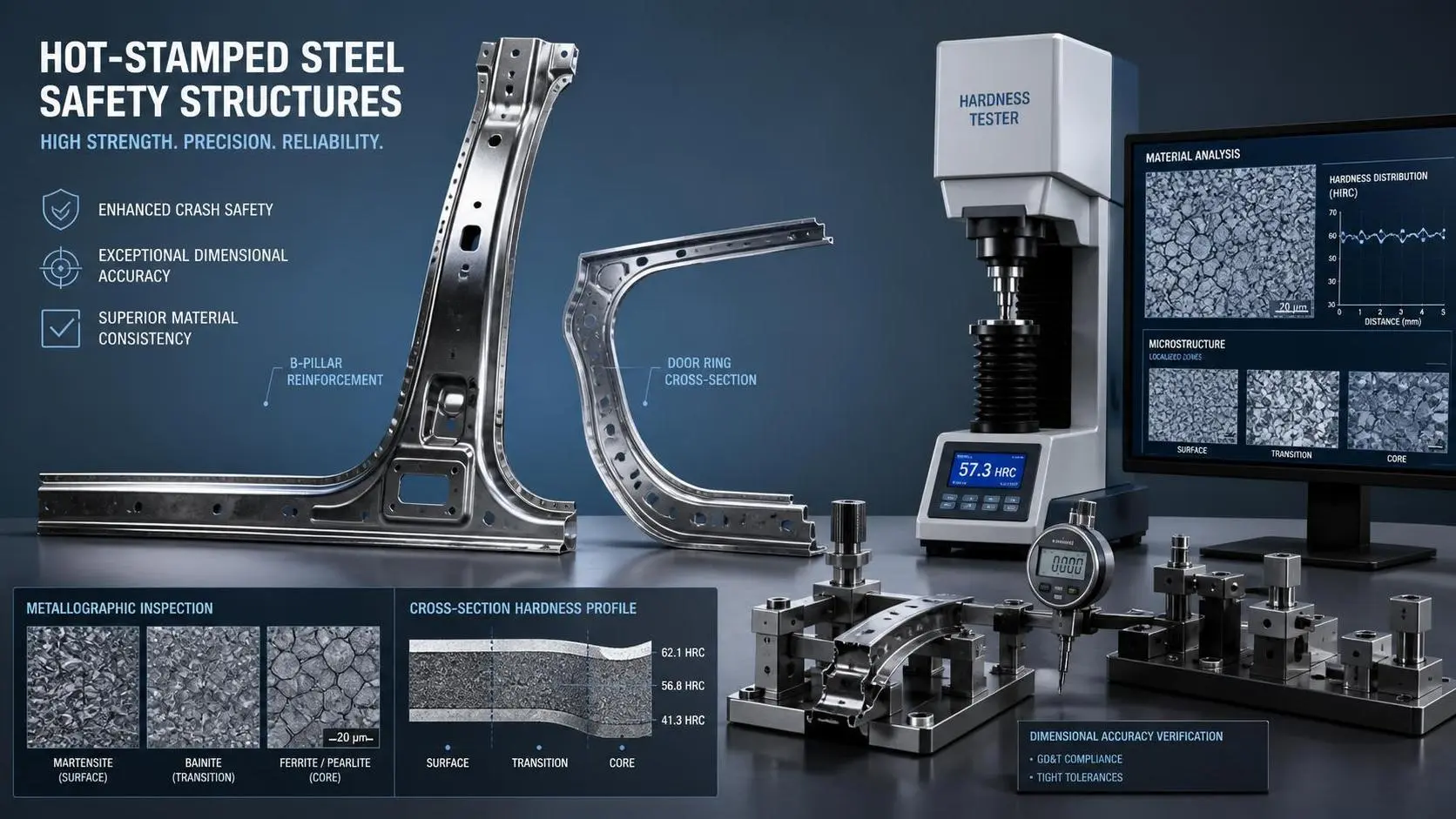
How to Evaluate High Strength Hot Stamped Steel Parts for Crash-Safety Applications
High strength hot stamped steel parts for crash-safety applications: learn how to assess strength, microstructure, dimensional accuracy, and process stability for safer sourcing decisions.
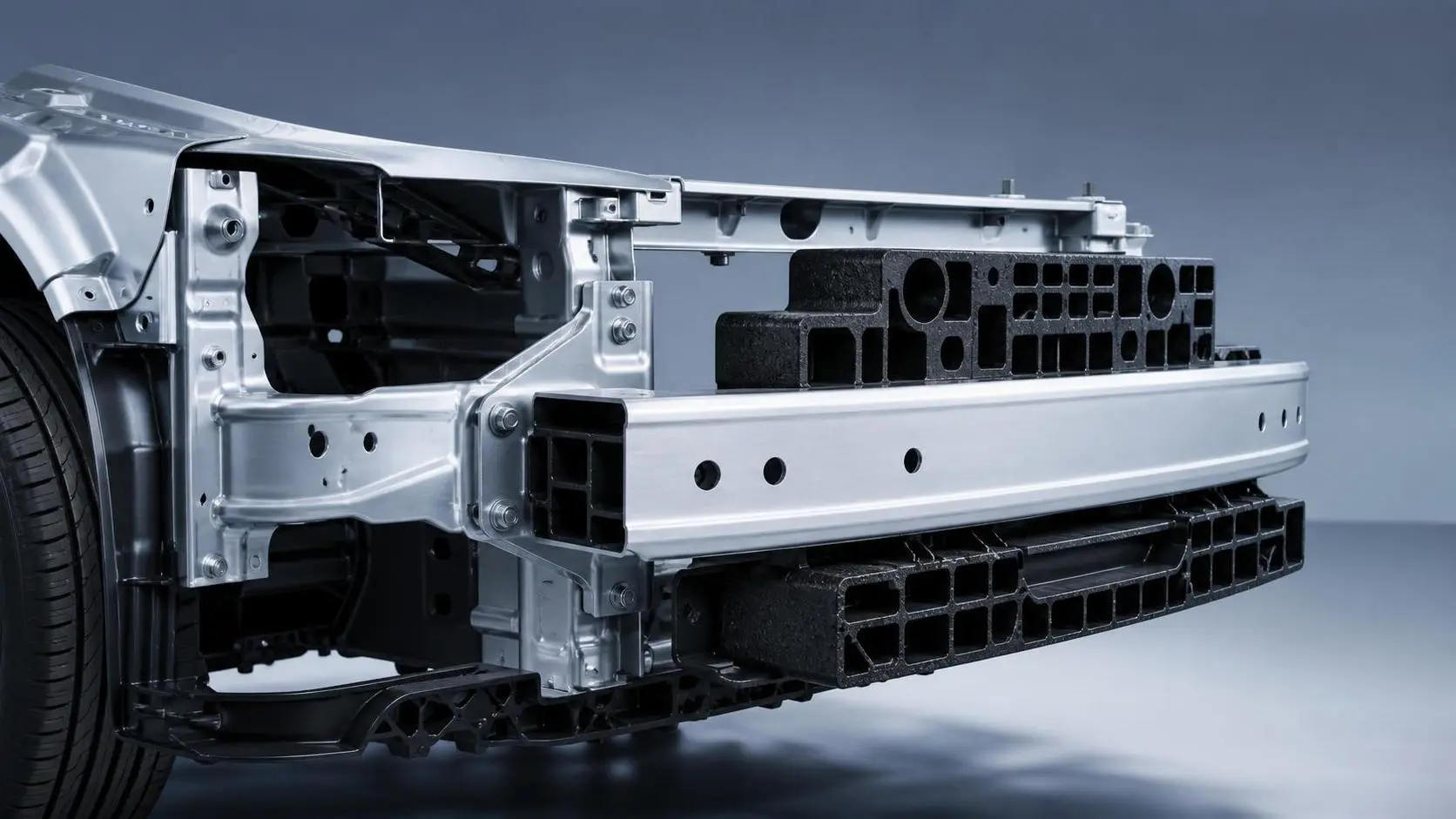
How Crash Management Components Reduce Repair Costs and Improve Impact Performance
Crash management components help reduce repair costs, protect critical vehicle structures, and improve impact performance. Learn how smarter design supports safer, more cost-efficient mobility programs.
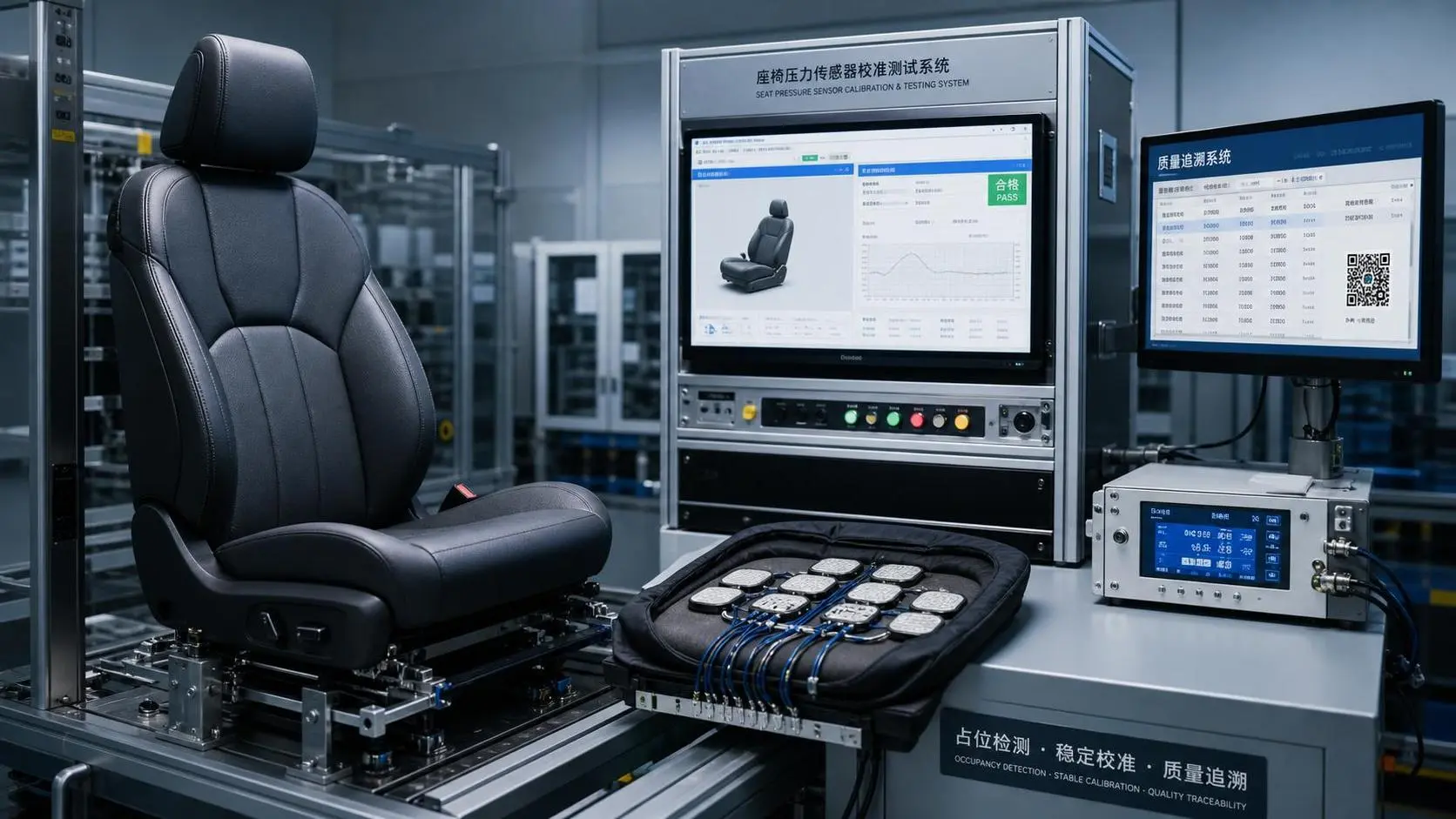
How to Evaluate a Seat Sensing Systems Factory for Automotive Safety Programs
Seat sensing systems factory selection goes beyond price. Learn how to assess quality control, validation, PPAP readiness, and long-term supply reliability for safer automotive programs.
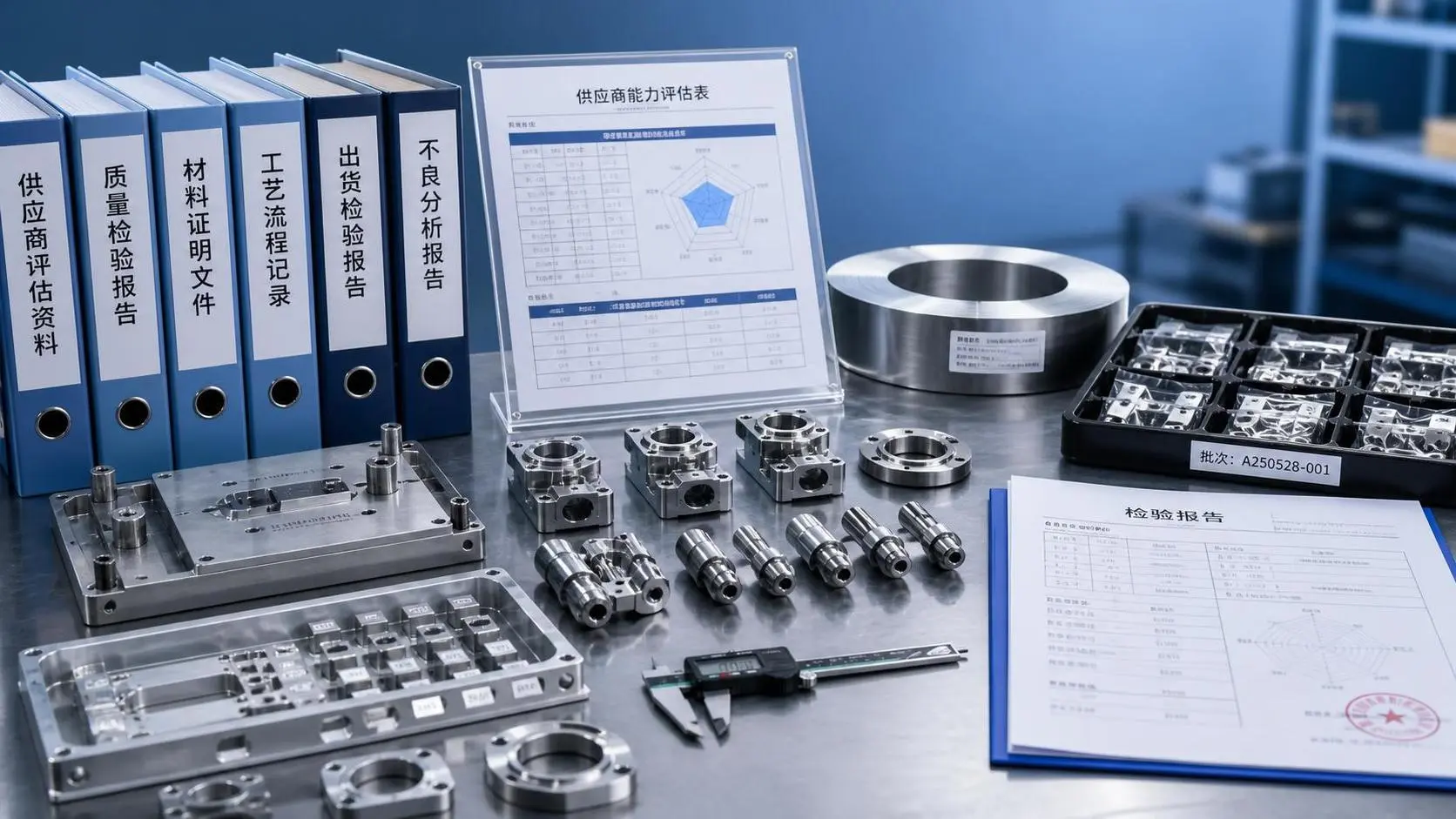
Supplier Capability Evaluation Process: Key Criteria for B2B Sourcing Decisions
Supplier capability evaluation process explained: learn the key criteria for B2B sourcing decisions, reduce supplier risk, and choose partners with confidence.
Related News
- 00
0000-00
Industrial Sourcing Information: How Buyers Vet Suppliers, Costs, and Supply Risks - 00
0000-00
How European B2B Teams Can Evaluate Product Intelligence Platforms for Sourcing - 00
0000-00
How to Evaluate Magnesium Alloys Corrosion Resistance for Marine Parts? - 00
0000-00
How to Evaluate Mobility Safety Systems for Safer Vehicle Platform Design - 00
0000-00
How Crash Management Components Reduce Repair Costs and Improve Impact Performance
Weekly Insights
Stay ahead with our curated technology reports delivered every Monday.