
How to Assess Delivery Risk for Body-in-White Parts
A body-in-white (BIW) supply issue rarely begins with a missed truck. More often, it starts months earlier: a die set that is not fully proven, a coil source with unclear allocation, a press line shared with another program, or an engineering change that has been approved on paper but not absorbed by the plant. By the time the disruption becomes visible in a production meeting, recovery options may already be narrow and expensive.
How do I assess delivery risk for body in white parts? Look beyond quoted lead times and supplier confidence. A useful assessment connects program maturity, manufacturing reality, quality performance, logistics exposure, and the supplier’s ability to react when conditions change. For OEM purchasing, launch, quality, and Tier 1 teams, the goal is not to predict every failure. It is to identify where a small weakness can become a line-stopping event.
BIW parts deserve this level of scrutiny because they sit at the intersection of vehicle structure, dimensional accuracy, crash performance, corrosion protection, and assembly efficiency. A late bracket may be manageable; a late or unstable front rail, rocker reinforcement, floor panel, or hot-stamped pillar can affect an entire vehicle build sequence.
Start with the part’s true criticality, not its purchase value
Not every stamped panel carries the same delivery consequence. A low-cost reinforcement can be far more dangerous than a higher-value outer panel if it is unique, difficult to substitute, or installed early in body shop. Before rating a supplier, classify the part itself.
A practical criticality review considers five questions:
- Is the part a structural or crash-relevant component, such as a rail, cross member, sill reinforcement, or pillar reinforcement?
- Does it have a single approved source for tooling, material, or production?
- Can vehicle production continue without it, even temporarily?
- Would an alternative part require new validation, dimensional confirmation, welding trials, or regulatory review?
- Is the component tied to a high-risk process, including hot stamping, aluminum forming, tailored blanks, laser welding, or complex hemming?
This classification changes the depth of due diligence. A standard cold-stamped steel bracket with validated backup capacity may require routine monitoring. A hot-stamped B-pillar reinforcement made from a proprietary blank, on one press line, with a launch-stage die, should be treated as a managed risk from the beginning.
Read the program timeline backward from the first vehicle build
Delivery risk is often hidden by a schedule that lists milestones but does not show the dependencies behind them. A supplier may say that production is “on track” because the nominal SOP date is still several months away. Yet the meaningful question is whether all readiness gates are closing in time to allow for rework, validation, shipping, and learning curves.
Work backward from the first build that cannot slip. Include pilot builds, dimensional trials, welding fixture validation, crash test part requirements, pre-production approval, packaging validation, and inventory build. Then challenge each predecessor activity.
For example, if a production trial is scheduled only days before the first shipment, the plan has no recovery margin. If a tool tryout is complete but surface defects remain unresolved, the tool is not truly ready. If PPAP documentation is progressing while the process is still changing, the paperwork may create a false sense of control.
Ask suppliers to distinguish clearly between:
- Tool completion: the tool is physically built.
- Tool prove-out: it can produce parts under trial conditions.
- Production capability: it can sustain required quality and volume at the planned cycle time.
- Launch readiness: material, labor, gauges, packaging, logistics, contingency stock, and approved process controls are all in place.
These stages are often compressed into a single green status. They should not be.
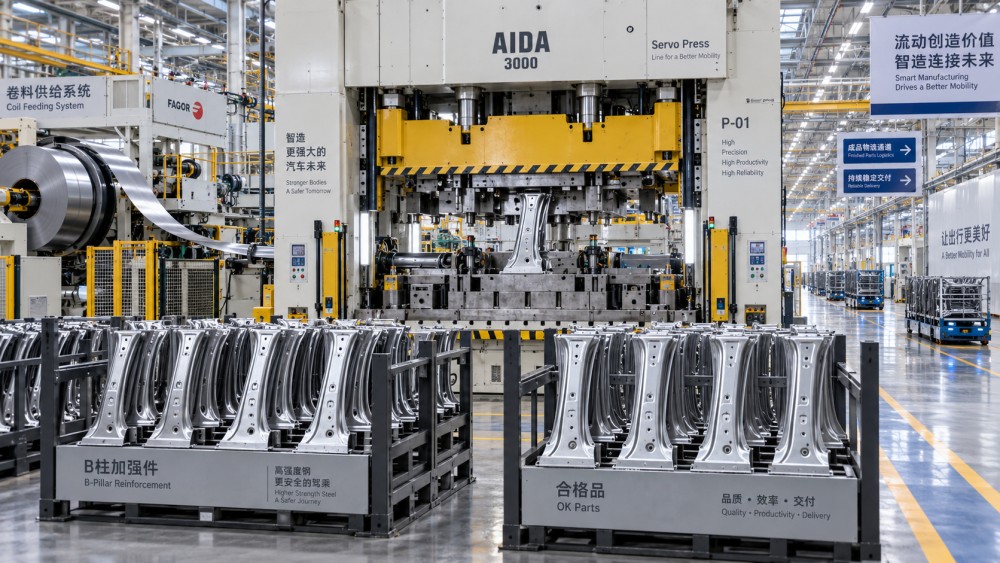
Tooling readiness: the most visible risk is not always the real one
BIW tooling is a common focal point because its condition is tangible: teams can visit the tool shop, see dies on the floor, and review tryout parts. That visibility can be misleading. The key concern is not whether tooling exists, but whether it has enough stability and capacity for serial production.
Review die build status alongside engineering maturity. Late changes to draw depth, trim lines, hole patterns, joining flanges, or material grade can trigger substantial rework. This is particularly sensitive for high-strength steel components, where springback compensation and forming windows may demand repeated tuning.
Evidence worth requesting includes press tryout records, dimensional reports across multiple runs, die maintenance plans, spare insert strategy, and open-issue lists with accountable owners. For complex parts, ask whether the production die has been proven on the actual serial press, not only in a tool shop or development press.
There is also a capacity question. A die may deliver acceptable parts at a slow trial rate but fail to meet required output once coil changes, operator shifts, lubrication variation, and planned maintenance are introduced. A reliable assessment compares demonstrated strokes per minute, scrap assumptions, uptime assumptions, and planned customer demand. If the gap is being covered by “expected improvements,” score the risk accordingly.
Material security requires more than a supplier nomination
Body-in-white production depends on materials whose availability and consistency directly affect forming and performance. Advanced high-strength steels, press-hardened steel blanks, aluminum sheet, galvanized grades, and tailored welded blanks may all have limited qualified sources or long replenishment cycles.
Do not stop at asking, “Is material available?” A stronger review asks:
- Which mill, service center, blanker, and processor are in the supply chain?
- Is the correct grade approved for the exact thickness, coating, and mechanical-property window?
- Has material been allocated for prototype, pilot, ramp-up, and serial demand separately?
- What is the exposure to geographic concentration, import restrictions, energy disruptions, or port congestion?
- How much safety stock exists, where is it held, and who owns the release decision?
Material substitutions can be especially dangerous in BIW applications. A nominally similar steel grade may form differently, create new springback behavior, alter weldability, or affect crash energy management. For aluminum closures or structural stampings, surface condition, lot consistency, and handling can also influence downstream results. Any proposed substitution should have a clear engineering and quality validation path rather than being treated as a purchasing workaround.
Assess manufacturing capacity as a system, not a press-rate calculation
Capacity reviews frequently rely on an optimistic formula: press strokes per minute multiplied by available hours. Real output is shaped by changeovers, coil loading, die change time, scrap, rework, labor availability, maintenance, inspection, internal transport, and secondary operations.
A BIW part may leave the press on time yet still miss shipment because laser trimming is constrained, weld nuts are unavailable, e-coat masking is delayed, or final inspection is creating a queue. The delivery risk assessment should follow the complete process route from incoming material to loaded container or truck.
Pay attention to shared assets. A supplier may have adequate nominal press capacity, but the same press could be committed to an existing high-volume program. Capacity claims should therefore identify the shift pattern, competing programs, scheduled maintenance, and the time required to recover after an unplanned stop.
For launch programs, ask for a ramp curve rather than a single annual capacity number. The most exposed period is often the transition from low-volume trial production to stable serial output, when defects are still being corrected and demand is increasing each week.
Quality risk and delivery risk are inseparable
A shipment that arrives on time but cannot enter body shop is not a successful delivery. Dimensional instability can interrupt robotic welding, create gap-and-flush concerns, or force containment activities that consume the same resources needed for production.
Review the supplier’s quality controls in relation to the part’s function. Critical body components need more than end-of-line inspection. Look for a control plan that addresses material verification, key die-process parameters, in-process dimensional checks, weld integrity where applicable, traceability, containment escalation, and gauge calibration.
Past performance matters, but it must be interpreted carefully. A supplier with a low reported defect rate on simple stampings may still be inexperienced with hot stamping, aluminum forming, or geometrically complex structural assemblies. Ask what comparable parts they have produced, what lessons they applied, and how quickly they have closed recurring issues. The quality team’s response discipline is often a better indicator than a polished presentation.
Logistics resilience is where local problems become plant problems
Even a capable manufacturer can be exposed by fragile transport arrangements. BIW parts are often bulky, damage-sensitive, and dependent on purpose-designed racks. A packaging issue can cause dents, flange deformation, mixed parts, corrosion exposure, or an unusable returnable-container loop.
Map the physical flow: supplier plant, consolidation point, border crossing if relevant, sequencing center, and assembly plant. Then examine the failure points. Is there one carrier? Are rack quantities sufficient for transit time and line-side inventory? Can emergency freight physically handle the part dimensions? Is customs documentation ready for the actual trading route?
For just-in-time and just-in-sequence programs, inventory policy should reflect risk rather than habit. There is no universal number of days of stock. The right buffer depends on part criticality, replenishment lead time, route reliability, storage restrictions, and how quickly the supplier can restart after a disruption.
Change management is the test of supplier control
Many delivery failures follow a change that was technically reasonable but operationally poorly governed. Engineering updates, material changes, tool transfers, sub-supplier changes, and packaging revisions can all affect timing and quality.
A disciplined supplier should be able to explain what triggers formal change notification, who approves deviations, how old and new revisions are segregated, and how changes are validated before regular shipments resume. Watch for vague assurances such as “the change is minor.” In BIW manufacturing, a minor trim adjustment or material-lot shift can create consequences downstream.
Risk rises sharply when several changes overlap. A new tool, a new material source, and a new logistics route should not be treated as three separate low-risk events. Together, they may create a high-risk launch condition because it becomes difficult to isolate the cause of any failure.
A simple way to turn observations into a decision
Use a cross-functional risk register rather than relying on individual impressions. Score each category—tooling, material, capacity, quality, logistics, financial/organizational stability, and change control—by both likelihood and production impact. Add a third field for detectability: how early would the team know that the risk is becoming real?
A late material allocation is usually detectable earlier than a hidden die durability problem. A single-source hot-stamped reinforcement with no approved recovery path should receive more attention than a part with a validated second tool. The register should identify an owner, a concrete mitigation action, a due date, and the evidence required to close the item.
Red flags that merit immediate escalation include unexplained schedule compression, repeated tool rework, reliance on unapproved material alternatives, output plans based on overtime alone, missing packaging trials, unresolved dimensional variation, and reluctance to share sub-tier information. None automatically means the supplier will fail. Together, they signal that confidence should be replaced with verification.
Frequently asked questions
What is the biggest delivery risk for body-in-white parts?
The answer depends on the program, but single-source structural parts with immature tooling and constrained material supply are among the most serious exposures. Their risk is amplified when there is little time between final validation and serial shipments.
When should an OEM assess BIW supplier delivery risk?
Begin during sourcing, before supplier nomination is final. Reassess at tool release, prototype builds, pilot production, PPAP, ramp-up, and after any significant engineering or supply-chain change. A one-time audit cannot capture a moving launch environment.
Can a second source eliminate risk?
Not by itself. A second source is useful only if it has approved tooling, validated material, sufficient capacity, compatible quality controls, and a realistic logistics path. An unvalidated backup source can create false security.
How can teams improve risk visibility without overwhelming suppliers?
Focus on evidence that changes decisions: milestone recovery plans, serial press trials, material allocation confirmation, capacity loading, dimensional trends, packaging validation, and documented change status. Short, regular reviews built around these facts are often more effective than large presentations.
Strong BIW delivery performance is built before the first serial truck departs. Teams that assess risk early gain options: additional trials, tooling reinforcement, material reservation, controlled inventory builds, dual-route logistics, or a clearer escalation path. In an industry where one missing structural part can stop a vehicle line, that preparation is not bureaucracy. It is production protection.
Related News
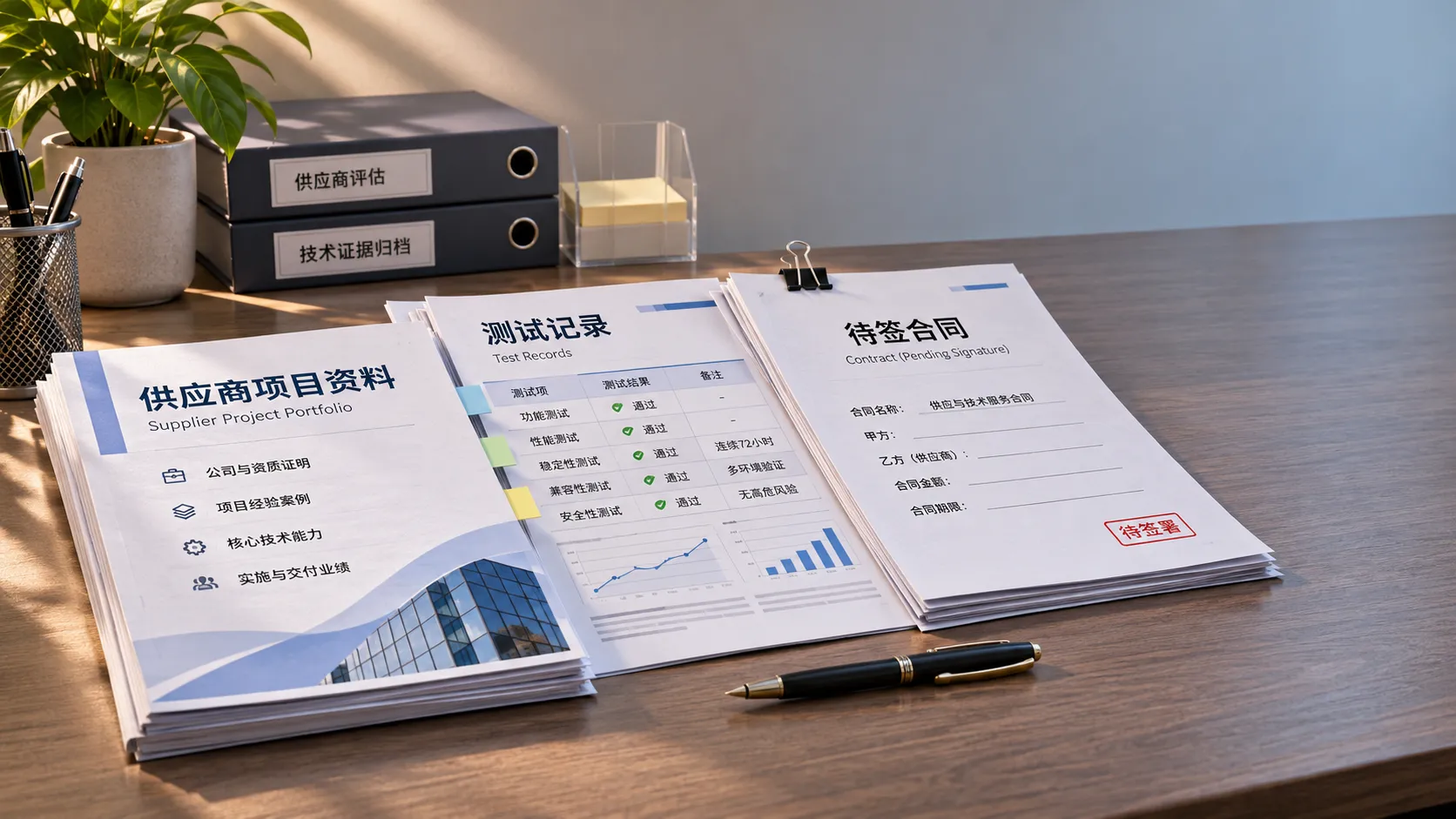
How to Evaluate Supplier Solution References Before Signing a Contract
Evaluate supplier solution references with confidence. Learn how to verify technical evidence, identify delivery risks, and close gaps before signing a contract.
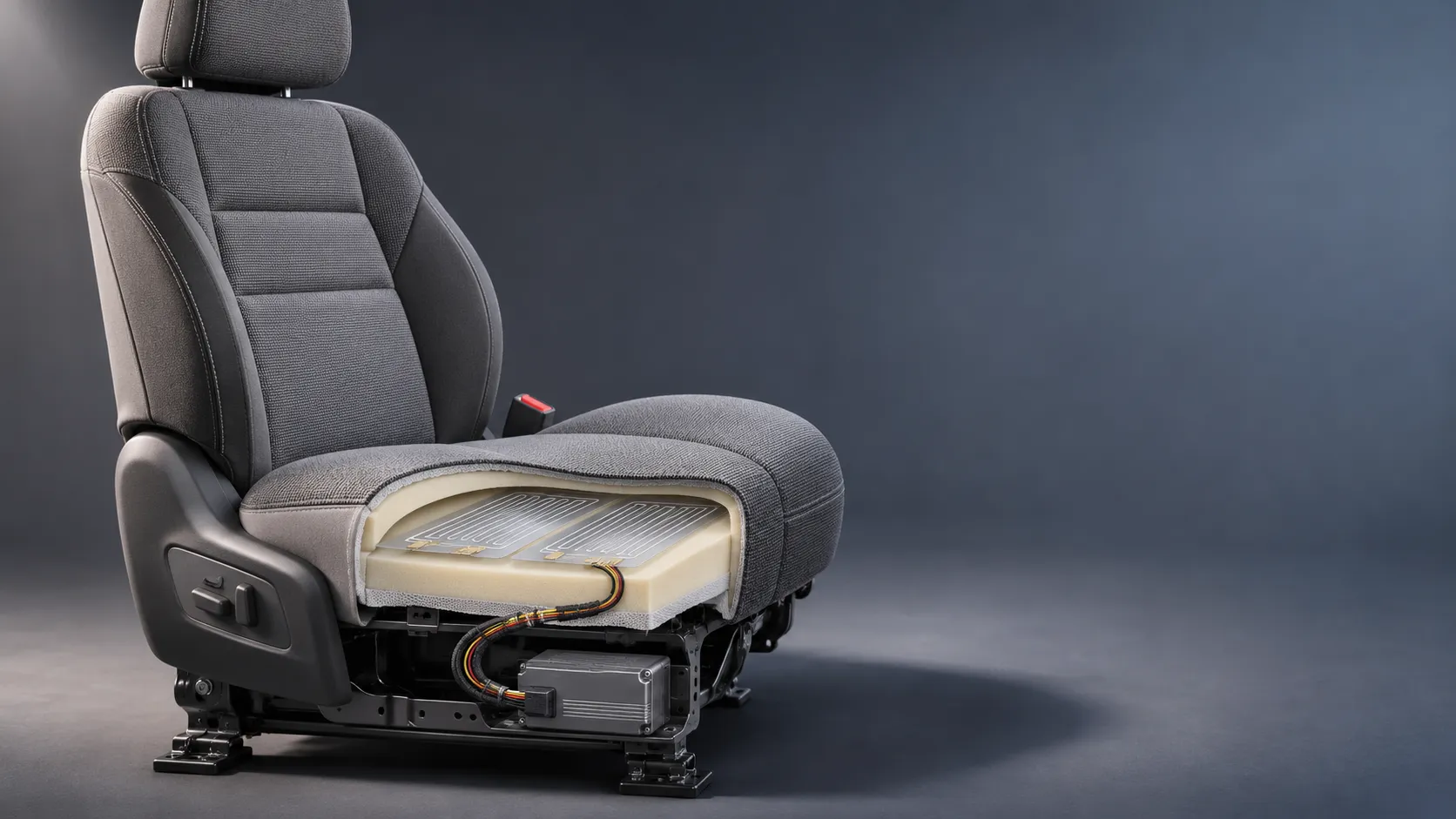
How Capacitive Seat Occupancy Sensing Works in Automotive Airbag Systems
Discover how capacitive seat occupancy sensing supports automotive airbag systems, and explore the design, calibration, and validation challenges behind reliable performance.
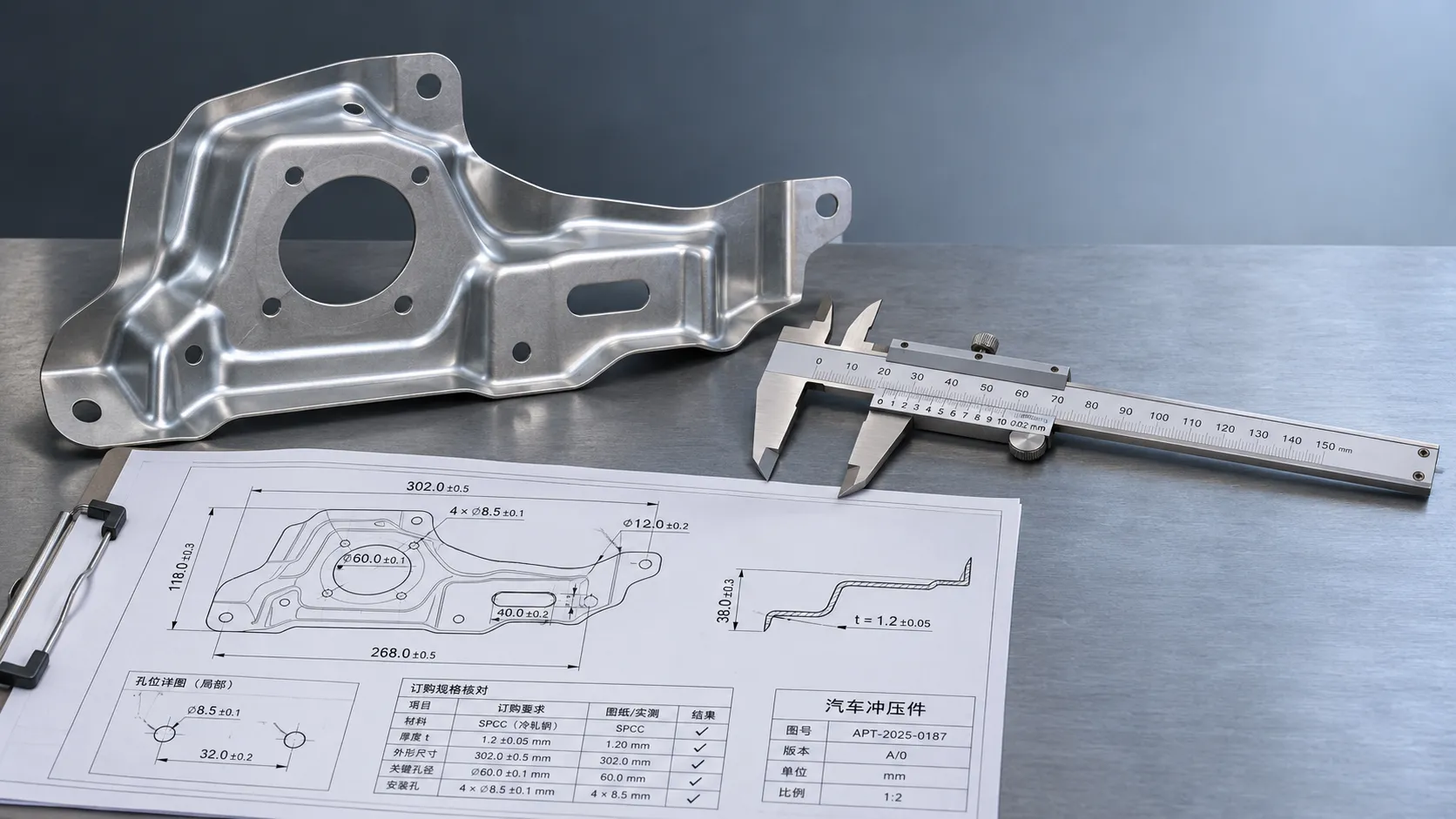
Industrial Product References: How to Verify Specs Before Ordering
Use an industrial product reference for procurement to verify specs, compatibility, and certifications before ordering—and reduce costly purchasing risks.
Choosing a Private Label Partner in Europe: Key Supplier Criteria
Private label cooperation Europe buyers can trust starts with the right supplier. Explore key criteria for compliance, quality, traceability and supply resilience.

Integrated Cabin Comfort Systems: How Seat and Cabin Climate Controls Work Together
Discover how integrated cabin comfort systems coordinate seat and climate controls to balance occupant comfort, energy use, safety, and performance.
Automotive Ergonomics Pricing: What Drives Seat System Costs?
Discover what drives automotive ergonomics pricing, from seat mechanisms and safety systems to tooling and volume, and learn how to compare supplier quotes.
Evaluating Supplier Solutions: How to Verify References and Standards
Supplier solution references and standards can make or break a sourcing decision. Learn how to verify claims, assess compliance, and reduce risk before awarding a contract.
Choosing B2B Product Knowledge Platform Suppliers: Key Evaluation Criteria
Compare B2B product knowledge platform suppliers with confidence. Explore key criteria for data accuracy, supplier transparency, integrations, and value.

Choosing a Marine Radar Systems Supplier: What to Check Before Buying
Choosing a marine radar systems supplier? Compare installed costs, bridge compatibility, compliance evidence, and service support before you buy.
Related News
- 00
0000-00
How to Evaluate Supplier Solution References Before Signing a Contract - 00
0000-00
Industrial Product References: How to Verify Specs Before Ordering - 00
0000-00
Choosing a Private Label Partner in Europe: Key Supplier Criteria - 00
0000-00
Automotive Ergonomics Pricing: What Drives Seat System Costs? - 00
0000-00
Evaluating Supplier Solutions: How to Verify References and Standards
0000-00
Weekly Insights
Stay ahead with our curated technology reports delivered every Monday.