
High-Strength Steel Parts: How to Balance Strength, Formability, and Cost
For project managers balancing performance targets, production timelines, and budget pressure, high-strength steel remains a critical material choice. Yet selecting the right solution means more than maximizing strength—it requires careful trade-offs among formability, tooling complexity, crash performance, and total cost. This article explores how to evaluate high-strength steel parts strategically to support lighter, safer, and more manufacturable programs.
Across automotive body stampings, passive safety structures, transport equipment, and adjacent industrial applications, the value of high-strength steel depends on system-level fit rather than headline tensile numbers alone. A part that looks optimal in simulation may create springback, die wear, weld instability, or scrap risk in production. The most effective decision process therefore uses a practical review framework that connects material grade, geometry, joining route, compliance targets, and commercial realities.
Why a Structured Review Matters for High-Strength Steel Parts
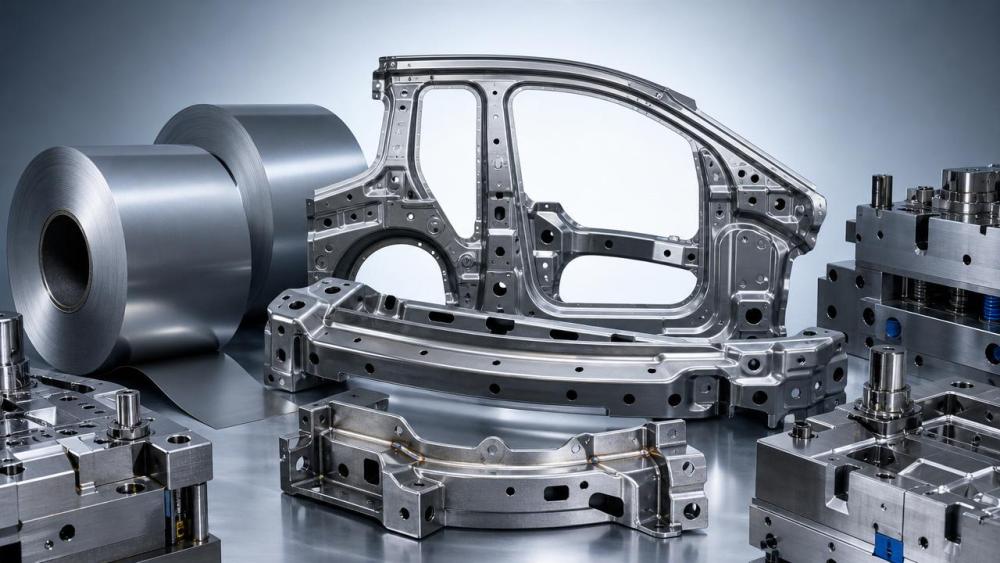
A structured review helps reduce avoidable redesign loops when specifying high-strength steel. In mobility and safety-related products, part performance is rarely determined by strength alone. Forming limits, edge cracking sensitivity, coating compatibility, and crash load paths often decide whether a concept succeeds in tooling trials and field use.
This matters especially in lightweight body structures, reinforcements, seat frames, brackets, and energy-absorbing members, where engineers must balance thinner gauges with reliable manufacturability. Using a checklist approach makes trade-offs visible earlier, supports better supplier communication, and improves alignment between design intent and plant capability.
Core Evaluation Points for Balancing Strength, Formability, and Cost
- Define the real load case first, including crash, fatigue, stiffness, dent resistance, and durability, before locking a high-strength steel grade based only on ultimate tensile strength.
- Match the material family to the forming route, since DP, TRIP, CP, martensitic, and press-hardened steel each behave differently in draw depth, bend radius, and springback control.
- Check whether thickness reduction targets create hidden manufacturing penalties such as tighter flatness tolerance, unstable feeding, higher scrap, or more demanding die compensation.
- Review part geometry for strain concentration around holes, embosses, sharp radii, and trimmed edges, because high-strength steel parts are often more sensitive to local cracking.
- Validate joining compatibility early, including spot welding, laser welding, riveting, adhesive bonding, and mixed-material interfaces that can affect cycle time and corrosion protection.
- Account for coating and surface condition requirements, especially where galvanized or aluminized surfaces influence forming friction, weldability, paint quality, and long-term durability.
- Estimate total tooling impact instead of material price alone, including die life, press tonnage, trim performance, maintenance intervals, and tryout iterations for new high-strength steel grades.
- Confirm crash or energy-management behavior with test data, because some stronger materials reduce intrusion well while others may shift deformation to less desirable zones.
- Review dimensional stability after forming and joining, since springback in high-strength steel parts can increase fixture complexity and downstream assembly variation.
- Compare sourcing risk, regional availability, and mill consistency, because stable supply and repeatable mechanical properties often matter as much as nominal performance.
In many programs, the best answer is not the strongest grade available but the one that reaches the target at the lowest total manufacturing burden. For example, a lower-strength advanced high-strength steel with better elongation may outperform an ultra-high-strength option if it reduces cracks, eases tooling compensation, and shortens launch timing.
A practical comparison table
Application Notes Across Common Use Cases
Auto body structural stampings
For pillars, rails, rockers, and cross members, high-strength steel is often selected to improve crashworthiness while reducing gauge. The key check is whether the chosen grade supports the required deformation mode. Some sections benefit from controlled folding, while others require intrusion resistance with minimal collapse. In these cases, blank design, section geometry, and local reinforcements matter as much as material strength.
Press-hardened steel may be the preferred route for very high intrusion resistance, but it can also increase tooling investment and process control requirements. Cold-formed advanced high-strength steel may provide a better cost-performance balance where geometry is simpler and energy absorption can be achieved without full hot stamping.
Passive safety components
Brackets, anchors, seatbelt reinforcements, and restraint-related structures demand consistency under dynamic loading. Here, the priority is not only static strength but also repeatable behavior during impact. Edge quality after punching, hole expansion performance, and weld integrity become critical when specifying high-strength steel parts for safety systems.
A material with excellent laboratory strength may still underperform if trim edge damage reduces fatigue life or if localized hard zones interfere with joining. Verification should therefore include representative samples from the actual stamping and assembly route, not just mill certificates.
Seat structures and cabin systems
In seat frames, recliner supports, and adjustment mechanisms, high-strength steel helps reduce weight while maintaining occupant protection. However, these assemblies often contain many joints, moving interfaces, and tolerance stacks. Overly aggressive material upgrading can create forming variability that offsets expected mass savings through added brackets, thicker weld flanges, or stricter fixtures.
The smarter path is usually selective use: place stronger steel where load transfer is highest, and retain more formable grades where complex shapes or multiple fastening steps dominate. This tailored material strategy often lowers total system cost.
General transport and industrial equipment
Outside passenger vehicles, high-strength steel parts are widely used in enclosures, supports, chassis sections, and protective structures. In these applications, corrosion environment, service loads, and maintenance access may outweigh maximum lightweighting. It is often better to choose a robust, easier-to-process grade with reliable local supply than a premium option that strains fabrication capacity.
Frequently Missed Issues That Increase Program Risk
Springback is often underestimated. As strength rises, elastic recovery becomes harder to control, particularly in long channels, asymmetric sections, and parts with multiple bends. This can affect downstream fit and gap quality, increasing fixture tuning and launch delays.
Edge formability is not the same as global elongation. A grade may show acceptable tensile test data yet still crack around punched holes or trimmed contours. For high-strength steel, local edge condition and punch maintenance can strongly influence production stability.
Joining windows may narrow significantly. Stronger steels can require tighter welding control, modified electrode strategies, or different adhesive curing conditions. If these factors are checked too late, the material decision may force costly process changes.
Material cost is only one part of total cost. Savings from downgauging can disappear if die wear rises, scrap increases, or line speed drops. A complete business case for high-strength steel parts must include launch, quality, maintenance, and supply risk.
How to Execute the Decision More Effectively
- Start with part function zoning, separating areas needing intrusion resistance, controlled deformation, joining access, and cosmetic stability before selecting a single steel grade.
- Use early forming and crash simulation together, then confirm with physical trials on critical features such as trimmed edges, narrow radii, and weld flanges.
- Request mill data beyond nominal strength, including coating type, thickness tolerance, hole expansion indicators, and batch-to-batch consistency relevant to production reality.
- Compare at least two feasible material-process combinations, such as cold-formed AHSS versus hot-stamped parts, using the same performance and cost assumptions.
- Review the full manufacturing chain with stamping, welding, corrosion protection, and assembly teams so that high-strength steel decisions remain practical and scalable.
When this process is followed, decisions become more resilient. Instead of treating high-strength steel as a simple upgrade, teams can position it as a targeted engineering solution tied to measurable outcomes: lower vehicle mass, improved crash behavior, stable production, and controlled total cost.
Conclusion and Next Steps
The right high-strength steel strategy is rarely about pursuing the highest possible grade. It is about finding the balance point where mechanical performance, formability, joining reliability, compliance needs, and commercial feasibility all support the same program goal. In body structures, cabin safety systems, and broader transport equipment, that balance is what turns material potential into repeatable product value.
As a next step, build a part-by-part review using the checks above: define functional load cases, screen candidate grades, test forming risk, verify joining, and compare total landed cost rather than raw material price. That disciplined approach will help ensure that high-strength steel parts deliver lighter, safer, and more manufacturable results across demanding global mobility programs.
Related News
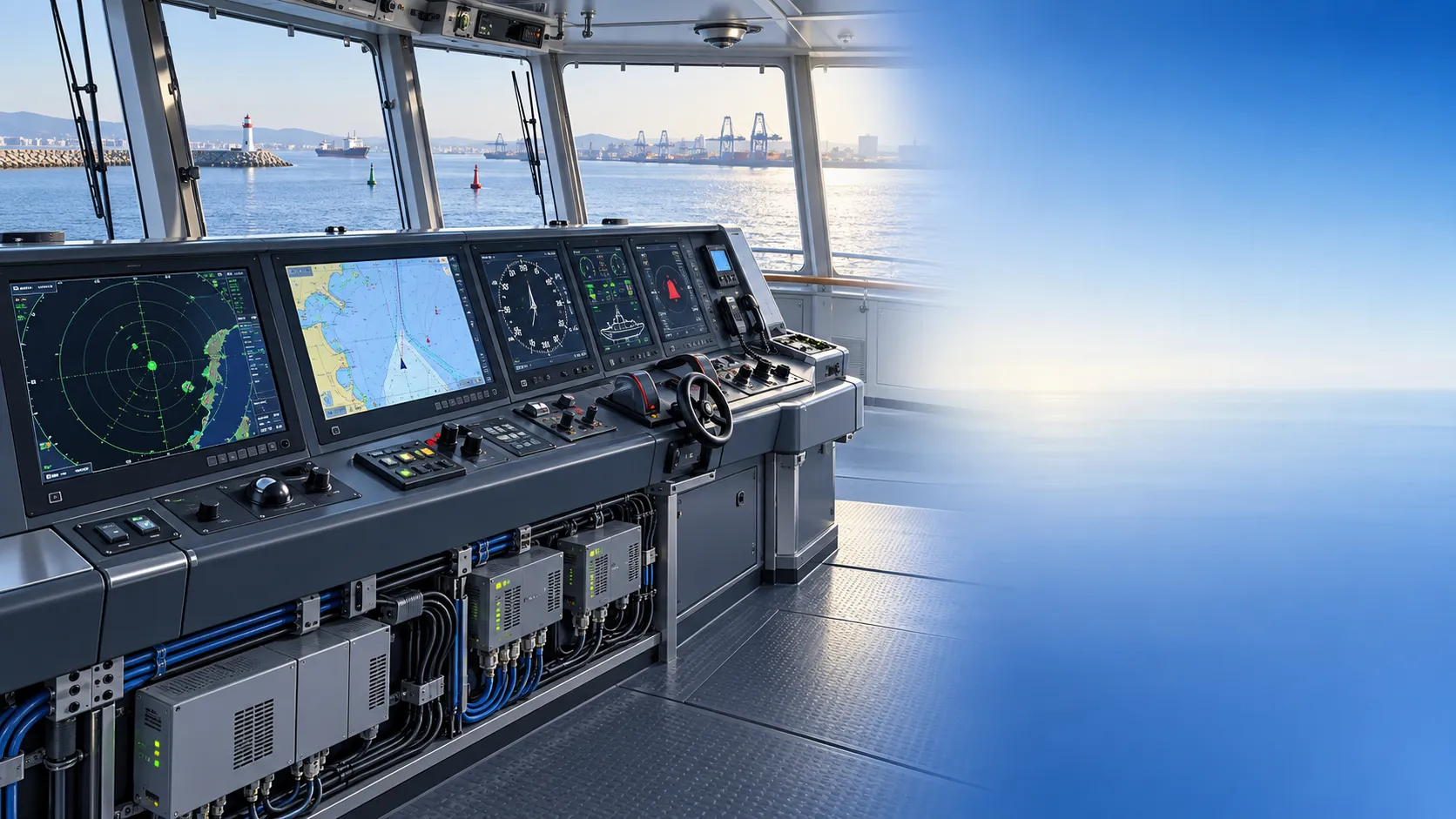
How to Specify Integrated Marine Electronics for Reliable Bridge Operations
Integrated marine electronics: learn how to specify reliable bridge systems with clear data flows, redundancy, alarm control, lifecycle interfaces, and operational testing.

How to Evaluate Navigation Radar Manufacturers for Commercial Vessel Projects
Navigation radar manufacturers: learn how to compare performance, compliance, integration, support, and lifecycle cost for commercial vessel projects.
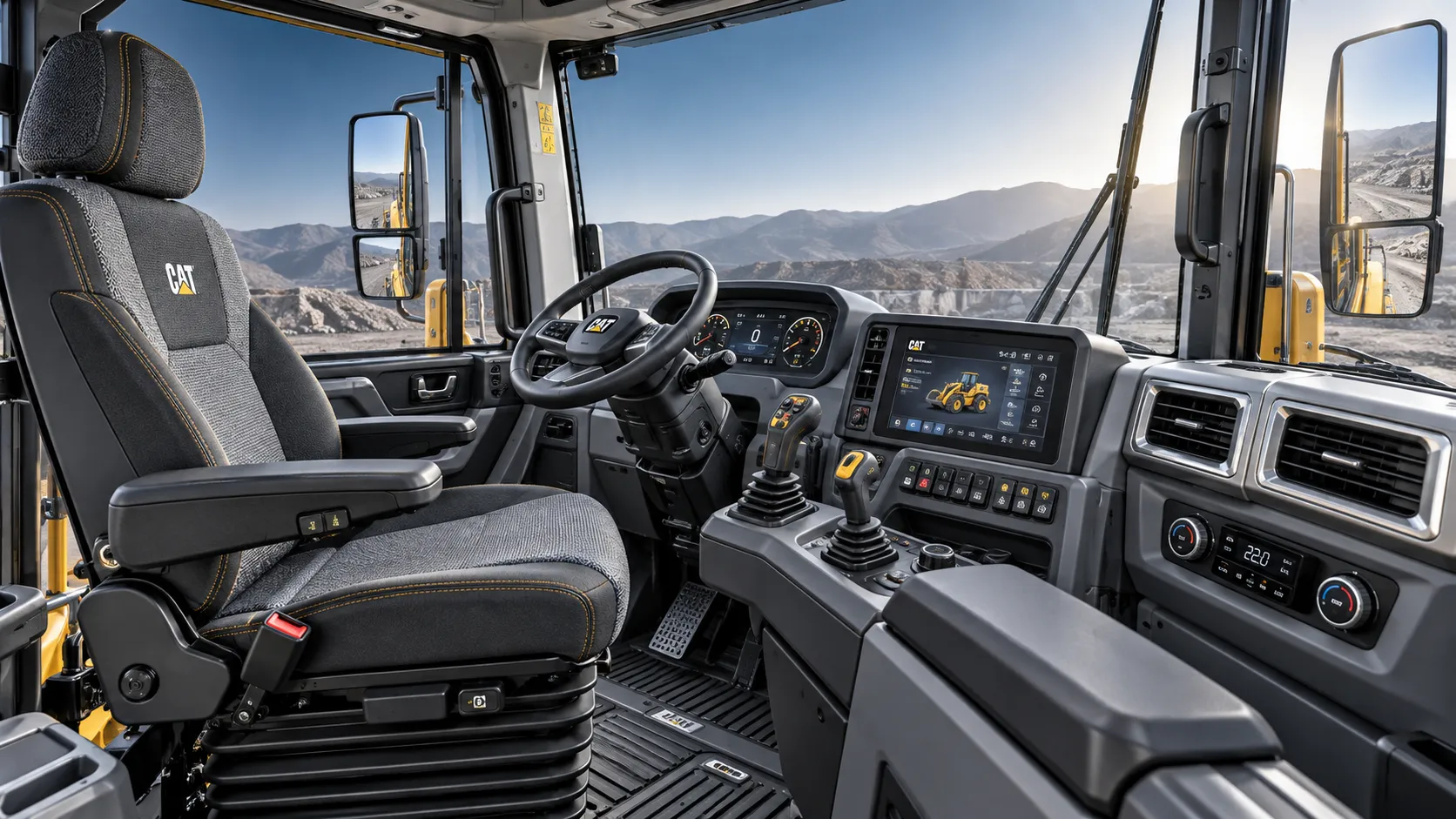
How Adjustable Cabin Ergonomics Reduce Operator Fatigue in Long-Shift Vehicles
Adjustable cabin ergonomics reduces operator fatigue through better seating, reach, visibility, vibration control, and climate comfort for safer long-shift vehicles.
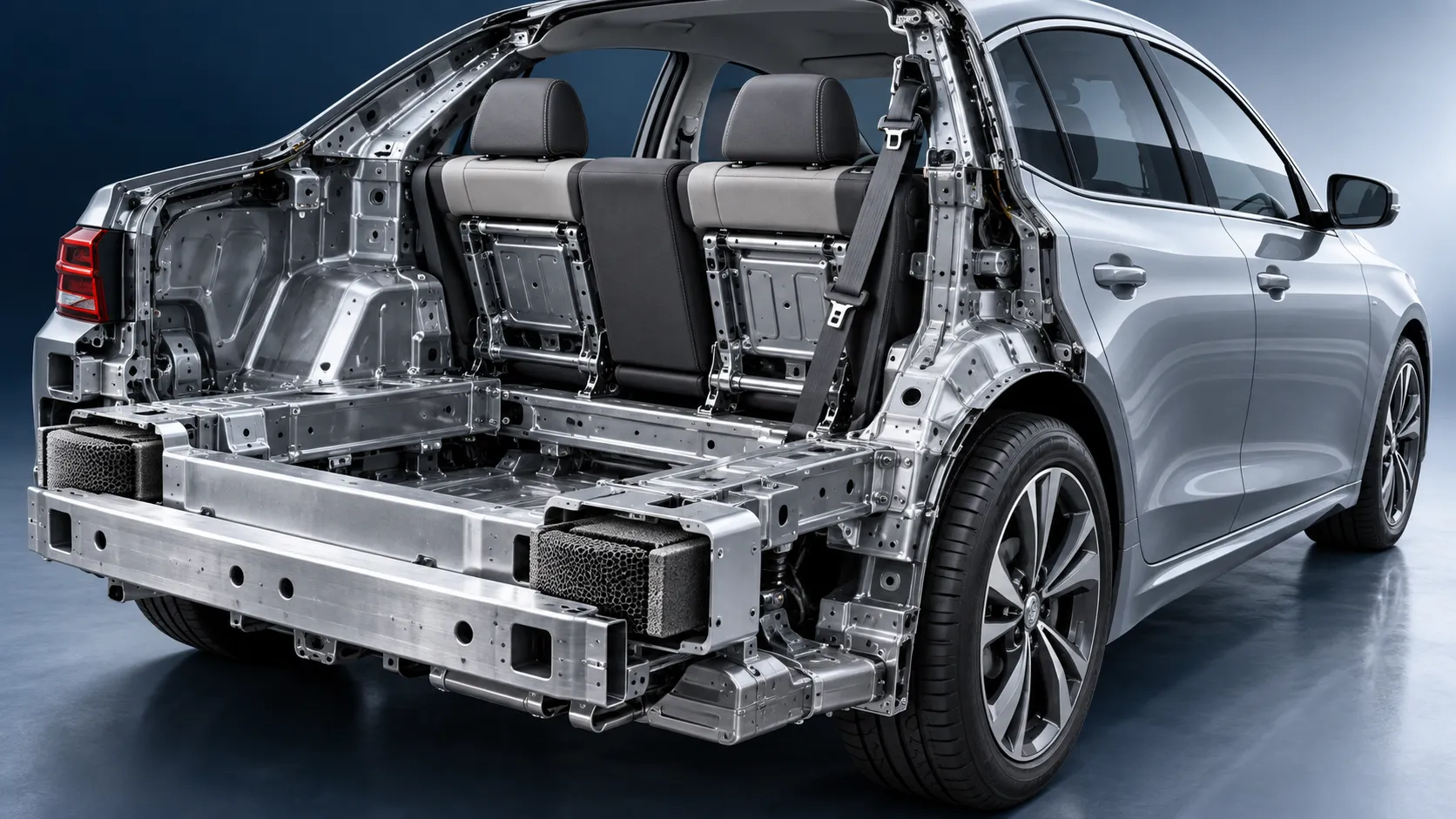
How Rear-Impact Safety Components Work Together to Protect Vehicle Occupants
Explore how automotive safety components for rear impact work together—from crash structures and seats to head restraints and belts—to enhance occupant protection.
How to Evaluate a Marine Safety Systems Manufacturer for Vessel Compliance and Reliability
Marine safety systems manufacturer evaluation guide: verify compliance, engineering quality, lifecycle costs, and global service support for safer, reliable vessel operations.
Crash Test Regulations for Seatbelts: Key Compliance Requirements Explained
Crash test regulations seatbelts explained: explore FMVSS, UN rules, anchorage strength, and dynamic restraint testing for safer, compliant vehicle systems.

How to Calculate the Total Cost of Automotive Lightweighting for a Vehicle Program
Automotive lightweight solutions cost: learn how to calculate program-level costs, including materials, tooling, joining, validation, risk, and vehicle-level value.

How Automotive Seat Occupancy Sensing Improves Airbag Deployment Decisions
Automotive seat occupancy sensing helps optimize airbag deployment decisions, improving passenger classification, safety diagnostics, and compliance across real-world conditions.

What Drives Lightweight Body Component Costs in High-Volume Vehicle Programs?
Lightweight body components cost depends on material yield, forming, joining, tooling, validation, and logistics. Explore proven ways to optimize total vehicle program cost.
Related News
- 00
0000-00
How to Evaluate High Strength Hot Stamped Steel Parts for Crash-Safety Applications - 00
0000-00
How to Evaluate Steel Auto Body Stampings for Strength, Fit, and Cost - 00
0000-00
Vehicle Lightweight Engineering for Body Structures vs High-Strength Steel: When to Use Which - 00
0000-00
Vehicle Lightweight Solutions for Structural Parts: When to Use Aluminum, HSS, or Hot Stamping - 00
0000-00
How to Evaluate High Strength Steel Stampings for Seat Structures: Key Grades and Forming Limits
Weekly Insights
Stay ahead with our curated technology reports delivered every Monday.