Marine Electromagnetic Navigation Limits in Congested Coastal Routes
In congested coastal routes, marine electromagnetic navigation is under growing pressure from denser vessel traffic, more complex port approaches, expanding offshore infrastructure, and tighter safety oversight. What once worked well in open waters can lose accuracy or operational confidence near shore, where multipath effects, radio congestion, radar clutter, and conflicting sensor inputs become more common. For technical evaluation, the key issue is no longer whether marine electromagnetic navigation is advanced, but where its practical limits begin, how quickly performance degrades, and what integration choices improve resilience.
This matters across the wider mobility and safety ecosystem as well. High-precision perception, compliance readiness, and fault-tolerant system design now shape decision-making in marine electronics just as they do in automotive passive safety and intelligent cabin systems. In that context, understanding the limits of marine electromagnetic navigation in congested coastal routes supports better risk control, smarter system architecture, and more credible long-term deployment planning.
Coastal traffic density is redefining the operating boundary of marine electromagnetic navigation

The operating environment for marine electromagnetic navigation has changed significantly over the last decade. Coastal routes now carry a wider mix of traffic types, from deep-sea cargo vessels and ferries to service craft, fishing fleets, patrol units, and autonomous test platforms. At the same time, shoreside communication systems, offshore wind farms, port cranes, and urban electromagnetic emissions have increased. This combination is narrowing the margin between nominal navigation performance and degraded-state operation.
In practical terms, congestion does not simply create more targets on a display. It intensifies target overlap, obscures signal discrimination, increases false returns, and shortens the time available for safe interpretation. When coastal topography, weather layers, and man-made reflectors are added, marine electromagnetic navigation can face precision loss even when core hardware remains compliant and fully functional.
Several trend signals show why navigation precision degrades faster near shore
A clear trend is emerging: the closer vessels operate to dense coastlines, the more likely electromagnetic-based navigation systems are to encounter layered interference rather than a single point failure. This is especially visible in narrow channels, harbor entry zones, ferry corridors, and areas with overlapping radar, AIS, GNSS, VHF, and local communication infrastructure.
Another signal is the rising importance of navigation continuity over peak theoretical accuracy. In congested coastal routes, short interruptions, unstable heading references, or inconsistent target updates may cause more operational risk than a known but modest positioning bias. As a result, evaluation priorities are shifting from standalone sensor specification toward integrated behavior under stress.
Key drivers behind the limits of marine electromagnetic navigation
The main technical limits are no longer isolated failures but interacting weaknesses
The first practical limit of marine electromagnetic navigation in congested coastal routes is interference stacking. GNSS vulnerability, radar clutter, and AIS overload may each be manageable on their own, but together they create compounding uncertainty. This can weaken route confidence, collision avoidance timing, and alarm prioritization.
The second limit is geometry distortion. In confined waterways, turning basins, and steep shoreline zones, electromagnetic signals interact with terrain and structures in ways that reduce measurement reliability. Reflections from steel hulls, port equipment, and waterfront buildings can generate false echoes or inconsistent positioning cues, especially when visibility is poor and crews depend more heavily on instruments.
A third limit is update latency within fused systems. Modern bridges often rely on integrated sensor suites rather than a single navigation source. Yet if one subsystem lags, drops packets, or applies inconsistent filtering, the entire operational picture may appear coherent while hiding timing errors. For marine electromagnetic navigation, this is a critical risk because apparent precision can mask degraded synchronization.
- Dense target environments increase false positives and operator interpretation load.
- Multipath and shoreline reflection reduce trust in raw electromagnetic signals.
- Integrated systems can propagate one weak input across the whole bridge interface.
- Compliance may be achieved on paper while real-world route resilience remains insufficient.
These limits are influencing system design, operations, and cross-functional business decisions
The impact of constrained marine electromagnetic navigation goes beyond onboard equipment selection. It affects software architecture, maintenance strategy, route risk modeling, crew training logic, and evidence collection for compliance audits. In high-density coastal trade, the value of a navigation system increasingly depends on how well it degrades, alerts, and recovers under stress, not only how accurate it is in ideal sea conditions.
There is also a broader intelligence implication. Organizations tracking maritime safety trends now compare electromagnetic navigation performance with the same rigor used in other high-reliability sectors: signal integrity, event traceability, sensor fusion transparency, and human-machine interaction quality. This reflects a larger movement toward measurable resilience across navigation, mobility safety, and equipment compliance.
Where the effects are most visible
- Bridge decision support: Higher alarm density and more frequent ambiguity in target behavior.
- Maintenance planning: More frequent need for calibration checks, shielding review, and interference diagnosis.
- Compliance documentation: Greater emphasis on logs proving performance in complex route conditions.
- Integration value assessment: Stronger focus on whether radar, GNSS, AIS, INS, and ECDIS cooperate reliably under coastal stress.
The next evaluation focus should shift from specification sheets to resilience indicators
Because the limits of marine electromagnetic navigation are context-driven, evaluation should prioritize operational resilience indicators. This includes continuity of situational awareness, behavior during temporary interference, consistency of timestamp alignment, and quality of fallback logic. A system that delivers slightly lower peak accuracy but maintains stable confidence across congestion may outperform a higher-spec system that becomes erratic under shoreline stress.
Priority points that deserve close attention
- Verify how marine electromagnetic navigation performs during simultaneous radar clutter and GNSS disturbance.
- Check whether sensor fusion logic exposes confidence levels rather than only final outputs.
- Review electromagnetic compatibility design in relation to port and nearshore infrastructure.
- Assess how alarms are prioritized when multiple sources degrade at once.
- Confirm that software updates do not change coastal behavior without clear validation evidence.
- Measure recovery speed after short signal interruptions or target masking events.
A practical response combines route-aware testing, integration discipline, and staged improvement
A stronger response to the limits of marine electromagnetic navigation starts with route-specific testing. Open-sea performance should not be used as the sole proxy for narrow channel reliability. Test profiles need to include coastal reflections, moving traffic density, harbor structures, intermittent masking, and mixed weather conditions. The objective is to identify the threshold where navigation confidence drops, not just the point of complete failure.
For the next step, focus on building an evaluation framework that treats marine electromagnetic navigation as an ecosystem capability rather than a standalone instrument. Map interference sources along critical coastal routes, compare normal-mode and degraded-mode behavior, and set acceptance criteria for continuity, recoverability, and transparency. In crowded shore environments, safer deployment comes not from assuming perfect signals, but from proving that performance remains understandable, traceable, and controlled when precision begins to erode.
Related News

Smart Cabin Solutions: Common Integration Mistakes and How to Avoid Them
Smart cabin solutions often fail at the integration stage. Discover common mistakes, scenario-specific risks, and practical fixes to reduce downtime and improve reliability.
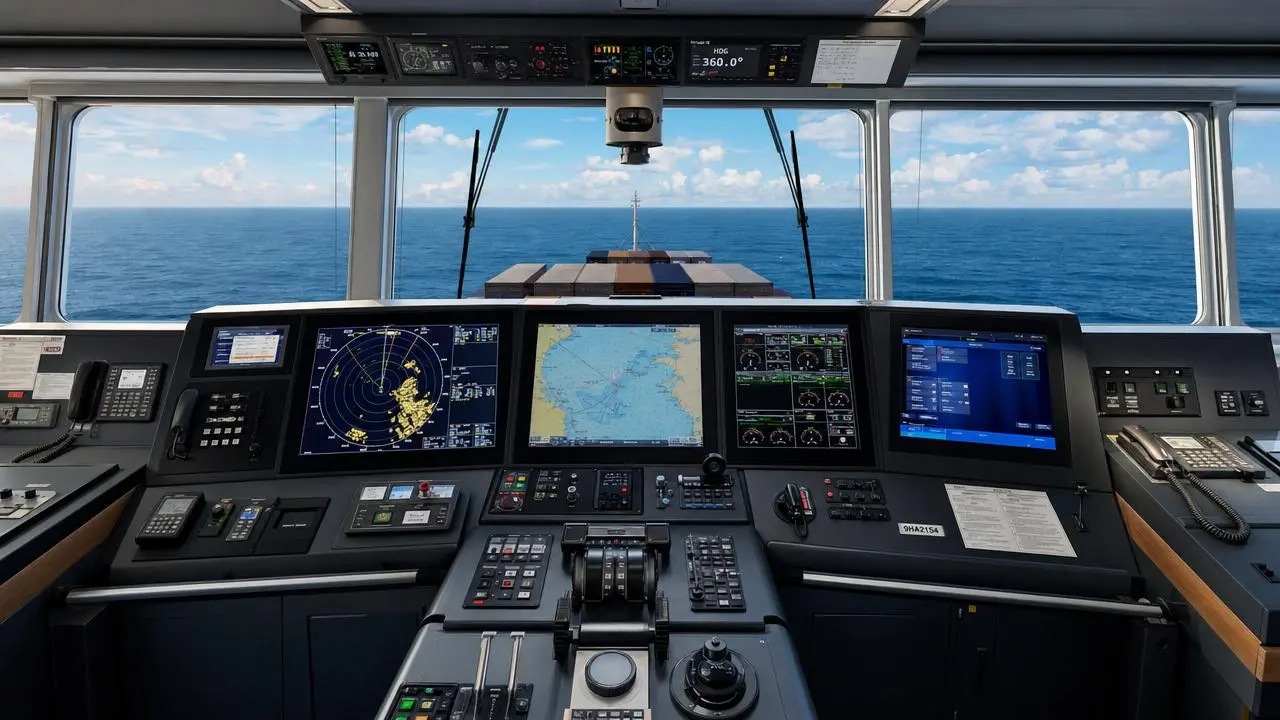
Maritime Safety Technology Updates That May Affect Fleet Compliance
Maritime safety technology updates can directly impact fleet compliance, supplier choices, and risk control. Explore key trends shaping smarter maritime decisions.

Automotive Crash Protection: Choosing Between Airbag Module Architectures
Automotive crash protection starts with the right airbag module architecture. Compare driver, passenger, side, and curtain designs to improve safety, integration, and compliance.

Intelligent Cabin Systems: Which Features Matter Most for New Models?
Intelligent cabin systems for new models: discover which features drive safety, comfort, scalability, and ROI—helping teams prioritize smarter cabin innovation with less risk.

Vehicle Lightweight Solutions: Cost Trade-Offs Between Steel and Aluminum
Vehicle lightweight solutions compared: steel vs aluminum cost trade-offs, tooling, compliance, EV range, and ROI insights to help choose the smartest lightweight strategy.
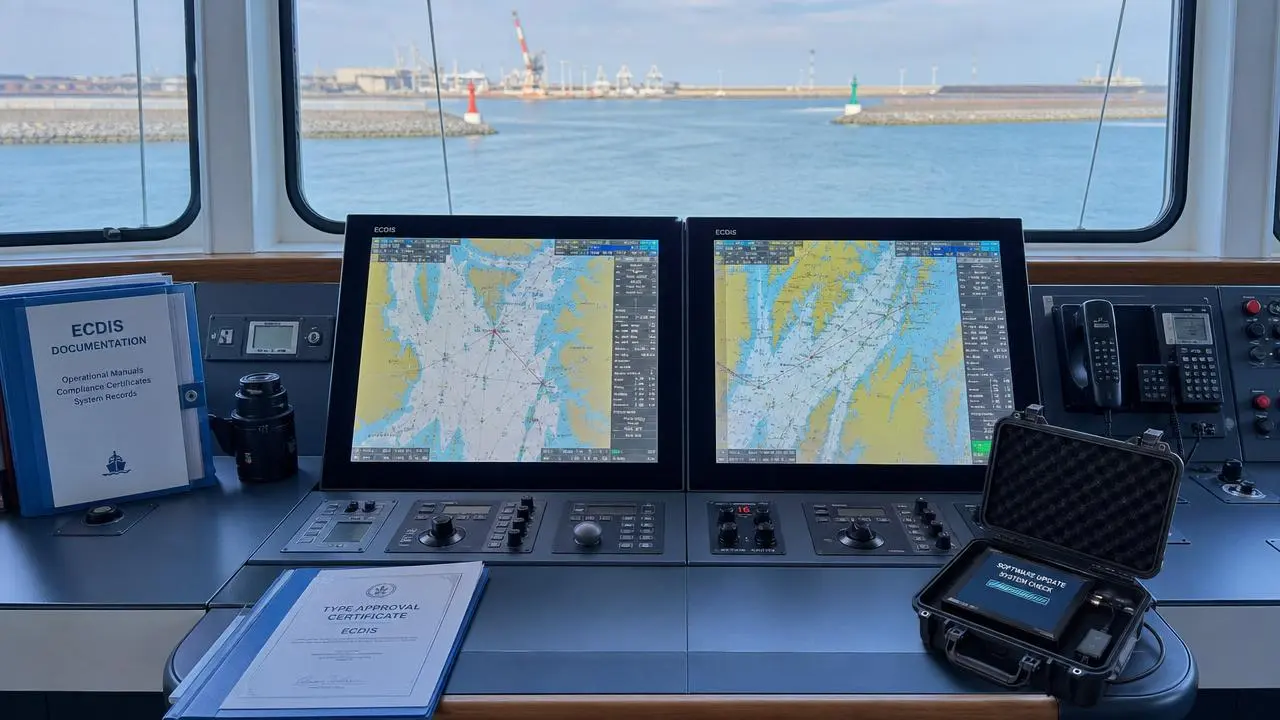
Navigation Compliance Standards: Key Risks in ECDIS Upgrades
Navigation compliance standards are critical in ECDIS upgrades. Discover hidden risks, audit-ready controls, and practical steps to improve fleet safety and inspection readiness.
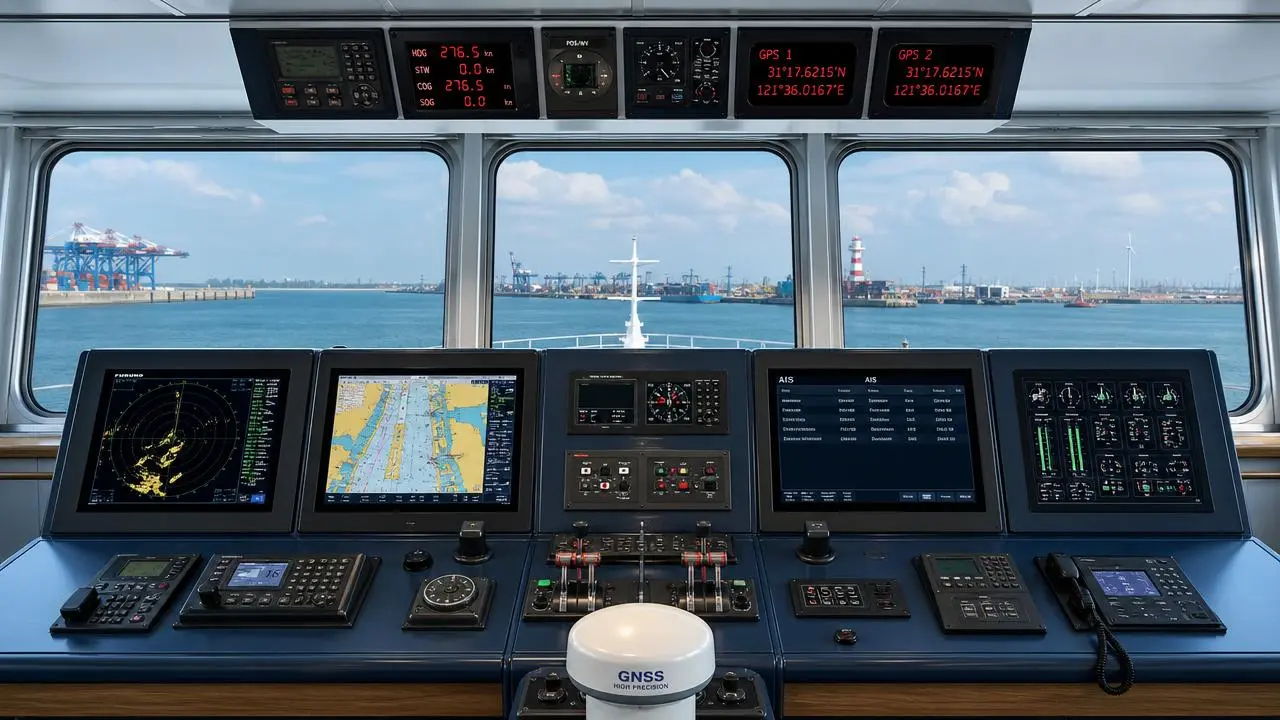
Marine Positioning Technology: What to Compare Before System Selection
Marine positioning technology comparison guide: evaluate accuracy, integration, resilience, compliance, and lifecycle cost before system selection for safer navigation and smarter long-term value.

Automotive Ergonomic Design Trends Shaping Seat Frame Development in 2026
Automotive ergonomic design is reshaping seat frame development in 2026, driving safer, lighter, smarter seating solutions that improve comfort, compliance, and EV cabin integration.

How Micro-Climate Control Seats Improve Comfort in Long-Haul Driving
Micro-climate control seats improve long-haul driving comfort by managing heat, airflow, and moisture. Discover how they reduce fatigue, support safety, and enhance every journey.
Related News
- 00
0000-00
Marine Electromagnetic Navigation Limits in Congested Coastal Routes - 00
0000-00
Navigation Radar Upgrades: When Legacy Systems Become a Liability - 00
0000-00
Sonar Technology Limits in Shallow Water Operations - 00
0000-00
Navigation Radar Selection: Range, Clutter Control, and Failure Risks - 00
0000-00
Automatic Identification Systems: Common Setup Errors That Affect Tracking
Weekly Insights
Stay ahead with our curated technology reports delivered every Monday.