Maritime Safety Technology Updates That May Affect Fleet Compliance
Maritime safety technology is evolving quickly, and each update can reshape fleet compliance, equipment investment priorities, and operational risk assessments. For business evaluators, understanding how navigation systems, signal processing, onboard safety integration, and emerging regulatory expectations interact is essential to making informed decisions. This article outlines the latest developments that may influence compliance planning, supplier selection, and long-term competitiveness across global maritime operations.
What counts as a meaningful maritime safety technology update today?
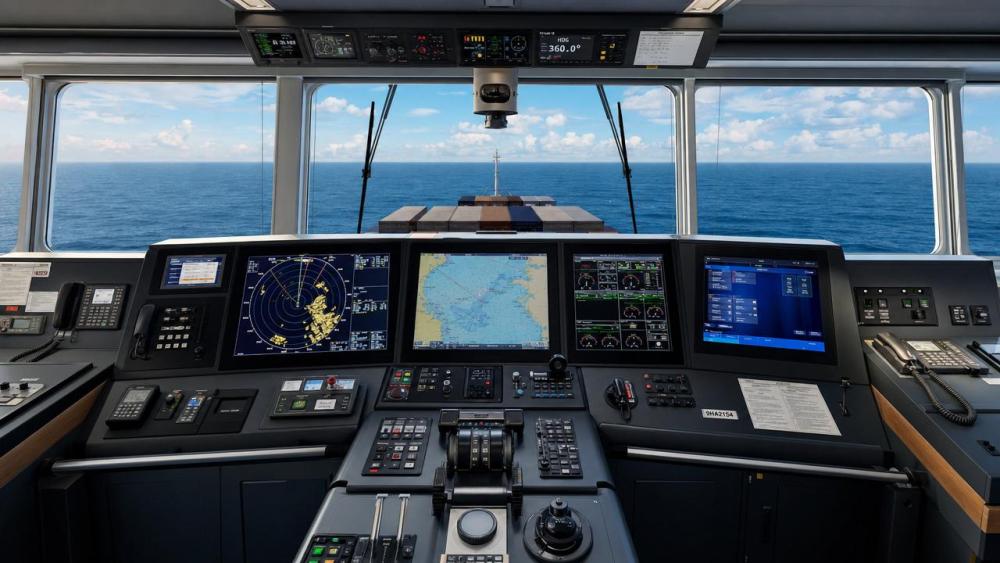
A meaningful maritime safety technology update is no longer limited to one new radar model or a software patch for bridge electronics. In current practice, maritime safety technology includes integrated navigation, collision avoidance, electronic chart management, distress communication, machine-assisted situational awareness, cabin safety monitoring, and data logging systems that support both operational safety and audit readiness. The compliance impact becomes significant when a technical change alters recordkeeping, alarm behavior, crew workflows, or the vessel’s ability to demonstrate conformity with flag, class, port state, or insurer expectations.
Several updates stand out. ECDIS software revisions are becoming more frequent as chart presentation standards, cybersecurity safeguards, and route validation features evolve. AIS and GNSS resilience are also receiving more attention because spoofing, jamming, and signal interruption now represent practical operational risks rather than theoretical concerns. In parallel, bridge systems are being linked more closely with engine, voyage, and incident reporting platforms, making maritime safety technology part of a broader digital compliance architecture.
Another important shift is that regulators and counterparties increasingly evaluate performance, not just installation. A fleet may have compliant hardware on paper, yet still face findings if software is outdated, alerts are poorly configured, or crew are unable to use the system as intended. That is why maritime safety technology updates should be reviewed as a lifecycle issue involving procurement, maintenance, training, and documentation.
Why are navigation and signal-processing changes affecting fleet compliance more directly?
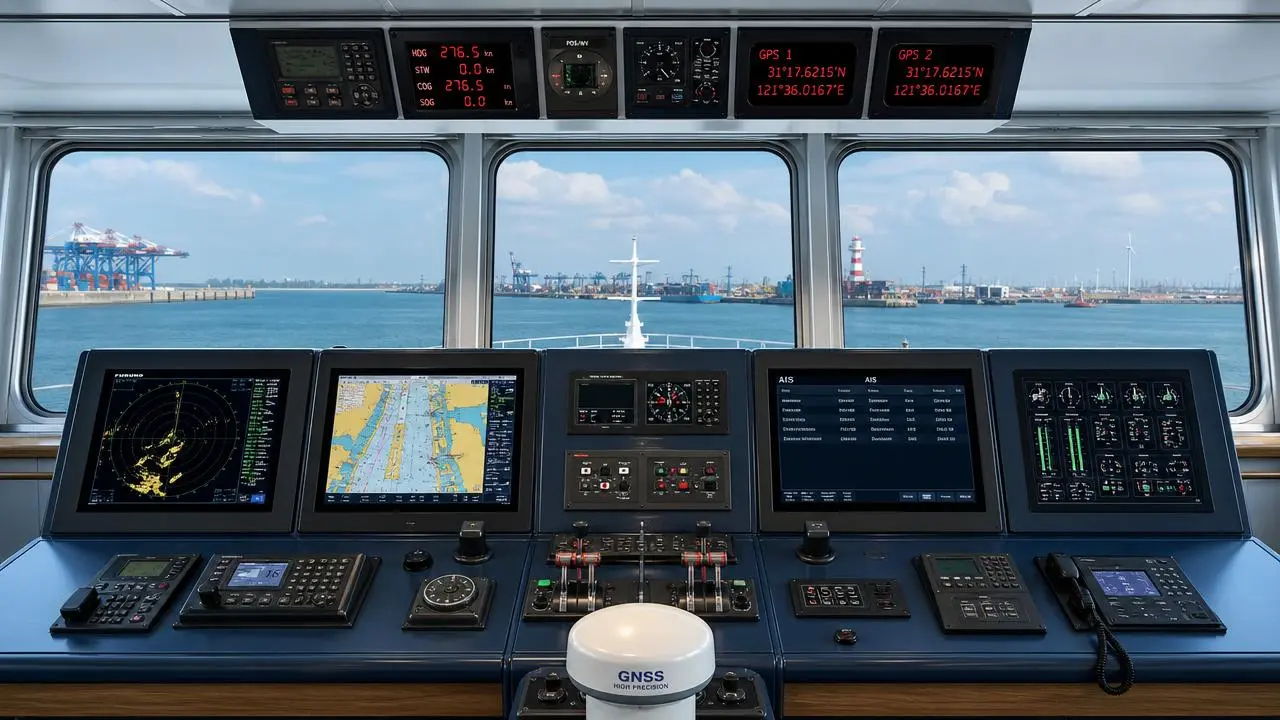
Navigation technology has moved from standalone equipment toward interconnected intelligence. Radar, ECDIS, sonar inputs, GNSS receivers, AIS feeds, and voyage management tools now exchange data continuously. This improves decision support, but it also creates a tighter compliance chain: if one component is misconfigured or compromised, the integrity of the full bridge picture may be questioned.
Signal-processing upgrades are especially relevant. Modern maritime safety technology can filter clutter more accurately, detect weak targets in congested or adverse-weather environments, and improve fusion between radar and chart layers. These improvements support safer navigation, yet they also require validation. If operators rely on enhanced target tracking or predictive collision warnings, records should show that the system version, calibration status, and training regime are appropriate. Compliance is increasingly tied to proof that advanced functions are not only installed but also controlled.
Cyber resilience adds another layer. Satellite navigation interference and unauthorized network access have pushed many operators to reassess bridge segmentation, patch management, backup positioning methods, and alert escalation protocols. A vessel that depends heavily on connected maritime safety technology may need stronger internal procedures for software approval, remote updates, and fallback navigation. This is where technical sophistication and compliance discipline begin to merge.
- Check whether navigation software updates change alarm logic or display behavior.
- Verify that anti-spoofing, redundancy, and manual backup procedures are documented.
- Review whether data fusion functions require revised crew training or revised SOPs.
- Confirm that update histories can be produced during inspection or claims review.
Which vessels and operating scenarios are most exposed to these maritime safety technology changes?
The short answer is that almost any commercial fleet can be affected, but the degree of exposure varies by route complexity, vessel age, equipment diversity, and reporting obligations. Ocean-going vessels operating across multiple jurisdictions face a higher probability of encountering different inspection expectations and evolving digital documentation demands. Coastal fleets and short-sea operations may face less complexity in route length, yet often navigate denser traffic, which raises the value of accurate target detection and dependable bridge alerts.
Older vessels are not automatically non-compliant, but mixed-generation equipment creates practical challenges. Legacy interfaces may not support newer data-sharing functions, cybersecurity protections, or chart update processes at the same standard as current systems. In such cases, maritime safety technology planning should focus on interoperability and evidence of risk control rather than simply adding isolated devices.
Certain scenarios deserve extra attention:
- High-traffic corridors where enhanced collision avoidance and target discrimination matter most.
- Polar, offshore, or remote routes where communications resilience and backup navigation are critical.
- Fleets undergoing digital transformation, where rapid software integration can outpace governance.
- Operations with strong charterer, insurer, or customer audit requirements.
For a platform such as GNCS, the bigger lesson is cross-sectoral: advanced perception systems only create value when signal accuracy, physical safety logic, and regulatory traceability evolve together. That principle applies whether the context is marine navigation or other safety-critical mobility equipment.
How should maritime safety technology be evaluated when selecting suppliers or upgrade paths?
A common mistake is to compare systems mainly by feature lists. In reality, maritime safety technology should be judged by compliance durability: how well the solution remains supportable, updateable, auditable, and interoperable over time. A lower upfront price may become expensive if software updates are slow, configuration support is weak, or evidence for inspections is hard to produce.
Evaluation should begin with five questions. Does the supplier provide documented update governance? Can the system integrate with existing bridge and reporting architecture without custom complexity? Are cybersecurity and remote maintenance handled transparently? Is training structured for role-based use, not just installation sign-off? And can service records, software versions, and alarm histories be retrieved efficiently during an audit or incident investigation?
The table below summarizes a practical decision framework.
What are the biggest compliance risks and misconceptions around maritime safety technology?
One misconception is that certification at delivery guarantees future compliance. It does not. Maritime safety technology can drift away from compliant performance through outdated software, incomplete chart updates, disabled alarms, neglected crew refreshers, or undocumented repairs. Compliance is dynamic because both regulation and operating risk continue to evolve.
Another risk is overconfidence in automation. Enhanced route monitoring, automated alerts, and sensor fusion can reduce human workload, but they can also create blind trust if bridge teams are not trained to challenge outputs. In inspections and incident reviews, authorities increasingly look at whether operators maintained effective human oversight instead of assuming technology alone prevented risk.
A third problem is fragmented responsibility. If IT teams, marine operations, technical management, and external vendors each control part of the system, no one may own the complete compliance picture. This can leave update approval, vulnerability management, and evidence retention poorly coordinated. Strong governance is now as important as advanced hardware.
For this reason, maritime safety technology should be treated as both an engineering system and a management system. The fleets that perform best usually maintain clear ownership for configuration control, inspection readiness, and crew competence verification.
How can fleets prepare for future maritime safety technology requirements without overspending?
Preparation starts with prioritization, not blanket replacement. A sensible roadmap begins by mapping current equipment, software versions, communication pathways, and compliance evidence gaps. From there, upgrades can be ranked by operational criticality, regulatory exposure, and the cost of failure. This often reveals that some of the highest-value actions are procedural: update governance, backup navigation drills, alarm review, and centralized maintenance records.
It is also wise to favor modular maritime safety technology where possible. Systems that support staged upgrades, remote diagnostics, and standardized interfaces reduce the risk of expensive full-platform replacement later. When evaluating investment timing, consider not only capex but also downtime, retraining, cybersecurity maintenance, and service availability across trading regions.
A practical preparation checklist includes:
- Audit navigation, communication, and safety systems against current software and service status.
- Identify single points of failure in signal reception, data sharing, and backup procedures.
- Set a documented approval process for patches, remote access, and configuration changes.
- Align technical upgrades with crew training and inspection evidence requirements.
- Use expert intelligence sources to track rule evolution, supplier capability, and adoption trends.
In a market where precision perception and physical safety assurance are converging, long-term competitiveness will depend on turning maritime safety technology into a disciplined compliance asset rather than a collection of disconnected devices. The next step is to review current system maturity, define upgrade priorities, and monitor regulatory and technical developments continuously so each investment supports both safer operations and stronger global credibility.
Related News
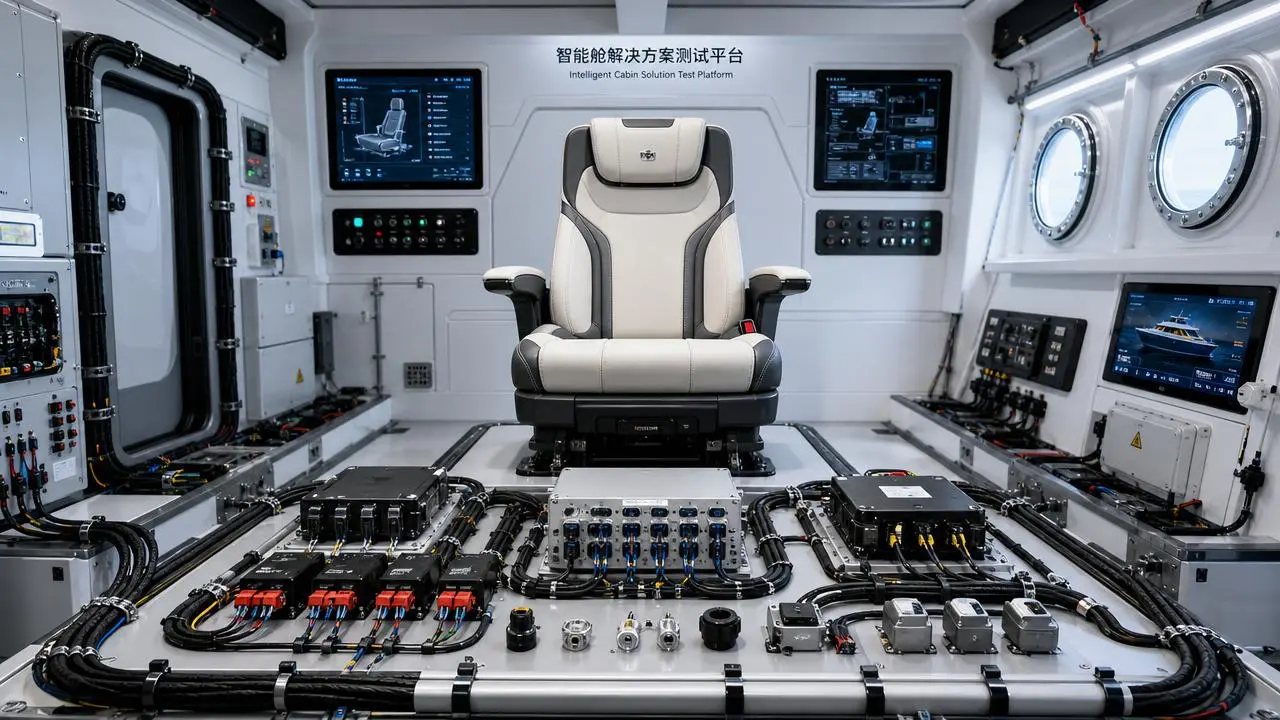
Smart Cabin Solutions: Common Integration Mistakes and How to Avoid Them
Smart cabin solutions often fail at the integration stage. Discover common mistakes, scenario-specific risks, and practical fixes to reduce downtime and improve reliability.

Automotive Crash Protection: Choosing Between Airbag Module Architectures
Automotive crash protection starts with the right airbag module architecture. Compare driver, passenger, side, and curtain designs to improve safety, integration, and compliance.

Intelligent Cabin Systems: Which Features Matter Most for New Models?
Intelligent cabin systems for new models: discover which features drive safety, comfort, scalability, and ROI—helping teams prioritize smarter cabin innovation with less risk.

Marine Electromagnetic Navigation Limits in Congested Coastal Routes
Marine electromagnetic navigation faces growing limits in congested coastal routes. Discover key risks, resilience strategies, and smarter system choices for safer deployment.

Vehicle Lightweight Solutions: Cost Trade-Offs Between Steel and Aluminum
Vehicle lightweight solutions compared: steel vs aluminum cost trade-offs, tooling, compliance, EV range, and ROI insights to help choose the smartest lightweight strategy.
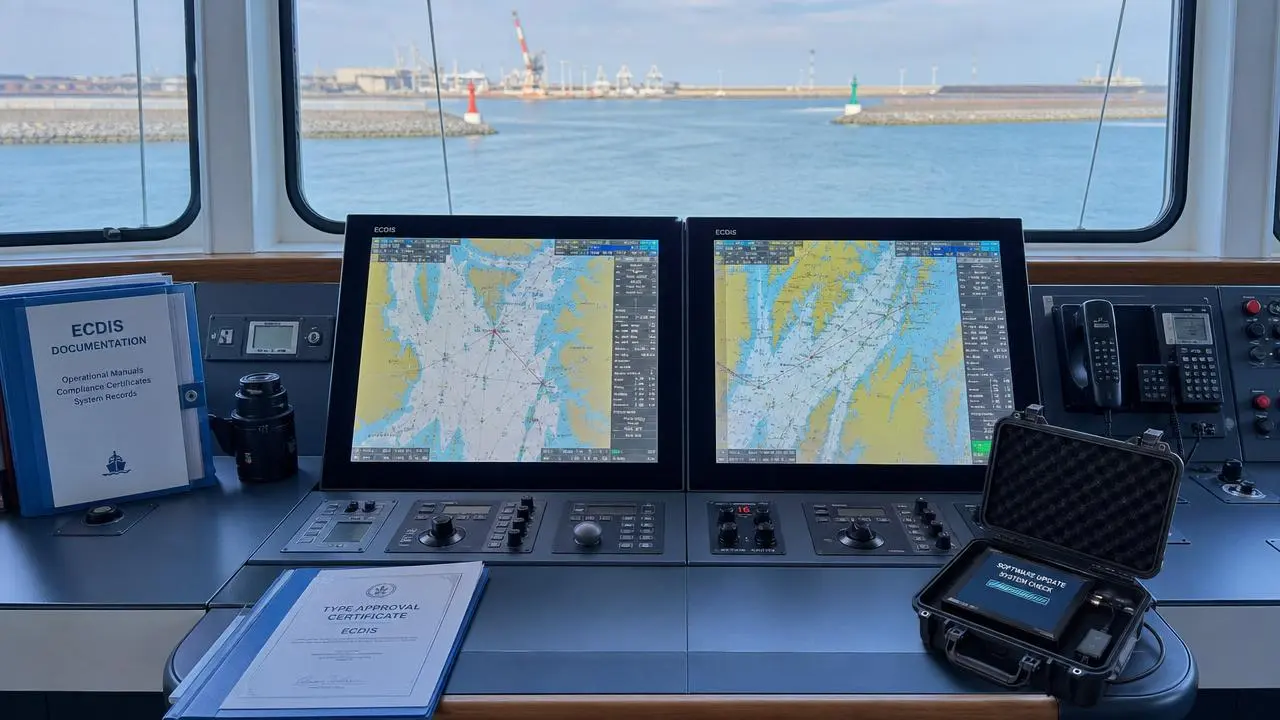
Navigation Compliance Standards: Key Risks in ECDIS Upgrades
Navigation compliance standards are critical in ECDIS upgrades. Discover hidden risks, audit-ready controls, and practical steps to improve fleet safety and inspection readiness.
Marine Positioning Technology: What to Compare Before System Selection
Marine positioning technology comparison guide: evaluate accuracy, integration, resilience, compliance, and lifecycle cost before system selection for safer navigation and smarter long-term value.

Automotive Ergonomic Design Trends Shaping Seat Frame Development in 2026
Automotive ergonomic design is reshaping seat frame development in 2026, driving safer, lighter, smarter seating solutions that improve comfort, compliance, and EV cabin integration.

How Micro-Climate Control Seats Improve Comfort in Long-Haul Driving
Micro-climate control seats improve long-haul driving comfort by managing heat, airflow, and moisture. Discover how they reduce fatigue, support safety, and enhance every journey.
Weekly Insights
Stay ahead with our curated technology reports delivered every Monday.