
Automotive Crash Protection: Choosing Between Airbag Module Architectures
In automotive crash protection, choosing the right airbag module architecture is no longer a simple packaging decision—it directly affects deployment timing, occupant coverage, system integration, and regulatory performance. For technical evaluators, understanding how different module designs balance safety, weight, cost, and platform compatibility is essential to making informed decisions in today’s increasingly complex passive safety landscape.
For most technical evaluation teams, the key question is not which airbag module looks more advanced on paper, but which architecture delivers the best real-world protection within the constraints of vehicle package space, sensing strategy, platform reuse, and target compliance. In practice, the best choice depends on crash pulse characteristics, interior geometry, restraint coordination, and manufacturing maturity.
The core search intent behind “automotive crash protection” in this context is comparative and decision-oriented. Readers want to understand how major airbag module architectures differ, what trade-offs matter most, and how to select a solution that improves occupant protection without creating integration, validation, or cost risk later in the program.
That means this discussion should focus less on generic airbag theory and more on evaluation logic: driver versus passenger module design, top-mount versus instrument-panel-integrated layouts, single-stage versus multi-stage inflators, side and curtain module packaging, and how module architecture affects crash performance, certification, and lifecycle complexity.
What Technical Evaluators Actually Need to Compare in Airbag Module Architectures
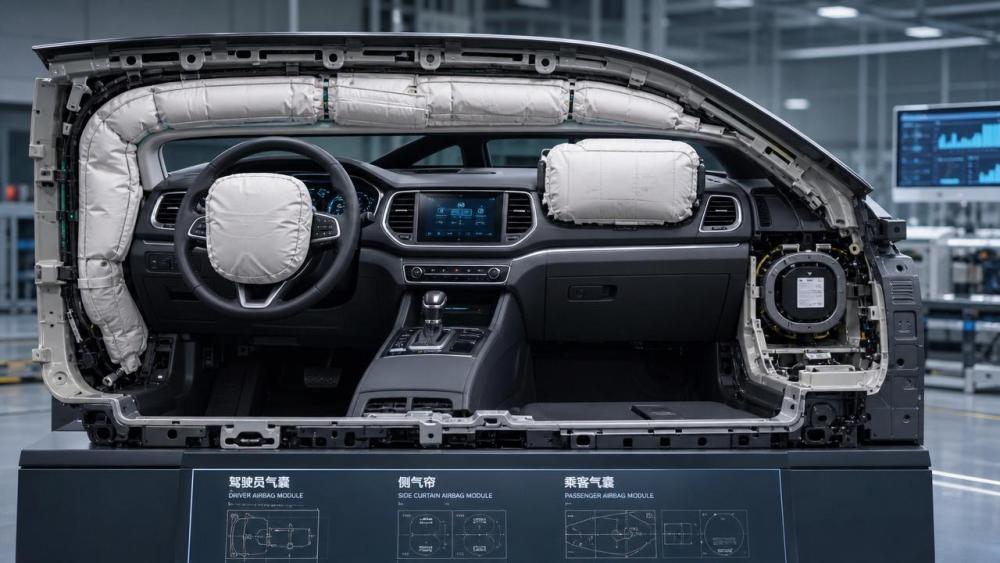
When technical teams assess airbag module architectures, they are usually balancing five variables at the same time: occupant protection performance, integration feasibility, mass and packaging efficiency, cost structure, and validation burden. A module that performs well in one category can become problematic in another if it increases trim complexity, introduces deployment path uncertainty, or forces a major redesign of adjacent systems.
In automotive crash protection, architecture selection is also tied to system interaction. Airbags do not work alone. They operate as part of a broader restraint chain that includes seatbelts, pretensioners, load limiters, seats, steering systems, body structures, and sensor algorithms. A technically attractive module can underperform if its inflation profile or placement is not synchronized with belt restraint timing and occupant kinematics.
For evaluation purposes, a useful comparison framework begins with three questions: What crash scenarios must this module support? What occupant sizes and seating postures must it manage? And what vehicle-platform constraints will shape deployment space, wiring, mounting, and serviceability? These questions often reveal whether a simpler architecture is sufficient or whether a more adaptive module is justified.
Driver Airbag Module Architecture: Small Package, High Integration Sensitivity
Driver airbags are typically mounted within the steering wheel and must deploy with extreme consistency despite tight packaging constraints. Their architecture is influenced by steering wheel design, horn integration, switch packaging, steering spoke geometry, and the available reaction structure. For technical evaluators, the main issue is not only bag volume, but whether the module can achieve stable deployment across wheel variants and steering column positions.
Modern driver modules commonly use either folded compact packages optimized for space efficiency or more structured folding strategies designed to improve bag emergence and trajectory control. The trade-off is straightforward: highly compact packaging can help styling and weight goals, but it may increase sensitivity to trim interaction, seam break behavior, and deployment repeatability.
Single-stage inflators may still suit entry platforms or lower-complexity applications, but dual-stage or multi-stage driver modules offer better energy management across different crash severities, occupant sizes, and seat positions. For technical evaluators, this matters because advanced inflator staging can improve injury metrics and reduce aggressivity risk, especially in regulatory and consumer-test environments where broad performance robustness is required.
Steering wheel-mounted modules also require careful attention to vibration durability, electrical connection integrity, and assembly consistency. A module architecture that appears cost-effective can create downstream quality risks if it is difficult to assemble repeatably or if it adds tolerance stack challenges at the wheel center and cover interfaces.
Passenger Airbag Architecture: Instrument Panel Integration Changes the Decision
Passenger airbags present a different architectural challenge because the module is usually integrated into the instrument panel, often with a larger bag volume and more complex deployment path. In automotive crash protection, passenger module selection depends heavily on IP beam design, decorative skin behavior, door break pattern, windshield angle, and available deployment volume behind the panel.
One major decision area is top-mount versus embedded or integrated module layouts. Top-mount concepts can simplify deployment path control and service access, but they may impose styling and packaging penalties. More deeply integrated architectures can improve visual cleanliness and enable IP optimization, yet they require much tighter control over tear seam design, substrate fracture, and cover-door kinematics.
Technical evaluators should pay particular attention to interaction between bag shape and occupant position diversity. Passenger-side protection must accommodate a wider range of anthropometries, including out-of-position cases and varied seat-track locations. This makes cushion geometry, venting strategy, tether layout, and inflator output especially important. Larger bags are not automatically better; poorly managed volume can create unstable contact conditions or excessive force in certain cases.
Platform-sharing programs further complicate the choice. If one module architecture must serve multiple vehicle widths, dashboard contours, and windshield distances, adaptability becomes a critical selection criterion. In such cases, a highly optimized module for one package may be less valuable than a moderately optimized architecture that scales efficiently across derivatives while preserving test performance.
Side Airbag and Curtain Airbag Architectures: Coverage and Timing Matter More Than Volume Alone
In side impacts and rollover events, airbag architecture decisions shift toward coverage zone, deployment speed, retention duration, and structural interaction. Thorax bags, seat-mounted side airbags, door-mounted modules, and curtain airbags each serve different occupant kinematic needs. Evaluators should avoid comparing them primarily by size or nominal inflation pressure; geometry and timing are usually more decisive.
Seat-mounted side airbags often offer better alignment with the occupant across seat adjustment positions, which can improve torso protection consistency. However, they also introduce integration issues with seat trim, foam, frame packaging, and seat-based electrical architecture. Door-mounted designs may free seat packaging space, but occupant alignment can vary more, especially in complex seating positions.
Curtain airbag architecture must be evaluated for deployment path along the roof rail, coverage of front and rear rows, rollover retention time, and compatibility with pillar trim and headliner packaging. In many safety programs, curtain design has become a differentiator because it contributes not only to side impact head protection but also to occupant containment in rollover scenarios.
For technical teams, the most useful assessment question is whether the architecture delivers reliable coverage when occupant motion is fastest and least predictable. A curtain with excellent static dimensions can still underperform if deployment propagation, anchoring strategy, or gas retention is not robust under realistic crash pulses and body deformation modes.
Inflator Strategy Is Part of the Architecture, Not a Separate Procurement Detail
A common evaluation mistake is to treat the inflator as a component decision rather than an architectural one. In reality, the module and inflator must be assessed together. Gas output profile, burn characteristics, pressure rise rate, thermal behavior, and environmental durability all influence how the airbag performs in actual crash events.
For automotive crash protection, the shift toward cleaner propellants, tighter safety controls, and more consistent output has made inflator strategy central to platform decisions. Pyrotechnic inflators remain common, but hybrid and adaptive approaches can be advantageous in specific applications where cushion volume, deployment duration, or multi-event performance is critical.
Technical evaluators should examine not only peak output but also controllability over a range of temperatures, occupant conditions, and crash severities. A module architecture that depends on a narrow inflator performance window may create validation stress and supply-chain risk. More forgiving designs often cost more upfront but can reduce engineering iterations and program instability.
It is also important to review how inflator selection affects diagnostics, wiring, connector strategy, and fault management. Multi-stage systems improve adaptability, but they increase control logic complexity and may influence functional safety validation requirements. The right choice is the one that improves protection performance without creating disproportionate software and electronic integration burden.
How Module Architecture Affects Compliance, Consumer Ratings, and Program Risk
Technical evaluators rarely choose airbag architectures in isolation from external performance targets. Regulatory compliance, New Car Assessment Program expectations, and brand-level safety positioning all influence what “good enough” means. An architecture that passes a base legal requirement may still be insufficient if the vehicle must perform strongly in offset, side, far-side, or small-overlap-related occupant protection assessments.
Airbag module architecture affects these outcomes through deployment timing, occupant engagement, and injury metric stability across varied test conditions. More adaptive systems can support stronger performance margins, but they also demand broader calibration and more extensive verification. The trade-off is between performance headroom and development complexity.
Program risk should be assessed across the full lifecycle. Early-stage package feasibility is only one part of the decision. Teams should also evaluate tooling implications, trim variability sensitivity, assembly error proofing, end-of-line testability, field service access, and long-term supplier capacity. Many passive safety issues emerge not from concept weakness but from architectural choices that are too sensitive to production variation.
From a sourcing standpoint, the most robust architecture is often the one with balanced maturity: enough technical sophistication to meet future safety needs, but not so much complexity that launch timing, validation schedule, or quality assurance become fragile. This is especially important for global programs serving multiple regions with different compliance pathways and consumer-test priorities.
A Practical Evaluation Framework for Choosing Between Airbag Module Architectures
For technical evaluators, a structured decision framework is more useful than abstract feature comparison. Start by defining the primary crash and occupant use cases the module must handle. Then assess each architecture against six criteria: protection effectiveness, package compatibility, system integration complexity, manufacturability, validation effort, and scalability across variants.
Protection effectiveness should include not only peak test results but also robustness across occupant sizes, seat positions, environmental extremes, and realistic tolerance conditions. Package compatibility should review available deployment volume, trim and substrate interactions, mounting path stiffness, and neighboring system conflict points.
System integration complexity should cover sensor strategy, ECU logic, belt coordination, seat interaction, steering or IP integration, and diagnostic architecture. Manufacturability should address assembly repeatability, fold process control, connector access, torque paths, and operator error prevention. Validation effort should estimate how much additional simulation, sled work, full-vehicle testing, and design iteration the architecture is likely to require.
Finally, scalability matters more than many teams expect. If the same platform will support multiple wheelbases, seating configurations, or regional safety targets, the preferred architecture is often the one that maintains acceptable performance with manageable retuning rather than the one that is narrowly optimized for a single configuration.
In short, choosing between airbag module architectures is really about selecting the right balance of protection, integration stability, and development efficiency. In automotive crash protection, the strongest decision is rarely the most aggressive or the least expensive architecture by itself. It is the one that delivers reliable occupant protection across real-world variability while fitting the vehicle platform, compliance roadmap, and production system.
For GNCS readers evaluating passive safety systems, the practical takeaway is clear: compare architectures as complete engineering solutions, not isolated hardware modules. The best-performing choice will be the one that aligns inflator behavior, cushion geometry, deployment path, restraint coordination, and manufacturing robustness into a stable and scalable safety package.
Related News
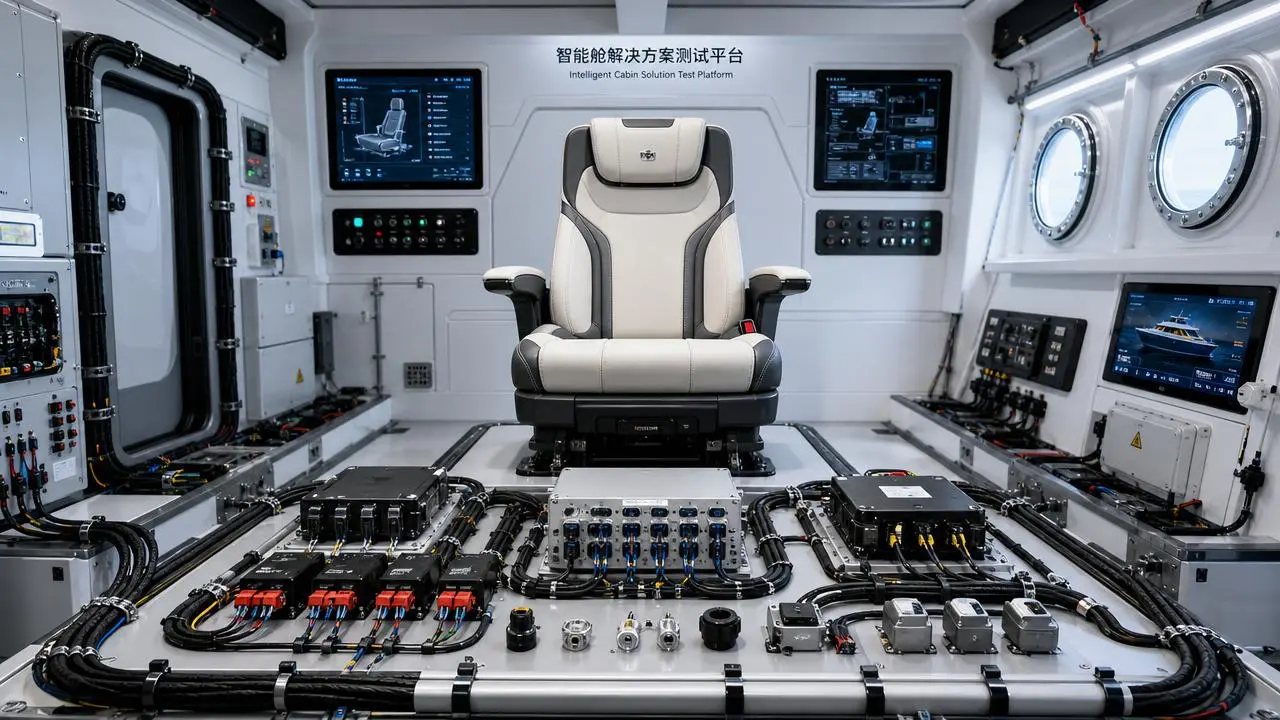
Smart Cabin Solutions: Common Integration Mistakes and How to Avoid Them
Smart cabin solutions often fail at the integration stage. Discover common mistakes, scenario-specific risks, and practical fixes to reduce downtime and improve reliability.

Maritime Safety Technology Updates That May Affect Fleet Compliance
Maritime safety technology updates can directly impact fleet compliance, supplier choices, and risk control. Explore key trends shaping smarter maritime decisions.

Intelligent Cabin Systems: Which Features Matter Most for New Models?
Intelligent cabin systems for new models: discover which features drive safety, comfort, scalability, and ROI—helping teams prioritize smarter cabin innovation with less risk.

Marine Electromagnetic Navigation Limits in Congested Coastal Routes
Marine electromagnetic navigation faces growing limits in congested coastal routes. Discover key risks, resilience strategies, and smarter system choices for safer deployment.
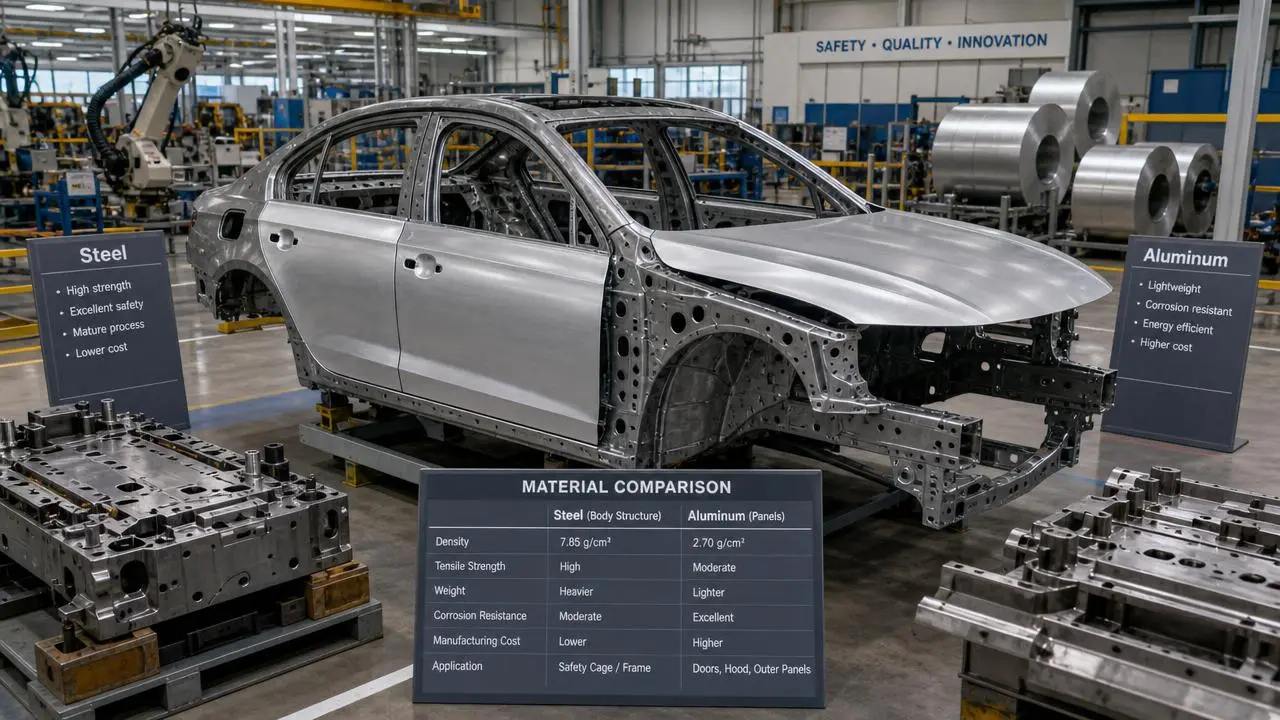
Vehicle Lightweight Solutions: Cost Trade-Offs Between Steel and Aluminum
Vehicle lightweight solutions compared: steel vs aluminum cost trade-offs, tooling, compliance, EV range, and ROI insights to help choose the smartest lightweight strategy.
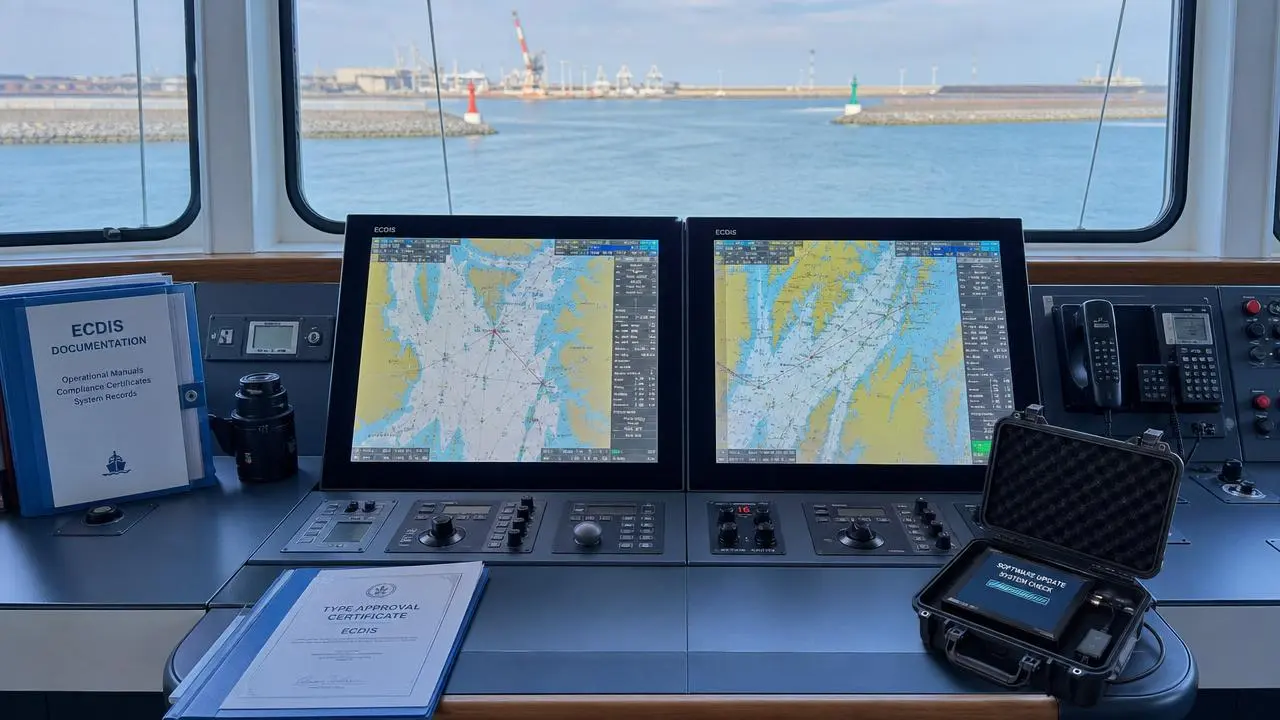
Navigation Compliance Standards: Key Risks in ECDIS Upgrades
Navigation compliance standards are critical in ECDIS upgrades. Discover hidden risks, audit-ready controls, and practical steps to improve fleet safety and inspection readiness.
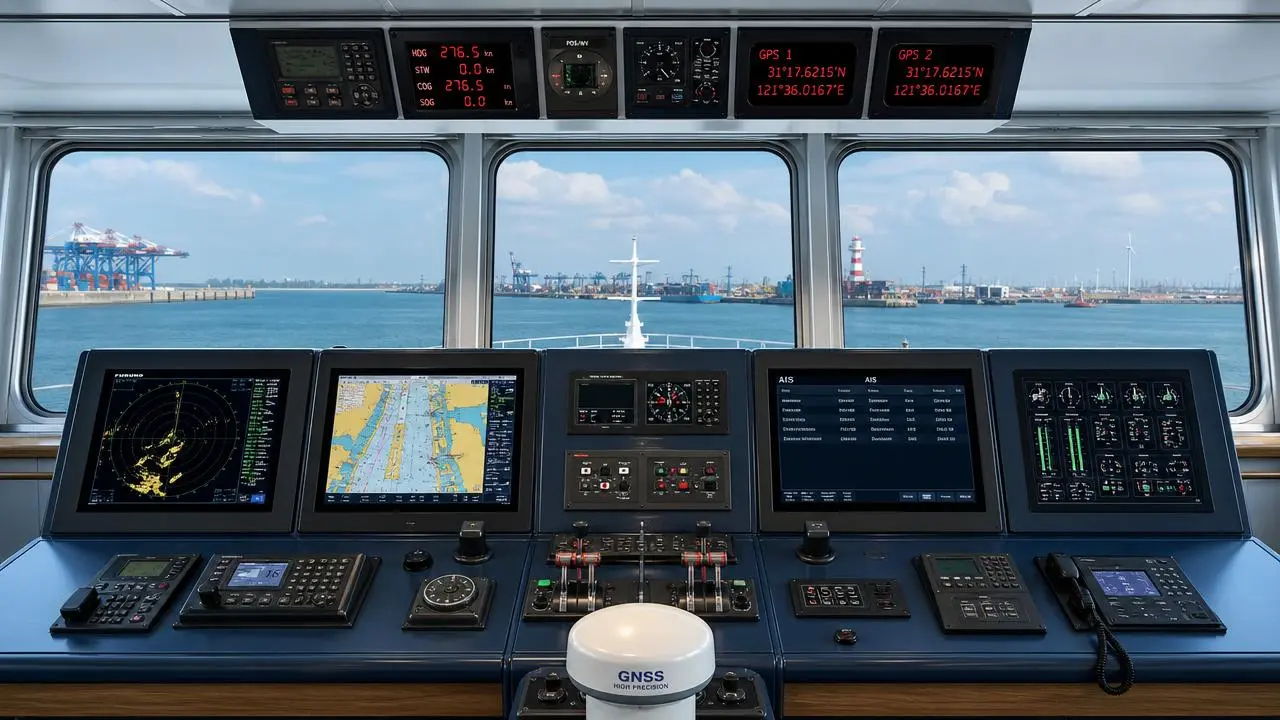
Marine Positioning Technology: What to Compare Before System Selection
Marine positioning technology comparison guide: evaluate accuracy, integration, resilience, compliance, and lifecycle cost before system selection for safer navigation and smarter long-term value.
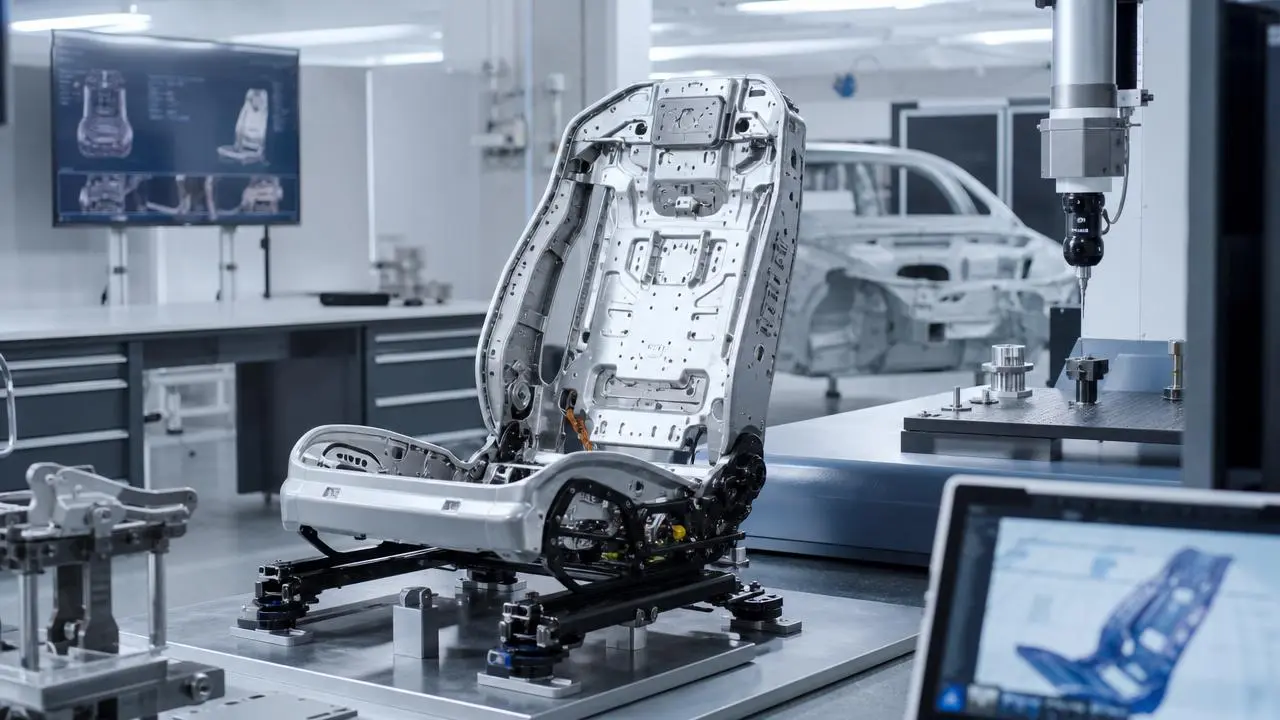
Automotive Ergonomic Design Trends Shaping Seat Frame Development in 2026
Automotive ergonomic design is reshaping seat frame development in 2026, driving safer, lighter, smarter seating solutions that improve comfort, compliance, and EV cabin integration.

How Micro-Climate Control Seats Improve Comfort in Long-Haul Driving
Micro-climate control seats improve long-haul driving comfort by managing heat, airflow, and moisture. Discover how they reduce fatigue, support safety, and enhance every journey.
Weekly Insights
Stay ahead with our curated technology reports delivered every Monday.